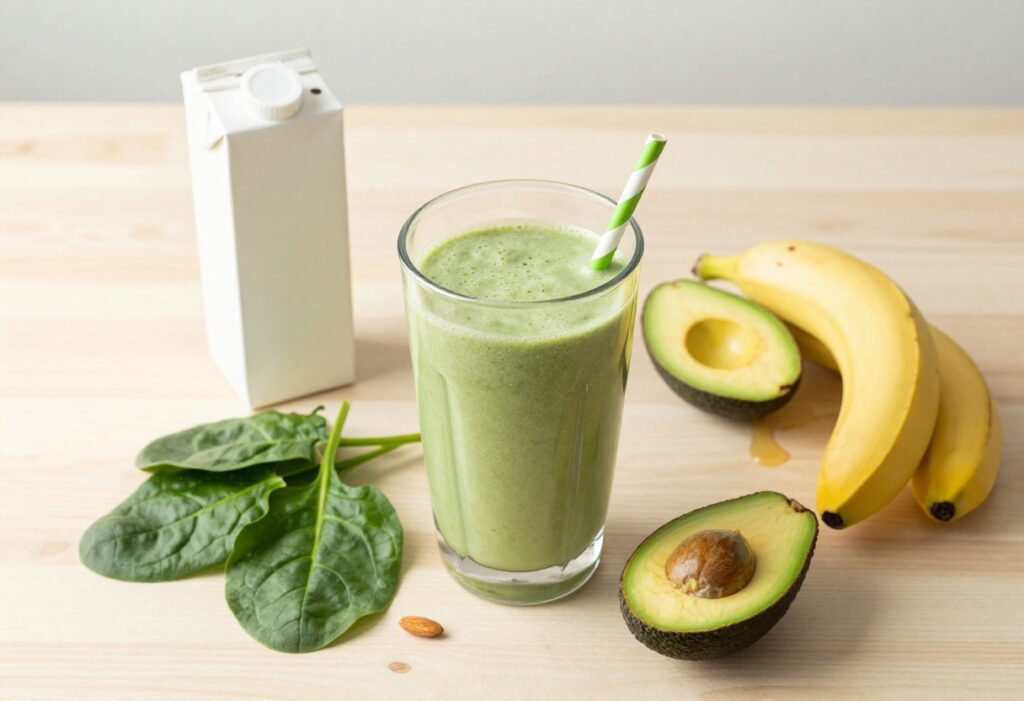
When we think about diet, we often focus on physical health—weight, heart health, or digestion. But what we eat also plays a powerful role in how we think and feel. A mental diet is about choosing foods that nourish your brain, support stable moods, and promote mental clarity.
It's not a strict regimen but a way of eating that prioritizes nutrients known to benefit mental well-being. Certain foods have been studied for their positive effects on brain function, from reducing inflammation to supporting neurotransmitter production.
By stocking your kitchen with these staples, you can make it easier to eat in a way that supports your mental health every day. The best part?
What Is a Mental Diet?

A mental diet is a way of eating that prioritizes foods known to support brain health, stabilize mood, and enhance cognitive function. Unlike a standard healthy diet that focuses mainly on physical health, a mental diet pays special attention to nutrients that directly affect the brain and nervous system.
The core idea is that what you eat can influence how you think and feel. Research in nutritional psychiatry has shown that certain foods can reduce inflammation, support neurotransmitter production, and promote a healthy gut microbiome—all of which are linked to better mental health. Key nutrients include omega-3 fatty acids, B vitamins, antioxidants, and probiotics.
A mental diet is not about strict rules or eliminating entire food groups. Instead, it emphasizes adding brain-friendly staples to your regular meals. Think of it as nourishing your mind, not just your body.
This approach can help with stress, anxiety, and overall emotional well-being when combined with other healthy habits.
While a mental diet can support mental wellness, it is not a substitute for professional mental health care. Always consult a healthcare provider for serious concerns.
Leafy Greens and Cruciferous Vegetables

Leafy greens and cruciferous vegetables are among the most nutrient-dense foods you can eat. They are packed with vitamins, minerals, and antioxidants that directly support brain health and mood regulation.
Why They Help
These vegetables are rich in folate, vitamin K, and antioxidants like vitamin C and beta-carotene. Folate plays a key role in producing neurotransmitters like serotonin and dopamine, which influence mood. Vitamin K supports brain cell health, and antioxidants reduce inflammation that can impair cognitive function.
Cruciferous vegetables like broccoli and Brussels sprouts also contain sulforaphane, a compound that may protect brain cells from damage.
How to Use Them
Adding these vegetables to your meals is simple and versatile.
- Toss a handful of spinach or kale into smoothies for an easy nutrient boost.
- Use romaine or mixed greens as a base for salads with a variety of toppings.
- Roast broccoli or Brussels sprouts with olive oil and garlic for a flavorful side dish.
- Sauté Swiss chard or collard greens with onions and a splash of lemon juice.
- Add chopped kale to soups, stews, or pasta dishes for extra texture and nutrition.
Fatty Fish and Omega-3 Sources
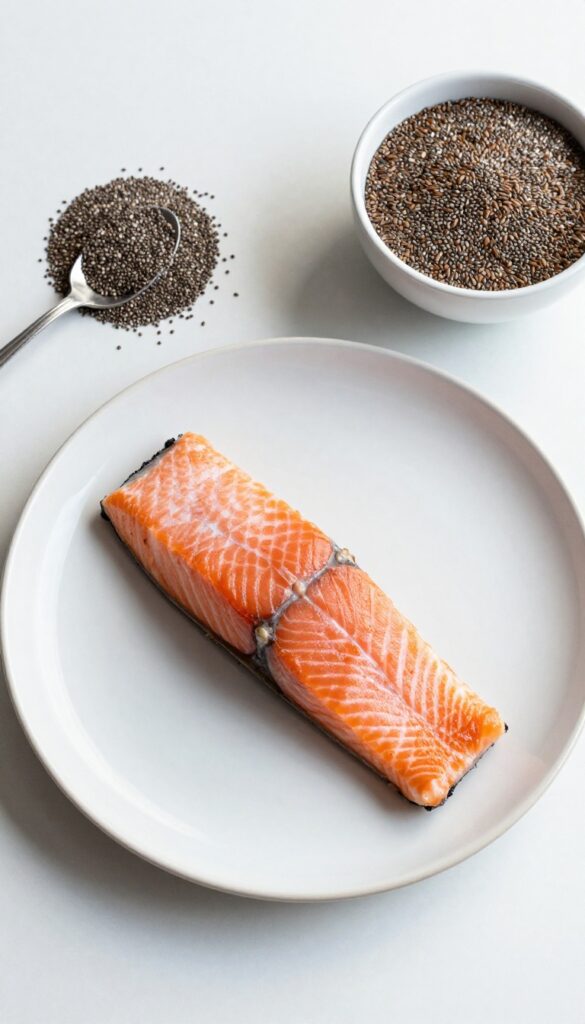
Omega-3 fatty acids, particularly EPA and DHA, are essential for maintaining brain cell structure and supporting communication between neurons. These healthy fats also play a role in regulating mood, and low levels have been linked to depression and anxiety. Including fatty fish and plant-based omega-3 sources in your diet can be a simple yet powerful step toward better mental health.
Why They Help
The brain is about 60% fat, and a significant portion of that is DHA, a type of omega-3. Adequate DHA supports the integrity of cell membranes and promotes efficient signaling. EPA, another omega-3, helps reduce inflammation, which is increasingly recognized as a factor in mood disorders.
Studies suggest that people who regularly eat fatty fish have lower rates of depression and may experience improved emotional resilience.
How to Use Them
Incorporating omega-3s into your meals doesn't have to be complicated. Here are some practical tips:
- Aim for at least two servings of fatty fish per week. Good options include salmon, sardines, mackerel, herring, and anchovies.
- If you're vegetarian or vegan, focus on plant-based sources like flaxseeds, chia seeds, hemp seeds, and walnuts. Note that plant-based ALA needs to be converted to EPA/DHA, so consider an algae-based supplement if needed.
- Add ground flaxseeds or chia seeds to smoothies, oatmeal, or yogurt for a quick omega-3 boost.
- Use canned sardines or mackerel in salads, sandwiches, or pasta dishes for a convenient, affordable option.
- Grill or bake salmon with herbs and lemon for a simple, delicious dinner that supports brain health.
Fermented Foods for Gut Health
The gut-brain axis is a two-way communication system linking your digestive health to your mental well-being. Fermented foods are rich in probiotics—beneficial bacteria that help maintain a healthy gut flora, which in turn can positively influence mood and cognitive function.
Why They Help
Probiotics in fermented foods support the growth of good bacteria in your gut. A balanced gut microbiome can reduce inflammation, improve nutrient absorption, and even produce neurotransmitters like serotonin. By including fermented foods in your diet, you may experience better mood regulation and reduced symptoms of anxiety.
How to Use Them
- Start your day with a small bowl of plain yogurt or kefir topped with berries and nuts.
- Add a spoonful of sauerkraut or kimchi to salads, sandwiches, or grain bowls for a tangy crunch.
- Sip on kombucha as a refreshing afternoon drink, but watch for added sugars.
- Use miso paste to make a quick soup or as a flavor base for dressings and marinades.
- Try tempeh as a protein-rich meat substitute in stir-fries or sandwiches.
Practical Tips
When shopping, look for fermented foods that are refrigerated and labeled "live and active cultures" to ensure they contain probiotics. Start with small servings to let your digestive system adjust. Remember that while fermented foods support gut health, they are not a cure-all—pair them with a balanced diet and other healthy lifestyle habits.
Whole Grains and Complex Carbohydrates
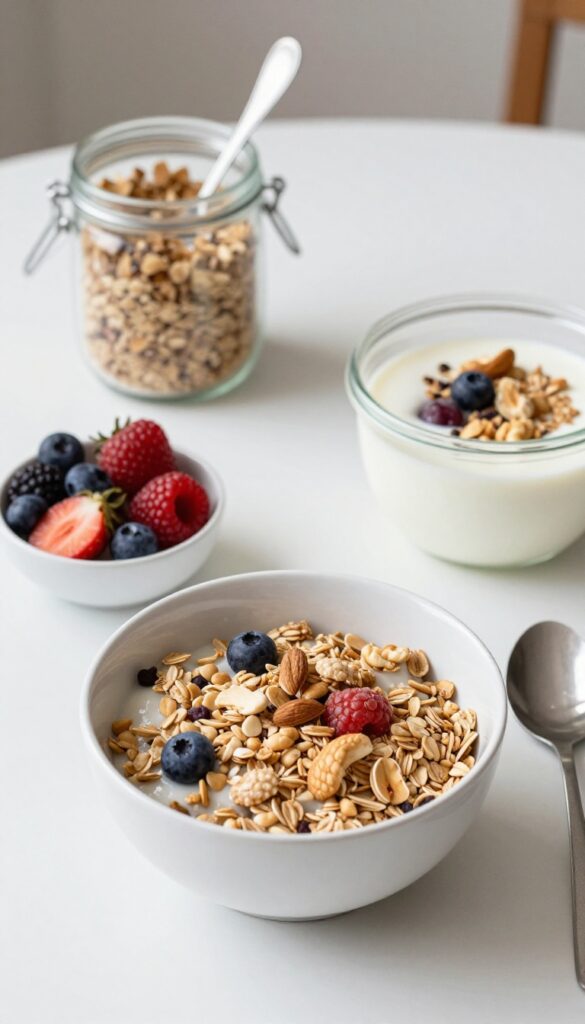
Carbohydrates often get a bad reputation, but complex carbs are actually your brain's preferred fuel source. Unlike simple sugars that cause energy crashes, whole grains provide a steady release of glucose, keeping your mood and focus stable throughout the day.
Why They Help
Whole grains are rich in B vitamins (especially B6, folate, and B12), which are essential for producing neurotransmitters like serotonin and dopamine. They also contain fiber that slows digestion, preventing blood sugar spikes that can trigger anxiety or irritability. The steady energy supply helps you think clearly and maintain emotional balance.
How to Use Them
Start by swapping refined grains for whole grain versions in your favorite meals. Here are some easy ways to incorporate them:
- Choose oats or quinoa for breakfast instead of sugary cereals. Top with berries and nuts for a brain-boosting bowl.
- Use brown rice or farro as a base for grain bowls with roasted vegetables and a lean protein.
- Opt for 100% whole wheat bread or wraps for sandwiches. Check labels to ensure whole grains are listed first.
- Experiment with ancient grains like amaranth, millet, or teff for variety and extra nutrients.
- Add cooked barley or bulgur to soups and stews for a hearty texture and fiber boost.
When shopping, look for labels that say "100% whole grain" or "whole wheat" as the first ingredient. Avoid terms like "multigrain" or "enriched flour," which may not be whole grain. A good rule of thumb: if it's white or fluffy, it's likely refined.
Go for darker, denser options that pack more nutrition.
Berries and Colorful Fruits
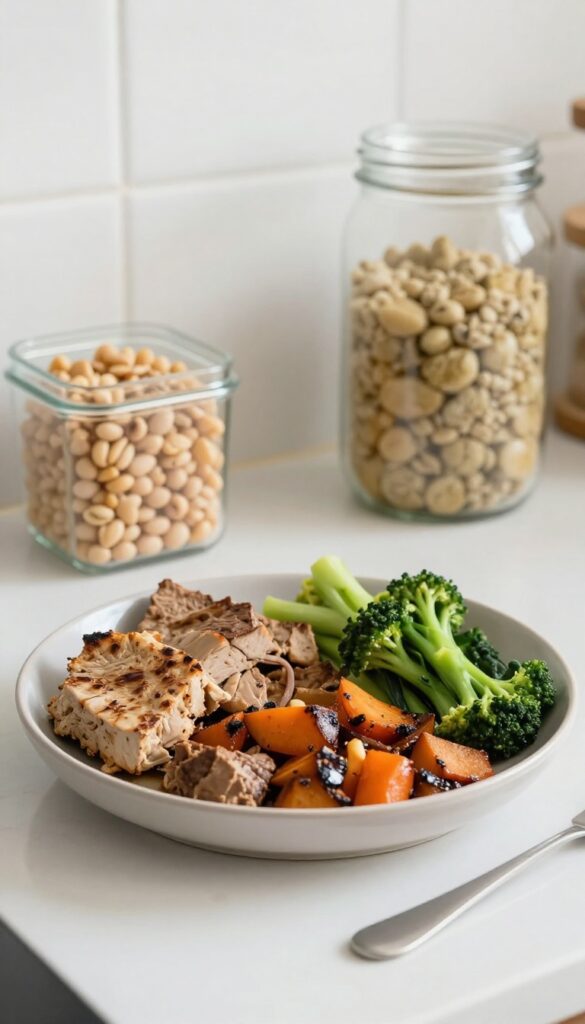
Berries and brightly colored fruits are some of the most powerful foods you can eat for your brain. Their vibrant hues come from flavonoids and anthocyanins, compounds that help reduce inflammation and protect neurons from damage. Adding a serving or two to your daily routine can support memory, mood, and overall cognitive function.
Why They Help
The antioxidants in berries, such as blueberries and strawberries, neutralize free radicals that can harm brain cells. Research suggests that regular consumption may slow age-related cognitive decline and improve communication between brain cells. Oranges and other citrus fruits provide vitamin C, which is essential for neurotransmitter production and immune support.
Cherries contain melatonin and anti-inflammatory compounds that may enhance sleep quality and reduce oxidative stress.
How to Use Them
Incorporating these fruits into your diet is simple and versatile. Here are a few ideas:
- Add a handful of frozen berries to smoothies or oatmeal.
- Top yogurt or cottage cheese with fresh strawberries and blueberries.
- Snack on an orange or a cup of cherries in the afternoon.
- Mix chopped fruit into salads for a sweet twist.
- Use unsweetened dried berries in trail mix or baking.
Nuts, Seeds, and Healthy Fats

Healthy fats are essential for brain health. Nuts, seeds, and oils provide vitamin E, magnesium, and omega-3s that support cognitive function and mood regulation.
Why They Help
The brain is about 60% fat, and it relies on a steady supply of healthy fats to maintain cell membrane integrity and reduce inflammation. Vitamin E acts as an antioxidant, protecting brain cells from oxidative stress. Magnesium helps regulate neurotransmitters involved in mood and stress response.
Walnuts, for example, are rich in ALA, a plant-based omega-3 that supports brain function. Almonds provide vitamin E and magnesium. Pumpkin seeds are a great source of zinc, which plays a role in mood regulation.
Avocados and olive oil deliver monounsaturated fats that improve blood flow to the brain.
How to Use Them
Incorporate nuts and seeds into your diet in simple, practical ways:
- Add a handful of walnuts or almonds to your morning oatmeal or yogurt.
- Sprinkle pumpkin seeds on salads or roasted vegetables for crunch.
- Use avocado as a spread on whole-grain toast or in smoothies for creaminess.
- Drizzle extra-virgin olive oil over cooked vegetables or use it in homemade salad dressings.
- Keep a small bag of mixed nuts and seeds in your bag for a quick, brain-boosting snack.
Portion Tips
Nuts and seeds are calorie-dense, so stick to a serving size of about 1 ounce (a small handful) per day. This provides the benefits without excess calories. Choose raw or dry-roasted varieties without added salt or sugar to keep them healthy.
Tips for Shopping and Meal Planning
Stocking your kitchen with mental diet staples doesn't have to be complicated or expensive. With a little planning, you can make shopping easier and set yourself up for success throughout the week.
Building a Mental Diet Grocery List
Start with a simple list organized by grocery store sections. This saves time and helps you avoid impulse buys.
Simple Meal Ideas
Combine your staples into easy meals that support brain health without requiring hours in the kitchen.
Budget-Friendly Tips
Eating for mental wellness doesn't have to break the bank. Buy frozen berries and fish when fresh is pricey, choose store-brand oats and grains, and batch-cook staples like quinoa and beans to use throughout the week. Seasonal produce is often cheaper and more flavorful.
FAQ
Can a mental diet replace medication?
No. A mental diet is not a substitute for professional medical treatment. While certain foods can support mental health, they should complement—not replace—any prescribed medications or therapies.
Always consult your healthcare provider before making significant dietary changes, especially if you have a mental health condition.
How quickly can dietary changes affect mood?
It varies. Some people notice subtle improvements in energy and mood within a few days, especially if they were previously eating a lot of processed foods. However, significant changes in brain chemistry and gut health can take weeks or months.
Consistency is key.
Do I need to take supplements?
Ideally, you should get nutrients from whole foods. Supplements can help fill gaps, but they are not a replacement for a balanced diet. If you're considering supplements like omega-3s or vitamin D, talk to your doctor first to determine what's right for you.
Is a mental diet expensive?
Not necessarily. Staples like oats, brown rice, frozen berries, and canned fish are budget-friendly. Buying seasonal produce and bulk nuts can also save money.
Focus on a few key items rather than trying to buy everything at once.
Conclusion
Eating for your mental health doesn't have to be complicated. By keeping a few key staples in your pantry and fridge—like leafy greens, fatty fish, fermented foods, whole grains, berries, and nuts—you can build meals that support your brain and mood. Start small: swap white rice for quinoa, add a handful of spinach to your smoothie, or snack on walnuts instead of chips.
Remember, a mental diet is about nourishment, not perfection. Every healthy choice adds up.

Dr. Pallab Kishore, MS in Orthodontics and owner of Orthodontic Braces Care, shares expert tips on braces, aligners, and oral health from 10+ years of experience.