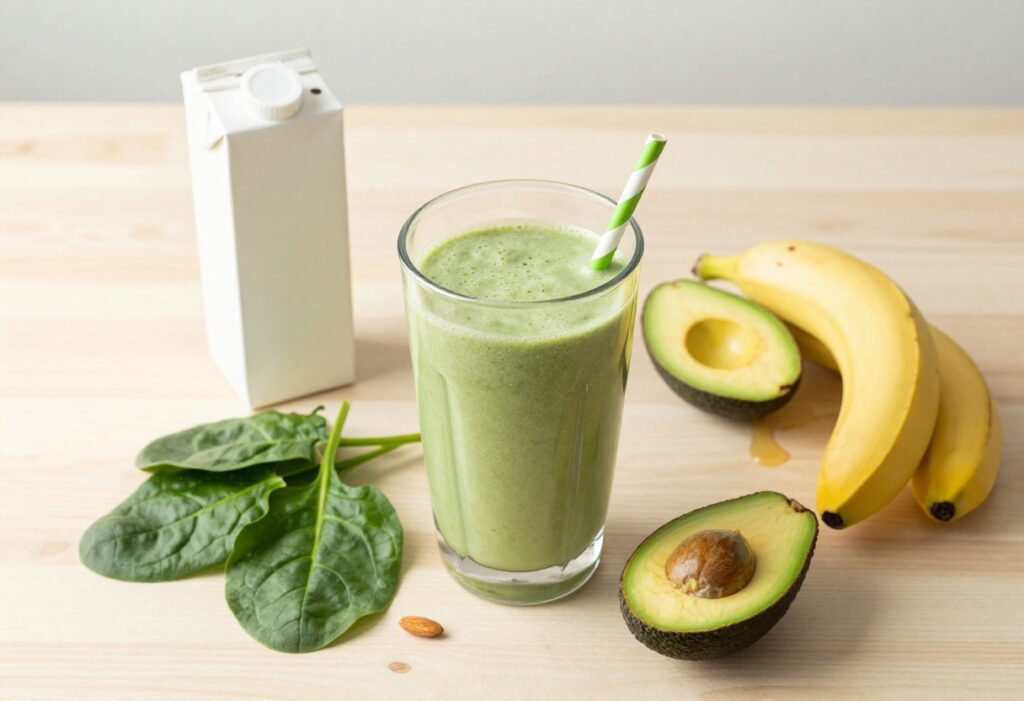
Liver detox diets have become a popular topic in health and wellness circles. Many people turn to these diets hoping to cleanse their liver, boost energy, or jumpstart weight loss. But before you jump on the bandwagon, it's crucial to ask the right questions.
Not all detox plans are created equal, and some may even be harmful without proper guidance. This article will walk you through 25 smart questions to ask about any liver detox diet.
These questions cover safety, effectiveness, dietary details, lifestyle factors, and more. By the end, you'll have a clear framework to evaluate any detox plan and make an informed decision that supports your health.
What Is a Liver Detox Diet?

A liver detox diet is a short-term eating plan designed to support the liver’s natural ability to filter toxins from the body. While the liver is constantly working to process what we consume, proponents of detox diets believe that certain foods and practices can give it an extra boost. These diets typically last from a few days to a couple of weeks and emphasize whole, unprocessed foods while eliminating potential stressors like alcohol, caffeine, and sugar.
Common Components of a Liver Detox Diet
While there is no single “official” liver detox diet, most share a similar set of core elements:
- High intake of vegetables, especially leafy greens like spinach, kale, and arugula, which are rich in chlorophyll and antioxidants.
- Fruits such as beets, carrots, apples, and citrus fruits that provide fiber, vitamins, and compounds like glutathione.
- Lean proteins from sources like fish, chicken, or plant-based options (e.g., lentils, beans) to support enzyme production.
- Healthy fats from avocados, nuts, seeds, and olive oil to aid nutrient absorption.
- Plenty of water, herbal teas, and sometimes lemon water to promote hydration and digestion.
- Elimination of alcohol, caffeine, processed foods, refined sugars, and trans fats.
- Optional practices like intermittent fasting, juicing, or using supplements such as milk thistle or dandelion root.
Why People Try a Liver Detox Diet
People turn to liver detox diets for a variety of reasons, including a desire to improve energy levels, clear skin, support digestion, or simply reset after a period of overindulgence. Some also hope to reduce bloating or feel more mentally clear. It’s important to note that these diets are not intended to treat or cure any medical condition, and their effectiveness varies from person to person.
Is a Liver Detox Diet Safe?
Before trying any liver detox diet, it's important to understand the potential risks. While many detox plans are marketed as safe and natural, they can sometimes cause side effects or be inappropriate for certain individuals. Medical supervision is always recommended.
Potential Risks and Side Effects
Liver detox diets often involve severe calorie restriction, juicing, or herbal supplements. These can lead to:
Who Should Avoid Liver Detox Diets?
Certain groups should avoid these diets unless specifically approved by a healthcare provider:
Always consult a doctor before starting any detox diet, especially if you have underlying health issues or take medications. A healthcare professional can help you weigh the benefits and risks and recommend a safer approach to supporting liver health.
Does Science Support Liver Detox Diets?
When considering a liver detox diet, it's natural to wonder whether there's solid scientific evidence behind the claims. Let's examine what research actually says and how common claims stack up against the evidence.
What Research Says
The liver is remarkably efficient at detoxifying the body on its own. It processes toxins, metabolizes drugs, and filters blood without needing special diets or cleanses. Scientific studies on liver detox diets are limited.
Most research focuses on specific compounds like milk thistle or turmeric, but results are mixed and often not robust. A 2015 review in the World Journal of Gastroenterology noted that while some herbs show promise in animal studies, human trials are scarce and often flawed. The consensus among hepatologists is that there is no strong evidence that detox diets enhance liver function beyond what a balanced diet and healthy lifestyle provide.
Common Claims vs. Evidence
Many detox diet promoters make bold claims, but the evidence often falls short. Here's a quick comparison:
What Should You Eat and Drink?

A liver detox diet focuses on whole, nutrient-dense foods that support the liver's natural detoxification processes while avoiding substances that can burden it. The key is to emphasize foods rich in antioxidants, fiber, and healthy fats, and to stay well-hydrated.
Foods to Include
These foods are particularly beneficial for liver health:
- Cruciferous vegetables: broccoli, Brussels sprouts, cabbage, and kale help activate liver detox enzymes.
- Leafy greens: spinach, arugula, and Swiss chard provide chlorophyll and fiber.
- Berries: blueberries, strawberries, and raspberries are rich in antioxidants that protect liver cells.
- Citrus fruits: lemons, limes, and grapefruits boost vitamin C and support enzyme function.
- Healthy fats: avocados, olive oil, and nuts provide anti-inflammatory fats.
- Whole grains: oats, quinoa, and brown rice offer fiber that aids elimination.
- Lean proteins: fish, chicken, and legumes supply amino acids for detox pathways.
- Herbs and spices: turmeric, ginger, and milk thistle have liver-protective properties.
Foods to Avoid
To reduce liver strain, limit or eliminate these items:
- Processed foods: chips, fast food, and packaged snacks high in additives and preservatives.
- Added sugars: sodas, sweets, and sugary cereals can lead to fatty liver.
- Refined grains: white bread, pasta, and white rice spike blood sugar and increase liver workload.
- Fried foods: deep-fried items are high in unhealthy fats that promote inflammation.
- Alcohol: even moderate intake can impair liver function during a detox.
- Excessive salt: processed meats, canned soups, and salty snacks can cause fluid retention.
Hydration Matters
Water is essential for liver detox. Aim for at least 8–10 glasses daily. Herbal teas like dandelion root or green tea can also support hydration and provide antioxidants.
Avoid sugary drinks and excessive caffeine.
What Lifestyle Changes Support Liver Health?
While diet plays a central role in liver health, lifestyle factors like exercise, sleep, and stress management are equally important. These habits work synergistically with dietary changes to enhance liver function and overall well-being.
Exercise and Sleep
Regular physical activity helps reduce liver fat, improve insulin sensitivity, and decrease inflammation. Aim for at least 150 minutes of moderate aerobic exercise per week, such as brisk walking, cycling, or swimming. Strength training twice a week can also be beneficial.
Quality sleep is crucial for liver repair and detoxification. Poor sleep hygiene is linked to non-alcoholic fatty liver disease (NAFLD). Establish a consistent sleep schedule, avoid screens before bed, and create a cool, dark sleeping environment.
Stress Management
Chronic stress can impair liver function by increasing cortisol levels and promoting inflammation. Incorporate stress-reducing practices like mindfulness, meditation, deep breathing, or yoga. Even 10 minutes daily can make a difference.
Engaging in hobbies, spending time in nature, and maintaining social connections also help lower stress.
Key Lifestyle Habits for Liver Health
- Moderate exercise: 150 minutes of moderate aerobic activity weekly
- Sleep hygiene: 7–9 hours per night, consistent schedule
- Stress reduction: daily mindfulness or relaxation practice
When Should You Consult a Doctor?
Before starting any liver detox diet, it's crucial to consult a healthcare professional, especially if you have underlying health conditions or take medications. A doctor can help you assess risks, monitor your progress, and ensure the diet is safe for your specific situation.
Pre-Existing Conditions
- Liver disease: If you have hepatitis, fatty liver disease, cirrhosis, or any other liver condition, a detox diet could interfere with your treatment or worsen your condition. Always get your doctor's approval first.
- Diabetes: Detox diets often involve drastic changes in carbohydrate intake, which can affect blood sugar levels. If you have diabetes, you'll need careful monitoring and possibly adjustments to your medication.
- Kidney disease: Some detox diets emphasize high fluid intake or certain herbs that may be hard on the kidneys. Consult your doctor if you have any kidney issues.
- Digestive disorders: Conditions like IBS, Crohn's disease, or ulcerative colitis can be aggravated by sudden dietary changes or certain detox ingredients.
Medication Interactions
- Blood thinners: Many detox diets include foods high in vitamin K (like leafy greens) or herbs that can interact with anticoagulants, affecting blood clotting.
- Blood pressure medications: Detox diets that cause fluid loss or changes in electrolyte balance can interfere with blood pressure medications, leading to dangerous drops or spikes.
- Antidepressants: Some detox ingredients, such as St. John's Wort or high doses of certain vitamins, can reduce the effectiveness of antidepressants or cause side effects.
- Oral contraceptives: Certain herbs and supplements used in detox diets may alter hormone levels and reduce the efficacy of birth control pills.
Important
Always provide your doctor with a complete list of any supplements, herbs, or dietary changes you plan to make. Some natural products can be as potent as medications and may cause unexpected interactions.
What Results Can You Expect?
Understanding what a liver detox diet can realistically achieve helps you set appropriate goals and avoid disappointment. Results vary based on your starting point, the specific diet you follow, and how long you stick with it.
Short-Term vs. Long-Term Effects
In the first few days to a week, you may notice subtle changes such as improved energy, reduced bloating, and better digestion. These short-term effects often result from eliminating processed foods, alcohol, and added sugars, which reduces the workload on your liver. However, these changes are not unique to a liver detox — any healthy dietary shift can produce similar benefits.
Long-term effects, such as sustained weight loss, stable energy levels, and reduced inflammation, require consistent healthy habits beyond the detox period. A short detox alone is unlikely to produce lasting changes if you return to your previous diet.
Setting Realistic Goals
Where to Find Reliable Information?
With so much conflicting advice online, knowing where to turn for trustworthy information about liver detox diets is essential. The right sources can help you separate evidence-based guidance from marketing hype.
Trusted Sources for Liver Health Information
Red Flags to Watch For
Further Reading and Resources
FAQ
Can a liver detox diet help with weight loss?
Some people may experience short-term weight loss due to calorie restriction or water loss, but this is often not sustainable. A liver detox diet is not a proven weight loss method, and any weight lost may be regained once normal eating resumes.
How long should a liver detox diet last?
Most detox diets last from a few days to a couple of weeks. Longer durations should be supervised by a healthcare professional. It's important not to extend a restrictive diet without medical advice.
Are there any side effects of a liver detox diet?
Possible side effects include fatigue, headaches, hunger, and digestive issues. More severe effects can occur if the diet is too restrictive or if you have underlying health conditions. Always consult a doctor before starting.
Do I need to buy special products for a liver detox?
No, you don't need expensive supplements or cleanses. A liver detox diet can be based on whole foods like fruits, vegetables, and water. Be wary of products that make exaggerated claims.
Can I do a liver detox if I have a medical condition?
If you have a medical condition, especially liver disease, diabetes, or kidney issues, you should not start a detox diet without medical supervision. Some detox plans can interfere with medications or worsen your condition.
Conclusion
Asking the right questions is the first step toward making a safe and informed decision about a liver detox diet. The 25 questions outlined in this article cover the essential aspects you need to consider, from safety and effectiveness to dietary details and realistic expectations.
Remember, your liver is remarkably efficient at detoxifying itself, and the best way to support it is through a balanced diet, regular exercise, and healthy lifestyle habits.

Dr. Pallab Kishore, MS in Orthodontics and owner of Orthodontic Braces Care, shares expert tips on braces, aligners, and oral health from 10+ years of experience.