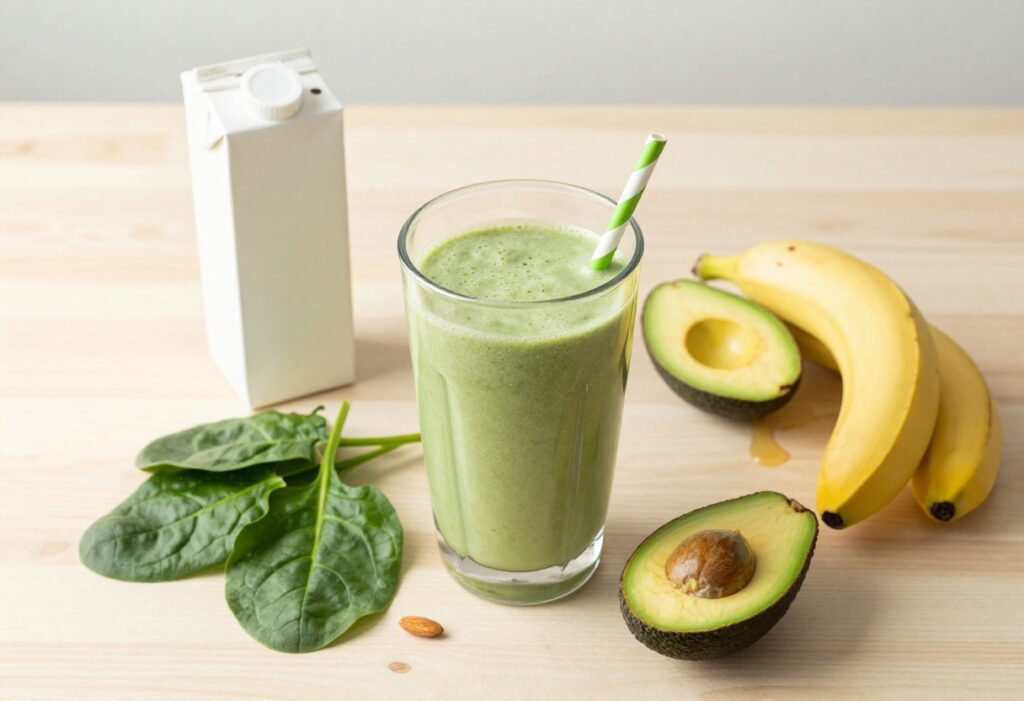
After surgery, your body needs proper nutrition to heal, but chewing and swallowing can be challenging. A soft food diet bridges the gap between liquid meals and regular eating, providing essential nutrients in easy-to-consume forms. Planning ahead makes this phase smoother and less stressful.
Meal planning notes are your personal guide to what works for you. They help you track foods that are well-tolerated, ensure you get enough protein and vitamins, and prevent mealtime frustration.
With a little organization, you can enjoy a varied and satisfying soft food diet. This article walks you through everything you need to know about planning and preparing soft meals after surgery.
What Is a Soft Food Diet and Why Is It Important After Surgery?
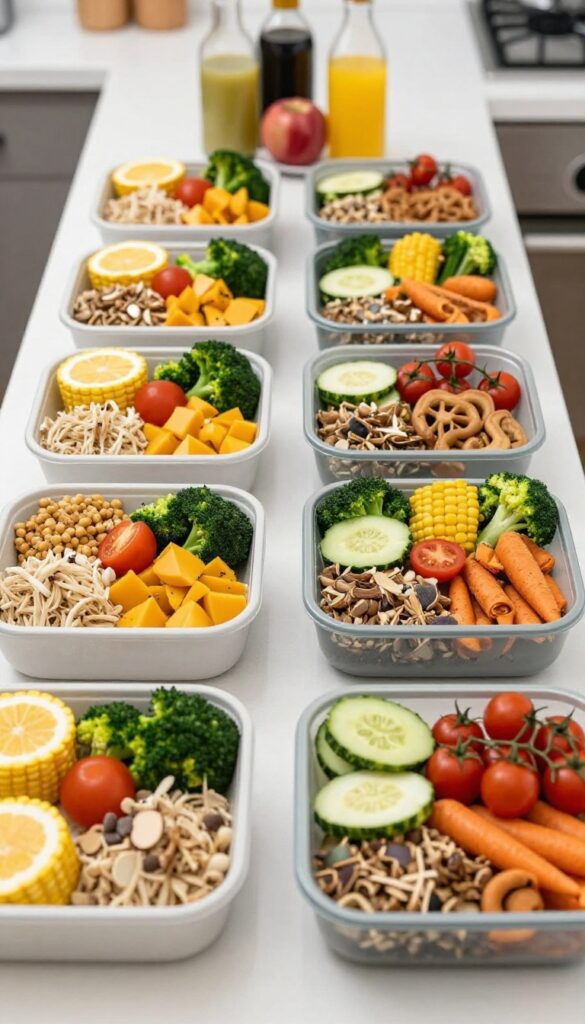
A soft food diet consists of foods that are easy to chew, swallow, and digest. After surgery, your body needs nutrients to heal, but your digestive system may be sensitive. Soft foods provide the building blocks for recovery without putting stress on your body.
Key Characteristics of a Soft Food Diet
A soft food diet includes foods that are naturally soft or have been modified to be soft. These foods are gentle on the mouth, throat, and stomach. Common characteristics include:
- Moist and easy to chew — no hard, crunchy, or tough textures.
- Smooth or mashed consistency — think pureed, ground, or finely chopped.
- Low in fiber and fat to reduce digestive effort.
- Mildly seasoned to avoid irritation.
- Soft proteins like scrambled eggs, flaked fish, or tofu.
- Cooked vegetables and fruits without skins or seeds.
- Soft grains like oatmeal, cream of wheat, or well-cooked pasta.
Benefits for Post-Surgical Recovery
After surgery, your body directs energy toward healing. A soft food diet supports this process by providing easily absorbed nutrients. It minimizes chewing and swallowing effort, which is especially helpful if you have mouth or throat surgery.
It also reduces the risk of food getting stuck or causing discomfort. By focusing on nutrient-dense soft foods, you can maintain your strength, support tissue repair, and prevent complications like constipation or dehydration. Many healthcare providers recommend this diet as a transitional step before returning to regular foods.
Getting Started: Essential Supplies and Kitchen Prep
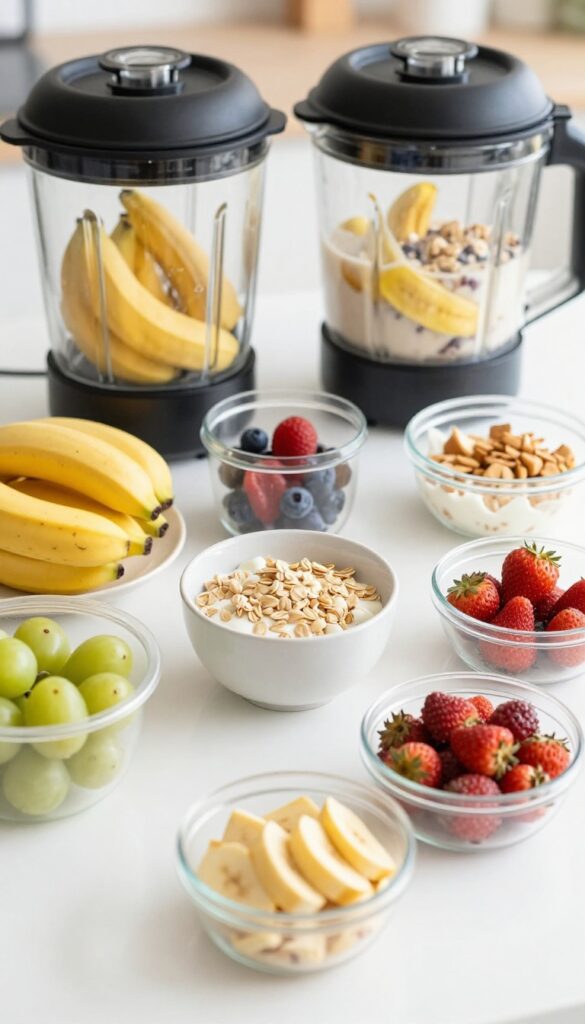
Before you start planning meals, it helps to have the right tools and ingredients on hand. A little prep work now will make your soft food diet much easier to follow.
Tools That Make Soft Food Prep Easier
You don't need a full restaurant kitchen, but a few key appliances can turn tough foods into smooth, safe textures. Consider adding these to your countertop:
Stocking Your Pantry and Fridge
A well-stocked kitchen means you can whip up a soft meal without a last-minute trip to the store. Here's a basic grocery list to get you started:
Building a Balanced Soft Food Meal: Nutrients to Focus On
A balanced meal on a soft food diet includes protein, vitamins from fruits and vegetables, and energy from carbohydrates and healthy fats. Here’s how to get enough of each nutrient with easy-to-eat options.
Protein Sources That Are Easy to Eat
Protein helps repair tissues and maintain muscle mass during recovery. Aim for a serving at each meal.
- Scrambled eggs or egg salad (finely chopped)
- Smooth tofu blended into soups or sauces
- Flaked white fish (cod, haddock) or canned tuna mashed well
- Greek yogurt or cottage cheese (smooth varieties)
- Protein shakes or smoothies with added protein powder
Soft Fruits and Vegetables for Vitamins
Fruits and vegetables provide essential vitamins and fiber. Choose soft, cooked, or pureed versions to avoid irritation.
- Bananas, ripe pears, and avocados (mashed)
- Applesauce or baked apples without skin
- Cooked and pureed carrots, sweet potatoes, or pumpkin
- Well-cooked spinach or zucchini (pureed)
- Smooth fruit smoothies without seeds or chunks
Carbohydrates and Healthy Fats
Carbohydrates provide energy, and healthy fats support healing and help absorb vitamins. Include a source of each at meals.
For carbohydrates, choose well-cooked oatmeal, cream of wheat, soft white rice, or tender pasta. Avoid whole grains with tough husks. Healthy fats can come from avocado, olive oil drizzled over pureed vegetables, or nut butters (like smooth peanut or almond butter) thinned with water or yogurt.
Remember to drink plenty of water and include a small amount of fat at each meal to keep meals satisfying and nutrient-dense.
Creating Your Weekly Soft Food Meal Plan: A Step-by-Step Guide
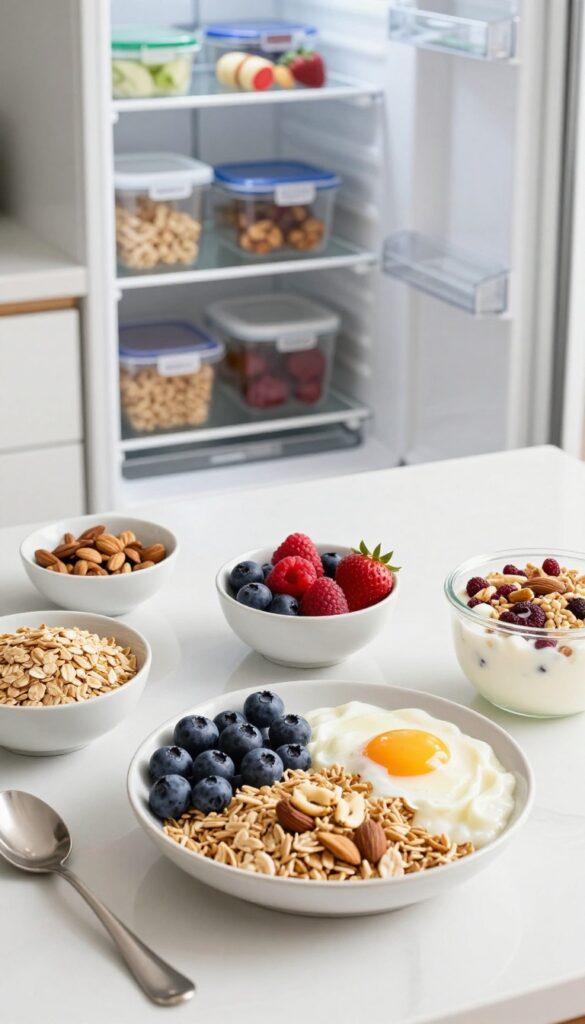
A weekly meal plan takes the guesswork out of eating after surgery. By mapping out your meals in advance, you ensure variety, balanced nutrition, and less stress when hunger strikes. Follow these steps to build a plan that works for your recovery.
Step 1: List Your Go-To Soft Foods
Start by writing down all the soft foods you enjoy and that your body tolerates well. Include options from each food group: proteins (scrambled eggs, Greek yogurt, soft fish), carbohydrates (mashed potatoes, oatmeal, soft pasta), fruits and vegetables (applesauce, steamed carrots, avocado), and healthy fats (nut butters, olive oil). Keep this list handy—it will be the building block for your weekly plan.
Examples of go-to soft foods
- Proteins: cottage cheese, silken tofu, ground meat, lentil soup
- Carbs: cream of wheat, rice pudding, soft bread (without crust)
- Fruits/veggies: banana, canned pears, well-cooked spinach
- Fats: hummus, smooth nut butter, avocado
Step 2: Plan Breakfasts, Lunches, Dinners, and Snacks
Using your list, fill in each day with a breakfast, lunch, dinner, and two snacks. Aim for a protein source at every meal to support healing. Keep meals simple—for example, breakfast could be oatmeal with mashed banana, lunch a creamy tomato soup, dinner poached fish with mashed sweet potatoes, and snacks like yogurt or applesauce.
Rotate foods to avoid boredom.
Step 3: Prep in Batches to Save Time
Once your plan is set, identify items you can prepare ahead. Cook a large batch of soup, hard-boil eggs, blend a smoothie base, or portion out yogurt cups. Store them in the fridge or freezer so you can grab a meal in minutes.
Batch cooking reduces daily effort and ensures you always have a soft food option ready.
Sample day from a weekly plan
Breakfast: Scrambled eggs with avocado. Snack: Applesauce. Lunch: Creamy chicken and rice soup.
Snack: Greek yogurt. Dinner: Baked salmon with mashed cauliflower. This structure provides variety and covers key nutrients.
Sample Soft Food Meal Plan for One Week
Here is a sample one-week meal plan to give you ideas for balanced, soft meals. Each day includes breakfast, lunch, dinner, and a snack. Adjust portions and ingredients to your tolerance and preferences.
One-Week Soft Food Meal Plan
| Day | Breakfast | Lunch | Dinner | Snack |
| Monday | Scrambled eggs with finely chopped spinach and shredded cheese | Creamy tomato soup (blended) with a side of well-cooked pasta | Mashed potatoes with soft baked fish (flaked) and steamed carrots | Greek yogurt with mashed berries |
| Tuesday | Oatmeal made with milk, mashed banana, and a drizzle of honey | Chicken salad (finely chopped chicken, mayo, plain yogurt) on soft bread | Butternut squash soup with soft bread cubes | Cottage cheese with canned peaches (drained) |
| Wednesday | Smoothie with yogurt, mango, and a scoop of protein powder | Tuna salad (mashed with mayo) on soft crackers | Beef stew (well-cooked, blended or finely chopped) with mashed potatoes | Applesauce |
| Thursday | Soft scrambled tofu with nutritional yeast and salsa | Lentil soup (blended) with a side of soft rice | Shepherd's pie (soft mashed potato topping, finely ground meat filling) | Pudding (made with milk or soy milk) |
| Friday | Cream of wheat with brown sugar and a pat of butter | Egg salad sandwich on soft whole wheat bread | Baked salmon with sweet potato mash and steamed zucchini | Banana ice cream (blended frozen banana) |
| Saturday | Pancakes (soft, made with buttermilk) with syrup and mashed strawberries | Split pea soup (blended) with soft bread | Chicken and rice casserole (soft rice, shredded chicken, cream of mushroom soup) | Soft cheese (like brie) on soft crackers |
| Sunday | French toast (soft bread, soaked in egg) with syrup | Quinoa porridge with cinnamon and diced apples (cooked soft) | Meatloaf with mashed cauliflower and gravy | Chocolate mousse (made with silken tofu) |
Tips for Using This Plan
This plan is a template. Feel free to swap days or substitute similar foods. Always ensure foods are soft, moist, and easy to swallow.
If you have specific dietary restrictions or allergies, adjust accordingly.
Tips for Taking Useful Meal Planning Notes
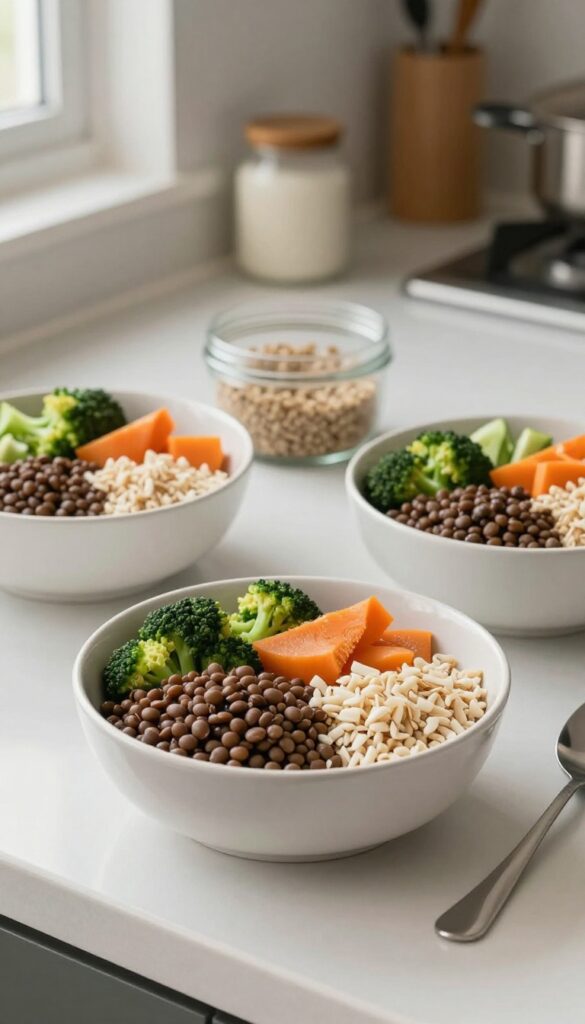
Keeping a simple log of your meals and reactions can help you identify what works best for your recovery. Here are practical ways to track your soft food diet effectively.
What to Track
- Track what works and what doesn’t – note any foods that cause discomfort or are easy to tolerate.
- Note portion sizes and tolerance – record how much you ate and how you felt afterward.
- Keep a log of new recipes tried – write down which recipes you enjoyed and would repeat.
How to Note Food Reactions
After each meal, jot down the time you ate, the specific foods, and any symptoms like bloating, nausea, or pain. Use a simple rating system (e.g., 1–5) for tolerance. This pattern helps you spot triggers and adjust your plan.
Importance of Hydration Notes
Dehydration is common after surgery. Record your fluid intake separately, including water, broth, and thin juices. Aim for small, frequent sips and note any signs of dehydration like dark urine or dizziness.
Common Challenges and How to Overcome Them
Even with careful planning, you may hit a few bumps while on a soft food diet. Here are practical solutions to the most common issues.
Loss of Appetite or Taste Changes
After surgery, medications and your body's healing process can dull your appetite or alter how foods taste. You might find that foods you once loved now seem bland or unappealing. To work around this, try eating smaller, more frequent meals rather than three large ones.
Sometimes just the sight of a colorful plate can help—add pureed beets, carrot purée, or spinach to your mashed potatoes for visual appeal. If taste changes are strong, experiment with gentle seasonings like a pinch of cinnamon in oatmeal, a dash of nutmeg in applesauce, or a squeeze of lemon on cooked fish. Avoid strong spices that might irritate your stomach.
And remember, it's okay if you don't finish every meal; focus on staying hydrated and eating what you can.
Constipation or Digestive Discomfort
A soft food diet can be low in fiber, which may lead to constipation. To keep things moving, include soft, fiber-rich foods like well-cooked oatmeal, pureed prunes, mashed avocado, and canned pumpkin. Drink plenty of water throughout the day—aim for at least 8 cups unless your doctor advises otherwise.
Gentle movement, like short walks, can also stimulate digestion. If you experience bloating or gas, try eating slowly and avoiding carbonated beverages. If discomfort persists or you have severe pain, consult your healthcare provider.
Boredom with the Same Foods
Eating the same soft foods day after day can become monotonous. To add variety without breaking your diet, try these ideas:
FAQ
How long do I need to stay on a soft food diet after surgery?
The duration varies depending on the type of surgery and your doctor's instructions. Typically, it lasts from a few days to several weeks. Always follow your surgeon's or dietitian's guidance.
Can I eat eggs on a soft food diet?
Yes, eggs are an excellent soft food option. Scrambled, poached, or in an omelet, they provide high-quality protein and are easy to chew and swallow.
What are some high-protein soft foods?
Good sources include Greek yogurt, cottage cheese, soft tofu, well-cooked fish, ground meat in sauces, and protein shakes. These help support tissue repair and muscle maintenance.
Is it okay to have dairy products?
Many people tolerate dairy well, but some may experience bloating or discomfort. Start with small amounts of yogurt, milk, or mild cheese. If you have trouble, try lactose-free options.
How can I add flavor without spices that might irritate?
Use mild herbs like parsley, basil, or oregano, and gentle seasonings like salt, pepper, or a squeeze of lemon. Broths and low-sodium sauces can also enhance taste without irritation.
Conclusion
Meal planning for a soft food diet doesn't have to be overwhelming. By focusing on nutrient-dense, easy-to-eat foods and keeping notes on what works for you, you can make this recovery phase more manageable and even enjoyable. Remember to stay hydrated and listen to your body's cues.
As you heal, gradually reintroduce textures as tolerated. Your meal planning notes will be a valuable reference for future needs. With patience and preparation, you'll be back to your regular diet before you know it.

Dr. Pallab Kishore, MS in Orthodontics and owner of Orthodontic Braces Care, shares expert tips on braces, aligners, and oral health from 10+ years of experience.