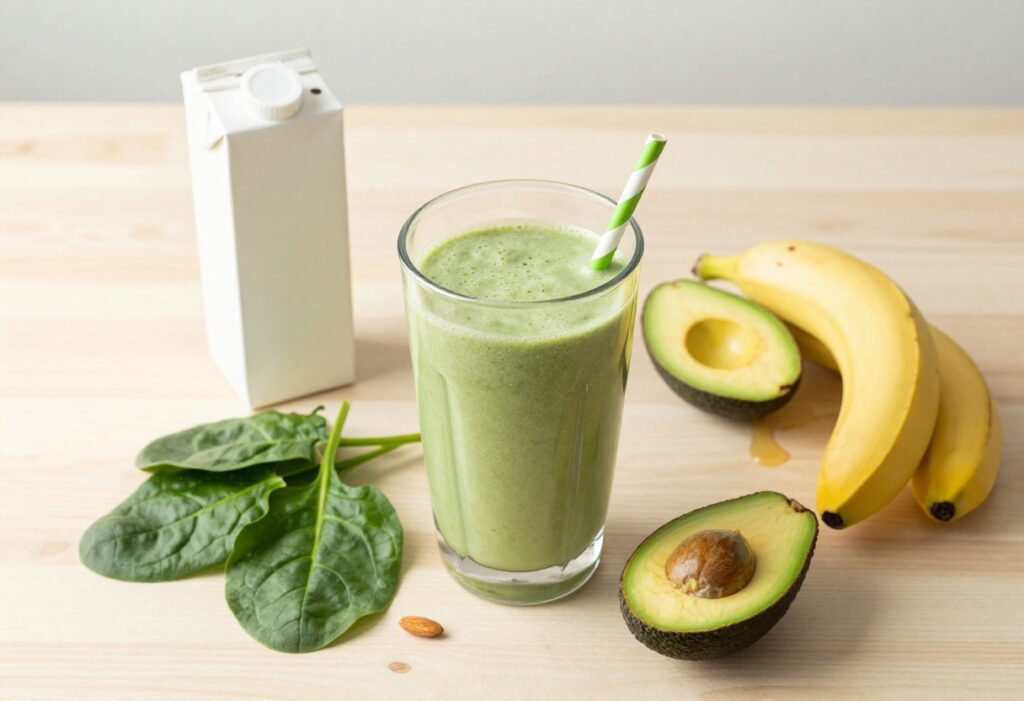
Switching to a plant-based diet can feel overwhelming at first. You might worry about giving up your favorite foods or not knowing what to eat. But the truth is, you don't have to overhaul your entire kitchen overnight.
Simple swaps can make the transition smooth and enjoyable. Think of it as trading one ingredient for another that works just as well—or even better. Whether you're looking to reduce dairy, cut out meat, or just eat more plants, these 15 swaps will help you build a delicious plant-based plate without feeling deprived.
From creamy oat milk to hearty lentils, each swap is designed to keep your meals satisfying and familiar. Let's dive into the easiest changes you can make starting today.
Dairy Swaps

Switching to a plant-based diet often means rethinking dairy. But with so many delicious alternatives available, you won't miss a thing. Here are four simple swaps that keep your meals creamy, cheesy, and satisfying.
Cow’s Milk → Oat Milk or Soy Milk
Oat milk is a top choice for its creamy texture and neutral flavor that works in coffee, cereal, and baking. Soy milk, on the other hand, has a thicker consistency and a protein content similar to cow's milk, making it ideal for savory sauces or smoothies. Both are widely available and fortified with calcium and vitamin D.
When it comes to taste, oat milk is slightly sweet and mild, while soy milk has a more distinct bean-like flavor that some love. For the closest match to cow's milk in recipes, go with unsweetened soy milk. For a morning latte, oat milk's creaminess is unbeatable.
Butter → Coconut Oil or Vegan Butter
Coconut oil is a fantastic substitute for butter in baking and sautéing. It adds a subtle coconut flavor that pairs well with sweet dishes. For a more neutral taste, refined coconut oil works perfectly.
Vegan butters, made from blends of oils (like Earth Balance or Miyoko's), mimic butter's texture and flavor almost exactly. They are great for spreading on toast, making flaky pastries, or finishing sauces.
A key difference: coconut oil is solid at room temperature, so it works best in recipes where butter is used cold or melted. Vegan butter is softer and behaves more like dairy butter in most applications.
Cheese → Nutritional Yeast or Vegan Cheese
Nutritional yeast is a deactivated yeast with a nutty, cheesy flavor. It's perfect for sprinkling on popcorn, pasta, or salads. For a more direct swap, vegan cheeses (made from nuts, soy, or tapioca) melt and stretch, making them ideal for pizza, grilled cheese, or cheeseburgers.
Brands like Daiya, Violife, and Follow Your Heart offer shreds, slices, and blocks that work well in recipes.
While vegan cheese has improved dramatically, it may not taste exactly like dairy cheese. Nutritional yeast provides a cheesy flavor without the fat, while vegan cheese offers a closer texture experience. Experiment to find your favorites.
Yogurt → Coconut Yogurt or Soy Yogurt
Coconut yogurt is rich, creamy, and often contains live probiotics for gut health. It has a mild coconut taste that works in smoothies, parfaits, or as a topping. Soy yogurt is thicker and tangier, closely mimicking the texture of Greek yogurt.
It's higher in protein and works well in savory dips or as a sour cream substitute.
Both options are widely available in plain and flavored varieties. For the best texture, choose unsweetened versions and add your own fruit or sweetener.
Meat Swaps
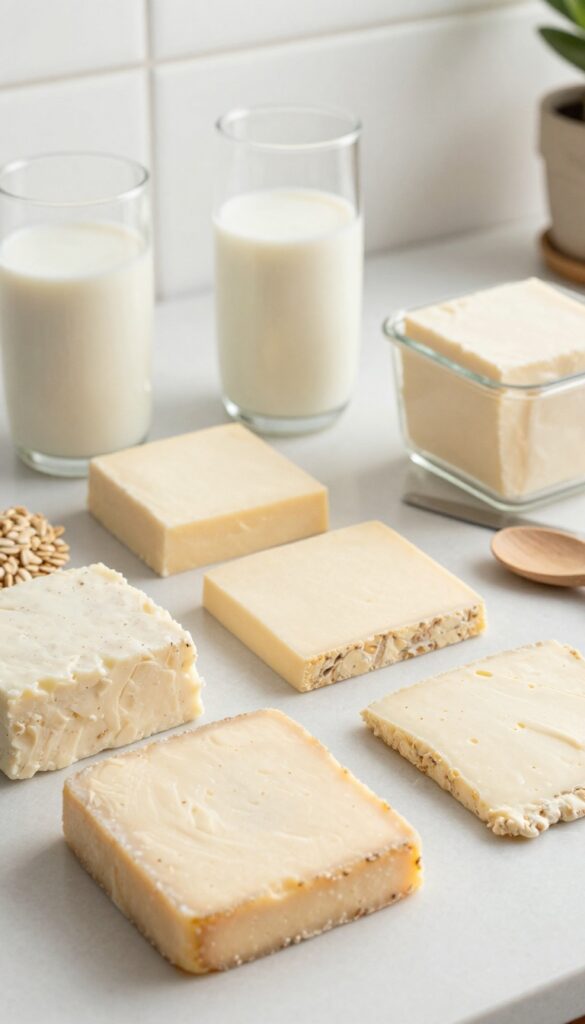
Replacing meat is often the biggest hurdle when going plant-based. The good news is that many plant-based proteins can mimic the texture and flavor of meat, especially when cooked properly. Here are some of the most effective swaps.
Ground Beef → Lentils or Crumbled Tofu
Lentils are a fantastic stand-in for ground beef in dishes like bolognese, tacos, and chili. Brown or green lentils hold their shape well and have a meaty texture. Cook them until tender, then season with soy sauce, smoked paprika, and garlic.
For a quicker option, crumbled firm tofu sautéed with tamari and nutritional yeast creates a savory, high-protein crumble. Both options provide around 8-9g of protein per half cup, compared to ground beef's 10-12g, but with fiber and no saturated fat.
Chicken Breast → Tofu or Seitan
Tofu is a chameleon in the kitchen. Press it to remove excess water, then marinate it in a mixture of soy sauce, lemon juice, and herbs before baking or pan-frying. It absorbs flavors beautifully and offers about 10g of protein per 100g.
Seitan, made from wheat gluten, has a chewy texture remarkably similar to chicken breast and packs 25g of protein per 100g. Use it in stir-fries, sandwiches, or salads. Both are versatile and widely available.
Bacon → Coconut Bacon or Tempeh Bacon
Coconut bacon is made by tossing coconut flakes with liquid smoke, tamari, and maple syrup, then baking until crispy. It delivers the smoky, salty, sweet flavor of bacon with a crunchy texture. Tempeh bacon, made from fermented soybeans, is sliced thin, marinated, and pan-fried until crisp.
It's higher in protein (about 15g per 100g) and has a firmer bite. Both are excellent on BLTs, salads, or as a topping.
Sausage → Plant-Based Sausages
The market for plant-based sausages has exploded, with options from brands like Beyond Meat, Impossible, and Field Roast. These products are designed to mimic the taste and texture of pork or chicken sausages, with protein levels comparable to traditional sausages (12-16g per link). They can be grilled, pan-fried, or added to pastas and stews.
For a whole-food option, try homemade lentil or bean-based sausages seasoned with fennel, sage, and red pepper flakes.
Egg Swaps
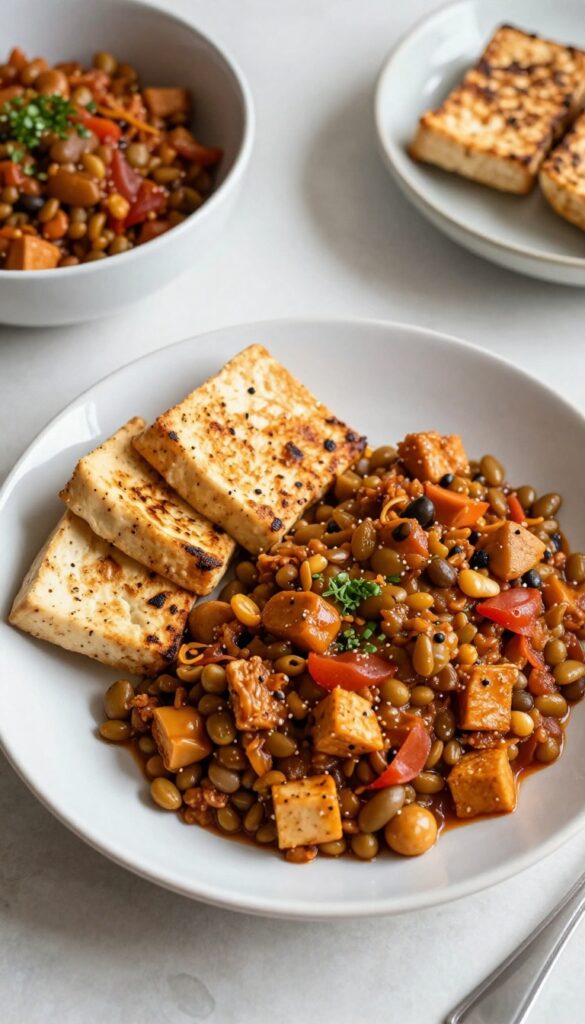
Eggs are a staple in many kitchens, but going plant-based doesn't mean you have to give up your favorite egg dishes or baked goods. With a few simple swaps, you can enjoy scrambles, omelets, and even fluffy cakes without the eggs. Here are two easy substitutions that work beautifully.
Scrambled Eggs → Tofu Scramble
For a savory breakfast that mimics scrambled eggs, crumbled tofu is your best bet. Firm or extra-firm tofu works best—just press out excess water, crumble it into a pan, and sauté with a little oil. Add a pinch of turmeric for that classic yellow color, along with black salt (kala namak) for an eggy flavor.
You can toss in veggies like spinach, bell peppers, or onions for extra nutrition. The texture is satisfyingly similar, and you get a protein boost to start your day.
Eggs in Baking → Flax Egg or Applesauce
When baking cakes, cookies, or muffins, eggs provide structure and moisture. A flax egg is a simple binder: mix 1 tablespoon of ground flaxseed with 3 tablespoons of water and let it sit for 5 minutes until it becomes gel-like. This works well in hearty baked goods like oatmeal cookies or banana bread.
For a sweeter, moist result, replace each egg with ¼ cup of unsweetened applesauce. This swap is ideal for cakes and muffins, though it may make the final product slightly denser. Both options are easy, inexpensive, and keep your baked goods delicious.
Snack Swaps
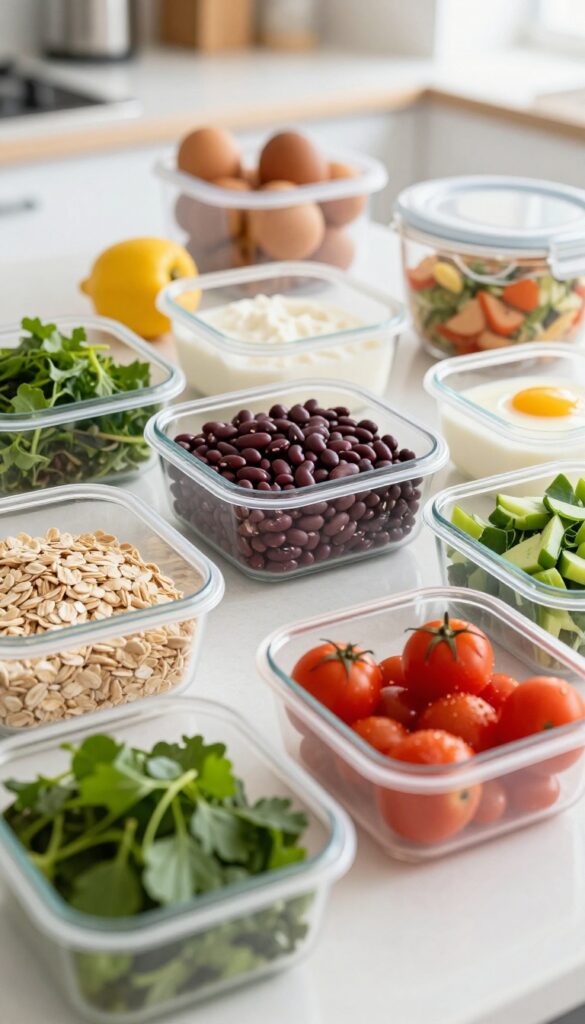
Snack time can be a challenge when you’re transitioning to a plant-based diet, but with a few simple swaps you can keep your cravings satisfied while adding more nutrients to your day. Here are three tasty alternatives to classic snacks that won’t leave you feeling deprived.
Potato Chips → Kale Chips or Roasted Chickpeas
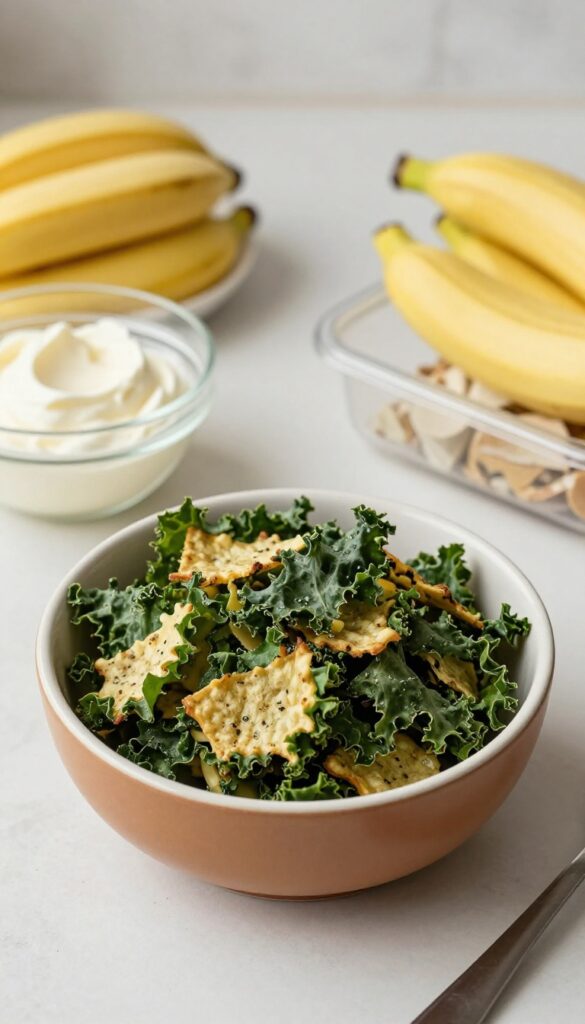
If you love the crunch of potato chips, kale chips and roasted chickpeas are excellent plant-based alternatives that deliver on texture and flavor. Kale chips are surprisingly simple to make—just toss kale leaves with a little oil and salt, then bake until crispy. They’re packed with vitamins A, C, and K, plus fiber.
Roasted chickpeas offer a protein-rich crunch; season them with paprika, garlic powder, or your favorite spice blend for a savory treat. Both options are lower in fat and calories than traditional chips, and they keep well in an airtight container for on-the-go snacking.
Ice Cream → Banana Nice Cream or Coconut Ice Cream
Ice cream is a beloved dessert, but you don’t have to give it up on a plant-based diet. Banana nice cream is a game-changer: simply freeze ripe bananas, then blend them until smooth and creamy. You can add cocoa powder, berries, or peanut butter for endless flavor variations.
It’s naturally sweet and contains no added sugar. For a richer treat, coconut ice cream made from full-fat coconut milk offers a decadent texture similar to dairy ice cream. Look for brands with simple ingredients, or make your own by blending coconut milk with a sweetener and your favorite mix-ins.
Chocolate Milk → Plant-Based Chocolate Milk
Craving a glass of chocolate milk? Plant-based versions made from almond, oat, or soy milk are widely available and just as satisfying. Many brands fortify their milk with calcium, vitamin D, and B12, so you’re not missing out on key nutrients.
You can also make your own by blending your favorite plant milk with cocoa powder and a touch of maple syrup or dates. This swap cuts out the saturated fat and cholesterol found in dairy chocolate milk while still delivering that chocolaty, creamy taste.
These snack swaps prove that eating plant-based doesn’t mean sacrificing flavor or satisfaction. By choosing nutrient-dense alternatives, you can enjoy your favorite snacks in a healthier, more sustainable way.
Condiment Swaps
Condiments are the secret to making plant-based meals exciting. Swapping out a few common ones can save you from bland salads and sandwiches.
Mayonnaise → Vegan Mayo or Mashed Avocado
Traditional mayo is made with eggs, but vegan versions use ingredients like aquafaba or soy protein to mimic the creamy texture. Most brands taste nearly identical to the original, so you won't miss a thing. For a whole-food option, mashed avocado works beautifully—it's rich, creamy, and packed with healthy fats.
Use it in spreads, dressings, or as a base for dips.
When swapping, consider the flavor profile. Vegan mayo is neutral, while avocado adds a subtle green taste that pairs well with Mexican or Mediterranean dishes. Both work in potato salad, coleslaw, and sandwich spreads.
Honey → Maple Syrup or Agave Nectar
Honey is a common sweetener in dressings and glazes, but it's not vegan. Maple syrup and agave nectar are excellent substitutes. Maple syrup has a distinct, rich flavor that works beautifully in barbecue sauces, salad dressings, and baked goods.
Agave nectar is milder and sweeter, so you can use less of it. Both have similar sweetness levels to honey, but maple syrup is less processed and contains antioxidants.
Best uses: Maple syrup shines in savory-sweet combinations like tofu glazes or roasted vegetables. Agave nectar is ideal for cold dressings and beverages because it dissolves easily. Experiment to find your favorite.
FAQ
Can I still get enough protein on a plant-based diet?
Absolutely. Plant-based proteins like lentils, chickpeas, tofu, tempeh, seitan, and quinoa are rich in protein. Many plant-based meats also offer comparable protein levels to animal products.
Are plant-based swaps more expensive?
Some specialty items like vegan cheese or plant-based meats can be pricier, but staples like beans, lentils, oats, and seasonal vegetables are very affordable. Buying in bulk and cooking from scratch helps keep costs down.
How do I make sure I get enough calcium?
Fortified plant milks, leafy greens like kale and collards, tofu made with calcium sulfate, and almonds are excellent calcium sources. Aim for a variety of these foods daily.
What about vitamin B12?
Vitamin B12 is not naturally found in plant foods, so it's important to include fortified foods (like plant milks, nutritional yeast, and breakfast cereals) or take a B12 supplement. This is a key step for long-term health.
Conclusion
Making the switch to a plant-based diet doesn't have to be complicated. By swapping out a few key ingredients, you can enjoy all the flavors you love while eating more plants. Start with one or two swaps that excite you, and build from there.
Remember, every small change makes a difference. Whether you're doing it for your health, the planet, or the animals, these simple food swaps are a delicious way to begin your plant-based journey. Happy eating!

Dr. Pallab Kishore, MS in Orthodontics and owner of Orthodontic Braces Care, shares expert tips on braces, aligners, and oral health from 10+ years of experience.