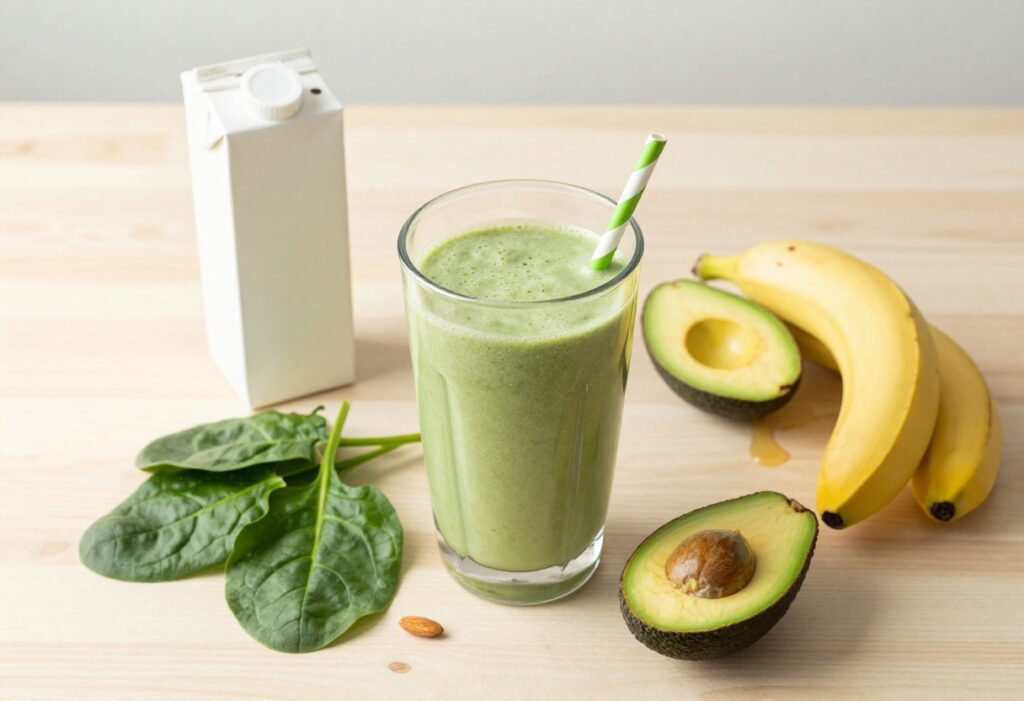
Starting a fruit diet doesn't mean surviving on apples and oranges alone. With a little creativity, you can enjoy a wide variety of delicious, satisfying meals that are built around fruit. Whether you're looking to eat more whole foods, try a fruitarian lifestyle, or simply add more fruit to your day, these 20 beginner-friendly meals will make the transition easy and enjoyable.
Each meal is simple to prepare, uses common fruits, and focuses on natural flavors. You won't need fancy equipment or hard-to-find ingredients.
From breakfast to dinner, these recipes are designed to keep you full and energized without feeling deprived. Remember, a fruit diet is about abundance, not restriction.
Simple Fruit Breakfasts to Start Your Day
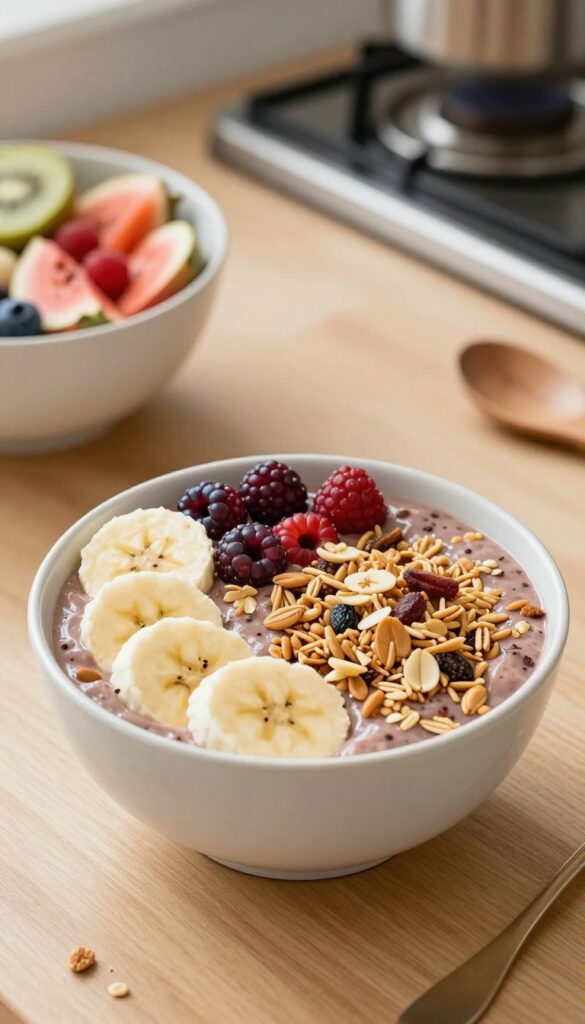
Starting your day with fruit is one of the easiest ways to embrace a fruit diet. These breakfasts are naturally sweet, quick to prepare, and packed with energy to fuel your morning. No complicated steps or hard-to-find ingredients—just fresh, whole fruits and a few simple extras.
Banana Berry Smoothie Bowl
Blend one frozen banana, a handful of mixed berries (fresh or frozen), and a splash of plant-based milk until thick and creamy. Pour into a bowl and top with sliced fresh fruit, a sprinkle of chia seeds, and a few granola clusters. This bowl is beginner-friendly because it requires no cooking, uses common fruits, and can be customized with whatever you have on hand.
Mango Coconut Chia Pudding
Mix 3 tablespoons of chia seeds with 1 cup of coconut milk (or any plant milk) and a tablespoon of maple syrup. Stir well, refrigerate for at least 2 hours or overnight. In the morning, blend ripe mango chunks into a smooth puree and layer with the chia pudding.
Top with shredded coconut and fresh mango slices. It's beginner-friendly because you prep it the night before, and the ingredients are widely available.
Apple Cinnamon Oatmeal (with fruit
Cook rolled oats in water or plant milk according to package directions. Stir in diced apple, a teaspoon of cinnamon, and a tablespoon of raisins or chopped dates for sweetness. Top with sliced banana and a drizzle of nut butter if desired.
This meal is beginner-friendly because it uses pantry staples and familiar flavors, and the fruit provides natural sweetness without added sugar.
Papaya Lime Breakfast Salad
Cube a ripe papaya and toss with the juice of half a lime and a pinch of salt. Add a handful of fresh mint leaves, some pomegranate arils, and a sprinkle of toasted coconut flakes. Serve as is or with a side of sliced avocado.
This salad is beginner-friendly because it requires no cooking, comes together in minutes, and papaya is easy to find in most grocery stores.
Watermelon Mint Cooler
Blend 2 cups of cubed watermelon with a handful of fresh mint leaves and the juice of one lime until smooth. Pour into a glass over ice and garnish with a mint sprig. This drink is beginner-friendly because it uses only three ingredients, is incredibly refreshing, and works as a light breakfast or a hydrating start to the day.
Light and Filling Fruit Lunches
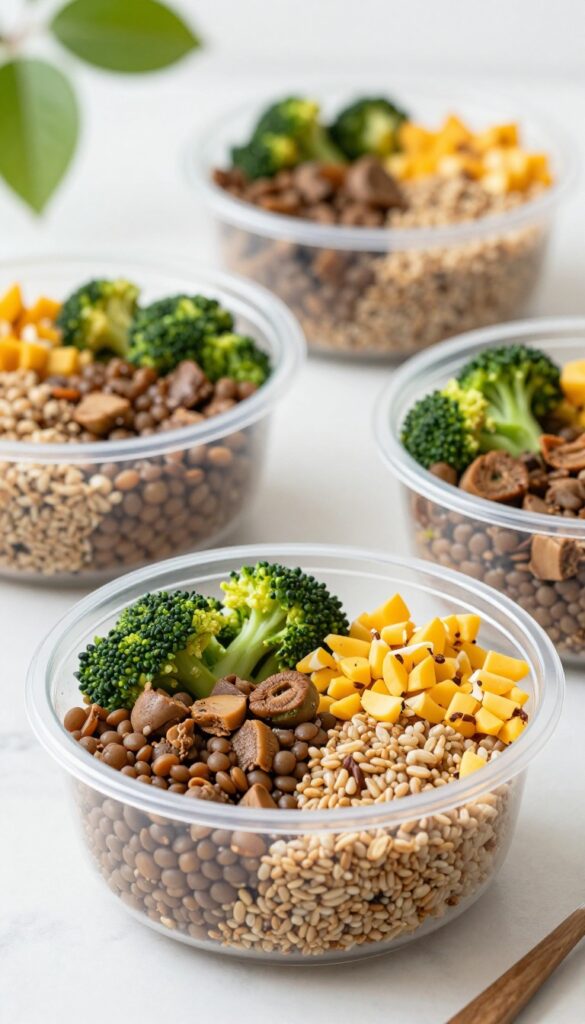
Lunch can be a tricky meal on a fruit diet—you want something that keeps you energized without feeling heavy. These five fruit-forward lunches are easy to prep, portable, and packed with flavor. Each recipe balances sweetness with savory elements to keep your taste buds happy.
Tropical Fruit Wrap
A soft whole-wheat tortilla filled with diced mango, papaya, and banana, plus a handful of spinach and a drizzle of lime juice. Roll it up tight and slice in half for a bright, portable lunch. Tip: Use a slightly warmed tortilla to prevent cracking.
Grape and Walnut Lettuce Cups
Scoop a mixture of halved red grapes, chopped walnuts, and a touch of dairy-free yogurt into large butter lettuce leaves. These cups are crisp, crunchy, and naturally sweet. For extra protein, add a spoonful of hemp seeds.
Peach and Arugula Salad
Toss fresh peach slices with peppery arugula, thinly sliced red onion, and a simple balsamic vinegar drizzle. Top with a few fresh basil leaves. This salad is refreshing and comes together in under 10 minutes.
Pineapple Quinoa Bowl
Combine cooked quinoa with grilled or fresh pineapple chunks, diced cucumber, and a squeeze of lime. The quinoa adds a satisfying chew while the pineapple brings tropical sweetness. Make a big batch of quinoa at the start of the week for quick assembly.
Cucumber Melon Gazpacho
Blend cantaloupe or honeydew with cucumber, a splash of lemon juice, and a pinch of salt until smooth. Chill for at least 30 minutes before serving. This cold soup is hydrating and perfect for warm days.
Meal Prep Tips
To make these lunches even easier, prep ingredients in advance: chop fruit, cook quinoa, and wash lettuce. Store components separately and assemble just before eating to keep everything fresh.
Energizing Fruit Snacks for Between Meals
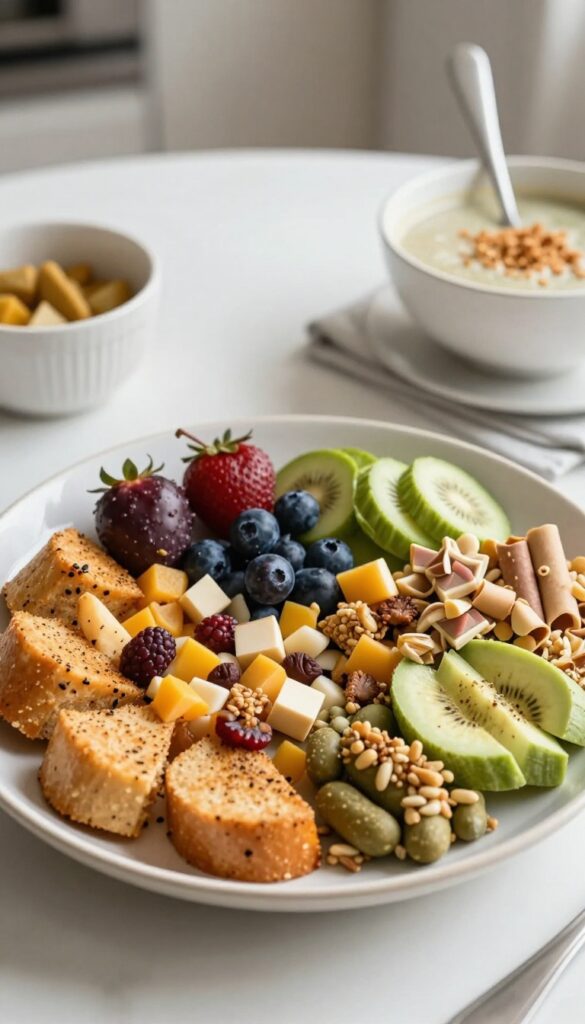
When hunger strikes between meals, these fruit-based snacks are perfect for a quick energy boost. They require no cooking, are easy to pack, and rely only on natural sweetness. Here are five simple ideas to keep you satisfied and fueled.
Frozen Grapes with Lime Zest
Wash and dry a bunch of red or green grapes, then spread them on a baking sheet and freeze for about 2 hours. Once frozen, transfer to a bowl and toss with freshly grated lime zest. The cold, juicy grapes with a hint of citrus make a refreshing snack.
Store any leftovers in a sealed container in the freezer for up to a month.
Apple Slices with Almond Butter
Core an apple and slice into wedges. Spread a thin layer of almond butter on each slice. For extra crunch, sprinkle with a few hemp seeds or a dash of cinnamon.
This snack provides protein and healthy fats to keep you full. Prep ahead by squeezing lemon juice on the apple slices to prevent browning.
Date and Coconut Energy Balls
In a food processor, blend 1 cup pitted Medjool dates with 1/2 cup unsweetened shredded coconut until a sticky dough forms. Roll into small balls and coat with extra coconut. Refrigerate for 30 minutes to firm up.
These energy balls are naturally sweet and perfect for on-the-go snacking. Store in the fridge for up to a week.
Strawberry Banana Ice Cream (Nice Cream
Freeze 2 ripe bananas (sliced) and 1 cup strawberries. Once solid, blend in a food processor until smooth and creamy, scraping down sides as needed. Serve immediately for a soft-serve texture, or freeze for 30 minutes for a firmer scoop.
This two-ingredient treat is dairy-free and naturally sweet.
Spicy Mango Sticks
Slice a firm but ripe mango into thick sticks. Sprinkle with a pinch of chili powder and a squeeze of lime juice. The combination of sweet, tangy, and spicy flavors is incredibly satisfying.
For a milder version, use paprika instead of chili powder. This snack is best enjoyed fresh.
Storage Tips
- Keep frozen snacks in airtight containers or freezer bags.
- Fresh fruit snacks like apple slices are best eaten within a few hours; store in the fridge with lemon juice to slow browning.
- Energy balls can be refrigerated for up to a week or frozen for longer storage.
Satisfying Fruit Dinners to End the Day
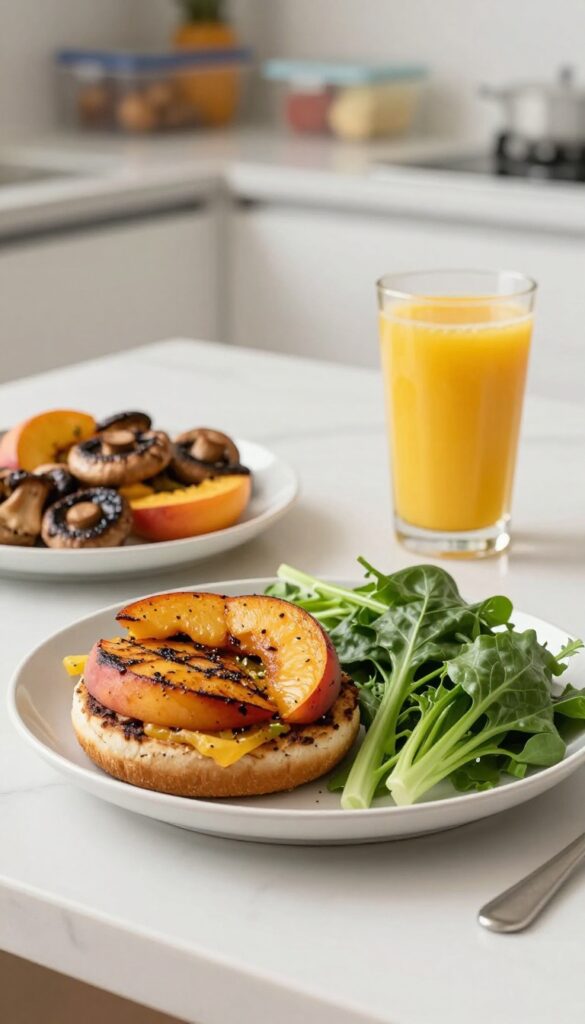
Dinner is where fruit really shines—it can be savory, hearty, and completely satisfying. These five meals prove that fruit-based dinners are filling, flavorful, and family-friendly. They incorporate vegetables, whole grains, and plant proteins to keep you full, while fruit adds natural sweetness and depth.
Grilled Peach and Portobello Burger
This burger is a summer favorite that feels indulgent but is entirely fruit-forward. Grilled peaches become caramelized and juicy, pairing perfectly with meaty portobello mushrooms. Serve on a whole-grain bun with arugula and a drizzle of balsamic glaze.
To make it filling, add a smear of hummus or mashed avocado for healthy fats. The combination of sweet peaches and savory mushrooms creates a balanced, satisfying meal.
Coconut Curry with Pineapple and Tofu
A warm, comforting curry that uses pineapple for sweetness and acidity. Sauté tofu until golden, then simmer with coconut milk, curry paste, and pineapple chunks. Add vegetables like bell peppers and spinach for extra nutrition.
Serve over brown rice or quinoa to make it a complete meal. The creamy coconut base and tender pineapple make this curry feel rich without heavy oils.
Stuffed Bell Peppers with Rice and Dried Fruit
Bell peppers are stuffed with a mixture of cooked rice, dried cranberries or apricots, chopped nuts, and spices like cumin and cinnamon. Bake until the peppers are tender and the filling is heated through.
The dried fruit adds concentrated sweetness and chewy texture, while nuts provide protein and crunch. This dish is colorful, hearty, and easy to customize with whatever grains or dried fruit you have on hand.
Zucchini Noodles with Tomato and Mango Salsa
A light but satisfying dinner that’s ready in 15 minutes. Spiralize zucchini into noodles, then top with a fresh salsa made from diced mango, tomatoes, red onion, cilantro, and lime juice.
For extra protein, add black beans or grilled tofu. The mango salsa brings brightness and natural sweetness, making this a refreshing end to the day.
Baked Apples with Cinnamon and Walnuts
While often seen as dessert, baked apples can be a simple dinner when paired with a side of greens or a handful of nuts. Core apples, fill with a mixture of walnuts, raisins, and cinnamon, then bake until soft.
Serve warm with a dollop of coconut yogurt or a sprinkle of granola. This meal is cozy, naturally sweet, and perfect for a light evening meal.
Tips for Making Fruit Dinners Satisfying
- Include a source of protein like tofu, beans, or nuts to keep you full.
- Pair fruit with vegetables for a balanced plate.
- Use whole grains like brown rice, quinoa, or whole-wheat bread for fiber.
- Cook fruits like peaches or apples to bring out their natural sweetness.
- Add herbs and spices (cinnamon, cumin, basil) to create savory depth.
Tips for Success on a Fruit Diet
Starting a fruit diet can be exciting, but a few simple strategies will help you ease in, stay balanced, and enjoy the journey without common pitfalls.
Transition Gradually
Jumping straight into an all-fruit diet can be a shock to your system. Instead, start by adding more fruit to your existing meals. For example, have a fruit breakfast, then keep your usual lunch and dinner.
Over a week or two, slowly increase fruit portions and reduce other foods. This gentle shift helps your digestion adapt and makes the change feel natural.
Listen to Your Body
Your body knows what it needs. If you feel hungry, eat more fruit. If you feel tired or sluggish, you might need more variety or calories.
Some people thrive on fruit alone, while others need to include greens, nuts, or seeds for sustained energy. Pay attention to how you feel and adjust accordingly.
Stay Hydrated
Fruits are water-rich, but you still need plenty of fluids. Drink water, herbal teas, or fresh coconut water throughout the day. Proper hydration supports digestion, energy levels, and overall well-being.
Aim for at least 8 cups of fluid daily, more if you're active.
Common Pitfalls to Avoid
Nutrient Considerations
A fruit-based diet can be nutrient-dense, but you may need to pay attention to certain nutrients. Vitamin B12 is not found in fruit, so consider a supplement. Calcium can be obtained from fortified plant milks or leafy greens.
Iron from fruits is less absorbable, so pair iron-rich fruits like mulberries with vitamin C sources. Omega-3s from chia seeds, flaxseeds, or walnuts are also beneficial.
If you have any health conditions or concerns, consult a healthcare professional before making significant dietary changes.
FAQ
Can I eat vegetables on a fruit diet?
Yes, many people on a fruit diet include vegetables, especially leafy greens and non-starchy veggies. The focus is on fruit as the main component, but vegetables add variety and nutrients.
How do I get enough protein?
Include protein-rich fruits like avocados, and add nuts, seeds, and legumes. Quinoa, tofu, and nut butters are also great options to pair with fruit meals.
Is a fruit diet safe long-term?
A fruit-focused diet can be healthy, but it's important to ensure you're getting enough calories, protein, fat, and micronutrients. Consult a healthcare professional before making significant dietary changes.
What fruits are best for weight loss?
Fruits high in water and fiber, like berries, melons, apples, and citrus, can help with satiety. However, all fruits can fit into a weight loss plan when eaten in appropriate portions.
Can I eat dried fruits?
Yes, but in moderation because they are calorie-dense and often contain added sugars. Choose unsweetened dried fruits and watch portion sizes.
Conclusion
Embracing a fruit diet can be a refreshing and healthful way to eat. These 20 meals show that fruit can be the star of any dish, from breakfast to dinner. Start with the recipes that appeal to you most, and don't be afraid to experiment with your own combinations.
Remember, the goal is to enjoy the natural sweetness and nutrition of fruits while feeling satisfied. Listen to your body, stay hydrated, and have fun exploring the colorful world of fruit-based eating. Happy cooking!

Dr. Pallab Kishore, MS in Orthodontics and owner of Orthodontic Braces Care, shares expert tips on braces, aligners, and oral health from 10+ years of experience.