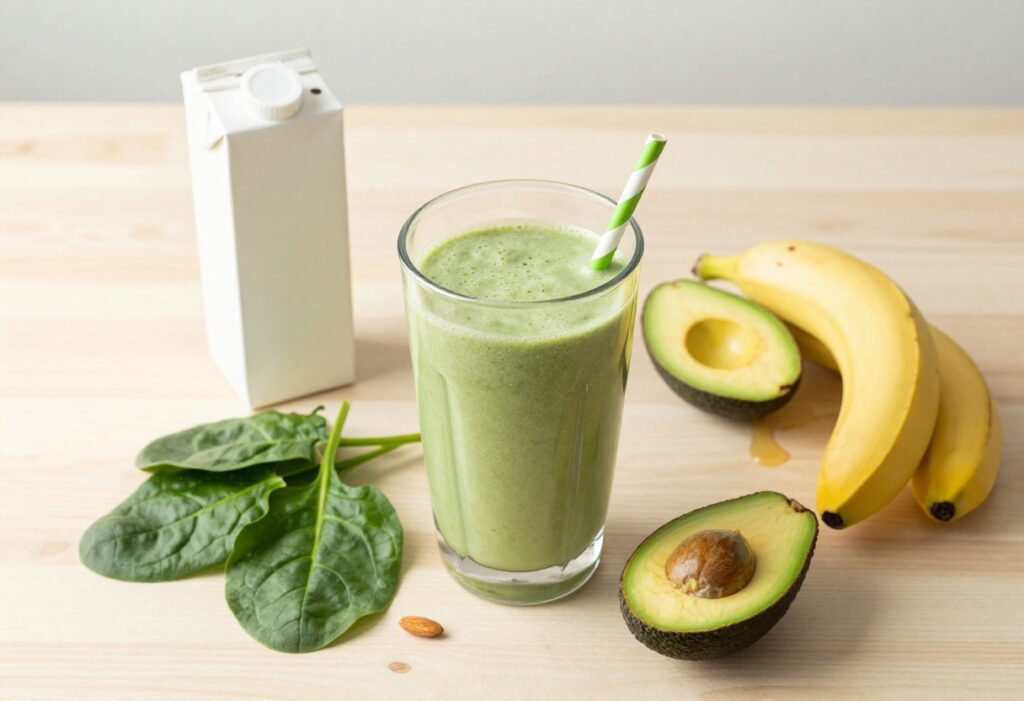
Balancing protein, carbohydrates, and fats is the foundation of a healthy diet that supports energy, muscle maintenance, and overall well-being. Yet many people struggle to get the right mix, often leaning too heavily on one macro while neglecting others.
A well-designed macro meal plan takes the guesswork out of eating, ensuring you get the nutrients your body needs without feeling deprived.
This guide will walk you through the basics of each macronutrient, provide a sample 7-day meal plan with approximate macro counts, and show you how to adjust the plan to fit your specific goals—whether that's weight loss, muscle gain, or simply maintaining a balanced lifestyle.
Why Balanced Macros Matter

Macronutrients—protein, carbohydrates, and fats—are the building blocks of your diet. Each plays a distinct role in keeping your body running smoothly, and getting the right balance is key to steady energy, muscle health, and weight management.
The Role of Each Macro
Understanding what each macro does helps you make smarter food choices.
- Protein: Repairs tissues, builds muscle, and supports immune function. It also keeps you full longer, making it easier to manage calorie intake.
- Carbohydrates: Your body’s primary fuel source. Carbs provide quick energy for daily activities and exercise, and they help regulate blood sugar when you choose fiber-rich sources.
- Fats: Essential for hormone production, vitamin absorption, and brain health. Healthy fats also provide sustained energy and help you feel satisfied after meals.
What Happens When Macros Are Out of Balance
An imbalance can lead to unwanted symptoms that undermine your health and fitness goals.
- Too little protein: Muscle loss, slower metabolism, and increased cravings.
- Too many carbs (especially refined ones): Blood sugar spikes and crashes, energy slumps, and fat gain.
- Too little fat: Hormonal disruptions, dry skin, and difficulty absorbing fat-soluble vitamins.
- Too much fat: Excessive calorie intake and potential weight gain if overall calories exceed needs.
A balanced macro meal plan helps you avoid these pitfalls by providing the right proportions for your body. It supports muscle maintenance, stable energy, and sustainable fat loss—without extreme restriction or complicated rules.
Understanding Your Protein Needs
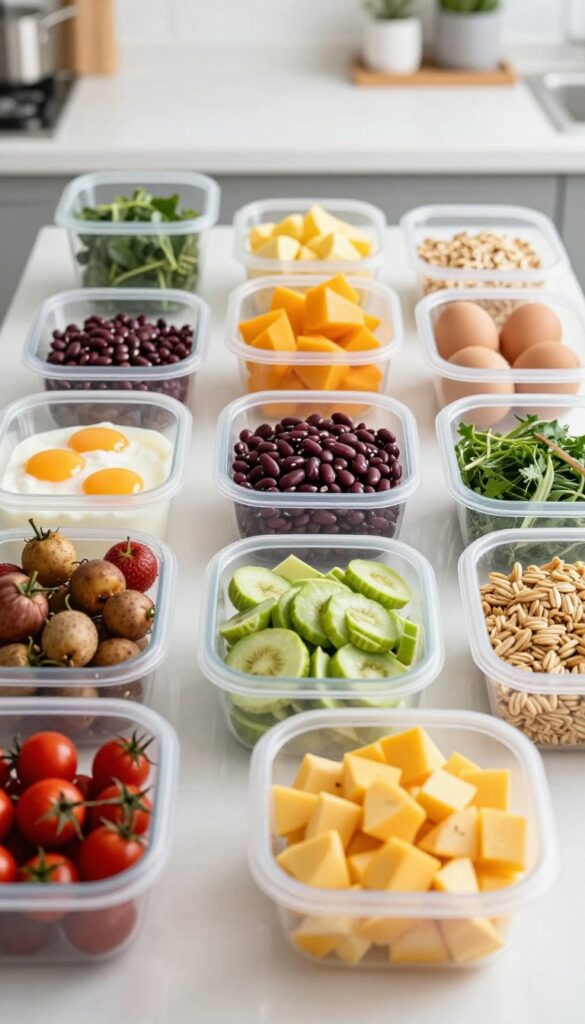
Protein is the building block of your body's tissues, playing a key role in muscle repair, enzyme production, and immune function. Getting the right amount ensures your body can recover and thrive.
A general recommendation is 0.8 grams of protein per kilogram of body weight for sedentary individuals, but if you're active or aiming for muscle gain, you may need 1.2–2.0 g/kg. To calculate your daily target, simply multiply your weight in kilograms by your chosen factor. For example, a 70 kg person targeting 1.6 g/kg would aim for 112 grams of protein per day.
Best Sources of Protein
- Animal sources: chicken breast, turkey, eggs, Greek yogurt, cottage cheese, fish (salmon, tuna), lean beef.
- Plant sources: lentils, chickpeas, tofu, tempeh, edamame, quinoa, hemp seeds, and protein powders (pea, rice, or soy).
Practical Tip
Spread your protein intake evenly across meals. Aim for 20–40 grams per meal to maximize muscle protein synthesis and keep you satisfied.
Choosing the Right Carbohydrates
Carbohydrates are your body’s primary energy source, but not all carbs are created equal. Choosing the right types and amounts can sustain your energy, support digestion, and keep your blood sugar stable.
Carbohydrates are often misunderstood, but they play a vital role in fueling your workouts, brain function, and daily activities. The key is to prioritize complex carbohydrates over simple ones. Complex carbs—like whole grains, legumes, and starchy vegetables—digest slowly, providing a steady release of energy.
Simple carbs, such as white bread, sugary snacks, and soda, cause rapid spikes and crashes in blood sugar, leaving you tired and craving more sugar.
Simple vs. Complex Carbs
- Simple carbs: Found in refined sugars, white flour, fruit juice, and candy. They offer quick energy but little nutrition.
- Complex carbs: Found in oats, brown rice, quinoa, sweet potatoes, beans, and lentils. They provide fiber, vitamins, and long-lasting energy.
- Fruits and dairy contain natural simple sugars but also provide fiber, vitamins, and protein, making them healthy choices in moderation.
Why Fiber Matters
Fiber is a type of carbohydrate that your body can’t digest, yet it’s crucial for digestive health, satiety, and blood sugar control. The recommended daily fiber intake is about 25 grams for women and 38 grams for men. Most people fall short, so aim to include fiber-rich foods at each meal.
Fiber-Rich Carb Sources
- Oats and barley (beta-glucan fiber)
- Legumes like chickpeas, black beans, and lentils
- Vegetables such as broccoli, Brussels sprouts, and carrots
- Fruits like apples, berries, and pears (with skin)
- Nuts and seeds, especially chia and flaxseeds
Remember, carbs are not the enemy. Instead of cutting them out, focus on quality and portion sizes. A balanced macro meal plan typically includes 45–65% of total calories from carbohydrates, but your individual needs may vary based on activity level and goals.
Incorporating Healthy Fats
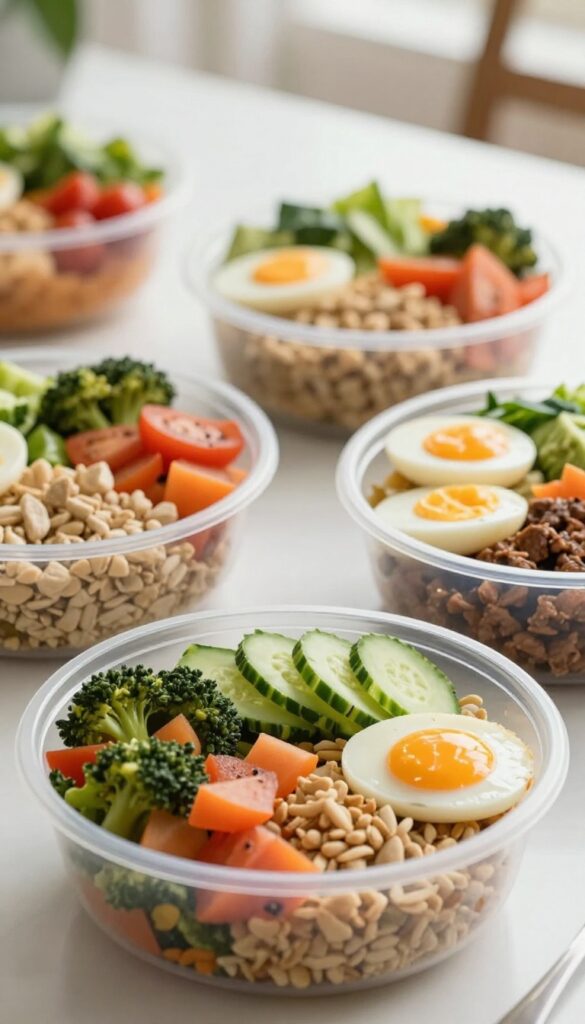
Healthy fats are essential for hormone production, nutrient absorption, and overall health. This section covers the types of fats to prioritize and how to hit your daily fat target without overdoing it.
Fats often get a bad reputation, but they are a critical part of a balanced diet. They support cell structure, help your body absorb fat-soluble vitamins (A, D, E, K), and play a key role in hormone regulation. The goal isn't to eliminate fat—it's to choose the right kinds and control portions.
Types of Fats to Include
- Unsaturated fats: Found in olive oil, avocados, nuts, seeds, and fatty fish. These are your go-to sources for heart health.
- Polyunsaturated fats: Include omega-3s (salmon, walnuts, flaxseeds) and omega-6s (sunflower seeds, tofu). Aim for a balanced ratio.
- Saturated fats: Present in coconut oil, butter, and red meat. Keep these to less than 10% of your total calories.
Your Daily Fat Target
For most people, 20–35% of total daily calories should come from fat. On a 2000-calorie diet, that's about 44–78 grams. If you're following a specific macro split (e.g., 30% fat), calculate your grams by multiplying total calories by 0.30 and dividing by 9 (since fat has 9 calories per gram).
Portion control is key. Even healthy fats are calorie-dense. A serving of nuts is about a handful (1 ounce), and a serving of oil is about 1 tablespoon.
Use measuring tools until you get a feel for appropriate portions.
Practical Tip
Incorporate fat into meals naturally: dress salads with olive oil, add avocado to sandwiches, snack on a small handful of almonds, and include fatty fish twice a week.
Sample 7-Day Macro Meal Plan
This sample meal plan provides approximately 2,000 calories per day with a balanced macro split of 30% protein, 40% carbohydrates, and 30% fat. Each day includes three meals and two snacks. Feel free to swap similar foods to match your preferences or dietary needs.
Day Macro Meal Plan
| Day | Breakfast | Lunch | Dinner | Snacks |
| Monday | Scrambled eggs (3) with spinach and whole-grain toast (2 slices); 1 apple | Grilled chicken breast (6 oz) with quinoa (1 cup cooked) and roasted broccoli | Baked salmon (6 oz) with sweet potato (1 medium) and asparagus | Greek yogurt (1 cup) with berries; 1 oz almonds |
| Tuesday | Oatmeal (1 cup cooked) with whey protein (1 scoop), banana, and peanut butter (1 tbsp) | Turkey and avocado wrap (whole-wheat tortilla, 4 oz turkey, 1/2 avocado, lettuce, tomato) | Lean beef stir-fry (4 oz beef, mixed vegetables, 1 cup brown rice) | Cottage cheese (1 cup) with pineapple; 1 hard-boiled egg |
| Wednesday | Smoothie: 1 scoop protein powder, 1 cup almond milk, 1/2 cup oats, 1 tbsp chia seeds, 1 cup mixed berries | Quinoa salad with chickpeas (1 cup), cucumber, tomato, feta, and lemon vinaigrette | Grilled chicken thighs (5 oz) with roasted Brussels sprouts and wild rice (1 cup cooked) | Apple slices with 2 tbsp almond butter; 1 string cheese |
| Thursday | Greek yogurt parfait (1 cup yogurt, 1/2 cup granola, 1/2 cup berries) | Tuna salad (1 can tuna, 1 tbsp mayo, celery) on whole-grain crackers (6) with carrot sticks | Pork tenderloin (5 oz) with roasted sweet potato wedges and green beans | 1 oz mixed nuts; 1 pear |
| Friday | Whole-grain pancakes (2) with 2 tbsp maple syrup and 2 scrambled eggs | Chicken and black bean burrito bowl (4 oz chicken, 1/2 cup black beans, 1/2 cup rice, salsa, avocado) | Grilled shrimp (6 oz) with zucchini noodles and marinara sauce | Hummus (1/4 cup) with cucumber slices; 1 oz dark chocolate |
| Saturday | Egg and vegetable frittata (3 eggs, bell peppers, onions, spinach) with side of mixed greens | Leftover shrimp zoodles or a turkey burger (4 oz) on a whole-grain bun with sweet potato fries | Beef and vegetable kabobs (5 oz beef, peppers, onions) with couscous (1 cup cooked) | 1/2 cup cottage cheese with peach slices; 1 rice cake with 1 tbsp peanut butter |
| Sunday | Protein pancakes (1 scoop protein powder, 1/2 cup oats, 1 egg) with 1 tbsp peanut butter and banana | Grilled chicken Caesar salad (5 oz chicken, romaine, 2 tbsp dressing, Parmesan) | Baked cod (6 oz) with roasted red potatoes and steamed broccoli | 1 oz almonds; 1 cup berries with 1/2 cup Greek yogurt |
Flexibility and Swaps
This plan is a template. You can swap any protein for another (e.g., chicken for tofu), any carb for a similar option (e.g., quinoa for brown rice), and any fat source (e.g., almonds for walnuts). Adjust portion sizes to meet your specific calorie and macro targets.
Adjusting Macros for Your Goals
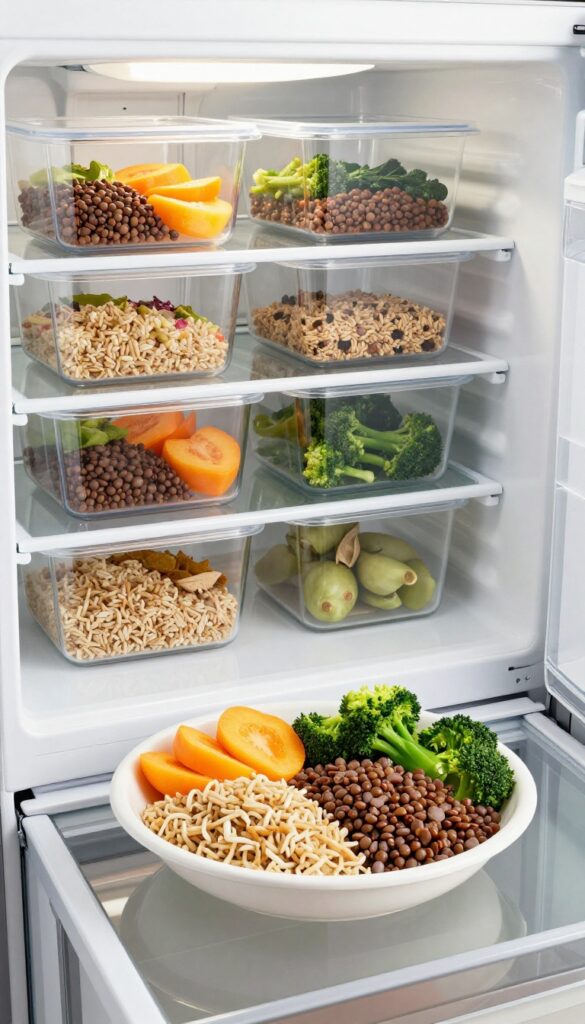
Your macro targets should reflect your specific fitness or health goals. Whether you want to lose weight, build muscle, or maintain your current physique, adjusting your protein, carbs, and fat ratios is key. Here’s how to tailor your macros for different objectives.
Weight Loss: Lower Carbs, Higher Protein
For weight loss, a moderate reduction in carbohydrates combined with increased protein can help preserve muscle mass while promoting fat loss. A common starting point is to set protein at 30-35% of total calories, carbs at 40-45%, and fats at 20-25%. For example, on a 1800-calorie plan, that translates to 135-158g protein, 180-203g carbs, and 40-50g fat.
Muscle Gain: Higher Carbs and Protein
To build muscle, you need a calorie surplus with ample protein and carbohydrates to fuel workouts and recovery. Aim for 30-35% protein, 45-50% carbs, and 20-25% fat. On a 2500-calorie plan, that’s 188-219g protein, 281-313g carbs, and 56-69g fat.
Maintenance: Balanced Macros
For weight maintenance, a balanced distribution works well: 25-30% protein, 45-50% carbs, and 25-30% fat. On a 2000-calorie diet, that’s 125-150g protein, 225-250g carbs, and 56-67g fat. Adjust based on your activity level and hunger cues.
How to Calculate Your Personal Macros
Start by determining your total daily energy expenditure (TDEE). Use an online calculator that factors in your age, sex, weight, height, and activity level. Then, apply the percentage splits above based on your goal.
For precise numbers, multiply your TDEE by the desired percentage for each macro, then divide by the calories per gram (protein and carbs: 4 cal/g, fat: 9 cal/g).
Example Adjustments
If your TDEE is 2200 calories and you want to lose weight, reduce to 1800 calories. With 35% protein, 40% carbs, and 25% fat, you get 158g protein, 180g carbs, and 50g fat. For muscle gain, increase to 2600 calories with 35% protein, 45% carbs, 20% fat: 228g protein, 293g carbs, 58g fat.
Common Mistakes to Avoid
Even with the best intentions, it's easy to stumble when starting a macro-based meal plan. Here are the most common pitfalls and how to steer clear of them.
Ignoring Micronutrients
While tracking macros is important, don't forget the vitamins and minerals that come from whole foods. Eating a diet of only processed foods that fit your macros can lead to nutrient deficiencies and poor health.
Solutions
- Prioritize whole, nutrient-dense foods like vegetables, fruits, lean proteins, and whole grains.
- Include a variety of colorful produce to ensure a broad spectrum of micronutrients.
- Consider a high-quality multivitamin if needed, but focus on food first.
Not Adjusting for Activity
Your macro needs change with your activity level. Eating the same amounts on rest days as on heavy training days can lead to under-fueling or overeating.
Solutions
- Increase carbohydrate intake on high-activity days to fuel performance and recovery.
- Slightly reduce carbs and total calories on rest days to match lower energy expenditure.
- Listen to your body—if you feel sluggish or overly hungry, adjust accordingly.
Overcomplicating Tracking
It's easy to get bogged down in weighing every gram and logging every bite. This can lead to burnout and an unhealthy relationship with food.
Solutions
- Start by tracking loosely—use portion sizes like your palm or fist instead of a scale.
- Focus on consistency over perfection. Aim for 80% accuracy and adjust as needed.
- Use a simple app or even a notebook to log meals without obsessing over every detail.
FAQ
How do I track macros without an app?
You can track macros manually using a food scale and a notebook. Look up the macro content of foods online or use a reference book. It takes more time but works well if you prefer a low-tech approach.
Can I eat out while following a macro plan?
Yes. Many restaurants provide nutrition info online. Stick to grilled proteins, vegetables, and ask for sauces on the side.
You can also estimate portions using your hand: a palm-sized protein, fist-sized carbs, and thumb-sized fats.
What if I'm vegetarian or vegan?
Plant-based eaters can get protein from beans, lentils, tofu, tempeh, and seitan. Combine with whole grains and healthy fats. The sample plan can be adapted by swapping animal proteins for plant alternatives and adjusting portions to meet your macro targets.
Conclusion
Creating a balanced macro meal plan doesn't have to be complicated. By understanding the roles of protein, carbs, and fats, and using a sample plan as a starting point, you can build a diet that supports your health and fitness goals. Remember that flexibility is key—adjust portions based on your activity level and preferences.
Start with the 7-day plan, track your progress, and tweak as needed. Consistency matters more than perfection.

Dr. Pallab Kishore, MS in Orthodontics and owner of Orthodontic Braces Care, shares expert tips on braces, aligners, and oral health from 10+ years of experience.