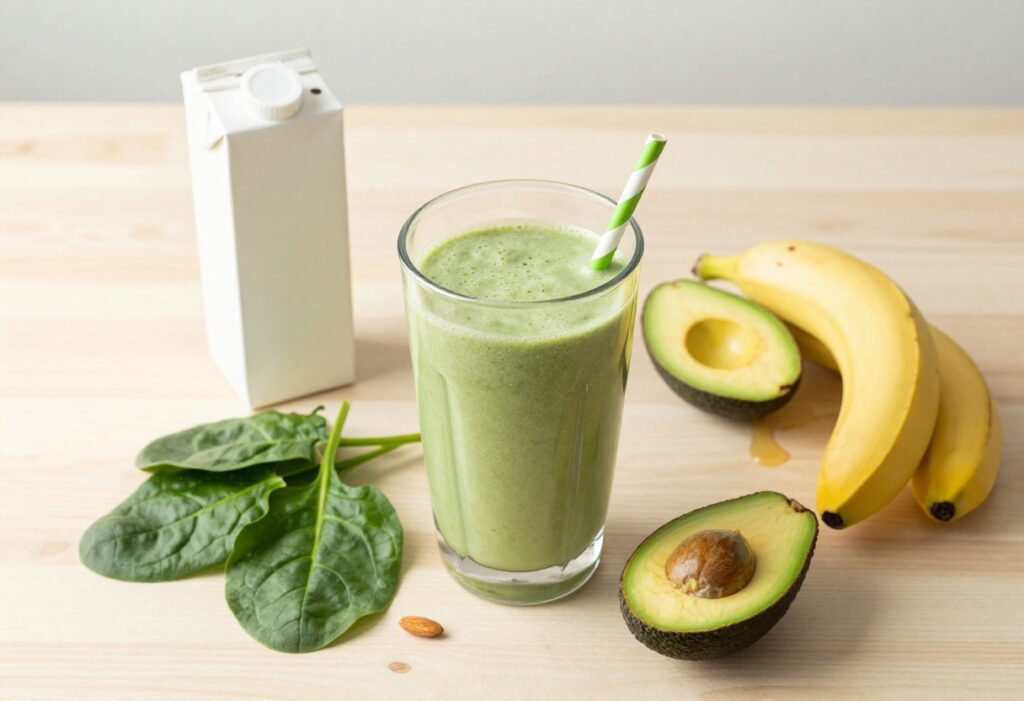
Gaining weight can be just as challenging as losing it, especially when you want to do it in a healthy way. Many people resort to processed, high-calorie foods that lack nutrients, leading to poor health outcomes.
But with the right approach, you can increase your calorie intake while nourishing your body with wholesome ingredients.
This article provides a practical, 7-day meal plan designed to help you gain weight steadily and sustainably, along with tips to customize it to your needs.
Why a Nourishing High-Calorie Meal Plan Matters
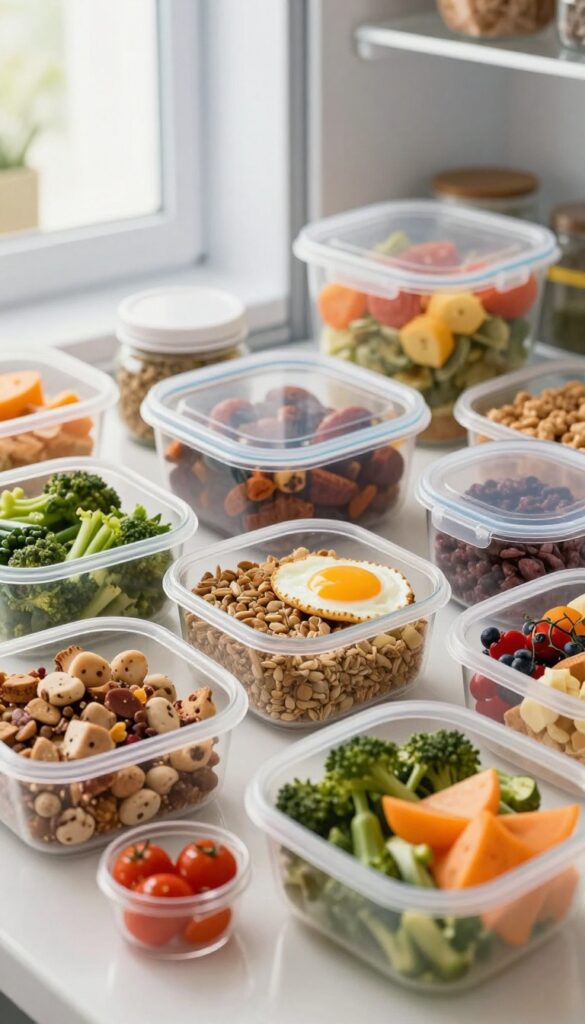
Gaining weight healthfully isn’t just about eating more—it’s about eating smarter. A nourishing high-calorie meal plan helps you build muscle, support energy levels, and improve overall well-being, rather than simply adding body fat. The key is to combine a calorie surplus with nutrient-dense foods that provide vitamins, minerals, and macronutrients your body needs.
Calorie Surplus with Nutrient Density
To gain weight, you need to consume more calories than your body burns. However, the source of those calories matters. A calorie surplus from whole foods like nuts, avocados, whole grains, lean meats, and dairy supplies protein for muscle repair, healthy fats for hormone function, and complex carbohydrates for sustained energy.
This approach supports gradual, healthy weight gain without the negative effects of processed, high-sugar foods.
Common Mistakes in Weight Gain Diets
Many people trying to gain weight fall into these traps:
- Relying on junk food for calories, which can lead to fat gain and poor nutrition.
- Skipping meals and then overeating later, causing digestive discomfort and inconsistent energy.
- Neglecting protein intake, resulting in muscle loss instead of gain.
- Ignoring healthy fats, which are essential for calorie density and nutrient absorption.
By focusing on nutrient-dense, high-calorie foods and avoiding common pitfalls, you can create a sustainable meal plan that supports healthy weight gain and overall vitality.
Key Principles for Building Your Meal Plan
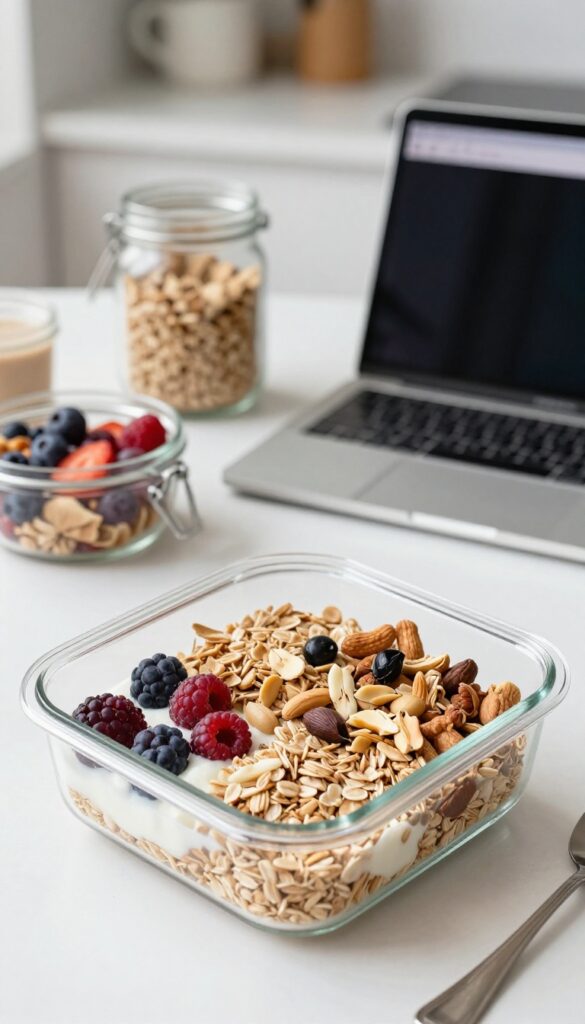
Before diving into specific meals, it's important to understand the foundational principles that make a weight gain meal plan effective and sustainable. These guidelines will help you create a plan tailored to your body's needs without relying on junk food or extreme measures.
Calculate Your Calorie Needs
The first step is to determine how many calories you need to maintain your current weight. This is your Total Daily Energy Expenditure (TDEE). You can estimate it using an online calculator that factors in your age, sex, weight, height, and activity level.
Once you have your maintenance calories, add 300–500 calories to create a surplus that supports steady weight gain. For example, if your maintenance is 2,200 calories, aim for 2,500–2,700 calories per day. Avoid adding more than 500 calories, as that can lead to excess fat gain rather than lean mass.
Macronutrient Breakdown
To ensure you're gaining quality weight, focus on the balance of protein, carbohydrates, and fats:
Meal Timing and Frequency
Eating 4–6 meals per day can make it easier to reach your calorie goals without feeling overly full. Spread your meals evenly throughout the day, including breakfast, lunch, dinner, and 2–3 snacks. For example, you might have breakfast at 7 AM, a mid-morning snack at 10 AM, lunch at 1 PM, an afternoon snack at 4 PM, dinner at 7 PM, and an evening snack if needed.
This approach helps maintain energy levels and provides a steady stream of nutrients for muscle building.
Sample 7-Day High-Calorie Meal Plan
This 7-day meal plan provides around 2,500–3,000 calories per day using nutrient-dense foods. Each day includes breakfast, lunch, dinner, and two snacks. Adjust portion sizes to meet your specific calorie goals.
All meals are designed to be satisfying and easy to prepare.
Day 1: Monday
- Breakfast: Peanut butter banana smoothie (2 tbsp peanut butter, 1 banana, 1 cup whole milk, 1 scoop protein powder, 1 tbsp honey) – ~550 cal
- Snack: 1 oz almonds + 1 apple – ~200 cal
- Lunch: Turkey and avocado wrap (large tortilla, 4 oz turkey, ½ avocado, spinach, cheese) with 1 cup Greek yogurt – ~700 cal
- Snack: 2 tbsp almond butter with celery sticks – ~200 cal
- Dinner: Grilled salmon (6 oz) with quinoa (1 cup cooked) and roasted broccoli with olive oil – ~750 cal
- Total: ~2,400 cal (add an extra snack or increase portions to reach 3,000)
Day 2: Tuesday
- Breakfast: Oatmeal made with ½ cup oats, 1 cup whole milk, 2 tbsp peanut butter, 1 tbsp chia seeds, 1 banana – ~650 cal
- Snack: 1 cup cottage cheese with pineapple – ~200 cal
- Lunch: Chicken salad sandwich (3 oz chicken, 1 tbsp mayo, grapes, walnuts) on whole grain bread with side of sweet potato fries – ~750 cal
- Snack: Trail mix (¼ cup nuts, 2 tbsp dried fruit) – ~250 cal
- Dinner: Beef stir-fry (4 oz beef, bell peppers, broccoli, carrots) with 1½ cups brown rice and sesame oil – ~800 cal
- Total: ~2,650 cal
Day 3: Wednesday
- Breakfast: 3-egg omelet with cheese, spinach, and mushrooms + 2 slices whole wheat toast with butter – ~600 cal
- Snack: 1 cup whole milk yogurt with granola and berries – ~300 cal
- Lunch: Tuna pasta salad (1 can tuna, 1 cup cooked pasta, olive oil, peas, mayo) – ~700 cal
- Snack: 1 protein bar + 1 banana – ~300 cal
- Dinner: Baked chicken thighs (2 thighs) with mashed potatoes (1½ cups) and green beans – ~800 cal
- Total: ~2,700 cal
Day 4: Thursday
- Breakfast: Smoothie bowl (1 cup whole milk, 1 scoop protein, ½ cup oats, 1 tbsp almond butter, topped with fruit and seeds) – ~600 cal
- Snack: 2 hard-boiled eggs + 1 orange – ~200 cal
- Lunch: Black bean and cheese quesadilla (large tortilla, ½ cup black beans, ½ cup cheese, salsa, sour cream) – ~700 cal
- Snack: ¼ cup hummus with carrot and cucumber slices – ~200 cal
- Dinner: Pork chops (6 oz) with roasted sweet potatoes (1 cup) and sautéed kale with coconut oil – ~800 cal
- Total: ~2,500 cal
Day 5: Friday
- Breakfast: Whole grain waffles (2) with peanut butter and sliced banana, plus 1 cup whole milk – ~650 cal
- Snack: 1 oz cheese + 1 pear – ~200 cal
- Lunch: Quinoa bowl with chickpeas, avocado, cherry tomatoes, cucumber, feta, and olive oil dressing – ~750 cal
- Snack: 1 cup whole milk yogurt with honey and walnuts – ~300 cal
- Dinner: Spaghetti with meat sauce (2 oz pasta, 4 oz ground beef, marinara, Parmesan) and side salad with dressing – ~800 cal
- Total: ~2,700 cal
Day 6: Saturday
- Breakfast: Breakfast burrito (2 eggs, 2 oz sausage, cheese, salsa, sour cream in a large tortilla) – ~700 cal
- Snack: 1 cup chocolate milk + 1 handful almonds – ~300 cal
- Lunch: Grilled chicken Caesar wrap (4 oz chicken, romaine, Parmesan, Caesar dressing in a wrap) – ~700 cal
- Snack: 2 tbsp peanut butter with apple slices – ~200 cal
- Dinner: Steak (6 oz) with baked potato (1 large with butter) and asparagus – ~900 cal
- Total: ~2,800 cal
Day 7: Sunday
- Breakfast: French toast (3 slices whole wheat, 2 eggs, milk, cinnamon) topped with Greek yogurt and berries – ~650 cal
- Snack: 1 protein shake (2 scoops protein, 1 cup whole milk, 1 tbsp flaxseed) – ~400 cal
- Lunch: Lentil soup (2 cups) with a whole grain roll and butter – ~600 cal
- Snack: 1 oz dark chocolate + 1 tbsp almond butter – ~250 cal
- Dinner: Baked cod (6 oz) with wild rice (1 cup cooked) and roasted Brussels sprouts with olive oil – ~700 cal
- Total: ~2,600 cal
High-Calorie Snack Ideas to Boost Intake
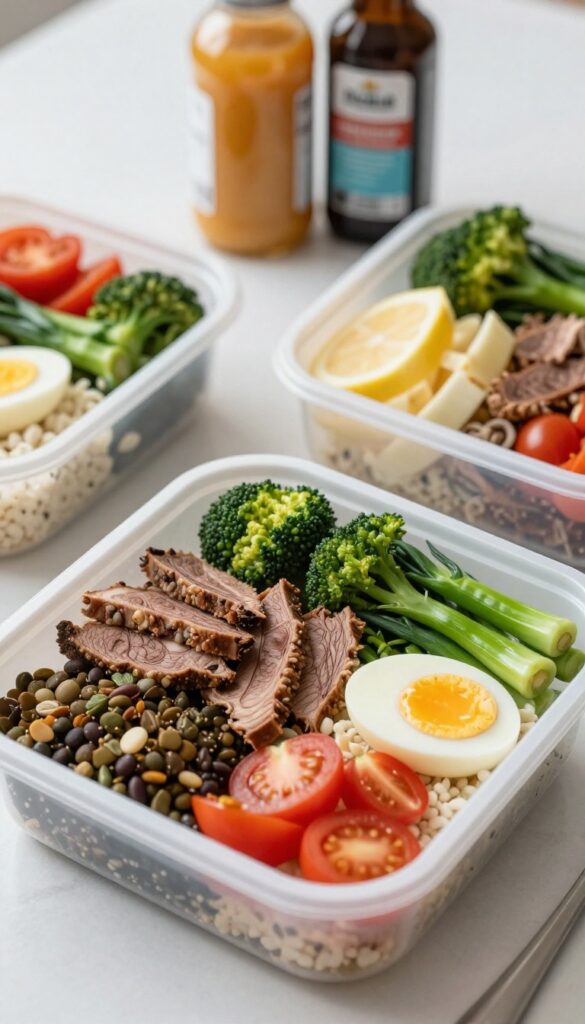
Snacking is an easy way to add extra calories without feeling overly full at meals. Focus on snacks that combine protein, healthy fats, and carbohydrates for balanced energy and nutrition.
Calorie-Dense Snack Ideas
- Trail mix (1/2 cup): ~350 calories. Combine nuts, seeds, dried fruit, and dark chocolate chips.
- Greek yogurt parfait (1 cup yogurt + 1/4 cup granola + 2 tbsp nut butter): ~400 calories.
- Avocado toast (1 slice whole-grain bread + 1/2 avocado + 1 egg): ~350 calories.
- Peanut butter banana smoothie (1 banana, 2 tbsp peanut butter, 1 cup milk, 1 tbsp honey): ~400 calories.
- Hummus and pita (1/2 cup hummus + 1 large whole-wheat pita): ~350 calories.
- Cottage cheese with fruit and nuts (1 cup cottage cheese + 1/2 cup pineapple + 2 tbsp almonds): ~350 calories.
- Hard-boiled eggs with cheese (2 eggs + 1 oz cheddar): ~300 calories.
How to Customize the Meal Plan for Your Needs
No single meal plan works for everyone. Your preferences, lifestyle, and dietary needs are unique. Here’s how to adapt the plan to fit you perfectly.
Adjusting for Dietary Preferences
Whether you’re vegan, vegetarian, or gluten-free, you can easily swap ingredients without losing calories or nutrients.
- For vegan or vegetarian: Replace animal proteins with tofu, tempeh, edamame, lentils, or chickpeas. Use plant-based milks and yogurts fortified with calcium and vitamin D. Add nutritional yeast for a cheesy flavor and extra B vitamins.
- For gluten-free: Choose certified gluten-free oats, quinoa, rice, or gluten-free bread and pasta. Watch for hidden gluten in sauces and processed snacks.
- For dairy-free: Substitute dairy milk with oat, soy, or pea milk (higher protein). Use coconut or almond yogurt, and swap cheese for avocado or nut-based cheeses.
Increasing Calories Without Volume
If you struggle to eat large portions, boost calories without adding bulk using these simple tricks.
Add calorie-dense toppings to any meal: drizzle olive oil over vegetables, sprinkle nuts or seeds on oatmeal or salads, stir peanut butter into smoothies, or add avocado to sandwiches. Use full-fat dairy or coconut milk instead of low-fat versions. Blend in protein powder or ground flaxseed to drinks and baked goods.
Common Challenges and How to Overcome Them
Even with a solid high-calorie meal plan, you might hit some roadblocks. Here’s how to handle the most common hurdles.
Lack of Appetite
Digestive Discomfort
Tracking Progress and Adjusting Your Plan
Consistent tracking helps you see what's working and when to make changes. The goal is steady, healthy weight gain without unnecessary stress.
How to Monitor Weight Gain
Weigh yourself once per week, at the same time of day (preferably in the morning after using the bathroom and before eating or drinking). Use the same scale and wear similar clothing each time. This gives you a reliable trend without the noise of daily fluctuations.
Beyond the scale, pay attention to how your clothes fit, your energy levels, and your strength in workouts. These non-scale victories can be just as telling.
When to Increase Calories
If your weight hasn't changed for two weeks in a row, it's time to add more calories. Start by increasing your daily intake by 100–200 calories. This could be an extra tablespoon of peanut butter, a handful of nuts, or a glass of whole milk with a meal.
Signs you may need to adjust your plan
- Weight remains the same for 2+ weeks
- You feel consistently hungry or unsatisfied after meals
- Your energy drops during the day
- You're losing weight unintentionally
Conversely, if you're gaining more than 1–2 pounds per week, consider reducing your calorie surplus slightly to keep gains lean. The key is gradual, sustainable adjustments based on data, not guesswork.
FAQ
How many calories should I eat to gain weight?
Start by calculating your maintenance calories (the number you need to stay at your current weight) using an online calculator. Then add 300–500 calories per day to promote gradual weight gain. Adjust based on your progress.
What are the best high-calorie foods for weight gain?
Focus on nutrient-dense options like nuts, nut butters, avocados, whole grains, fatty fish, lean meats, eggs, full-fat dairy, dried fruit, and healthy oils like olive or coconut oil. These provide calories along with essential vitamins and minerals.
Can I gain weight with a plant-based diet?
Absolutely. Include calorie-dense plant foods like nuts, seeds, avocados, legumes, whole grains, and plant-based protein sources like tofu and tempeh. Smoothies with nut butter and plant milk are also great for adding calories.
How much protein do I need per day?
Aim for 1.6–2.2 grams of protein per kilogram of body weight (or about 0.7–1 gram per pound). This supports muscle growth and repair. Spread protein intake across meals and snacks.
Should I use weight gain supplements?
Whole foods should be your primary source of calories. Supplements like protein powders or mass gainers can be convenient, but they are not necessary. If you use them, choose ones with minimal additives and combine with a balanced diet.
Conclusion
Gaining weight healthily is a gradual process that requires consistency and a focus on nutrient-dense foods. The meal plan and tips in this article provide a solid foundation to help you increase your calorie intake without sacrificing nutrition.
Remember to listen to your body, adjust as needed, and be patient with your progress. With time and dedication, you can achieve your weight gain goals while feeling energized and well-nourished.

Dr. Pallab Kishore, MS in Orthodontics and owner of Orthodontic Braces Care, shares expert tips on braces, aligners, and oral health from 10+ years of experience.