Snacking on the carnivore diet looks nothing like the granola bars and fruit cups of standard nutrition. Here, snacks are purely animal-based: meat, eggs, dairy, and animal fats.
They serve a different purpose too—not to bridge a blood sugar crash, but to provide concentrated nutrition when you need it. Whether you're new to carnivore or looking to refine your routine, building smart snacking habits can make the diet more sustainable and enjoyable.
Many people worry that snacking will kick them out of ketosis or cause digestive upset. The truth is, when you choose the right foods and listen to your body, snacks can be a helpful tool.
Why Snacks Matter on a Carnivore Diet
On the carnivore diet, snacks serve a distinct purpose. Unlike standard snacking—often driven by cravings or empty calories—carnivore snacks are strategic tools to maintain energy, provide extra nutrients, and handle real-life situations like travel or social events.
Many people assume that a carnivore diet means eating only two or three large meals a day. While that works for some, others find that small, well-timed snacks help prevent hunger between meals and keep energy levels stable. Because the diet is naturally low in carbohydrates and high in fat and protein, snacks can also be a convenient way to increase your intake of essential nutrients like animal fats, collagen, and electrolytes.
The role of snacks on carnivore is fundamentally different from snacking on a standard diet. In a carb-based eating pattern, snacks often spike blood sugar and lead to energy crashes. On carnivore, snacks are satiating and provide steady fuel without the insulin roller coaster.
A piece of cold chicken thigh, a handful of beef jerky, or a few slices of cheese can keep you going for hours without triggering hunger pangs.
Snacks also offer practical benefits. They make social gatherings easier—bringing your own carnivore-friendly options means you’re not stuck with only water. During travel, having shelf-stable snacks like pemmican or canned fish ensures you stay on track.
While snacking isn’t mandatory, understanding its role helps you decide when and how to use it to support your carnivore lifestyle.
What Makes a Snack Carnivore-Friendly
Not every snack that comes from an animal automatically fits the carnivore diet. The key is to stick to whole, unprocessed animal foods with no plant-based additives. Understanding the rules helps you make confident choices and avoid hidden ingredients that could knock you out of ketosis or cause digestive upset.
Zero-Carb Rule
A true carnivore snack contains zero carbohydrates. That means no sugars, starches, or fiber. Even trace amounts from spices or seasoning blends can add up.
Stick to plain meat, fish, eggs, and full-fat dairy (if tolerated). Always check labels on packaged items like jerky or sausages for added sugar, dextrose, or maltodextrin.
Animal-Based Only
Every ingredient must come from an animal. This excludes all plant oils, soy protein, vegetable glycerin, and natural flavors derived from plants. Even some “meat sticks” contain rice flour or potato starch as binders.
When in doubt, choose products with a single ingredient: the animal food itself.
Key Points
- No plant ingredients – avoid spices, herbs, and plant extracts.
- Minimal processing – whole cuts of meat, hard-boiled eggs, and cheese cubes are best.
- High fat or protein content – snacks should support satiety and energy without carbs.
Ingredients to Avoid
Watch for hidden carbs in common snacks: sugar, honey, maple syrup, molasses, corn syrup, maltodextrin, dextrose, rice flour, potato starch, tapioca starch, soy lecithin, vegetable oil, and “natural flavors” that may derive from plants. Even black pepper contains trace carbs, so many strict carnivores skip it.
Reading Labels for Hidden Carbs
When buying packaged snacks, check the ingredients list, not just the nutrition panel. A product labeled “0g carbs” can still contain small amounts of carbs from additives if the serving size is tiny. Look for items with 0g total carbs and a short, animal-only ingredient list.
Examples: grass-fed beef sticks (no sugar), canned fish in water or its own oil, and plain cheese.
Top Carnivore Snack Categories
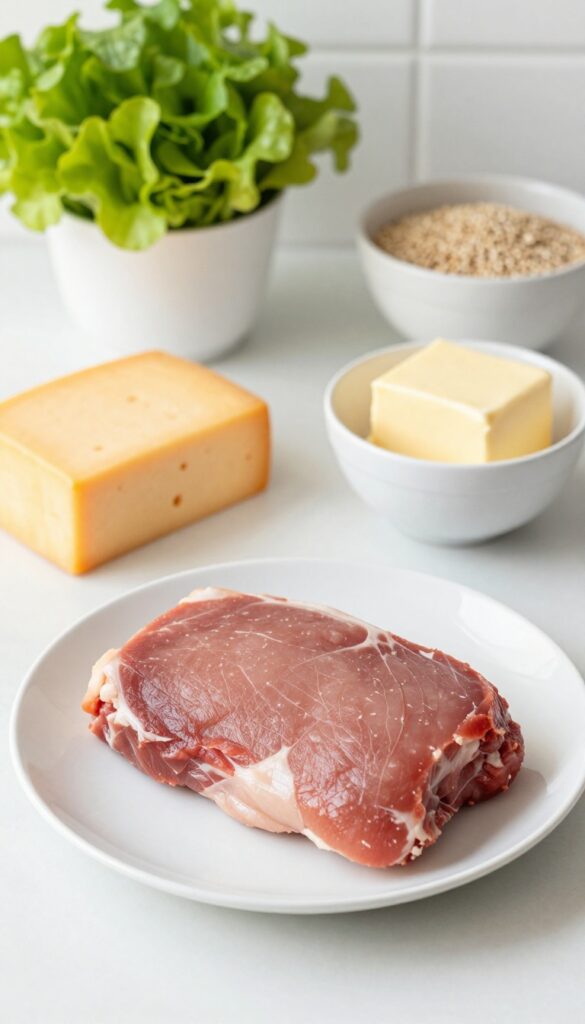
When you're on the carnivore diet, snacks fall into three main categories: meat, dairy, and eggs. Each offers different benefits and considerations, so here's what to look for.
Meat-Based Snacks
- Jerky: Choose grass-fed, no-sugar, minimal-ingredient brands or make your own.
- Pemmican: A traditional mix of dried meat and fat, perfect for zero-carb energy.
- Meat sticks: Look for 100% meat with no fillers or added sugars.
Dairy Snacks
- Cheese: Hard cheeses like cheddar or gouda are low in lactose and easy to pack.
- Butter: Can be eaten alone or added to coffee for a quick fat boost.
- Heavy cream: Use in coffee or as a base for savory dips.
Dairy Tolerance Considerations
Some people on carnivore find dairy causes bloating or inflammation. If you're sensitive, stick to aged cheeses or skip dairy entirely.
Egg Snacks
- Hard-boiled eggs: Make a batch at the start of the week for grab-and-go convenience.
- Deviled eggs: Mix yolks with butter or bacon fat for extra richness.
- Egg bites: Whisk eggs with cheese and meat, bake in a muffin tin for portable snacks.
How to Prepare Carnivore Snacks at Home
Making your own snacks at home gives you full control over ingredients and ensures they stay strictly carnivore. These three recipes are simple, require minimal ingredients, and are perfect for batch cooking.
Make Your Own Jerky
- Jerky is a portable, protein-packed snack that's easy to customize. Start with thinly sliced beef, bison, or venison. Marinate in a mixture of salt and optional spices like garlic powder or smoked paprika (ensure no sugar or plant oils).
- Dehydrate at 160°F (71°C) for 4–6 hours until dry but still pliable. Store in an airtight container for up to two weeks.
Bake Egg Bites
- Egg bites are like mini frittatas that you can make in a muffin tin. Whisk eggs with salt and your choice of cooked meat (bacon, sausage, or shredded beef) and cheese if tolerated. Pour into greased muffin cups and bake at 350°F (175°C) for 15–20 minutes.
- These reheat well and can be frozen for up to a month.
Whip Up Fat Bombs
- Fat bombs help increase your fat intake for energy. Mix softened tallow or butter with a pinch of salt and optional flavorings like liver powder or bone broth powder. Roll into small balls and freeze.
- Keep in the fridge for a quick, satisfying snack that won't spike insulin.
When and How Much to Snack
Snacking on a carnivore diet isn't about eating every few hours—it's about responding to genuine hunger cues and keeping portions in check. This section helps you tune into your body's signals and avoid common pitfalls like overeating or snacking out of habit.
Listening to Your Body
True hunger on a carnivore diet often feels different from the carb-driven cravings you might be used to. It's a subtle, empty sensation in your stomach, not a sudden urge for something specific. Boredom, stress, or habit can mimic hunger, so pause and ask: Would I eat a plain piece of meat right now?
If the answer is no, you're likely not truly hungry. Other signs of real hunger include a growling stomach, low energy, or slight irritability. If you're just feeling restless, try drinking water or taking a short walk first.
Portion Guidelines
When you decide to snack, keep portions small to avoid disrupting your next meal or overloading your digestion. Here are some general guidelines:
- Meat-based snacks: 2–4 ounces (about the size of your palm) of cooked meat, jerky, or meat sticks.
- Fat-based snacks: 1–2 tablespoons of tallow, butter, or ghee if eaten alone, or a small handful of crispy pork rinds.
- Dairy (if tolerated): 1–2 ounces of hard cheese or a small dollop of sour cream.
- Egg-based snacks: 1–2 boiled or deviled eggs.
- Seafood snacks: 2–3 ounces of canned fish like sardines or salmon.
Common Snacking Mistakes on Carnivore
Even with the best intentions, it's easy to fall into snacking pitfalls that can slow your progress on the carnivore diet. Here are three common mistakes and how to avoid them.
Overdoing Dairy
Dairy is a popular snack choice on carnivore, but it can cause digestive issues for some people. Heavy cream, cheese, and milk contain lactose and casein, which may trigger bloating, gas, or inflammation in sensitive individuals. Additionally, the high calorie density of dairy can easily lead to overconsumption, potentially stalling weight loss or causing discomfort.
To avoid this, start with small amounts of dairy and observe how your body responds. If you notice any adverse effects, consider limiting dairy or opting for lower-lactose options like hard cheeses or ghee. Remember, dairy is optional on carnivore—not a requirement.
Relying on Processed Meats
Processed meats like bacon, sausage, and deli slices are convenient snacks, but many contain additives such as sugar, nitrates, and preservatives that don't align with a clean carnivore approach. These ingredients can trigger cravings, inflammation, or digestive upset.
When choosing processed meats, read labels carefully. Look for products with minimal ingredients—ideally just meat and salt. Better yet, prepare your own snacks from whole cuts of meat to have full control over what you're eating.
Snacking Out of Habit
Mindless snacking can hinder adaptation to the carnivore diet. Many people snack out of boredom, stress, or routine rather than true hunger. This can lead to excessive calorie intake and prevent your body from learning to rely on fat stores for energy.
To break the habit, ask yourself if you're truly hungry before reaching for a snack. If not, distract yourself with a walk, a glass of water, or a non-food activity. Over time, you'll learn to recognize genuine hunger cues and snack only when your body needs fuel.
Snacking on the Go: Tips for Travel and Eating Out
Sticking to carnivore while traveling or eating out can feel daunting, but with a little planning you can stay on track without stress. The key is knowing what to look for and how to communicate your needs.
Airport and Road Trip Snacks
When you're on the move, shelf-stable snacks are your best friend. Pack them before you leave to avoid relying on airport or gas station options that may be limited.
- Beef jerky or pemmican – look for brands with no added sugar or preservatives.
- Canned fish like sardines or tuna – single-serve pouches are convenient.
- Hard cheeses like cheddar or gouda – they travel well without refrigeration for a few hours.
- Pork rinds – a crunchy option, just check for clean ingredients.
At convenience stores, scan the meat snack aisle for zero-sugar jerky, meat sticks, or even pre-cooked bacon. Many stores also sell boiled eggs or cheese sticks in the refrigerated section.
Restaurant Snack Hacks
Eating out on carnivore is easier than you think. Most restaurants can accommodate simple requests if you're polite and clear.
- Order a bunless burger or a meat platter – ask for extra patties if needed.
- Request grilled chicken, steak, or fish with no sauces or marinades.
- Ask for butter or cheese sides to add fat and flavor.
- At fast food places, order multiple patties or grilled chicken strips plain.
When communicating with servers, be direct but friendly. Say something like, 'I can't eat grains or sugars – can I get the steak with no seasoning and a side of butter?' Most kitchens are happy to accommodate.
Building Sustainable Snacking Habits
The key to long-term success on the carnivore diet isn't just knowing what to snack on—it's building habits that make those choices automatic. A sustainable approach keeps you satisfied without adding stress or rigidity to your eating routine.
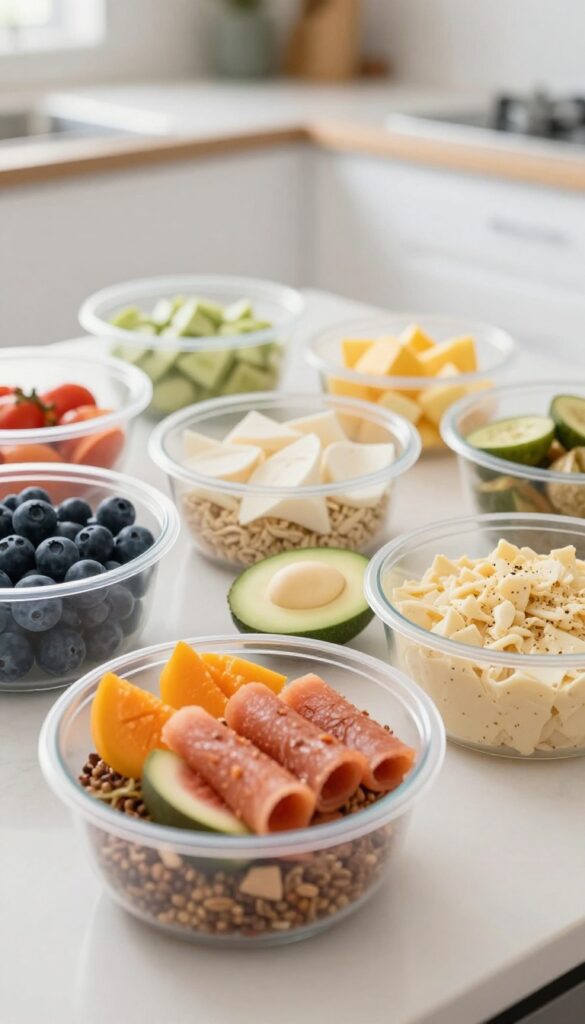
Plan ahead to avoid poor choices. Spend a few minutes each week prepping snacks: hard-boil eggs, cook bacon in batches, portion out cheese or jerky into grab-and-go containers. When hunger strikes, you'll have a carnivore-friendly option ready instead of reaching for something that doesn't fit your diet.
Rotate your snacks to prevent boredom. Even the most delicious foods can become tiresome if eaten daily. Alternate between savory options like beef sticks and creamy choices like full-fat yogurt or cottage cheese.
Try different animal proteins—pork rinds, salmon bites, or liver pâté—to keep your palate interested.
Stay flexible and listen to your body. As your body adapts to the carnivore diet, your snacking needs may change. Some days you might need extra fat, other days extra protein.
Pay attention to hunger cues and adjust accordingly. There's no one-size-fits-all schedule; what matters is that your snacking supports your energy, digestion, and overall well-being without causing stress.
Meal prep strategies can simplify your week. Set aside one day to cook a variety of snacks: bake chicken wings, make bone broth for sipping, or create mini meatballs. Store them in the fridge or freezer so you always have options.
This reduces decision fatigue and helps you stay consistent.
FAQ
Can I eat cheese on carnivore diet?
Yes, cheese is allowed on the carnivore diet as it is an animal product. However, some people are sensitive to dairy or find that cheese stalls their progress. If you tolerate it well, hard cheeses like cheddar or gouda are good options.
Soft cheeses like mozzarella also work, but check labels for added carbs.
Are pork rinds allowed on carnivore?
Pork rinds (chicharrones) are allowed if they are made from just pork skin and salt. Many commercial brands add flavorings that contain sugar, MSG, or other non-carnivore ingredients. Always read the ingredient list.
Plain pork rinds are a crunchy, zero-carb snack.
How many snacks per day is okay?
There is no fixed number. Some carnivore dieters eat two or three meals with no snacks, while others have one or two small snacks. The best approach is to snack only when you are truly hungry, not out of boredom or habit.
Listen to your body's hunger signals.
What if I don't feel like snacking?
That's perfectly fine. Many people on carnivore find they are satisfied with fewer meals and don't need snacks. Forcing snacks can lead to overeating.
If you're not hungry, skip the snack. Your body will let you know when it needs fuel.
Can I have coffee with cream as a snack?
Coffee with heavy cream is a common snack-like beverage on carnivore. The cream provides fat and calories. Just ensure the cream has no added sugars or stabilizers.
Some people also add butter or MCT oil. This can be a satisfying mini-meal in a cup.
Conclusion
Building food habits around snacks on the carnivore diet is about choosing quality ingredients and eating mindfully. Whether you prefer a stick of jerky, a handful of cheese cubes, or a hard-boiled egg, the best snack is one that fits your body's needs and your lifestyle. Remember that snacks are optional—they should complement your meals, not replace them.
As you experiment with different snacks and routines, pay attention to how your body responds. Some people thrive on a few snacks a day, while others do better without any.

Dr. Pallab Kishore, MS in Orthodontics and owner of Orthodontic Braces Care, shares expert tips on braces, aligners, and oral health from 10+ years of experience.