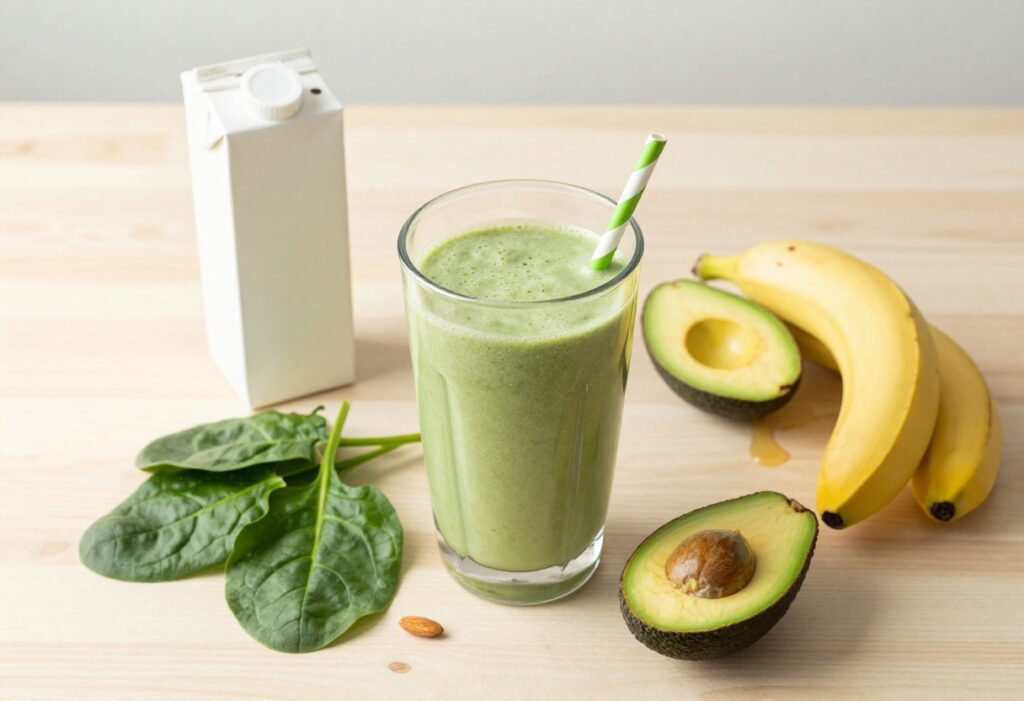
Planning high-protein meals ahead of time can help you meet your nutrition goals without daily stress.
This guide covers 15 easy-to-prepare meals, along with tips for batch cooking, substitutions, and safe storage.
Whether you're looking to build muscle, manage weight, or simply eat more protein, these ideas will simplify your week.
Why High-Protein Meal Prep Works
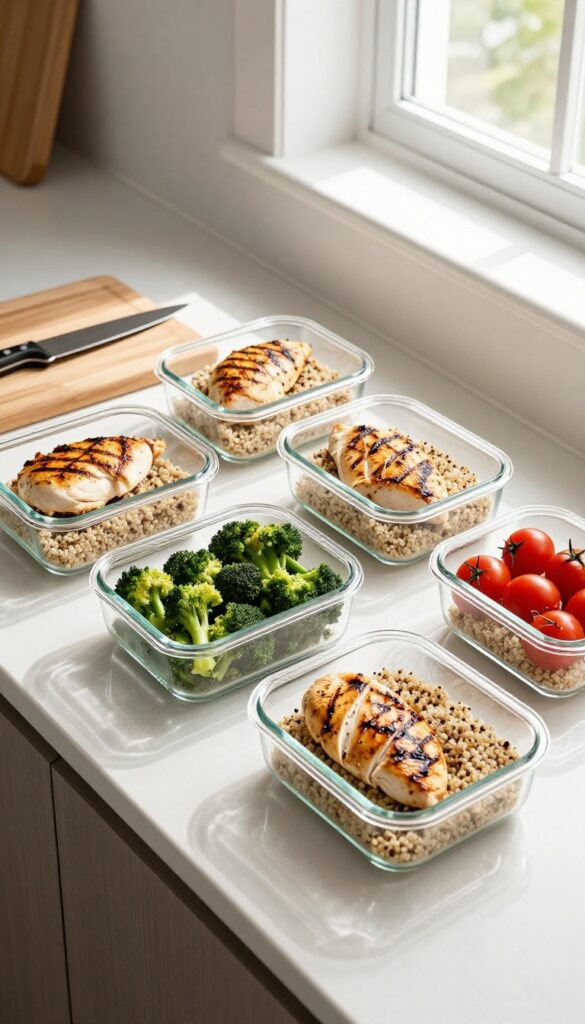
High-protein meal prep is a strategy that combines the satiating power of protein with the convenience of preparing meals in advance. This approach helps you consistently meet your protein goals without daily cooking stress.
Protein is known to increase feelings of fullness and reduce cravings, making it easier to stick to a balanced diet. When you prep high-protein meals ahead of time, you ensure that every meal and snack includes a solid source of protein, which supports muscle maintenance and keeps your metabolism active.
- Protein increases satiety and reduces cravings, helping you avoid unhealthy snacking.
- Meal prep ensures consistent protein intake throughout the week, even on busy days.
- Saves time and reduces decision fatigue, so you're less likely to reach for low-protein convenience foods.
By dedicating a couple of hours each week to preparing high-protein meals, you remove the guesswork from eating well. Whether you're aiming for muscle gain, weight management, or simply more energy, having prepped meals on hand makes it easier to stay on track. This guide focuses on practical, easy-to-prepare high-protein meals that fit seamlessly into a weekly routine.
Key Protein Sources for Meal Prep
Choosing the right protein sources is the foundation of easy weekly prep. The best options are versatile, cook quickly, and store well. Here are the top picks across animal and plant categories.
Lean Meats
- Chicken breast: boneless, skinless; bake or grill in bulk.
- Turkey: ground or breast; perfect for tacos, bowls, or patties.
- Lean beef: 93% lean or higher; ideal for stir-fries or meatballs.
Fish and Seafood
- Salmon: rich in omega-3s; bake fillets or use canned for salads.
- Tuna: canned in water; mix with Greek yogurt for a protein-packed spread.
- Cod: mild flavor; bake or poach for flaky meal prep portions.
Plant-Based Proteins
- Tofu: extra-firm; press, cube, and bake or stir-fry.
- Tempeh: firm and nutty; slice and pan-sear or crumble into bowls.
- Lentils: cook a big batch; use in soups, salads, or as a base.
- Chickpeas: roast for crunch or mash for sandwiches.
Eggs and Dairy
- Eggs: hard-boil a dozen for snacks or salads.
- Greek yogurt: plain, nonfat; use as a base for dressings or dips.
- Cottage cheese: high in casein; pair with fruit or blend into sauces.
Essential Meal Prep Tools and Containers
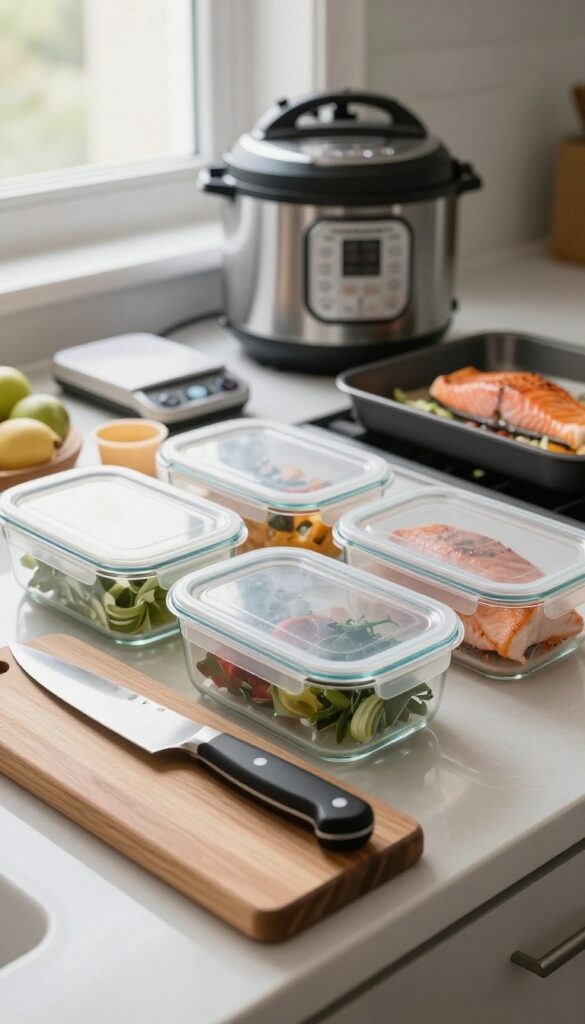
Having the right gear makes high-protein meal prep faster, safer, and more enjoyable. You don't need a fancy kitchen—just a few reliable tools and containers that simplify batch cooking and portion control.
Must-Have Containers
- Glass or BPA-free plastic containers with tight-fitting lids – glass is microwave-safe and doesn't stain, while plastic is lightweight for lunch bags.
- Portion-control containers (e.g., 2-cup or 3-cup sizes) – ideal for dividing proteins, grains, and veggies into balanced meals.
- Small sauce containers or silicone cups – perfect for dressings, yogurt, or nut butter on the side.
Prep Tools That Save Time
- Sharp chef's knife and a large cutting board – for quick dicing of chicken, veggies, and herbs.
- Measuring cups and a kitchen scale – essential for accurate protein portions (e.g., 4 oz chicken breast or 1 scoop protein powder).
- Slow cooker, Instant Pot, or sheet pans – batch-cook proteins like shredded chicken, hard-boiled eggs, or roasted salmon with minimal effort.
- Mixing bowls and a good set of tongs – for tossing salads or combining ingredients without mess.
Storage Tip
Label containers with the meal name and date using a dry-erase marker or stickers. This helps you rotate meals and avoid food waste.
High-Protein Meal Ideas for Weekly Prep
Variety is key to sticking with meal prep. Here are 15 high-protein meals spanning breakfast, lunch, dinner, and snacks—each providing at least 20g of protein per serving. All are designed for easy weekly prep and include simple substitutions for different dietary needs.
Breakfast Options
- Greek Yogurt Parfait: Layer 1 cup plain Greek yogurt (20g protein) with berries and a tablespoon of chia seeds. Prep in jars for grab-and-go mornings. Substitute with dairy-free yogurt for vegan option.
- Egg Muffins: Whisk 6 eggs with diced bell peppers, spinach, and shredded cheese. Pour into a greased muffin tin and bake at 375°F for 20 minutes. Each muffin has ~7g protein; eat 3 for a meal. Substitute with tofu scramble for egg-free.
- Overnight Oats with Protein Powder: Mix 1/2 cup rolled oats, 1 scoop vanilla protein powder (20g), 1 cup milk, and a tablespoon of peanut butter. Refrigerate overnight. Use plant-based milk and protein for vegan version.
- Cottage Cheese Pancakes: Blend 1 cup cottage cheese (25g protein), 2 eggs, 1/2 cup oats, and a pinch of cinnamon. Cook on a griddle. Freeze extras for quick reheating. Substitute with silken tofu for dairy-free.
Lunch Ideas
- Chicken Quinoa Bowls: Grill 6 oz chicken breast (40g protein) and serve over 1 cup cooked quinoa with roasted vegetables. Store in containers with a lemon-tahini dressing. Substitute with chickpeas for vegetarian.
- Turkey Chili: Brown 1 lb lean ground turkey (80g total) with onions and garlic. Add 2 cans diced tomatoes, 1 can kidney beans, and chili spices. Simmer for 30 minutes. Each serving (1.5 cups) provides ~30g protein. Use lentils for plant-based.
- Tuna Salad Wraps: Mix 1 can tuna (20g protein) with Greek yogurt, diced celery, and mustard. Wrap in a whole-grain tortilla with lettuce. Substitute with canned chickpeas for vegetarian.
- Lentil Soup: Cook 1 cup red lentils (24g protein) with carrots, celery, and vegetable broth. Season with cumin and turmeric. Each bowl (2 cups) yields ~20g protein. Add tofu for extra protein.
Dinner Favorites
- Beef Stir-Fry: Slice 6 oz sirloin steak (40g protein) and stir-fry with broccoli, bell peppers, and soy sauce. Serve over brown rice. Substitute with tempeh for vegetarian.
- Salmon with Roasted Veggies: Bake 6 oz salmon fillet (35g protein) at 400°F for 15 minutes. Pair with asparagus and sweet potato. Use canned salmon for budget-friendly option.
- Turkey Meatballs: Mix 1 lb ground turkey with breadcrumbs, egg, and Italian seasoning. Form into balls and bake at 375°F for 25 minutes. Serve with zucchini noodles and marinara. Each serving (4 meatballs) has ~25g protein. Use black beans for vegetarian.
- Chicken Fajita Bowls: Sauté sliced chicken breast (6 oz, 40g protein) with onions and bell peppers. Serve over cilantro lime rice with black beans. Substitute with jackfruit for vegan.
Snacks and Small Meals
- Protein Balls: Mix 1 cup peanut butter, 1 cup oats, 1/2 cup protein powder, and 1/4 cup honey. Roll into balls and refrigerate. Each ball has ~8g protein; eat 3 for a snack. Use sunflower seed butter for nut-free.
- Edamame Salad: Toss 1 cup shelled edamame (17g protein) with cucumber, red pepper, and a sesame ginger dressing. Add cubed tofu for extra protein.
- Cottage Cheese Bowl: Top 1 cup cottage cheese (25g protein) with pineapple, almonds, and a drizzle of honey. Quick, no-cook snack. Substitute with dairy-free yogurt and protein powder.
- Hard-Boiled Egg and Avocado: Slice 2 hard-boiled eggs (12g protein) with half an avocado. Sprinkle with salt and pepper. Add a handful of almonds for more protein.
How to Batch Cook Protein Efficiently
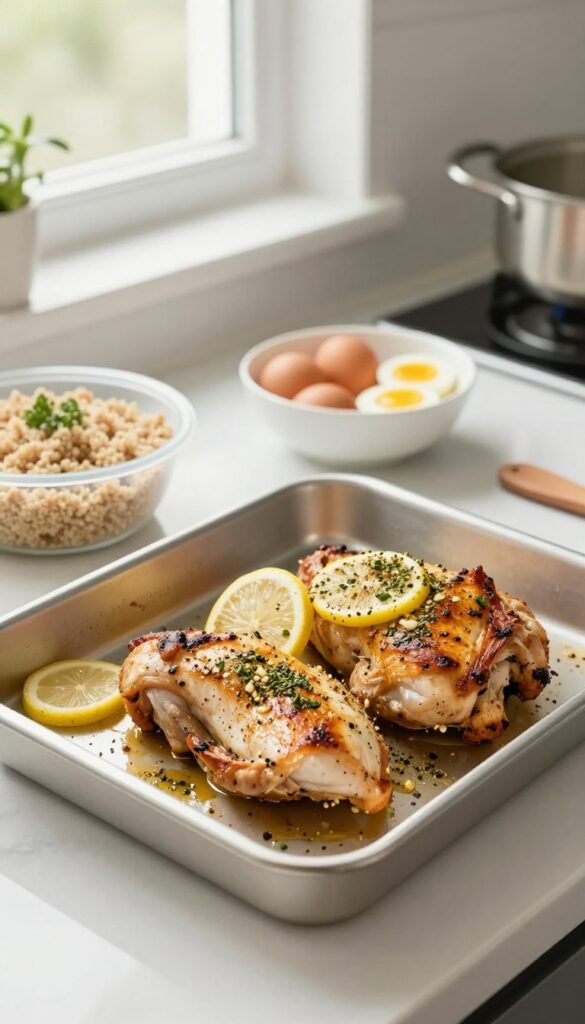
Batch cooking protein is the backbone of easy weekly prep. By cooking multiple proteins at once, you save time and ensure you always have a high-protein base ready for meals. Here's how to do it step by step.
Step-by-Step Batch Cooking Process
- Plan your protein lineup: Choose 2-3 proteins for the week, such as chicken breasts, eggs, and quinoa. This variety prevents boredom and covers different meal needs.
- Preheat oven and stovetop: Set oven to 400°F (200°C) for roasting chicken and vegetables. Put a pot of water on the stove for hard-boiled eggs and another for quinoa.
- Prepare ingredients: Season chicken breasts with different spice blends (e.g., lemon pepper, garlic herb, or chili lime) to avoid flavor fatigue. Rinse quinoa and place eggs in a single layer in the pot.
- Cook simultaneously: Place chicken on a sheet pan and roast for 20-25 minutes. Start boiling eggs (10 minutes for hard-boiled). Cook quinoa according to package directions (about 15 minutes).
- Cool and portion: Let chicken rest 5 minutes, then slice or shred. Peel eggs and store in a container. Fluff quinoa with a fork. Immediately portion into meal prep containers with pre-washed veggies or grains.
Time-Saving Tips
Use your oven and stovetop at the same time to maximize efficiency. While chicken roasts, you can boil eggs and cook quinoa. Also, prep vegetables on the same sheet pan as the chicken for a complete meal.
Always portion food right after cooking to lock in freshness and make grab-and-go easy.
Safety Note
Never let cooked protein sit at room temperature for more than 2 hours. Refrigerate within that window to prevent bacterial growth. Use shallow containers for faster cooling.
Smart Substitutions for Dietary Needs
Not everyone follows the same diet, but you can still enjoy high-protein meal prep with simple swaps. Here's how to adapt your favorite recipes for vegetarian, dairy-free, and gluten-free needs without sacrificing protein content.
Vegetarian Protein Swaps
Replace meat with plant-based proteins that are just as filling. Tofu, tempeh, and legumes (like chickpeas, lentils, and black beans) are excellent choices. For example, swap ground beef in chili with crumbled tempeh or cooked lentils.
Each option provides about 15–20 grams of protein per serving.
- Tofu: Use extra-firm, pressed, and cubed in stir-fries or baked as a meat substitute.
- Tempeh: Slice and marinate before grilling or crumbling into tacos.
- Legumes: Add chickpeas to salads, lentils to soups, or black beans to burrito bowls.
Dairy-Free Alternatives
If you avoid dairy, choose plant-based yogurts and cheeses that are fortified with protein. Greek-style coconut yogurt and almond-based cheese shreds work well in recipes. For creamy sauces, blend silken tofu with nutritional yeast and lemon juice.
- Yogurt: Unsweetened coconut or soy yogurt (check for added protein).
- Cheese: Use cashew-based cream cheese or shredded vegan mozzarella.
- Milk: Soy milk has the highest protein content among plant milks.
Gluten-Free Grain Options
Replace wheat-based grains with naturally gluten-free alternatives that still pack protein. Quinoa, brown rice, and gluten-free oats are staples. For pasta, try chickpea or lentil pasta for an extra protein boost.
- Quinoa: Use in place of couscous or bulgur in salads and bowls.
- Rice: Brown rice or wild rice work in stir-fries and casseroles.
- Oats: Certified gluten-free oats for overnight oats or baked oatmeal.
Storage and Food Safety Tips
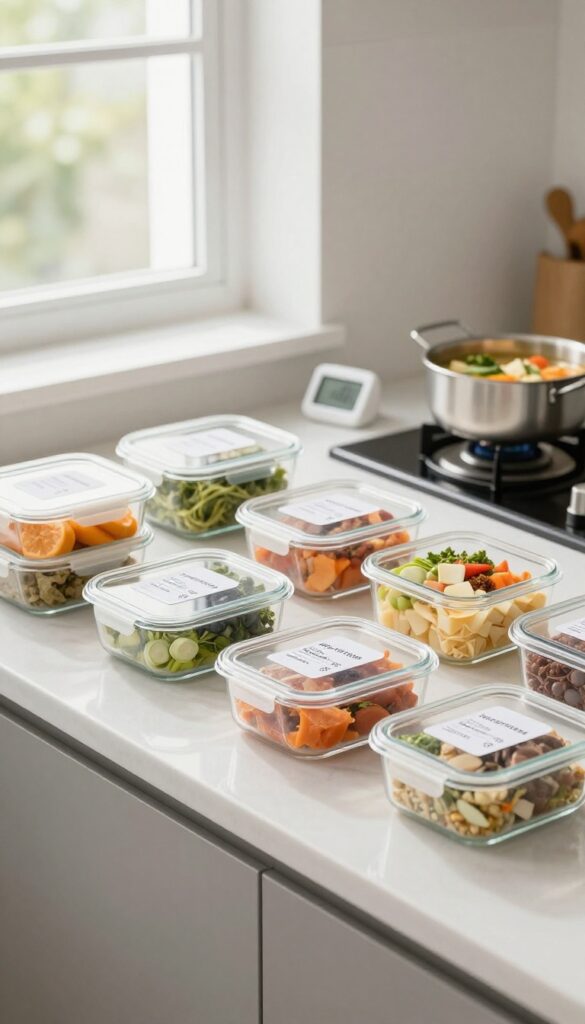
Proper storage keeps your high-protein meals fresh and safe to eat throughout the week. Follow these simple guidelines to maintain quality and prevent foodborne illness.
After cooking, refrigerate meals within two hours to stop bacterial growth. Use shallow containers to speed cooling, and avoid stacking hot containers in the fridge—let them cool slightly first.
Container and Labeling Tips
- Use airtight containers to lock in moisture and prevent odors from spreading.
- Label each container with the dish name and date prepared. Consume refrigerated meals within four days.
- For longer storage, freeze individual portions in freezer-safe bags or containers. Squeeze out excess air to prevent freezer burn.
Safe Reheating Practices
Reheat leftovers to an internal temperature of 165°F (74°C). Use a food thermometer to check. Stir soups and stews halfway through reheating for even heat distribution.
Avoid reheating more than once—only take out what you'll eat.
Freezing Guidelines
Most high-protein meals freeze well for up to three months. Thaw overnight in the refrigerator, then reheat thoroughly. Avoid freezing meals with creamy sauces or raw vegetables, as texture may suffer.
Sample Weekly Meal Prep Plan
This five-day plan shows how to prep high-protein meals efficiently, with leftovers repurposed to save time. Each meal includes protein grams to help you hit your daily targets.
Monday
Breakfast: Greek yogurt parfait (20g protein) – layer 1 cup Greek yogurt with berries and a tablespoon of chia seeds. Lunch: Grilled chicken salad (35g protein) – mixed greens, cherry tomatoes, cucumber, and 6 oz grilled chicken with vinaigrette. Dinner: Turkey chili (40g protein) – made with ground turkey, beans, and tomatoes.
Snack: Cottage cheese with pineapple (15g protein).
Tuesday
Breakfast: Two hard-boiled eggs and a protein shake (30g protein). Lunch: Leftover turkey chili (40g protein). Dinner: Baked salmon with quinoa and steamed broccoli (45g protein).
Snack: Almonds (6g protein per ounce).
Wednesday
Breakfast: Overnight oats with protein powder (25g protein). Lunch: Leftover salmon and quinoa (45g protein). Dinner: Chicken stir-fry with tofu (50g protein) – use pre-cooked chicken and frozen veggies.
Snack: Beef jerky (10g protein per ounce).
Thursday
Breakfast: Scrambled eggs with spinach and cheese (25g protein). Lunch: Leftover chicken stir-fry (50g protein). Dinner: Lean beef tacos (40g protein) – use lettuce wraps instead of tortillas.
Snack: Edamame (17g protein per cup).
Friday
Breakfast: Smoothie with whey protein, banana, and peanut butter (35g protein). Lunch: Leftover beef taco filling over salad (40g protein). Dinner: Shrimp and vegetable skewers with couscous (35g protein).
Snack: String cheese (8g protein).
Prep Tips
Cook a large batch of chicken, hard-boiled eggs, and quinoa on Sunday. Portion chili and stir-fry into containers. Keep snacks like almonds and jerky pre-portioned for grab-and-go.
FAQ
How much protein should I aim for per meal?
A general guideline is 20-30 grams of protein per meal, but individual needs vary based on age, activity level, and goals. Consult a dietitian for personalized advice.
Can I freeze these high-protein meals?
Yes, most meals freeze well for up to 3 months. Use freezer-safe containers and thaw in the refrigerator before reheating.
What are the best protein sources for meal prep?
Lean meats, poultry, fish, eggs, Greek yogurt, cottage cheese, tofu, tempeh, lentils, and chickpeas are all excellent choices that hold up well in the fridge or freezer.
How long do prepped meals last in the fridge?
Most cooked meals stay fresh for 3-4 days when stored in airtight containers. Always check for signs of spoilage before eating.
Conclusion
Meal prepping high-protein meals doesn't have to be complicated. With the right ingredients, tools, and a little planning, you can enjoy delicious, protein-packed meals all week long.
Start with a few recipes from this list and adjust to your taste. Remember to prioritize food safety and listen to your body's needs.

Dr. Pallab Kishore, MS in Orthodontics and owner of Orthodontic Braces Care, shares expert tips on braces, aligners, and oral health from 10+ years of experience.