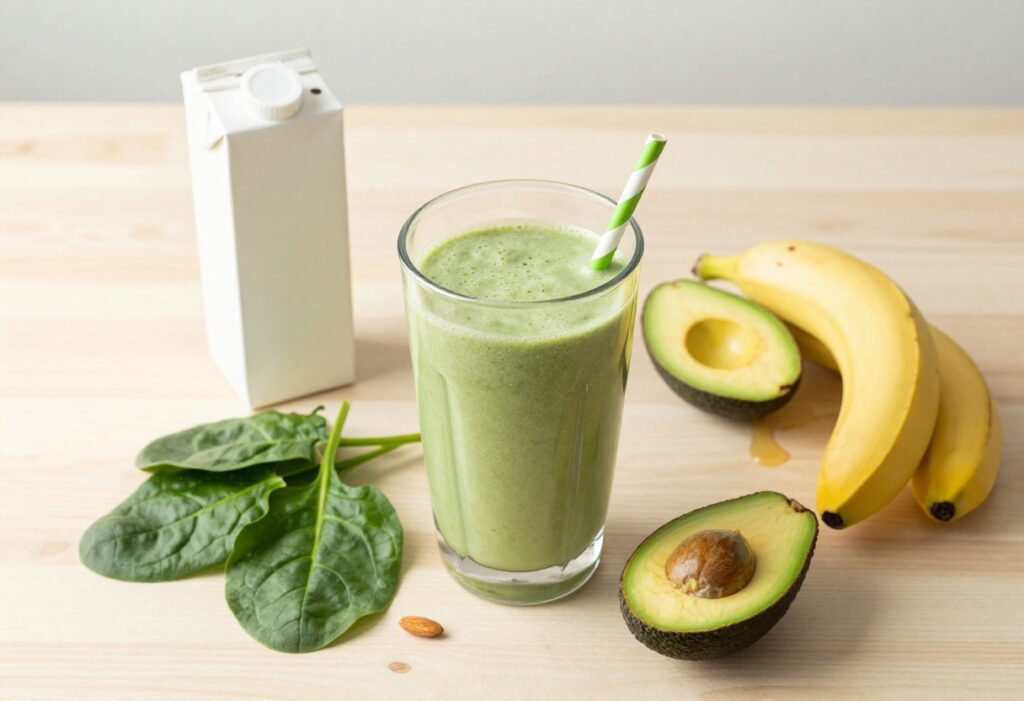
You've probably heard the saying 'you are what you eat,' and when it comes to your skin, that's especially true. The foods you choose can either support a natural glow or contribute to dullness and breakouts.
But if you're new to eating for skin health, it can feel overwhelming—especially with all the conflicting advice out there. The good news is that you don't need a complicated diet or expensive ingredients to see results.
Simple, whole foods that are easy to find and prepare can make a real difference. This guide is designed for absolute beginners who want practical, delicious meals that support glowing skin without the stress.
What Makes a Meal Skin-Friendly?
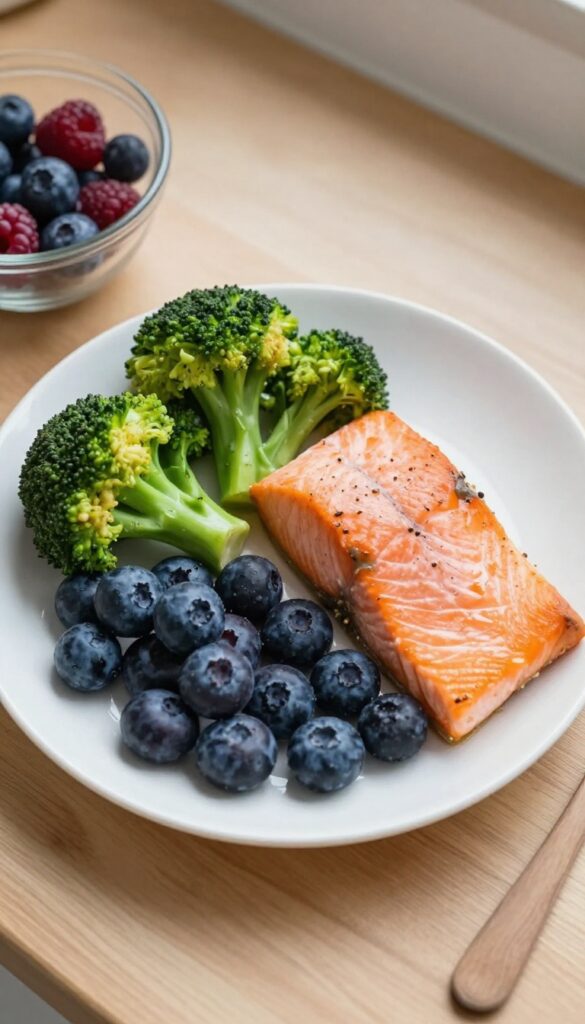
When you hear “skin-friendly meal,” you might think of complicated recipes or exotic ingredients. But the truth is simpler: a skin-friendly meal is one that provides your body with the nutrients it needs to support healthy skin cell function, protect against damage, and keep you hydrated. No single food is a magic bullet—it's the overall pattern of what you eat that makes a difference.
Think of your skin as a reflection of your internal health. The foods you eat can either help or hinder its glow. A diet rich in colorful fruits and vegetables, healthy fats, lean proteins, and whole grains tends to support skin health, while a diet high in processed foods, sugar, and unhealthy fats may contribute to dullness or inflammation.
Key Nutrients for Glowing Skin
Certain nutrients play starring roles in skin health. Here are the ones to focus on:
- Antioxidants (vitamins C, E, beta-carotene): Help protect skin from environmental damage and support collagen production. Find them in berries, citrus fruits, nuts, seeds, and leafy greens.
- Healthy fats (omega-3s): Keep skin supple and reduce inflammation. Sources include salmon, walnuts, flaxseeds, and avocados.
- Hydration: Water helps maintain skin's moisture balance and flush out toxins. Aim for plenty of water throughout the day, and include hydrating foods like cucumbers, watermelon, and soups.
- Low-glycemic choices: High-sugar foods can lead to glycation, which damages collagen. Choose whole grains, legumes, and vegetables over refined carbs and sugary treats.
You don't need to overhaul your diet overnight. Start by adding a handful of spinach to your eggs, swapping white bread for whole grain, or snacking on an apple with almond butter. Small changes add up.
Easy Breakfast Ideas to Start Your Day
Breakfast is a perfect opportunity to pack in skin-friendly nutrients. These three ideas are simple, require minimal effort, and use ingredients you probably already have. Each recipe has five ingredients or less, so you can get out the door quickly while still feeding your skin what it needs.
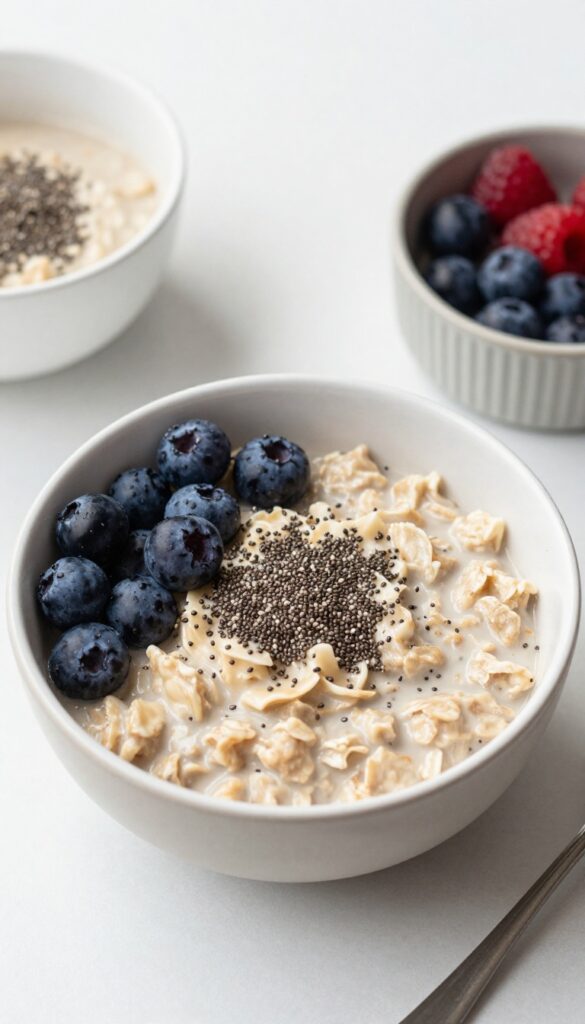
Overnight Oats with Berries
Mix rolled oats with your choice of milk (dairy or plant-based), a spoonful of chia seeds, and a handful of berries in a jar. Let it sit in the fridge overnight. In the morning, give it a stir and enjoy cold or warm.
Berries are rich in antioxidants that help protect skin from damage, while oats provide fiber for a steady energy release.
Avocado Toast with a Twist
Mash half an avocado on whole-grain toast. Top with a sprinkle of red pepper flakes and a squeeze of lemon. For extra protein and healthy fats, add a poached egg or a few slices of smoked salmon.
Avocado's healthy fats support skin hydration, and vitamin C from lemon aids collagen production.
Smoothie Bowl Basics
Blend a frozen banana, a handful of spinach, a tablespoon of almond butter, and enough milk to reach a thick consistency. Pour into a bowl and top with sliced fruit, a sprinkle of granola, and a few chia seeds. This bowl is loaded with vitamins A, C, and E, plus healthy fats that keep skin supple.
Prep Tips for Busy Mornings
- Make overnight oats in individual jars for up to 3 days.
- Pre-slice avocado and store with lemon juice to prevent browning.
- Freeze smoothie packs: portion banana, spinach, and berries in bags for quick blending.
Simple Lunches That Keep You Glowing
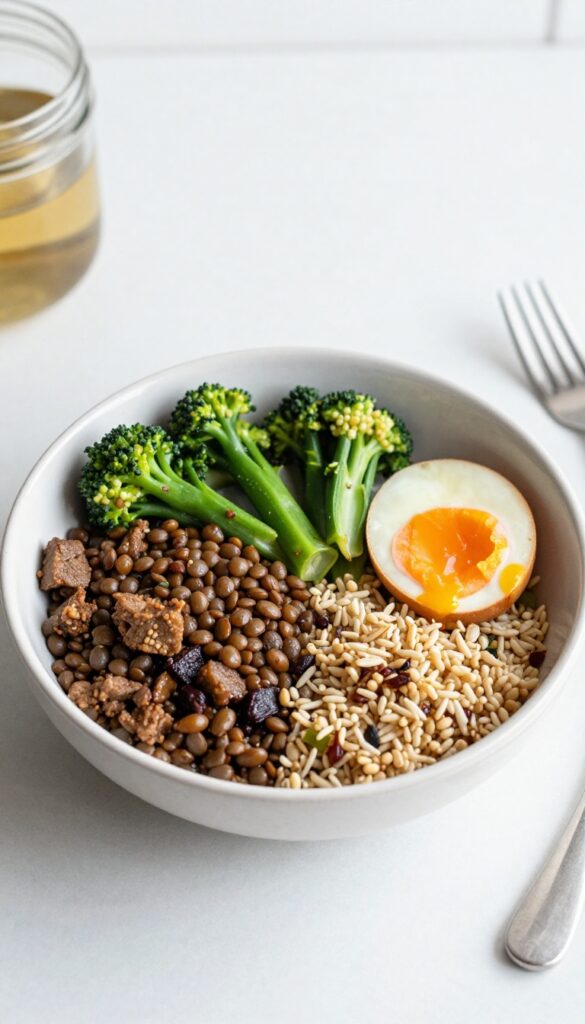
Lunch is often the meal that gets rushed or skipped, but with a little planning you can have a skin-friendly meal that's both portable and delicious. The key is balancing protein, healthy fats, and fiber to keep your energy steady and your skin nourished.
Mason Jar Salads
Mason jar salads are a game-changer for busy days. Layer dressing at the bottom, followed by hearty veggies like cucumbers and carrots, then protein (grilled chicken, chickpeas, or tofu), and finally leafy greens on top. When you're ready to eat, just shake and pour.
The dressing stays separate, so your greens stay crisp for days.
Wraps with Lean Protein and Veggies
Wraps are endlessly customizable. Start with a whole-grain tortilla, add lean protein (turkey, grilled salmon, or edamame), load up with colorful veggies like bell peppers and spinach, and finish with a drizzle of olive oil and lemon juice instead of heavy sauces. Avocado adds healthy fats and creaminess.
Leftovers Made Skin-Friendly
Last night's dinner can be today's skin-friendly lunch. Just add a handful of leafy greens or extra steamed veggies to boost the nutrient density. Swap heavy sauces for a squeeze of citrus or a dollop of Greek yogurt.
This simple habit reduces food waste and keeps your skin goals on track.
Quick Tips for Building a Balanced Lunch Plate
- Fill half your plate with colorful veggies.
- Include a palm-sized portion of lean protein.
- Add a serving of healthy fats like avocado, nuts, or olive oil.
- Choose whole grains like quinoa, brown rice, or whole-wheat bread.
- Use homemade dressings: olive oil + lemon juice + herbs.
Dinner Recipes for Busy Weeknights
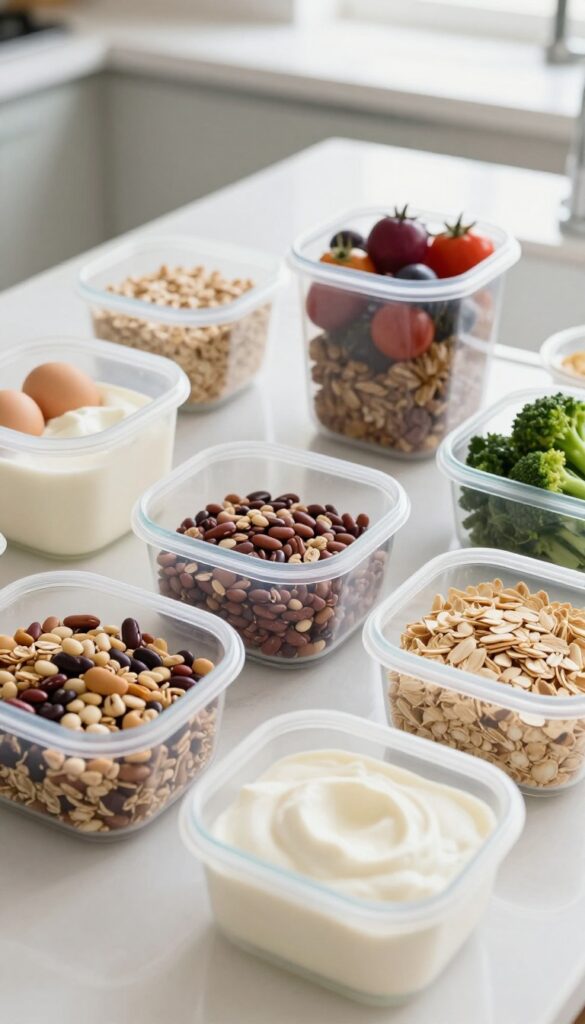
After a long day, the last thing you want is a complicated dinner. These recipes come together quickly with minimal cleanup, while still packing in the skin-friendly nutrients you need.
Sheet Pan Salmon and Vegetables
Salmon is rich in omega-3 fatty acids, which help reduce inflammation and keep skin supple. Toss salmon fillets and chopped veggies like broccoli, bell peppers, and cherry tomatoes with olive oil, salt, and pepper. Roast at 400°F for 15-20 minutes.
Serve with a squeeze of lemon.
One-Pot Lentil Soup
Lentils are a great source of plant-based protein and zinc, which supports skin repair. Sauté onions, garlic, and carrots in a pot, add rinsed lentils, diced tomatoes, vegetable broth, and spices like cumin and turmeric. Simmer for 25 minutes until lentils are tender.
This soup freezes well for busy nights.
Stir-Fry with Colorful Veggies
A quick stir-fry is perfect for using up leftover vegetables. Use a mix of colorful veggies like red cabbage, snap peas, and carrots for a variety of antioxidants. Add a lean protein like chicken or tofu, and toss with a simple sauce of low-sodium soy sauce, ginger, and garlic.
Serve over brown rice or quinoa.
Tips for Success
- Prep veggies on the weekend to save time.
- Double the recipe and enjoy leftovers for lunch.
- Use anti-inflammatory spices like turmeric, ginger, and garlic.
Smart Snacks for Between Meals
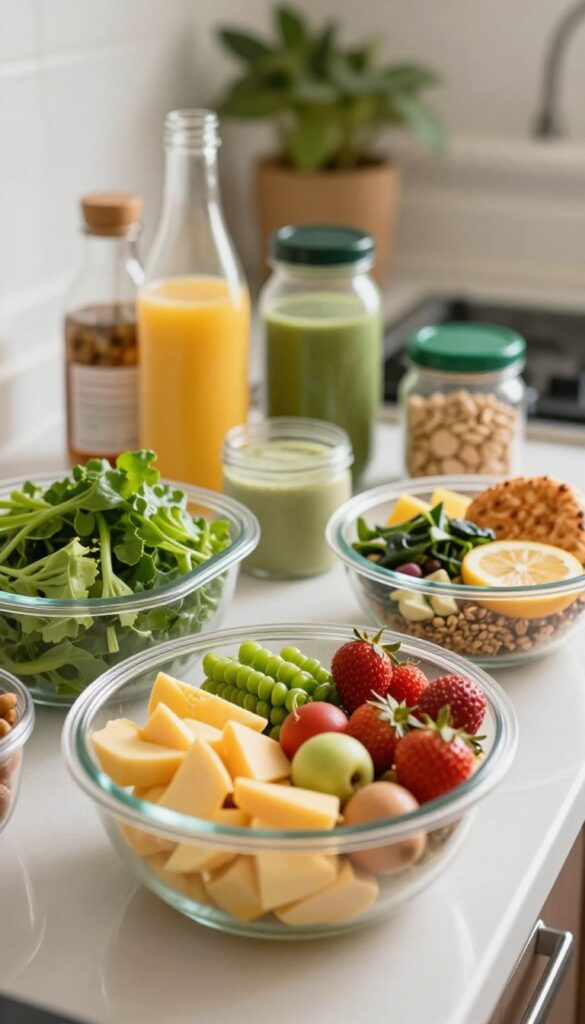
Snacking can be a great opportunity to sneak in extra skin-friendly nutrients, as long as you choose wisely. The key is to pair carbohydrates with protein or healthy fat to keep your energy stable and your skin nourished.
Snack Ideas That Satisfy and Nourish
- Apple slices with a tablespoon of almond butter – provides fiber, healthy fats, and vitamin E.
- Veggie sticks (carrot, cucumber, bell pepper) with hummus – rich in antioxidants and plant-based protein.
- Greek yogurt (plain) with a handful of berries – offers probiotics, vitamin C, and calcium.
- A small handful of walnuts and an orange – omega-3s plus vitamin C for collagen support.
- Rice cakes with avocado and a sprinkle of sea salt – quick, satisfying, and full of healthy fats.
What to Avoid
- Sugary snacks like candy, cookies, or sweetened granola bars – they can spike blood sugar and contribute to inflammation.
- Processed snack bars with long ingredient lists – often contain added sugars and unhealthy oils.
- Empty-calorie options like chips or pretzels – they offer little nutritional value for your skin.
Portion Control Tips
Even healthy snacks can add up. Stick to one serving: for nuts, that's about a quarter cup; for yogurt, a single-serve container; for fruit, one medium piece. Pre-portion snacks into small containers or bags to avoid mindless eating.
Sample One-Day Meal Plan
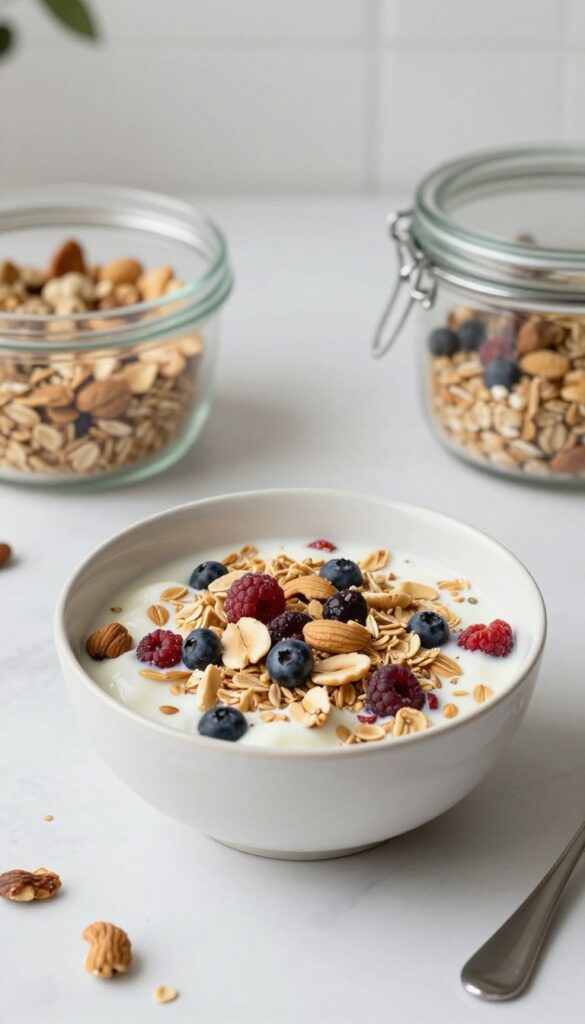
Here's a full day of eating that brings together all the recipes from earlier sections. Feel free to adjust portion sizes to your appetite and swap ingredients based on what you have on hand.
One-Day Meal Plan
| Meal | Time | Recipe | Portion Suggestion |
| Breakfast | 7:30 AM | Berry & Spinach Smoothie Bowl | 1 bowl (about 1.5 cups) |
| Morning Snack | 10:00 AM | Avocado & Cucumber Slices | 1/2 avocado, 1/2 cucumber, sliced |
| Lunch | 12:30 PM | Rainbow Veggie Wrap with Hummus | 1 large wrap (10-inch tortilla) |
| Afternoon Snack | 3:30 PM | Handful of Almonds & an Orange | 1/4 cup almonds, 1 medium orange |
| Dinner | 6:30 PM | Sheet Pan Salmon with Sweet Potatoes & Broccoli | 4 oz salmon, 1 cup roasted veggies |
Customization Tips
If you're vegetarian, replace salmon with a can of chickpeas or a block of tofu. For a dairy-free option, use a plant-based yogurt in the smoothie bowl. Drink water throughout the day, and add a cup of green tea if you like.
Tips for Sticking with a Skin-Friendly Diet
Building a new eating habit doesn't have to be overwhelming. The key is to make small, sustainable changes that fit your real life. Here are practical tips to help you stay on track without feeling deprived.
Start Small: One Meal at a Time
- Instead of overhauling your entire diet overnight, focus on making just one meal skin-friendly. For example, start with a nutrient-packed breakfast like a berry smoothie with spinach. Once that feels natural, add a glowing lunch.
- This gradual approach builds confidence and prevents burnout.
Prep Ingredients on Weekends
- A little weekend prep goes a long way. Wash and chop veggies, cook a batch of quinoa or brown rice, and portion out healthy snacks like nuts and fruit. When you're busy, you can quickly assemble a skin-friendly meal without the stress.
Listen to Your Body
- Pay attention to how different foods make you feel. Notice when you have more energy, clearer skin, or better digestion. This self-awareness helps you naturally choose foods that support your glow, rather than following a rigid rulebook.
Stay Hydrated
- Water is essential for skin health. Keep a reusable bottle on your desk or in your bag as a visual reminder. Herbal teas and water-rich fruits like cucumber and watermelon also count toward your hydration goals.
Handle Cravings with Kindness
- Cravings are normal. Instead of fighting them, try a gentle swap. If you're craving something sweet, have a piece of dark chocolate or a bowl of berries.
- If it's salty, reach for a handful of almonds or some edamame. There's no need for guilt—one treat won't undo your progress.
Keep It Simple and Enjoyable
- A skin-friendly diet doesn't have to be complicated. Focus on whole foods you actually like, and don't be afraid to repeat meals. The more you enjoy what you eat, the easier it is to stick with it long term.
FAQ
How quickly can diet changes affect my skin?
Everyone's skin is different, but many people notice improvements in hydration and brightness within a few weeks of eating more skin-friendly foods. Consistency is more important than speed.
Do I need to take supplements for glowing skin?
While supplements can help fill gaps, it's best to get nutrients from whole foods first. A balanced diet rich in fruits, vegetables, healthy fats, and lean protein usually provides what your skin needs.
Can I still eat my favorite treats?
Absolutely. A skin-friendly diet doesn't mean giving up all indulgences. The key is balance—enjoy treats in moderation while focusing on nutrient-dense foods most of the time.
What if I have food allergies or restrictions?
The principles of a skin-friendly diet can be adapted to almost any dietary need. For example, if you're vegan, focus on plant-based omega-3s from flaxseeds and walnuts. If you're gluten-free, choose quinoa or rice instead of wheat.
Always listen to your body.
Conclusion
Eating for glowing skin doesn't have to be complicated or restrictive. By focusing on simple, whole foods and building meals around antioxidants, healthy fats, and hydration, you can support your skin's natural radiance. Start with one or two ideas from this guide—maybe overnight oats for breakfast or a sheet pan dinner—and see how you feel.
Remember, small steps add up over time. Be patient with yourself and enjoy the process of nourishing your body from the inside out. Your skin will thank you.

Dr. Pallab Kishore, MS in Orthodontics and owner of Orthodontic Braces Care, shares expert tips on braces, aligners, and oral health from 10+ years of experience.