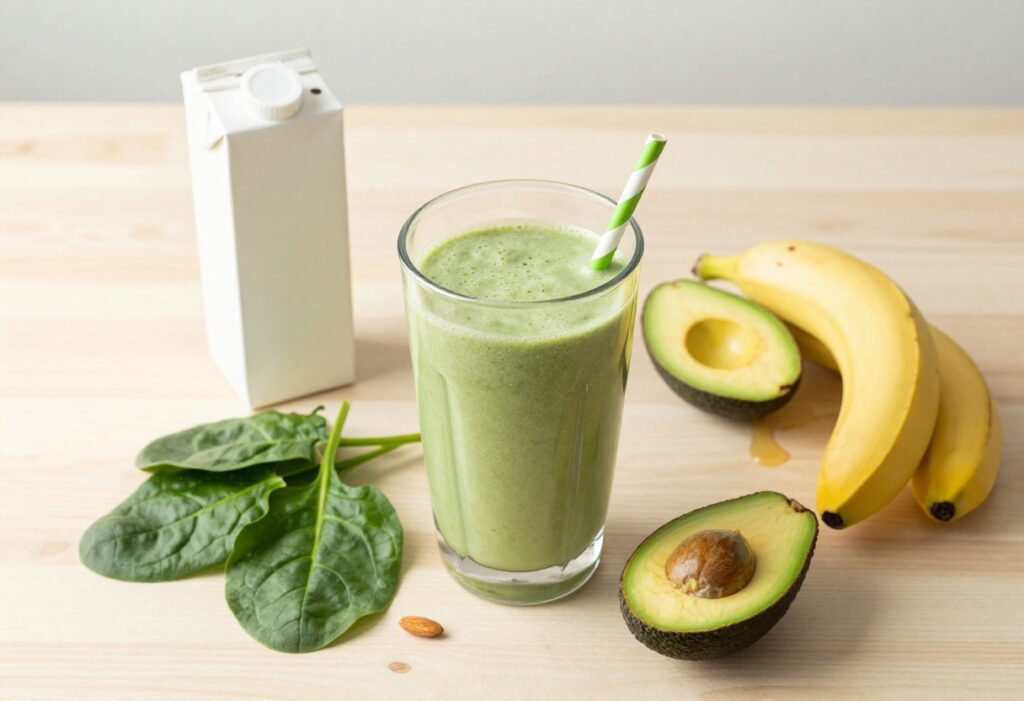
Eating balanced meals every day can feel like a challenge, especially with a busy schedule and endless food choices. But a well-structured daily meal plan doesn't have to be restrictive or complicated. It's about creating a framework that helps you consistently include the nutrients your body needs to feel energized and satisfied.
In this guide, we'll break down what balanced eating really means and walk through a sample day—from breakfast to dinner and snacks in between. You'll also learn how to customize the plan to fit your preferences, lifestyle, and goals.
Whether you're new to meal planning or looking to refine your approach, these practical tips will help you build a sustainable routine. Remember, the goal is progress, not perfection.
What Does Balanced Eating Really Mean?
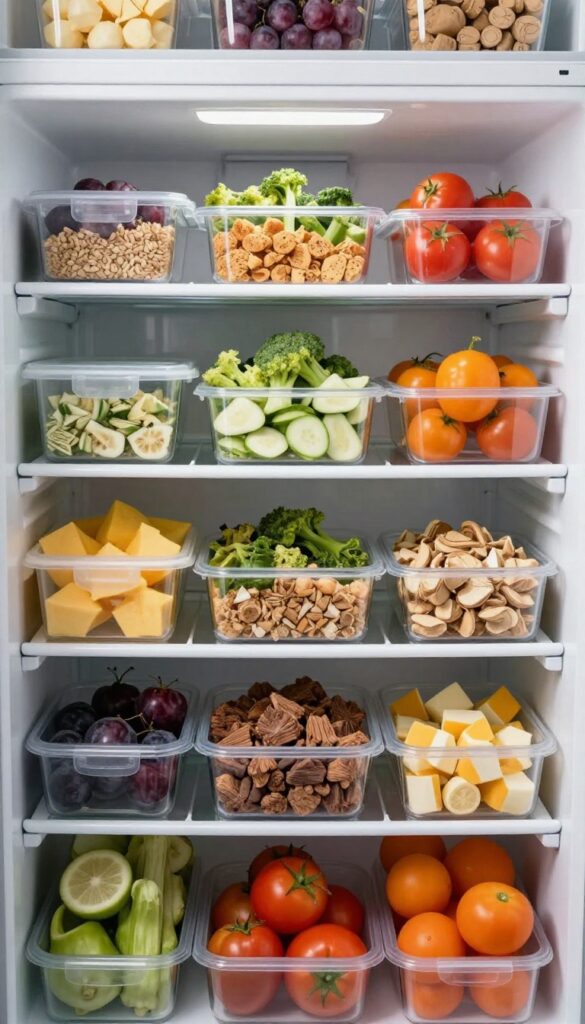
Balanced eating isn't about rigid rules or cutting out entire food groups. It's a flexible approach that focuses on nourishing your body with a variety of nutrients in the right proportions. Think of it as a way to enjoy food while supporting your energy, mood, and long-term health.
At its core, a balanced diet includes a mix of macronutrients—protein, carbohydrates, and fats—along with essential micronutrients like vitamins and minerals. Each plays a unique role: protein builds and repairs tissues, carbs provide energy, fats support cell function, and micronutrients keep your body running smoothly.
The Core Components of a Balanced Meal
- Protein: Lean meats, poultry, fish, eggs, legumes, tofu, or dairy. Aim for a palm-sized portion at each meal.
- Carbohydrates: Whole grains like quinoa, brown rice, oats, or whole-wheat bread. Choose fiber-rich options for steady energy.
- Fats: Healthy sources such as avocados, nuts, seeds, olive oil, and fatty fish. About a thumb-sized portion is enough.
- Vegetables and Fruits: Fill half your plate with colorful veggies and fruits. They provide fiber, vitamins, and antioxidants.
- Fiber: Found in whole grains, legumes, fruits, and vegetables. It aids digestion and keeps you full longer.
Portion sizes matter, but they don't have to be exact. A simple visual guide: fill half your plate with vegetables and fruits, a quarter with lean protein, and a quarter with whole grains. Add a small serving of healthy fats.
This template makes it easy to build a balanced meal without counting every gram.
Variety is equally important. Eating a wide range of foods ensures you get different nutrients and prevents boredom. Rotate your protein sources, try new grains, and experiment with seasonal produce.
Balanced eating is sustainable when it feels flexible and enjoyable, not restrictive.
Building Your Balanced Breakfast
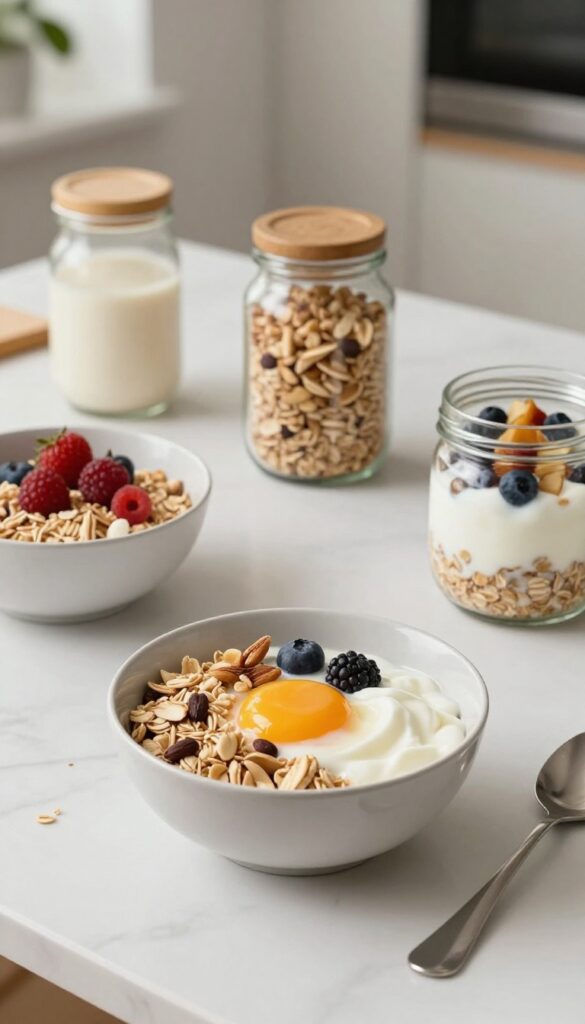
A balanced breakfast sets the tone for your entire day by providing steady energy and preventing mid-morning cravings. The goal is to combine protein, fiber, and healthy fats to keep you satisfied until lunch.
Start with a protein source like eggs, Greek yogurt, or a plant-based option such as tofu scramble. Pair it with fiber-rich carbohydrates like oats, whole-grain toast, or fresh fruit. Add a small amount of healthy fat from nuts, seeds, or avocado to round out the meal.
This combination helps stabilize blood sugar and keeps your energy levels consistent.
Quick and Nutritious Breakfast Ideas
- Oatmeal topped with a tablespoon of almond butter, a handful of berries, and a sprinkle of chia seeds.
- Scrambled eggs with sautéed spinach and bell peppers, served with a slice of whole-grain toast.
- Greek yogurt parfait with layers of plain yogurt, mixed berries, and a tablespoon of chopped walnuts.
- A smoothie made with unsweetened almond milk, a scoop of protein powder, a handful of spinach, and half a banana.
To save time, prepare overnight oats or hard-boiled eggs the night before. Avoid sugary cereals and pastries, which can cause an energy crash. A little planning goes a long way toward making a balanced breakfast a consistent habit.
Lunch: Keep It Satisfying and Energizing
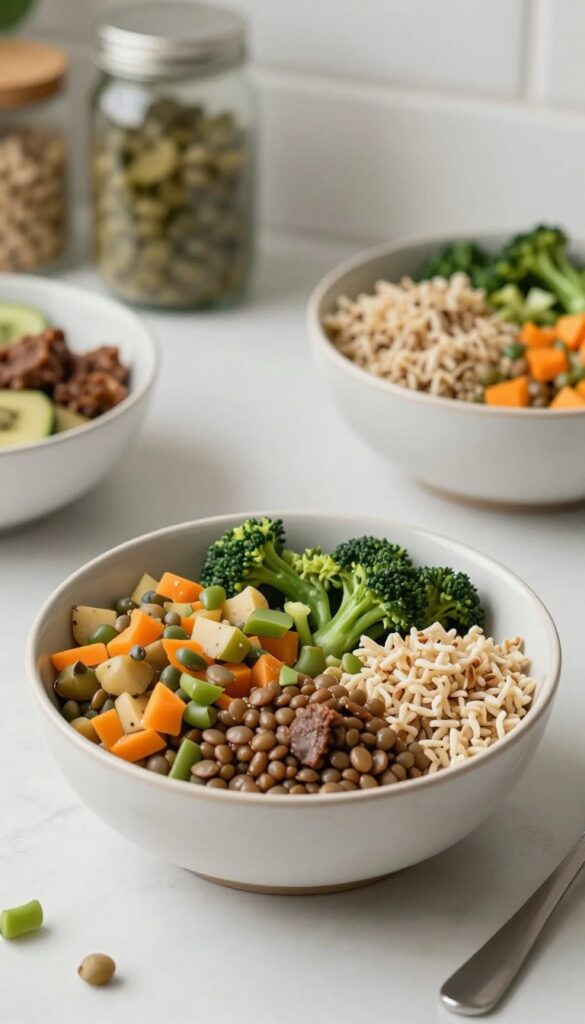
Lunch is the meal that bridges your morning energy with your afternoon productivity. A well-balanced lunch prevents the dreaded 3 p.m. slump and keeps you focused without feeling heavy. The key is to combine protein, complex carbohydrates, and plenty of vegetables in a way that’s both satisfying and portable.
A simple formula for a balanced lunch is: one palm-sized portion of protein, one fist-sized portion of whole grains or starchy vegetables, and two fist-sized portions of non-starchy vegetables. Add a healthy fat like avocado, nuts, or a simple vinaigrette to boost satiety and nutrient absorption.
Lunch Bowl Formula
Build your lunch around this flexible bowl template:
- Base: 1–2 cups leafy greens or roasted vegetables (spinach, kale, broccoli, bell peppers)
- Protein: 3–4 oz grilled chicken, tofu, chickpeas, or canned tuna
- Carbs: ½ cup cooked quinoa, brown rice, or sweet potato
- Healthy fat: ¼ avocado, 1 tbsp olive oil dressing, or a handful of almonds
- Flavor boost: lemon juice, herbs, spices, or a tablespoon of hummus
This bowl works for lunch at home or packed for work. Just keep dressing separate to avoid sogginess.
Portable Options
When you’re on the go, try these balanced lunch ideas:
- Whole-grain wrap with turkey, hummus, lettuce, tomato, and shredded carrots
- Mason jar salad with beans, corn, bell peppers, and a light vinaigrette
- Leftover grain bowl from last night’s dinner
Be mindful of hidden fats and sugars in store-bought dressings, flavored yogurts, or pre-made salads. Opt for simple ingredients and control portions of high-calorie add-ons like cheese, croutons, and creamy sauces.
Dinner: End Your Day on a Nourishing Note
Dinner is your chance to replenish after the day and set yourself up for restful sleep. A balanced evening meal combines lean protein, plenty of vegetables, and a modest serving of whole grains—without heavy sauces or overly large portions.
Aim to fill half your plate with non-starchy vegetables, a quarter with lean protein (chicken, fish, tofu, or legumes), and the remaining quarter with whole grains like quinoa, brown rice, or sweet potato. This composition provides fiber, vitamins, and sustained energy without weighing you down.
Simple Dinner Templates
- Grilled chicken breast with quinoa and roasted broccoli, drizzled with lemon-tahini dressing.
- Stir-fry with firm tofu, bell peppers, snap peas, and brown rice in a light ginger-soy sauce.
- Baked salmon with roasted sweet potato wedges and steamed asparagus.
- Turkey and black bean chili with a side of mixed greens.
Mind Your Portions
Even healthy foods can add up. Keep your protein serving about the size of your palm, grains to a cupped handful, and vegetables as generous as you like. Avoid eating within two hours of bedtime to support digestion and sleep quality.
Smart Snacking and Staying Hydrated
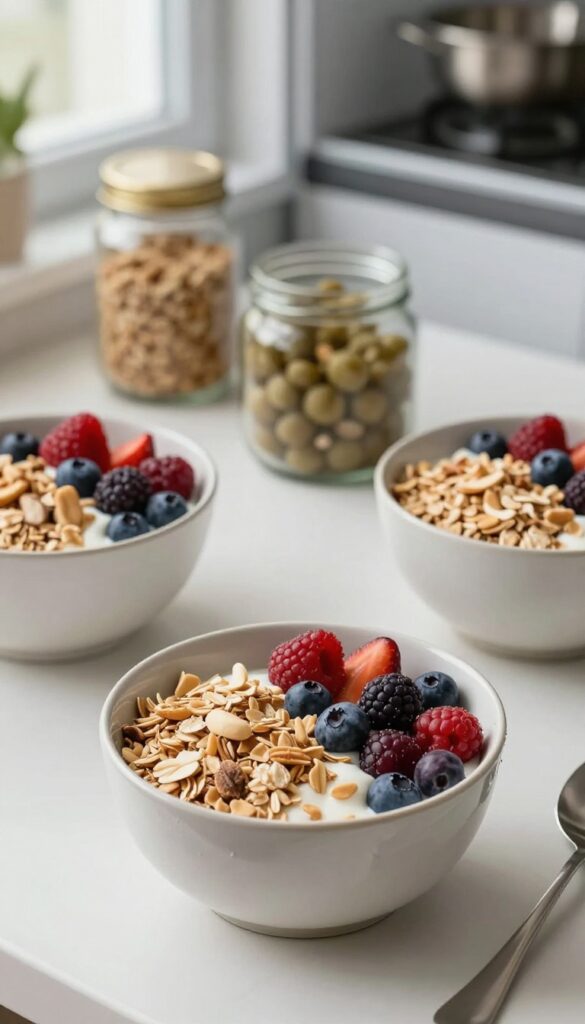
Snacks are a valuable tool for keeping your energy steady and preventing overeating at meals. The key is to choose snacks that bridge the gap between meals without spiking your blood sugar. Pairing protein with fiber-rich carbs helps you stay satisfied longer.
And don't forget water—staying hydrated is just as important as the food you eat.
Healthy Snack Ideas
Keep these simple combinations on hand for quick, balanced snacks:
- A handful of almonds and an apple
- Greek yogurt with berries
- Carrot and cucumber sticks with hummus
- Sliced pear with a small piece of cheese
- Cottage cheese with cherry tomatoes
These options combine protein (nuts, yogurt, cheese, hummus) with fiber (fruit, veggies) to keep you full and focused.
Hydration Tips
Water is essential for digestion, energy, and overall health. Aim for at least 8 cups (64 ounces) per day, more if you're active or it's hot. Here are some easy ways to stay hydrated:
- Keep a reusable water bottle on your desk or in your bag.
- Add a slice of lemon, cucumber, or a few mint leaves for flavor.
- Set a reminder to drink a glass of water with each meal and snack.
- Eat water-rich foods like watermelon, oranges, and celery.
What to Avoid
Skip processed snack bars that are often high in added sugars and low in protein. Instead, choose whole foods. Also, avoid sugary drinks like soda, sweetened teas, and fruit juices—they add empty calories and can leave you feeling sluggish.
Customizing the Plan for Your Needs
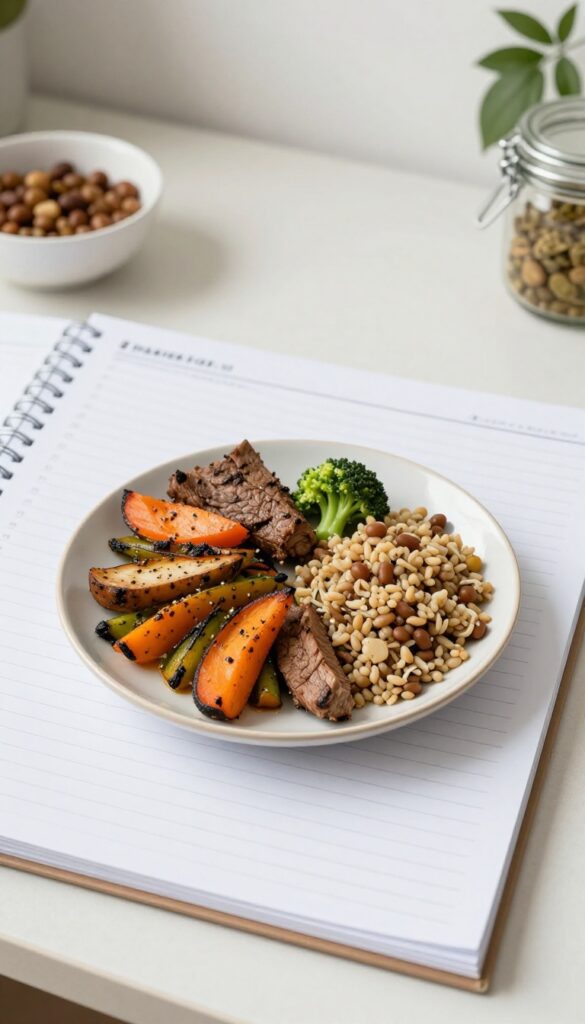
No two bodies are exactly alike, so your meal plan should flex to fit your preferences, activity level, and lifestyle. The sample day is a starting point, not a rigid prescription. Here’s how to tailor it without losing balance.
Adjusting for Dietary Preferences
- Vegetarian: Replace chicken or fish with tofu, tempeh, legumes, or eggs. For example, swap grilled chicken in lunch for a chickpea salad sandwich or a quinoa bowl with black beans.
- Vegan: Use plant-based proteins like lentils, seitan, or edamame. Substitute dairy yogurt with coconut or almond yogurt, and choose plant milks. Nutritional yeast can add a cheesy flavor.
- Gluten-free: Choose certified gluten-free oats, quinoa, rice, or corn tortillas. Ensure sauces and condiments are gluten-free (e.g., tamari instead of soy sauce).
- Dairy-free: Use lactose-free milk, hard cheeses, or plant-based alternatives. Coconut or oat milk work well in smoothies and coffee.
Portion Adjustments for Activity Level
Your energy needs shift with your daily movement. On days you exercise more, add an extra serving of complex carbs (like a sweet potato or an extra slice of whole-grain bread) to your meals or include a post-workout snack. On rest days, you might reduce portions of grains or fats slightly.
Listen to your hunger cues: if you feel satisfied and energized, you’re on track. Calorie needs vary, so use your appetite as a guide rather than sticking to a fixed number.
Meal Prep Strategies for Consistency
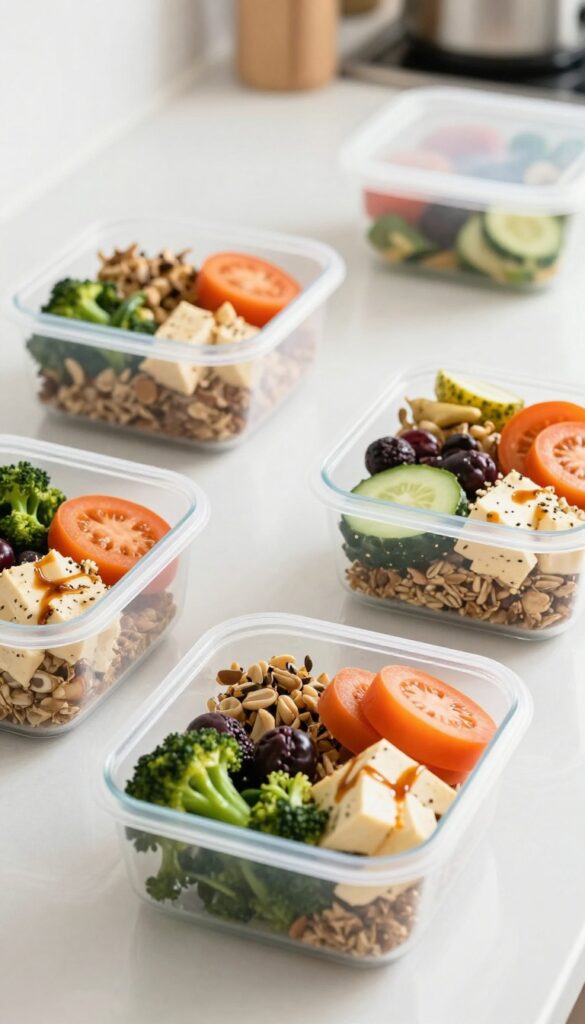
Meal prep is the secret weapon for sticking to a balanced diet without daily stress. By dedicating a couple of hours each week, you set yourself up for quick, healthy meals every day. Here’s how to streamline your prep and make it sustainable.
Weekly Prep Checklist
Use this simple checklist to guide your weekly session:
- Batch cook grains (quinoa, brown rice, or farro) and proteins (grilled chicken, tofu, or lentils).
- Wash and chop sturdy vegetables like bell peppers, carrots, broccoli, and greens.
- Portion snacks into grab-and-go bags or containers (nuts, fruit, yogurt, or cut veggies).
- Prepare dressings, sauces, or marinades in small jars.
- Store everything in clear containers so you can see what’s ready.
Time-saving tips: Use a slow cooker or Instant Pot for proteins and grains simultaneously. Invest in a set of good glass containers with tight lids—they keep food fresh and are microwave-safe. Keep your prep simple: focus on versatile ingredients that can be mixed and matched for different meals.
Storage containers: Choose BPA-free plastic or glass containers in various sizes. Label them with the date and contents. Store chopped veggies in containers with a paper towel to absorb moisture and keep them crisp.
Keep grains and proteins separate until serving to maintain texture.
Avoid Overcomplicating Prep
You don’t need to prep every single ingredient. Start with the basics—grains, proteins, and chopped veggies—and add fresh elements like avocado or herbs on the day of eating. Over time, you’ll find a rhythm that works for you.
Common Pitfalls and How to Avoid Them
Even with a solid plan, certain habits can throw your balanced eating off track. Recognizing these pitfalls is the first step to staying consistent without feeling deprived.
One of the most common mistakes is skipping meals, especially breakfast or lunch, thinking it will save calories. In reality, this often leads to intense hunger later, causing overeating at the next meal. Instead, aim for regular, balanced meals every 3–4 hours to keep your blood sugar stable and cravings in check.
Mistakes That Derail Balance
- Skipping meals leads to overeating: When you skip a meal, you’re more likely to grab high-calorie, low-nutrient foods later. Plan ahead with portable snacks like nuts or fruit.
- Relying on too many processed foods: Even “healthy” packaged items can be high in sodium, sugar, and unhealthy fats. Focus on whole foods—vegetables, fruits, lean proteins, and whole grains—as the foundation of your diet.
- Not enough variety: Eating the same foods daily can lead to nutrient gaps and boredom. Rotate your protein sources, try new vegetables, and experiment with herbs and spices to keep meals interesting.
How to Handle Cravings
Cravings are normal and don’t mean you’ve failed. Instead of fighting them, acknowledge the craving and ask if you’re truly hungry or just bored or stressed. If it’s true hunger, have a small portion of what you’re craving—deprivation often backfires.
If it’s emotional, find a non-food distraction like a short walk or a few minutes of deep breathing.
Eating Out Tips
Restaurant meals can be balanced with a few simple strategies. Look for grilled, baked, or steamed options instead of fried. Ask for dressings and sauces on the side, and fill half your plate with vegetables.
Don’t be afraid to request substitutions, like extra veggies instead of fries. And remember, it’s okay to leave food on your plate or take leftovers home.
FAQ
Can I still eat my favorite foods on a balanced meal plan?
Absolutely. A balanced meal plan includes room for treats and foods you love. The key is moderation and overall pattern.
If 80% of your meals are nutrient-dense, the remaining 20% can be more flexible. This approach helps you stick with the plan long-term without feeling deprived.
How many calories should I aim for each day?
Calorie needs vary based on age, gender, activity level, and goals. A general range for adults is 1,600–2,400 calories per day for women and 2,000–3,000 for men. Use an online calculator or consult a dietitian for a personalized estimate.
Focus on food quality rather than strict counting.
Do I need to count macros?
Not necessarily. While tracking macronutrients (protein, carbs, fats) can be helpful for some, it's not required for balanced eating. A simpler approach is to build meals with a protein source, whole grains, healthy fats, and plenty of vegetables.
This naturally provides a good macro balance.
What if I don't have time to cook every day?
Meal prep is your friend. Spend an hour or two on the weekend batch-cooking grains, roasting vegetables, and portioning snacks. You can also use shortcuts like pre-washed greens, canned beans, and rotisserie chicken.
Even 15 minutes of prep can make a big difference.
Conclusion
Creating a daily meal plan for balanced eating is about building habits that support your health without adding stress. Start with the sample day outlined here, then tweak it to match your tastes and schedule. The most effective plan is one you can stick with consistently.
Remember, small steps lead to lasting change. Focus on adding more whole foods, listening to your body's hunger and fullness cues, and enjoying your meals. You've got this—one balanced plate at a time.

Dr. Pallab Kishore, MS in Orthodontics and owner of Orthodontic Braces Care, shares expert tips on braces, aligners, and oral health from 10+ years of experience.