Losing weight doesn't have to mean drastic changes or complicated meal plans.
By making small, sustainable adjustments to your daily meals, you can create a calorie deficit without feeling deprived.
Here are 15 practical diet ideas and tips that fit into a simple daily routine, helping you reach your weight loss goals gradually and healthily.
Start Your Day with Protein-Rich Breakfast
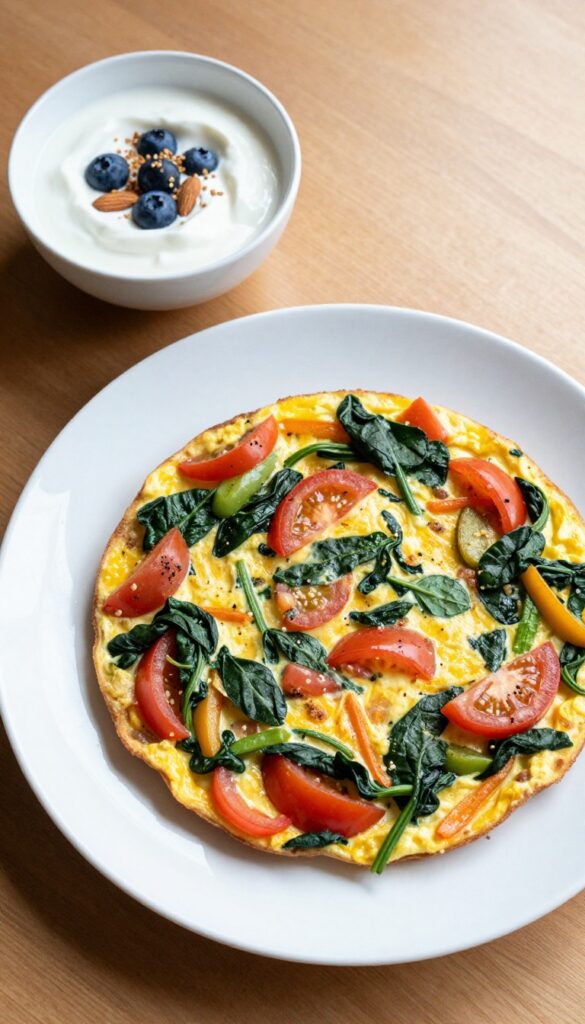
A protein-packed breakfast helps control hunger and reduce calorie intake later in the day. Including a good source of protein in your morning meal can make sticking to a weight loss diet much easier.
Starting your day with protein increases satiety and reduces cravings for unhealthy snacks. Simple options include eggs, Greek yogurt, cottage cheese, or a protein smoothie. Avoid sugary cereals and pastries, which can spike blood sugar and lead to energy crashes.
- Eggs: scrambled, boiled, or in an omelet with vegetables.
- Greek yogurt: plain, topped with berries or a sprinkle of nuts.
- Cottage cheese: paired with fruit or whole-grain toast.
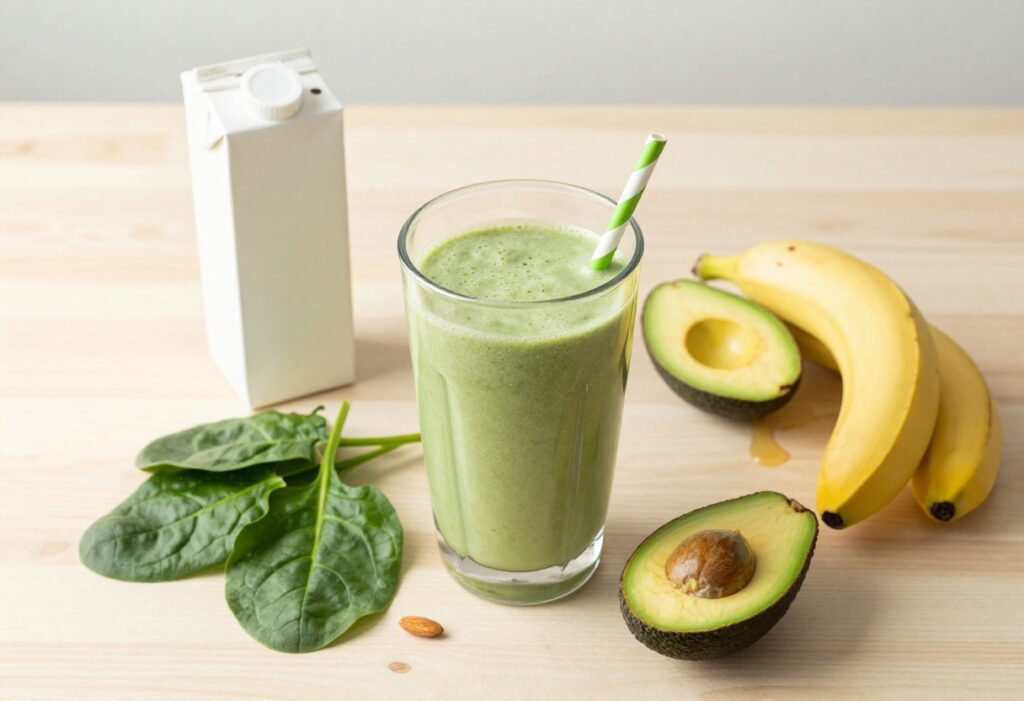
- Protein smoothie: blend protein powder with milk, spinach, and banana.
Fill Half Your Plate with Vegetables
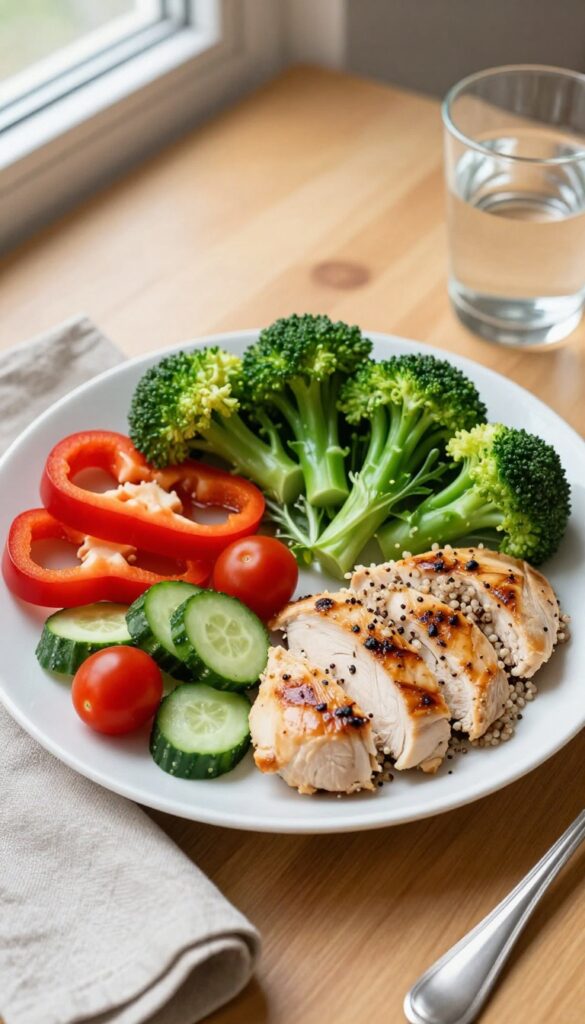
One of the simplest and most effective strategies for weight loss is to fill half your plate with vegetables at every meal. This approach naturally reduces calorie intake while keeping you full and satisfied.
Vegetables are low in calories but high in fiber and water, which adds volume to your meals without adding many calories. This helps you feel full sooner and stay satisfied longer, making it easier to stick to your daily calorie goals.
Key benefits of filling half your plate with vegetables
- Low calorie density: You can eat a large volume for few calories.
- High fiber content: Fiber slows digestion and promotes fullness.
- Nutrient variety: Different colors provide different vitamins and antioxidants.
- Easy portion control: Using vegetables as the base naturally limits higher-calorie foods.
For simple daily meals, aim to include a mix of non-starchy vegetables like leafy greens, broccoli, bell peppers, tomatoes, and cucumbers. You can add them to omelets, stir-fries, salads, or as a side dish. Remember, the goal is to make vegetables the star of your plate, not an afterthought.
Choose Whole Grains Over Refined Grains
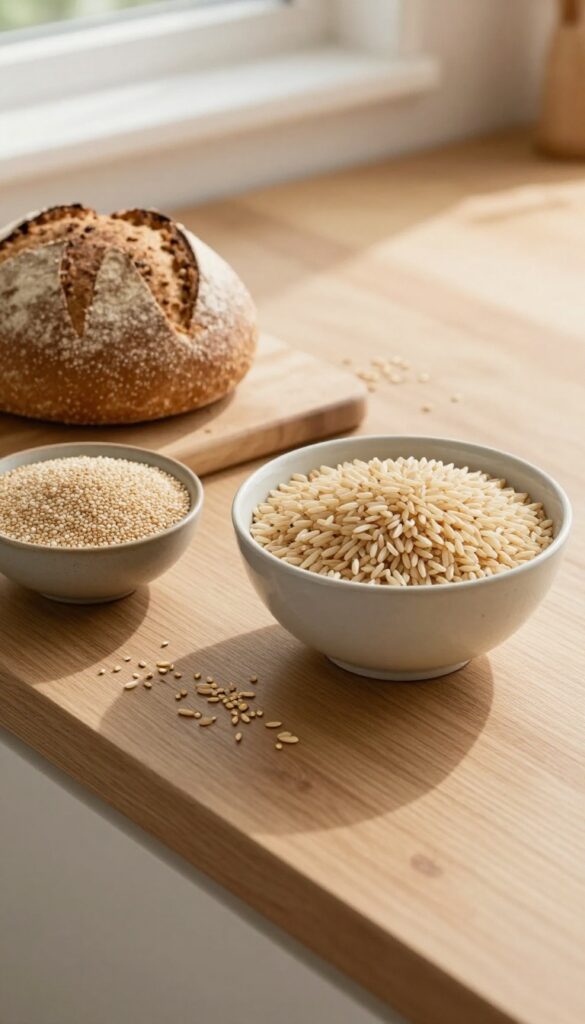
Swapping refined grains for whole grains is a simple swap that supports weight loss without cutting out carbs entirely. Whole grains retain more fiber and nutrients, which help you feel full longer and keep your energy stable throughout the day.
Refined grains like white bread, white rice, and regular pasta have been stripped of fiber and many vitamins during processing. Whole grains, on the other hand, contain the entire grain kernel, so they digest more slowly and help prevent blood sugar spikes that can lead to cravings and overeating.
Easy ways to make the switch
- Choose brown rice or quinoa instead of white rice.
- Pick whole-wheat bread or wraps over white versions.
- Start your day with oatmeal or whole-grain cereal rather than sugary refined options.
- Use whole-wheat pasta or try legume-based pastas for extra protein and fiber.
Tip
When shopping, look for "100% whole grain" or "whole wheat" as the first ingredient. Even small changes, like mixing half whole-wheat pasta with regular, can help you adjust gradually.
Include Lean Protein at Every Meal
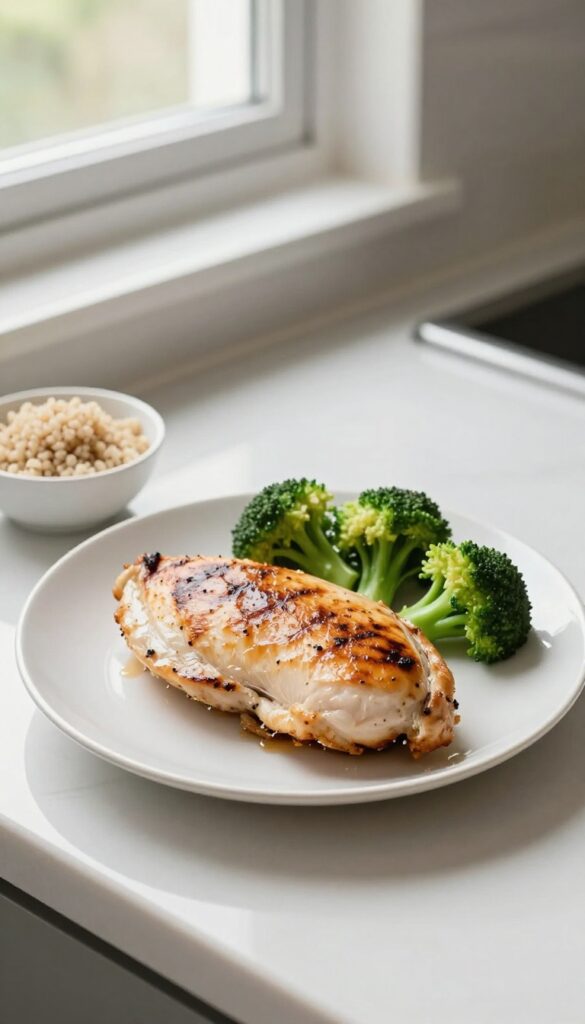
Protein is a key player in weight loss because it boosts metabolism, preserves muscle mass, and helps control hunger. Including a lean source at each meal ensures steady energy and fewer cravings between meals.
When you eat protein, your body uses more calories to digest it compared to fats or carbs—this is called the thermic effect of food. Plus, protein keeps you feeling full longer, making it easier to stick to your calorie goals without feeling deprived.
- Chicken breast: skinless, grilled or baked
- Fish: salmon, tuna, cod – rich in omega-3s
- Tofu and tempeh: great plant-based options
- Legumes: lentils, chickpeas, black beans
- Low-fat dairy: Greek yogurt, cottage cheese
Aim for about 20–30 grams of protein per meal. For example, a 3-ounce chicken breast provides roughly 26 grams, while a cup of cooked lentils gives about 18 grams. Pair your protein with veggies and whole grains for a balanced, weight-loss-friendly plate.
Use Healthy Fats in Moderation
Not all fats are created equal. Including healthy fats in your weight loss diet can support hormone function and help you feel satisfied after meals. The key is choosing the right sources and watching your portions, since fats are calorie-dense.
Healthy fats, such as those from avocados, nuts, seeds, and olive oil, provide essential fatty acids and aid in the absorption of fat-soluble vitamins. They also add flavor and richness to simple daily meals, making them more enjoyable without relying on processed ingredients.
Easy ways to incorporate healthy fats
- Add a quarter of an avocado to your salad or sandwich.
- Drizzle olive oil over roasted vegetables or use it as a salad dressing base.
- Snack on a small handful of almonds or walnuts.
- Sprinkle chia seeds or flaxseeds onto yogurt or oatmeal.
Remember that even healthy fats contribute calories, so measure portions when needed. For example, stick to about 1 tablespoon of oil or 1 ounce of nuts per serving. This approach keeps your weight loss diet on track while still enjoying the benefits of fat.
Drink Water Before Meals
A simple habit like drinking water before meals can naturally support your weight loss diet by helping you eat less. This easy tip fits perfectly into simple daily meals.
Water is a zero-calorie drink that can increase fullness and reduce the number of calories you consume during a meal. Studies show that drinking 1–2 glasses of water about 30 minutes before eating can lead to modest weight loss over time.
How to make it work for you
- Aim for 1–2 glasses (8–16 ounces) of water half an hour before each main meal.
- Replace high-calorie beverages like soda or juice with water to cut extra sugar and calories.
- If plain water feels boring, add a slice of lemon, cucumber, or a few mint leaves for flavor.
Keep it balanced
Drink enough to feel satisfied but not overly full. Excessive water intake right before meals can cause discomfort. This tip works best as part of an overall healthy eating pattern, not as a standalone solution.
Practice Mindful Eating
Mindful eating is a simple yet powerful technique that can help you lose weight without restrictive dieting. By paying closer attention to how and why you eat, you naturally make healthier choices and avoid overeating.
Start by eating slowly and without distractions like TV or your phone. This allows your brain to register fullness signals from your stomach, which typically take about 20 minutes to kick in. When you eat quickly, you often consume more calories than you need before your body realizes it's full.
Key mindful eating techniques for daily meals
- Sit down at a table and focus solely on your meal.
- Take small bites and chew thoroughly.
- Pause between bites and set down your utensil.
- Check in with your hunger level before, during, and after eating.
- Notice the flavors, textures, and aromas of your food.
Incorporating these practices into your weight loss diet helps you enjoy your food more while naturally reducing portion sizes. You'll learn to distinguish between physical hunger and emotional cravings, making it easier to stick to simple daily meals without feeling deprived.
Plan Your Meals Ahead
Meal planning is a powerful strategy to support your weight loss diet by reducing impulsive choices and keeping you on track with simple daily meals.
When you plan your meals ahead, you're less likely to grab convenient, high-calorie options. Taking a little time each week to map out breakfasts, lunches, dinners, and snacks helps you stick to nutritious choices that align with your weight loss goals.
- Reduces impulsive unhealthy choices by having a clear menu.
- Prep ingredients or full meals for the week to save time and effort.
- Keeps you on track with portion sizes by pre-portioning meals.
Start by choosing a few simple recipes that use overlapping ingredients to minimize waste. For example, roast a batch of vegetables and cook a grain like quinoa to use in different meals. Store pre-portioned containers in the fridge so you can grab a balanced meal without thinking.
This habit makes it easier to maintain a weight loss diet without feeling deprived.
Control Portions with Smaller Plates
Portion control is a cornerstone of weight loss, and one of the easiest ways to practice it is by using smaller plates. This simple swap can help you eat less without feeling deprived.
Research shows that the size of your plate can influence how much you eat. When you use a smaller plate, the same amount of food looks larger, which tricks your brain into feeling satisfied with less. This is a powerful strategy for reducing calorie intake without the struggle of willpower.
- Use a salad plate instead of a dinner plate for main meals.
- Measure portions with measuring cups or visual cues like a fist for carbs, a palm for protein, and a thumb for fats.
- Fill half your plate with vegetables, a quarter with lean protein, and a quarter with whole grains.
- Avoid eating directly from large packages; portion out snacks into small bowls.
Tip
Smaller plates work best when combined with mindful eating—pay attention to hunger and fullness cues, and eat slowly.
Limit Added Sugars and Sugary Drinks
Cutting back on added sugars is one of the most effective changes you can make for weight loss. Sugary drinks and sweets pack in empty calories that spike blood sugar and leave you hungry soon after.
For simple daily meals, focus on replacing high-sugar beverages with water or unsweetened drinks. Even fruit juices can contain as much sugar as soda. Instead, flavor water with lemon, cucumber, or mint.
- Swap soda, sweetened teas, and juice for water, sparkling water, or herbal tea.
- Check food labels for hidden sugars like high-fructose corn syrup, agave, or cane sugar.
- Reduce sugar in recipes gradually — your taste buds will adjust.
Snack Smart with Nutrient-Dense Options
Smart snacking can support your weight loss goals by keeping hunger at bay and providing essential nutrients. The key is to choose snacks that combine protein, fiber, and healthy fats, which help stabilize blood sugar and keep you full longer.
Nutrient-Dense Snack Ideas
- Apple slices with a tablespoon of peanut butter for protein and healthy fats.
- Veggie sticks (carrots, celery, bell peppers) with hummus for fiber and protein.
- A small bowl of Greek yogurt topped with berries for calcium and antioxidants.
- A handful of almonds and an orange for vitamin C and healthy fats.
- Cottage cheese with cherry tomatoes for a savory, protein-rich option.
Avoid processed snack foods high in added sugars, refined grains, and unhealthy fats, as they can sabotage your efforts. Instead, keep these wholesome options readily available so you're prepared when cravings strike.
Cook More Meals at Home
Preparing your own meals is one of the most effective ways to control what goes into your food and how much you eat. Restaurant and takeout dishes often contain hidden fats, sugars, and sodium that can sabotage your weight loss efforts.
When you cook at home, you decide the ingredients and portion sizes. This makes it easier to stick to a weight loss diet without feeling deprived. You can use healthier cooking methods like baking, grilling, or steaming instead of frying.
Key Benefits of Home Cooking
- Full control over ingredients – you choose fresh, whole foods.
- Portion management – serve reasonable amounts and avoid oversized restaurant portions.
- Cost-effective – home-cooked meals are often cheaper than eating out.
- Customizable – adjust recipes to fit your taste and dietary needs.
Start with simple recipes that require minimal ingredients and time. For example, a grilled chicken breast with steamed vegetables and quinoa is a balanced, weight-loss-friendly meal that you can prepare in under 30 minutes. As you gain confidence, you can experiment with new flavors and techniques.
Incorporate More Fiber-Rich Foods
Fiber is a powerful tool for weight loss because it slows digestion and helps you feel full longer. Adding more fiber-rich foods to your daily meals is a simple, sustainable way to reduce overall calorie intake without feeling deprived.
Fiber works by absorbing water and expanding in your stomach, which triggers fullness signals to your brain. It also stabilizes blood sugar levels, preventing energy crashes and cravings. Aim for 25-30 grams of fiber per day from whole foods.
Easy ways to boost fiber in daily meals
- Start your day with oatmeal topped with berries and nuts.
- Add beans or lentils to soups, salads, and grain bowls.
- Snack on raw vegetables like carrots, bell peppers, or an apple with the skin on.
- Choose whole grains like quinoa, brown rice, or whole-wheat bread over refined options.
- Sprinkle chia seeds or ground flaxseed into yogurt, smoothies, or oatmeal.
Increase fiber gradually and drink plenty of water to avoid digestive discomfort. Whole food sources are preferred over supplements because they provide additional nutrients and phytochemicals.
Don't Skip Meals
Skipping meals might seem like a quick way to cut calories, but it often backfires, leading to overeating later and disrupting your weight loss efforts.
When you skip a meal, your blood sugar drops, which can trigger intense hunger and cravings. This often results in consuming more calories at the next meal than you would have eaten otherwise. Regular meals help maintain stable blood sugar and energy levels, making it easier to stick to your diet.
- Eating at consistent times trains your body to regulate hunger hormones.
- Skipping meals can slow down your metabolism over time.
- If you're busy, keep healthy grab-and-go options like fruit, yogurt, or nuts handy.
For simple daily meals, plan ahead to ensure you have time for three balanced meals or smaller, frequent meals. Even a quick, healthy snack can prevent the urge to overindulge later.
Get Enough Sleep and Manage Stress
Sleep and stress levels play a major role in weight loss success. When you're sleep-deprived or stressed, your body produces more cortisol, a hormone that can increase cravings and encourage fat storage, especially around the belly. Prioritizing rest and relaxation is a simple yet powerful addition to your daily diet routine.
Aim for 7–9 hours of quality sleep each night. Poor sleep disrupts hunger hormones like ghrelin and leptin, making you feel hungrier and less satisfied after meals. Establish a consistent bedtime routine—limit screen time, keep your bedroom cool and dark, and avoid heavy meals close to bedtime.
Stress management tips for weight loss
- Practice deep breathing or meditation for 5–10 minutes daily.
- Take short walks outside to clear your mind.
- Incorporate enjoyable activities like reading or gentle yoga.
By improving sleep and managing stress, you'll support your weight loss efforts without changing your diet. These habits help regulate appetite, reduce emotional eating, and make it easier to stick with simple daily meals.
FAQ
How many calories should I eat to lose weight?
Calorie needs vary by age, gender, activity level, and weight loss goals. A common approach is to reduce your daily intake by 500-1000 calories to lose about 1-2 pounds per week, but it's best to consult a healthcare professional for personalized advice.
Conclusion
Use these ideas as a flexible starting point, then adjust the details to fit your needs, space, schedule, or goals.

Dr. Pallab Kishore, MS in Orthodontics and owner of Orthodontic Braces Care, shares expert tips on braces, aligners, and oral health from 10+ years of experience.