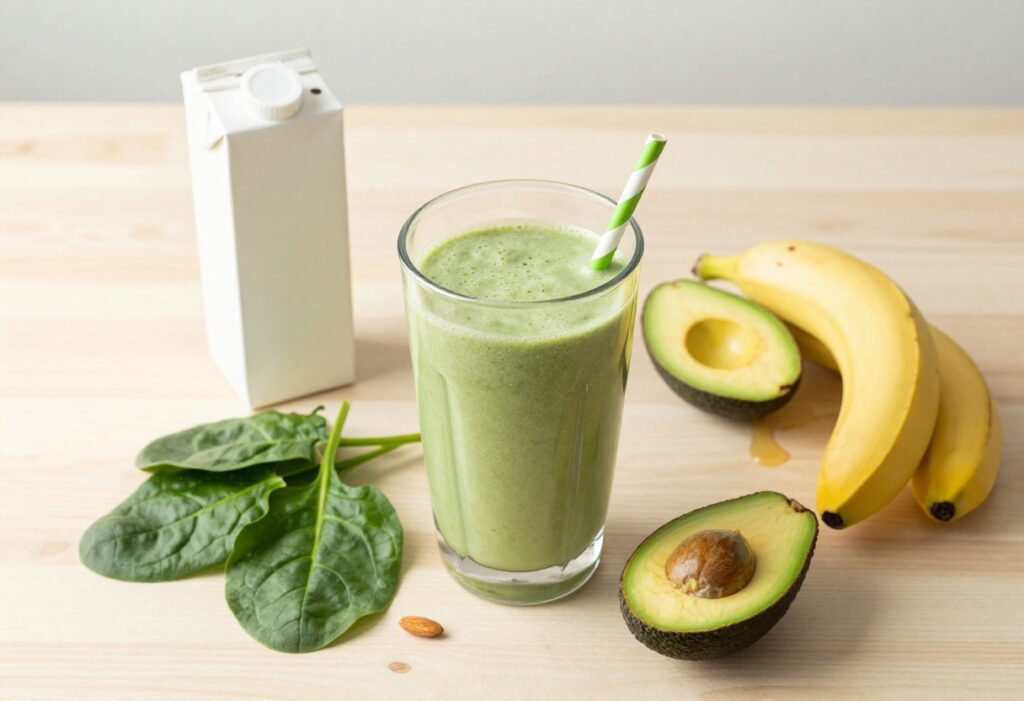
A 1700 calorie meal plan can be a great tool for those looking to lose weight or maintain a healthy lifestyle without feeling deprived. By focusing on home-cooked meals, you control the ingredients and portions, making it easier to stay on track. This plan is designed for simplicity, using everyday foods and straightforward recipes.
Whether you're new to calorie counting or just need a reset, this guide provides a full week of meals that are balanced, satisfying, and easy to prepare. Each day includes breakfast, lunch, dinner, and snacks, all adding up to around 1700 calories.
The emphasis is on whole foods like lean proteins, vegetables, whole grains, and healthy fats. Remember, this is a flexible framework.
Why Choose a 1700 Calorie Meal Plan?
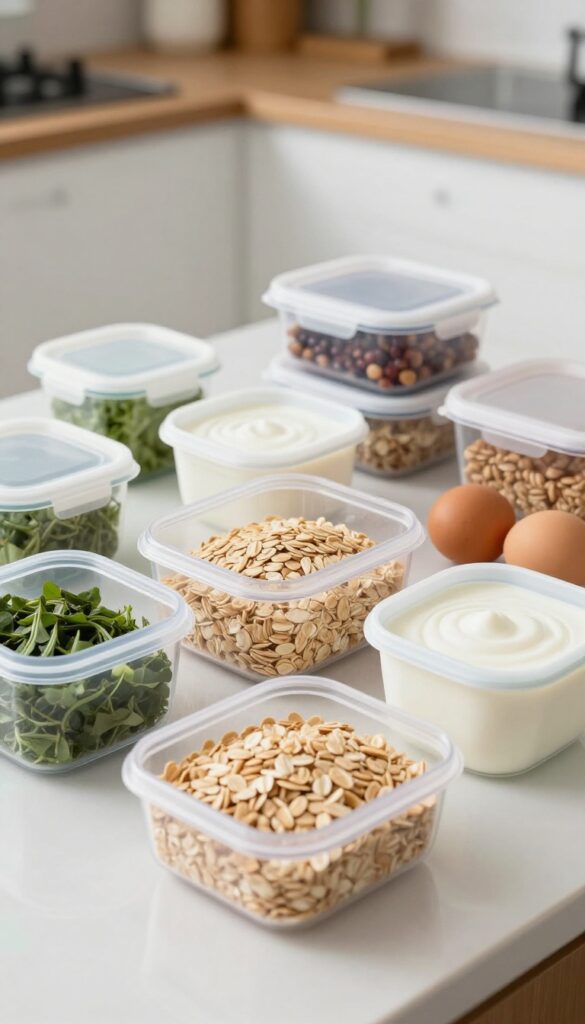
A 1700 calorie meal plan is a popular and effective approach for many adults looking to manage their weight while still enjoying satisfying, home-cooked meals. This calorie level strikes a balance between creating a modest calorie deficit for gradual weight loss and providing enough energy to fuel your daily activities without feeling deprived.
This plan is particularly well-suited for individuals who are moderately active and aiming to lose about 1 to 1.5 pounds per week, which is a safe and sustainable rate recommended by health experts. It can also work well for those who want to maintain their current weight while improving the nutritional quality of their diet. The key is to focus on nutrient-dense foods that keep you full and satisfied, such as lean proteins, whole grains, healthy fats, and plenty of fruits and vegetables.
Who Is This Plan For?
- Adults with a sedentary to moderately active lifestyle who want to lose weight gradually
- Individuals who have a daily calorie maintenance level around 2000–2200 calories and want a moderate deficit
- People who prefer home cooking and want a structured yet flexible eating pattern
- Those who have been advised by a healthcare professional to follow a calorie-controlled diet
Benefits of a 1700 Calorie Plan
- Promotes gradual, sustainable weight loss without extreme hunger or energy crashes
- Provides enough flexibility to include a variety of foods, making it easier to stick with long-term
- Encourages home cooking, which allows you to control ingredients, portions, and cooking methods
- Helps build healthy eating habits that can be maintained after reaching your goal
Home cooking is a cornerstone of this plan because it puts you in charge of what goes into your meals. Restaurant and processed foods often contain hidden calories, unhealthy fats, and excess sodium. By preparing meals at home, you can use fresh ingredients, adjust seasonings, and control portion sizes, all of which support your health goals.
Important Note
Before starting any calorie-restricted diet, it's a good idea to consult with a healthcare provider or registered dietitian, especially if you have underlying health conditions or specific nutritional needs. This plan is intended as a general guide and should be adjusted to fit your individual requirements.
Sample 7-Day 1700 Calorie Meal Plan
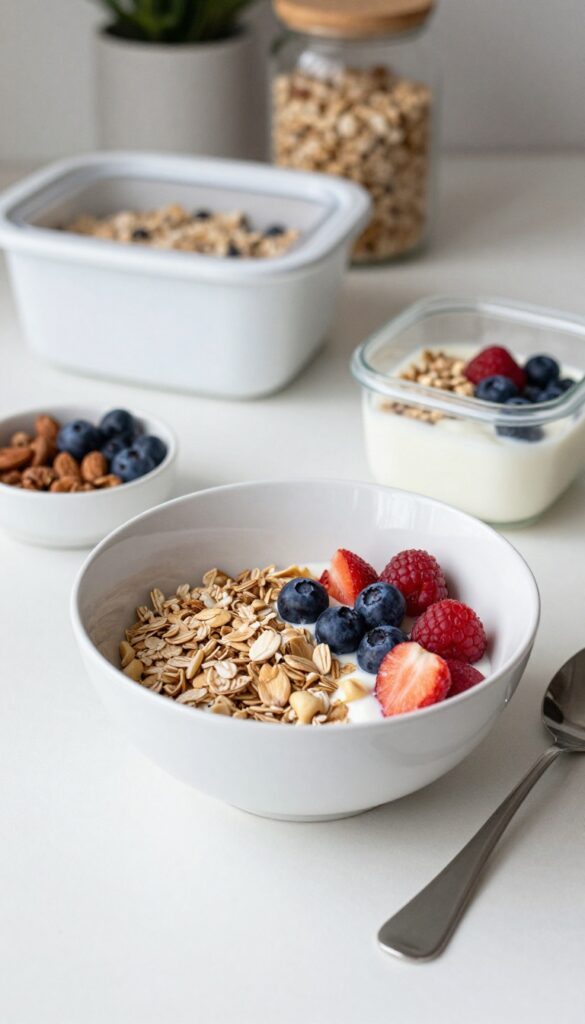
This 7-day plan gives you a clear picture of how to spread 1700 calories across breakfast, lunch, dinner, and snacks. Each day includes simple, home-cooked meals with approximate calorie counts. Feel free to swap days or adjust portions to fit your preferences.
Day Meal Plan at a Glance
| Day | Breakfast (cal) | Lunch (cal) | Dinner (cal) | Snacks (cal) | Total (cal) |
| Monday | Scrambled eggs + toast (320) | Chicken salad wrap (380) | Salmon + quinoa + broccoli (450) | Apple + almonds (150) | 1300 |
| Tuesday | Greek yogurt + berries (300) | Turkey + avocado sandwich (400) | Stir-fried tofu + veggies + rice (420) | Carrot sticks + hummus (120) | 1240 |
| Wednesday | Oatmeal + banana (350) | Lentil soup + whole grain roll (390) | Grilled chicken + sweet potato + green beans (460) | Cottage cheese + peach (140) | 1340 |
| Thursday | Smoothie (spinach, banana, milk) (330) | Tuna salad on lettuce wraps (370) | Beef stir-fry + bell peppers + brown rice (440) | Mixed nuts (160) | 1300 |
| Friday | Egg muffin cups (310) | Black bean bowl (400) | Baked cod + roasted veggies (430) | Yogurt + granola (150) | 1290 |
| Saturday | Pancakes + syrup (340) | Grilled veggie wrap (380) | Turkey meatballs + zucchini noodles (470) | Pear + cheese (140) | 1330 |
| Sunday | Toast + avocado + egg (350) | Quinoa salad with chickpeas (390) | Roasted chicken + potatoes + salad (450) | Dark chocolate + strawberries (130) | 1320 |
Calorie totals are approximate and may vary based on specific ingredients and portion sizes. Drink plenty of water throughout the day, and adjust snacks if you feel hungry or need more energy. All meals are designed to be easy to prepare with basic cooking skills and common ingredients.
Breakfast Ideas (300–350 Calories
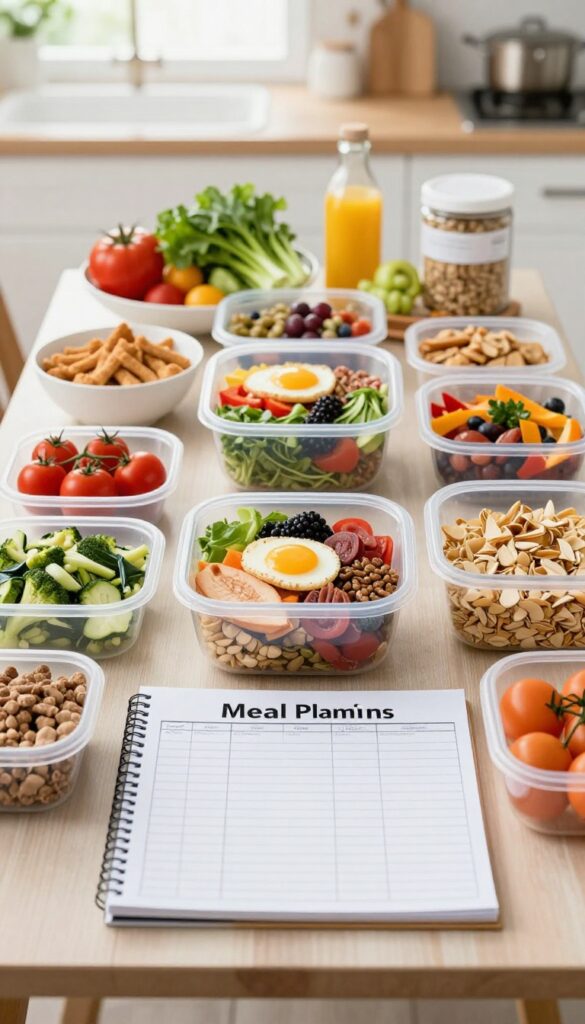
Kickstart your day with a satisfying breakfast that fits your calorie goals. These two options are quick, packed with protein and fiber, and easy to customize with what you have on hand.
Greek Yogurt Parfait
Layer 1 cup (200g) plain nonfat Greek yogurt with 1/2 cup mixed berries and 2 tablespoons (15g) granola. Drizzle with 1 teaspoon honey if desired. This parfait delivers about 300 calories, 25g protein, and 5g fiber.
Prep tip: portion yogurt and berries into containers the night before, and add granola just before eating to keep it crunchy.
Veggie Scramble
Sauté 1 cup chopped spinach, 1/4 cup diced bell peppers, and 1/4 cup diced onions in 1 teaspoon olive oil. Add 2 beaten eggs and scramble until set. Serve with 1 slice whole-wheat toast.
This scramble totals around 320 calories, 20g protein, and 4g fiber. For meal prep, chop veggies in advance and store in the fridge. You can also swap in leftover roasted vegetables.
Quick Tips for Breakfast Prep
- Hard-boil eggs on Sunday for grab-and-go protein.
- Pre-portion yogurt and fruit into jars for parfaits.
- Keep frozen berries on hand for smoothies or parfaits.
- Cook a batch of scrambled eggs and reheat in the microwave.
Lunch Options (350–400 Calories
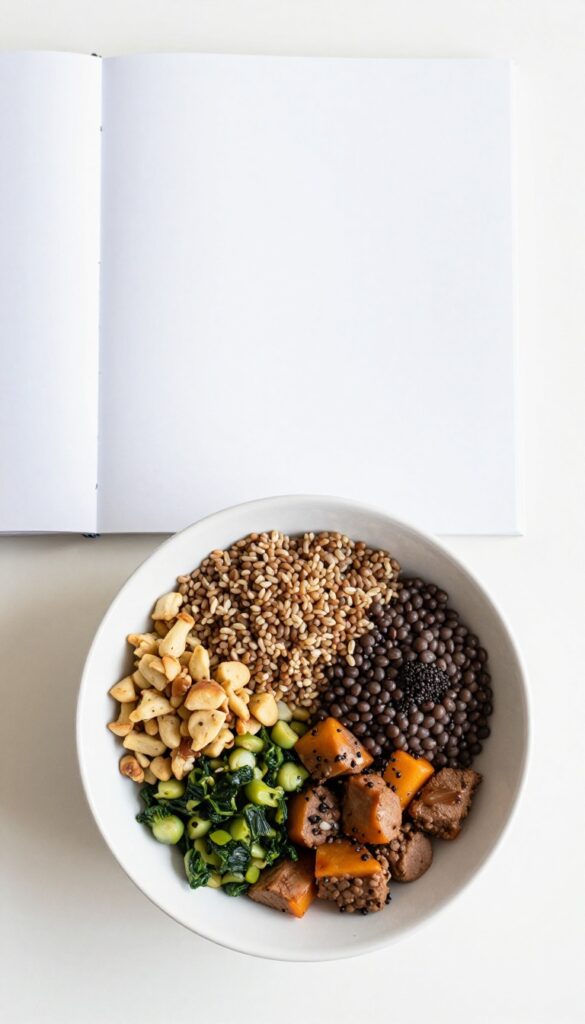
Lunch is the perfect meal to keep you energized through the afternoon without derailing your calorie goals. The key is to combine lean protein, fiber-rich vegetables, and a smart source of carbs to stay full until dinner. Here are two easy, portable recipes that fit perfectly into a 1700-calorie day.
Grilled Chicken Salad
This salad is a lunchtime staple that's easy to prep ahead and take to work. The combination of grilled chicken, crisp greens, and a light vinaigrette keeps calories in check while delivering plenty of protein and fiber.
Ingredients (1 serving, ~370 calories
- 4 oz grilled chicken breast, sliced
- 2 cups mixed greens (romaine, spinach, arugula)
- 1/2 cup cherry tomatoes, halved
- 1/4 cucumber, diced
- 1/4 avocado, sliced
- 1 tbsp balsamic vinaigrette (or 2 tsp olive oil + 1 tsp vinegar)
How to keep calories in check
Avoid creamy dressings or pre-made salads with croutons, cheese, or candied nuts. Stick to a simple vinaigrette and watch portion sizes of avocado – it's healthy but calorie-dense. You can also swap chicken for canned tuna or hard-boiled eggs for variety.
Quinoa Bowl
A quinoa bowl is a great way to use leftover vegetables and protein from last night's dinner. Quinoa provides complete protein and fiber, making it a satisfying base for a low-calorie lunch.
Ingredients (1 serving, ~390 calories
- 1/2 cup cooked quinoa
- 3 oz grilled chicken or chickpeas
- 1 cup roasted vegetables (bell peppers, zucchini, broccoli)
- 1/4 cup black beans, rinsed
- 1 tbsp Greek yogurt or tahini dressing
- Fresh herbs (cilantro or parsley)
How to keep calories in check
Pre-portion your quinoa and roasted veggies at the start of the week. Use a light dressing – a dollop of Greek yogurt with lemon and garlic works well. Avoid adding nuts, seeds, or dried fruit unless you account for the extra calories.
Portability tip
Keep dressings and wet ingredients separate until ready to eat to prevent sogginess. Mason jar salads or compartment meal prep containers work great for both recipes.
Dinner Recipes (400–500 Calories
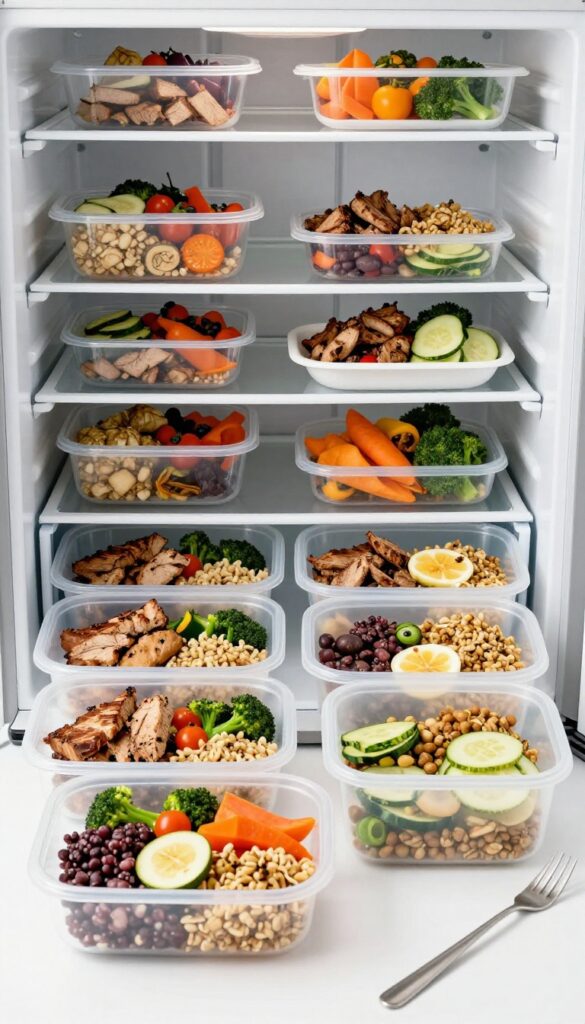
Dinner is the meal where you can really unwind and enjoy a satisfying, flavorful dish without blowing your calorie budget. These recipes are designed to be filling, nutrient-dense, and easy to scale for leftovers. Each one uses cooking methods that keep calories in check while maximizing taste.
Baked Salmon with Vegetables
This sheet-pan dinner is a weeknight hero. Salmon is rich in omega-3s and protein, while the vegetables add fiber and volume. Baking requires minimal oil, keeping the calorie count low.
Preheat your oven to 400°F. Place a 4-ounce salmon fillet on a lined baking sheet. Surround with chopped broccoli, bell peppers, and zucchini.
Drizzle with 1 tablespoon olive oil, season with salt, pepper, and garlic powder. Bake for 12–15 minutes until salmon flakes easily. Serve with a squeeze of lemon.
Total: ~450 calories.
To scale up, simply add more vegetables and an extra fillet. Leftovers keep well for lunch the next day.
Turkey Stir-Fry
Stir-frying is quick and uses high heat to cook with minimal oil. Lean ground turkey provides protein without excess fat, and the colorful veggies add crunch and nutrients.
In a non-stick skillet, cook 4 ounces of lean ground turkey over medium-high heat until browned. Remove and set aside. In the same pan, stir-fry 1 cup of mixed vegetables (like snow peas, carrots, and bell peppers) for 3 minutes.
Add the turkey back, along with 1 tablespoon low-sodium soy sauce and a teaspoon of sesame oil. Cook for 1 more minute. Serve over ½ cup cooked brown rice.
Total: ~430 calories.
For extra flavor, add minced ginger and garlic. This recipe is easy to double for meal prep.
Key Tips for Low-Calorie Dinners
- Use cooking methods like baking, grilling, steaming, or stir-frying instead of frying.
- Limit heavy sauces; opt for herbs, spices, citrus, or a splash of vinegar.
- Fill half your plate with non-starchy vegetables to add volume without many calories.
- Choose lean proteins like chicken breast, turkey, fish, or tofu.
- Measure oils and dressings with a spoon rather than pouring directly.
Smart Snacking (100–150 Calories
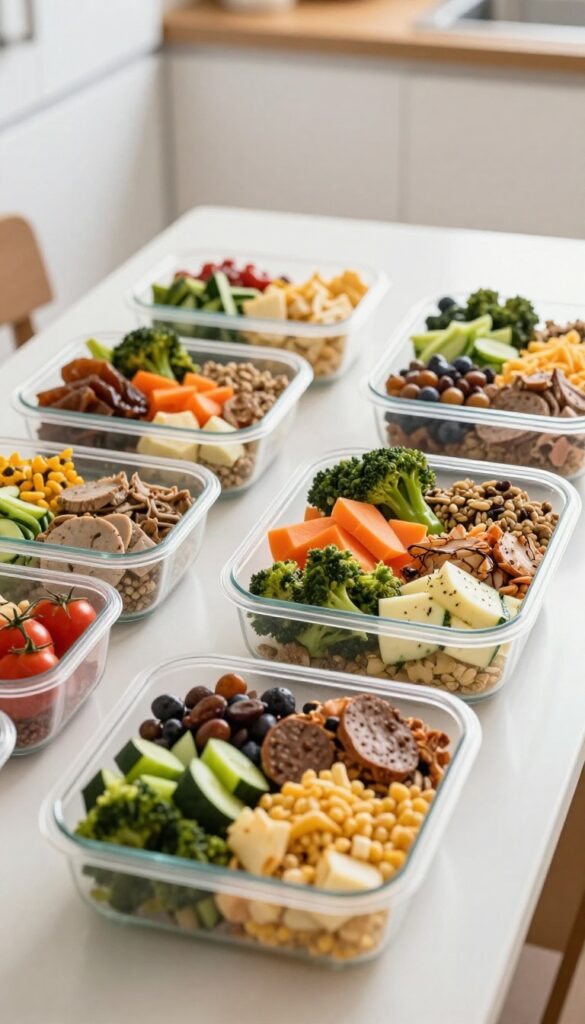
Smart snacking keeps your energy steady and prevents overeating at meals. Focus on nutrient-dense options with protein, fiber, or healthy fats to stay satisfied within 100–150 calories per snack.
Healthy Snack Ideas (Calorie Counts
- 1 small apple + 1 tbsp peanut butter (145 cal)
- 1/2 cup Greek yogurt (plain, nonfat) + 1/4 cup berries (120 cal)
- 1 hard-boiled egg + a few cherry tomatoes (100 cal)
- 1/4 cup hummus + 1/2 cup cucumber slices (130 cal)
- 1 small banana (105 cal)
- 15 almonds (105 cal)
- 1 string cheese + 5 baby carrots (140 cal)
- 1 cup air-popped popcorn (no butter) (30 cal) – add a sprinkle of cinnamon
When to Snack
- Mid-morning (around 10–11 AM) if lunch is far off
- Mid-afternoon (around 3–4 PM) to curb pre-dinner hunger
- Post-workout within 30 minutes to refuel (choose protein + carb combo)
Portion Control Tips
Pre-portion snacks into small containers or bags to avoid eating straight from a large package. Use small plates or bowls, and always check serving sizes on labels. Mindful eating—without distractions—helps you recognize fullness.
Tips for Sticking to Your 1700 Calorie Plan
Sticking to a 1700 calorie meal plan doesn't have to be a struggle. A few simple strategies can make it feel effortless, so you stay consistent without feeling deprived.
Meal prep is your secret weapon. Spend an hour or two on the weekend washing, chopping, and portioning ingredients. Store pre-portioned snacks like nuts or yogurt in grab-and-go containers.
When hunger strikes, you'll reach for what's ready instead of ordering takeout.
Use smaller plates and bowls. It's a visual trick that works: a full smaller plate feels more satisfying than a half-empty large one. You naturally eat less without noticing.
Stay hydrated. Sometimes thirst masquerades as hunger. Keep a water bottle on your desk or in your bag.
Aim for 8–10 cups a day, and if plain water bores you, add lemon, cucumber, or a splash of fruit juice.
Track your food, at least for the first few weeks. Use a free app like MyFitnessPal or Cronometer. Logging what you eat increases awareness and helps you spot patterns.
You don't need to be perfect—just consistent.
Handling Cravings Without Guilt
Cravings are normal. Instead of fighting them, plan for them. Allow a small daily treat—like a square of dark chocolate or a 100-calorie snack pack—so you never feel completely restricted.
If a strong craving hits, wait 10 minutes and drink a glass of water. Often the urge passes. If it doesn't, have a small portion and move on.
No guilt, no drama.
Staying Consistent When Life Gets Busy
Keep backup meals on hand. Frozen vegetables, canned beans, and pre-cooked grains can turn into a quick bowl in 10 minutes. If you have a high-calorie day, don't stress—just return to your plan the next meal.
Consistency over perfection is what leads to results.
FAQ
Can I customize the meal plan?
Absolutely. This plan is a template. You can swap any meal for another of similar calorie content, adjust portion sizes, or substitute ingredients based on dietary needs or preferences.
Is 1700 calories safe for everyone?
Calorie needs vary by age, gender, activity level, and health goals. 1700 calories may be appropriate for many adults aiming for weight loss, but it's best to consult a healthcare provider before starting any new diet plan.
What if I feel hungry?
If you're hungry, try adding more low-calorie vegetables to meals, drink water, or include a healthy snack. Also, ensure you're getting enough protein and fiber, which help with satiety.
Can I eat out occasionally?
Yes, but be mindful of portions and hidden calories. Choose grilled options, ask for dressings on the side, and avoid fried foods. Planning ahead can help you stay within your calorie target.
Conclusion
A 1700 calorie meal plan doesn't have to be complicated or boring. With a little planning and some simple recipes, you can enjoy delicious home-cooked meals while working toward your health goals. The key is consistency and flexibility—listen to your body and adjust as needed.
Remember, this plan is a starting point.
Feel free to experiment with different foods and flavors to keep things interesting. The most important thing is to find a sustainable approach that works for you. Happy cooking!

Dr. Pallab Kishore, MS in Orthodontics and owner of Orthodontic Braces Care, shares expert tips on braces, aligners, and oral health from 10+ years of experience.