
Fasting diets have gained popularity for their simplicity and potential health benefits. This article outlines 10 straightforward fasting plans that can be easily integrated into a weekly routine.
Each plan is designed to be flexible and sustainable.
Remember to consult with a healthcare provider before starting any new diet regimen.
Intermittent Fasting

Intermittent fasting is one of the most popular and straightforward fasting diet plans for simple weekly routines. The 16:8 method involves fasting for 16 hours each day and eating all your meals within an 8-hour window. This approach is easy to follow because it doesn't require complicated meal prep or calorie counting—just a consistent schedule.
Key Points
- Fast for 16 hours, eat during an 8-hour window (e.g., 12pm-8pm).
- Choose a consistent eating window that fits your schedule.
- Stay hydrated with water, black coffee, or unsweetened tea during the fast.
- Focus on nutrient-dense meals during the eating window.
Diet
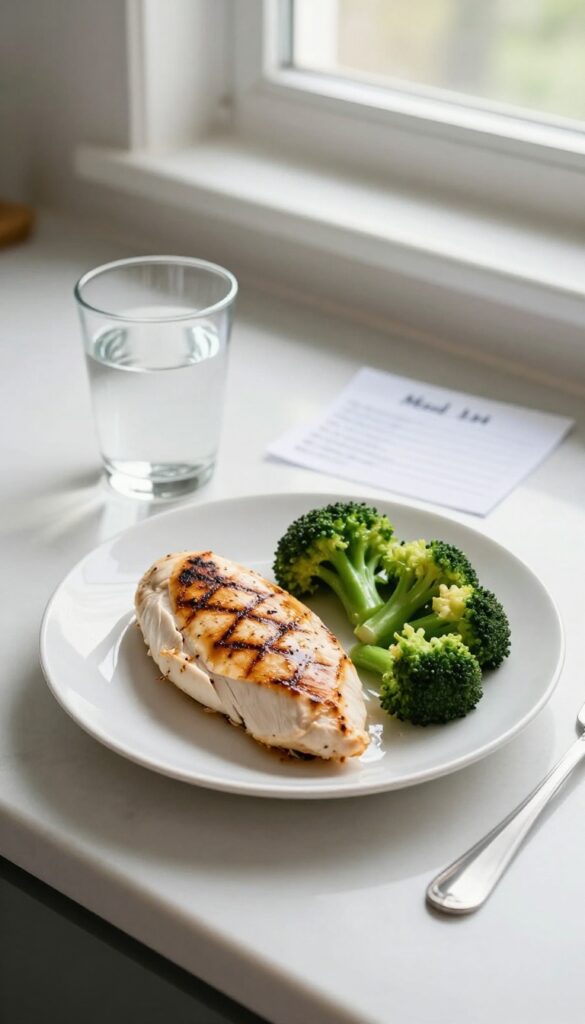
The 5:2 diet offers a flexible structure: eat normally for five days and restrict calories to 500–600 on two non-consecutive days. This simple weekly routine makes fasting approachable without daily restriction.
Choose your fasting days based on your schedule—opt for less active or stressful days to make the lower calorie intake easier. Planning your low-calorie meals in advance helps you stay on track and avoid impulsive choices. On fasting days, prioritize protein and fiber to keep hunger at bay and maintain energy.
Key Points
- Eat normally for 5 days, restrict calories to 500-600 on 2 non-consecutive days.
- Choose fasting days that are less active or stressful.
- Plan low-calorie meals in advance to stay on track.
- Ensure adequate protein and fiber on fasting days.
Eat-Stop-Eat

Eat-Stop-Eat is a 24-hour fasting protocol that you incorporate one or two times per week. It's straightforward: you simply pick one or two non-consecutive days to fast for a full day, then eat normally the rest of the week.
The idea is to create a simple weekly routine that fits your schedule. For example, you might fast from dinner on Monday until dinner on Tuesday. During the fast, only calorie-free beverages like water, black coffee, or unsweetened tea are allowed.
Staying busy and drinking plenty of fluids helps manage hunger.
Key Points
- Incorporate one or two 24-hour fasts per week.
- Start your fast after dinner and break it the next day at dinner.
- Stay busy and drink plenty of fluids during the fast.
- Break the fast with a balanced meal, not a feast.
Breaking the fast mindfully is important. Aim for a meal that includes protein, healthy fats, and vegetables to avoid overeating. This approach can be a flexible addition to your weekly routine, helping you create a calorie deficit without complicated meal planning.
Alternate-Day Fasting

Alternate-day fasting (ADF) is a structured approach where you cycle between a day of eating normally and a day of fasting or very limited calorie intake. It's a straightforward pattern that can fit into a simple weekly routine.
The classic ADF protocol involves alternating between a “fast day” (consuming 0–500 calories) and a “feast day” (eating normally). Modified versions allow up to 500 calories on fasting days, often in one meal or small snacks, which can make the plan more sustainable.
- Alternate between fasting days (0–500 calories) and eating days.
- Modified versions allow up to 500 calories on fasting days.
- Plan eating days to include nutritious, satisfying meals.
- Listen to your body and adjust if needed.
To make ADF work for a simple weekly routine, choose a consistent schedule—for example, fast on Monday, Wednesday, and Friday, and eat normally on the other days. On eating days, focus on whole foods like vegetables, lean proteins, and healthy fats to ensure you get adequate nutrients. Stay hydrated on fast days with water, black coffee, or unsweetened tea.
If you feel dizzy or overly fatigued, consider switching to a modified version or trying a different fasting plan.
Warrior Diet

The Warrior Diet is a more intense form of intermittent fasting that follows a 20:4 schedule: you fast for 20 hours and eat one large meal within a 4-hour window at night. This plan is inspired by ancient warriors who ate lightly during the day and feasted at night.
During the 20-hour fasting period, you are allowed to consume small amounts of raw fruits, vegetables, and clear fluids like water, herbal tea, or black coffee. This helps keep you hydrated and provides some nutrients without breaking the fast.
- Fast for 20 hours, then eat one large meal within a 4-hour window, typically in the evening.
- During the day, consume only raw fruits, vegetables, and non-caloric fluids.
- The evening meal should be balanced with protein, healthy fats, and complex carbohydrates.
- This plan may suit those who prefer a single large meal and can handle long fasting periods.
The Warrior Diet can simplify your weekly routine by eliminating the need to plan multiple meals. However, it's important to ensure your one meal is nutrient-dense to avoid undereating essential vitamins and minerals. As with any fasting plan, listen to your body and adjust as needed.
OMAD (One Meal a Day

OMAD, or One Meal a Day, is a straightforward fasting approach where you consume all your daily calories within a single meal, typically over a 1-hour window. This method simplifies meal planning and can easily fit into a weekly routine, as you choose the same time each day for your eating window.
To make OMAD work for you, consistency is key. Pick a time that aligns with your schedule—lunchtime or early dinner often works well. Since you're eating only once, that meal needs to be nutrient-dense and satisfying, including plenty of protein, healthy fats, fiber, and vegetables.
Stay hydrated throughout the day with water, herbal tea, or black coffee, as thirst can sometimes be mistaken for hunger.
- Eat all daily calories in one meal, typically within a 1-hour window.
- Choose a consistent time for your meal each day.
- Ensure the meal is nutrient-dense and satisfying.
- Stay hydrated throughout the day.
Fasting

The 12:12 fasting plan is one of the simplest and most beginner-friendly approaches to time-restricted eating. It involves fasting for 12 hours and eating all your meals within a 12-hour window.
This plan is ideal for those new to fasting because it aligns with a typical daily schedule and doesn't require extreme calorie restriction. For example, you might eat between 7 a.m. and 7 p.m., then fast overnight.
- Fast for 12 hours, eat during a 12-hour window (e.g., 7am-7pm).
- This is a gentle entry point for beginners.
- Focus on whole foods and avoid late-night snacking.
- Can be practiced daily with minimal disruption.
The key is consistency. By eating within the same window each day, your body adapts, making it easier to stick with the routine. Pair this plan with nutrient-dense meals to support energy levels and overall health.
Hour Fast Once a Week

A weekly 24-hour fast is a straightforward way to give your digestive system a longer break while still maintaining a routine. This approach involves fasting for a full day once per week, which can help with calorie management and metabolic flexibility.
Choose one day per week that fits your schedule, such as a less active day like Sunday. Start your fast after a meal—for example, after dinner—and then fast until the same time the next day. During the fast, you can drink water, black coffee, or unsweetened tea.
Plan light activities to keep your mind off food, and stay hydrated.
Key Points
- Pick a consistent day each week for your 24-hour fast.
- Begin fasting after a meal and end at the same time the next day.
- Stay hydrated with water, black coffee, or tea.
- Break the fast with a balanced meal containing protein, fiber, and healthy fats.
When breaking your fast, avoid overeating. Start with a moderate portion of whole foods like lean protein, vegetables, and a complex carbohydrate. This helps your body ease back into digestion without discomfort.
Spontaneous Meal Skipping

If rigid schedules aren't your thing, spontaneous meal skipping offers a flexible approach. You simply skip a meal when you're not hungry or when life gets busy, without planning ahead. This intuitive method fits naturally into a simple weekly routine.
Unlike structured fasting plans, spontaneous meal skipping relies on listening to your body. For example, if you wake up with no appetite, skip breakfast and eat your first meal at lunch. Or if a work meeting runs late, skip lunch and have an early dinner.
The key is to stay flexible while still meeting your nutritional needs.
- Skip a meal only when you genuinely aren't hungry or are too busy to eat.
- Tune into hunger cues rather than eating out of habit or boredom.
- Ensure the meals you do eat are nutrient-dense to maintain overall adequacy.
- This flexible approach can be easier to stick with long-term because it adapts to your life.
Spontaneous skipping works best for those who already have a healthy relationship with food. Avoid using it as an excuse to under-eat or restrict excessively.
Time-Restricted Feeding with Early Window

Time-restricted feeding (TRF) with an early eating window is a simple fasting approach that aligns your meals with your body's natural circadian rhythms. By confining all food intake to a set period earlier in the day, you extend the overnight fast and may improve sleep quality and metabolic health.
The early window typically runs from around 8 a.m. to 4 p.m., meaning you consume all your meals and snacks within that 8-hour span. This schedule supports your body's natural hormone cycles, as insulin sensitivity tends to be higher in the morning and early afternoon. Finishing your last meal several hours before bedtime gives your digestive system a break and can lead to more restful sleep.
Key Points
- Eat all meals within an early window, e.g., 8am-4pm.
- Aligns with circadian rhythms and may improve sleep.
- Finish eating several hours before bedtime.
- Choose a window that fits your daily schedule.
To make this plan work as a weekly routine, pick a window that matches your lifestyle. If you're an early riser, a 7 a.m. to 3 p.m. schedule might feel natural. During the fasting period, stick to water, black coffee, or unsweetened tea.
This approach doesn't require counting calories or eliminating specific foods, making it one of the simplest fasting diet plans for a consistent weekly routine.
FAQ
Is fasting safe for everyone?
Fasting is not suitable for everyone, including pregnant or breastfeeding women, individuals with eating disorders, those with certain medical conditions, or people taking specific medications. Always consult a healthcare professional before starting a fasting diet.
Can I drink water during a fast?
Yes, staying hydrated is essential. Water, black coffee, and unsweetened tea are generally allowed during fasting periods.
How do I choose the best fasting plan for me?
Consider your lifestyle, daily schedule, and personal preferences. Beginners may start with a 12:12 or 16:8 plan, while those seeking more structure might try 5:2 or alternate-day fasting.
Will I lose weight with fasting?
Fasting can help with weight loss by reducing calorie intake, but results vary. It's important to focus on nutrient-dense foods during eating windows and maintain a balanced diet.
Can I exercise while fasting?
Light to moderate exercise is generally fine during fasting, but listen to your body. Some people prefer to schedule workouts during eating windows for better energy.
Conclusion
Fasting diets offer a variety of approaches to simplify weekly eating routines. Whether you prefer a daily time-restricted window or a weekly 24-hour fast, there is a plan that can fit your lifestyle.
Start slowly, listen to your body, and prioritize overall nutrition. Always consult a healthcare professional before making significant changes to your diet.

Dr. Pallab Kishore, MS in Orthodontics and owner of Orthodontic Braces Care, shares expert tips on braces, aligners, and oral health from 10+ years of experience.