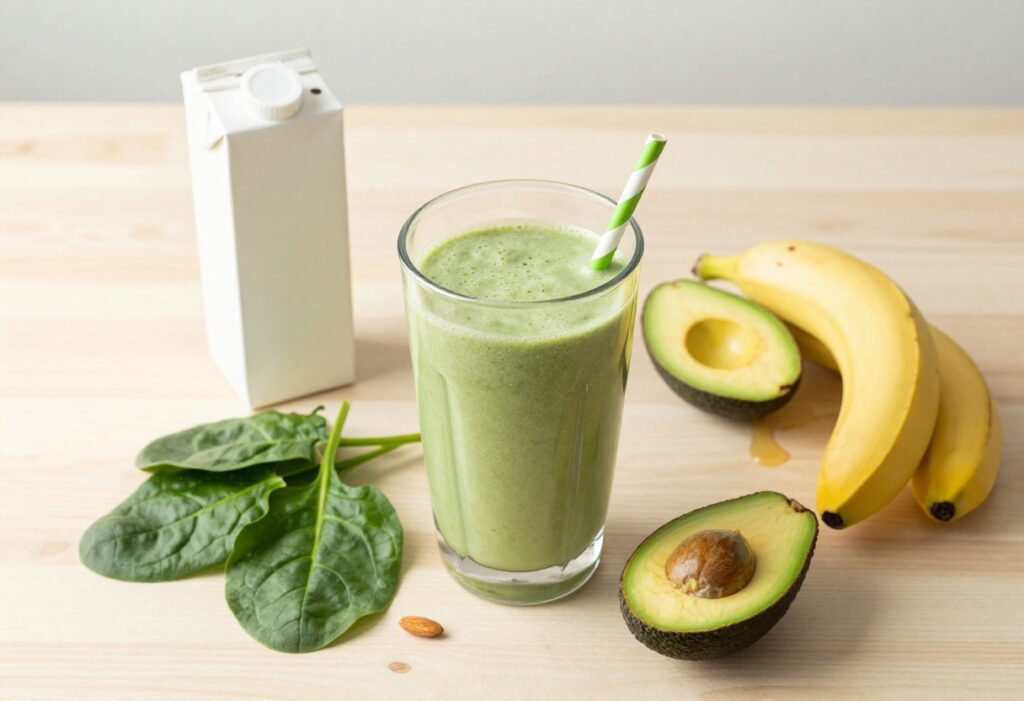
Intermittent fasting has become a popular approach for weight management and metabolic health, but what you eat during your eating window matters just as much as when you eat. The right meals can help you feel energized, satisfied, and on track with your goals. This guide offers practical, delicious meal ideas that complement intermittent fasting, whether you follow a 16:8 schedule, 5:2, or another pattern.
We'll cover principles of IF-friendly eating, ideas for breaking your fast, main meals, snacks, and tips for common challenges. You'll also find sample one-day plans to get started.
The focus is on whole, nutrient-dense foods that support satiety and overall health without extreme restriction. Remember, intermittent fasting is a tool, not a one-size-fits-all solution.
What Makes a Meal Intermittent Fasting Friendly?
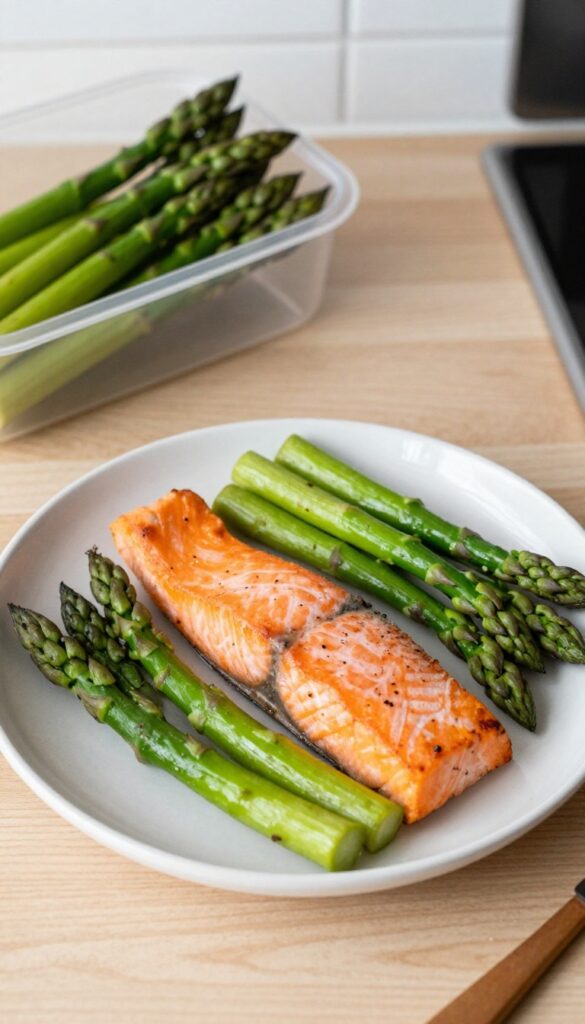
Not all meals are created equal when you're intermittent fasting. The goal is to choose foods that keep you satisfied, energized, and nourished during your eating window, so you can make it to your next fast without feeling deprived. Here's what to look for in an IF-friendly meal.
Focus on Nutrient Density
Every bite counts when your eating window is limited. Prioritize whole, minimally processed foods that pack a lot of vitamins, minerals, and antioxidants per calorie. Think leafy greens, colorful vegetables, lean proteins, whole grains, and healthy fats.
These foods help fill nutritional gaps and support overall health.
Balance Protein, Fiber, and Healthy Fats
The magic trio for satiety and stable energy is protein, fiber, and healthy fats. Protein helps preserve muscle and keeps you full; fiber slows digestion and supports gut health; fats provide long-lasting energy and help absorb fat-soluble vitamins. Aim to include all three in your main meals.
Why Protein and Fiber Matter for Fullness
- Protein triggers the release of fullness hormones like peptide YY and GLP-1, reducing hunger between meals.
- Fiber adds bulk to your meal, slows stomach emptying, and helps you feel satisfied longer.
- Together, they stabilize blood sugar, preventing energy crashes that can lead to cravings.
Role of Fats in Energy
- Healthy fats (avocado, nuts, seeds, olive oil) provide a concentrated source of energy and help you feel satiated.
- They also support hormone function and nutrient absorption, which is especially important during fasting periods.
Breaking Your Fast: Gentle, Nourishing First Meals
The first meal after a fast sets the tone for your entire eating window. Your digestive system has been resting, so it's important to ease back in with foods that are easy to digest, hydrating, and nutrient-dense. Avoid the temptation to overeat or reach for heavy, greasy options—this can lead to discomfort and blood sugar spikes.
Instead, focus on meals that combine protein, healthy fats, and fiber to gently replenish your body and sustain energy.
Smoothies and Bowls
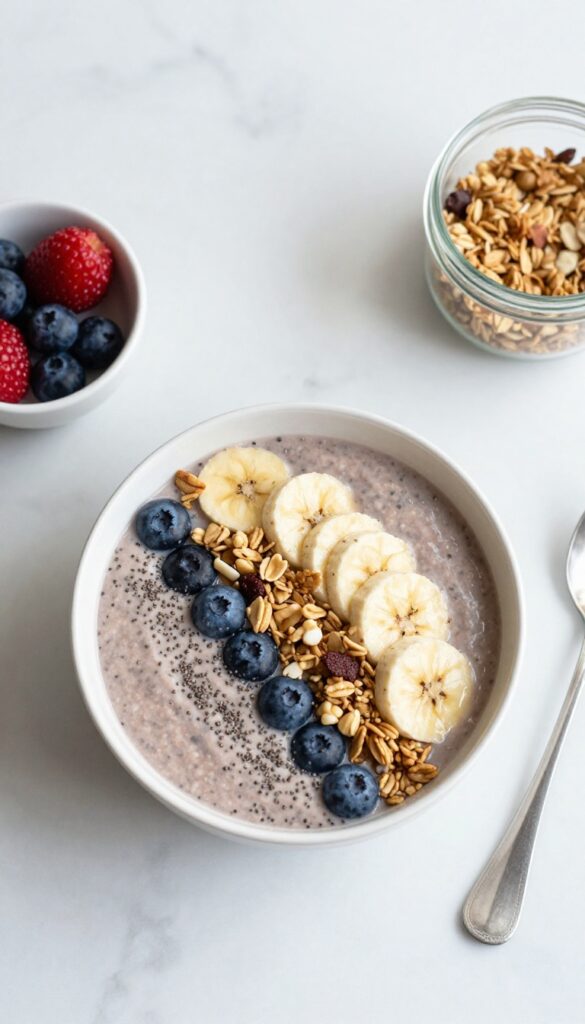
Smoothies and bowls are excellent for breaking a fast because they are quick to prepare and can be packed with vitamins, minerals, and hydration. Blend a base of unsweetened almond milk or coconut water with a handful of spinach, a scoop of protein powder, and half a banana for creaminess. Top a smoothie bowl with berries, chia seeds, and a sprinkle of granola for added texture and fiber.
The key is to keep sugar low—skip fruit juices and opt for whole fruits instead.
Egg-Based Dishes
Eggs are a classic first meal for good reason: they're rich in high-quality protein, healthy fats, and essential nutrients like choline. Scrambled eggs with sautéed vegetables, a simple omelet with cheese and herbs, or poached eggs over avocado toast are all gentle on the stomach and satisfying. Pair with a side of fresh fruit or a small salad for extra fiber and hydration.
Light Soups and Broths
A warm bowl of soup or broth can be incredibly soothing after a fast. Bone broth is particularly nourishing, providing collagen, electrolytes, and amino acids that support gut health. For a more substantial option, try a vegetable soup with clear broth, soft-cooked carrots, celery, and a handful of shredded chicken.
Avoid creamy or heavy soups, as they can be harder to digest. The liquid content also helps rehydrate your body after hours without water.
Key Tips for Breaking Your Fast
- Start with a small portion and wait 15-20 minutes before deciding if you need more.
- Include a source of protein to stabilize blood sugar and promote satiety.
- Prioritize hydration: drink a glass of water before your first bite.
- Avoid high-sugar foods like pastries or sugary cereals, which can cause energy crashes.
- Listen to your body—if something feels heavy, opt for lighter options next time.
Satisfying Main Meals for Your Eating Window
When you have a limited window to eat, each meal should count. The key is to build plates that keep you full and energized without feeling heavy. Think high volume, moderate calories, and plenty of protein and fiber.
Here are three go-to meal styles that are endlessly customizable and perfect for meal prep.
Protein-Rich Salads
Salads are a fantastic way to pack in nutrients without overloading calories. The trick is to make them satisfying by adding a solid protein source and healthy fats. Start with a base of leafy greens, add colorful veggies, then choose your protein: grilled chicken, canned tuna, hard-boiled eggs, chickpeas, or tofu.
Top with avocado, nuts, or a simple vinaigrette. For example, a grilled chicken salad with mixed greens, cherry tomatoes, cucumber, red onion, and a lemon-tahini dressing is both filling and refreshing.
Stir-Fries and Grain Bowls
Stir-fries and grain bowls are perfect for using up leftover veggies and proteins. Cook a lean protein like shrimp, chicken, or edamame, then stir-fry with broccoli, bell peppers, and snap peas. Serve over a small portion of quinoa or brown rice for sustained energy.
Alternatively, build a bowl with a base of greens or grains, topped with roasted sweet potatoes, black beans, corn, avocado, and a dollop of Greek yogurt or salsa. These meals are quick, colorful, and easy to adjust based on what you have on hand.
Sheet Pan Meals
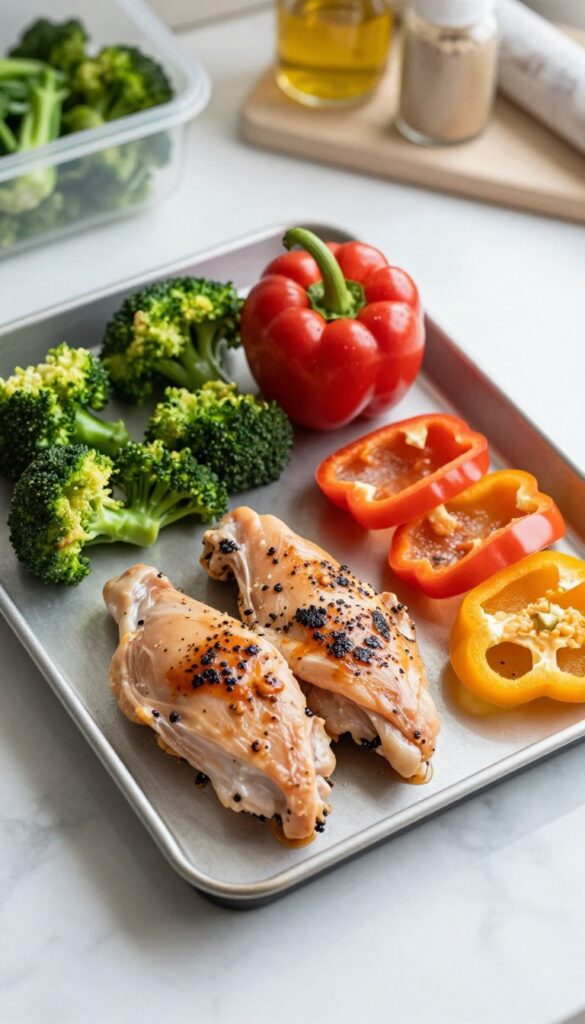
Sheet pan meals are the ultimate time-saver. Toss your protein and veggies in olive oil and seasonings, spread on a baking sheet, and roast until done. Try chicken thighs with broccoli and sweet potatoes, or salmon with asparagus and cherry tomatoes.
The high heat caramelizes the vegetables, adding flavor without extra calories. These meals are not only delicious but also make cleanup a breeze.
Key Tips for Building a Balanced Plate
- Fill half your plate with non-starchy vegetables like leafy greens, broccoli, or peppers.
- Include a palm-sized portion of lean protein such as chicken, fish, tofu, or legumes.
- Add a fist-sized serving of complex carbs like quinoa, sweet potato, or brown rice if your activity level requires it.
- Don't forget healthy fats from avocado, nuts, seeds, or olive oil to boost satiety.
Smart Snacks and Mini Meals
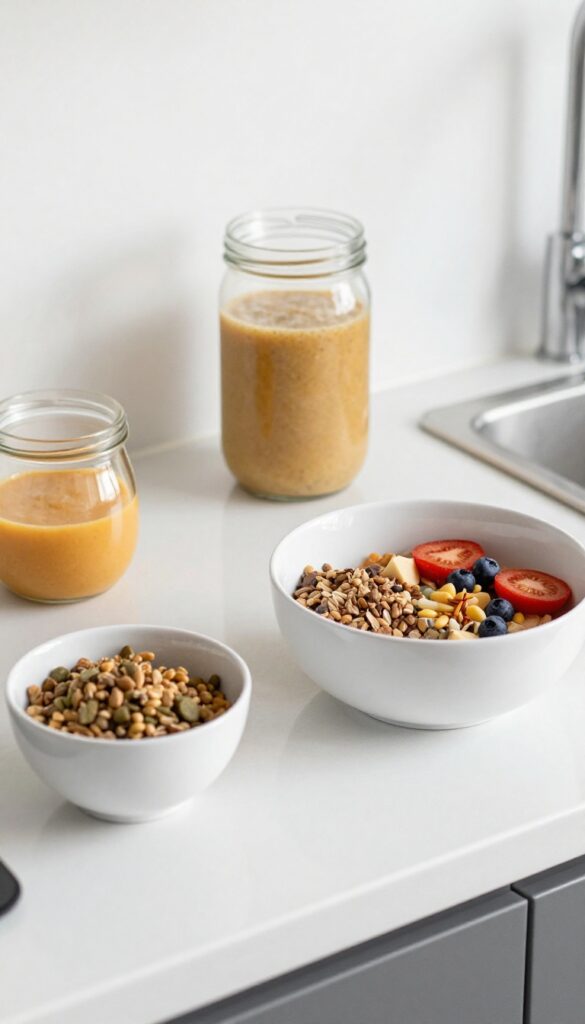
Snacking during your eating window can be a strategic way to boost nutrient intake without derailing your fasting goals. The key is to choose options that are portion-controlled, nutrient-dense, and easy to pack. Here’s how to snack smartly.
Greek Yogurt and Berries
A simple combo of plain Greek yogurt and fresh or frozen berries delivers protein, probiotics, and antioxidants. The protein helps keep you full, while the berries add natural sweetness and fiber. Stick to a half-cup serving to keep calories in check.
Nuts and Seeds
A small handful of almonds, walnuts, or pumpkin seeds provides healthy fats, protein, and crunch. They’re portable and require no prep. Just be mindful of portions—about 1 ounce (a small handful) is plenty.
Vegetable Sticks with Hummus
Crunchy veggies like carrots, celery, and bell peppers paired with hummus offer fiber, vitamins, and satisfying texture. Hummus adds protein and healthy fats. Aim for about 2 tablespoons of hummus and unlimited veggie sticks.
When to snack versus when to skip: If you’re genuinely hungry between meals, a small, balanced snack can prevent overeating later. But if you’re eating out of boredom or habit, it’s better to skip. Avoid mindless eating by portioning snacks into bowls instead of eating from the bag.
Snacks to Avoid
- Ultra-processed snacks like chips, cookies, and sugary granola bars
- High-sugar options like candy, pastries, and sweetened yogurts
Navigating Common Challenges
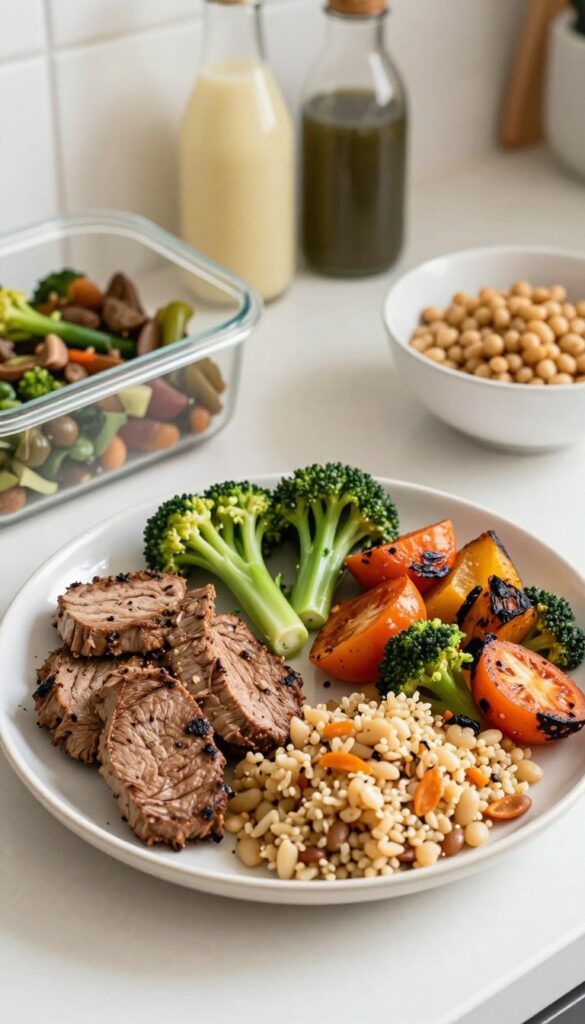
Even with the best meal ideas, intermittent fasting comes with its own set of hurdles. Hunger pangs, social events, and hydration issues can test your resolve. Here’s how to handle them without feeling deprived or rigid.
Dealing with Hunger Pangs
Hunger during fasting windows is normal, especially when you’re new to IF. Instead of fighting it, try these strategies:
- Stay busy: Distraction works wonders. Go for a walk, dive into a task, or call a friend.
- Drink water or herbal tea: Often thirst masquerades as hunger. A warm cup of tea can soothe cravings.
- Eat enough protein and fiber during your eating window: This keeps you fuller longer and stabilizes blood sugar.
- Use black coffee or unsweetened green tea: Caffeine can suppress appetite and boost energy.
- Practice mindful acceptance: Remind yourself that hunger comes in waves and usually passes within 15–20 minutes.
Eating Out or Social Events
Social gatherings can feel tricky when your eating window doesn’t align. But with a little flexibility, you can enjoy yourself without breaking your fast prematurely.
- Check the menu ahead of time: Look for protein-rich, veggie-packed options that fit your window.
- Adjust your window: If a dinner party is at 7 p.m., shift your eating window later that day. IF is flexible.
- Don’t be afraid to skip a meal: If the event falls during your fast, it’s okay to enjoy a meal later or earlier. One adjustment won’t derail your progress.
- Focus on socializing: The meal is just part of the experience. Engage in conversation and enjoy the company.
Staying Hydrated
During fasting periods, you’re not getting water from food, so intentional hydration is key. Dehydration can cause fatigue, headaches, and false hunger.
- Aim for at least 8–10 cups of water spread throughout the day, including during your fast.
- Add a pinch of salt or electrolyte powder to your water if you feel lightheaded or get headaches.
- Herbal teas, sparkling water, and infused water (with cucumber or lemon) count toward hydration.
- Avoid excessive caffeine late in the day—it can disrupt sleep and worsen dehydration.
Sample One-Day Meal Plans
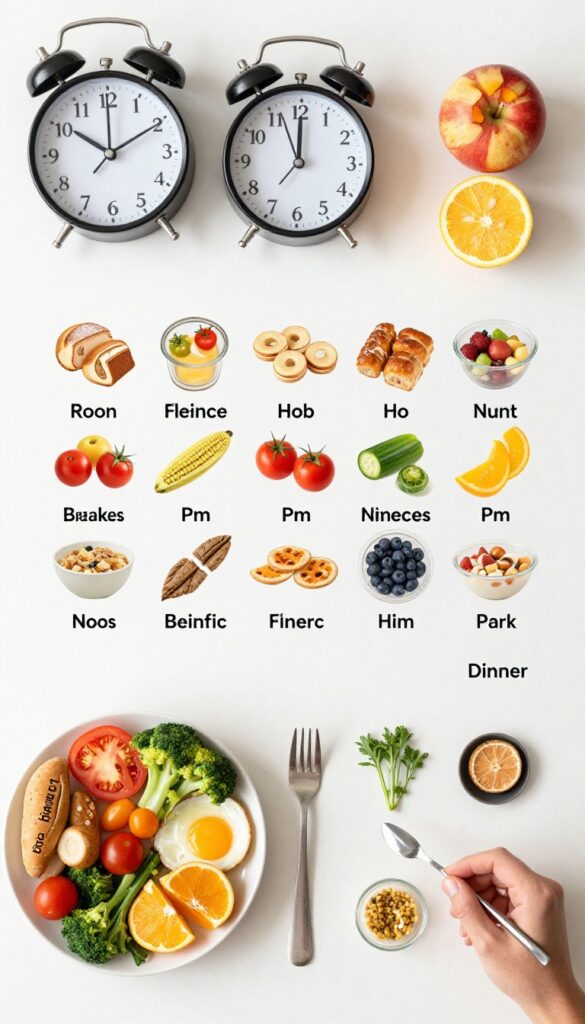
To help you see how these ideas come together, here are two sample meal plans. One follows a daily 16:8 schedule (eating from noon to 8 PM), and the other demonstrates a 5:2 approach with two low-calorie days per week. Both are flexible—adjust portions and foods to your preferences.
Schedule (Noon to 8 PM Window
PM – Breaking the Fast
- Greek yogurt (plain, full-fat) with a handful of berries and a tablespoon of chia seeds
- A small apple or a handful of almonds
PM – Lunch
- Grilled chicken salad: mixed greens, cherry tomatoes, cucumber, avocado, and a lemon-olive oil dressing
- Side of quinoa or a slice of whole-grain bread
PM – Snack (optional
- Hummus with carrot and bell pepper sticks
- Or a small handful of walnuts
PM – Dinner
- Baked salmon with roasted broccoli and sweet potato wedges
- A side salad with vinaigrette
Schedule (Two Low-Calorie Days
Breakfast (around 8 AM
- Scrambled eggs (2) with spinach and one slice of whole-grain toast
- Black coffee or unsweetened tea
Lunch (around 1 PM
- Large vegetable soup (broth-based) with a small portion of lean protein (e.g., 3 oz chicken breast)
- A side of mixed greens with lemon juice
Dinner (around 6 PM
- Grilled white fish (4 oz) with steamed asparagus and a small baked potato (no butter)
- Herbal tea for dessert
Tip
On low-calorie days, focus on high-volume, nutrient-dense foods like vegetables and lean protein to stay satisfied. Drink plenty of water throughout the day.
FAQ
Can I drink coffee during my fast?
Yes, black coffee is generally allowed during fasting periods as it contains minimal calories. Avoid adding sugar, milk, or cream, which can break your fast. Some people also drink unsweetened tea or plain water.
What if I feel dizzy or weak?
Dizziness or weakness can be a sign that your body needs more nutrients or hydration. Ensure you're eating enough during your window, especially protein and healthy fats. If symptoms persist, consider adjusting your fasting schedule or consulting a healthcare professional.
Do I need to count calories on IF?
Not necessarily. Many people find that IF naturally reduces calorie intake without counting. However, if weight loss is a goal, being mindful of portion sizes and food choices can help.
Focus on nutrient density rather than strict calorie counting.
Can I follow IF with a plant-based diet?
Absolutely. Plant-based diets can work well with IF. Focus on protein-rich foods like legumes, tofu, tempeh, and seitan, along with plenty of vegetables, whole grains, nuts, and seeds.
Ensure you're getting enough calories and nutrients during your eating window.
Conclusion
Intermittent fasting doesn't have to mean boring or restrictive meals. By focusing on whole, nutrient-dense foods that keep you full and energized, you can make your eating window both enjoyable and effective. Experiment with different meal ideas, listen to your body, and find a rhythm that fits your lifestyle.
Remember, consistency matters more than perfection. Whether you're new to IF or looking for fresh inspiration, these meal ideas can help you stay on track while savoring every bite. Here's to nourishing meals and a balanced approach to intermittent fasting.

Dr. Pallab Kishore, MS in Orthodontics and owner of Orthodontic Braces Care, shares expert tips on braces, aligners, and oral health from 10+ years of experience.