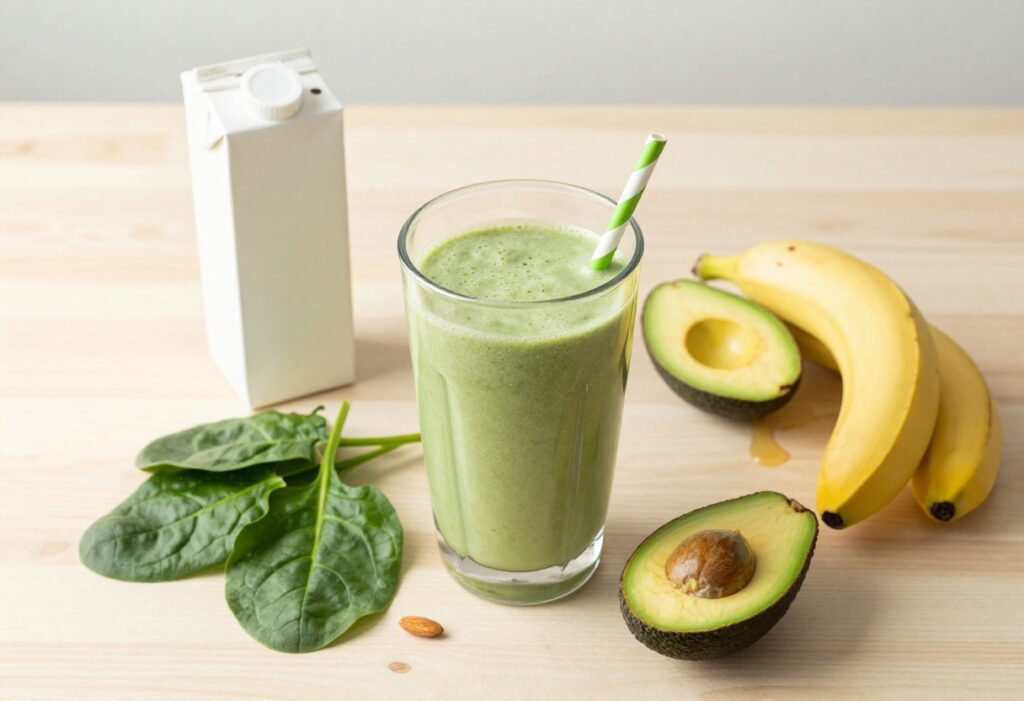
Walking into a grocery store with a diet in mind can feel overwhelming. Aisles are packed with tempting snacks, confusing labels, and endless options. But making better grocery choices doesn't have to be complicated.
With a few simple strategies, you can fill your cart with foods that support your health goals without feeling deprived. This guide will walk you through the entire grocery shopping process, from understanding your diet needs to navigating the store and reading labels. You'll learn how to pick the best produce, proteins, grains, and snacks for your routine.
The goal is to make shopping easier and more effective, so you can stick to your diet without stress. Remember, small changes add up.
Know Your Diet Goals Before You Shop
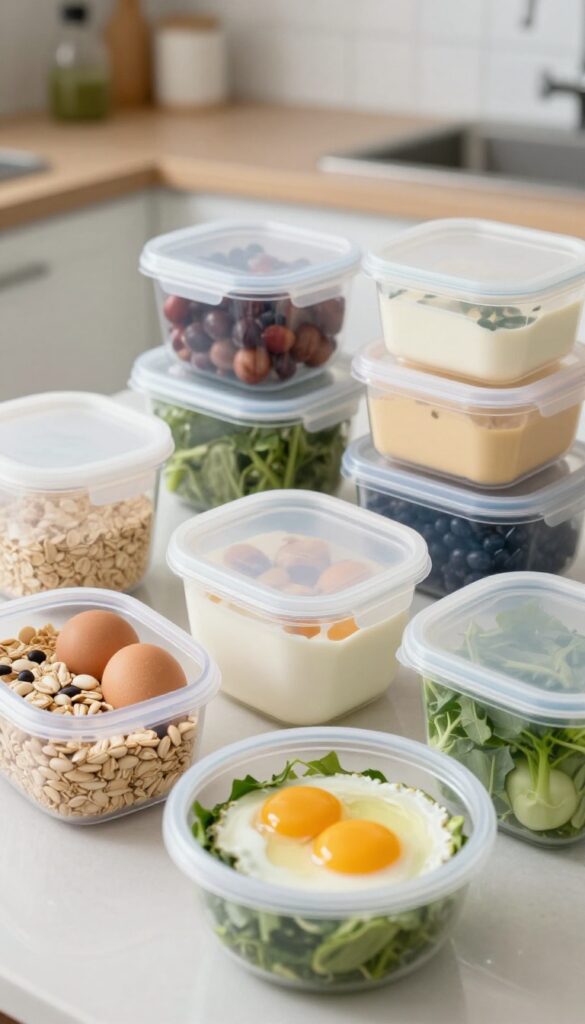
Walking into a grocery store without a clear sense of your diet goals is like setting sail without a destination. You may end up with a cart full of random items that don't support your routine. Before you grab a basket, take a few minutes to define what you're working toward—this will guide every choice you make in the aisles.
Clarify Your Nutritional Priorities
Start by identifying your primary targets: Are you aiming for weight loss, muscle gain, better energy, or overall health? Most diets revolve around managing calories, macronutrients (protein, carbs, fat), or specific nutrients like fiber or sodium. Write down your daily targets—even ballpark numbers help.
For example, if you're focused on weight loss, you might prioritize low-calorie, high-volume foods. If building muscle, you'll want plenty of protein sources. Knowing these priorities makes it easier to decide what goes in your cart.
Common Diet Patterns and Their Grocery Needs
Different diet patterns call for different grocery lists. Here’s a quick overview of popular approaches and what they emphasize:
Master the Store Layout
A strategic approach to the grocery store layout can save you time, money, and impulse buys. Most stores follow a similar design: fresh foods line the perimeter, while packaged goods fill the center aisles. Knowing this pattern helps you prioritize whole foods and navigate processed options with intention.
Shop the Perimeter First
The outer edges of the grocery store are where you'll find fresh produce, meats, seafood, dairy, and eggs. These whole foods are minimally processed and naturally align with most diet routines. Start your shopping here to fill your cart with nutrient-dense ingredients before venturing into the center aisles.
This simple habit reduces the temptation to load up on packaged snacks and sugary drinks.
The perimeter isn't perfect—some items like pre-made deli salads or flavored yogurts can hide added sugars and unhealthy fats. But as a general rule, this area offers the healthiest options. Focus on colorful vegetables, lean proteins, and plain dairy products.
Navigate the Center Aisles Wisely
The center aisles are a mixed bag. They house processed foods like chips, cookies, and sugary cereals, but also pantry staples such as beans, lentils, whole grains, nuts, seeds, and spices. The key is to shop with a list and read labels carefully.
Tips for Center Aisle Success
- Stick to whole grains like oats, quinoa, brown rice, and whole-wheat pasta.
- Choose canned goods with no added salt or sugar—look for 'no salt added' or 'packed in water'.
- Watch for hidden sugars under names like high fructose corn syrup, cane sugar, or agave nectar.
- Check the ingredient list: if it has more than five ingredients or words you can't pronounce, put it back.
- Avoid trans fats (partially hydrogenated oils) and limit saturated fats in packaged snacks.
Remember, not all processed foods are bad. Canned tomatoes, frozen vegetables, and whole-grain crackers can be part of a healthy diet. The goal is to be selective and prioritize items that support your diet goals without unnecessary additives.
Read Food Labels Like a Pro
A nutrition label holds the key to making smart choices for your diet routine. Once you know what to look for, you can quickly spot products that support your goals and avoid those that derail them.
Focus on Serving Size and Calories
Start by checking the serving size — all the numbers on the label are based on that amount. If you eat double the serving, you’re getting double the calories, fat, and everything else. Compare the serving size to how much you actually eat to keep your portions in check.
Check Added Sugars and Sodium
For a diet routine, limit added sugars and sodium. Look for products with low % Daily Value for these — aim for 5% or less per serving for added sugars and sodium. Be aware that sugar hides under names like high-fructose corn syrup, cane juice, and agave nectar.
Sodium can sneak in even in sweet items, so always scan the numbers.
Common hidden sugar names
- High-fructose corn syrup
- Cane sugar or cane juice
- Agave nectar, honey, maple syrup
- Maltose, dextrose, sucrose
Understand Ingredient Lists
Ingredients are listed in descending order by weight. A short list with recognizable whole foods is a good sign. If sugar appears in the first few ingredients or multiple times under different names, it’s best to skip it.
Compare similar products and choose the one with fewer additives and lower sodium.
Pick the Best Produce for Your Diet
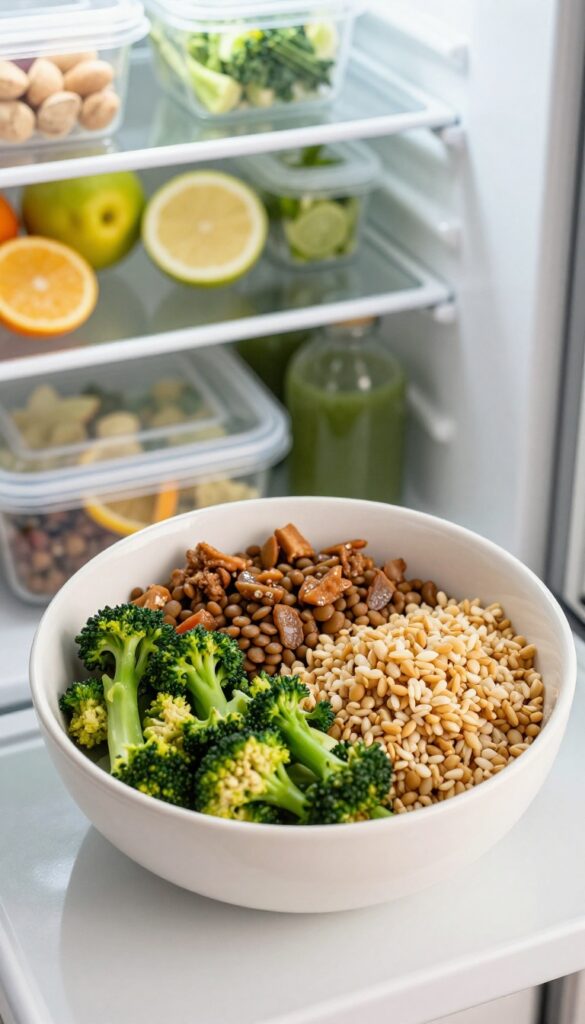
Produce is the cornerstone of any healthy diet, but not all fruits and vegetables are created equal when you're watching your calories or carbs. The key is to choose options that deliver maximum nutrients for minimal calories, while still satisfying your taste buds.
Prioritize Non-Starchy Vegetables
Non-starchy vegetables are your best friends on a diet. They're low in calories and carbohydrates but high in fiber, vitamins, and water, helping you feel full without derailing your goals. Aim to fill half your plate with these at every meal.
Choose Fruits Wisely
Fruits are healthy but can be higher in natural sugars. Focus on lower-sugar options like berries (strawberries, blueberries, raspberries), citrus fruits (grapefruit, oranges), and apples. These provide antioxidants and fiber with a lower glycemic impact.
Bananas, grapes, and mangoes are fine in moderation but watch your portions.
Fresh vs. Frozen: What’s Better?
Both fresh and frozen produce are nutritious. Frozen fruits and vegetables are picked at peak ripeness and flash-frozen, often retaining more nutrients than fresh produce that has traveled long distances. They're also convenient and reduce food waste.
When buying fresh, choose seasonal, local options for the best flavor and price. Avoid frozen products with added sauces, syrups, or salt.
Select Lean Proteins and Healthy Fats
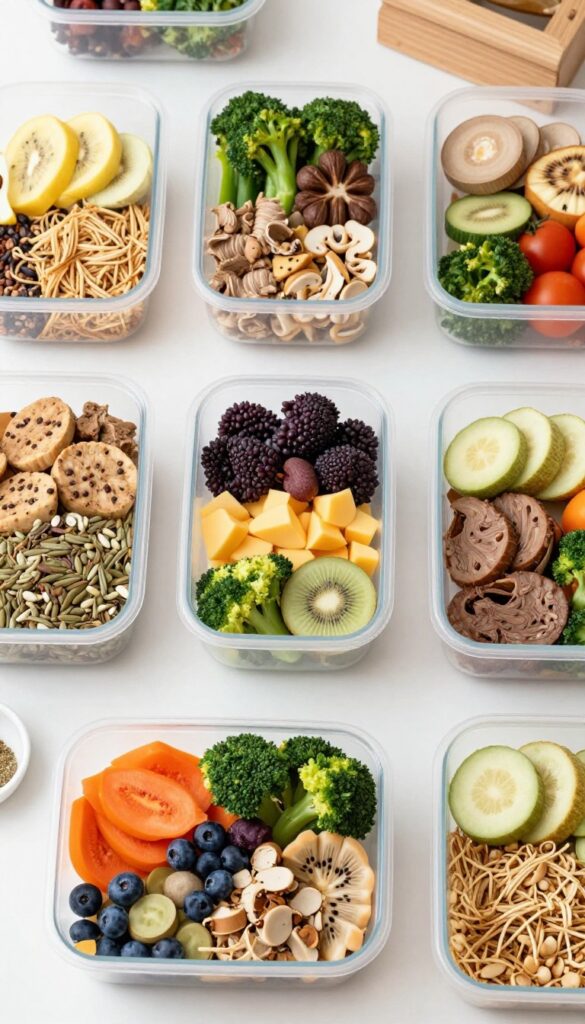
Protein and fat are essential for a balanced diet, but not all sources are created equal. Choosing lean options and healthy fats supports your diet goals without sacrificing flavor or satisfaction.
Lean Meat and Poultry Choices
- Skinless chicken or turkey breast – versatile and low in saturated fat.
- Lean cuts of beef or pork, like sirloin or tenderloin – look for "loin" or "round" in the name.
- Remove visible fat before cooking to keep calories in check.
Fish and Plant-Based Proteins
Fish like salmon, trout, and sardines are rich in omega-3 fatty acids, which support heart health. Aim for two servings per week, choosing low-mercury options such as salmon, canned light tuna, or pollock. For plant-based protein, tofu, tempeh, and legumes (beans, lentils, chickpeas) are excellent choices.
They also add fiber to your diet, helping you feel full longer.
Healthy Fats: Oils, Nuts, and Seeds
- Use olive, avocado, or canola oil for cooking and dressings.
- Add a handful of nuts or seeds to salads or yogurt – watch portions, as they are calorie-dense.
- Avocado is a great source of monounsaturated fat; enjoy a quarter to a half per serving.
Portion Control for Fats
Even healthy fats are high in calories. Stick to recommended serving sizes: 1 tablespoon of oil, 1 ounce of nuts (about a small handful), or ¼ avocado.
Choose Dairy and Alternatives Carefully
Dairy and its alternatives can be a valuable part of a diet routine, but they also hide added sugars and unnecessary calories. The key is to choose plain, unsweetened varieties and pay attention to nutrition labels.
Opt for Plain, Unsweetened Varieties
Plain Greek yogurt, cottage cheese, and unsweetened almond milk are excellent choices. They provide protein and calcium without the added sugars found in flavored versions. Greek yogurt, in particular, is high in protein, which can help keep you full.
When buying plant-based milks, always choose unsweetened and check for calcium and vitamin D fortification to match the nutritional profile of dairy milk.
Watch for Added Sugars in Yogurt and Milk Alternatives
Flavored yogurts and sweetened milk alternatives can contain as much sugar as a candy bar. Always check the ingredients list for added sugars like cane syrup, honey, or fruit concentrates. A good rule of thumb: choose products with less than 5 grams of sugar per serving.
Also, be mindful of portion sizes—even healthy dairy can add up in calories.
Comparing Dairy vs. Plant-Based Options
When deciding between dairy and plant-based alternatives, consider your nutritional needs. Dairy milk naturally contains calcium, vitamin D, and protein, while plant-based milks vary widely. For example, almond milk is low in calories but also low in protein, while soy milk offers a protein content similar to cow's milk.
If you choose plant-based, look for versions fortified with calcium and vitamin D. Cottage cheese and Greek yogurt are also great dairy options that are high in protein and lower in sugar when plain.
Key Takeaways
- Choose plain Greek yogurt, cottage cheese, or unsweetened almond milk.
- Check labels for added sugars and aim for less than 5g per serving.
- Look for calcium and vitamin D fortification in plant-based alternatives.
- Don't assume all dairy is bad—plain dairy can be a nutritious part of your diet.
Stock Up on Smart Grains and Snacks
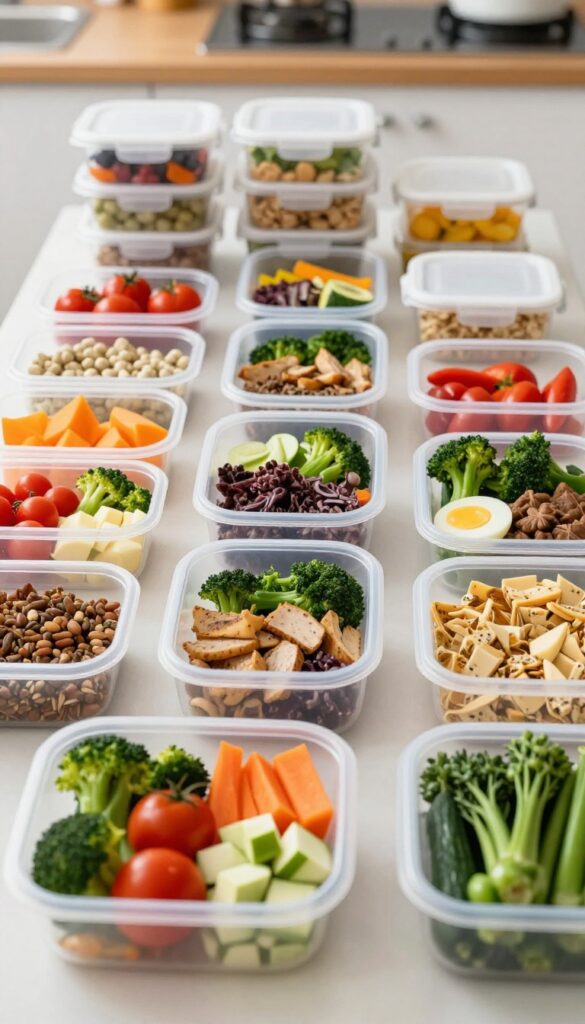
Grains and snacks can make or break your diet routine. The right choices keep you full and energized, while the wrong ones lead to energy crashes and cravings. Here’s how to stock your pantry with smart options.
Whole Grains Over Refined
Healthy Snack Options
Smart snacking is about nutrient density and portion control. Keep these on hand for when hunger strikes between meals:
Don’t Overlook Frozen and Canned Goods
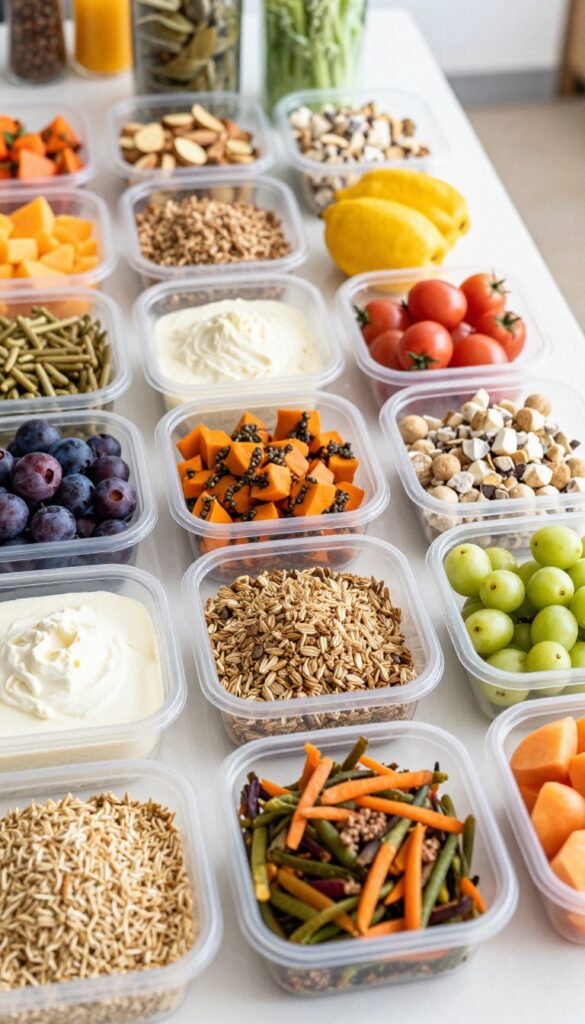
Frozen and canned items are often dismissed as less healthy, but they can be diet-friendly staples when chosen wisely. They offer convenience, long shelf life, and often retain nutrients well. The key is knowing what to look for and what to avoid.
Frozen Vegetables and Fruits
Frozen produce is typically flash-frozen at peak ripeness, locking in vitamins and minerals. They can be more nutritious than fresh produce that has traveled long distances. Choose plain frozen vegetables and fruits without added sauces, syrups, or seasonings.
These extras often hide sugar, sodium, and unhealthy fats. For example, frozen broccoli florets or mixed berries are excellent choices, while frozen vegetables in cheese sauce or sweetened fruit mixes are not. If you need frozen meals, look for those with simple ingredient lists, controlled sodium (under 600 mg per serving), and balanced macros (protein, fiber, and healthy fats).
Avoid meals with heavy cream sauces, fried components, or excessive cheese.
Canned Beans, Tomatoes, and Fish
Canned goods can be convenient and budget-friendly. When buying canned beans, tomatoes, or fish, opt for low-sodium or no-salt-added versions. For beans, rinsing them in a colander under cold water can reduce sodium by up to 40%.
Canned tomatoes should be labeled “no salt added” or packed in juice, not heavy puree with added sugar. For fish like tuna or salmon, choose water-packed over oil-packed to control calories and fat. Avoid cans with added sauces, syrups, or preservatives.
A simple rule: if the ingredient list has more than the main item plus water or natural juice, reconsider.
Sample Shopping List for a Diet Routine
Here’s a practical shopping list broken down by category to keep your kitchen stocked with diet-friendly staples. Use this as a template and adjust portions based on your calorie needs and preferences.
Produce
- Leafy greens: spinach, kale, arugula
- Cruciferous veggies: broccoli, cauliflower, Brussels sprouts
- Colorful vegetables: bell peppers, carrots, tomatoes, zucchini
- Fresh fruit: berries, apples, oranges, bananas (for energy)
Proteins
- Lean poultry: chicken breast, turkey breast
- Fish: salmon, tuna, tilapia
- Eggs or egg whites
- Plant-based: tofu, tempeh, edamame
Dairy & Alternatives
- Greek yogurt (plain, unsweetened)
- Cottage cheese
- Unsweetened almond milk or oat milk
- Low-fat cheese or cheese sticks
Grains
- Oats (rolled or steel-cut)
- Quinoa
- Brown rice
- Whole-wheat bread or tortillas
Snacks & Pantry
- Nuts and seeds: almonds, walnuts, chia seeds, flaxseeds
- Nut butter (no added sugar)
- Hummus
- Dark chocolate (70%+ cocoa)
- Healthy crackers or rice cakes
Frozen & Canned
- Frozen vegetables: broccoli, spinach, mixed stir-fry
- Frozen fruit: berries, mango, pineapple
- Canned beans: chickpeas, black beans, lentils (rinsed)
- Canned tuna or salmon (in water)
- Low-sodium vegetable or chicken broth
FAQ
Should I buy organic produce for a diet routine?
Organic produce can reduce pesticide exposure, but it's not necessary for a healthy diet. If budget is a concern, focus on the 'Dirty Dozen' list for organic purchases and buy conventional for the 'Clean Fifteen.' The most important thing is to eat plenty of fruits and vegetables, regardless of organic status.
How can I avoid impulse buys at the grocery store?
Make a shopping list before you go and stick to it. Avoid shopping when hungry, as that increases cravings. Stick to the perimeter of the store where whole foods are located, and limit time in the center aisles.
Also, consider using online grocery pickup to reduce temptation.
Are diet foods like low-fat or sugar-free products helpful?
Not always. Many low-fat products add extra sugar to compensate for flavor, and sugar-free items may contain artificial sweeteners that can trigger cravings. It's better to choose whole, minimally processed foods.
If you do buy diet products, read labels carefully to check for hidden additives.
What is the best time to go grocery shopping for better choices?
Shop after a meal when you're not hungry. Mornings on weekdays tend to be less crowded, giving you more time to read labels and make thoughtful choices. Avoid shopping during peak hours when you might feel rushed.
Conclusion
Making better grocery choices for your diet routine is about being intentional. By knowing your goals, planning ahead, and reading labels, you can transform your shopping experience. Focus on whole foods, lean proteins, healthy fats, and plenty of vegetables.
Remember, it's not about perfection—every healthy choice counts.
Start with one change this week, like shopping the perimeter or trying a new vegetable. Over time, these small steps will become habits that support your diet and overall well-being. Happy shopping!

Dr. Pallab Kishore, MS in Orthodontics and owner of Orthodontic Braces Care, shares expert tips on braces, aligners, and oral health from 10+ years of experience.