
You know that feeling when you finally hit the pillow but your mind won't stop racing? Your bedtime routine might be the missing link between restless nights and deep, restorative sleep.
These 15 self-care ideas are simple, actionable, and designed to help you wind down naturally. From dimming the lights to sipping a warm drink, each step gently signals your body that it's time to rest.
Pick one or two tonight, and let your sleep transform.
1. Dim the Lights an Hour Before Bed
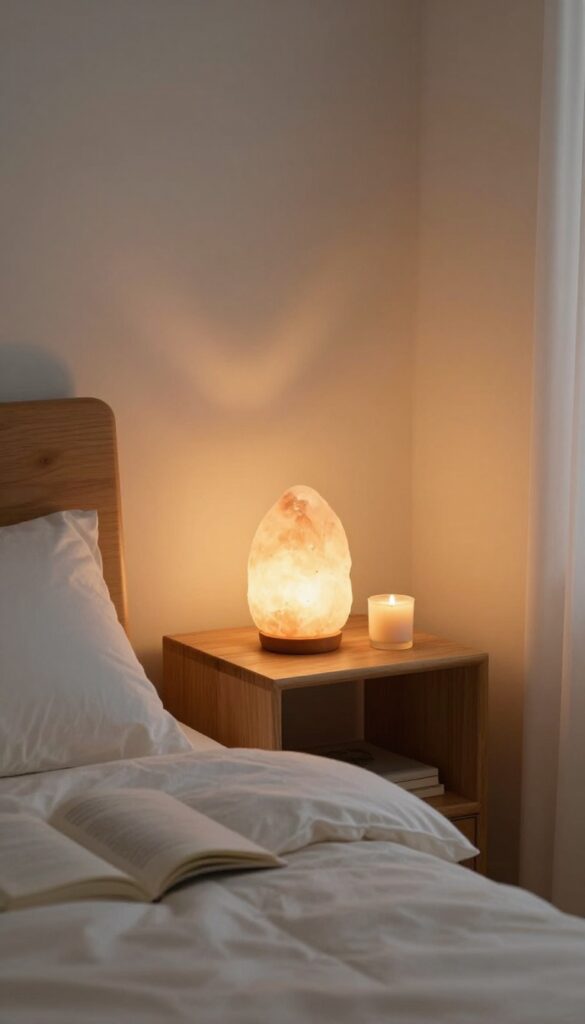
Light is a powerful cue for your brain. Bright overheads tell it to stay alert, while softer lighting signals that it's time to power down. By dimming the lights 60 minutes before bed, you give your body a gentle nudge to start producing melatonin—the hormone that helps you fall asleep.
This simple shift can make a huge difference in how quickly you drift off. Swap harsh ceiling lights for table lamps, floor lamps, or even a few candles. The goal is to create a warm, cozy glow that feels relaxing, not stimulating.
Your brain will start associating that dimness with sleep, making the transition easier night after night.
Why Light Matters
Exposure to bright light after sunset confuses your internal clock. It suppresses melatonin and keeps you wired. Dim lighting does the opposite—it tells your brain that the day is ending, helping you unwind naturally.
Easy Ways To Dim
You don't need fancy smart bulbs. Simply switch to lower-wattage bulbs in your bedroom lamps, use a dimmer switch, or rely on salt lamps and candles. Even turning off unnecessary lights in adjacent rooms helps create a darker, sleep-ready environment.
Make It A Ritual
Pair dimming with another calming activity, like reading or light stretching. Over time, the act of dimming the lights becomes a mental trigger that says, "Rest is coming. " Consistency is key—do it every night for the best results.
2. Write a Brain Dump in a Journal
Racing thoughts are the enemy of sleep. Instead of trying to force your brain to quiet down, give it a place to unload. A brain dump is exactly what it sounds like: you write down everything that's swirling around in your mind, from tomorrow's to-do list to that awkward thing you said three years ago.
This simple practice can reduce anxiety and help you drift off faster. It's not about writing beautifully or making sense—just get the thoughts out. Keep a notebook by your bed and spend 5 minutes scribbling before you turn off the light.
Keep It Simple
You don't need a fancy journal. Any notebook or even loose paper works. The act of writing is what matters.
Set a timer for 5 minutes and write nonstop. Don't edit or judge—just let it flow.
Focus On Worries And Tasks
Two common culprits keep us awake: unresolved worries and unfinished tasks. List them out. For worries, jot down what's bothering you.
For tasks, write a quick to-do list for tomorrow. Seeing it on paper can make it feel more manageable and less overwhelming.
Make It A Ritual
Pair your brain dump with another calming step, like sipping herbal tea or dimming the lights. Over time, your brain will associate this combo with winding down. Consistency is key—try to do it every night, even if you feel fine.
3. Sip a Warm, Caffeine-Free Drink

A warm drink before bed isn't just comforting—it's a ritual that tells your body it's time to slow down. The heat from the mug in your hands and the gentle steam rising can instantly shift your mood from busy to calm. Plus, certain ingredients like chamomile or lavender have natural properties that promote relaxation.
Choosing the right drink matters. Herbal teas like chamomile, lavender, or valerian root are classics for a reason—they contain compounds that ease tension and encourage sleepiness. A warm glass of milk is another option; it contains tryptophan, an amino acid that helps produce sleep-inducing serotonin.
Avoid anything with caffeine or sugar, which can keep you wired instead of winding you down.
Make It A Ritual
Don't just gulp it down. Take a few minutes to sit quietly with your drink, maybe in a cozy chair or by a dim lamp. Breathe in the aroma, feel the warmth, and let your mind settle.
This simple act can become a powerful cue that sleep is near.
Customize Your Blend
Experiment with different teas or add-ons. A splash of honey, a cinnamon stick, or a slice of lemon can make your nightly cup feel special. You can even create your own sleep tea blend by mixing dried herbs like chamomile, lemon balm, and rose petals.
4. Do a 5-Minute Gentle Stretch
After a long day, your body holds onto stress in ways you might not notice—tight shoulders, a stiff neck, or sore hips. A quick, gentle stretch routine releases that tension and signals your nervous system to shift into rest mode. You don't need to be flexible or know fancy poses; just a few minutes of slow movement can make a big difference.
Focus on areas where you tend to carry stress: neck, shoulders, and hips. Move slowly and breathe deeply, holding each stretch for 20–30 seconds. The goal isn't to push your limits—it's to let go.
Neck And Shoulder Release
Sit or stand comfortably. Gently tilt your head to one side, bringing your ear toward your shoulder. Hold for a few breaths, then switch sides.
Roll your shoulders forward and backward in slow circles. This loosens up the tension from hunching over screens all day.
Hip Opener
Lie on your back with knees bent. Cross one ankle over the opposite knee, then gently pull the bottom leg toward your chest. You'll feel a stretch in the outer hip.
Switch sides after 30 seconds. This is especially helpful if you sit for long periods.
Child's Pose
Kneel on your bed or a mat, sit back on your heels, and fold forward, extending your arms in front of you. Rest your forehead on the surface. Breathe deeply into your back and sides.
Stay here for a minute, letting your whole body relax.
5. Take a Warm Bath or Shower

There’s a reason a warm bath feels so soothing before bed. The heat helps your muscles relax, and the drop in body temperature afterward mimics the natural cooling that happens as you drift off. It’s a simple, effective way to signal your body that sleep is coming.
A warm bath or shower isn’t just about getting clean—it’s a ritual that prepares your body for rest. The key is timing: aim for about 20 minutes, 1-2 hours before bed. This gives your body enough time to cool down, which triggers sleepiness.
Add Epsom Salts For Muscle Relief
If your day involved a lot of sitting or standing, Epsom salts can help. The magnesium in them is absorbed through your skin and may reduce muscle tension. Just sprinkle a cup into warm water and soak.
Try Calming Essential Oils
Lavender, chamomile, or sandalwood essential oils can turn a regular bath into a spa-like experience. Add a few drops to the water or use a diffuser in the bathroom. The scent alone can help quiet a busy mind.
Keep The Lights Low
Bright bathroom lights can counteract the relaxing effect. Use a dimmer or light a candle instead. Soft, warm light helps maintain that sleepy feeling as you get ready for bed.
6. Listen to a Sleep Story or Calm Music

Your brain loves a good distraction—especially when it's trying to wind down. Instead of letting anxious thoughts run wild, give it something soothing to focus on. A sleep story or calm playlist can guide your mind away from stress and into relaxation mode.
Audio can be a powerful tool to quiet a busy mind. The key is choosing something that feels gentle and predictable, not stimulating. Whether it's a narrated story, ambient sounds, or soft instrumentals, the right audio signals your brain that it's safe to let go.
Choose A Sleep Story
Sleep stories are designed to be boring in the best way. They have a slow pace, soft narration, and a calming plot that lulls you to sleep. Look for stories with nature themes or simple, repetitive narratives.
Apps like Calm or Headspace have great options.
Try Instrumental Or Ambient Music
If stories aren't your thing, instrumental music works just as well. Piano, acoustic guitar, or ambient nature sounds can create a peaceful backdrop. Avoid songs with strong beats or lyrics—they can be too engaging.
Stick to playlists labeled 'sleep' or 'relaxation'.
Set A Timer
It's easy to get lost in a story or playlist, but you don't want it playing all night. Set a sleep timer so the audio fades out after 20-30 minutes. This prevents disruption later and saves battery.
Most apps have a built-in timer feature.
7. Practice Deep Breathing or Meditation
A few minutes of slow, deep breaths can quiet your nervous system and prepare your mind for sleep. This isn't about clearing your thoughts completely—it's about giving your brain a gentle anchor to focus on, so the racing stops naturally.
Deep breathing and meditation are two of the simplest tools for better sleep. They require no equipment, can be done in bed, and take just a few minutes. The key is consistency: even one minute of focused breathing signals your body that it's safe to rest.
The 4-7-8 Technique
Inhale through your nose for 4 seconds, hold for 7 seconds, then exhale slowly through your mouth for 8 seconds. Repeat four times. This pattern activates your parasympathetic nervous system, lowering heart rate and blood pressure.
Body Scan Meditation
Lie down and mentally scan from your toes to your scalp. Notice any tension without judgment, then imagine releasing it with each exhale. This practice shifts focus away from worries and into physical relaxation.
8. Apply a Calming Skincare Routine

Your evening skincare routine can be more than just cleansing—it's a chance to slow down and reset. The repetitive motions of applying products, from gentle cleanser to nourishing moisturizer, naturally calm your nervous system. By choosing scents like lavender or chamomile, you add an extra layer of relaxation that primes your body for sleep.
Make your skincare ritual a deliberate wind-down activity. Start by dimming the lights in your bathroom to create a soothing atmosphere. Use lukewarm water and a soft cloth to cleanse your face, focusing on slow, circular motions.
Follow with a toner or serum that contains calming ingredients like rosewater or aloe vera. Finish with a rich night cream, massaging it gently into your face and neck. This sequence not only cares for your skin but also signals to your brain that the day is over.
Choose Sleep-friendly Scents
Lavender and chamomile are classic sleep aids, but you can also try sandalwood or vanilla. Look for products labeled "calming" or "nighttime" that incorporate these essential oils. A scented moisturizer or face oil can turn a simple step into an aromatherapy session.
Turn It Into A Massage
Don't rush through the application. Use your fingertips to apply gentle pressure along your jawline, temples, and forehead. This helps release tension held in your facial muscles.
Even two minutes of mindful massage can make a difference.
Keep It Simple
You don't need a ten-step routine. A gentle cleanser and a calming moisturizer are enough. The key is consistency and intention—doing the same steps every night creates a powerful sleep cue.
9. Read a Physical Book (Not a Screen)
There's something special about the feel of paper pages and the soft rustle as you turn them. Reading a physical book before bed is a tried-and-true way to signal your brain that it's time to wind down. Unlike scrolling on a phone or tablet, a book doesn't blast your eyes with blue light that tricks your brain into thinking it's still daytime.
Instead, the gentle focus on a story or light nonfiction lets your mind drift away from daily worries and into a more relaxed state.
Make reading your last screen-free activity. Keep a book on your nightstand so it's easy to grab. Choose something enjoyable but not too thrilling—save the page-turners for daytime.
The goal is to ease into sleep, not stay up reading 'just one more chapter. '
Why Paper Beats Pixels
Blue light from screens suppresses melatonin, the hormone that helps you sleep. A physical book emits no blue light, so your body's natural sleep cycle stays on track. Plus, the tactile experience of holding a book and turning pages can be calming in itself.
What To Read Before Bed
Stick with fiction or light nonfiction—think memoirs, travel writing, or gentle history. Avoid anything too intense, like thrillers or dense textbooks. The aim is to relax, not to stay alert.
Even a familiar favorite can be a great choice.
Set A Reading Wind-down Timer
Decide on a reading time limit, like 20 to 30 minutes. When the timer goes off, close the book and let your mind settle. This prevents you from getting sucked into the story and losing sleep.
Over time, your brain will associate reading with bedtime.
10. Set Out Tomorrow's Essentials

Evening decision fatigue is real. After a long day, the last thing you need is to scramble for socks or wonder what to pack for lunch. Setting out tomorrow's essentials tonight removes that mental load and lets you drift off with a clearer head.
This simple habit can take less than five minutes but pays off all day. You'll wake up feeling organized and ready to go, not rushed and overwhelmed.
Lay Out Your Outfit
Pick your clothes for the next day, including shoes and accessories. This eliminates the morning scramble and helps you start the day with intention.
Prep Your Bag And Breakfast
Pack your work or gym bag, charge devices, and set out non-perishable breakfast items. Even a small step like filling the coffee maker makes a difference.
Write A Quick To-do List
Jot down the top three tasks for tomorrow. This clears your mind and prevents that middle-of-the-night 'did I forget something? ' panic.
11. Use Aromatherapy with Essential Oils
Scents have a direct line to the brain's limbic system, which controls emotions and memory. That's why a familiar fragrance can instantly calm or energize you. For sleep, certain essential oils are like a gentle nudge to your nervous system: "Time to power down.
"
Lavender is the classic choice, backed by studies showing it improves sleep quality. Cedarwood has a warm, woody scent that feels grounding. Bergamot is citrusy but surprisingly relaxing—it lowers cortisol levels.
You don't need a fancy setup. A diffuser fills the room evenly, a pillow spray targets your immediate space, or just a drop on your wrist works as a personal aromatherapy session.
Best Oils For Sleep
Lavender is the most researched for sleep. Cedarwood promotes a sense of security. Bergamot reduces anxiety.
Roman chamomile is gentle and soothing. Frankincense deepens breathing. Try blending a few drops of each for a personalized mix.
How To Use Them Safely
Always dilute essential oils with a carrier oil (like jojoba or coconut) before applying to skin. For diffusers, follow the manufacturer's instructions—usually 3-5 drops per 100ml of water. Start with a low amount; strong scents can be stimulating rather than calming.
Avoid synthetic fragrances, which may contain irritants.
Simple Diy Pillow Spray
Mix 10 drops of lavender, 5 drops of cedarwood, and 5 drops of bergamot in a small spray bottle with 2 tablespoons of witch hazel or vodka and ¼ cup distilled water. Shake well before each use. Lightly mist your pillow and sheets 15 minutes before bed.
12. Do a Gratitude or Reflection Practice

Ending your day with a gratitude practice can be a powerful way to shift your focus from worries to what went well. It's a simple mental reset that trains your brain to notice the positive, making it easier to drift off with a sense of peace. You don't need a journal or any special tools—just a few quiet moments to reflect.
This practice is about intentionally recalling good moments, no matter how small. It could be a kind word from a coworker, a delicious meal, or just the feeling of your cozy blanket. The key is to let yourself really feel the gratitude, not just list items.
This emotional shift can reduce anxiety and create a calm, content mindset ideal for sleep.
How To Start Your Gratitude Practice
Begin by sitting comfortably in bed with your eyes closed. Take a few deep breaths, then think of three things from your day that you're grateful for. They don't have to be big—a warm cup of tea or a funny conversation counts.
Say them silently or whisper them aloud. Let each one sink in for a few seconds.
Make It A Habit With A Journal
If you want to deepen the practice, keep a small notebook by your bed. Each night, jot down your three items. Writing engages your brain differently and creates a record you can look back on.
Over time, you'll notice patterns and feel more aware of life's small joys.
Try A Guided Reflection
Prefer some structure? Use a guided gratitude meditation app or a simple prompt like "What made me smile today? " or "Who helped me today?
" These cues make it easy to focus, especially when your mind is tired. Just five minutes can make a noticeable difference in your sleep quality.
13. Try Progressive Muscle Relaxation

If your body feels tight and wired at night, progressive muscle relaxation (PMR) can help you physically let go. This technique involves tensing and then releasing each muscle group, starting from your toes and working up to your head. It's a simple way to become aware of where you hold tension and systematically release it, preparing your body for deep sleep.
PMR is easy to do in bed and takes only 5–10 minutes. The key is to tense each muscle group for about 5 seconds, then relax for 10–15 seconds, noticing the contrast. This practice not only relaxes your muscles but also calms your mind by giving it a simple, repetitive focus.
How To Do It Step By Step
Start by lying on your back in a comfortable position. Take a few deep breaths, then tense your toes and feet as tightly as you can for 5 seconds. Release and feel the relaxation for 10–15 seconds.
Move to your calves, thighs, glutes, stomach, chest, hands, arms, shoulders, neck, and face. Breathe slowly throughout.
Why It Works For Sleep
The physical release triggers a relaxation response in your nervous system, shifting you from fight-or-flight to rest-and-digest. It also distracts your mind from racing thoughts, making it easier to drift off. Many people find they fall asleep faster and wake up less during the night.
Tips For Best Results
Do PMR after your other wind-down activities, like reading or dimming the lights. Pair it with slow, deep breathing. If you have an injury or pain, skip that area or tense very gently.
Consistency helps—try it nightly for a week to see the full benefit.
14. Put Your Phone on Do Not Disturb
Your phone is probably the single biggest sleep thief in your bedroom. Even if you don't pick it up, a single buzz or glow can yank you out of a relaxed state. The fix is simple: silence everything and move the device out of arm's reach.
Why Notifications Wreck Sleep
Every ping and flash triggers a tiny cortisol spike, keeping your brain alert. Even on vibrate, the sound or sensation can interrupt your transition into deep sleep. The goal is to create a completely interruption-free zone.
How To Set It Up Right
Enable Do Not Disturb mode at least 30 minutes before bed. Better yet, set it to activate automatically at your target bedtime. Then physically place the phone across the room or in another room entirely.
What About Emergencies?
Most phones let you allow calls from favorites or repeated callers. Set that up once, and you won't worry about missing urgent calls. Everyone else can wait until morning.
15. Create a Consistent Sleep Schedule

Your body craves routine, especially when it comes to sleep. Going to bed and waking up at the same time every day—yes, even weekends—helps regulate your internal clock. This consistency makes falling asleep easier and waking up more refreshing.
A regular sleep schedule is the cornerstone of good sleep hygiene. When you stick to the same bedtime and wake time, your body learns when to release melatonin and when to ramp up cortisol for waking. This natural rhythm improves sleep quality and makes you feel more alert during the day.
Start by picking a realistic bedtime and wake time, then commit to them for at least two weeks. Use an alarm for both sleeping and waking if needed. Over time, it becomes second nature.
Why It Works
Your body's internal clock, or circadian rhythm, thrives on predictability. When you keep a consistent schedule, your brain knows exactly when to start winding down and when to wake up. This leads to faster sleep onset, fewer night wakings, and more restorative deep sleep.
How To Start
Pick a bedtime that allows for 7-9 hours of sleep. Set a nightly alarm as a reminder to start your wind-down routine. Gradually adjust your schedule by 15 minutes each day until you reach your goal.
Be patient—it takes time for your body to adapt.
Handling Weekends
It's tempting to sleep in on weekends, but even a one-hour shift can disrupt your rhythm. Try to keep your wake time within 30 minutes of your weekday schedule. If you need extra rest, take a short nap early in the afternoon instead.
FAQ
How long should a bedtime routine be?
Even 10–15 minutes can make a difference. The key is consistency, not length. Start with one or two activities and build from there.
Can I combine multiple ideas in one night?
Absolutely. Many of these pair well together—like dimming lights while sipping tea and journaling. Just avoid overstimulation.
What if I can't fall asleep after my routine?
Don't force it. Get up, do something quiet like reading or stretching, and return to bed when you feel sleepy. Avoid screens.
Are these ideas suitable for kids or teens?
Yes, with adjustments. Shorter routines, kid-friendly scents, and age-appropriate books work well. The principles are the same.
How soon will I see improvements in my sleep?
Some people notice a difference in a few days. For lasting change, stick with your routine for at least two weeks to let your body adapt.
Conclusion
Better sleep doesn't require a total life overhaul—just a few intentional choices before bed. Pick one or two of these ideas that feel doable tonight, like a warm bath or a few minutes of journaling.
Small, consistent steps are what build lasting rest. Start where you are, and let your body ease into the rhythm of true recovery.