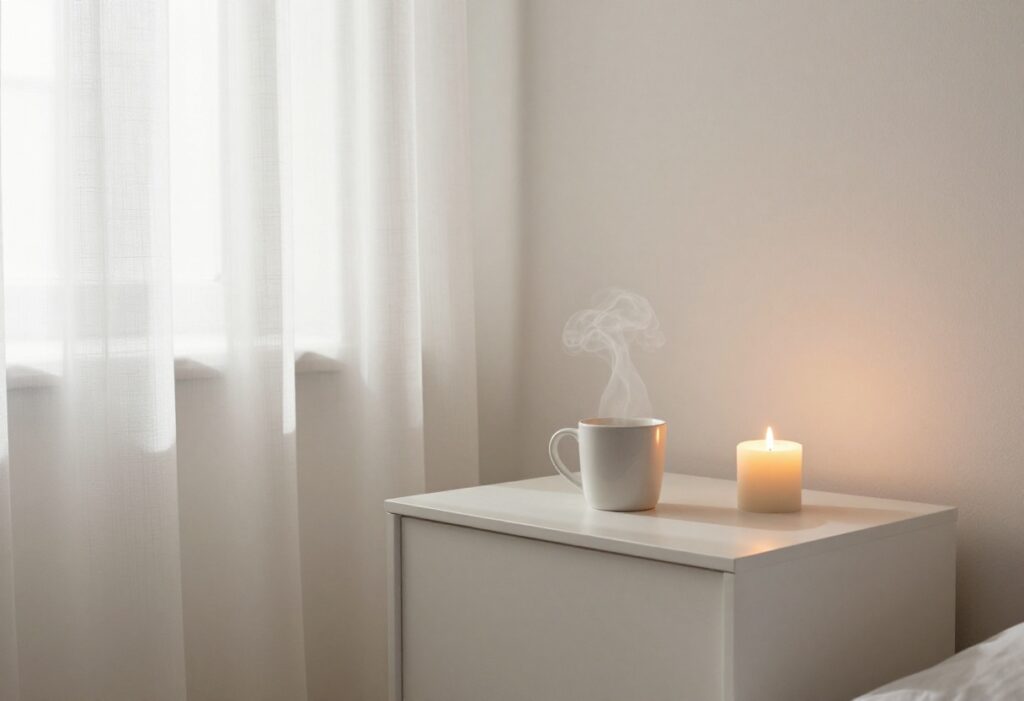
Imagine waking up each day feeling centered, not rushed. That's the power of weaving small, peaceful habits into your routine. You don't need a spa day or a week off—just a handful of intentional moments that add up to a calmer, happier you.
These 23 habits are designed to fit into any schedule. They're gentle, practical, and rooted in everyday actions that nurture your mind, body, and spirit. No drastic overhauls, just simple shifts that make a real difference.
Pick a few that resonate, try them for a week, and notice how your days start to feel lighter. Peace isn't a destination—it's a practice you can start right now.
1. Wake Up Without Your Phone

That first reach for your phone sets the tone for the whole day. Scrolling through notifications, emails, and social media floods your brain with stress before your feet even hit the floor. Instead, give yourself a gift of ten quiet minutes.
Let your mind ease into the morning naturally, without the digital noise.
The moment you wake up, your brain is in a calm, receptive state. Checking your phone immediately hijacks that peace, pulling you into other people's demands and the world's chaos. By delaying that habit, you protect your mental space and start the day on your own terms.
Why It Matters
Your morning mindset influences your entire day. A calm start reduces anxiety, improves focus, and helps you feel more in control. Studies show that avoiding screens first thing can lower stress levels and boost overall well-being.
How To Make It Stick
Keep your phone in another room overnight, or at least out of arm's reach. Use a traditional alarm clock if needed. When you wake up, sit up, take a few deep breaths, or simply look out the window.
Let your thoughts wander for a few minutes before you engage with the world.
What To Do Instead
Use those ten minutes for something gentle: stretch in bed, sip a glass of water, write down one thing you're grateful for, or just lie still and listen to the sounds around you. These small actions signal to your brain that you are safe and in charge of your morning.
2. Stretch for Five Minutes
Your body holds onto tension from sleep, stress, and yesterday's posture. A quick morning stretch doesn't just loosen muscles—it signals your nervous system that it's safe to relax. Five minutes is all you need to wake up gently and start the day with less stiffness.
Focus on areas that tend to tighten overnight: neck, shoulders, and lower back. Move slowly and breathe deeply. This isn't about flexibility—it's about releasing what you don't need to carry into your day.
Neck And Shoulder Release
Sit or stand comfortably. Gently roll your shoulders backward five times, then forward five times. Tilt your head to one side, hold for three breaths, then switch.
This simple sequence eases tension from screen time and poor sleep positions.
Spinal Twist For Back Relief
Lie on your back with knees bent. Let both knees fall to one side while keeping shoulders flat. Hold for four slow breaths, then switch sides.
This twist gently mobilizes your spine and releases lower back tightness.
Forward Fold To Reset
Stand with feet hip-width apart. Hinge at your hips and let your head hang heavy. Bend your knees slightly if needed.
Stay for five deep breaths. This inversion calms the mind and stretches the entire back body.
3. Drink a Full Glass of Water
Before you do anything else—even before coffee—drink a full glass of water. Your body goes hours without hydration while you sleep, and that first sip is like a gentle wake-up call for every cell. Adding a squeeze of lemon gives it a bright, refreshing twist that makes the habit feel like a small luxury.
This simple act does more than quench thirst. It jumpstarts your metabolism, helps flush out toxins, and can even improve your skin and energy levels. Best of all, it takes less than a minute and costs nothing.
Why Water First Works
When you wake up, your body is slightly dehydrated after hours without fluid. Drinking water right away helps restore balance, gets your digestive system moving, and boosts alertness without caffeine. It's the easiest way to set a healthy tone for the day.
Make It A Ritual
Keep a glass or water bottle on your nightstand so you see it first thing. Or place it next to your toothbrush as a visual cue. To make it feel special, try adding a slice of lemon, a splash of cucumber, or a few mint leaves.
The small upgrade can turn a chore into a moment you look forward to.
How Much Is Enough?
A standard glass (8–12 ounces) is a great start. If you want to go further, aim for 16–20 ounces within the first 30 minutes of waking. Listen to your body—some people feel best with a little, others with a lot.
The key is consistency, not volume.
4. Write Down One Intention
Starting your day with a clear intention is like setting a gentle compass for your thoughts and actions. It doesn't have to be grand—just one simple phrase that guides how you want to show up. This small act shifts your focus from what you need to do to how you want to be.
Each morning, grab a notebook or a sticky note and write one intention. Keep it short and positive, like 'I will be patient' or 'I will find joy in small things. ' Place it somewhere you'll see it throughout the day—on your mirror, desk, or phone lock screen. Let it be a quiet anchor when distractions or stress arise.
Why One Is Enough
Setting multiple intentions can feel overwhelming and dilute your focus. One clear, simple intention is easier to remember and carry with you. It becomes a touchstone you can return to again and again.
Make It Personal
Your intention should reflect what you need most that day. Maybe it's 'I will speak kindly to myself' or 'I will embrace imperfection. ' Tune into your current mood and choose a word or phrase that feels supportive, not critical.
Revisit Throughout The Day
Check in with your intention at lunch or during a break. Ask yourself: 'Am I living this intention right now? ' If not, gently bring your focus back. No judgment—just a soft reminder to realign.
5. Enjoy a Screen-Free Breakfast

Your morning meal is a perfect chance to practice mindfulness without adding anything to your to-do list. By leaving your phone in another room and focusing only on your food, you turn a routine act into a calming ritual. This small shift helps you start the day feeling grounded rather than scattered.
Eating without screens lets you fully experience your breakfast—the warmth of your coffee, the crunch of toast, the sweetness of fruit. It also gives your brain a break from the constant input of notifications and news. Over time, this simple habit can reduce morning anxiety and improve your relationship with food.
Why It Works
When you eat while scrolling, your brain is split between two tasks. That makes you eat faster, enjoy less, and often miss fullness cues. A screen-free meal forces you to slow down, which aids digestion and helps you feel satisfied with smaller portions.
How To Make It Stick
Start small—commit to just the first five minutes of breakfast without your phone. Leave it in another room or turn it off. If you usually listen to podcasts or watch videos, try silence or soft background music instead.
Pair this habit with a cozy spot at your table or a window view.
6. Take a Short Walk Outside
Stepping outside for a few minutes can reset your entire mindset. Fresh air, natural light, and a change of scenery work together to lower stress and lift your spirits. You don't need a long hike—just a short walk around the block can do wonders.
Even 10 minutes in nature can lower stress and boost your mood. Leave your headphones behind and listen to the birds. Notice the way the light filters through the leaves or the feel of the breeze on your skin.
This simple act of being present outdoors can quiet a busy mind and bring a sense of calm.
Why It Works
Nature has a calming effect on our nervous system. Studies show that spending time in green spaces reduces cortisol levels and improves focus. The combination of gentle movement, fresh air, and sensory engagement helps break the cycle of stress and worry.
How To Make It A Habit
Keep it easy by pairing your walk with an existing routine. Try a quick stroll after lunch or right after work. No need for special gear—just step out the door.
If the weather is bad, walking in a park or even a quiet street with trees still counts.
What To Notice
Leave your phone in your pocket. Focus on what you see, hear, and feel. Look for birds, flowers, or interesting clouds.
Listen for rustling leaves or distant laughter. This mindful attention turns a simple walk into a mini meditation.
7. Practice Deep Breathing for Two Minutes
Sometimes the quickest way to find peace is to simply pause and breathe. Deep breathing is a powerful tool that works anywhere—at your desk, in traffic, or before a stressful conversation. It doesn't require any equipment or special skills, just a few seconds of your attention.
When you breathe deeply, you send a signal to your brain to calm down. Your heart rate slows, muscles relax, and your mind becomes clearer. This simple act can break the cycle of anxiety and help you feel grounded again.
How It Works
Deep breathing activates the parasympathetic nervous system, which is responsible for rest and digestion. By inhaling deeply, holding, and exhaling slowly, you shift from 'fight or flight' to 'rest and digest. ' This brings immediate calm and reduces stress hormones.
Simple Steps To Follow
Find a comfortable seat or stand with your feet flat. Close your eyes if it helps. Inhale through your nose for a count of four.
Hold that breath for four counts. Then exhale slowly through your mouth for four counts. Repeat this cycle for two minutes.
When To Practice
You can do this first thing in the morning to set a calm tone, during a midday break to reset, or before bed to unwind. It's also great in moments of sudden stress—like before a meeting or after receiving upsetting news.
8. Declutter One Small Area
Physical clutter often translates into mental clutter. You don't need to tackle your whole house—just one tiny spot can make a surprising difference. Choose a surface, a drawer, or a corner that's been bothering you, and spend five minutes clearing it.
That small win can shift your whole mood.
Tidying a small area is a quick, tangible act of self-care. It gives you a sense of control and accomplishment, which can calm an anxious mind. Plus, a clean space invites you to breathe easier and focus better.
Why Small Wins Work
Decluttering a single drawer or shelf feels manageable, not overwhelming. That tiny success releases a little dopamine, making you feel good and motivated to keep going. It's a gentle way to start building a calmer environment.
Where To Start
Pick a spot you see every day—your desk, a nightstand, or the kitchen counter. Clear off everything, wipe it down, and only put back what you truly need or love. Notice how much lighter that area feels.
Make It A Ritual
Try doing this at the same time each day, like after dinner or before bed. Set a timer for five minutes and focus on just one spot. Over time, these small efforts add up to a home that feels more peaceful and organized.
9. Listen to Calming Music
Music has a direct line to your mood. While upbeat tracks can energize, they can also keep your nervous system humming along at a higher gear. Swapping them for instrumental or nature sounds during work or chores gives your mind a chance to settle.
You don't need to sit still and listen. Just let it play in the background while you go about your day. The effect is subtle but real—your breathing slows, your shoulders drop, and your thoughts become less sticky.
Think of it as a gentle soundtrack for your nervous system. Over time, your brain starts associating those sounds with calm, making it easier to slip into a peaceful state whenever you press play.
Calming music isn't just background noise—it's an active tool for shifting your mental state. Instrumental genres like classical, ambient, lo-fi, or acoustic guitar work well because they lack lyrics that can distract or trigger emotional responses. Nature sounds—rain, ocean waves, birdsong—can also be effective, especially if you're feeling overstimulated.
Start by creating a short playlist of 5–10 tracks you find genuinely soothing. Keep it handy for moments when you need to focus or unwind. You might be surprised how much a change in audio scenery can reset your mood.
Pick Your Calm Genre
Not all calming music sounds the same. Classical piano might work for one person, while ambient drones or lo-fi beats suit another. Experiment with different genres to find what genuinely relaxes you.
Streaming services have curated playlists like "Peaceful Piano" or "Nature Sounds" to get you started.
Create A Playlist For Different Moments
A morning playlist might feature gentle acoustic guitar, while an afternoon focus session calls for ambient electronica. Evening wind-down could be rain sounds or soft cello. Having a few go-to playlists means you can match the music to your current need without scrolling.
Use Music As A Transition Tool
Play a calming track when you finish work, before a difficult conversation, or as you start a chore. The music signals to your brain that it's time to shift gears. Over time, the mere act of pressing play becomes a cue for calm.
10. Do a Single Task with Full Attention

In a world that glorifies multitasking, doing one thing at a time feels almost rebellious. But this simple act can be deeply calming. When you give a single task your full focus, you stop your mind from racing and anchor yourself in the present moment.
It's a mini meditation that doesn't require a cushion or a timer—just your willingness to slow down.
The next time you wash dishes, fold laundry, or even brush your teeth, try doing it with complete attention. Notice the temperature of the water, the texture of the fabric, the movement of your hands. If your mind wanders, gently bring it back to the task.
This practice trains your brain to stay present and reduces anxiety by breaking the cycle of constant thinking.
Pick One Routine Task
Choose a chore you normally rush through. It could be washing dishes, folding laundry, or sweeping the floor. Commit to doing just that one task with full awareness for the duration.
Set a timer for five minutes if it helps.
Engage All Your Senses
As you perform the task, notice what you see, hear, feel, and even smell. For example, when washing dishes, feel the warmth of the water, see the bubbles, hear the clink of plates. This sensory focus keeps you grounded.
Let Go Of The Rush
Resist the urge to speed through or multitask. Remind yourself that this is your peaceful moment. If you finish early, simply stand still and take a breath before moving on.
The goal is presence, not productivity.
11. Sip Herbal Tea Mindfully
There's something almost magical about wrapping your hands around a warm mug and taking a slow sip. Herbal tea isn't just a drink—it's a mini ritual that invites you to pause, breathe, and be present. The simple act of holding the warmth, inhaling the aroma, and tasting each sip can ground you in the here and now.
Choose a caffeine-free herbal tea like chamomile, peppermint, or lavender. As you brew it, notice the color changing and the steam rising. When you take that first sip, let it linger.
Feel the warmth travel down your throat. This isn't about finishing the cup quickly—it's about savoring every moment.
Set The Scene
Create a cozy corner for your tea ritual. A comfortable chair, soft lighting, and maybe a small plant or candle can make the experience feel special. Turn off distractions—no phone, no TV.
Just you and your tea.
Engage Your Senses
Before sipping, bring the mug close to your nose and inhale deeply. Notice the scent notes—earthy, floral, minty. Then take a small sip and let it coat your tongue.
Pay attention to the temperature, texture, and taste. This sensory focus anchors you in the moment.
Breathe Between Sips
Place the mug down between sips. Take a slow breath in, then exhale gently. Use this pause to check in with yourself.
How are you feeling? What's on your mind? Let the tea be a gentle reminder to slow down.
12. Write Down Three Things You're Grateful For
Gratitude is like a muscle—the more you use it, the stronger it gets. Taking a moment each day to note what you're thankful for rewires your brain to notice the good, even on tough days. It's a simple act that can shift your entire outlook.
Keep a small notebook by your bed or in your bag. Each evening, jot down three things that went well or made you smile. They don't have to be big—a warm cup of coffee, a kind text from a friend, or a beautiful sunset all count.
Over time, this practice trains your mind to scan for positives, making peace a natural part of your day.
Why Three Is The Magic Number
Three is specific enough to make you think, but not so many that it feels like a chore. It forces you to dig a little deeper, moving past the obvious to find hidden gems. This small challenge keeps the practice fresh and meaningful.
Make It A Ritual
Pair your gratitude list with another habit, like brushing your teeth or drinking your evening tea. The consistency turns it into an automatic pause for reflection. Soon, you'll find yourself looking forward to this quiet moment of appreciation.
Go Beyond The Surface
Once you're comfortable, try adding a 'why' to each item. Instead of just 'my partner, ' write 'my partner for making me laugh after a long day. ' This deepens the emotional impact and helps you savor the memory.
13. Stretch Again Midday
By midday, your body has been sitting, typing, and holding tension for hours. A few gentle stretches can reset your posture, ease stiffness, and bring your mind back to the present. This isn't a full workout—just a two-minute pause to roll out the kinks and breathe.
You don't need a yoga mat or special clothes. Stand up, roll your shoulders back and down, then slowly tilt your head side to side. Twist your torso gently, letting your arms swing.
Finally, shake out your hands and wrists like you're flicking off water. That's it—your body will thank you.
Why Midday Stretching Matters
Sitting for long periods tightens your hips, shoulders, and neck. A quick stretch session improves circulation, reduces muscle fatigue, and can even boost focus for the rest of the afternoon. It's a small investment with big returns.
Simple Moves To Try
Start with shoulder rolls—lift them up, back, and down in slow circles. Then, clasp your hands behind your back and straighten your arms to open your chest. Finish with a seated spinal twist: place one hand on the opposite knee and gently rotate your torso.
Hold each stretch for 15–30 seconds.
Make It A Habit
Set a phone alarm for a random time between 11 a. m. and 2 p. m. When it goes off, stand up and stretch for two minutes. Pair it with a glass of water, and soon your body will crave this midday reset.
14. Step Away from Screens for 15 Minutes

Your eyes and brain need breaks from constant screen time. Even a short pause can reset your focus and lower stress. It's a simple habit that makes a big difference in how peaceful you feel.
Set a timer if you need to, but aim for 15 minutes without looking at any screen. Use that time to look out the window, walk around your room, or just sit quietly. Let your mind wander without any digital input.
You might be surprised how refreshed you feel afterward.
Why It Works
Screens keep your brain in a state of constant alertness. Stepping away lowers cortisol and gives your eyes a chance to relax. Even a short break can reduce eye strain and mental fatigue.
What To Do Instead
Stare out the window and watch the clouds. Take a short walk without your phone. Sit in a quiet spot and just breathe.
The goal is to be present without any digital distractions.
Make It A Habit
Pick a consistent time each day, like after lunch or before bed. Set a gentle alarm as a reminder. Over time, this break will become a natural part of your routine.
15. Connect with a Loved One
A quick check-in with someone you care about can shift your whole mood. It doesn't have to be a long conversation—just a few genuine words can make both of you feel seen and supported. Social connection is a pillar of emotional well-being, and it's one of the simplest ways to invite peace into your day.
Set a daily reminder to reach out to one person. It could be a partner, a friend, or a family member you haven't talked to in a while. Keep it low-pressure: a funny meme, a quick voice note, or a simple "thinking of you" can be enough.
The goal isn't to catch up on everything—it's to share a moment of warmth.
Why It Matters
Loneliness can quietly drain your energy, even when you're busy. Regular, small acts of connection keep your relationships alive and remind you that you're not alone. They also release oxytocin, the bonding hormone, which naturally lowers stress.
Make It Easy
Keep a short list of people you want to stay in touch with. When you have a spare minute, pick one and send a message. You can also pair this habit with something you already do, like texting a friend while you sip your morning coffee.
Quality Over Quantity
A single thoughtful message is worth more than a dozen generic ones. Ask a question that shows you remember something about their life: "How did that presentation go? " or "Did you ever try that recipe?
" It deepens the bond without much effort.
16. Eat a Nourishing Snack
When the afternoon slump hits, it's tempting to grab whatever is fastest—chips, cookies, or a sugary drink. But what you choose in those moments can either lift you up or leave you feeling worse. A nourishing snack is a small act of self-care that fuels your body with intention.
Think of your snack as a mini reset. It's not about restriction; it's about choosing something that genuinely supports your energy and mood. Whole, unprocessed foods like fruit, nuts, or yogurt provide steady fuel without the crash.
This habit is about listening to your body and giving it what it needs, not just what's convenient.
Keep It Simple
You don't need elaborate recipes. An apple with almond butter, a handful of walnuts, or a plain Greek yogurt with berries works perfectly. Prep these options in advance so they're ready when hunger strikes.
Eat Mindfully
Instead of scarfing down your snack while working or scrolling, take a few minutes to sit and enjoy it. Notice the textures and flavors. This small pause can turn a routine bite into a peaceful ritual.
17. Do a Gentle Yoga Flow
Yoga doesn't have to mean hour-long classes or pretzel poses. A gentle flow—just five minutes of simple stretches—can melt away the day's tension and bring you back to center. Think of it as a moving meditation that loosens tight muscles and calms a busy mind.
Starting or ending your day with a short yoga sequence is a powerful way to invite peace into your routine. You don't need any special equipment, just a small space and a willingness to breathe and move slowly. The key is to focus on how each pose feels rather than how it looks.
Why Gentle Yoga Works
Gentle yoga targets the areas where we hold stress: neck, shoulders, hips, and lower back. Poses like cat-cow gently mobilize the spine, while forward folds encourage the nervous system to shift from fight-or-flight to rest-and-digest. Even a few minutes can lower cortisol and improve your mood.
A Simple 5-minute Sequence
Start in tabletop position: inhale as you drop your belly and lift your gaze (cow pose), exhale as you round your spine and tuck your chin (cat pose). Repeat five times. Then, sit back on your heels into child's pose, stretching your arms forward or resting them by your sides.
Stay for five deep breaths. Finally, stand and fold forward, letting your head hang heavy. Bend your knees slightly if needed.
Hold for five breaths, then slowly roll up.
Tips For Making It A Habit
Pair your yoga flow with an existing habit, like right after brushing your teeth or before your morning coffee. Keep a yoga mat or a towel in a visible spot as a reminder. If you miss a day, don't stress—just start again tomorrow.
Consistency matters more than perfection.
18. Read a Few Pages of a Book
Reading is one of the simplest ways to slow down and reset. Just a few pages can transport you to another world or teach you something new, all while lowering your stress levels. It’s a peaceful escape that fits into any part of your day.
Choose A Book That Excites You
Pick something that genuinely interests you—fiction, non-fiction, poetry, or even a magazine. The goal is to look forward to reading, not to force it. Keep it on your nightstand or in your bag so it’s always within reach.
Set A Small, Achievable Goal
You don’t need to read a chapter. Aim for just 5 to 10 pages a day. That’s enough to unwind without feeling like a chore.
Over time, those pages add up to entire books.
Create A Cozy Reading Spot
Find a comfortable corner with good light and minimal distractions. Add a soft blanket or a warm drink. This little ritual signals to your brain that it’s time to relax and focus on something enjoyable.
19. Take a Warm Bath or Shower

There's a reason warm water feels so comforting. It helps relax your muscles, calm your nervous system, and signal to your brain that it's time to unwind. Turning your bath or shower into a mini ritual can make it even more effective.
Let warm water wash away the day's stress. Add Epsom salts or a few drops of lavender oil for extra relaxation. Keep the water warm—not hot—to avoid drying out your skin.
Stay for at least ten minutes, and let your mind drift.
Set The Mood
Dim the lights, light a candle, or play soft music. These small cues tell your brain this is rest time, not just a quick rinse.
Add Something Soothing
Epsom salts ease sore muscles, while lavender or chamomile essential oils promote calm. A few drops in the bath or on a washcloth in the shower work wonders.
Breathe And Let Go
As the water runs over you, take slow, deep breaths. Imagine the warmth melting tension from your shoulders and neck. Let the day's worries drain away with the water.
20. Write a Brain Dump
Your mind is like a browser with dozens of tabs open—work deadlines, grocery lists, random worries. No wonder you feel scattered. Writing a brain dump is a simple way to close those mental tabs and create space for peace.
Just grab a notebook or a blank page and write whatever comes to mind. No structure, no editing, no judgment. This isn't about creating art—it's about getting the noise out so you can breathe easier.
A brain dump is exactly what it sounds like: you pour everything from your head onto paper. It's a release valve for mental clutter. When you see your thoughts written down, they feel more manageable.
You might notice patterns or realize some worries aren't as big as they seemed. This habit takes just five to ten minutes but can leave you feeling lighter and more focused for the rest of the day.
Why It Works
Your brain has limited working memory. When it's overloaded, stress rises and clarity drops. Writing things down offloads that mental burden.
It's like clearing a cluttered desk—you can actually see what's important. Plus, the act of writing slows your thoughts down, which can calm anxiety and help you feel more in control.
How To Start
Set a timer for five minutes. Write whatever pops into your head—worries, ideas, to-dos, random thoughts. Don't worry about spelling or neatness.
If you get stuck, write "I don't know what to write" until something else comes. The goal is flow, not perfection. You can do this first thing in the morning, during a break, or before bed to clear your mind for sleep.
Make It A Ritual
Keep a dedicated notebook or use a notes app. Pair it with something soothing, like a cup of tea or soft music. Over time, your brain will start to associate this habit with relief.
You might even look back at old dumps and see how your worries evolved or resolved. It's a gentle way to track your inner world without overthinking it.
21. Dim the Lights an Hour Before Bed
Bright light at night tricks your brain into thinking it's still daytime. By dimming the lights an hour before bed, you give your body a clear signal that it's time to wind down. This simple shift can improve your sleep quality more than you'd expect.
Switching from overhead lights to softer lamps creates a cozy atmosphere that encourages relaxation. Your eyes and brain respond to the reduced brightness by ramping up melatonin production, the hormone that helps you fall asleep naturally. Try using warm-toned bulbs or candles for an extra calming effect.
Why It Works
Our circadian rhythm is sensitive to light, especially blue light from screens and bright bulbs. Dim lighting mimics sunset, telling your body it's time to rest. Even a small reduction in light intensity can make a difference.
Easy Ways To Start
Set a timer to dim the lights at the same time each night. Use table lamps or floor lamps instead of the main ceiling light. You can also install dimmer switches or use smart bulbs that adjust automatically.
What To Do In The Dim Light
Use this time for calming activities like reading a physical book, gentle stretching, or journaling. Avoid screens or keep them on night mode with low brightness. The goal is to let your mind and body settle into rest mode.
22. Do a Body Scan Meditation
Your body holds tension in places you don't even notice—your jaw, your shoulders, your hips. A body scan meditation helps you find those hidden knots and gently let them go. It's a simple way to reconnect with yourself after a long day.
Lie down on your bed or a yoga mat. Close your eyes and take a few deep breaths. Then, slowly bring your attention to your toes.
Notice any sensations—warmth, tingling, or maybe nothing at all. Don't try to change anything, just observe. After a few seconds, move your focus to your feet, then your ankles, calves, and so on, traveling all the way up to the crown of your head.
If your mind wanders, that's okay—just guide it back to the body part you were scanning. Spend about 10 to 20 minutes on this practice. You'll likely feel more relaxed and aware of where you hold stress.
How To Start
Find a quiet spot where you won't be interrupted. Set a timer for 10 minutes so you don't have to keep checking the clock. Lie down comfortably, arms at your sides, and take three deep breaths to settle in.
What To Notice
As you scan, pay attention to temperature, pressure, tightness, or any other physical sensations. Don't label them as good or bad—just notice. If you find a tense area, imagine your breath flowing into that spot and softening it.
When To Do It
Evening is ideal because it helps release the day's stress and prepares you for sleep. But you can also do a quick 5-minute scan during a lunch break or whenever you feel overwhelmed.
23. End the Day with a Positive Thought

How you finish your day matters just as much as how you start it. A peaceful bedtime ritual can transform your sleep quality and set you up for a calm tomorrow. One simple practice: before you close your eyes, recall one good moment from the day.
Let that positive feeling be the last thing on your mind. It could be a warm conversation, a delicious meal, or a small win at work. This habit trains your brain to focus on gratitude rather than worries, making it easier to drift off peacefully.
Why It Works
Your brain tends to replay negative events more vividly than positive ones. By intentionally choosing a happy memory, you're rewiring your mind to end the day on a high note. This reduces stress hormones and promotes restful sleep.
How To Make It A Habit
Keep a small notebook by your bed. Each night, jot down one good thing that happened. If you're too tired to write, just whisper it to yourself.
Consistency is more important than the length of your reflection.
What If It's A Tough Day?
Even on hard days, there's usually a tiny bright spot—a kind gesture, a beautiful sunset, or a moment of laughter. If you truly can't find one, imagine a positive scenario for tomorrow. The act of seeking goodness is itself a gift.
FAQ
How many of these habits should I try at once?
Start with 2-3 that feel easiest. Once they become automatic, add more. The goal is consistency, not perfection.
Can I do these habits at any time of day?
Absolutely. While some are naturally morning or evening, most can be adapted to your schedule. The key is to find what works for you.
What if I miss a day?
That's okay. Self-care isn't about being perfect. Just pick up where you left off the next day without guilt.
Do I need any special equipment?
No. Most habits require nothing more than your attention. A journal, water, and comfortable clothes are helpful but not required.
How long until I feel a difference?
Many people notice a shift in their mood and stress levels within a few days. Lasting change builds over weeks of consistent practice.
Conclusion
These 23 habits aren't about adding more to your plate—they're about infusing your day with small moments of peace. You don't need to do them all; even a few can transform how you feel.
Start where you are, be gentle with yourself, and let these practices become a natural part of your routine. Over time, you'll find that peace isn't something you chase—it's something you create, one habit at a time.

Dr. Pallab Kishore, MS in Orthodontics and owner of Orthodontic Braces Care, shares expert tips on braces, aligners, and oral health from 10+ years of experience.