Weekends often slip away in a blur of chores and errands, leaving you more tired than when Friday ended. You deserve a break that actually feels like a break—one that restores your energy and brings a sense of calm to your space.
These 17 mindful self-care ideas are designed to help you reset your home and your mind without adding pressure or expense. Each one tackles a common problem, from feeling overwhelmed by clutter to struggling to unwind.
Pick a few that resonate, and give yourself permission to slow down. A little intentionality can turn an ordinary weekend into a mini retreat.
1. Declutter One Small Zone
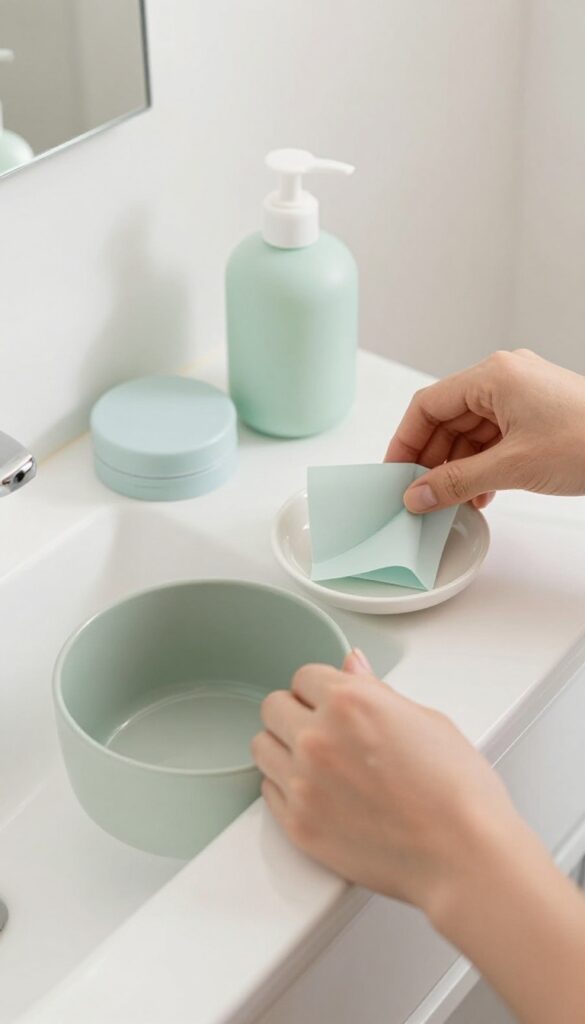
You don't have to Marie Kondo your entire house to feel lighter. Picking one tiny area—a junk drawer, a bathroom counter, or a bookshelf—makes the task manageable and gives you a quick sense of accomplishment. That small win often sparks motivation to keep going, or it can simply be your whole weekend win.
Start by choosing a spot that's been bugging you. It could be the pile of mail on the entryway table or the messy spice rack. Set a timer for 15 minutes and sort everything into three piles: keep, toss, and relocate.
Once the timer goes off, stop or continue if you're on a roll. The goal is progress, not perfection.
Why Small Zones Work
Big decluttering projects feel overwhelming, which often leads to procrastination. A single drawer or shelf is low-pressure and easy to finish in one sitting. The visual payoff is immediate, and that dopamine hit makes you more likely to maintain the habit.
How To Pick Your Zone
Look for a spot that's small but high-traffic—like a nightstand, a kitchen counter, or a coat closet shelf. Avoid areas that require heavy decision-making, like sentimental keepsakes. Stick to zones where you can quickly decide what to keep and what to toss.
What To Do With The Toss Pile
Have a trash bag and a donate box ready. Recycle papers, toss expired items, and bag anything gently used for donation. If you can, drop the donate box in your car right away so it's out of sight.
This prevents the clutter from migrating back into your home.
2. Create a Cozy Reading Nook
A dedicated reading nook doesn't require a spare room or a big budget. Find a quiet corner—maybe by a window or in an unused chair—and layer in soft textures. A plush throw, a couple of pillows, and warm lighting instantly transform the spot into a sanctuary.
The goal is to make it so inviting that you actually want to sit down and read.
Set aside one hour, turn off your phone, and lose yourself in a book. This intentional break from screens helps your mind unwind and signals to your body that it's time to relax. Even a short session can leave you feeling refreshed and more present.
Choose Your Spot
Look for a place with minimal foot traffic and good natural light if possible. A corner of the living room, a window seat, or even a padded bench in the hallway can work. The key is comfort and separation from daily distractions.
Layer For Comfort
Add a soft blanket, a supportive pillow, and a small side table for your tea or coffee. Warm lighting—like a floor lamp or a clip-on book light—makes the space feel cozy and reduces eye strain.
Set The Mood
Light a candle or use a diffuser with a calming scent like lavender. Keep a basket nearby for your current reads and a bookmark. This small ritual signals to your brain that it's time to slow down.
3. Try a Digital Detox Morning

Your phone is probably the first thing you reach for in the morning. That habit can set a reactive tone for the whole day. A digital detox morning flips that script, giving you space to ease into the weekend on your own terms.
Keep your phone on airplane mode until noon. Use the time for slow activities like stretching, journaling, or sipping tea. The absence of pings and scrolls helps you start the day centered.
Set The Stage
Charge your phone in another room overnight. Place a physical alarm clock on your nightstand so you don't need your phone to wake up. Prepare a cozy spot with a blanket, a journal, and your favorite tea the night before.
Fill The Slow Hours
Start with gentle movement—a few yoga poses or a short walk. Then journal about your intentions for the weekend or simply sit and enjoy the quiet. Sip your tea slowly, noticing the warmth and flavor.
Ease Back In
When noon rolls around, turn off airplane mode gradually. Check messages only once, then set your phone aside again for a while longer. Notice how much calmer you feel compared to a typical rushed morning.
4. Cook One Nourishing Meal from Scratch
Cooking can feel like a chore when you're rushed, but on a slow weekend it becomes something entirely different. Choosing one recipe and giving it your full attention turns meal prep into a mindful ritual. The repetition of chopping, stirring, and seasoning grounds you in the present moment.
Pick a recipe that feels comforting but not overly complicated—something like a hearty soup, a simple pasta, or a sheet-pan dinner. The goal isn't perfection; it's the process. Let yourself enjoy the smells, textures, and colors as they come together.
By the end, you'll have a delicious, healthy meal and a calmer mind.
Choose The Right Recipe
Look for a dish with fresh ingredients and a few simple steps. Avoid anything with a long ingredient list or techniques you've never tried. Think roasted vegetables with quinoa, a lemon herb chicken, or a one-pot lentil stew.
The key is that it feels like a treat, not a test.
Set The Mood
Before you start, put on some music or a podcast you enjoy. Clear your counter, open a window, and pour yourself a glass of water or tea. This small setup tells your brain that this is a special activity, not just another task.
Engage Your Senses
As you cook, pay attention to the sizzle of oil, the aroma of garlic, the bright color of fresh herbs. Notice how the ingredients change as you work. If your mind wanders, gently bring it back to the sensations in front of you.
Savor The Reward
When the meal is ready, plate it nicely and sit down without distractions. Take a moment to appreciate what you made. Eat slowly, noticing the flavors and textures.
This final step completes the mindful cycle and leaves you feeling nourished in more ways than one.
5. Have a Candlelit Bath or Shower

There's a reason baths have been a go-to relaxation ritual for centuries. Warm water, soft light, and a few simple extras can shift your mind from overdrive to calm in minutes. You don't need a spa membership or fancy products—just a willingness to pause.
Even a short soak or steamy shower can ease muscle tension and quiet your thoughts. It's a small act of care that signals to your body: the week is over, and you can rest now.
Light a few candles, add Epsom salts or a bath bomb, and let warm water soothe your muscles. Even a 15-minute soak can reset your nervous system and wash away the week's stress.
Set The Scene
Dim the lights and place candles around the tub or on the bathroom counter. Choose a scent you find calming, like lavender or eucalyptus. If you're showering, put candles on a safe ledge or shelf where they won't get wet.
Choose Your Soak
Epsom salts help relax sore muscles, while a bath bomb adds fizz and fragrance. For a shower, try a eucalyptus shower steamer or simply breathe in the steam. Keep it simple—no elaborate routines needed.
Unplug And Unwind
Leave your phone outside the bathroom. Play soft music or enjoy the silence. Focus on the warmth and the flickering candlelight.
Let your mind wander without judgment.
6. Do a Mindful Cleaning Session
Cleaning doesn't have to be a mindless chore you rush through. When you bring your full attention to the task, it becomes a form of meditation that leaves both your space and your mind feeling clearer. This weekend, pick one room and give it your complete focus.
Put on calming music—something instrumental or ambient works best. As you clean, engage all your senses: notice the scent of the cleaner, the texture of the cloth, the sound of the sponge against the counter. Let your movements be slow and deliberate.
Instead of thinking about what's next, stay present with each action. You'll likely find that this turns a dreaded task into a grounding ritual that refreshes you as much as your home.
Choose Your Room Intentionally
Pick a space that feels most cluttered or draining—maybe the kitchen counter or your bedroom. Starting small prevents overwhelm and lets you fully immerse in the process. A single room done mindfully is more rewarding than rushing through the whole house.
Set The Scene For Focus
Before you begin, dim harsh lights, light a candle, or open a window for fresh air. Set a timer for 20–30 minutes so you're not watching the clock. This creates a container for your practice, freeing you to concentrate on the sensory details of cleaning.
7. Practice Gratitude Journaling
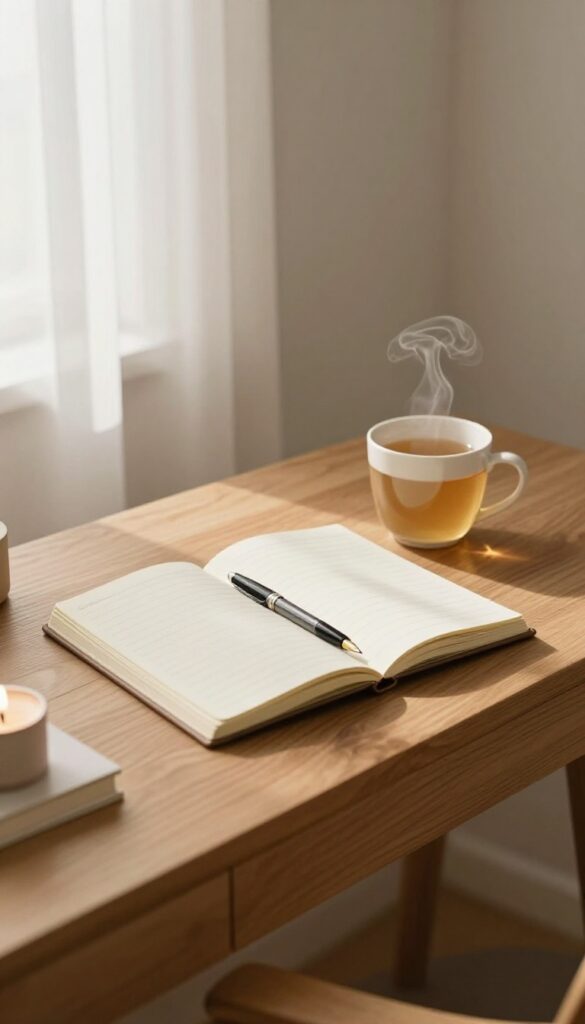
Gratitude journaling is one of the simplest ways to shift your mindset in just a few minutes. By intentionally focusing on what's going well, you can break the cycle of stress and worry that often builds up during a busy week. This practice doesn't require fancy supplies or a big time commitment—just a notebook and a few quiet moments.
Write down three things you're grateful for, big or small. Reflect on why they matter. This shifts your focus from what's lacking to what's abundant, boosting mood and perspective.
Start Small And Specific
Instead of generic entries like "my family, " try naming something concrete: "the way my partner made me laugh this morning" or "the warmth of my coffee mug. " Specific details make the gratitude feel more real and personal.
Pair It With A Calming Ritual
Light a candle, brew a cup of tea, or play soft music while you write. Associating journaling with a soothing routine makes it something to look forward to, not another task on your to-do list.
Don't Overthink It
Some days you might write about a beautiful sunset; other days it could be a good parking spot. The point isn't to find profound meaning every time—it's to train your brain to notice the positives that are already there.
8. Take a Tech-Free Walk Outdoors
Your phone buzzes with notifications, emails, and social media updates all day long. Even on weekends, it's hard to truly disconnect. A tech-free walk is a simple way to break that cycle and give your brain a real rest.
Leaving your phone at home might feel uncomfortable at first, but it's worth it. Without the urge to check messages or take photos, you can focus on the world around you—the rustling leaves, the warmth of the sun, the rhythm of your own steps. This small act of mindfulness helps clear mental clutter and resets your mood.
Walking without your phone forces you to be present. You'll notice details you usually miss, like the shape of clouds or the sound of birds. It's a gentle form of meditation that doesn't require sitting still or closing your eyes.
Just move, breathe, and observe.
Why Leave The Phone Behind
When you carry your phone, you're still half-connected to work, social media, and to-do lists. Even if you don't actively use it, the temptation to check is there. Leaving it at home removes that distraction completely.
You'll feel lighter and more free to just be.
What To Notice On Your Walk
Pay attention to the sky—notice the colors and cloud patterns. Listen for sounds you usually tune out: wind through trees, children playing, a dog barking. Feel the ground under your feet.
The goal isn't to think about anything in particular; it's to let your senses guide you.
How To Make It A Weekend Habit
Pick a consistent time, like Saturday morning or Sunday afternoon. Choose a route that feels safe and pleasant. Start with 15 minutes and gradually extend it.
You can invite a friend or family member to join you—just agree to keep phones away. Soon, this tech-free walk will become a cherished part of your weekend reset.
9. Rearrange a Room or Corner
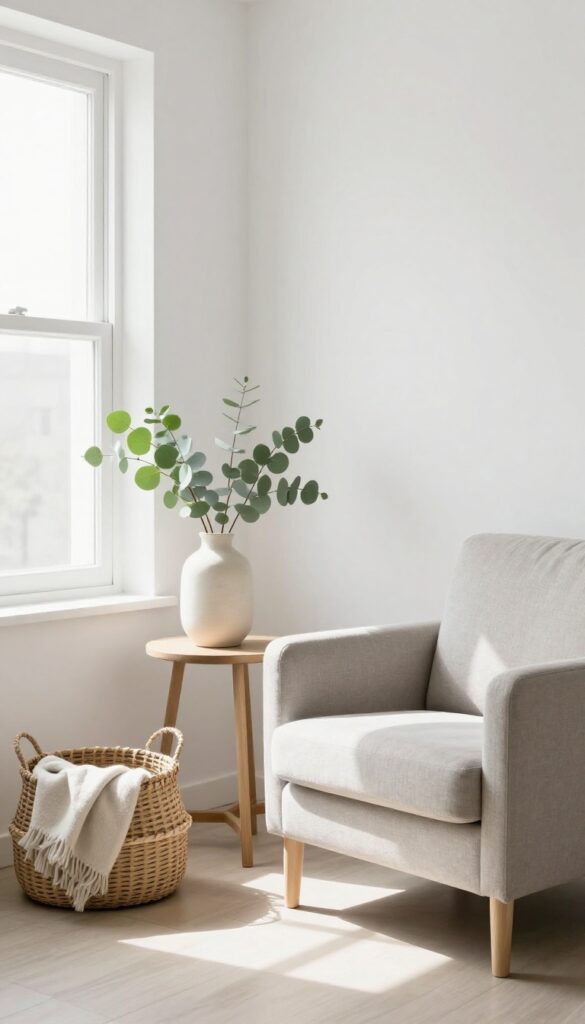
Sometimes all it takes to refresh your home is a little shift in perspective—literally. Moving furniture, swapping decor, or rethinking a small corner can make a space feel brand new. Best of all, it costs nothing and sparks creativity.
Start Small
Pick one area that feels stale, like a reading nook or entryway. Try angling the chair differently, swapping a lamp from another room, or moving a plant to a new spot. Small changes can have a big impact.
Follow The Flow
Think about how you move through the room. Is the path clear? Are the most-used items within reach?
Adjust furniture to improve traffic flow and make daily routines feel smoother. A better layout can reduce stress.
Mix And Match
Don't be afraid to combine pieces from different rooms. That side table from the bedroom might work perfectly next to the sofa. Experiment with unexpected combinations—it's a low-risk way to discover a fresh look.
10. Enjoy a Slow Morning with Tea and Stretching
Mornings set the tone for the rest of the day. When you rush out of bed and immediately check your phone, you start on someone else's terms. A slow morning flips that script—you decide the pace.
Think of it as a gentle reset for your nervous system. No alarms, no notifications, just you, a warm mug, and a few simple stretches. This small ritual can make your weekend feel twice as long.
Wake up naturally, without an alarm, and head straight to the kitchen. Brew your favorite tea—something soothing like chamomile, lavender, or a mild green tea. While it steeps, find a quiet spot by a window or on a yoga mat.
Spend the next 10 minutes doing gentle stretches: neck rolls, shoulder shrugs, cat-cow, and forward folds. Let your breath guide the movement. This unhurried start signals to your body that it's safe to relax, reducing cortisol and inviting calm into the rest of your day.
Why It Works
A slow morning interrupts the cycle of rushing. When you skip the alarm, you avoid the jolt of stress hormones that come with a sudden wake-up. Tea contains L-theanine, an amino acid that promotes relaxation without drowsiness.
Pair that with gentle stretching, which releases muscle tension and improves circulation, and you've created a powerful antidote to weekday chaos.
How To Make It A Habit
Set a consistent bedtime so your body wakes naturally at a reasonable hour. Keep your tea and a cozy mug within easy reach. Prep your stretching area the night before—maybe roll out your mat or clear a space on the floor.
Start with just 5 minutes if 10 feels too long. The goal isn't perfection; it's showing up for yourself.
A Few Variations To Try
If tea isn't your thing, swap it for warm lemon water or a caffeine-free herbal blend. Prefer movement? Replace stretches with a few sun salutations or a short walk around the block.
You can also add calming music or a guided breathing exercise. The key is to keep it unhurried and screen-free.
11. Make a Vision Board for the Month

Vision boards aren't just for New Year's resolutions. Spending an afternoon creating one can be a deeply relaxing and clarifying activity. You get to flip through magazines, pick images that speak to you, and arrange them in a way that feels right.
Gather a stack of magazines, scissors, glue, and a poster board or corkboard. Flip through and cut out any images, words, or phrases that catch your eye—don't overthink it. Arrange them on the board, layering and overlapping until the composition feels balanced.
The process is meditative and helps you visualize what you want to invite into your life.
What You'll Need
A board (poster board, corkboard, or even a large piece of cardboard), magazines or printed images, scissors, glue or pins, and a quiet space where you can spread out. Optional: markers, stickers, or washi tape for extra flair.
How To Get Started
Set a timer for 20 minutes and flip through magazines without judgment. Tear out anything that sparks joy or curiosity. Then, without planning too much, start placing images on the board.
Move them around until the layout feels intuitive. Glue or pin everything down once you're happy.
Making It Meaningful
Place your vision board somewhere you'll see it daily—like your bedroom wall or inside your closet door. Let it serve as a gentle reminder of your intentions. You can update it each month or season, keeping the practice fresh and aligned with your evolving goals.
12. Have a No-Plans Day
Scheduling nothing might feel wrong at first, but it's one of the most restorative things you can do. A no-plans day is a conscious choice to reclaim your time from the endless to-do list. It's not about being lazy—it's about giving your mind and body a real break.
When you wake up with zero obligations, the pressure lifts. You can follow your energy instead of a schedule. Maybe you sleep in, eat breakfast in pajamas, or spend an hour staring out the window.
The point is to let the day unfold without expectations.
What A No-plans Day Looks Like
It's different for everyone. For some, it means binge-watching a show guilt-free. For others, it's a slow morning with coffee and a book, then a spontaneous walk.
The key is to do only what feels good in the moment—no shoulds, no musts.
How To Make It Work
Set the stage the night before: turn off alarms, prep easy snacks, and let your phone stay on silent. Tell close friends or family you're off the grid for the day. Protect this time like any important commitment.
Why It's Self-care, Not Laziness
Rest is a vital part of productivity and mental health. Giving yourself permission to be unproductive reduces burnout and helps you reset. A no-plans day recharges your batteries so you can show up better tomorrow.
13. Write a Letter to Your Future Self

There's something powerful about putting your current thoughts on paper and sending them forward in time. A letter to your future self isn't just a nostalgic exercise—it's a way to check in with who you are right now and where you hope to be. This practice helps you capture fleeting emotions, celebrate small wins, and acknowledge struggles you're facing today.
When you open it months later, you'll see how much has changed and how far you've come.
Writing a letter to your future self is a simple but profound act of self-care. It grounds you in the present while planting seeds for growth. All you need is a pen, paper, and a few quiet minutes.
What To Include
Start by describing your current life—your daily routines, relationships, and what's taking up mental space. Mention your hopes for the next six months or year, the challenges you're facing, and the small joys you're grateful for. Be honest and specific.
Make It A Ritual
Choose a quiet moment, light a candle, or play soft music. Write by hand for a more personal touch. Seal the envelope and write the open date on the front.
Store it somewhere safe—a journal, a drawer, or with a trusted friend.
Set A Reminder
Use your phone or calendar to set a reminder for the exact date you'll open it. When that day comes, read it in the same peaceful setting. Notice how your perspective has shifted and celebrate the growth you might have overlooked.
14. Do a 15-Minute Yoga Flow
A short yoga session can melt away tension and refocus your mind without needing much time or space. Rolling out your mat for just 15 minutes combines movement with breath, releasing physical tightness and calming mental chatter. It's a gentle reset that fits neatly into a busy weekend.
Follow A Guided Video
If you're new to yoga or just want to follow along, pick a 15-minute video from a trusted channel. Look for flows labeled "gentle, " "morning, " or "stress relief. " The instructor cues your breath and movement, so you don't have to think—just move.
Create Your Own Mini Sequence
If you know a few poses, string together sun salutations, cat-cow, downward dog, and a few standing stretches. Move at your own pace, holding each pose for a few breaths. This freedom lets you focus on areas that feel tight, like your shoulders or hips.
End With Savasana
Finish with 2–3 minutes of savasana (lying on your back, arms relaxed). Let your body absorb the movement and your mind settle. Even a short stillness can leave you feeling centered and ready for the rest of your day.
15. Organize Your Digital Photos
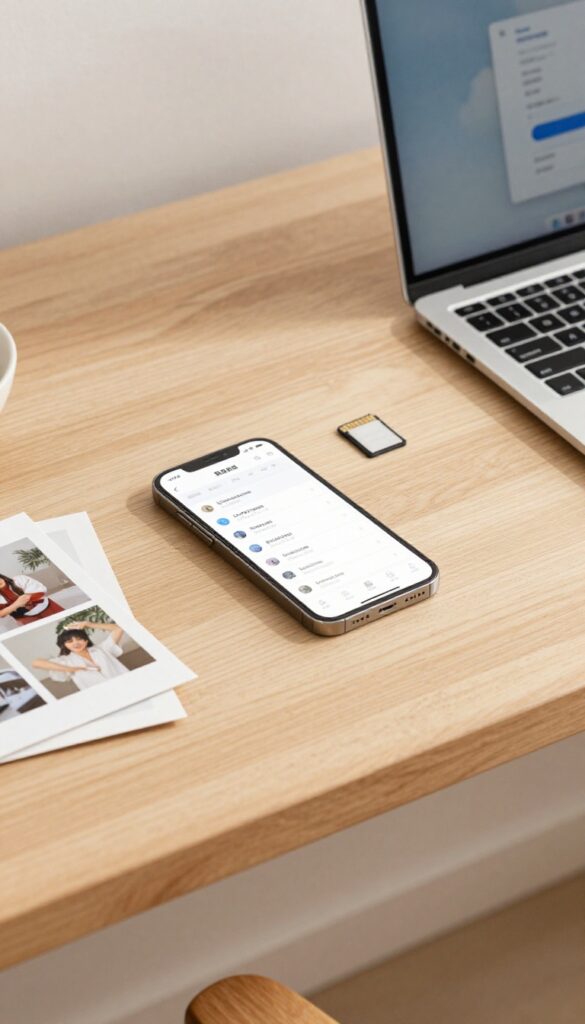
Your camera roll might be the most cluttered room in your house. Thousands of screenshots, blurry duplicates, and random memes make it hard to find the memories that actually matter. Sorting through your photos can feel overwhelming, but it's also a surprisingly calming activity that combines nostalgia with a sense of accomplishment.
Start by deleting the obvious junk: blurry shots, accidental screenshots, and duplicates. Then create simple folders or albums for trips, events, or people. Finally, back up your favorites to a cloud service or external drive.
A tidy photo library means less digital clutter and faster access to what you love.
Declutter First
Open your camera roll and scroll through. Delete blurry images, screenshots you no longer need, and duplicates. Be ruthless—if you wouldn't print it, it's probably safe to delete.
This step alone can cut your library in half.
Organize Into Albums
Create albums by year, event, or theme—like "2024 Trips" or "Family Gatherings. " Move your best shots into these folders. Naming them clearly makes future searches a breeze.
Back Up And Archive
Use Google Photos, iCloud, or an external hard drive to back up your favorites. Once backed up, you can safely delete duplicates from your phone, freeing up storage and reducing visual noise.
16. Bake Something Simple
Baking is one of those rare activities that engages all your senses without demanding much mental energy. The rhythm of measuring flour, cracking eggs, and stirring batter can be surprisingly meditative. Plus, your kitchen will smell amazing.
Whether you're a seasoned baker or a complete beginner, simple recipes like cookies, muffins, or banana bread are forgiving and rewarding. The process itself—mixing, pouring, waiting—forces you to slow down and focus on the present moment. And the best part?
You get to enjoy the fruits of your labor, or share them with others.
The Comfort Of Routine
Baking follows a predictable sequence: gather ingredients, mix, bake, cool. That structure can be grounding when your week has felt chaotic. Each step is a small, achievable task that builds toward a tangible result.
Sharing The Warmth
Homemade treats are a simple way to connect with neighbors, friends, or family. Drop off a few cookies with a note, or invite someone over for coffee and fresh banana bread. That small gesture can brighten both your day and theirs.
Mindful Moments In The Kitchen
Pay attention to the texture of dough, the scent of vanilla, the sound of a mixer. These sensory details anchor you in the now, turning a routine task into a mini mindfulness practice.
17. End the Weekend with a Gratitude Ritual

The way you close your weekend sets the tone for Monday morning. A simple gratitude ritual takes just a few minutes but can shift your mindset from dread to appreciation. By intentionally acknowledging one good thing from the past two days, you train your brain to notice the positive.
This small practice helps you carry a sense of peace into the new week instead of rushing into it with anxiety.
Light a candle, take three deep breaths, and list one good thing from the weekend. This small closing ritual helps you carry a sense of peace into the new week.
Why It Works
Gratitude rituals activate the brain's reward system, releasing dopamine and serotonin. Ending your weekend on a positive note reduces the Sunday scaries and makes Monday feel more manageable.
How To Do It
Choose a quiet spot, light a candle or incense, and take three slow breaths. Then say or write down one specific thing you enjoyed—a conversation, a meal, or a moment of stillness.
Make It A Habit
Pair your ritual with another routine, like making tea or putting on cozy socks. Consistency is key—soon your brain will associate these cues with calm and gratitude.
FAQ
How do I choose which self-care idea to try first?
Start with the one that feels most appealing or addresses a current need, like decluttering if your space feels chaotic or a digital detox if you're overwhelmed by screens.
Can I combine multiple ideas in one weekend?
Absolutely, but keep it manageable. Pick two or three that complement each other, like a digital detox morning followed by a walk and a nourishing meal.
What if I don't have much time on the weekend?
Many ideas take 15–30 minutes. Choose a short one like a gratitude journal entry, a quick yoga flow, or decluttering a single drawer.
Do I need any special supplies for these activities?
Most require only items you likely already have—candles, a journal, tea, or basic baking ingredients. No special equipment is necessary.
How can I make self-care a regular weekend habit?
Schedule one or two ideas into your weekend routine, like a Saturday morning digital detox or a Sunday evening gratitude ritual. Consistency builds the habit.
Conclusion
Weekend self-care doesn't have to be elaborate or expensive. Small, mindful actions—like decluttering a drawer, taking a tech-free walk, or baking something simple—can create a profound sense of reset. The key is to choose what feels right for you and let go of any pressure to do it all.
By weaving these practices into your weekends, you'll build a sustainable rhythm of rest and renewal. Your home and your mind will feel lighter, and you'll step into Monday with a little more ease.