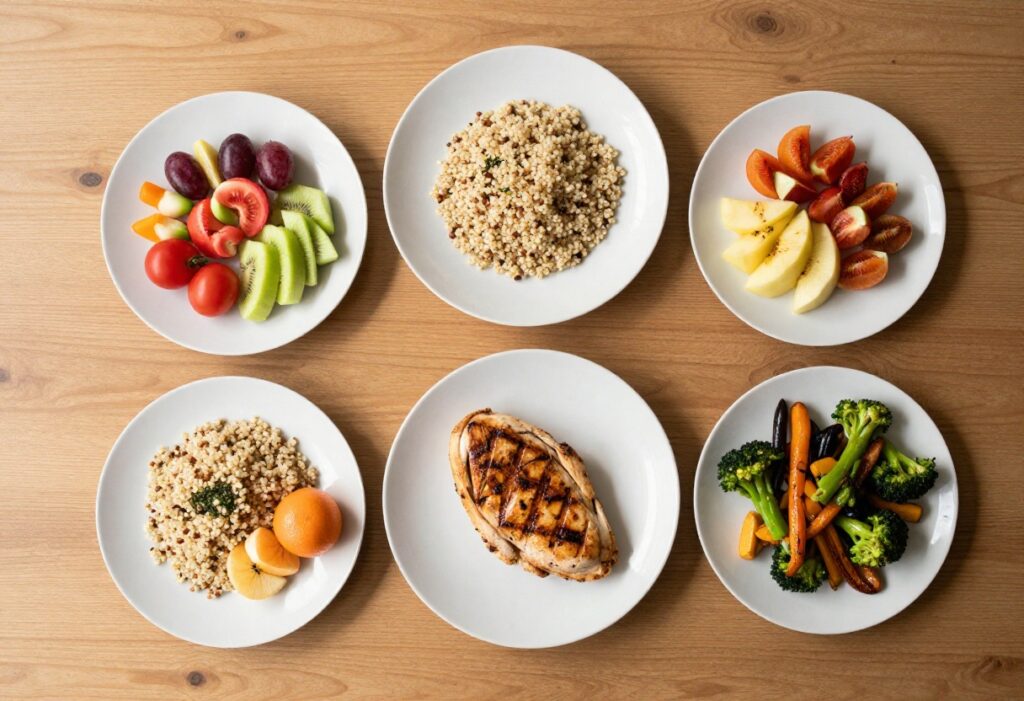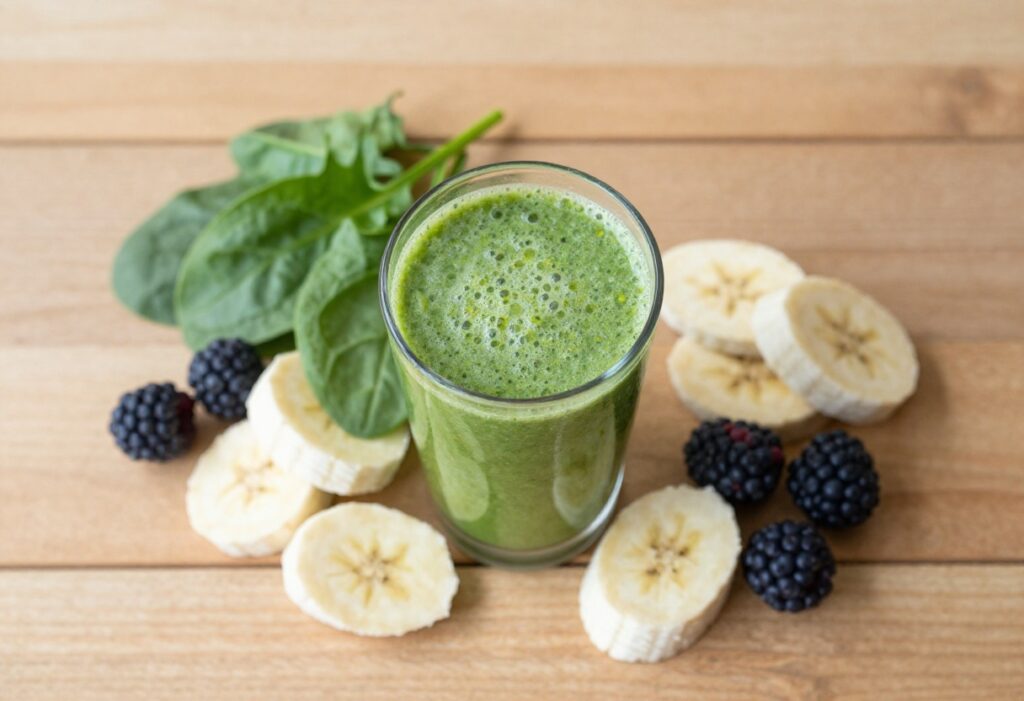
Managing prediabetes doesn't mean giving up delicious food. In fact, building balanced plates can be both satisfying and blood-sugar-friendly.
The key is to focus on whole foods, smart portions, and a mix of nutrients that keep you full and energized. Whether you're new to prediabetes or looking for fresh ideas, these 11 meal plan ideas will help you create plates that work for your health and your taste buds.
Each idea is simple, flexible, and designed to fit into a busy lifestyle. Let's dive in and make balanced eating easy and enjoyable.
The Plate Method: A Visual Guide to Balance
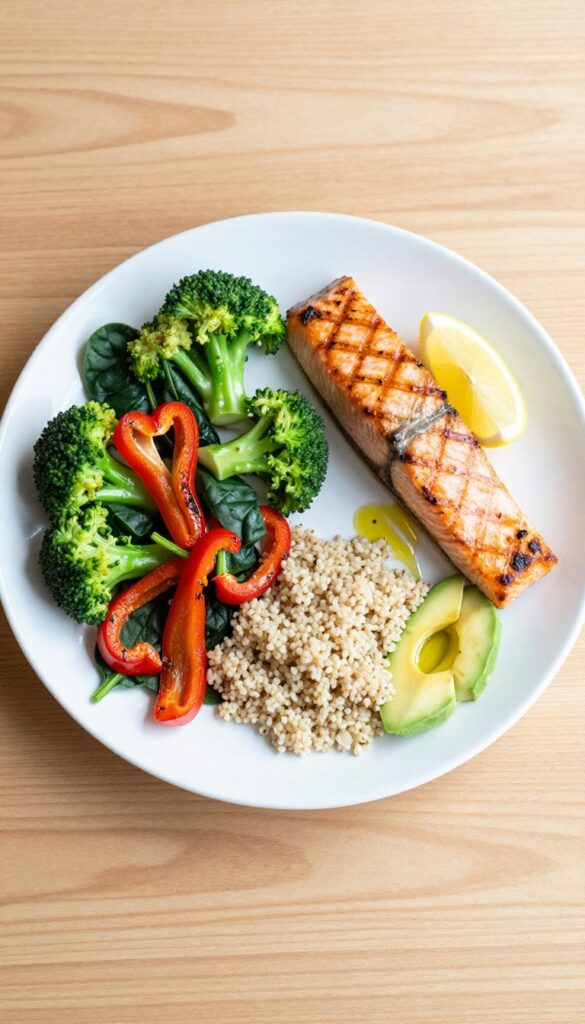
The Plate Method is a simple, visual way to build balanced meals without counting carbs or weighing portions. It helps you naturally control blood sugar by focusing on proportions, not restrictions.
Imagine your dinner plate divided into three sections. This easy framework ensures you get the right mix of nutrients to keep blood sugar steady and meals satisfying.
How to Build Your Plate
- Fill half your plate with non-starchy vegetables like leafy greens, broccoli, bell peppers, or zucchini.
- Dedicate a quarter of the plate to lean protein such as chicken, fish, tofu, or legumes.
- Use the remaining quarter for complex carbohydrates like quinoa, brown rice, sweet potato, or whole-wheat pasta.
- Add healthy fats in small amounts—think a drizzle of olive oil, a few avocado slices, or a sprinkle of nuts.
This method works because it automatically reduces high-carb portions while boosting fiber and protein. For example, a plate with grilled salmon (protein), roasted asparagus (veggies), and a small scoop of quinoa (complex carb) follows the proportions perfectly. The visual cue makes it easy to replicate at any meal.
Overnight Oats with Berries and Nuts
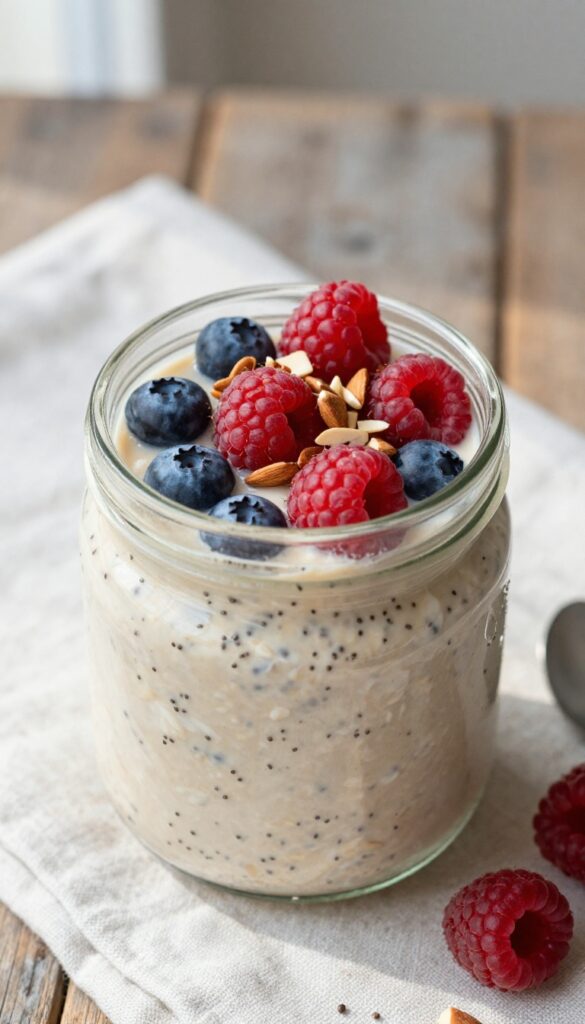
Overnight oats are a convenient, make-ahead breakfast that can be tailored to support stable blood sugar levels. By combining whole grains, fiber-rich berries, and healthy fats from nuts, this meal offers a balanced start to the day without causing sharp glucose spikes.
Why It Works
The key to this meal's blood-sugar-friendly profile is its combination of fiber, protein, and healthy fats. Rolled oats provide slow-digesting carbohydrates, while berries add antioxidants and additional fiber. Nuts contribute protein and unsaturated fats, which help slow the absorption of sugars into the bloodstream.
Together, these ingredients create a low-glycemic meal that keeps you full and energized.
Simple Recipe Idea
- Combine 1/2 cup rolled oats, 1/2 cup unsweetened almond milk, 1/4 cup mixed berries (fresh or frozen), and 1 tablespoon chopped almonds in a jar.
- Stir well, cover, and refrigerate overnight (or at least 4 hours).
- In the morning, top with an extra sprinkle of nuts and a few fresh berries.
- Optional: add a dash of cinnamon or a teaspoon of chia seeds for extra fiber.
Portion Control
Stick to about 1/2 cup of dry oats and limit added nuts to 1–2 tablespoons. This keeps the meal around 300–350 calories with a balanced macronutrient profile. Avoid sweetened nut milks or adding honey, maple syrup, or dried fruits, which can increase sugar content.
Grilled Chicken Salad with Avocado and Vinaigrette
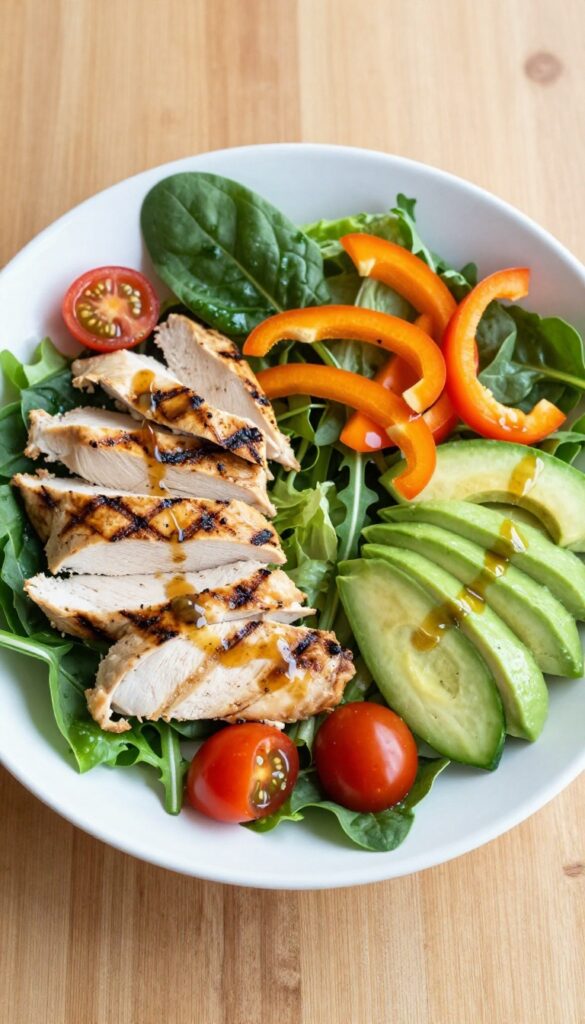
A well-built salad can be a satisfying, blood-sugar-friendly meal. This grilled chicken salad combines lean protein, healthy fats, and a rainbow of vegetables, all tied together with a simple homemade vinaigrette.
Building a Satisfying Salad
- Start with a variety of greens: mix romaine, spinach, and arugula for different textures and nutrients.
- Add 4–6 ounces of grilled chicken breast for lean protein that helps stabilize blood sugar.
- Include half an avocado for creamy, heart-healthy monounsaturated fats.
- Toss in non-starchy veggies like cucumber, bell peppers, and cherry tomatoes for volume and fiber.
- Top with a simple vinaigrette made from olive oil, vinegar, Dijon mustard, and herbs—avoid creamy dressings that often contain added sugar.
Dressing Tips
Make your vinaigrette in a jar: 3 parts olive oil, 1 part vinegar, a teaspoon of Dijon mustard, and a pinch of salt and pepper. Shake well and drizzle lightly. This keeps carbs low and flavor high.
Stir-Fried Tofu with Broccoli and Brown Rice
This plant-based stir-fry is a quick, satisfying meal that keeps blood sugar steady. The combination of tofu, broccoli, and brown rice provides protein, fiber, and complex carbohydrates, all while using a low-sodium sauce to avoid hidden sugars.
Start by pressing extra-firm tofu for 15 minutes to remove excess moisture, then cut it into cubes. Pan-sear the tofu in a little sesame oil until golden on all sides. Set aside and stir-fry broccoli florets, bell peppers, and snap peas until tender-crisp.
Return the tofu to the pan, add a sauce made from low-sodium soy sauce, minced garlic, ginger, and a splash of rice vinegar, and toss everything together. Serve over a bed of cooked brown rice.
Tips for a Blood-Sugar-Friendly Stir-Fry
- Use extra-firm tofu for best texture; press it well to avoid sogginess.
- Load up on non-starchy vegetables like broccoli, bell peppers, and snap peas.
- Keep brown rice portion to about 1/2 cup cooked per serving.
- Make your own sauce with low-sodium soy sauce, garlic, ginger, and a touch of rice vinegar to control sugar and salt.
Salmon with Roasted Asparagus and Quinoa
This meal packs a triple punch for blood sugar balance: omega-3s from salmon, fiber from asparagus, and protein from quinoa. It’s a satisfying dinner that comes together in under 30 minutes.
Omega-3s and Blood Sugar
Salmon is rich in omega-3 fatty acids, which help reduce inflammation and improve insulin sensitivity. Pairing it with asparagus adds fiber and folate, while quinoa provides a complete protein and slow-digesting carbs.
Simple Preparation
- Season salmon fillets with lemon juice, garlic, and dill.
- Roast asparagus tossed in olive oil at 400°F for 12–15 minutes.
- Cook quinoa in low-sodium broth for added flavor.
- Serve a 3–4 oz portion of salmon with 1/2 cup quinoa and a generous handful of asparagus.
Black Bean and Vegetable Soup
Soup is a surprisingly effective tool for blood sugar management. This black bean and vegetable soup is packed with fiber, plant-based protein, and a rainbow of non-starchy vegetables, making it a filling, low-glycemic meal that keeps you satisfied for hours.
Why Soup Works for Prediabetes
Soups with a broth base and plenty of vegetables are naturally low in calories and high in water content, which helps with satiety without spiking blood sugar. The soluble fiber in black beans slows carbohydrate absorption, preventing rapid glucose rises. Plus, the vegetables provide essential vitamins, minerals, and antioxidants that support overall metabolic health.
Recipe Outline
- Sauté onions, garlic, and celery in olive oil until softened.
- Add chopped carrots, bell peppers, and zucchini; cook for 5 minutes.
- Stir in canned black beans (rinsed), low-sodium vegetable broth, and diced tomatoes.
- Season with cumin, smoked paprika, and a pinch of cayenne.
- Simmer for 15–20 minutes, then garnish with fresh cilantro and a squeeze of lime.
Turkey and Veggie Lettuce Wraps
Lettuce wraps are a fantastic low-carb alternative to tortillas or bread. They let you enjoy a satisfying, crunchy meal without the blood sugar spike. Here’s how to build a balanced wrap that’s packed with lean protein and colorful vegetables.
Wrap It Up Without the Carbs
Start with sturdy lettuce leaves like romaine, butter, or iceberg. These hold up well and add a refreshing crunch. For the filling, use lean ground turkey seasoned with garlic, ginger, and a splash of low-sodium soy sauce or coconut aminos.
Cook until browned, then stir in diced bell peppers, shredded carrots, and water chestnuts for extra texture. To keep sodium in check, choose low-sodium deli turkey or cook fresh turkey breast. Serve with a simple dipping sauce like tahini-yogurt or a sugar-free peanut sauce.
These wraps are perfect for a quick lunch or light dinner.
Filling Ideas
- Ground turkey with taco seasoning, lettuce, tomato, and avocado
- Shredded turkey breast with cranberry sauce (low-sugar) and spinach
- Asian-style ground turkey with cabbage slaw and sesame seeds
Dipping Sauce Options
- Greek yogurt mixed with lime juice and cilantro
- Sugar-free peanut sauce (peanut butter, coconut aminos, lime, garlic)
- Simple tahini dressing (tahini, lemon, water, salt)
Chickpea and Spinach Curry with Cauliflower Rice
This warming curry is packed with plant-based protein and fiber from chickpeas, plus anti-inflammatory spices like turmeric and cumin. Cauliflower rice keeps the meal low-carb while adding extra veggies.
A Flavorful Low-Carb Option
Chickpea Preparation
- Use canned chickpeas (rinsed and drained) or cook dried chickpeas until tender.
- Simmer chickpeas in the curry sauce for at least 10 minutes to absorb flavors.
Cauliflower Rice Tips
- Pulse cauliflower florets in a food processor until rice-sized, or use store-bought riced cauliflower.
- Sauté cauliflower rice in a dry pan over medium heat for 5–7 minutes to remove excess moisture, then season lightly.
Spice Blend
- Sauté onion, garlic, and ginger, then add turmeric, cumin, coriander, and a pinch of cayenne.
- Add canned tomatoes and coconut milk (light or full-fat) for a creamy base without heavy cream.
Serve the curry over a bed of cauliflower rice and garnish with fresh cilantro. This meal is satisfying, blood-sugar-friendly, and easy to make in under 30 minutes.
Egg Muffins with Vegetables and Cheese
Egg muffins are a protein-packed, portable meal that can be made ahead for busy mornings or a quick snack. They're naturally low in carbs and easy to customize with your favorite vegetables and a modest amount of cheese.
Make-Ahead Breakfast or Snack
- Whisk eggs with a splash of milk or water. Pour into greased muffin tins.
- Add chopped vegetables like bell peppers, spinach, mushrooms, or zucchini.
- Top with a small sprinkle of shredded cheese (cheddar, feta, or mozzarella work well).
- Bake at 375°F (190°C) for 15–20 minutes until set. Cool and store in the fridge for up to 5 days.
- Reheat in the microwave for 30 seconds for a quick, balanced bite.
Egg muffins are a perfect example of the plate method in a single serving: protein from eggs, fiber and nutrients from vegetables, and a touch of healthy fat from cheese. They're also endlessly customizable—try adding leftover roasted vegetables or a handful of fresh herbs. Just go easy on the cheese and skip processed meats like bacon or sausage to keep blood sugar in check.
Zucchini Noodles with Pesto and Cherry Tomatoes
Zucchini noodles, or "zoodles," are a fantastic low-carb alternative to pasta that still lets you enjoy a satisfying bowl of noodles. Paired with a homemade pesto and juicy cherry tomatoes, this dish is packed with healthy fats, fiber, and antioxidants—all while keeping blood sugar steady.
To make zucchini noodles, you'll need a spiralizer or a julienne peeler. Spiralizing creates long, pasta-like strands that cook in just 2–3 minutes. Avoid overcooking, as zoodles can become watery and mushy.
Simply sauté them in a hot pan with a little olive oil until just tender, then toss with pesto and halved cherry tomatoes.
Pasta Alternative That Satisfies
Zoodles are naturally low in carbohydrates and calories, but they still provide a satisfying texture when prepared correctly. The key is to remove excess moisture: after spiralizing, sprinkle the zoodles with a pinch of salt and let them sit for 10 minutes, then pat dry with a paper towel before cooking.
Tips for the Best Zucchini Noodles
- Use medium-sized zucchini for fewer seeds and a firmer texture.
- Don't skip the salting step—it prevents a watery dish.
- Cook zoodles quickly over high heat to keep them al dente.
- Add protein like grilled chicken, shrimp, or chickpeas to make it a complete meal.
Pesto Ingredients
For a prediabetes-friendly pesto, make your own to avoid added sugars and unhealthy oils. Blend fresh basil, garlic, pine nuts or walnuts, Parmesan cheese (optional), and extra-virgin olive oil. You can also swap nuts for sunflower seeds to reduce calories.
Store-bought pesto often contains sugar and low-quality oils, so check labels carefully or skip them.
Why This Meal Works for Prediabetes
- Low-carb base helps manage blood sugar spikes.
- Healthy fats from pesto (olive oil, nuts) improve satiety and insulin sensitivity.
- Cherry tomatoes add vitamin C and lycopene without much sugar.
- Easily customizable with protein for a balanced plate.
Greek Yogurt Parfait with Seeds and Berries
When you're craving something sweet and creamy, this parfait delivers without sending your blood sugar on a roller coaster. The key is choosing plain Greek yogurt and layering it with low-sugar fruit and crunchy seeds.
A Sweet Treat Without the Spike
Build your parfait with these components
- Plain Greek yogurt (look for 0% or 2% milkfat, no added sugar) – provides protein to slow digestion and keep you full.
- Fresh or frozen berries (blueberries, strawberries, raspberries) – naturally low in sugar and high in fiber and antioxidants.
- Seeds (chia seeds, flaxseeds, hemp seeds, or pumpkin seeds) – add healthy fats, fiber, and a satisfying crunch.
- Optional: a sprinkle of cinnamon or unsweetened cocoa powder for extra flavor without sugar.
Mix a tablespoon of chia seeds into the yogurt before assembling to create a pudding-like texture. Layer yogurt, berries, and seeds in a glass or bowl. Enjoy immediately or refrigerate for up to two hours.
Avoid flavored yogurts and granola with added sugars, which can spike blood glucose.
FAQ
Can I eat fruit on a prediabetic diet?
Yes, but choose whole fruits like berries, apples, and citrus over fruit juices or dried fruits. Pair fruit with protein or healthy fat to slow sugar absorption.
How many carbs should I eat per meal?
A general guideline is 30-45 grams of carbs per meal, but individual needs vary. Focus on complex carbs like whole grains, legumes, and vegetables.
Are whole grains okay for prediabetes?
Absolutely. Whole grains like quinoa, brown rice, and oats provide fiber that helps regulate blood sugar. Just watch portion sizes.
What snacks are good for prediabetes?
Great options include a handful of nuts, Greek yogurt, veggie sticks with hummus, or an apple with peanut butter. Aim for a mix of protein, fiber, and healthy fat.
Do I need to count calories?
Not necessarily. Focus on food quality and portion control. Many people find success by using the plate method rather than strict calorie counting.
Conclusion
Building balanced plates is a practical and delicious way to manage prediabetes. These 11 meal ideas show that you don't have to sacrifice flavor or variety. Start with one or two ideas that appeal to you, and gradually incorporate more.
Remember, small consistent changes lead to lasting results. Always consult with a healthcare provider or dietitian to tailor these suggestions to your specific needs. Here's to happy, healthy eating!

Dr. Pallab Kishore, MS in Orthodontics and owner of Orthodontic Braces Care, shares expert tips on braces, aligners, and oral health from 10+ years of experience.