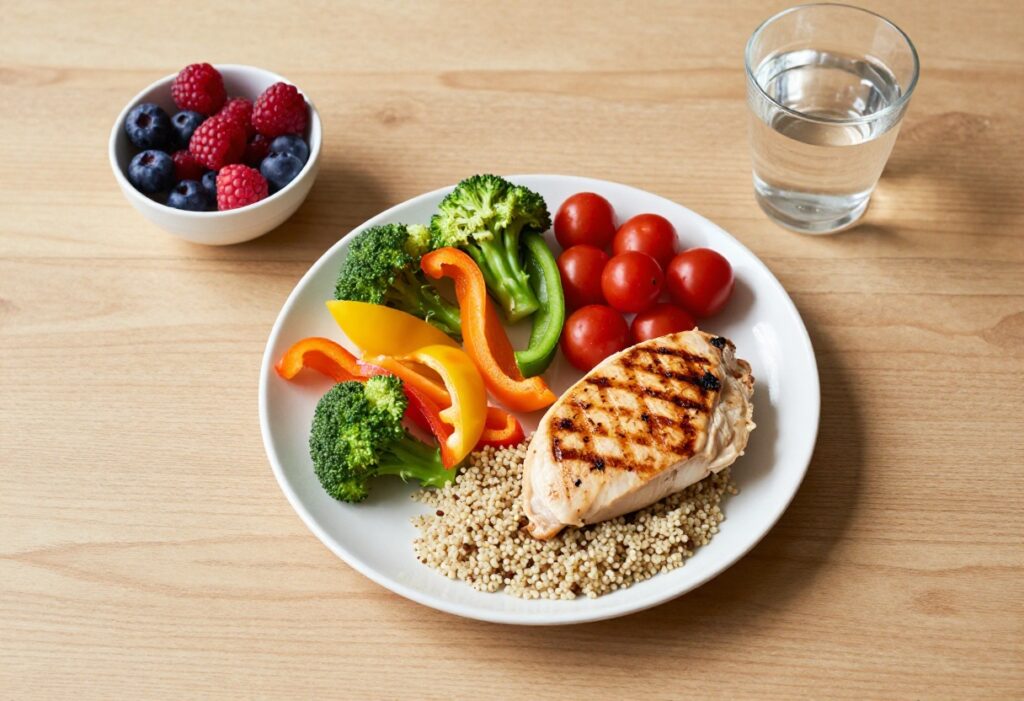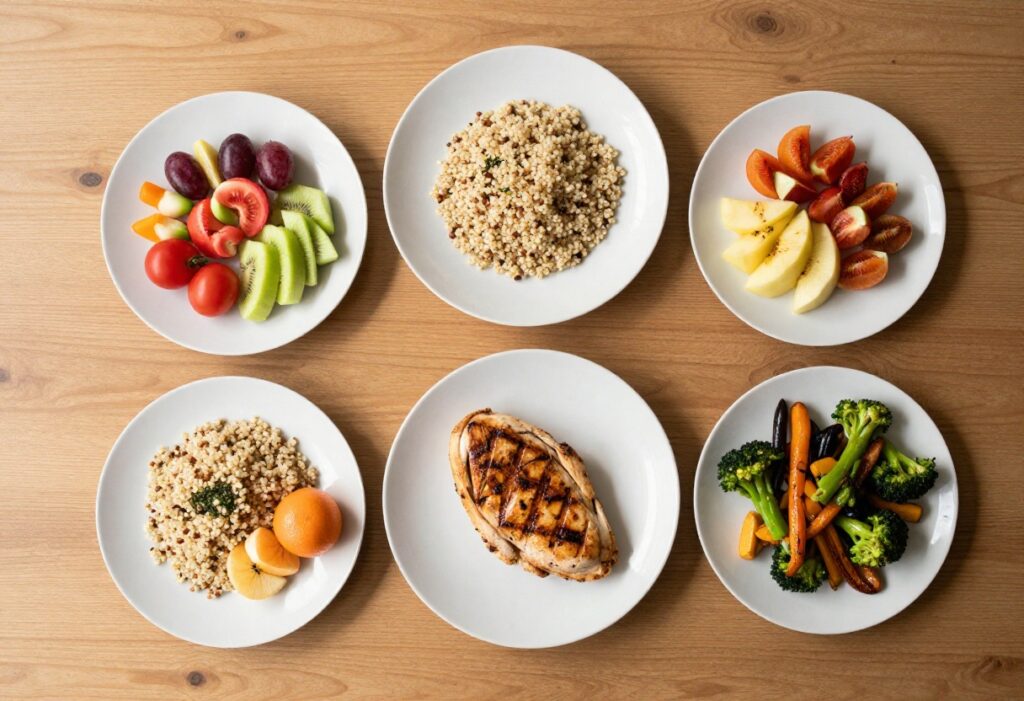
Starting a low carb diet doesn't have to be complicated. This 21-day plan is built around simple, everyday meals that require minimal prep and use ingredients you can find at any grocery store.
Whether you're looking to manage your weight, boost your energy, or just eat a bit cleaner, this plan gives you a clear roadmap without the overwhelm. Each week builds on the last, gradually introducing new foods and habits so you can ease into a low carb lifestyle.
You'll find sample meals, snack ideas, and practical tips to help you stay consistent. Remember, this is a flexible guide—feel free to swap meals based on what you have on hand or what sounds good.
Week 1: Getting Started with Low Carb Basics
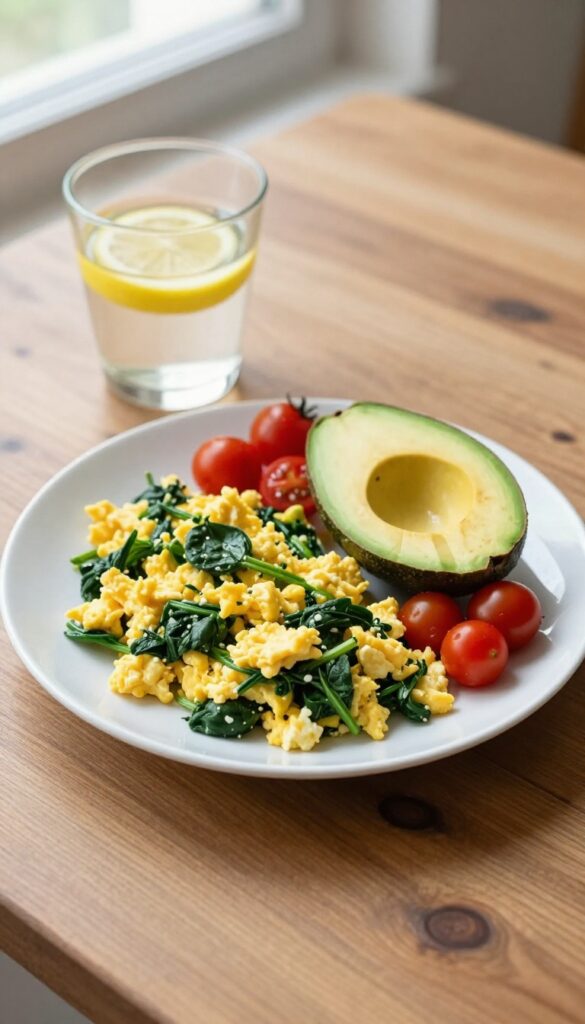
The first week is all about easing into a low carb lifestyle without feeling overwhelmed. You’ll focus on whole foods, keep meals simple, and learn to stay under 20g net carbs per day. Hydration and avoiding common pitfalls will set you up for success.
Day 1–3: Simple Starters
These first three days are designed to be straightforward. Each meal uses just a few ingredients and requires minimal cooking. The goal is to show you that low carb eating can be satisfying and easy.
Sample meals:
- Breakfast: Scrambled eggs with spinach and a side of avocado.
- Lunch: Grilled chicken salad with mixed greens, cucumber, and olive oil dressing.
- Dinner: Baked salmon with steamed broccoli and a pat of butter.
- Snack: Celery sticks with cream cheese or a handful of almonds.
Day 4–7: Building Variety
Once you’re comfortable, start adding more variety. Try different proteins, vegetables, and healthy fats. This helps prevent boredom and ensures you get a range of nutrients.
Sample meals:
- Breakfast: Keto-friendly smoothie with unsweetened almond milk, spinach, and protein powder.
- Lunch: Lettuce-wrapped turkey and cheese roll-ups with a side of bell pepper strips.
- Dinner: Beef stir-fry with zucchini noodles and soy sauce (or coconut aminos).
- Snack: Hard-boiled egg or a small handful of macadamia nuts.
Common Pitfalls to Avoid
Don’t forget to drink plenty of water—low carb diets can be dehydrating. Also, watch out for hidden carbs in sauces and condiments. Stick to whole foods and read labels carefully.
Snack Ideas for Week 1
- Cheese cubes or string cheese
- Olives
- Sliced cucumber with guacamole
- Pork rinds
- Berries with whipped cream (in moderation)
Week 2: Expanding Your Low Carb Repertoire
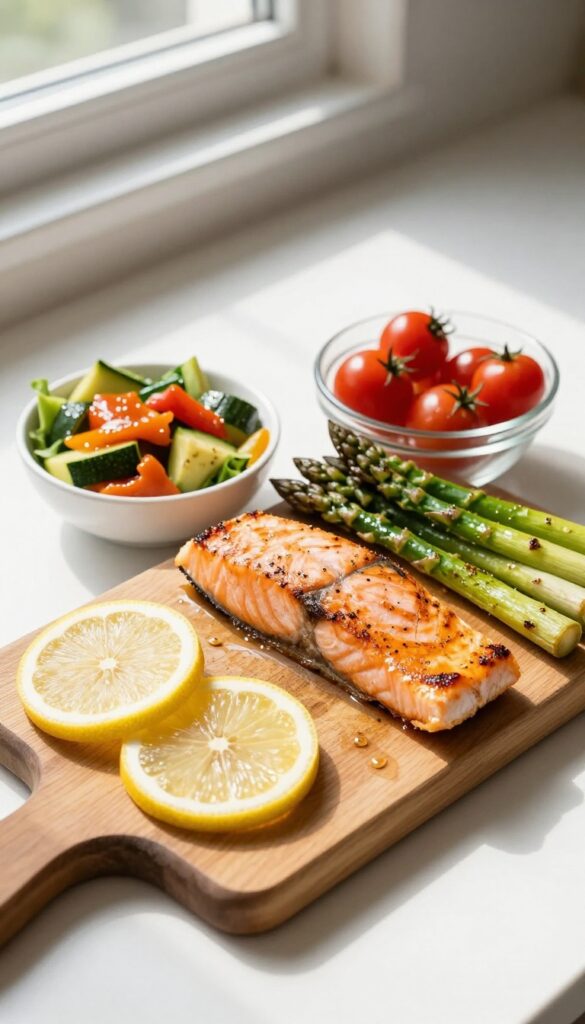
Now that you've got the basics down, it's time to add variety and build confidence. This week introduces new proteins and veggies, plus smart strategies for meal prep and eating out.
Day 8–11: New Proteins and Veggies
Keep meals interesting by rotating in different proteins and vegetables. Try salmon, shrimp, or tofu for protein, and add zucchini, bell peppers, or cauliflower for veggies. Sample meals include grilled salmon with roasted asparagus, shrimp stir-fry with broccoli, and tofu scramble with spinach.
These ingredients are easy to prepare and keep your taste buds engaged.
Day 12–14: Meal Prep and Leftovers
Batch cooking saves time and keeps you on track. Spend an hour prepping ingredients like grilled chicken, hard-boiled eggs, and chopped veggies. Use leftovers creatively—turn extra chicken into a salad or lettuce wraps.
When eating out, choose grilled proteins and ask for extra veggies instead of starches. Plan ahead to handle cravings: keep low-carb snacks like cheese sticks or nuts handy, and listen to your hunger cues rather than strict rules.
Key Tips for Week 2
- Sample meals: grilled salmon with asparagus, shrimp stir-fry, tofu scramble with spinach
- Batch cook proteins and veggies on Sunday
- Repurpose leftovers: chicken salad, lettuce wraps
- Eating out: order grilled items, skip bread/pasta
- Handle cravings with keto-friendly snacks
- Adjust portions based on hunger, not just the plan
Week 3: Solidifying Habits and Fine-Tuning
By now, low-carb eating is feeling more natural. This final week is about listening to your body, customizing your carb intake, and preparing for life after the 21 days. The goal is not perfection—it's building a sustainable approach that works for you.
Day 15–18: Listening to Your Body
These four days are about tuning in to how different foods make you feel. You've been following a structured plan, but now it's time to personalize it. Pay attention to energy levels, digestion, cravings, and mood.
This mindful eating practice helps you identify your ideal carb range—some people thrive on 20g net carbs per day, others feel better at 50g. Experiment by adding a small serving of low-glycemic carbs (like berries or sweet potatoes) at one meal and note how you feel. Sample meals for this period include:
Sample Meals for Days 15–18
- Breakfast: Veggie omelet with avocado and a side of mixed berries (adds ~10g net carbs).
- Lunch: Grilled chicken salad with olive oil dressing, cucumber, tomatoes, and a handful of almonds.
- Dinner: Baked salmon with roasted broccoli and a small sweet potato (about 15g net carbs).
- Snack: Celery sticks with almond butter or a handful of macadamia nuts.
If you feel more energetic and satisfied with the extra carbs, that's your sweet spot. If you notice bloating or cravings returning, dial it back. The key is to stay curious and non-judgmental.
Avoid all-or-nothing thinking—you're gathering data, not failing a test.
Day 19–21: Preparing for Life After 21 Days
The last three days are about transition strategies. You don't have to stick to a strict low-carb diet forever. The goal is to have a flexible, long-term approach that includes:
Transition Strategies
- How to reintroduce carbs slowly: Add one serving of whole-food carbs (like quinoa, beans, or fruit) to one meal per day for a week, then two servings per day the next week. Monitor how your body responds.
- Long-term sustainability: Keep your low-carb foundation (vegetables, protein, healthy fats) and allow occasional treats without guilt. Plan for social events by choosing lower-carb options or eating a small snack beforehand.
- Sample meals for transition: For Day 19, try a breakfast of Greek yogurt with berries and a sprinkle of granola (adds ~15g net carbs). For lunch, a turkey and avocado wrap using a low-carb tortilla. For dinner, stir-fried shrimp with vegetables and a small portion of brown rice.
Note
Remember, the 21-day plan is a starting point. Use what you've learned to create a personalized eating style that you can maintain happily. Avoid comparing your journey to others—everyone's body and lifestyle are different.
Low Carb Pantry Staples and Shopping List
Stocking your kitchen with the right foods is the first step to sticking with a low carb lifestyle. This list covers the basics you'll need for the 21-day plan and beyond, plus what to avoid to stay on track.
Proteins
Prioritize whole, unprocessed protein sources. These will keep you full and support muscle health.
Vegetables
Focus on non-starchy vegetables that are low in carbs and high in fiber.
Healthy Fats
Fats are essential for energy and flavor on a low carb diet.
Dairy and Alternatives
Choose full-fat, plain varieties to avoid hidden sugars.
Spices and Condiments
Flavor is key to keeping meals interesting. Avoid mixes with added sugar or starch.
What to Avoid
Steer clear of these items to keep your carb count low and avoid hidden sugars.
Tips for Staying on Track
Sticking with a low-carb diet for 21 days is easier when you have a few practical strategies in place. These tips cover daily habits, social situations, and mindset shifts to help you stay consistent without feeling deprived.
Practical Daily Habits
- Start each morning with a low-carb breakfast like eggs or Greek yogurt to stabilize blood sugar and reduce cravings.
- Keep low-carb snacks handy—nuts, cheese sticks, or celery with almond butter—to avoid impulsive choices.
- Drink a glass of water before each meal; thirst is often mistaken for hunger.
- Eat protein and veggies at every meal to feel full and satisfied.
- Plan your next day's meals the night before to remove decision fatigue.
How to Handle Social Situations
- Scan the menu ahead of time and decide what you'll order. Look for grilled proteins, salads, and veggie sides.
- Don't be afraid to ask for substitutions—swap fries for extra vegetables or a side salad.
- At parties, eat a small low-carb snack before you go so you're not tempted by carb-heavy appetizers.
- Bring a low-carb dish to share, like a veggie platter with dip or a cheese board.
- If you slip up, don't dwell on it. Just get back on track at the next meal.
Mindset and Support
- Focus on how you feel—more energy, fewer cravings—rather than just the scale.
- Find an accountability partner or join an online low-carb community for encouragement.
- Remind yourself that this is a 21-day plan, not a lifelong sentence. You can do anything for three weeks.
- Celebrate small wins, like completing a week or trying a new recipe.
FAQ
Can I eat fruit on a low carb diet?
Yes, but choose low carb fruits like berries, and keep portions small. Avoid high sugar fruits like bananas and grapes.
Is it safe to follow a low carb diet for 21 days?
For most people, yes. However, if you have any medical conditions, consult your doctor first. Listen to your body and adjust as needed.
What if I feel tired or get headaches?
This can happen as your body adapts. Stay hydrated, increase salt intake slightly, and ensure you're eating enough calories. If symptoms persist, consult a professional.
Can I have dairy?
Yes, full-fat dairy like cheese, yogurt, and cream are fine in moderation. Some people may be sensitive, so watch how you feel.
How do I handle eating out?
Stick to grilled proteins, non-starchy vegetables, and salads with oil-based dressings. Ask for sauces on the side and skip bread baskets.
Conclusion
Completing 21 days of simple low carb meals is a great achievement. By now, you've likely discovered new favorite foods and built habits that can serve you long-term. The key is to keep going with what feels good and sustainable for you.
Remember, this isn't about perfection.
It's about finding a way of eating that supports your health and fits your life. Use what you've learned to continue making choices that make you feel your best. Small steps lead to big changes over time.

Dr. Pallab Kishore, MS in Orthodontics and owner of Orthodontic Braces Care, shares expert tips on braces, aligners, and oral health from 10+ years of experience.