Starting a vegan diet can feel overwhelming, especially when you’re not sure what to eat. Between work, family, and social commitments, planning nutritious plant-based meals might seem like a chore. But it doesn’t have to be.
With a little structure, you can enjoy delicious, satisfying vegan meals all week without the stress. This guide provides a complete 7-day vegan meal plan designed for simplicity and flavor.
Each day includes breakfast, lunch, dinner, and a snack—all made from whole, easy-to-find ingredients. You’ll also find meal prep tips, customization options, and answers to common questions to help you succeed.
Why a Vegan Meal Plan Makes Life Easier
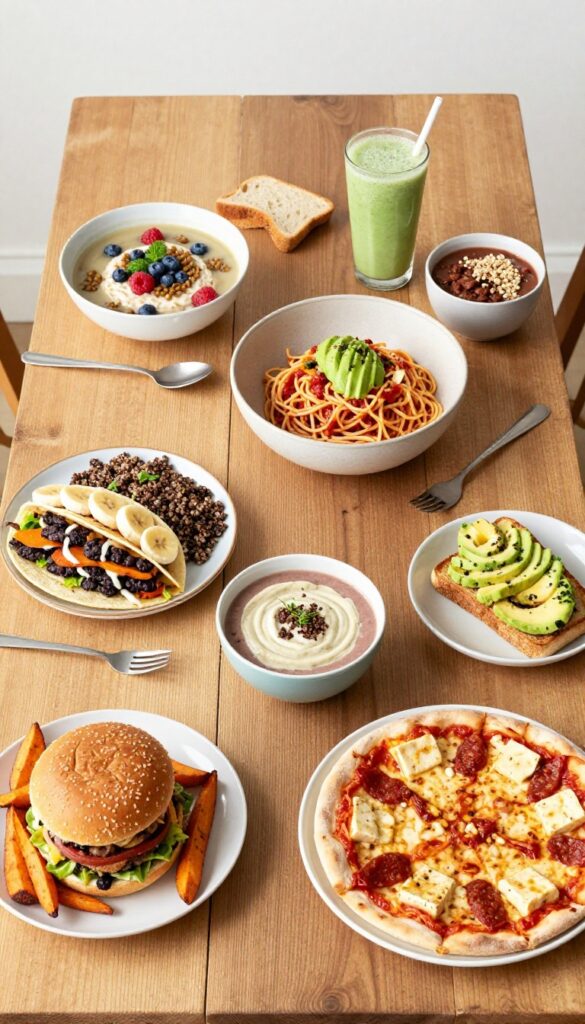
Planning your vegan meals for the week might sound like extra work, but it actually saves you time, money, and mental energy. Instead of scrambling each day for what to eat, a simple plan gives you a clear roadmap. Here are the top benefits:
- Saves time: No more daily trips to the store or last-minute cooking. Batch prep and cook once, eat multiple times.
- Reduces decision fatigue: You decide once what you’ll eat all week, freeing up brainpower for other things.
- Ensures balanced nutrition: A plan helps you include a variety of foods – beans, grains, veggies, nuts, and seeds – so you get all essential nutrients.
- Budget-friendly: Buying in bulk and using ingredients across multiple meals cuts down on waste and grocery bills.
By taking a little time upfront to map out your week, you set yourself up for success. You’ll eat better, stress less, and actually enjoy your food.
Key Principles for a Balanced Vegan Week
A balanced vegan week is all about variety and thoughtful planning. Instead of overcomplicating things, focus on these core principles to ensure you get the nutrients your body needs while enjoying delicious meals.
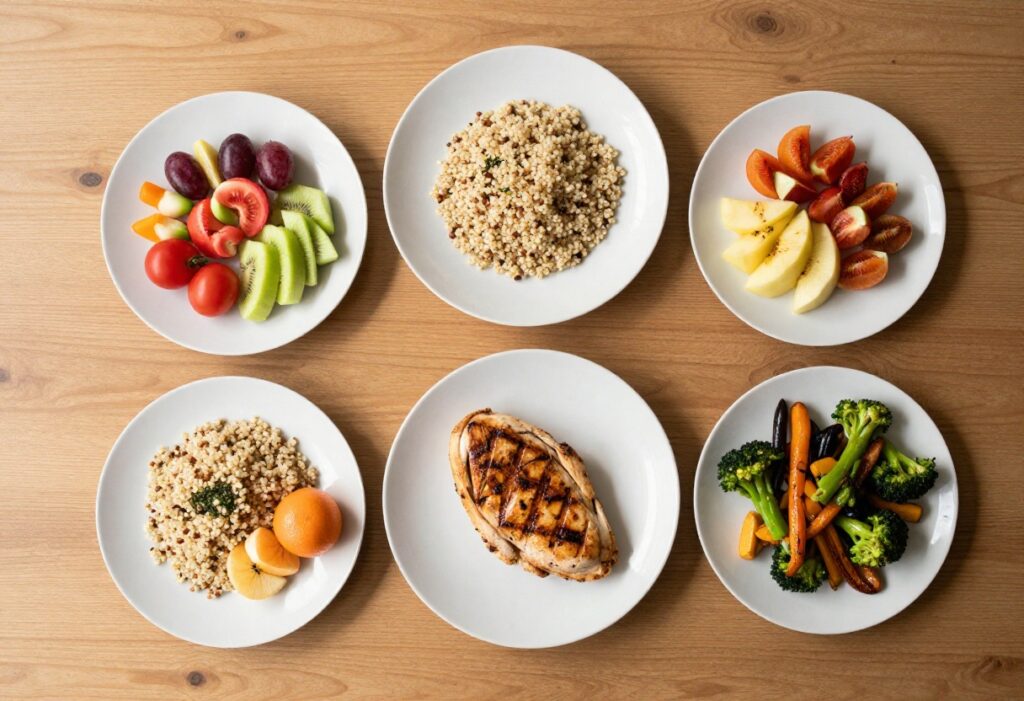
To keep your energy steady and your taste buds happy, build each meal around three pillars: protein, healthy fats, and fiber-rich carbs. When you combine these, you create satisfying meals that support your health without feeling deprived.
Protein at Every Meal
Protein is crucial for muscle repair, satiety, and overall health. On a vegan diet, you have plenty of options: tofu, tempeh, lentils, chickpeas, black beans, edamame, seitan, and even whole grains like quinoa and amaranth. Aim to include a palm-sized portion of protein-rich food in every meal.
For example, add chickpeas to your lunch salad, enjoy a tofu scramble for breakfast, or serve lentil soup with dinner.
Healthy Fats for Brain and Heart
Healthy fats are essential for absorbing fat-soluble vitamins (A, D, E, K) and supporting brain function. Include sources like avocados, nuts, seeds (chia, flax, hemp, sunflower), and olive oil. A sprinkle of seeds on oatmeal, a drizzle of tahini on roasted veggies, or a handful of almonds as a snack can easily boost your fat intake.
Fiber-Rich Carbs for Sustained Energy
Complex carbohydrates provide long-lasting energy and are packed with fiber, which aids digestion and keeps you full. Choose whole grains like brown rice, oats, quinoa, whole-wheat pasta, and sweet potatoes, as well as legumes and starchy vegetables. These carbs also deliver important micronutrients like B vitamins and iron.
Eat the Rainbow for Micronutrients
Different colored fruits and vegetables offer different vitamins, minerals, and antioxidants. Aim for a variety of colors throughout the day: dark leafy greens (kale, spinach), red bell peppers, orange carrots, purple cabbage, and yellow squash. This diversity helps cover your micronutrient needs naturally.
Quick tips to remember
- Include a protein source at every meal.
- Add a small amount of healthy fat to each dish.
- Base your meals on whole, fiber-rich carbs.
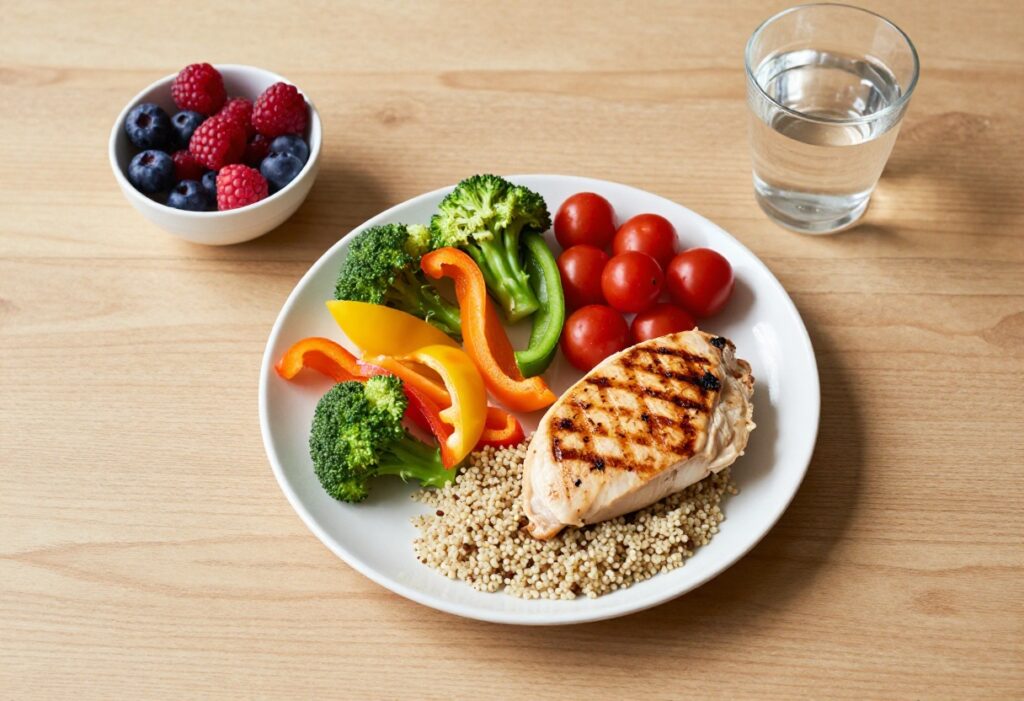
- Fill half your plate with colorful vegetables.
Your 7-Day Vegan Meal Plan at a Glance
Here’s a simple, no-fuss week of vegan meals designed to keep you energized and satisfied. Each day includes breakfast, lunch, dinner, and a snack, with plenty of overlap to use leftovers and reduce prep time. Feel free to swap days or adjust portions to fit your schedule.
Day 1: Monday
Breakfast: Overnight oats with almond milk, chia seeds, and mixed berries. Lunch: Lentil soup with a side of whole-grain bread. Dinner: Black bean tacos with corn salsa and avocado.
Snack: Apple slices with peanut butter.
Day 2: Tuesday
Breakfast: Green smoothie (spinach, banana, almond milk, and a scoop of plant protein). Lunch: Leftover lentil soup. Dinner: Vegan stir-fry with tofu, broccoli, and bell peppers over brown rice.
Snack: Handful of almonds.
Day 3: Wednesday
Breakfast: Avocado toast on whole-grain bread with cherry tomatoes. Lunch: Quinoa salad with chickpeas, cucumber, and lemon-tahini dressing. Dinner: Spaghetti with marinara sauce and sautéed mushrooms.
Snack: Carrot sticks with hummus.
Day 4: Thursday
Breakfast: Peanut butter and banana sandwich on whole-grain bread. Lunch: Leftover quinoa salad. Dinner: Vegan chili with kidney beans, corn, and diced tomatoes, served with rice.
Snack: Orange slices.
Day 5: Friday
Breakfast: Smoothie bowl with frozen berries, banana, and granola. Lunch: Leftover chili. Dinner: Veggie burgers on whole-grain buns with lettuce, tomato, and sweet potato fries.
Snack: Edamame pods.
Day 6: Saturday
Breakfast: Tofu scramble with spinach, onions, and turmeric, plus toast. Lunch: Hummus and veggie wrap with mixed greens. Dinner: Vegan pizza with cashew cheese, mushrooms, and arugula.
Snack: Mixed nuts and dried fruit.
Day 7: Sunday
Breakfast: Pancakes made with oat flour and topped with fresh fruit and maple syrup. Lunch: Leftover pizza or a big salad with chickpeas. Dinner: Coconut curry with chickpeas, sweet potatoes, and spinach over quinoa.
Snack: Dark chocolate square with strawberries.
Meal Prep Tips to Save Time
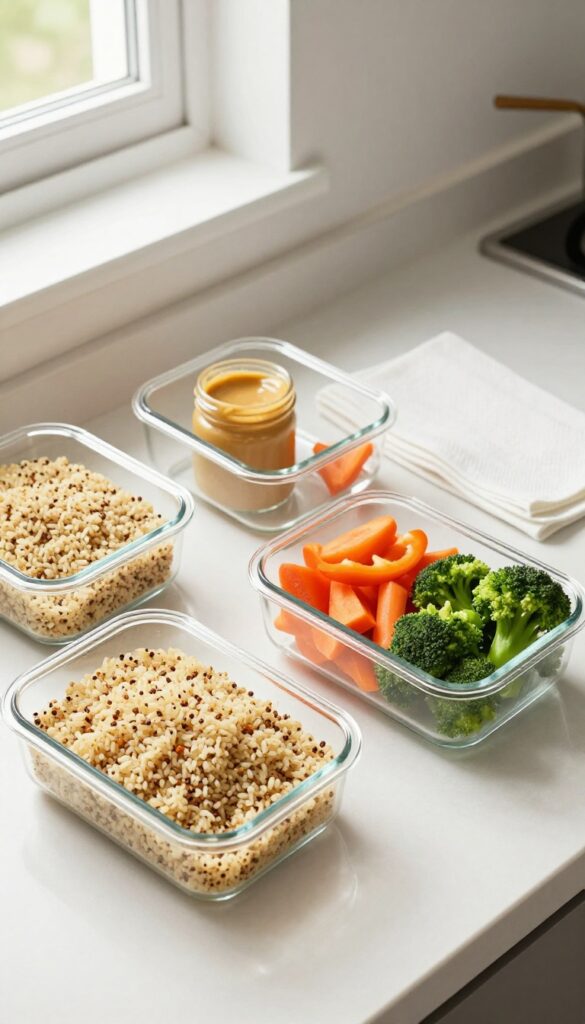
A little weekend prep goes a long way toward stress-free weeknight dinners. Here’s how to set yourself up for success.
Your Weekend Prep Checklist
- Batch cook grains like quinoa, brown rice, or farro. Cook once, use all week.
- Chop veggies such as bell peppers, onions, carrots, and broccoli. Store in airtight containers.
- Make a couple of dressings or sauces (e.g., tahini lemon, balsamic vinaigrette) to add instant flavor.
- Portion snacks like nuts, fruit, or hummus into grab-and-go containers.
Storage Tips to Keep Everything Fresh
Store chopped veggies in glass containers with a paper towel to absorb moisture. Keep grains in the fridge and use within 5 days. Dressings can last up to a week in a jar.
Keep It Simple
Don’t try to prep everything at once. Start with just grains and veggies, then add more as you get comfortable. Overwhelming yourself is the fastest way to give up.
How to Customize This Plan to Your Needs
This meal plan is a flexible template designed to fit your unique preferences, dietary needs, and seasonal availability. Here are simple ways to adapt it without losing the convenience or nutrition.
Swap Proteins to Match Your Pantry
If you don’t have a specific protein on hand or want variety, try these easy swaps:
- Replace tofu with tempeh or seitan (if not gluten-free).
- Swap chickpeas for lentils, black beans, or kidney beans.
- Use edamame or peas in place of other legumes.
- For a lighter option, use crumbled tofu instead of store-bought vegan ground meat.
Adjust Portions for Your Energy Needs
This plan provides balanced portions, but you can easily scale up or down:
- If you’re very active, add an extra serving of grains or legumes to meals.
- For weight management, reduce high-calorie additions like nuts, seeds, and avocado.
- Listen to your hunger cues—eat until satisfied, not stuffed.
Accommodate Allergies and Intolerances
This plan is already dairy- and egg-free, but here are adjustments for common allergens:
Gluten-Free Options
- Use gluten-free oats, quinoa, rice, or corn tortillas instead of wheat-based items.
- Replace soy sauce with tamari or coconut aminos.
- Check labels on packaged items like veggie burgers or tempeh.
Nut-Free Options
- Substitute sunflower seed butter or tahini for almond or peanut butter.
- Use pumpkin seeds or hemp seeds in place of almonds or walnuts.
- Choose oat milk or soy milk over almond milk.
Embrace Seasonal Variations
Using fresh, in-season produce boosts flavor and nutrition while often being more affordable. Here’s how to adapt:
- In summer, swap roasted vegetables for fresh salads with tomatoes, cucumbers, and zucchini.
- In fall, use butternut squash, sweet potatoes, and apples in place of summer produce.
- In winter, rely on hearty greens like kale, cabbage, and root vegetables.
- In spring, incorporate asparagus, peas, and fresh herbs.
Remember, the goal is to make plant-based eating work for you. Feel free to mix and match days, repeat favorites, or swap entire meals as long as you keep the overall balance of protein, fiber, and healthy fats.
Common Mistakes to Avoid on a Vegan Meal Plan
Even with a great plan, it’s easy to stumble into a few common pitfalls. Here’s what to watch out for so your vegan week stays smooth, satisfying, and nutritious.
Starting a vegan meal plan is exciting, but a few missteps can make it harder than it needs to be. By knowing what to avoid, you can set yourself up for success from day one.
Not Eating Enough Calories
- Plant foods are often lower in calories than animal products, so you might need to eat larger portions or add calorie-dense foods like nuts, seeds, avocados, and nut butters.
- Skipping snacks or skimping on portions can leave you hungry and low on energy. Aim for three satisfying meals plus one or two snacks each day.
- If you’re active, you’ll need even more. Don’t be afraid to add an extra serving of grains or a smoothie with nut butter.
Relying Too Much on Processed Foods
- Vegan convenience foods like frozen burgers, vegan cheese, and packaged snacks are handy, but they shouldn’t be the foundation of your diet.
- Many are high in sodium, saturated fat, and additives. Use them occasionally, not daily.
- Focus on whole foods: beans, lentils, whole grains, fruits, vegetables, nuts, and seeds. They provide more fiber, vitamins, and minerals.
Forgetting Vitamin B12
- B12 is not naturally found in plant foods, so you must supplement or eat fortified foods like plant milks, nutritional yeast, or cereals.
- A deficiency can cause fatigue, nerve problems, and anemia. Take a daily B12 supplement (at least 25–100 mcg) or a weekly dose of 2,500 mcg.
- Check labels on fortified foods to ensure you’re getting enough. It’s a simple step that makes a big difference.
Skipping Variety
- Eating the same few foods every day can lead to nutrient gaps. Rotate your protein sources (beans, tofu, tempeh, lentils, seitan) and include a rainbow of vegetables.
- Try different grains like quinoa, farro, millet, or brown rice. Each offers unique nutrients.
- Variety also keeps meals interesting and prevents boredom. Experiment with new recipes each week.
FAQ
How do I get enough protein on a vegan meal plan?
This plan includes protein-rich foods like lentils, chickpeas, tofu, tempeh, quinoa, and nuts. Each meal is designed to provide adequate protein. For example, the lentil soup and chickpea salad are packed with protein.
If you’re active, you can add a scoop of plant-based protein powder to smoothies.
Is a vegan meal plan expensive?
Not necessarily. This plan uses affordable staples like beans, rice, oats, and seasonal vegetables. Buying in bulk and cooking from scratch keeps costs low.
You can also swap expensive ingredients like berries for frozen ones.
Can I lose weight with this meal plan?
Yes, this plan focuses on whole foods and balanced portions, which can support weight loss. However, adjust portion sizes to your calorie needs. If you’re aiming to lose weight, reduce high-calorie snacks like nuts and avocado slightly.
What if I don’t like some of the meals?
Feel free to swap meals within the plan or substitute similar ingredients. For example, if you don’t like quinoa, use brown rice. The key is to keep the structure and balance.
You can also repeat your favorite meals.
Do I need to take supplements?
It’s recommended to take a vitamin B12 supplement on a vegan diet. You may also consider vitamin D and omega-3s (from algae oil). Consult with a healthcare professional for personalized advice.
Conclusion
A vegan meal plan doesn’t have to be complicated. With a little planning, you can enjoy a week of tasty, nutritious plant-based meals that save you time and money. This plan is just a starting point—feel free to adapt it to your tastes and lifestyle.
Start your easy plant-based week today and discover how satisfying vegan eating can be. Share your favorite meals or tips in the comments below—we’d love to hear from you!

Dr. Pallab Kishore, MS in Orthodontics and owner of Orthodontic Braces Care, shares expert tips on braces, aligners, and oral health from 10+ years of experience.