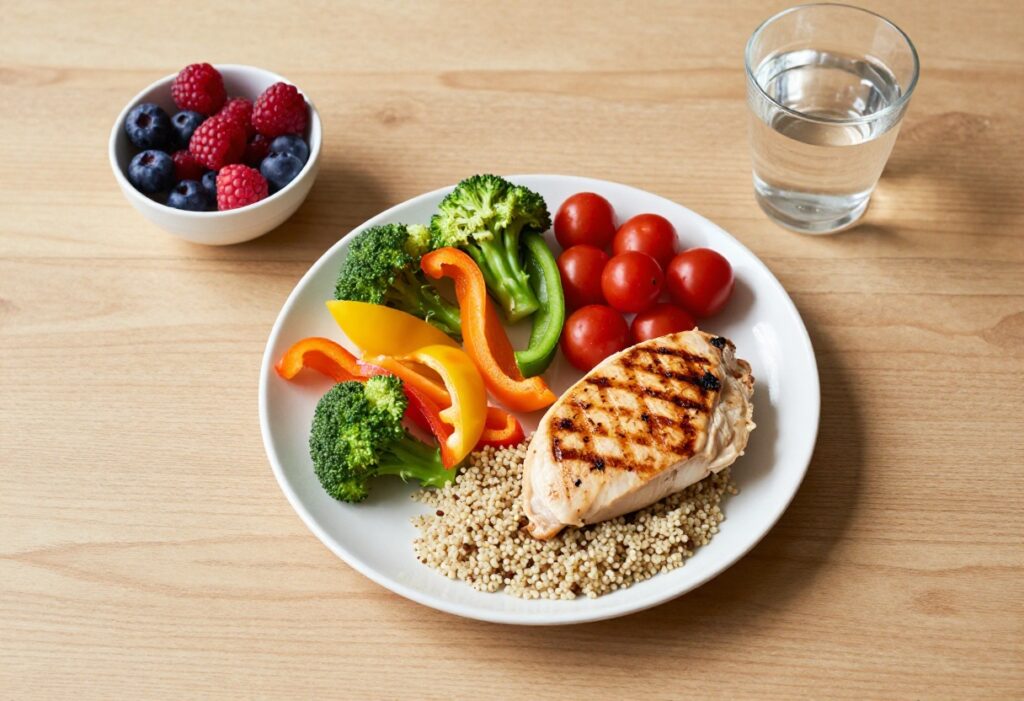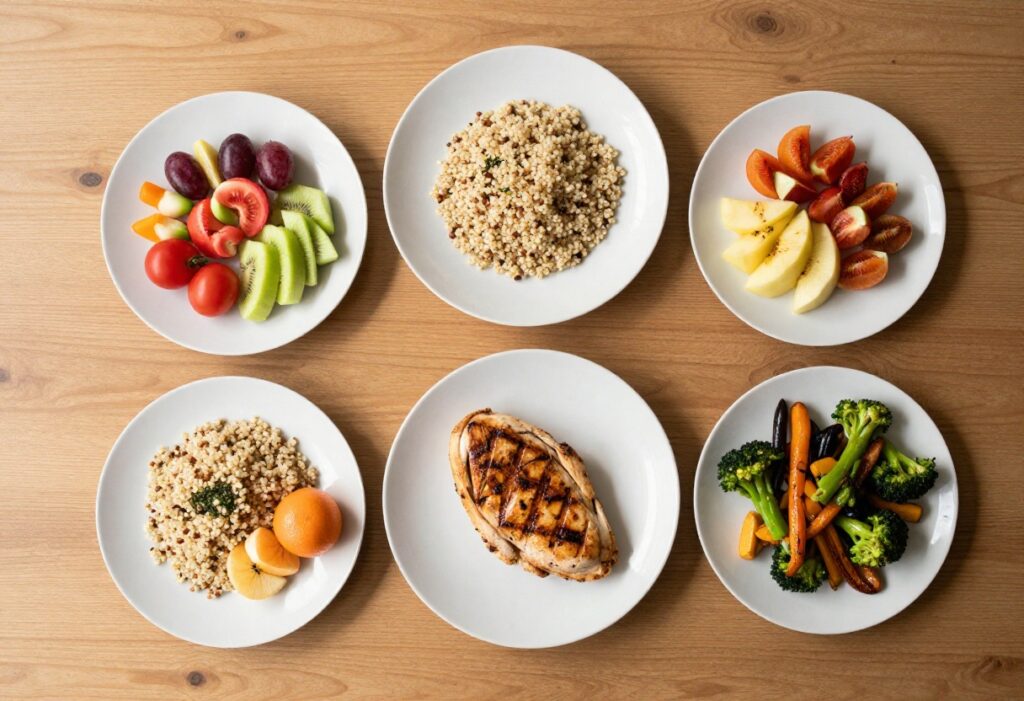
Starting a whole food diet doesn't have to mean spending hours in the kitchen or breaking the bank. In fact, the simplest approach often works best: focus on real, unprocessed ingredients and build meals around them. This 30-day plan is designed to ease you into whole food eating without the overwhelm.
Each week builds on the last, starting with basic staples and gradually introducing more variety, flavor, and flexibility. You'll learn how to prep efficiently, handle cravings, and make whole foods a natural part of your routine.
No strict rules, no expensive superfoods—just practical, delicious eating. By the end of the month, you'll have a toolkit of simple meals, prep strategies, and habits that make whole food eating feel effortless.
Week 1: Build Your Whole Food Foundation
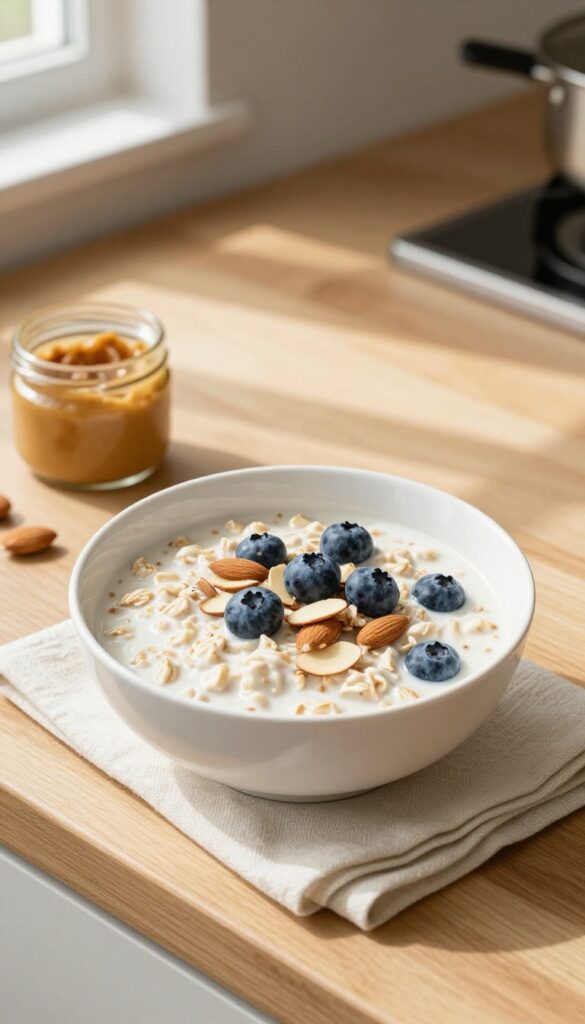
The first week is all about simplicity. You'll focus on whole grains, lean proteins, vegetables, and healthy fats using just a few ingredients per meal. This foundation makes the rest of the month easy.
Each day follows a simple template: a breakfast with protein and fiber, a lunch bowl or wrap, and a one-pan dinner. You'll prep staples like quinoa, roasted veggies, and grilled chicken to mix and match.
Simple Breakfasts to Start Your Day
- Overnight oats with berries and a spoonful of almond butter
- Scrambled eggs with sautéed spinach and a side of apple slices
- Greek yogurt parfait with fresh fruit and a sprinkle of chia seeds
Lunch Bowls and Wraps
- Quinoa bowl with roasted veggies, chickpeas, and a lemon-tahini drizzle
- Turkey and avocado wrap with lettuce, tomato, and mustard in a whole wheat tortilla
- Leftover dinner protein over a bed of greens with olive oil and vinegar
Easy One-Pan Dinners
- Sheet pan salmon with broccoli and sweet potato wedges
- One-pan chicken thighs with green beans and cherry tomatoes
- Stir-fry with shrimp, bell peppers, snap peas, and brown rice
Grocery List Basics
Stock up on rolled oats, quinoa, brown rice, eggs, chicken breast, salmon, canned chickpeas, frozen vegetables, fresh greens, avocados, lemons, olive oil, and your favorite herbs and spices. That's it—no exotic ingredients.
Time-Saving Prep Tip
Set aside one hour on Sunday to cook a batch of quinoa, roast a sheet pan of vegetables, and grill a few chicken breasts. Then assemble meals in minutes all week.
Week 2: Add More Variety and Color
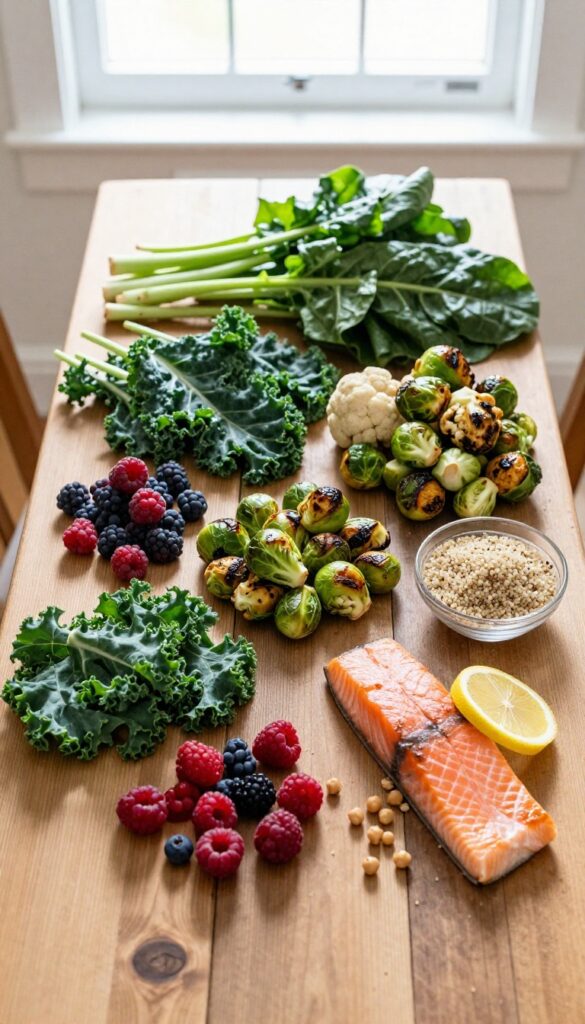
Now that you've built a solid foundation with whole foods, it's time to prevent boredom and maximize nutrition by introducing more variety. This week focuses on expanding your fruit, vegetable, protein, and grain choices—keeping meals exciting and nutrient-dense.
New Fruits and Vegetables to Try
Aim to add one new vegetable or fruit each day. This not only boosts your intake of different vitamins and antioxidants but also keeps your taste buds engaged. Here are some easy ways to incorporate variety:
- Swap your usual spinach for kale, Swiss chard, or arugula.
- Try roasted vegetables like Brussels sprouts, cauliflower, or bell peppers.
- Add color with berries, mango, or pomegranate seeds to your breakfast or snacks.
- Experiment with seasonal produce—it's often fresher and more affordable.
Mix Up Your Proteins
Rotating your protein sources ensures you get a wide range of amino acids and minerals. This week, include at least two different protein sources beyond chicken and beef.
- Fish: Salmon, sardines, or mackerel for omega-3s.
- Legumes: Lentils, chickpeas, or black beans in salads or stews.
- Eggs: A versatile option for any meal.
- Tofu or tempeh: Great for stir-fries or marinated and baked.
Experiment with Whole Grains
Whole grains add fiber, texture, and flavor. If you've been sticking with brown rice or oats, try these alternatives:
- Quinoa: A complete protein, perfect as a base for bowls.
- Farro or barley: Chewy and hearty, ideal for soups or side dishes.
- Buckwheat: Actually a seed, great for porridge or as a rice substitute.
- Millet: Mild flavor, cooks quickly, and works in both savory and sweet dishes.
Sample Weekly Menu
Here's a sample menu to inspire your week. Adjust portions to your needs and swap any ingredient you don't have.
Monday: Breakfast – Berry and spinach smoothie with almond milk. Lunch – Quinoa salad with chickpeas, cucumber, and lemon dressing. Dinner – Baked salmon with roasted Brussels sprouts and sweet potato.
Tuesday: Breakfast – Scrambled eggs with sautéed kale and a slice of whole-grain toast. Lunch – Lentil soup with a side of mixed greens. Dinner – Stir-fried tofu with broccoli, bell peppers, and brown rice.
Wednesday: Breakfast – Oatmeal topped with sliced banana and walnuts. Lunch – Leftover lentil soup or a whole-wheat wrap with hummus, roasted vegetables, and arugula. Dinner – Grilled chicken with farro and roasted cauliflower.
Thursday: Breakfast – Greek yogurt with pomegranate seeds and a sprinkle of flaxseed. Lunch – Black bean and corn salad with avocado. Dinner – Baked cod with quinoa and steamed green beans.
Friday: Breakfast – Two-egg omelet with mushrooms, spinach, and tomatoes. Lunch – Leftover quinoa or a turkey and avocado lettuce wrap. Dinner – Homemade vegetable and bean chili with a side of cornbread (made with whole-grain cornmeal).
Saturday: Breakfast – Buckwheat pancakes with fresh berries. Lunch – Tuna salad (with olive oil and lemon) on a bed of mixed greens. Dinner – Grilled shrimp skewers with bell peppers and zucchini, served with millet.
Sunday: Breakfast – Smoothie bowl with frozen berries, banana, and a handful of spinach, topped with granola. Lunch – Leftover chili or a hearty grain bowl with roasted vegetables and tahini dressing. Dinner – Roasted chicken thighs with barley and roasted root vegetables.
Tip to Avoid Food Boredom
Use herbs and spices to add flavor without salt. Try cumin, smoked paprika, turmeric, or fresh herbs like cilantro and basil. Also, vary your cooking methods—roast, sauté, steam, or eat raw—to keep textures interesting.
Week 3: Boost Flavor Without Processed Ingredients
By week three, you’ve built a solid whole food foundation and added variety. Now it’s time to make your meals irresistibly flavorful—without reaching for bottled dressings, seasoning packets, or jarred sauces loaded with sugar, MSG, and preservatives. This week focuses on simple, homemade flavor boosters that transform basic ingredients into crave-worthy dishes.
Homemade Dressings and Sauces
Store-bought dressings are often packed with added sugars, unhealthy oils, and artificial ingredients. Making your own takes just minutes and lets you control every ingredient. Here are three easy recipes to get you started:
- Simple Vinaigrette: Whisk together 3 parts extra-virgin olive oil, 1 part apple cider vinegar or lemon juice, 1 teaspoon Dijon mustard, and a pinch of salt and pepper. Add fresh or dried herbs like basil, oregano, or thyme for extra flavor.
- Tahini Sauce: Blend ¼ cup tahini, ¼ cup lemon juice, 2 tablespoons water, 1 small garlic clove, and a pinch of salt until smooth. Thin with more water for a dressing or use as a dip.
- Salsa Verde: Combine 1 cup fresh parsley, ½ cup fresh cilantro, 2 tablespoons capers, 1 garlic clove, 2 tablespoons lemon juice, and ¼ cup olive oil in a food processor. Pulse until finely chopped.
Spice Blends and Marinades
Spices and herbs are your secret weapons for adding depth and complexity without processed additives. Build your own blends to keep on hand:
- Cumin, smoked paprika, garlic powder, and lemon zest create a warm, smoky rub for chicken, fish, or roasted vegetables.
- A simple marinade of olive oil, lemon juice, minced garlic, and dried oregano works wonders for any protein or veggies.
- For a quick taco seasoning, mix chili powder, cumin, paprika, onion powder, and a pinch of cayenne. Skip the sugar and anti-caking agents found in store-bought packets.
Healthy Cooking Methods
How you cook matters as much as what you cook. These techniques bring out natural flavors and reduce the need for added salt or fat:
- Roasting: Caramelizes natural sugars in vegetables, making them sweet and savory. Toss with olive oil and your favorite spices, then roast at 400°F until tender.
- Steaming: Preserves the bright color and crisp texture of vegetables. Finish with a squeeze of lemon or a drizzle of tahini sauce.
- Sautéing: Use a small amount of broth or water instead of oil to cook aromatics like garlic and onions. Add vegetables and cook until just tender.
- Grilling: Imparts a smoky char that enhances flavor without any added ingredients. Great for vegetables, chicken, fish, and even fruit.
Sample meals for this week: grilled chicken with salsa verde and roasted sweet potatoes; sautéed shrimp with cumin-lime seasoning and steamed broccoli; a big salad with simple vinaigrette, tahini-dressed chickpeas, and roasted vegetables. By the end of week three, you’ll see how easy it is to create bold, satisfying flavors without relying on processed shortcuts.
Week 4: Make Whole Foods a Sustainable Habit
Welcome to the final week of your 30-day journey. By now, you've built a solid foundation, explored new ingredients, and learned to create delicious meals without relying on processed foods. This week is all about cementing those habits so that whole food eating becomes a natural, effortless part of your lifestyle—not something you have to think about constantly.
Batch Cooking and Freezer Meals
One of the most powerful strategies for long-term success is batch cooking. Set aside a couple of hours on a weekend to prepare staples that can be used throughout the week. Cook a large batch of quinoa, brown rice, or lentils; roast a tray of vegetables; and grill several chicken breasts or a block of tofu.
Portion them into containers for easy grab-and-go meals. Freezer-friendly recipes are your best friend—think soups, stews, chili, and casseroles. They taste just as good reheated and save you time on busy days.
Smart Snacking on Whole Foods
Snacking can either support or sabotage your whole food goals. The key is to have nourishing options readily available. Keep a bowl of fresh fruit on the counter, pre-cut veggie sticks in the fridge, and a stash of unsalted nuts or seeds in your pantry.
When hunger strikes between meals, reach for these instead of packaged snacks. Pair apple slices with almond butter, enjoy a handful of berries with a few walnuts, or dip carrot sticks into hummus. These snacks provide steady energy and keep you satisfied.
Eating Out and Social Situations
Navigating restaurants and social gatherings on a whole food plan doesn't have to be stressful. Most restaurants can accommodate simple requests: ask for grilled instead of fried, dressings on the side, and extra vegetables in place of fries. Scan the menu for dishes centered on lean protein and vegetables.
At parties, eat a small whole food snack beforehand so you're not ravenous, and fill your plate with veggie platters, fruit, and other whole food options first. Remember, occasional treats are part of a balanced life—no guilt required.
Essential Meal Prep Tips for Success
Meal prep is the secret weapon that makes a 30-day whole food plan feel effortless. By dedicating just a couple of hours each week, you'll save time, reduce stress, and set yourself up for success. Here's how to do it right.
Your Weekly Meal Prep Routine
- Set aside 2 hours weekly for prep. Pick a consistent day and time, like Sunday morning or Wednesday evening.
- Plan your menu for the week. Review the week's meals and make a grocery list based on what you need.
- Shop once for the week. Stick to your list to avoid impulse buys and ensure you have all ingredients.
- Wash and chop veggies right away. Store them in airtight containers or glass jars for easy access.
- Cook grains and proteins in bulk. Make a big batch of quinoa, brown rice, or lentils, and grill or bake chicken breasts, tofu, or salmon.
- Portion into containers. Divide meals into single-serving containers so you can grab and go.
- Label and date everything. Use masking tape and a marker to note contents and prep date.
Storage Guidelines to Keep Food Fresh
Proper storage extends the life of your prepped ingredients and prevents waste.
Time-Saving Tools Worth Investing In
A few simple tools can cut your prep time in half:
Common Mistakes to Avoid
- Don't overprep perishables like fresh herbs or delicate greens—they'll wilt before you use them. Prep only what you'll eat in 3–4 days.
- Don't skip the planning step. Without a menu and list, you'll end up with mismatched ingredients and wasted food.
- Don't store all your meals in one giant container. Portioning saves time and prevents overeating.
Common Challenges and How to Overcome Them
Even with the best intentions, switching to whole foods can come with a few bumps in the road. Here’s how to handle the most common hurdles without giving up.
Cravings for Processed Foods
Cravings are normal, especially in the first week. Instead of fighting them, identify your triggers. Are you bored, stressed, or just used to a certain taste?
Find a whole food alternative that hits the same note: crunchy veggies with hummus instead of chips, or a date with almond butter for a sweet fix. Over time, your taste buds adjust and cravings fade.
Lack of Time for Cooking
Not everyone has hours to spend in the kitchen. Use shortcuts like pre-cut vegetables, canned beans (rinsed), or a rotisserie chicken. Batch-cook staples like quinoa, brown rice, and roasted veggies on the weekend.
A slow cooker or Instant Pot can be a lifesaver—throw in ingredients in the morning and come home to a ready meal.
Budget Concerns
Whole foods can be budget-friendly. Buy grains, beans, and nuts in bulk. Choose seasonal produce and frozen fruits and vegetables (they’re just as nutritious).
Plan your meals around sales and consider joining a CSA or shopping at farmers' markets near closing time for discounts. Remember, you’re saving money by cutting out expensive processed snacks and takeout.
Mindset Shift
Progress over perfection. One off-plan meal doesn’t ruin your journey. If you slip, just get back on track at the next meal.
Focus on what you’re adding (nutrients, energy) rather than what you’re giving up.
When to Seek Support
If you feel overwhelmed or have underlying health conditions, consider consulting a registered dietitian. Online communities or a buddy can also provide accountability and encouragement.
FAQ
Can I still eat grains on a whole food diet?
Absolutely. Whole grains like oats, quinoa, brown rice, and barley are whole foods. The key is to choose minimally processed grains and avoid refined versions like white flour or white rice.
What about dairy and eggs?
Dairy and eggs can be part of a whole food diet if you tolerate them well. Opt for plain yogurt, cheese from grass-fed animals, and pasture-raised eggs. Many people find they feel better with moderate amounts.
How do I handle social events?
Plan ahead by eating a small whole food snack before you go. When possible, bring a dish to share. Focus on vegetables, proteins, and fruits available, and don't stress about occasional indulgences.
Is this plan suitable for weight loss?
Yes, because whole foods are nutrient-dense and naturally lower in calories than processed options. However, the plan is not a restrictive diet—it's about nourishing your body. Weight loss may occur as a side effect of healthier eating.
Do I need to buy organic?
No, it's not necessary. The most important thing is to eat more whole foods, regardless of whether they're organic. If budget allows, prioritize organic for the Dirty Dozen list, but don't let perfectionism get in the way.
Conclusion
This 30-day whole food meal plan is a starting point, not a rigid prescription. Feel free to swap meals, adjust portions, and repeat weeks as needed. The goal is to build a sustainable, enjoyable way of eating that supports your health without adding stress.
Remember, every whole food meal is a step in the right direction. Celebrate your progress, be kind to yourself, and keep it simple. You've got this.

Dr. Pallab Kishore, MS in Orthodontics and owner of Orthodontic Braces Care, shares expert tips on braces, aligners, and oral health from 10+ years of experience.