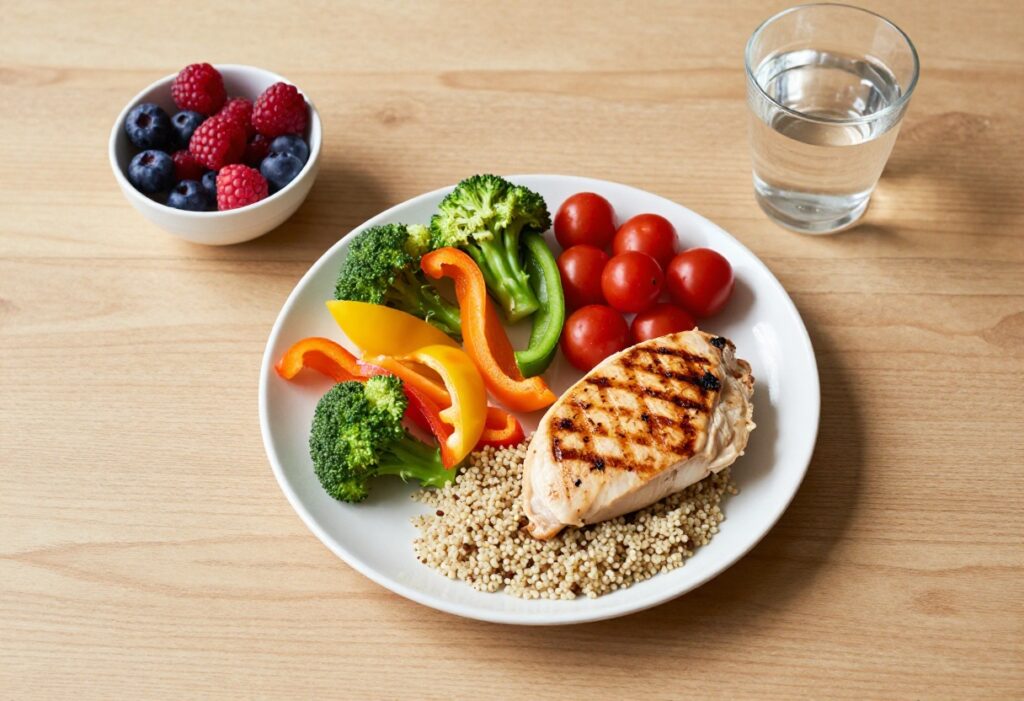
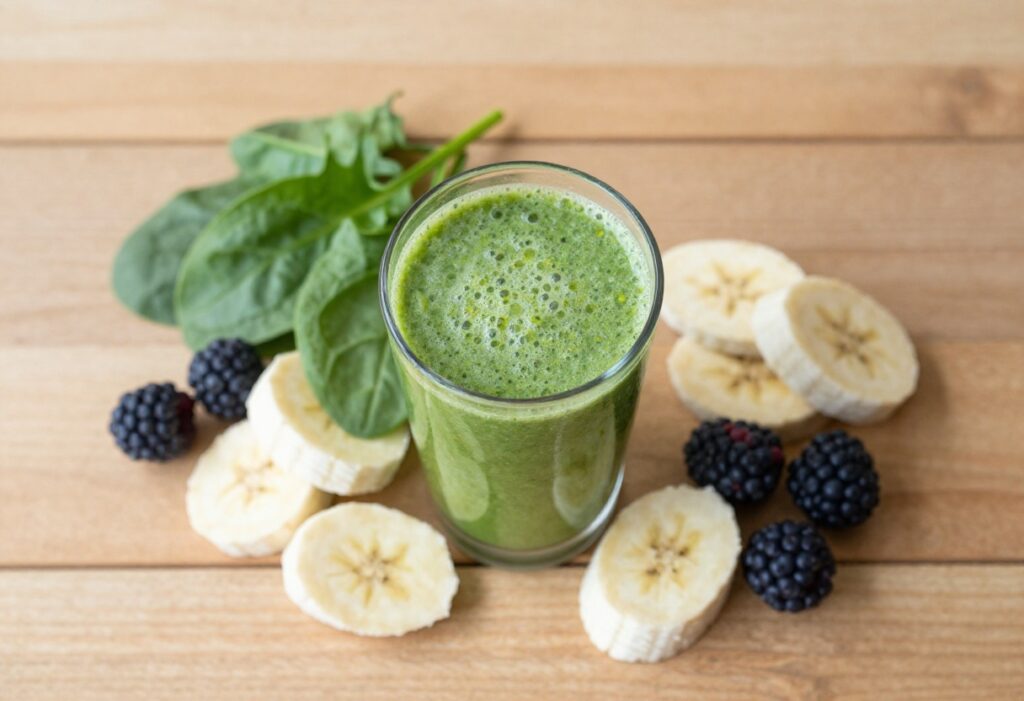
If you’re like most busy adults, you want to eat well but don’t have hours to spend in the kitchen. A 2000-calorie meal plan is a common reference point for many people, but it’s not a one-size-fits-all prescription.
This guide is designed to give you a practical, flexible template that fits into a hectic weekday schedule. We’ll cover simple meal prep strategies, a full 5-day plan with easy recipes, and tips for customizing it to your needs.
Whether you’re trying to maintain your weight, support an active lifestyle, or just eat more balanced meals, this plan can help you stay on track without stress. Remember, individual calorie needs vary based on age, gender, activity level, and goals.
Why 2000 Calories?
You’ve likely seen 2000 calories listed on nutrition labels or in diet plans, but what does that number really mean? It’s a common reference point, but it’s not a one-size-fits-all prescription. Understanding why 2000 calories is used can help you decide if this meal plan is right for you—or how to adjust it to fit your needs.
The 2000-calorie mark is based on average energy needs for moderately active adults. Government agencies like the FDA use it as a general guideline for daily nutrition, making it easier to compare food labels and create standardized meal plans. However, your individual calorie requirements depend on several factors, including age, gender, height, weight, and activity level.
For example, a sedentary woman in her 60s may need only 1,600 calories, while an active man in his 20s might require 2,500 or more.
This meal plan is designed as a flexible template, not a rigid prescription. It provides a balanced distribution of carbohydrates, protein, and fat to support energy, focus, and satiety throughout a busy weekday. If you’re more active, you may need to add a snack or increase portion sizes.
If you’re less active or smaller in stature, you might find that 1,800 calories feels more comfortable. The key is to listen to your body and adjust as needed.
Important Note
This plan is for informational purposes only and is not a substitute for personalized medical or dietary advice. Consult a registered dietitian or healthcare provider before making significant changes to your eating habits, especially if you have underlying health conditions.
Meal Prep Strategies for Busy Weekdays
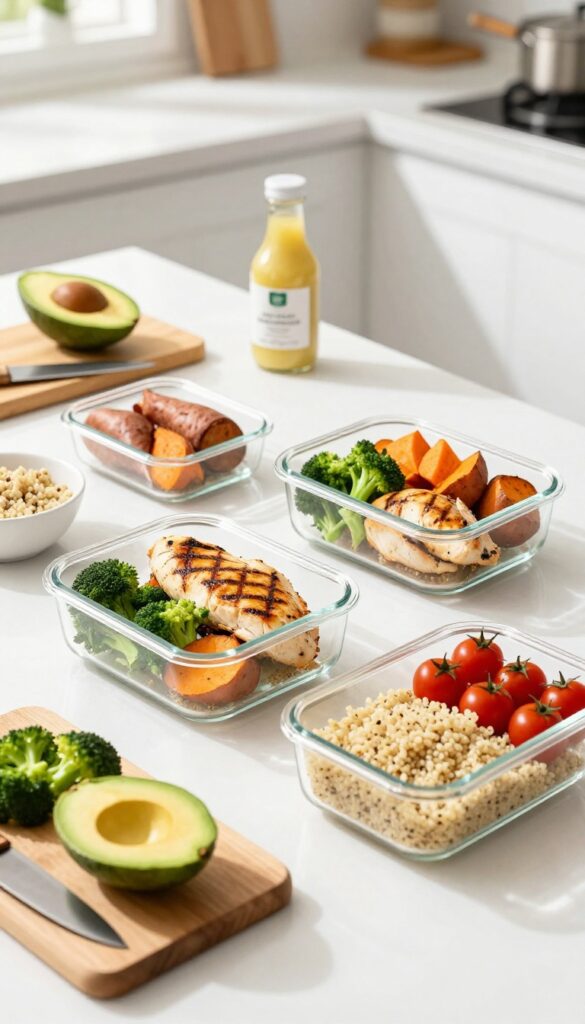
A little planning on the weekend can save you hours of decision-making during the week. The goal is to set yourself up so that every meal comes together in 10 minutes or less. Here are the strategies that make it possible.
Sunday Prep Session
Set aside one to two hours on Sunday to knock out the bulk of your meal prep. Focus on the components that take the longest to cook or chop.
Quick Assembly Tips
During the week, you’ll just combine prepped ingredients. Keep these tips in mind to streamline your mornings and evenings.
Storage Tips to Keep Food Fresh
Proper storage extends the life of your prepped ingredients. For leafy greens, line the container with a paper towel to absorb moisture. Store cut vegetables in water to keep them crisp.
Grains and proteins should be cooled completely before sealing to prevent condensation. Most prepped items last 3-5 days in the fridge, so plan your prep day accordingly.
Versatile Ingredients to Always Have On Hand
Stock your pantry and fridge with items that work in multiple meals: canned beans, whole-grain tortillas, pre-washed salad greens, cherry tomatoes, avocado, and a few sauces like salsa, hummus, or vinaigrette. These allow you to throw together a balanced meal in minutes without a recipe.
The 5-Day Meal Plan
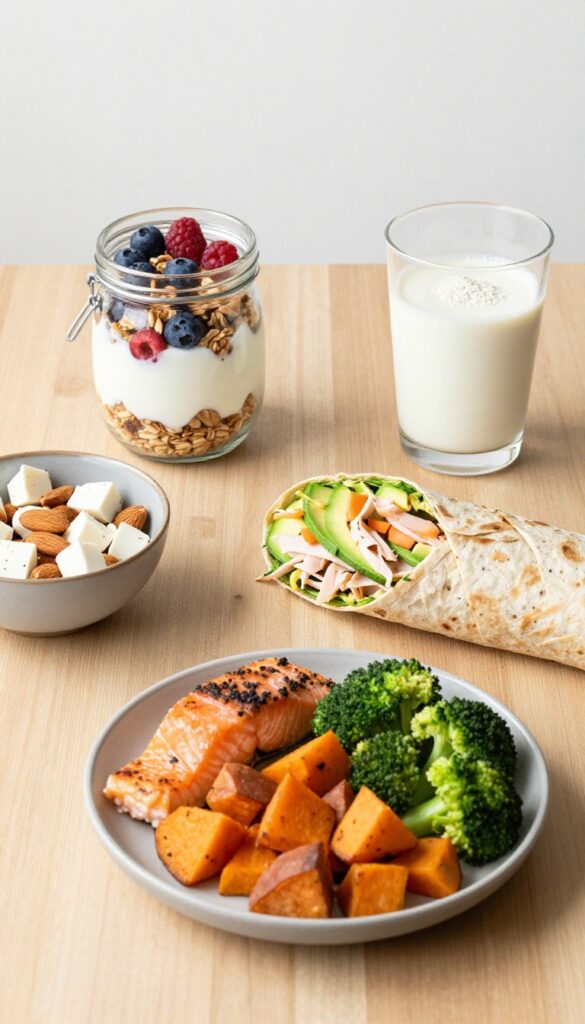
Here is a practical 5-day meal plan designed for busy weekdays. Each day totals around 2000 calories, with simple meals that require minimal prep and cooking time. Feel free to swap similar ingredients or adjust portions to fit your preferences.
Monday
- Breakfast: Greek yogurt parfait – 1 cup plain Greek yogurt (150 cal), 1/2 cup berries (40 cal), 2 tbsp granola (60 cal) = 250 cal
- Snack 1: 1 apple (95 cal) with 1 tbsp peanut butter (95 cal) = 190 cal
- Lunch: Turkey and avocado wrap – 1 whole-wheat tortilla (120 cal), 3 oz turkey (120 cal), 1/4 avocado (80 cal), lettuce, tomato, mustard = 320 cal
- Snack 2: 1 oz almonds (164 cal) + 1 string cheese (80 cal) = 244 cal
- Dinner: Sheet pan salmon and veggies – 5 oz salmon (280 cal), 1 cup broccoli (55 cal), 1 cup sweet potato cubes (180 cal) tossed in 1 tbsp olive oil (120 cal) = 635 cal
- Evening snack: 1 cup unsweetened almond milk (30 cal) + 1 scoop protein powder (120 cal) = 150 cal
- Total: ~1789 cal (adjust with extra snack or larger portions to reach 2000)
Tuesday
- Breakfast: Overnight oats – 1/2 cup rolled oats (150 cal), 1 cup unsweetened almond milk (30 cal), 1 tbsp chia seeds (60 cal), 1 tbsp maple syrup (50 cal), 1/2 cup berries (40 cal) = 330 cal
- Snack 1: 1 hard-boiled egg (78 cal) + 1 small banana (90 cal) = 168 cal
- Lunch: Quinoa salad – 1 cup cooked quinoa (220 cal), 1/2 cup chickpeas (135 cal), 1/2 cup cherry tomatoes (15 cal), 1/4 cup cucumber (5 cal), 2 tbsp lemon vinaigrette (90 cal) = 465 cal
- Snack 2: 1/2 cup cottage cheese (110 cal) + 1/2 cup pineapple chunks (40 cal) = 150 cal
- Dinner: Chicken stir-fry – 5 oz chicken breast (240 cal), 2 cups mixed veggies (100 cal), 1 tbsp sesame oil (120 cal), 2 tbsp soy sauce (20 cal) served with 1 cup brown rice (220 cal) = 700 cal
- Evening snack: 1 oz dark chocolate (170 cal) = 170 cal
- Total: ~1983 cal
Wednesday
- Breakfast: Scrambled eggs on toast – 2 eggs (140 cal), 1 slice whole-wheat toast (80 cal), 1 tbsp butter (100 cal) = 320 cal
- Snack 1: 1 pear (100 cal) + 1 tbsp almond butter (100 cal) = 200 cal
- Lunch: Leftover chicken stir-fry from Tuesday = 700 cal
- Snack 2: 1/4 cup hummus (100 cal) + 1 cup baby carrots (50 cal) = 150 cal
- Dinner: Black bean tacos – 3 corn tortillas (180 cal), 1/2 cup black beans (120 cal), 1/4 avocado (80 cal), salsa (20 cal), 2 tbsp sour cream (60 cal) = 460 cal
- Evening snack: 1 cup mixed berries (70 cal) + 1/2 cup Greek yogurt (75 cal) = 145 cal
- Total: ~1975 cal
Thursday
- Breakfast: Smoothie – 1 cup unsweetened almond milk (30 cal), 1 scoop protein powder (120 cal), 1/2 banana (50 cal), 1 cup spinach (7 cal), 1 tbsp peanut butter (95 cal) = 302 cal
- Snack 1: 1/2 cup trail mix (300 cal) – adjust portion to 1/3 cup for ~200 cal
- Lunch: Tuna salad lettuce wraps – 1 can tuna in water (180 cal), 1 tbsp mayo (90 cal), 1/4 cup chopped celery (5 cal), lettuce leaves (5 cal) = 280 cal
- Snack 2: 1 cup edamame (190 cal) = 190 cal
- Dinner: Turkey meatballs with marinara – 5 oz ground turkey (250 cal), 1/2 cup marinara (70 cal), 1 cup whole-wheat pasta (220 cal), 1 tbsp Parmesan (20 cal) = 560 cal
- Evening snack: 1/2 cup cottage cheese (110 cal) + 1/2 cup peaches (40 cal) = 150 cal
- Total: ~1732 cal (add extra snack or larger portions to reach 2000)
Friday
- Breakfast: Peanut butter banana toast – 2 slices whole-wheat toast (160 cal), 2 tbsp peanut butter (190 cal), 1 banana (100 cal) = 450 cal
- Snack 1: 1 cup Greek yogurt (150 cal) + 1 tbsp honey (60 cal) = 210 cal
- Lunch: Leftover turkey meatballs and pasta from Thursday = 560 cal
- Snack 2: 1 oz mixed nuts (170 cal) = 170 cal
- Dinner: Shrimp and veggie skewers – 5 oz shrimp (150 cal), 1 bell pepper (30 cal), 1 zucchini (20 cal), 1 tbsp olive oil (120 cal) served with 1/2 cup quinoa (110 cal) = 430 cal
- Evening snack: 1 cup strawberries (50 cal) + 1 oz dark chocolate (170 cal) = 220 cal
- Total: ~2040 cal
Customizing the Plan to Fit Your Needs
This 2000-calorie meal plan is designed as a flexible template. Everyone’s body, schedule, and taste preferences are different, so feel free to adjust the meals to suit your lifestyle. Below are simple ways to tailor the plan for your activity level, dietary preferences, and any food allergies or intolerances.
Adjusting for Activity Level
If you’re more active—say you exercise most days or have a physically demanding job—you may need slightly more calories to maintain energy. Conversely, if you’re sedentary, you might feel satisfied with smaller portions. Here’s how to tweak the plan:
For higher activity: Add an extra snack (like a piece of fruit with nut butter) or increase portion sizes of protein and whole grains at meals. For lower activity: Reduce the serving of grains or starchy vegetables by about half, and skip the optional snacks if you’re not hungry.
Dietary Preferences
The meal plan can easily be adapted for vegetarian, vegan, or gluten-free diets. Below are common swaps that keep the calorie count and nutrition balanced.
Vegetarian & Vegan Options
- Replace chicken, turkey, or fish with tofu, tempeh, seitan, or legumes (lentils, chickpeas, black beans).
- Use eggs or Greek yogurt for vegetarian; for vegan, opt for plant-based protein powders or edamame.
- Swap dairy milk for unsweetened almond, soy, or oat milk. Use vegan cheese or nutritional yeast for flavor.
Gluten-Free Swaps
- Choose gluten-free oats, quinoa, rice, or corn tortillas instead of wheat-based bread, pasta, or wraps.
- Use tamari or coconut aminos in place of soy sauce.
- Check labels on condiments and packaged items to ensure they are gluten-free.
Remember, the plan is a starting point. You can swap any meal component as long as you keep portions roughly equivalent to maintain the 2000-calorie target. For example, if you don’t eat eggs, substitute with a serving of Greek yogurt or a tofu scramble.
The key is to keep the meal balanced with protein, healthy fats, and fiber-rich carbs.
A Note on Extreme Restrictions
Avoid cutting out entire food groups or drastically reducing calories without professional guidance. This plan is designed to be sustainable and nourishing. If you have specific medical conditions or dietary needs, consult a registered dietitian for personalized advice.
Tips for Eating Out or Ordering In
Busy weekdays often mean eating out or ordering in. With a few smart strategies, you can stay on track with your 2000-calorie goal without feeling deprived.
How to Estimate Calories When Eating Out
When nutrition info isn’t listed, use these estimates: a typical restaurant meal ranges from 700 to 1,500 calories. Focus on protein and vegetables, and assume sauces and dressings add 200–400 calories. A good rule: half your plate should be veggies, a quarter protein, and a quarter carbs.
Smart Choices at Common Restaurants
- Choose grilled, baked, or steamed over fried or breaded.
- Ask for dressings, sauces, and gravies on the side.
- Opt for water or unsweetened tea instead of sugary drinks.
- Split an entrée or take half home for later.
- Start with a broth-based soup or salad to fill up.
Healthy Swaps for Popular Cuisines
Mexican
- Choose soft tacos over hard shells or burritos.
- Load up on fajita veggies and skip the rice and beans.
- Use salsa and guacamole instead of sour cream and cheese.
Italian
- Order tomato-based sauces instead of cream sauces.
- Ask for whole-wheat pasta or extra vegetables.
- Start with a salad and share a main dish.
Asian
- Request steamed brown rice instead of fried rice.
- Choose stir-fried or steamed dishes over battered and fried.
- Ask for light sauce or sauce on the side.
American
- Go for grilled chicken sandwiches or burgers without the bun.
- Substitute fries for a side salad or steamed veggies.
- Watch portion sizes—restaurant servings are often double what you need.
Remember, one meal won’t derail your progress. Aim for balance most of the time, and don’t stress over occasional indulgences.
FAQ
Can I follow this plan if I’m vegetarian?
Absolutely. Many of the meals can be easily adapted. For example, swap chicken for tofu or beans, and use plant-based milk and yogurt.
Just ensure you’re getting enough protein and iron from sources like lentils, chickpeas, and leafy greens.
How do I adjust the plan for weight loss?
To lose weight, you typically need a calorie deficit. You can reduce portions slightly, cut out snacks, or replace higher-calorie items with lower-calorie alternatives. However, it’s best to consult a dietitian for personalized advice.
What if I don’t have time to meal prep?
Even 15 minutes of prep can help. Wash and chop veggies, cook a batch of rice, or hard-boil eggs. You can also use shortcuts like pre-washed salad greens, canned beans, and rotisserie chicken.
Is 2000 calories too much for me?
It depends on your age, gender, activity level, and goals. Many adults need between 1800-2400 calories per day. Use an online calculator or talk to a professional to find your number.
Conclusion
A 2000-calorie meal plan doesn’t have to be complicated or time-consuming. With a little planning and some simple recipes, you can enjoy balanced, satisfying meals throughout your busy week. The key is to find what works for you and make adjustments as needed.
Remember, this plan is a tool, not a strict rule.
Listen to your body, enjoy your food, and don’t stress about perfection. Small, consistent steps lead to lasting healthy habits. If you have specific health concerns or dietary needs, consult a registered dietitian for personalized guidance.

Dr. Pallab Kishore, MS in Orthodontics and owner of Orthodontic Braces Care, shares expert tips on braces, aligners, and oral health from 10+ years of experience.