Starting a gluten-free diet can feel overwhelming, but it doesn't have to be. Whether you have celiac disease, gluten sensitivity, or simply want to explore gluten-free eating, this guide will help you understand the basics and provide simple meal ideas to get started.
We'll cover what gluten is, which foods to avoid, naturally gluten-free options, and easy breakfast, lunch, dinner, and snack ideas.
Let's make gluten-free living simple and delicious.
What Is Gluten and Why Go Gluten-Free?
Gluten is a protein found in certain grains that gives dough its elastic texture. For many people, gluten is harmless, but for others it can cause uncomfortable symptoms or serious health issues. Understanding what gluten is and why someone might choose to avoid it is the first step in starting a gluten-free diet.
What Is Gluten?
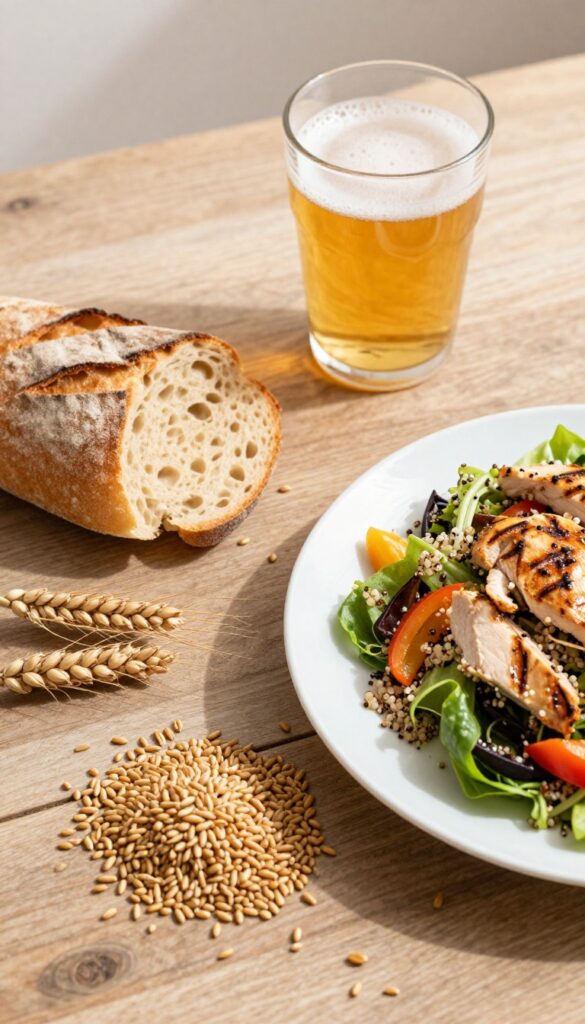
Gluten is a family of proteins naturally present in wheat, barley, and rye. It acts like a glue that helps foods hold their shape and gives bread its chewy texture. Common foods containing gluten include bread, pasta, cereal, beer, and many baked goods.
Common Sources of Gluten
- Wheat and wheat varieties like spelt, durum, farro, and kamut
- Barley, often found in malt and beer
- Rye, used in rye bread and some whiskeys
Why Go Gluten-Free?
People choose a gluten-free diet for several reasons. The most common medical reason is celiac disease, an autoimmune disorder where gluten damages the lining of the small intestine. Others have non-celiac gluten sensitivity, experiencing symptoms like bloating, fatigue, or brain fog after eating gluten.
Some people also choose gluten-free for personal or lifestyle reasons.
Common Symptoms of Gluten Intolerance
- Bloating and gas
- Diarrhea or constipation
- Fatigue and brain fog
- Headaches
- Joint pain
Important Note
If you suspect you have celiac disease or gluten sensitivity, consult a healthcare professional before starting a gluten-free diet. Self-diagnosis can be misleading, and a doctor can provide proper testing and guidance.
Foods to Avoid on a Gluten-Free Diet
Knowing which foods contain gluten is the first step to successfully following a gluten-free diet. Gluten is a protein found in certain grains, and it can hide in many unexpected places.
Obvious Sources of Gluten
The most straightforward sources of gluten are foods made from wheat, barley, rye, and triticale. These include:
Hidden Gluten in Processed Foods
Gluten often appears in processed foods where you might not expect it. Always check labels for these common culprits:
Reading Labels for Hidden Gluten
Look for terms like "wheat flour," "barley malt," "rye," or "triticale" on ingredient lists. Also be aware of less obvious ingredients such as "hydrolyzed wheat protein," "maltodextrin" (if from wheat), and "modified food starch" (unless specified as corn or potato). In many countries, products labeled "gluten-free" must meet strict standards, making them a safer choice.
Tip
When in doubt, check the manufacturer's website or contact them directly. Many brands now clearly mark gluten-free items on their packaging.
Gluten-Free Foods You Can Enjoy
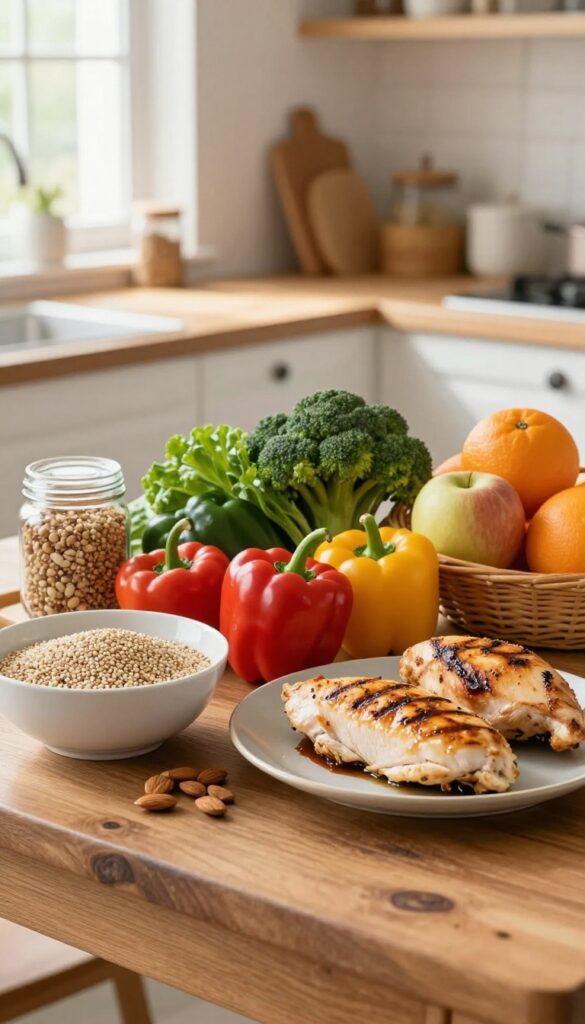
Starting a gluten-free diet doesn't mean you have to give up delicious food. In fact, many naturally gluten-free foods are already staples in a healthy diet. Focus on whole, unprocessed foods and enjoy a wide variety of grains, proteins, and produce.
Naturally Gluten-Free Whole Foods
These foods are naturally free of gluten and form the foundation of a healthy gluten-free diet:
Gluten-Free Grains and Starches
Many grains and starches are naturally gluten-free. Always check labels for cross-contamination warnings.
Gluten-Free Alternatives to Common Favorites
If you miss bread, pasta, or baked goods, there are many gluten-free options available:
Tip for Beginners
Stick to naturally gluten-free whole foods as much as possible. They are nutritious, affordable, and easy to find. Use gluten-free packaged products as occasional substitutes, not daily staples.
Simple Gluten-Free Breakfast Ideas
Starting your day with a satisfying gluten-free breakfast sets a positive tone for the rest of your meals. Here are four easy ideas that use common ingredients and come together quickly.
Scrambled eggs with vegetables and gluten-free toast is a classic, protein-packed option. Sauté bell peppers, onions, and spinach in a pan, then scramble in two eggs. Serve alongside a slice of your favorite gluten-free bread, toasted until golden.
Greek yogurt with berries and gluten-free granola offers a creamy, crunchy contrast. Choose plain Greek yogurt for less sugar, top with fresh or frozen berries, and sprinkle with certified gluten-free granola. This breakfast is ready in minutes and can be prepped the night before.
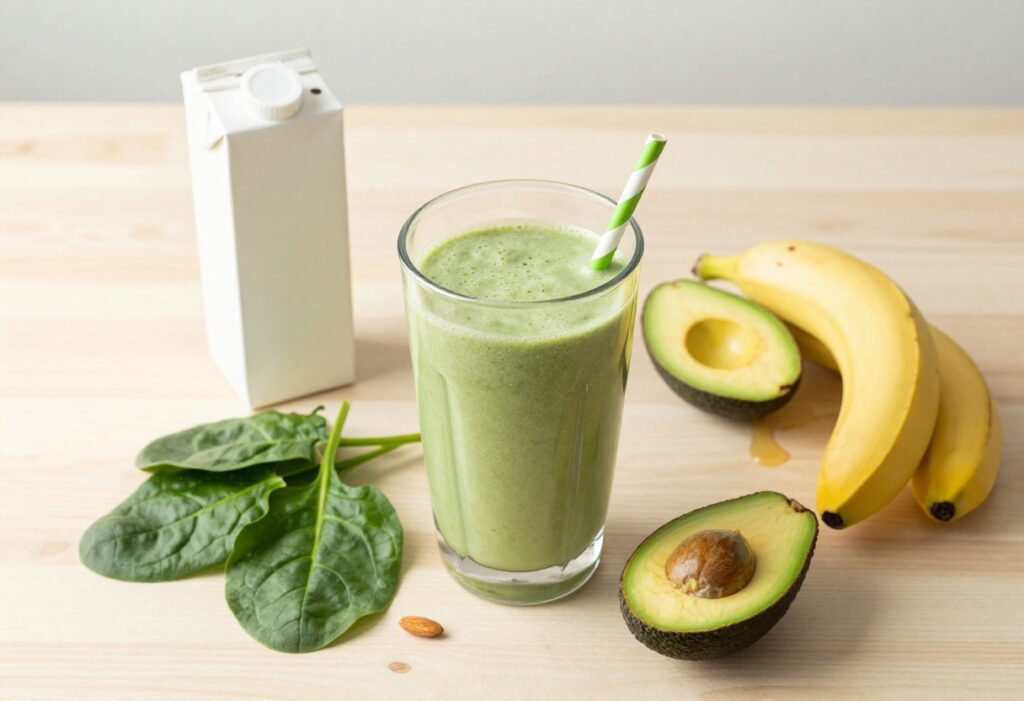
A smoothie with spinach, banana, and almond milk is a refreshing, nutrient-rich choice. Blend a handful of spinach, one banana, one cup of unsweetened almond milk, and a tablespoon of nut butter for extra protein. Pour into a glass and enjoy on the go.
Oatmeal made with certified gluten-free oats is a warm, comforting breakfast. Cook the oats according to package directions using water or milk, then stir in cinnamon, sliced banana, and a drizzle of maple syrup. Top with nuts or seeds for added crunch.
Easy Gluten-Free Lunch Options
Lunch can be a challenge when you're new to gluten-free eating, especially if you're used to grabbing a sandwich or fast food. The key is to keep it simple: focus on naturally gluten-free ingredients and prep a few staples ahead of time. Here are four easy, satisfying lunch ideas that require minimal effort.
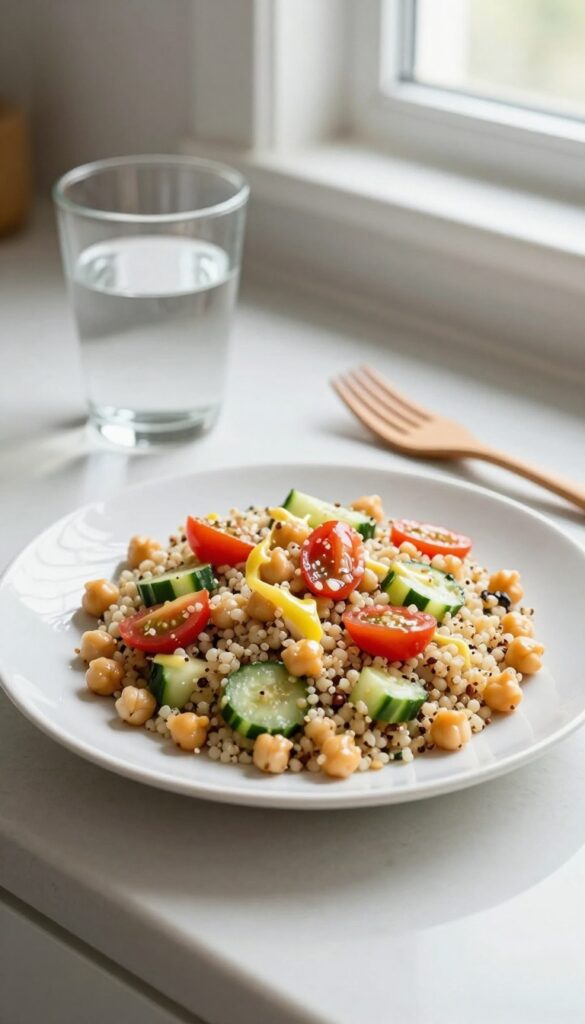
Quinoa Salad with Chickpeas, Cucumber, and Lemon Vinaigrette
Cook quinoa in advance and store it in the fridge. For a quick lunch, toss it with canned chickpeas (rinsed), diced cucumber, cherry tomatoes, and a simple dressing of olive oil, lemon juice, salt, and pepper. This salad is protein-packed and keeps well for a few days.
Rice Cakes with Avocado and Smoked Salmon
Rice cakes are a gluten-free staple. Top them with mashed avocado, smoked salmon, and a sprinkle of black pepper or everything bagel seasoning. This takes less than five minutes and provides healthy fats and protein.
Gluten-Free Wrap with Turkey, Lettuce, and Hummus
Use certified gluten-free tortillas or lettuce wraps. Spread hummus, add sliced turkey, lettuce, and any other veggies you like. Roll it up and go.
This is a great alternative to a traditional sandwich.
Leftover Dinner Like Grilled Chicken with Roasted Vegetables
Cook extra dinner portions on purpose. Grilled chicken, roasted broccoli, and sweet potatoes make a perfect next-day lunch. Just reheat and enjoy.
This saves time and ensures you have a balanced meal.
These lunches are designed to be straightforward and use ingredients you can find at any grocery store. As you get more comfortable, feel free to mix and match proteins, vegetables, and gluten-free grains like brown rice or millet.
Simple Gluten-Free Dinner Recipes
Dinner can feel tricky when you're new to gluten-free eating, but these simple recipes use everyday ingredients and come together quickly.
Grilled salmon with steamed broccoli and quinoa is a balanced, naturally gluten-free meal. Season the salmon with lemon, garlic, and herbs, then grill or bake. Serve with fluffy quinoa and bright green broccoli.
Stir-fry with chicken, vegetables, and tamari (gluten-free soy sauce) is ready in under 20 minutes. Use any veggies you have on hand—bell peppers, snap peas, carrots—and serve over rice or rice noodles.
Zucchini noodles with marinara sauce and meatballs offer a low-carb, gluten-free twist on spaghetti. Use store-bought gluten-free meatballs or make your own with gluten-free breadcrumbs. Top with Parmesan if desired.
Sheet pan dinner with sausage, potatoes, and bell peppers is a hands-off meal. Toss gluten-free sausage, cubed potatoes, and sliced peppers with olive oil and seasonings, then roast until golden. Easy cleanup and full of flavor.
Gluten-Free Snacks and Desserts
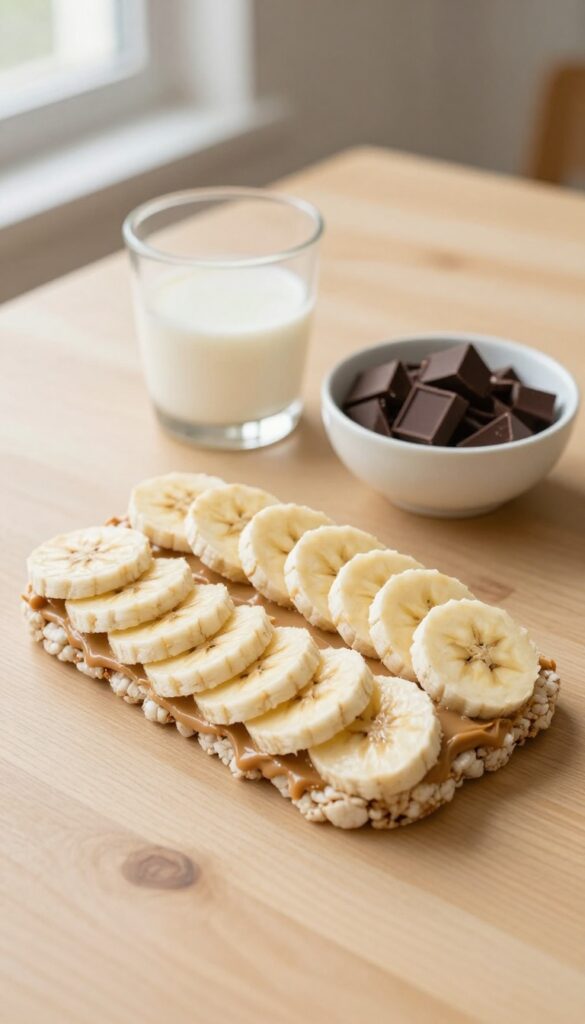
Snacks and desserts can be tricky on a gluten-free diet, but there are plenty of simple, satisfying options that don't require complex recipes. Here are a few easy ideas to keep you on track.
Quick Snack Ideas
- Fresh fruit with nut butter: Apple slices or banana with almond or peanut butter make a balanced, naturally gluten-free snack.
- Rice cakes with peanut butter and banana: Spread peanut butter on a rice cake and top with banana slices for a crunchy, filling treat.
- Gluten-free crackers with cheese: Choose certified gluten-free crackers and pair with your favorite cheese for a classic snack.
Simple Dessert Options
- Dark chocolate: Always check the label to ensure it's gluten-free. Many dark chocolate bars are naturally free of gluten.
- Homemade chia pudding: Mix chia seeds with your choice of milk and a sweetener, then refrigerate overnight. Top with berries for a healthy dessert.
Tips for Eating Out and Social Events
Navigating restaurants and social gatherings on a gluten-free diet can feel tricky at first, but with a little planning, you can enjoy meals out without worry. The key is preparation and clear communication.
Before heading to a restaurant, check their menu online. Many places now label gluten-free options or have separate allergy menus. If you're unsure, call ahead and ask about their gluten-free practices.
When you arrive, tell your server about your dietary needs clearly and politely. Ask if they can prepare your meal in a separate area to avoid cross-contamination.
Practical Tips for Dining Out and Social Events
- Research restaurant menus ahead of time to identify safe options.
- Communicate clearly with staff about your gluten-free needs, including the risk of cross-contamination.
- Bring a gluten-free dish to share at parties so you know there's something safe to eat.
- Be cautious of cross-contamination in shared kitchens, especially with fryers, toasters, and cutting boards.
- Consider eating a small snack before heading out so you're not overly hungry if options are limited.
A Word on Social Events
At parties or potlucks, don't be shy about bringing your own gluten-free dish. Most hosts appreciate the contribution, and it ensures you have a safe option. If you're a guest, you can also ask the host about the menu in advance and offer to help with gluten-free preparations.
FAQ
Is a gluten-free diet healthier for everyone?
Not necessarily. A gluten-free diet is essential for people with celiac disease or gluten sensitivity, but for others, it may not provide additional health benefits and can lead to nutrient deficiencies if not planned properly.
Can I eat oats on a gluten-free diet?
Yes, but only if they are certified gluten-free, as oats are often contaminated with gluten during processing.
What are common hidden sources of gluten?
Soy sauce, salad dressings, soups, processed meats, and some medications can contain hidden gluten. Always check labels.
How do I avoid cross-contamination at home?
Use separate toasters, cutting boards, and utensils for gluten-free foods. Clean surfaces thoroughly and store gluten-free items separately.
Can I still eat out at restaurants?
Yes, many restaurants offer gluten-free menus. Always inform the staff about your dietary needs and ask about cross-contamination practices.
Conclusion
Adopting a gluten-free diet is a journey, but with the right knowledge and simple meal ideas, it can be enjoyable and sustainable. Focus on whole, naturally gluten-free foods, experiment with new grains and recipes, and don't be afraid to ask questions when eating out.
Remember, you don't have to be perfect—just do your best and listen to your body. Happy gluten-free eating!

Dr. Pallab Kishore, MS in Orthodontics and owner of Orthodontic Braces Care, shares expert tips on braces, aligners, and oral health from 10+ years of experience.