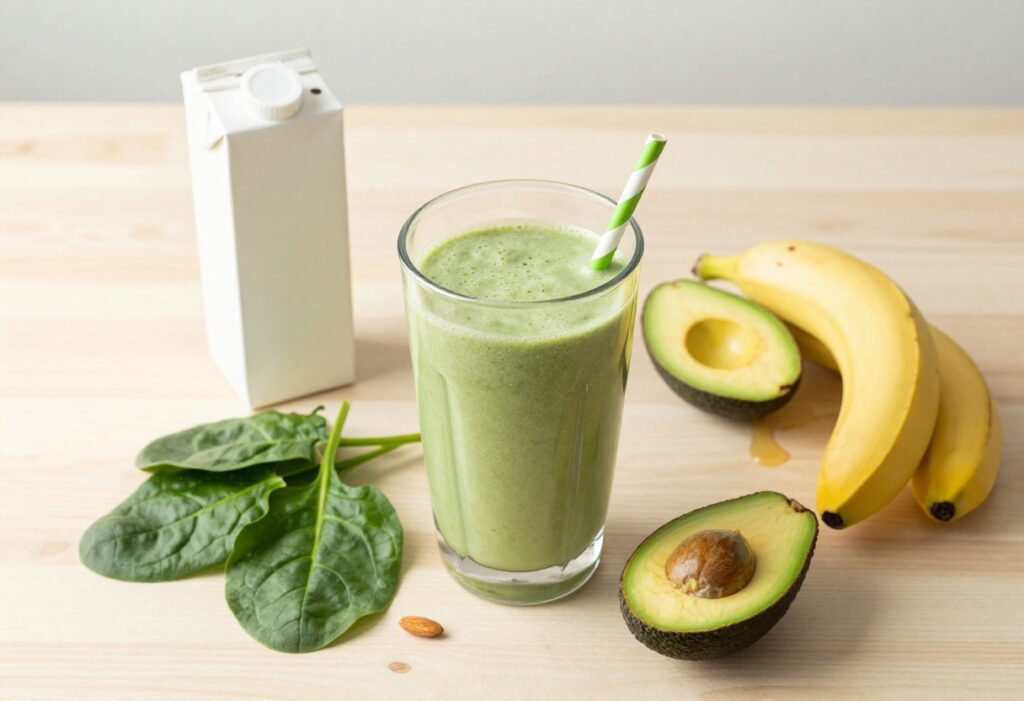
A detox meal plan isn't about starving yourself or surviving on juice alone. It's a short-term eating strategy that focuses on whole, nutrient-dense foods to give your digestive system a break and flood your body with vitamins and minerals.
Think of it as a reset button for your eating habits, not a punishment. Many people turn to detox plans after periods of indulgence or when they feel sluggish and bloated.
The goal is to support your body's natural detoxification processes—your liver, kidneys, and skin do this every day—by removing processed foods, added sugars, and unhealthy fats. Instead, you'll load up on fresh vegetables, fruits, lean proteins, and healthy fats.
What Is a Detox Meal Plan?
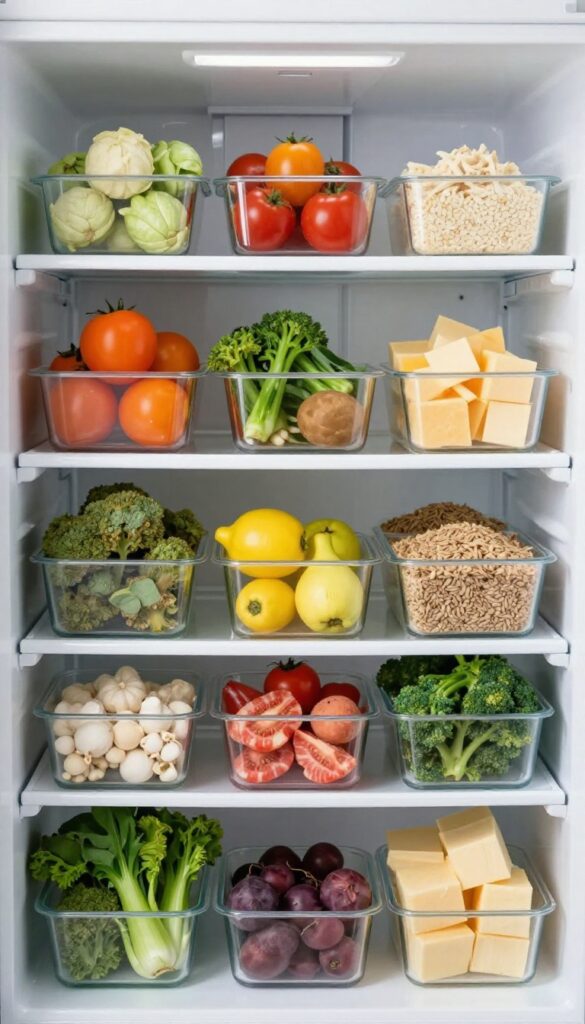
A detox meal plan is a short-term eating approach that emphasizes whole, nutrient-dense foods to support your body's natural detoxification processes. Unlike restrictive cleanses or juice fasts, it focuses on nourishing your body with fiber-rich vegetables, fruits, lean proteins, healthy fats, and plenty of water. The goal is not to starve or shock your system but to give it a break from processed foods, added sugars, and excess sodium while flooding it with vitamins, minerals, and antioxidants.
This type of meal plan typically lasts from three to seven days and is designed to be sustainable rather than extreme. You'll eat regular meals and snacks, but every ingredient is chosen to support digestion, reduce inflammation, and boost energy. Think colorful salads, hearty vegetable soups, smoothies packed with greens, and lean proteins like grilled chicken or fish.
It's about adding good things in, not cutting everything out.
How It Differs from a Cleanse or Juice Fast
Many people confuse detox meal plans with cleanses or juice fasts, but they are fundamentally different. A cleanse often involves drinking only liquids—like juices, teas, or laxative-based drinks—for a set period. Juice fasts eliminate fiber and solid food, which can lead to blood sugar spikes, energy crashes, and loss of important nutrients.
In contrast, a detox meal plan keeps you eating real, whole foods. You get the fiber that supports gut health, the protein that maintains muscle mass, and the healthy fats that keep you full and satisfied. It's a gentler, more balanced approach that your body can actually benefit from without the risks of extreme deprivation.
Who Can Benefit from a Detox Meal Plan?
- People who feel sluggish or bloated after a period of indulgent eating.
- Those looking to reset their taste buds and reduce cravings for sugar and processed foods.
- Individuals wanting to improve their digestion and increase their intake of fruits and vegetables.
- Anyone seeking a structured, short-term plan to kickstart healthier eating habits without feeling deprived.
It's important to note that a detox meal plan is not a medical treatment or a weight-loss guarantee. It's a tool to help you refocus on whole foods and listen to your body's hunger and fullness cues. If you have a chronic health condition or are pregnant or nursing, consult your healthcare provider before starting any new eating plan.
How to Prepare for a Detox Meal Plan
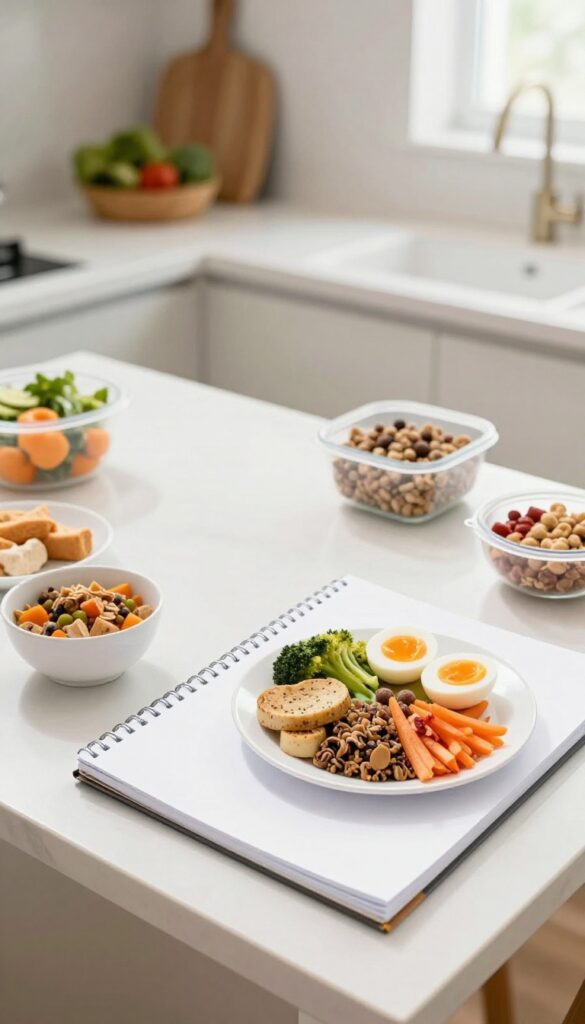
Preparation is the foundation of a successful detox. Instead of jumping in cold turkey, take a few days to set yourself up for ease and consistency. A little planning now will help you avoid cravings, save time, and keep your meals fresh and exciting.
Stock Your Kitchen with Detox-Friendly Staples
A well-stocked kitchen makes healthy eating effortless. Focus on whole, unprocessed foods that form the base of your detox meals.
Detox-Friendly Staples
- Leafy greens: spinach, kale, arugula, romaine
- Cruciferous vegetables: broccoli, cauliflower, Brussels sprouts
- Colorful veggies: bell peppers, carrots, beets, sweet potatoes
- Fresh fruits: berries, apples, citrus, bananas
- Lean proteins: chicken breast, turkey, tofu, eggs, fish
- Healthy fats: avocado, olive oil, nuts, seeds, coconut
- Whole grains: quinoa, brown rice, oats, barley
- Legumes: lentils, chickpeas, black beans
- Herbs and spices: ginger, turmeric, garlic, cilantro, basil
- Beverages: herbal tea, lemon water, coconut water
Also consider pantry items like canned tomatoes, unsweetened almond milk, and vegetable broth. Avoid processed snacks, sugary drinks, and refined grains during the detox.
Plan Your Meals and Grocery List
Take 30 minutes to map out your week. Decide which meals you’ll eat each day and create a grocery list based on your staples. Batch-cook grains, roast vegetables, and prep proteins in advance to save time.
For example, cook a large batch of quinoa, chop veggies for salads, and grill chicken breasts to use in multiple meals. Store prepped items in clear containers so they’re easy to grab. A little planning goes a long way toward sticking with your detox plan.
Sample 7-Day Detox Meal Plan
This 7-day detox meal plan is designed to be balanced, satisfying, and easy to follow. Each day includes breakfast, lunch, dinner, and snacks, with a focus on whole foods, lean proteins, healthy fats, and plenty of vegetables. Portions are moderate—aim for a plate that's half vegetables, a quarter protein, and a quarter whole grains or starchy veggies.
Day 1: Light Start
Breakfast: Green smoothie (spinach, banana, almond milk, chia seeds). Lunch: Mixed greens salad with grilled chicken, cucumber, and lemon-tahini dressing. Dinner: Zucchini noodles with marinara sauce and turkey meatballs.
Snacks: Apple slices with almond butter; carrot sticks.
Day 2: Green Focus
Breakfast: Oatmeal with berries and a handful of spinach. Lunch: Quinoa bowl with roasted broccoli, edamame, and avocado. Dinner: Baked salmon with asparagus and sweet potato wedges.
Snacks: Celery with hummus; a pear.
Day 3: Protein-Packed
Breakfast: Scrambled eggs with sautéed kale and whole-grain toast. Lunch: Lentil soup with a side of mixed greens. Dinner: Grilled chicken breast with roasted Brussels sprouts and wild rice.
Snacks: Greek yogurt with sliced almonds; bell pepper strips.
Day 4: Rainbow of Veggies
Breakfast: Smoothie bowl with mixed berries, spinach, and granola. Lunch: Rainbow wrap (whole-wheat tortilla, hummus, shredded carrots, red cabbage, bell peppers, and grilled tofu). Dinner: Stir-fry with shrimp, broccoli, red bell pepper, snap peas, and brown rice.
Snacks: Cherry tomatoes with mozzarella; orange slices.
Day 5: Healthy Fats
Breakfast: Avocado toast on whole-grain bread with a poached egg. Lunch: Salmon salad (canned salmon, mixed greens, olives, cucumber, and olive oil vinaigrette). Dinner: Turkey and black bean chili with a side of steamed kale.
Snacks: Handful of walnuts; sliced mango.
Day 6: Hydration and Herbs
Breakfast: Chia pudding made with coconut milk, topped with kiwi and mint. Lunch: Cucumber and herb salad (cucumber, dill, parsley, lemon, and feta) with grilled chicken. Dinner: Grilled fish (cod or tilapia) with a side of roasted zucchini and a quinoa-tomato salad.
Snacks: Watermelon cubes; herbal tea.
Day 7: Gentle Transition
Breakfast: Buckwheat pancakes with fresh fruit and a drizzle of maple syrup. Lunch: Leftover quinoa-tomato salad with added chickpeas and arugula. Dinner: Roasted vegetable and hummus bowl (roasted sweet potatoes, cauliflower, and chickpeas over greens).
Snacks: Apple with peanut butter; cucumber slices.
Portion Guidance
Listen to your hunger cues. A typical portion of protein is about the size of your palm, grains about a cupped handful, and vegetables as much as you like. Stay hydrated with water, herbal teas, and infused water throughout the day.
Fresh and Balanced Meal Ideas for Your Detox
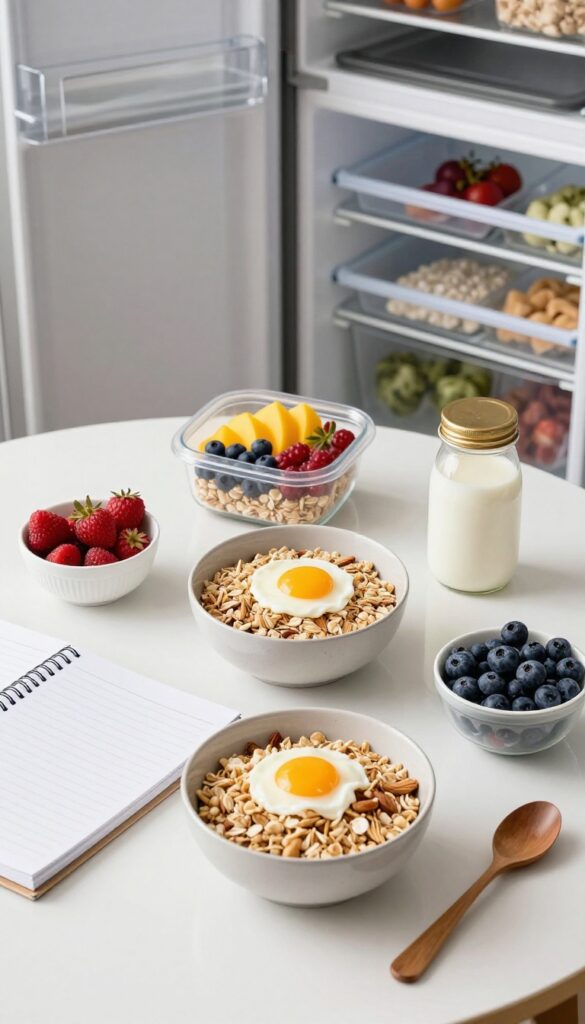
Variety is key to keeping your detox enjoyable and sustainable. Here are fresh, balanced meal ideas for every part of the day—each packed with whole foods and free from processed ingredients or added sugars.
Breakfast Ideas
- Green Smoothie Bowl: Blend spinach, frozen banana, unsweetened almond milk, and a scoop of plant-based protein. Top with sliced kiwi, chia seeds, and a few walnuts.
- Overnight Oats with Berries: Combine rolled oats, chia seeds, unsweetened coconut milk, and a dash of cinnamon. Refrigerate overnight and top with fresh blueberries and raspberries in the morning.
- Avocado Toast on Sprouted Grain: Mash half an avocado on a slice of sprouted grain toast. Add a pinch of sea salt, red pepper flakes, and a squeeze of lemon. Serve with a side of mixed greens.
Lunch Ideas
- Quinoa Salad with Roasted Veggies: Toss cooked quinoa with roasted sweet potatoes, bell peppers, and red onion. Dress with olive oil, lemon juice, and fresh parsley.
- Lentil Soup with Kale: Simmer green lentils, diced tomatoes, carrots, celery, and garlic in vegetable broth. Stir in chopped kale just before serving.
- Stuffed Bell Peppers: Fill halved bell peppers with a mixture of cooked brown rice, black beans, corn, and diced tomatoes. Bake until tender.
Dinner Ideas
- Grilled Salmon with Asparagus: Season salmon fillets with lemon, dill, and black pepper. Grill alongside asparagus spears drizzled with olive oil.
- Zucchini Noodles with Pesto: Spiralize zucchini into noodles and toss with homemade basil pesto (basil, pine nuts, garlic, olive oil). Add cherry tomatoes and grilled chicken or chickpeas.
- Stir-Fried Tofu and Broccoli: Sauté firm tofu cubes and broccoli florets in coconut aminos, ginger, and garlic. Serve over cauliflower rice.
Snack and Smoothie Ideas
- Apple Slices with Almond Butter: A simple, satisfying combo of fiber and healthy fat.
- Cucumber and Hummus: Slice cucumber into rounds and dip in homemade or store-bought hummus (no added sugar).
- Berry Green Smoothie: Blend a handful of spinach, frozen mixed berries, unsweetened oat milk, and a tablespoon of flaxseed for a quick nutrient boost.
Tips for Sticking to Your Detox Meal Plan
Sticking to a detox meal plan can be challenging, especially when cravings hit or life gets busy. These practical tips will help you stay on track and make the experience more enjoyable.
- Stay hydrated: Drink plenty of water throughout the day. Herbal teas and infused water with lemon, cucumber, or mint can add variety and help curb hunger.
- Listen to your body: Eat when you're hungry and stop when you're satisfied. Detox plans are not about deprivation—honor your hunger cues.
- Keep meals simple: Focus on whole foods like vegetables, fruits, lean proteins, and healthy fats. Simple meals are easier to prepare and less overwhelming.
- Deal with cravings mindfully: When a craving strikes, pause and ask if you're truly hungry or just bored or stressed. A short walk, a glass of water, or a piece of fruit can help.
- Plan ahead: Prep ingredients or full meals in advance to avoid last-minute temptations. Having healthy options ready makes sticking to the plan much easier.
- Find support: Share your goals with a friend or join an online community. Accountability can boost motivation and make the process more fun.
Mindful Eating Tip
Practice mindful eating by sitting down without distractions, chewing slowly, and savoring each bite. This helps you recognize fullness and enjoy your food more.
Common Mistakes to Avoid on a Detox Meal Plan
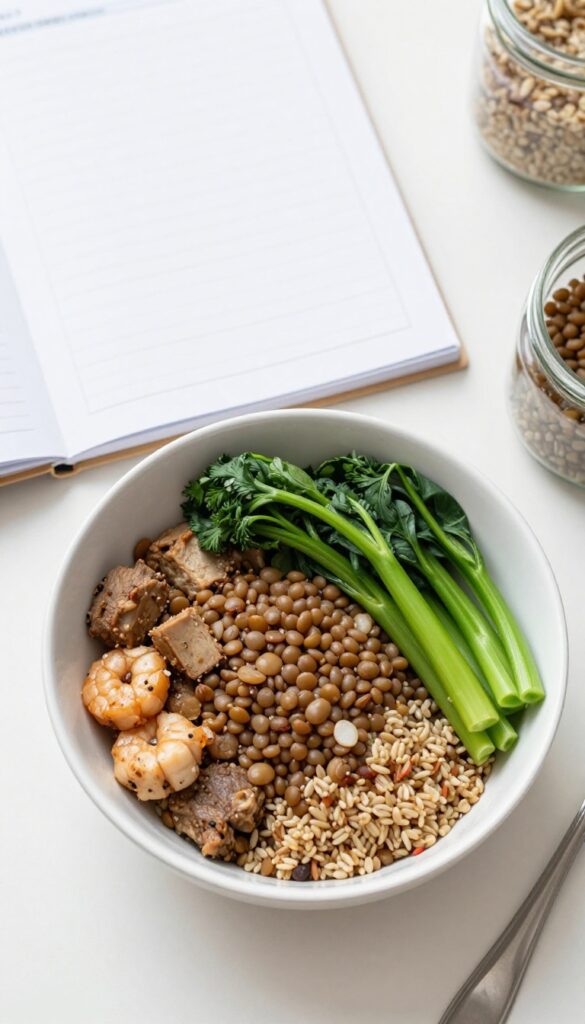
Even with the best intentions, it's easy to fall into traps that can make your detox less effective or even counterproductive. Here are the most common mistakes and how to steer clear of them.
Over-Restricting Calories
One of the biggest misconceptions about detoxing is that you need to drastically cut calories. In reality, your body needs energy to support its natural detoxification processes. Severely restricting calories can slow your metabolism, cause fatigue, and lead to nutrient deficiencies.
Instead of aiming for starvation, focus on nutrient-dense whole foods that nourish your body while supporting detoxification.
Ignoring Protein and Healthy Fats
A detox meal plan isn't just about fruits and vegetables. Protein and healthy fats are essential for maintaining muscle mass, stabilizing blood sugar, and keeping you satisfied. Without them, you may experience cravings, low energy, and brain fog.
Include sources like lean poultry, fish, eggs, legumes, nuts, seeds, and avocados in your meals.
Not Drinking Enough Water
Hydration is key during a detox because water helps flush toxins from your body. Many people mistake thirst for hunger or fatigue, leading to unnecessary snacking. Aim for at least 8–10 glasses of water per day, and consider herbal teas or infused water for variety.
If you feel sluggish or headachy, check your water intake first.
By avoiding these common pitfalls, you'll set yourself up for a successful and sustainable detox experience. Remember, balance is key—nourish your body, stay hydrated, and listen to your hunger cues.
How to Transition Off a Detox Meal Plan
After completing your detox meal plan, the way you return to your regular eating habits matters just as much as the detox itself. A thoughtful transition helps you preserve the benefits you've gained and avoid overwhelming your system.
Gradually Reintroduce Foods
Rather than jumping back into your previous diet, take a week or more to slowly add foods back in. Start with one new food group every two to three days. For example, begin with whole grains like quinoa or brown rice, then legumes, then dairy, and finally processed foods or sweets.
Pay attention to how your body responds—any bloating, fatigue, or digestive discomfort can signal that a particular food doesn't agree with you. This step-by-step approach helps identify any food sensitivities and makes the transition gentler on your digestion.
Maintain Healthy Habits
The best way to make your detox results last is to keep the habits that served you well during the plan. Consider these long-term tips:
FAQ
Can I exercise while on a detox meal plan?
Yes, light to moderate exercise like walking, yoga, or stretching is encouraged. Listen to your body and avoid intense workouts if you feel low on energy.
How often should I do a detox meal plan?
A detox meal plan is typically followed for 3 to 7 days. It's not meant to be a long-term diet. You can repeat it once a month or as needed, but always prioritize balanced eating in between.
Will I lose weight on a detox meal plan?
You may lose some water weight and feel less bloated, but detox plans are not designed for significant or sustainable weight loss. Focus on the health benefits rather than the scale.
Can I drink coffee or tea on a detox meal plan?
Herbal teas and green tea are great choices. If you need coffee, limit to one cup without sugar or cream. Avoid sugary lattes and energy drinks.
Conclusion
A detox meal plan can be a refreshing way to reset your eating habits and reconnect with whole, nourishing foods. By focusing on fresh ingredients and balanced meals, you support your body's natural detox systems without extreme measures. Remember, the goal is not perfection but progress—small, sustainable changes that make you feel better.
Whether you follow the sample plan or create your own, listen to your body and adjust as needed. Use this guide as a starting point to explore new flavors and healthier routines.

Dr. Pallab Kishore, MS in Orthodontics and owner of Orthodontic Braces Care, shares expert tips on braces, aligners, and oral health from 10+ years of experience.