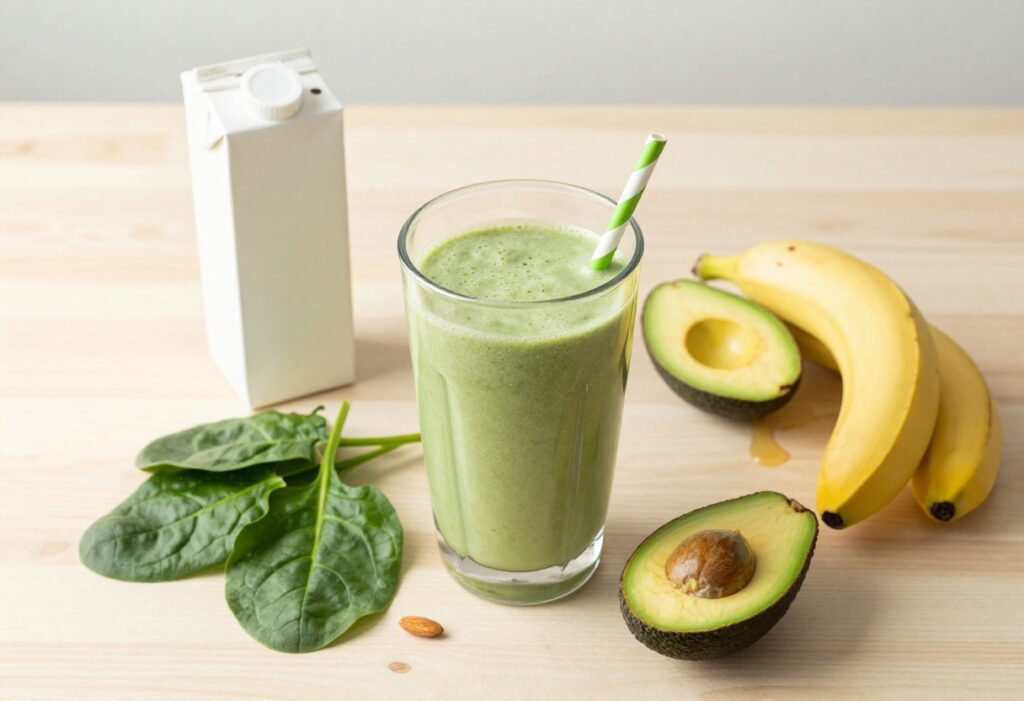
The 75 Hard Challenge is as much a mental test as it is a physical one. While the program includes two daily workouts and daily reading, the dietary component is where many participants find the greatest struggle. The rules are simple: choose a diet and stick to it for 75 days with no cheat meals and no alcohol.
But simple doesn't mean easy. Without a structured plan, it's easy to fall into decision fatigue or slip up when life gets busy.
That's where a well-designed daily meal plan comes in. It removes guesswork, supports your energy levels, and helps you build the discipline the challenge demands.
What the 75 Hard Challenge Requires From Your Diet

The 75 Hard Challenge, created by entrepreneur Andy Frisella, is a 75-day mental toughness program that pairs physical discipline with strict dietary adherence. Unlike many programs, it doesn't prescribe a specific meal plan—but it does set clear, non-negotiable rules about what your diet must look like. Understanding these requirements is your first step to building a sustainable daily meal structure.
The core dietary rule is simple: you must follow a diet of your choice with no cheat meals and no alcohol for the entire 75 days. The diet itself is self-chosen, meaning you can pick any structured eating approach that works for your lifestyle and goals—as long as you stick to it consistently. There's no room for "flexibility" or occasional slip-ups; the challenge demands strict adherence every single day.
Key Dietary Requirements
- No cheat meals: Every meal must align with your chosen diet. A single deviation resets the clock to day one.
- No alcohol: Any form of alcohol is prohibited for the full 75 days. This includes beer, wine, spirits, and even low-alcohol options.
- Diet is self-chosen but must be strict: You can pick a diet that fits your preferences—such as paleo, keto, whole foods, or a balanced macro-based plan—but you must define its rules clearly and follow them without exception.
- Consistency over perfection: The goal is not to follow the "perfect" diet but to demonstrate discipline by sticking to your plan, even when it's inconvenient.
Common diet choices among 75 Hard participants include paleo, which emphasizes whole foods and eliminates grains, dairy, and legumes; keto, which focuses on high-fat, low-carb eating; and a whole foods approach that prioritizes unprocessed ingredients without strict macronutrient ratios. The key is to select a plan you can realistically maintain for 75 days—not one that feels overly restrictive or unsustainable.
It's important to note that the challenge does not require extreme restriction or medical supervision. Instead, it asks you to commit to a set of rules you define for yourself and honor them daily. This structure helps build mental toughness and discipline, which are the true goals of the program.
How to Choose Your Diet for 75 Hard

The 75 Hard Challenge doesn't prescribe a specific diet—it only requires that you pick one and stick to it without deviation for 75 days. That means the diet you choose should be sustainable, aligned with your health goals, and simple enough to prep day after day. Here's how to make a smart choice.
Factors to Consider
Before you commit to a diet, think about these three factors:
- Sustainability for 75 days: Can you realistically follow this plan for two and a half months without feeling deprived or overwhelmed? Avoid extreme diets that eliminate entire food groups or require hard-to-find ingredients.
- Alignment with personal health goals: Are you aiming for weight loss, muscle gain, better energy, or improved digestion? Choose a diet that supports your primary objective without conflicting with any medical conditions you may have.
- Simplicity for meal prep: The challenge already demands two daily workouts and other tasks. Your diet should not add hours of complicated cooking. Look for plans that use common ingredients and straightforward recipes.
Popular Diet Options to Consider
Here are a few common diets that fit well with the 75 Hard framework. None is inherently superior—pick the one that feels right for you.
- Whole Foods Diet: Focus on unprocessed foods like vegetables, fruits, lean meats, fish, eggs, nuts, seeds, and whole grains. It's flexible and nutrient-dense.
- Paleo Diet: Emphasizes meat, fish, vegetables, fruits, nuts, and seeds while avoiding grains, legumes, dairy, and processed foods. Good for those who prefer a lower-carb approach.
- Mediterranean Diet: Rich in vegetables, fruits, whole grains, legumes, nuts, olive oil, and moderate amounts of fish and poultry. It's heart-healthy and easy to follow long-term.
- Low-Carb or Keto: Limits carbohydrates to induce ketosis. Can be effective for rapid fat loss, but may be harder to sustain and can cause initial fatigue during workouts.
- Vegetarian or Vegan: Excludes meat (and all animal products for vegan). Requires careful planning to ensure adequate protein and micronutrients, but can be done successfully with whole plant foods.
Remember, the best diet for 75 Hard is one you can follow consistently. If you're unsure, start with a whole foods approach—it's balanced, forgiving, and easy to adjust. Once you've chosen, commit fully and don't second-guess yourself.
Building a Structured Daily Meal Plan
A structured daily meal plan is the backbone of the 75 Hard Challenge. It removes guesswork, reduces decision fatigue, and keeps you on track even on tough days. Instead of following a rigid menu, you’ll learn how to build a flexible framework that fits your calorie needs, food preferences, and schedule.
Step 1: Set Your Calorie and Macronutrient Targets
Before planning meals, you need a rough idea of how much energy and protein your body requires. Calorie needs vary based on age, gender, weight, activity level, and goals. A simple approach is to use an online calculator or multiply your body weight in pounds by 10–12 for a starting maintenance range.
For fat loss, reduce by 200–300 calories; for muscle gain, add a similar amount. Protein is key for recovery and satiety—aim for 0.7–1.0 grams per pound of body weight. Fill remaining calories with carbohydrates and fats from whole food sources.
Remember, these are estimates; adjust based on hunger, energy, and progress.
Step 2: Plan Your Meals Around Whole Foods
The 75 Hard Challenge doesn't ban any food groups, but focusing on whole foods makes it easier to hit your targets and feel satisfied. Build each meal around a protein source, vegetables, a healthy fat, and a carbohydrate source. This template works for breakfast, lunch, and dinner.
Step 3: Create a Consistent Eating Schedule
Consistent meal timing helps regulate hunger and makes adherence easier. Aim to eat three meals and one or two snacks at roughly the same times each day. For example, breakfast at 7 a.m., lunch at noon, a snack at 3 p.m., and dinner at 6 p.m.
This structure prevents long gaps that lead to overeating and keeps your energy steady. Meal prep on Sundays—cook grains, chop veggies, and portion out proteins—so you can assemble meals in minutes. Having ready-to-eat components reduces the chance of grabbing something off-plan.
Sample Daily Meal Structure

Here's a flexible daily meal structure to help you stay on track with the 75 Hard Challenge. These options focus on whole foods, balanced nutrition, and simplicity—no calorie counting or extreme restrictions. Adjust portions based on your hunger, activity level, and personal dietary rules.
Breakfast Options
- Scrambled eggs with spinach, tomatoes, and avocado on whole-grain toast
- Greek yogurt parfait with berries, chia seeds, and a sprinkle of granola
- Oatmeal topped with sliced banana, walnuts, and a drizzle of honey
- Smoothie bowl with spinach, frozen berries, protein powder, and almond milk, topped with coconut flakes
Lunch Options
- Grilled chicken salad with mixed greens, cherry tomatoes, cucumber, bell peppers, and olive oil vinaigrette
- Quinoa bowl with black beans, corn, diced avocado, salsa, and lime juice
- Turkey and hummus wrap in a whole-wheat tortilla with lettuce, shredded carrots, and red onion
- Leftover dinner—a great way to save time and reduce food waste
Dinner Options
- Baked salmon with roasted broccoli and sweet potato wedges
- Stir-fried tofu or chicken with mixed vegetables (bell peppers, snap peas, carrots) over brown rice
- Lean beef or turkey chili with kidney beans, tomatoes, and spices, served with a side salad
- Zucchini noodles with marinara sauce, lean ground turkey, and a side of steamed green beans
Snacks (if allowed by your diet
- Apple slices with almond butter
- Handful of mixed nuts and a piece of fruit
- Celery sticks with cottage cheese or peanut butter
- Hard-boiled eggs with a dash of salt and pepper
Note
Snacks are optional and depend on your chosen diet. Some diets (like intermittent fasting) may not include snacks, while others allow them. Listen to your body and adjust accordingly.
Tips for Sticking to Your Meal Plan for 75 Days
Consistency is the backbone of the 75 Hard Challenge, and having strategies to maintain your meal plan is crucial. Here are practical tips to help you stay on track without feeling deprived or overwhelmed.
Meal Prep Is Your Secret Weapon
Set aside a few hours each week to prep ingredients or full meals. Chop vegetables, cook grains, portion out proteins, and store them in containers. This reduces daily decision fatigue and makes it easy to grab a compliant meal even on busy days.
Quick Prep Ideas
- Cook a large batch of chicken breast or tofu for the week.
- Wash and portion fruits and veggies into snack bags.
- Pre-portion snacks like nuts or yogurt cups.
- Make extra dinner portions to use for lunch the next day.
Have a Backup Plan for Curveballs
Life happens—unexpected meetings, last-minute social events, or forgotten groceries. Keep a few emergency options on hand: protein bars that fit your diet, canned tuna or beans, frozen veggies, or pre-made frozen meals that meet your rules. This prevents a slip when your original plan falls through.
Track Your Food Without Obsessing
Use a simple app or a notebook to log what you eat. This keeps you accountable and helps you spot patterns. But remember: the goal is adherence, not perfection.
Tracking should support your discipline, not cause stress.
Stay Flexible Within Your Diet Rules
Your chosen diet has guidelines, but there's room for variety. Swap proteins, rotate vegetables, and try new spices. Rigidity can lead to boredom, which increases the risk of quitting.
Keep your meals interesting while staying within your dietary boundaries.
Handling Social Situations
Social events can be tricky. Eat a small compliant meal before going out so you're not hungry. If you're at a restaurant, check the menu ahead of time and decide what fits your diet.
Don't be afraid to ask for modifications—most places are accommodating.
What to Do If You Slip
If you make a mistake, don't spiral into guilt. Acknowledge it, learn from it, and recommit. The challenge is about building discipline, not perfection.
One slip doesn't mean failure unless you let it derail you. Get back on track with your next meal.
Common Mistakes to Avoid

Even with the best intentions, certain habits can undermine your 75 Hard meal plan. Recognizing these pitfalls early helps you stay on track without unnecessary frustration.
Many participants trip over the same obstacles. Here are the most frequent mistakes and how to sidestep them.
Being Too Restrictive
Cutting out entire food groups or slashing calories too aggressively often backfires. Extreme restriction can lead to cravings, low energy, and eventually giving up. Instead, focus on balanced meals that include protein, healthy fats, and carbohydrates from whole foods.
Allow occasional flexibility within your chosen diet—rigidity isn't the same as discipline.
Not Planning Ahead
Winging meals day-to-day is a recipe for slip-ups. Without a plan, you're more likely to grab something convenient that doesn't fit your diet. Dedicate time each week to prep ingredients, batch-cook staples, and map out your daily meals.
Keep emergency snacks like nuts or pre-cut veggies handy.
Ignoring Hunger Cues
The challenge isn't about starving yourself. If you're genuinely hungry between meals, your body is signaling that your plan needs adjustment. Add more volume with vegetables, increase protein, or incorporate healthy fats to improve satiety.
Ignoring hunger can lead to bingeing later.
Comparing to Others
Your 75 Hard journey is personal. What works for someone else—a keto diet, intermittent fasting, or a specific macro split—may not suit your lifestyle or preferences. Stay focused on your own plan and progress.
Comparison often breeds unnecessary pressure and discouragement.
By avoiding these common mistakes, you set yourself up for a smoother 75 days. Remember: the goal is consistency, not perfection.
When to Adjust Your Plan
The 75 Hard Challenge is designed to build mental toughness, but that doesn't mean ignoring your body's signals. Sticking rigidly to a plan that isn't working can be counterproductive and even harmful. Knowing when and how to adjust your diet is a key part of completing the challenge safely and sustainably.
Your body will give you clear feedback. Pay attention to persistent fatigue, dizziness, irritability, poor sleep, or a drop in performance during workouts. These can be signs that your current diet isn't providing enough energy or nutrients.
The goal is discipline, not suffering from avoidable nutritional deficiencies.
Signs You May Need to Adjust
- You feel weak or lightheaded during workouts
- You're not recovering between exercise sessions
- Your sleep quality has worsened
- You experience frequent headaches or brain fog
- You're losing weight too quickly (more than 1-2 pounds per week)
- You feel constantly hungry or have intense cravings
How to Modify Your Diet
If you notice any of these signs, consider small, sensible adjustments. For example, increase your portion sizes slightly, add a healthy snack between meals, or include more complex carbohydrates like oats, sweet potatoes, or brown rice. You might also need to adjust your meal timing—eating a small pre-workout snack or a post-workout recovery meal can make a big difference.
When to Seek Professional Help
If symptoms persist despite adjustments, or if you have a pre-existing health condition, consult a registered dietitian or your healthcare provider. They can help you tailor your diet to your specific needs without compromising the challenge's rules. Remember, health always comes first—the challenge is a tool, not a test of your limits at the expense of well-being.
FAQ
Can I have cheat meals on 75 Hard?
No. The challenge strictly prohibits any cheat meals or deviations from your chosen diet. One slip-up means you start over from day one.
What if I mess up my diet one day?
If you intentionally or accidentally consume something not allowed by your diet, you must restart the challenge from day one. This is part of the mental toughness aspect.
Do I have to follow a specific diet?
No, you choose your own diet. It can be any structured eating plan (e.g., paleo, keto, whole foods, vegetarian) as long as you adhere to it strictly with no cheat meals.
Can I drink coffee or tea?
Yes, as long as they fit within your chosen diet. For example, if your diet allows black coffee, it's fine. But if you add sugar or cream, that may violate your diet rules.
How do I handle eating out?
Plan ahead. Check menus online, choose restaurants that accommodate your diet, and don't be afraid to ask for modifications. If you can't find a suitable option, eat beforehand or bring your own food.
Conclusion
A structured daily meal plan is your best ally in completing the 75 Hard Challenge. It eliminates daily decision fatigue, keeps your nutrition on point, and reinforces the discipline you're building. Start with a simple plan that fits your lifestyle, prepare your meals in advance, and give yourself grace when things get tough.
Remember, the goal is not perfection but consistency. Stick with your plan, and you'll finish the challenge stronger—both mentally and physically.

Dr. Pallab Kishore, MS in Orthodontics and owner of Orthodontic Braces Care, shares expert tips on braces, aligners, and oral health from 10+ years of experience.