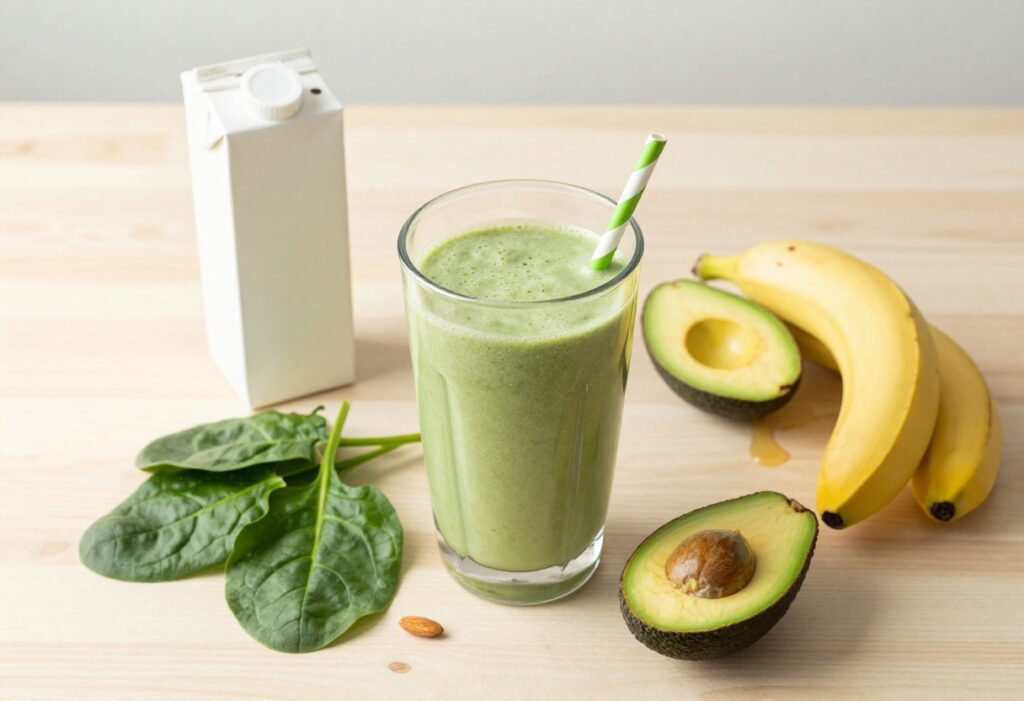
Intermittent fasting has become a popular approach for weight management and overall health, but many people get stuck on what to eat during their eating windows. The key is to keep it simple: focus on whole, nutrient-dense foods that keep you satisfied and energized.
This guide provides a practical meal plan for two of the most common and sustainable intermittent fasting schedules: the 16:8 and 14:10 methods. Whether you're new to intermittent fasting or looking to refine your routine, these sample meal plans and food lists will help you build a balanced eating pattern without overcomplicating things.
You'll learn which foods to prioritize, how to structure your meals, and tips to manage hunger during your fasting periods.
What Are Simple Eating Windows?
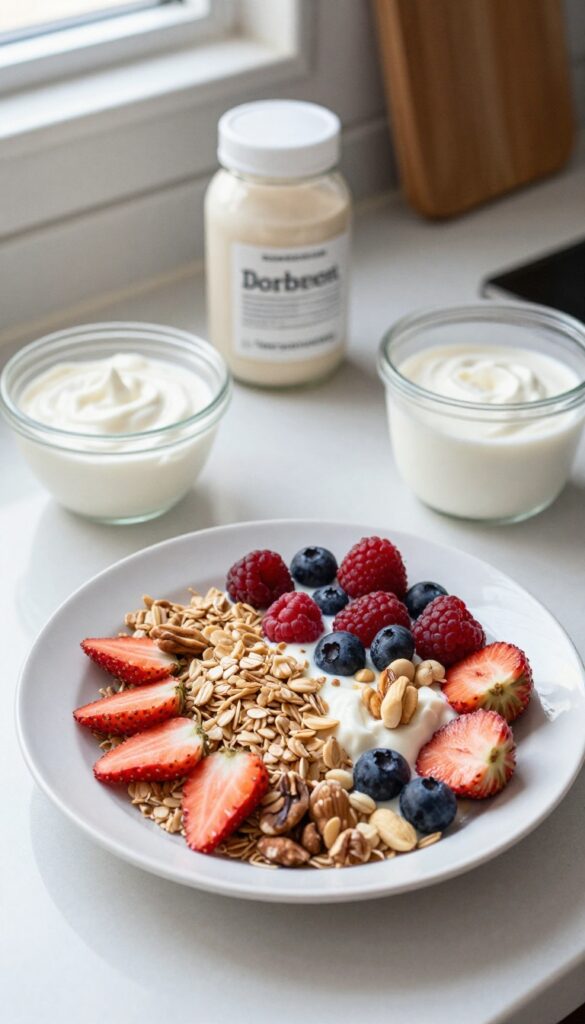
Simple eating windows are the foundation of intermittent fasting for people who want a straightforward, sustainable approach. Instead of counting calories or following complex meal schedules, you focus on when you eat, not what you eat—although food quality still matters. The two most popular and easiest windows to start with are 16:8 and 14:10.
Intermittent fasting (IF) isn't about starvation; it's about timing. Simple eating windows like 16:8 and 14:10 create a consistent daily rhythm that naturally reduces your eating hours, helping you eat fewer calories without meticulous tracking. They work by extending your overnight fast, which can improve metabolic flexibility and support weight management.
Eating Window
The 16:8 method involves fasting for 16 hours each day and eating all your meals within an 8-hour window. For example, you might eat between 12:00 PM and 8:00 PM, then fast from 8:00 PM until noon the next day. This window is popular because it's long enough to trigger fat burning but short enough to fit into most lifestyles.
Many people naturally skip breakfast, making 16:8 a seamless transition.
Eating Window
The 14:10 method is slightly more flexible: you fast for 14 hours and eat within a 10-hour window. For instance, you might eat from 10:00 AM to 8:00 PM. This window is often recommended for beginners or those who find 16 hours too challenging.
It still provides metabolic benefits while allowing for three meals or two meals plus a snack.
Why Simple Windows Work
- They reduce daily eating opportunities, naturally lowering calorie intake without strict dieting.
- They align with your body's circadian rhythm, supporting better digestion and hormone regulation.
- They are flexible—you can adjust the window to fit your schedule, social events, and hunger cues.
- Consistency is key: sticking to a simple window daily helps your body adapt, reducing hunger over time.
Core Foods to Include in Your Eating Window
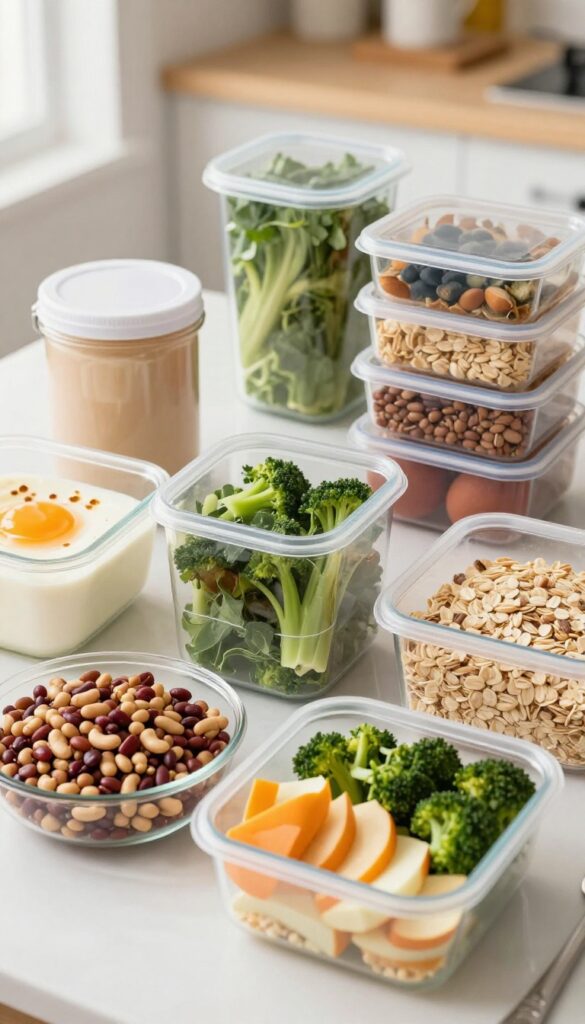
To make the most of your intermittent fasting plan, focus on nutrient-dense foods that keep you full and energized. Here’s a quick guide to what to include in your eating window.
Food Categories and Examples
| Protein | Chicken breast, turkey, fish (salmon, tuna), eggs, Greek yogurt, cottage cheese, tofu, tempeh, legumes (lentils, chickpeas, beans) |
| Healthy Fats | Avocado, olive oil, nuts (almonds, walnuts), seeds (chia, flax, pumpkin), fatty fish, nut butters |
| Complex Carbs | Quinoa, brown rice, oats, sweet potatoes, whole-grain bread, barley, buckwheat, whole-wheat pasta |
| Vegetables | Leafy greens (spinach, kale), broccoli, bell peppers, carrots, cauliflower, Brussels sprouts, zucchini, tomatoes |
| Fruits | Berries (blueberries, strawberries), apples, oranges, bananas, pears, grapes, melon |
| Hydration | Water, herbal tea, sparkling water, infused water (lemon, cucumber, mint) |
When building your meals, aim for a balance of protein, healthy fats, and fiber-rich carbs. This combination stabilizes blood sugar and keeps hunger at bay. Also, don't forget to drink plenty of water throughout the day—especially during your fasting window.
Avoid processed foods, sugary drinks, and excessive refined carbs, as they can spike blood sugar and lead to cravings.
Sample Meal Plan for a 16:8 Window (Noon to 8 PM
To help you see how a 16:8 schedule works in practice, here’s a three-day sample plan. Each day includes a first meal (around noon), a balanced lunch, a satisfying dinner, and one or two snacks—all within the 8-hour window. Portions are meant to be moderate and flexible, so adjust based on your hunger and activity level.
Day Sample Meal Plan (16:8, Noon–8 PM
| Day | First Meal (~12 PM) | Lunch (~2 PM) | Snack (~4 PM) | Dinner (~7 PM) |
| Day 1 | Greek yogurt parfait: 1 cup plain Greek yogurt, ½ cup berries, 2 tbsp granola | Grilled chicken salad: 4 oz chicken, mixed greens, cherry tomatoes, cucumber, 2 tbsp vinaigrette | Apple with 1 tbsp peanut butter | Salmon with quinoa and roasted broccoli: 5 oz salmon, ¾ cup quinoa, 1 cup broccoli |
| Day 2 | Two scrambled eggs with spinach and 1 slice whole-grain toast | Turkey and avocado wrap: 3 oz turkey, ¼ avocado, lettuce, tomato, whole-wheat tortilla | Handful of almonds (about 15) | Beef stir-fry: 4 oz lean beef, mixed bell peppers, snap peas, ½ cup brown rice |
| Day 3 | Smoothie: 1 cup unsweetened almond milk, 1 scoop protein powder, 1 banana, 1 tbsp chia seeds | Quinoa bowl: ¾ cup quinoa, black beans, corn, diced bell peppers, salsa, 2 tbsp Greek yogurt | Baby carrots with 2 tbsp hummus | Baked chicken thighs (skinless) with sweet potato wedges and green beans: 5 oz chicken, 1 medium sweet potato, 1 cup green beans |
Portion Flexibility
These are sample portions. If you’re more active or have higher calorie needs, feel free to increase serving sizes (e.g., add an extra ounce of protein or another serving of vegetables). The goal is to eat until comfortably satisfied, not stuffed.
Sample Meal Plan for a 14:10 Window (10 AM to 8 PM
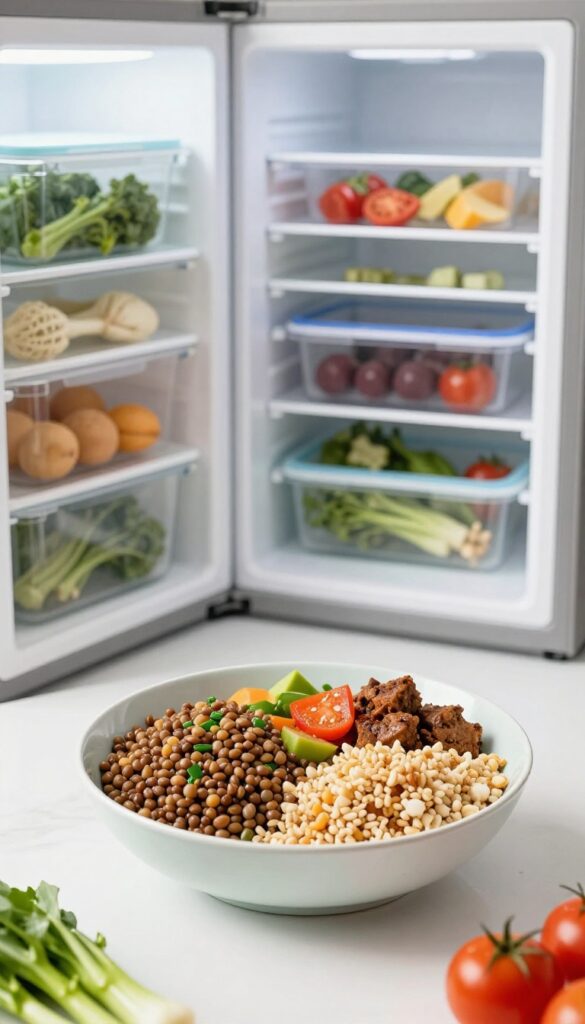
A 14:10 fasting schedule gives you a 10-hour eating window, which is generous enough to include three meals plus snacks without feeling rushed. This sample three-day plan shows how to distribute calories and nutrients evenly, keeping you satisfied from morning until early evening.
Day Sample Meal Plan for 14:10 Window
| Day | Breakfast (10:00–10:30 AM) | Lunch (1:00–2:00 PM) | Snack (4:00 PM) | Dinner (7:00–8:00 PM) |
| Day 1 | Greek yogurt parfait: 1 cup plain Greek yogurt, ½ cup berries, 2 tbsp granola | Grilled chicken salad: 5 oz chicken, mixed greens, cherry tomatoes, cucumber, vinaigrette | Apple slices with 1 tbsp almond butter | Salmon with quinoa and roasted asparagus: 5 oz salmon, ½ cup quinoa, 1 cup asparagus |
| Day 2 | Scrambled eggs (2 eggs) with spinach and whole-wheat toast (1 slice) | Turkey and avocado wrap: 4 oz turkey, ¼ avocado, lettuce, tomato in a whole-wheat tortilla | Carrot sticks with 2 tbsp hummus | Stir-fried tofu with broccoli and brown rice: 5 oz tofu, 1 cup broccoli, ½ cup brown rice |
| Day 3 | Smoothie: 1 cup unsweetened almond milk, 1 scoop protein powder, 1 banana, 1 tbsp chia seeds | Lentil soup (1.5 cups) with a side of whole-grain crackers (5–6 crackers) | Handful of almonds (about 20) and a small orange | Lean beef stir-fry with bell peppers and snap peas: 4 oz beef, 1 cup mixed veggies, ½ cup jasmine rice |
Each day provides roughly 1,800–2,000 calories, adjustable based on your needs. The longer window allows you to spread meals comfortably, preventing overeating at any single meal. Feel free to swap similar foods—like chicken for tofu or quinoa for sweet potato—while keeping portions balanced.
Tips to Manage Hunger During the Fasting Window
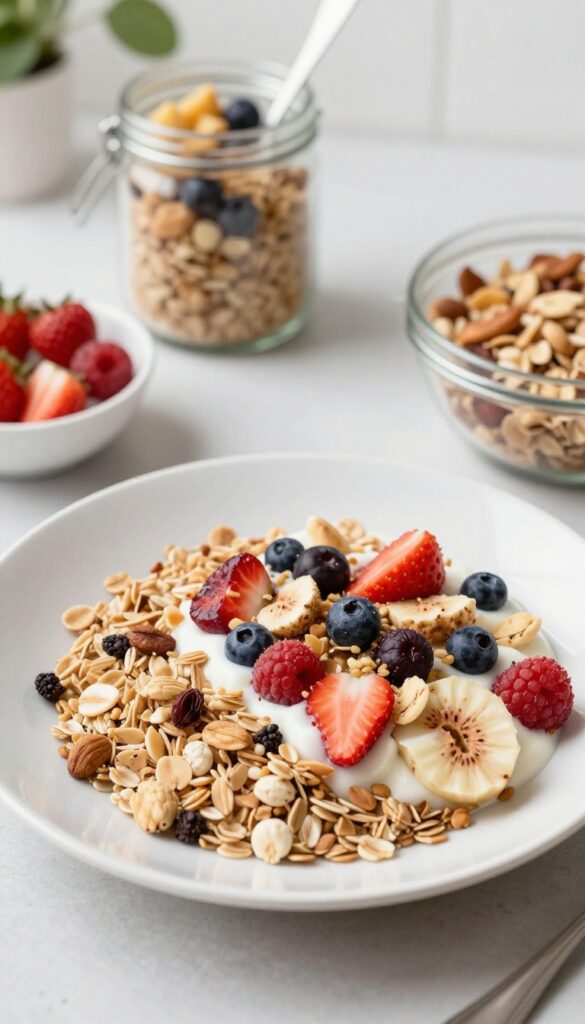
Feeling hungry during the fasting window is common, especially when you're new to intermittent fasting. The good news is that hunger usually passes in waves and can be managed with simple strategies. Here are practical tips to help you stay comfortable until your next meal.
Stay Hydrated
Thirst is often mistaken for hunger. Drinking water throughout the day can help curb cravings and keep you feeling full. Aim for at least 8 cups of water during your fasting window, and consider adding a pinch of salt or a squeeze of lemon for electrolytes and flavor.
- Drink a glass of water when you first feel hungry.
- Sip water slowly throughout the morning or afternoon.
- Add a pinch of sea salt to your water for electrolytes.
- Unsweetened herbal teas and black coffee are also hydrating and can suppress appetite.
Use Herbal Teas and Black Coffee
Warm beverages can be surprisingly filling and help bridge the gap until your eating window. Herbal teas like peppermint, ginger, or chamomile are calorie-free and soothing. Black coffee is also allowed during fasting and can reduce hunger thanks to its caffeine content.
Just avoid adding sugar, milk, or cream, as these break the fast.
Keep Busy in the Morning
Idle time can amplify hunger. Plan engaging activities during the first part of your fasting window. Whether it's a workout, a work project, or a hobby, staying occupied shifts your focus away from food.
Many people find that a busy morning makes the fasting period fly by.
Gradually Adapt Your Fasting Window
If hunger feels overwhelming, ease into fasting. Start with a 12-hour window and slowly increase by 30 minutes every few days. This gives your body time to adjust to using stored energy.
Over a week or two, your hunger signals will naturally become less intense.
Distract Yourself
Hunger pangs often pass within 15–20 minutes. When a craving hits, try a quick distraction: go for a short walk, call a friend, read a few pages of a book, or do a few stretches. By the time you return, the urge to eat may have faded.
Prioritize Electrolytes
Electrolyte imbalances can trigger hunger and fatigue. During extended fasts, consider adding a pinch of salt to your water or sipping an unsweetened electrolyte powder (without calories). This helps maintain energy and reduces false hunger signals.
A Note on Extreme Hunger
If you experience persistent, extreme hunger or dizziness, it may be a sign that your fasting window is too long or your eating window lacks enough nutrients. Listen to your body and adjust accordingly. Intermittent fasting should not cause severe discomfort.
Common Mistakes to Avoid
Even with the best intentions, certain pitfalls can derail your intermittent fasting efforts. Recognizing these common mistakes helps you stay on track and get the most out of your eating window.
Overeating in Your Window
It's tempting to make up for fasting by eating larger portions or extra snacks, but this can lead to consuming more calories than your body needs. Focus on nutrient-dense foods and listen to your hunger cues. A balanced plate with protein, healthy fats, and fiber will keep you satisfied without overdoing it.
Choosing Poor Quality Foods
Filling your window with processed snacks, sugary treats, or fast food might be convenient, but it misses the point of fasting for health. Prioritize whole foods like vegetables, lean proteins, whole grains, and healthy fats. Quality matters—your body needs proper fuel to function well.
Ignoring Hydration
During fasting hours, you can still have water, black coffee, or unsweetened tea. Dehydration can cause headaches, fatigue, and false hunger signals. Aim for at least 8 cups of water daily, and increase if you're active.
Keep a water bottle handy to remind yourself.
Inconsistent Fasting Schedule
Skipping your fasting window or frequently changing your schedule can confuse your body’s circadian rhythm and make it harder to adapt. Consistency helps regulate appetite and energy levels. Pick a window that fits your lifestyle and stick with it most days.
Ignoring Nutrient Density
Even if you're eating within your window, a diet lacking in vitamins, minerals, and fiber can lead to deficiencies and low energy. Include a variety of colorful vegetables, fruits, legumes, nuts, and seeds. Consider a multivitamin if needed, but prioritize food first.
Not Adjusting for Activity
Exercise increases your nutritional needs. If you're working out, especially during fasting, you may need to time your meals to support recovery. Don't skip post-workout nutrition—include protein and carbohydrates within your eating window to rebuild muscle and replenish energy.
Expecting Immediate Results
Intermittent fasting is a long-term approach, not a quick fix. Weight loss and health improvements take time. Be patient and focus on how you feel rather than the scale.
Sustainable habits lead to lasting changes.
FAQ
Can I drink water during the fasting window?
Yes, water is essential and encouraged during the fasting window. You can also drink black coffee, unsweetened tea, and other zero-calorie beverages. Avoid any drinks with calories, sugar, or artificial sweeteners, as they may break your fast.
What if I get hungry before my eating window opens?
Mild hunger is normal, especially when starting. Drink a glass of water or herbal tea, and distract yourself with a task. Over time, your body will adapt.
If hunger is severe, consider a shorter fasting window like 14:10.
Can I exercise while fasting?
Yes, moderate exercise like walking, yoga, or light strength training is fine during a fast. For intense workouts, schedule them near the end of your fast so you can eat soon after. Listen to your body and stay hydrated.
How long until I see results?
Results vary based on diet quality, activity level, and consistency. Many people notice changes in energy and appetite within a week, and weight changes may appear after 2-4 weeks. Focus on long-term habits rather than quick fixes.
Is intermittent fasting safe for everyone?
Intermittent fasting is not recommended for pregnant or breastfeeding women, individuals with a history of eating disorders, those with certain medical conditions, or people taking medications that require food. Always consult a healthcare professional before starting any fasting regimen.
Conclusion
Intermittent fasting doesn't have to be complicated. By choosing a simple eating window like 16:8 or 14:10 and filling your meals with whole foods, you can create a sustainable routine that supports your health goals. Start with the meal plans provided, adjust based on your preferences, and remember that consistency matters more than perfection.
Give yourself time to adapt, stay hydrated, and listen to your body. With these tools, you'll be well on your way to making intermittent fasting a natural part of your lifestyle.

Dr. Pallab Kishore, MS in Orthodontics and owner of Orthodontic Braces Care, shares expert tips on braces, aligners, and oral health from 10+ years of experience.