
Starting a workout routine can feel intimidating, especially when you’re not sure where to begin. You might scroll through endless fitness advice online, only to feel more confused about what actually works.
The truth is, you don’t need a complicated program or a gym full of equipment to build strength, boost your energy, and feel more confident in your body. This beginner-friendly weekly training plan is designed specifically for women who want a simple, sustainable approach to fitness.
It focuses on full-body strength, proper form, and gradual progression—without overwhelming you. Whether you’re working out at home or in a gym, this plan will help you build a solid foundation and create a habit that sticks.
Getting Started: What You Need Before You Begin
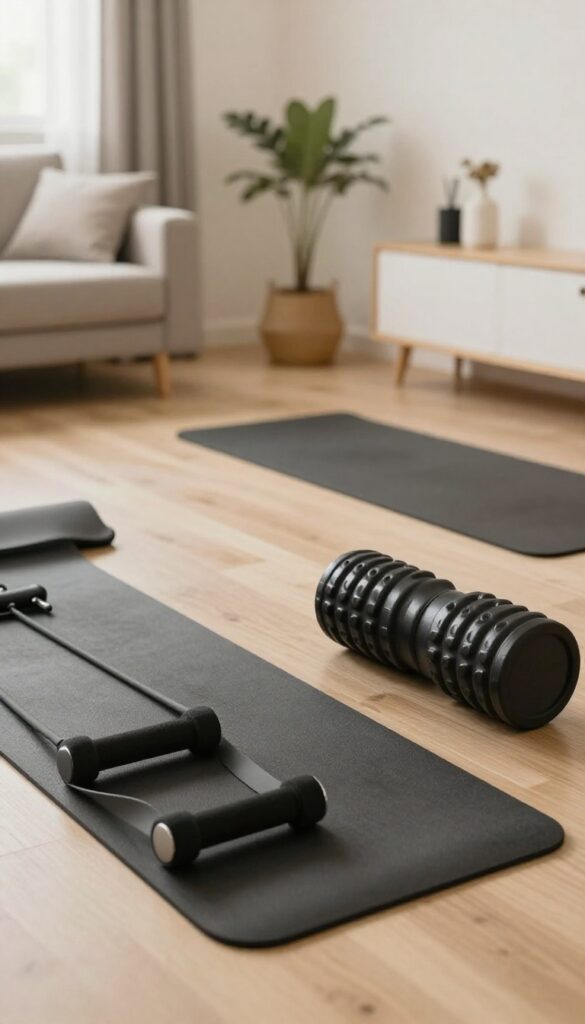
Starting a new workout routine is exciting, but a little preparation goes a long way. Before you dive into the weekly training plan, let’s set yourself up for success with the right mindset and a few basic pieces of gear. Remember, this plan is designed for beginners—you don’t need a fancy gym or expensive equipment to get started.
Mindset and Realistic Goals
The most important tool you can bring to your fitness journey is a positive, patient mindset. Progress takes time, and consistency matters far more than intensity. Start by setting small, achievable goals—like completing three workouts this week or learning one new exercise.
Celebrate those wins, and avoid comparing yourself to others. Fitness is personal, and every step forward counts.
Minimal Equipment Checklist
You don’t need a lot to begin. Here’s what we recommend for this plan, along with easy alternatives if you’re just starting out:
Keep It Simple
Avoid the temptation to buy a lot of gear upfront. Start with what you have, and only add equipment as you progress. The goal is to build a habit, not a collection of gear.
Your Weekly Training Schedule at a Glance
A consistent schedule is the backbone of any successful fitness routine. For beginners, a full body split done three times per week is ideal because it works all major muscle groups each session, maximizes recovery, and builds a solid foundation without overwhelming you.
The 3-Day Full Body Split
Your strength workouts will be on non-consecutive days—for example, Monday, Wednesday, and Friday. Each session lasts 30–40 minutes and includes one exercise per major movement pattern: squat, hinge, push, pull, and core. This approach ensures balanced development and enough recovery between sessions.
Active Recovery Days
On the days between strength workouts, aim for 20–30 minutes of light activity. Walking, gentle yoga, or stretching are perfect. These active recovery days boost blood flow, reduce muscle soreness, and keep you moving without adding fatigue.
Your Weekly Schedule at a Glance
- Monday: Full body strength (30–40 min)
- Tuesday: Active recovery (walk or stretch 20–30 min)
- Wednesday: Full body strength (30–40 min)
- Thursday: Active recovery (walk or stretch 20–30 min)
- Friday: Full body strength (30–40 min)
- Saturday: Full rest or gentle activity
- Sunday: Full rest
Why This Schedule Works for Beginners
Training three days per week gives you enough stimulus to see progress while allowing two full rest days for recovery. The active recovery days keep you consistent without overtraining. Remember: rest is when your body rebuilds and gets stronger, so never skip those rest days.
Day 1: Lower Body Focus
Your first workout of the week targets your lower body—the largest muscle group. This builds a strong foundation and boosts your metabolism. All exercises use just your body weight, so no equipment is needed.
Warm-Up (5 minutes
Prepare your muscles and joints with these dynamic moves.
- Leg swings (forward and side) – 30 seconds each side
- Hip circles – 30 seconds each direction
- Bodyweight squats (shallow) – 10 reps
- Walking lunges (slow) – 10 reps total
Main Workout (25 minutes
Perform 3 sets of 10–12 reps for each exercise. Rest 45–60 seconds between sets.
- Bodyweight Squats – Keep your chest up, knees tracking over toes, and lower until thighs are parallel to the floor. If needed, start with a chair behind you for support.
- Reverse Lunges – Step back into a lunge, keeping your front knee at a 90-degree angle. Focus on balance and control. Modify by holding onto a wall or using a smaller step back.
- Glute Bridges – Lie on your back, knees bent, feet flat. Drive through your heels to lift your hips. Squeeze glutes at the top. For an easier version, perform with feet closer to your hips.
- Calf Raises – Stand tall and lift your heels off the ground, then lower slowly. Hold onto a wall for balance if needed.
Cool-Down (5 minutes
Stretch to improve flexibility and reduce soreness.
- Quad stretch – 30 seconds each leg
- Hamstring stretch – 30 seconds each leg
- Glute stretch (pigeon pose) – 30 seconds each side
- Deep breathing – 5 slow breaths
Form Cues for Beginners
Quality over quantity. Keep your core engaged, back neutral, and movements controlled. If you feel any sharp pain, stop and check your form or reduce your range of motion.
Day 2: Upper Body and Core
Day 2 shifts focus to your upper body and core. These exercises will help you build strength in your arms, shoulders, chest, and midsection. Remember, you don’t need heavy weights to see progress—bodyweight moves and light dumbbells are perfect for starting out.
Warm-Up (5 minutes
Prepare your upper body and core with these dynamic moves:
Main Workout (25 minutes
Perform 3 sets of 10–12 reps for each exercise. Rest 30–60 seconds between sets.
Cool-Down (5 minutes
Stretch your chest, shoulders, and back:
Core Engagement Tips
Throughout the workout, keep your core braced—imagine someone is about to gently punch your stomach. This protects your lower back and improves stability.
Day 3: Full Body Circuit
Day 3 brings a full body circuit that combines lower and upper body moves for an efficient, total-body workout. The circuit format keeps your heart rate up while building strength and endurance. You’ll work for 40 seconds, then rest for 20 seconds, repeating each exercise before moving to the next.
Warm-Up (5 minutes
Prepare your body with dynamic movements:
- Arm circles – 30 seconds forward, 30 seconds backward
- Leg swings – 30 seconds each leg
- Cat-cow stretch – 30 seconds
- Bodyweight squats – 30 seconds
- High knees – 30 seconds
- Jumping jacks – 30 seconds
Circuit (30 minutes
Perform each exercise for 40 seconds, then rest for 20 seconds. Complete all 6 exercises in order, rest 1 minute after the last exercise, then repeat the circuit 3 more times (4 rounds total).
- Bodyweight squats
- Push-ups (knee or full)
- Reverse lunges (alternating legs)
- Dumbbell rows (use water bottles if no dumbbells)
- Plank hold
- Glute bridges
Cool-Down (5 minutes
Lower your heart rate and stretch:
- Child’s pose – 30 seconds
- Quad stretch – 30 seconds each side
- Hamstring stretch – 30 seconds each side
- Chest stretch – 30 seconds
- Seated forward fold – 30 seconds
- Deep breathing – 30 seconds
Form First: Key Technique Tips for Beginners
Good form is your best friend when starting out. It helps you get the most from each move and keeps you injury-free. Focus on these basics before adding weight or speed.
Breathing and Posture
Breathing might seem automatic, but it’s easy to hold your breath during exercise. Get into the habit of exhaling on the effort (the hardest part of the move) and inhaling on the return. Pair this with a neutral spine—your natural back curve without excessive arch or rounding.
Imagine a straight line from your head to your tailbone.
To brace your core, gently tighten your abs as if someone were about to poke you in the stomach. This creates stability and protects your lower back. Practice this during squats, lunges, and planks.
Common Mistakes to Avoid
Watch out for these frequent slip-ups so you can correct them early:
- Rounding your back: Keep shoulders back and chest lifted, especially in deadlifts and rows.
- Knees caving in: Push your knees out toward your toes during squats and lunges.
- Lifting too heavy too soon: Master bodyweight first, then add light dumbbells.
- Rushing through reps: Control the movement—slow down on the lowering phase.
- Forgetting to breathe: Exhale on exertion, inhale on release.
If you’re unsure about your form, record a quick video or practice in front of a mirror. Small adjustments make a big difference over time.
Nutrition Basics to Support Your Training
What you eat and drink around your workouts can make a big difference in how you feel and perform. You don’t need a complicated meal plan—just a few simple habits will help you stay energized and recover well.
Pre- and Post-Workout Snacks
- Before your workout, aim for a small snack with carbs and a little protein about 30–60 minutes beforehand. Think a banana with a spoonful of peanut butter, a small yogurt, or a slice of whole-grain toast with almond butter.
- After your workout, eat within an hour to help your muscles recover. A good option is a protein shake with fruit, a chicken and veggie wrap, or Greek yogurt with berries.
Hydration and Protein
Drink water throughout the day, not just during your workout. Aim for at least 8 cups (64 ounces) daily, and more if you sweat heavily. Protein is essential for repairing and building muscle.
Include a source of protein at each meal—eggs, chicken, fish, tofu, beans, or lentils. You don’t need protein powders or supplements; whole foods work great.
Staying Consistent: Troubleshooting Common Hurdles
Even the best plans hit bumps. Here’s how to handle three common challenges so you keep moving forward.
Lack of Motivation
Motivation ebbs and flows—that’s normal. Instead of waiting for inspiration, rely on routine. Schedule your workouts like appointments in your calendar, and treat them as non‑negotiable.
On days you really don’t feel like it, commit to just 10 minutes. Often, starting is the hardest part, and once you begin, you’ll likely finish the full session.
Soreness and Fatigue
Some soreness is a sign your muscles are adapting, but it shouldn’t stop you. Light activity—like walking, stretching, or gentle yoga—can actually help reduce soreness by increasing blood flow. If fatigue is more than muscle soreness, check your sleep and nutrition.
Aim for 7–9 hours of sleep and eat enough protein and carbs to fuel recovery. When soreness is severe or lasts more than a few days, take an extra rest day.
Plateaus
If you stop seeing progress after a few weeks, it’s time to increase intensity slightly. Add one more rep, a second set, or a heavier weight (if you have it). You can also shorten rest between exercises.
Small changes keep your body adapting. Remember, plateaus are normal—they’re a signal to adjust, not to give up.
FAQ
How long until I see results?
Most women notice improved energy and mood within the first two weeks. Visible changes in strength and muscle tone typically appear after 4 to 6 weeks of consistent training. Remember, results vary based on diet, sleep, and consistency.
Can I do this plan at home without equipment?
Absolutely. The plan can be done with bodyweight only. If you have dumbbells or resistance bands, you can add them for extra challenge, but they are not required.
For exercises like rows, you can use a filled water bottle or a resistance band anchored to a door.
What if I miss a day?
Don’t worry—just pick up where you left off. If you miss a strength day, you can either skip it and continue the next day, or add it to an active recovery day. The key is to not let one missed workout derail your entire week.
Should I do cardio as well?
This plan includes active recovery days where you can do light cardio like walking, cycling, or swimming. If you enjoy cardio, you can add 20-30 minutes of moderate cardio on those days. Avoid high-intensity cardio on strength days to allow proper recovery.
Is it safe to workout every day?
No, rest days are essential for muscle repair and injury prevention. This plan includes two full rest days and two active recovery days. Your muscles grow during rest, not during the workout itself.
Listen to your body and take extra rest if you feel overly fatigued.
Conclusion
Starting a fitness journey is one of the best investments you can make in yourself. This beginner-friendly weekly training plan gives you a clear, manageable path to build strength and confidence without the guesswork. Remember, progress is not about being perfect—it’s about showing up consistently and doing your best each time.
Take it one week at a time, celebrate small wins, and adjust the plan as you get stronger. You’ve got this. Now, lace up your sneakers, grab your mat, and start your first workout today.

Dr. Pallab Kishore, MS in Orthodontics and owner of Orthodontic Braces Care, shares expert tips on braces, aligners, and oral health from 10+ years of experience.