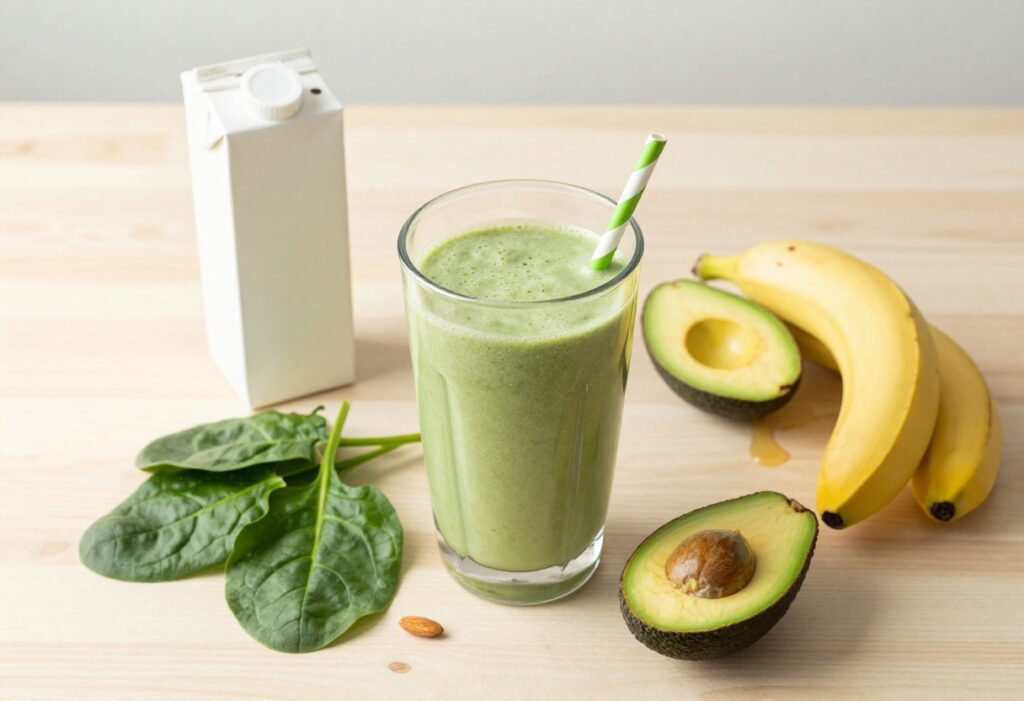
Training days demand more from your body, and what you eat directly impacts your performance and recovery. A well-structured meal plan ensures you have the energy to push hard and the nutrients to rebuild afterward. Without proper nutrition, even the best training program can fall short.
This guide breaks down exactly what to eat before, during, and after your workouts. You'll learn the science behind timing and food choices, plus get practical examples you can apply immediately. Whether you're a weekend warrior or a competitive athlete, these principles will help you fuel smarter.
Forget complicated diets and rigid rules. The goal is simple: give your body what it needs, when it needs it.
Why a Training Day Meal Plan Matters
A well-structured training day meal plan is the foundation of athletic performance. It ensures your body has the fuel it needs to perform at its best, recover quickly, and adapt to training demands.
Proper nutrition on training days directly impacts energy availability. When you eat the right foods at the right times, your muscles have a steady supply of glycogen and amino acids. This prevents early fatigue during workouts and allows you to sustain higher intensity for longer.
A training day meal plan also optimizes performance by supporting key physiological processes. Carbohydrates provide quick energy, protein aids muscle repair, and fats help with hormone regulation. Without a plan, it's easy to underfuel or overfuel, both of which can hinder results.
Key Benefits
- Energy availability: Consistent fueling prevents energy crashes and keeps you sharp.
- Performance optimization: Targeted nutrients improve strength, speed, and endurance.
- Recovery support: Post-workout meals speed muscle repair and reduce soreness.
Beyond performance, a meal plan helps you avoid common pitfalls like hitting a wall mid-session or feeling overly hungry after training. It turns nutrition from guesswork into a reliable tool that works with your schedule and goals.
Pre-Training Nutrition: Fueling Up

What you eat before a workout can make or break your performance. The right pre-training meal provides steady energy, prevents early fatigue, and helps you train harder. Here's how to time and compose your pre-workout nutrition for best results.
Timing Your Pre-Workout Meal
Aim to eat your pre-training meal 2–3 hours before exercise. This window allows enough time for digestion so you don't feel heavy or sluggish, but still have fuel available. If you're eating closer to training (30–60 minutes out), choose a small, easily digestible snack like a banana or a slice of toast with jam.
Why timing matters: Eating too early may leave you under-fueled, while eating too late can cause stomach discomfort. The ideal timing balances energy availability with comfort.
What to Eat: Carbohydrates and Protein
Your pre-workout meal should be rich in carbohydrates for quick energy and contain a moderate amount of protein to support muscle function. Keep fat and fiber low to avoid digestive issues during exercise.
Examples of pre-workout meals
- Oatmeal with berries and a scoop of protein powder
- Whole-grain toast with peanut butter and banana slices
- Greek yogurt with granola and honey
- Chicken or turkey sandwich on whole-grain bread
- Rice cakes with almond butter and a handful of raisins
Quick tip
If you train early in the morning and can't eat a full meal 2–3 hours prior, have a small snack like a piece of fruit or a sports drink 30 minutes before. Even a little fuel is better than none.
Intra-Training Nutrition: Staying Energized
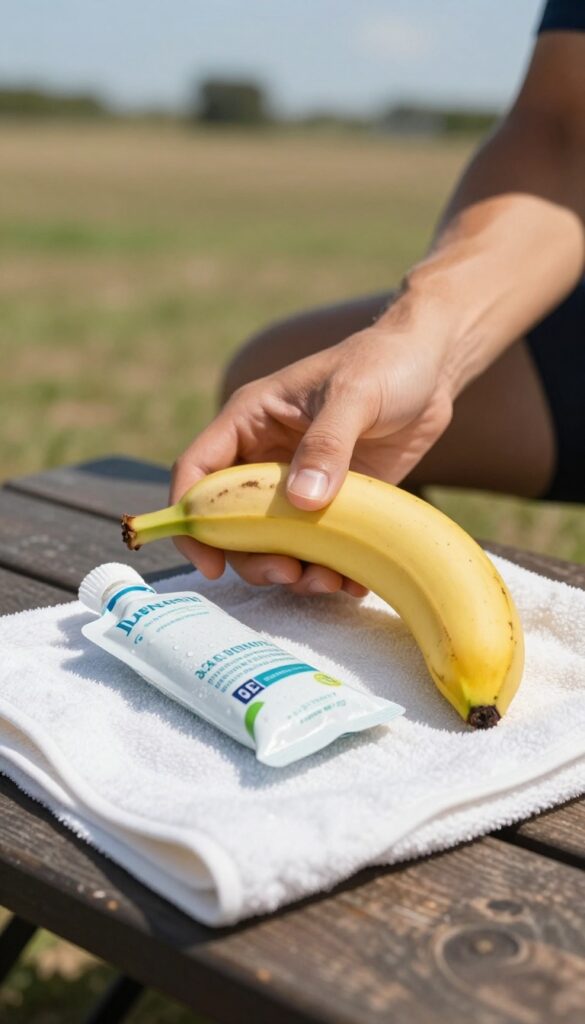
For training sessions lasting longer than 60 minutes, your body's stored glycogen begins to run low, and you may need to take in fuel during exercise to maintain performance and delay fatigue. The goal is to provide a steady supply of easily digestible carbohydrates without causing gastrointestinal distress.
When to Refuel During Exercise
Start fueling after the first 45–60 minutes of exercise, then continue every 30–45 minutes thereafter. For shorter sessions, water alone is usually sufficient. Listen to your body: if you feel your energy dipping or your pace slowing, it's time to take in some quick carbs.
Aim for 30–60 grams of carbohydrates per hour for moderate to high intensity efforts.
Best Options for Quick Energy
The best intra-training fuels are simple carbohydrates that are easy to digest and provide rapid energy. Here are some top choices:
- Energy gels: Convenient and fast-absorbing. Look for brands with maltodextrin or dextrose. Take with water to avoid stomach upset.
- Chews or gummies: Easy to portion and chew. They provide a slower release of sugar compared to gels.
- Sports drinks: Provide both carbs and electrolytes. Ideal for longer sessions, especially in heat.
- Real food alternatives: Bananas, dates, raisins, or even a small peanut butter sandwich can work well for some athletes. Experiment during training to find what sits best.
- Electrolyte tablets or powders: Add to water to replace sodium, potassium, and magnesium lost through sweat.
Important
Avoid overeating during exercise. Too much fuel can lead to bloating, cramping, or nausea. Stick to small, frequent amounts.
Also, be mindful of fiber and fat content—these slow digestion and may cause discomfort.
Post-Training Nutrition: Recovery
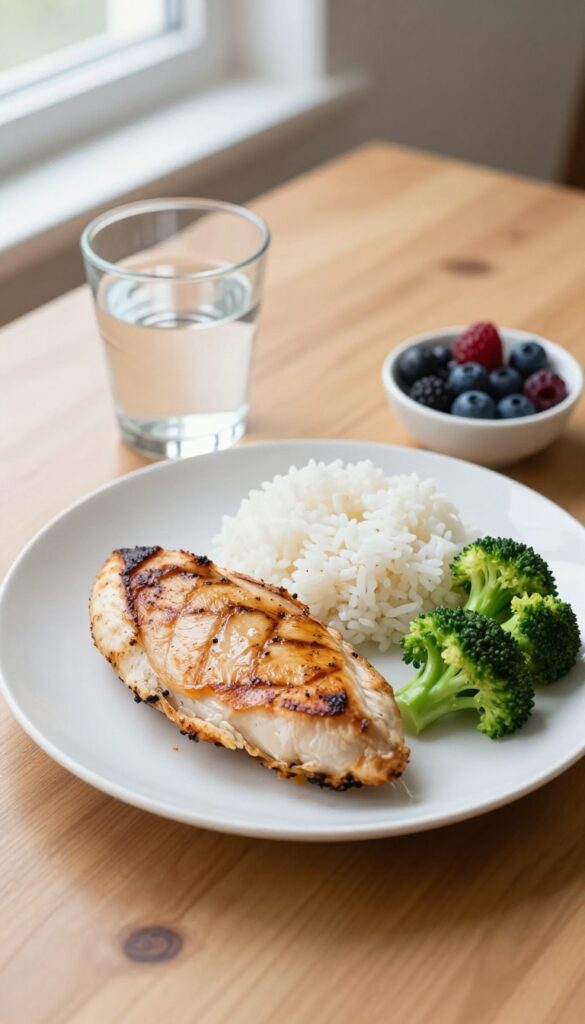
What you eat after training directly impacts how quickly your body repairs muscle and restores energy stores. The right post-workout meal can reduce soreness, improve recovery, and prepare you for your next session.
The Anabolic Window
The anabolic window refers to the period shortly after exercise when your muscles are primed to absorb nutrients. While the exact window may be longer than once thought, consuming protein and carbohydrates within two hours of training remains a practical guideline. This timing supports muscle protein synthesis and glycogen replenishment, especially after intense or prolonged workouts.
Protein is the priority for repair. Aim for 20–40 grams of high-quality protein from sources like whey, chicken, fish, eggs, or plant-based options. Carbohydrates are equally important to refill glycogen stores; include 0.5–0.7 grams per pound of body weight, focusing on fast-digesting carbs like white rice, potatoes, or fruit.
Ideal Post-Workout Meal
A balanced post-workout meal should combine protein and carbs, with minimal fat to avoid slowing digestion. Here are practical examples:
- Grilled chicken breast with white rice and steamed broccoli
- Salmon with sweet potato and asparagus
- Greek yogurt with berries and a banana
- Whey protein shake blended with a banana and oats
- Turkey and avocado wrap on a whole-wheat tortilla
- Egg omelet with veggies and a side of toast
Practical Tip
If a full meal isn't possible within two hours, a protein shake with a piece of fruit can bridge the gap until you can eat a solid meal.
Sample Training Day Meal Plan
Here are two sample training day meal plans—one for a morning workout and one for an afternoon session. These are templates, not rigid prescriptions. Adjust portions and timing based on your body, training intensity, and preferences.
Morning Workout Example
- During Workout (6-7 AM): Water or electrolyte drink if session exceeds 60 minutes.
- Post-Workout Breakfast (7:30 AM): 3 scrambled eggs, 1 cup spinach, 1 whole-wheat tortilla, 1/2 avocado, and a glass of milk. Balanced protein, carbs, and fats for recovery.
- Mid-Morning Snack (10 AM): Greek yogurt with berries and a handful of almonds.
- Lunch (1 PM): Grilled chicken breast (6 oz), quinoa (1 cup), roasted broccoli and sweet potatoes. High-quality carbs and protein for sustained energy.
- Afternoon Snack (4 PM): Apple with 2 tbsp peanut butter.
- Dinner (7 PM): Baked salmon (6 oz), brown rice (1 cup), asparagus. Rich in omega-3s and complex carbs.
- Evening Snack (optional, 9 PM): Cottage cheese with pineapple.
Afternoon Workout Example
- Mid-Morning Snack (10 AM): Turkey and cheese roll-ups with a handful of grapes.
- Lunch (12:30 PM): Lean beef stir-fry with brown rice and mixed vegetables. Carbs and protein to fuel the afternoon session.
- Pre-Workout Snack (3 PM): Rice cakes with almond butter and sliced banana. Easy-to-digest carbs.
- During Workout (4-5 PM): Water or sports drink for longer sessions.
- Post-Workout Dinner (6 PM): Grilled chicken, sweet potato, and a side salad with vinaigrette. Protein and carbs for repair.
- Evening Snack (8 PM): Protein shake or a bowl of berries with yogurt.
Hydration: The Unsung Hero
Hydration is often overlooked, but it's one of the most critical factors in training performance and recovery. Even mild dehydration can impair strength, endurance, and cognitive focus.
Water needs vary based on body size, sweat rate, and training intensity, but a general guideline is to drink about 500–600 ml (17–20 oz) two to three hours before exercise, and another 200–300 ml (7–10 oz) every 10–20 minutes during training. After training, replace fluids lost by drinking 450–675 ml (15–22 oz) for every 0.5 kg (1 lb) of body weight lost during the session.
Electrolyte Balance
Sweat isn't just water—it contains electrolytes like sodium, potassium, and magnesium. For training sessions lasting over an hour or in hot conditions, consider a sports drink or electrolyte supplement to maintain balance and prevent cramping.
Signs of Dehydration
- Thirst (a late indicator)
- Dark yellow urine
- Dry mouth or lips
- Fatigue or dizziness
- Decreased performance or muscle cramps
When to Use Sports Drinks
Sports drinks are beneficial during prolonged, high-intensity training (over 60 minutes) or when you've sweated heavily. For shorter sessions, plain water is sufficient. Avoid overhydration—drinking excessive water without electrolytes can lead to hyponatremia (low blood sodium), which is dangerous.
Supplements: Helpful or Hype?
The supplement aisle can be overwhelming, with powders, pills, and potions all promising better performance. While some supplements have solid evidence behind them, many are overhyped or unnecessary for most athletes. Let's separate fact from fiction so you can decide what—if anything—is worth adding to your routine.
Evidence-Based Supplements
A few supplements have strong research support for training day nutrition. Protein powder (whey or plant-based) is a convenient way to meet protein needs, especially post-workout. Creatine monohydrate is one of the most studied supplements, shown to improve strength and power in high-intensity exercise.
Caffeine can enhance focus and reduce perceived effort, making it useful before training—just be mindful of timing and dosage to avoid sleep disruption.
Supplements That Often Miss the Mark
Branched-chain amino acids (BCAAs) are popular but usually unnecessary if you're consuming enough total protein. Your body already gets BCAAs from whole foods, and research suggests they don't provide extra benefit for most athletes. Similarly, many pre-workout blends contain a mix of ingredients with little evidence; you're often better off with a simple cup of coffee.
When Supplements Might Help
- You struggle to meet protein needs through food alone (e.g., busy schedules or high requirements).
- You're a vegetarian or vegan and want an easy protein source.
- You need a pre-workout boost and caffeine fits your routine.
- You're doing high-intensity training and creatine could support your goals.
A Word of Caution
Supplements are exactly that—supplementary to a solid diet. No powder or pill can replace whole foods' nutrient density. Always check for third-party testing (like NSF Certified for Sport) to ensure purity and avoid banned substances.
And consult a sports dietitian if you're unsure about what's right for you.
Common Nutrition Mistakes on Training Days
Even with the best intentions, it's easy to fall into nutrition traps that can undermine your training. Here are four common mistakes and how to fix them.
Skipping Meals
- Training on an empty stomach can lead to low energy, poor performance, and increased muscle breakdown. Even if you're short on time, have a small snack like a banana or a handful of almonds 30–60 minutes before exercise.
Wrong Timing
- Eating too close to training can cause digestive discomfort, while eating too early may leave you underfueled. Aim to eat a balanced meal 2–3 hours before training, or a light snack 30–60 minutes prior.
Inadequate Protein
- Protein is essential for muscle repair and recovery. Many athletes focus on carbs and neglect protein, especially post-training. Include 20–40g of protein in your post-workout meal or shake within two hours of training.
Ignoring Hydration
- Even mild dehydration can impair performance and recovery. Don't wait until you're thirsty—sip water throughout the day and consider an electrolyte drink during long or intense sessions.
FAQ
How many hours before training should I eat?
Aim to eat a balanced meal 2-3 hours before training. This allows enough time for digestion and prevents discomfort during exercise. If you're short on time, a small snack 30-60 minutes before can work, but keep it light and easy to digest.
Can I train on an empty stomach?
Training fasted can be okay for low-intensity sessions, but for performance and muscle preservation, it's better to have some fuel. Even a small snack can improve energy and focus. Listen to your body; if you feel weak or dizzy, eat something.
What should I eat if I train early in the morning?
For early morning workouts, a small snack like a banana, toast with peanut butter, or a handful of cereal can provide quick energy. If you can't stomach solid food, try a sports drink or a small smoothie. The key is to have something, even if it's small.
Is it okay to eat during a workout?
For sessions lasting over 60 minutes, consuming simple carbs during exercise can help maintain energy levels. Options include sports gels, chews, or a banana. For shorter workouts, water is usually sufficient.
How much protein do I need after training?
Aim for 20-40 grams of protein within 2 hours post-workout to maximize muscle repair. This can come from whole foods like chicken, eggs, or Greek yogurt, or from a protein shake if convenient.
Conclusion
Creating a training day meal plan doesn't have to be complicated. Focus on timing, balance, and listening to your body. Pre-workout carbs, intra-workout fuel for long sessions, and post-workout protein and carbs will set you up for success.
Remember, consistency matters more than perfection.
Experiment with different foods and timings to find what works best for you. With a solid nutrition strategy, you'll get more out of every workout and recover faster. Start small, adjust as needed, and watch your performance improve.

Dr. Pallab Kishore, MS in Orthodontics and owner of Orthodontic Braces Care, shares expert tips on braces, aligners, and oral health from 10+ years of experience.