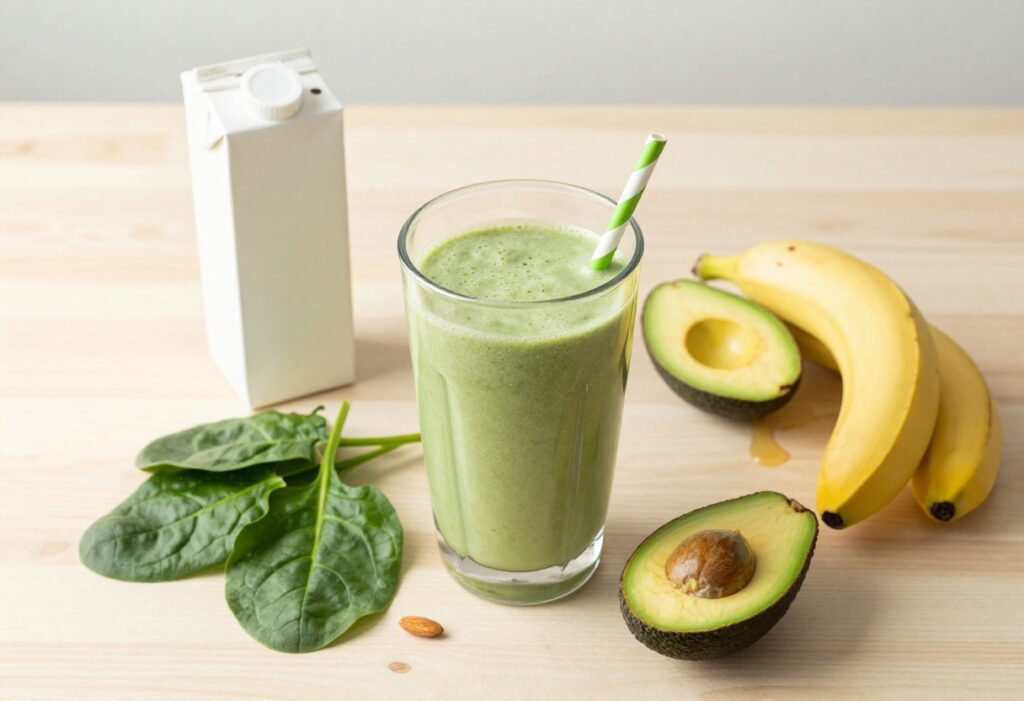
Eating 3000 calories a day might sound like a lot, and for many people it is. But for athletes, bodybuilders, or anyone looking to gain weight healthily, this calorie level can be a powerful tool.
The key is to do it right—focusing on nutrient-dense foods that fuel your body, not just empty calories that leave you feeling sluggish. This guide will walk you through everything you need to know about a 3000 calorie meal plan.
You'll learn who needs it, how to structure your meals, what foods to prioritize, and how to adjust the plan for your specific goals.
What Is a 3000 Calorie Diet and Who Needs It?
A 3000-calorie diet provides a high energy intake designed for people with elevated calorie needs. Unlike standard diets aimed at weight loss or maintenance, this approach focuses on consuming a surplus of calories to support weight gain, muscle building, or sustained high energy levels.
For most adults, 3000 calories far exceeds the daily requirement. However, certain individuals benefit from this level of intake, including:
- Athletes and highly active individuals who burn thousands of calories through training
- Bodybuilders and strength athletes aiming to build muscle mass
- Underweight people or those recovering from illness who need to gain weight
- Individuals with physically demanding jobs or lifestyles
The key to a successful 3000-calorie diet is nutrient density. Prioritizing whole foods like lean proteins, complex carbohydrates, healthy fats, fruits, and vegetables ensures you meet your calorie goals without relying on processed or empty-calorie foods. This approach supports overall health, provides sustained energy, and helps avoid excessive fat gain.
Important Note
A 3000-calorie diet is not suitable for sedentary individuals or those with low energy needs. It should be tailored to your activity level, goals, and health status. Consulting a dietitian or healthcare provider is recommended before making significant dietary changes.
How to Build a 3000 Calorie Meal Plan: Key Principles
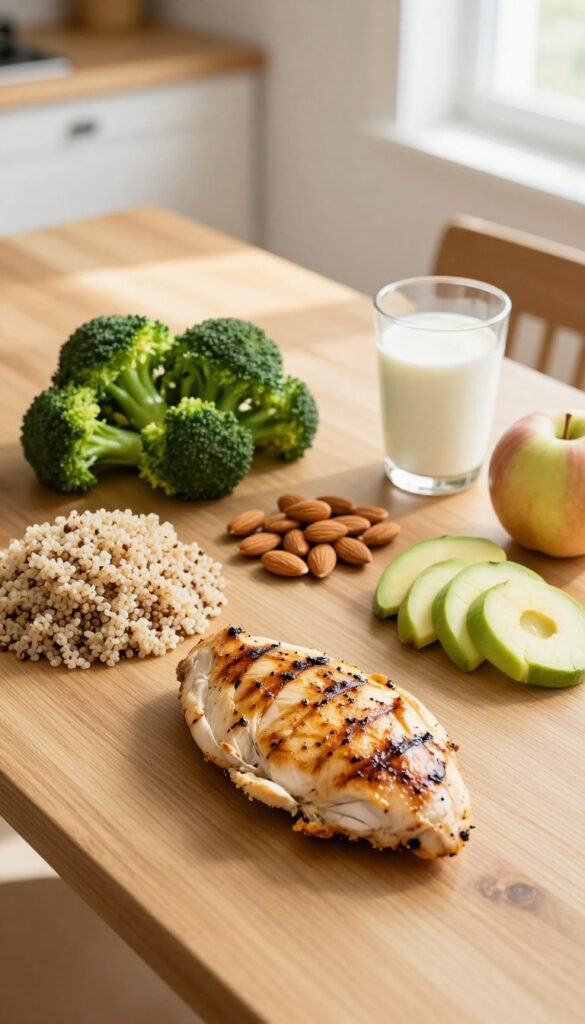
Building a 3000-calorie meal plan isn't just about eating more—it's about eating smart. The goal is to fuel your body with quality nutrients to support energy, muscle growth, and overall health. Here are the core principles to keep in mind.
Macronutrient Breakdown
A balanced 3000-calorie diet should include adequate protein, carbohydrates, and fats. A common starting point is:
| Macronutrient | Recommended Intake | Calories (approx.) |
| Protein | 1.6–2.2 g per kg body weight | 20–30% of total calories |
| Carbohydrates | 3–5 g per kg body weight | 45–60% of total calories |
| Fats | 0.8–1.2 g per kg body weight | 20–35% of total calories |
For a 75 kg (165 lb) person, that translates to roughly 120–165 g protein, 225–375 g carbs, and 60–90 g fat. Prioritize lean proteins, whole grains, fruits, vegetables, and healthy fats like avocados, nuts, and olive oil.
Meal Frequency and Timing
Spreading calories across 4–6 meals helps prevent feeling overly full and keeps energy levels steady throughout the day.
- Eat every 3–4 hours to maintain a positive energy balance.
- Include a protein-rich meal within 2 hours after workouts to support recovery.
- Don't skip breakfast—it helps distribute calories more evenly.
- Consider a pre-bed snack (e.g., cottage cheese or casein shake) for overnight muscle repair.
Consistency is more important than exact timing. Find a schedule that fits your daily routine and stick with it.
Important
Avoid extreme macronutrient ratios or relying heavily on supplements. Whole foods should form the foundation of your plan.
Sample 3000 Calorie Meal Plan (One Day
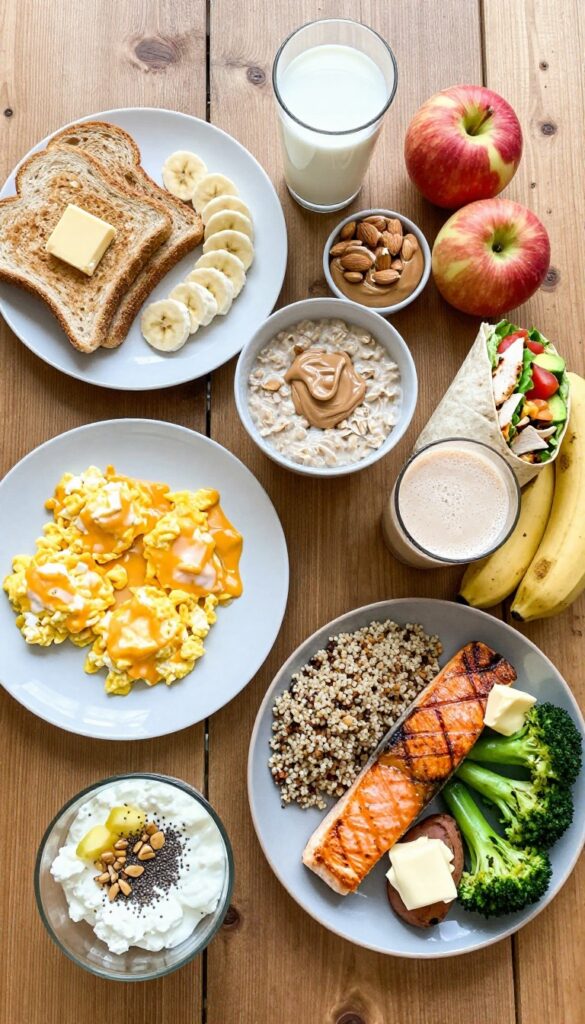
Here’s a practical one-day sample that hits around 3000 calories using whole, satisfying foods. Each meal includes approximate calorie counts to help you visualize portions and combinations.
One-Day 3000 Calorie Meal Plan
| Meal | Foods | Approx. Calories |
| Breakfast | 3 scrambled eggs with cheese (2 slices), 2 slices whole-grain toast with butter, 1 cup oatmeal with 1 tbsp peanut butter and 1 banana, 1 cup whole milk | ~850 |
| Morning Snack | 1 large apple with 2 tbsp almond butter, 1 oz almonds | ~350 |
| Lunch | Grilled chicken breast (6 oz) on whole-wheat wrap with avocado, lettuce, tomato, and mayo; 1 cup Greek yogurt with 1/2 cup granola | ~800 |
| Afternoon Snack | Protein shake (2 scoops whey, 1 cup milk, 1 tbsp peanut butter), 1 large banana | ~450 |
| Dinner | 6 oz grilled salmon, 1.5 cups cooked quinoa, 1 cup roasted broccoli with olive oil, 1 small sweet potato with butter | ~900 |
| Evening Snack | 1 cup cottage cheese with 1/2 cup pineapple, 2 tbsp chia seeds | ~250 |
Best Foods for a 3000 Calorie Diet
Choosing the right foods is key to hitting 3000 calories without relying on junk. Focus on calorie-dense, nutrient-rich options that support energy, muscle growth, and overall health.
Calorie-Dense Whole Foods
| Food | Calories (approx.) | Key Benefits |
| Nuts (almonds, walnuts, cashews) | 160-180 per ounce | Healthy fats, protein, fiber, vitamin E |
| Nut butters (peanut, almond) | 190 per 2 tbsp | Protein, healthy fats, easy to add to meals |
| Seeds (chia, flax, pumpkin) | 150-180 per ounce | Omega-3s, fiber, minerals |
| Avocado | 240 per whole | Monounsaturated fats, potassium, fiber |
| Olive oil | 120 per tbsp | Heart-healthy fats, antioxidants |
| Whole grains (oats, quinoa, brown rice) | 150-200 per cooked cup | Complex carbs, fiber, B vitamins |
| Fatty fish (salmon, mackerel) | 200-250 per 4 oz | Protein, omega-3s, vitamin D |
| Full-fat dairy (yogurt, cheese) | 150-200 per serving | Protein, calcium, probiotics |
| Dried fruit (dates, raisins) | 120-150 per 1/4 cup | Natural sugars, fiber, iron |
| Red meat (beef, lamb) | 250-300 per 4 oz | Protein, iron, B12, creatine |
Foods to Limit or Avoid
While no food is completely off-limits, some can derail your nutrient goals. Limit these to keep your diet healthy.
- Sugary drinks (soda, sweetened teas): empty calories, blood sugar spikes.
- Highly processed snacks (chips, candy): low nutrients, high in unhealthy fats and sugar.
- Excessive fried foods: trans fats, inflammation.
- Refined grains (white bread, pastries): lack fiber and micronutrients.
How to Adjust the Plan for Your Goals
The 3000-calorie meal plan is versatile, but to get the best results, you need to tailor the macronutrient ratios and food choices to your specific objective. Whether you're aiming for muscle gain, general weight gain, or high energy for endurance, small adjustments can make a big difference.
For Muscle Gain
If your primary goal is building muscle, prioritize protein and time your meals around workouts. Aim for 1.6–2.2 grams of protein per kilogram of body weight daily, and distribute it evenly across 4–6 meals. Include a fast-digesting protein source like whey or egg whites post-workout, and a slower-digesting option like casein or cottage cheese before bed.
For Weight Gain (General
For healthy weight gain, focus on calorie density and nutrient quality. You don't need to force-feed; instead, choose energy-dense whole foods like nuts, seeds, avocados, dried fruit, and whole grains. Add healthy fats to meals and snacks to boost calories without increasing volume too much.
For High Energy (Endurance
Endurance athletes need ample carbohydrates to fuel performance and recovery. Shift your macros toward 55–65% carbs, especially complex carbs like oats, brown rice, sweet potatoes, and whole-grain bread. Time carb intake before and during long workouts, and include a recovery meal with carbs and protein afterward.
Tips for Eating 3000 Calories Without Feeling Stuffed
Eating 3000 calories a day can feel like a chore, especially if you have a small appetite. The key is to choose calorie-dense foods and spread your intake throughout the day. Here are practical hacks to help you hit your calorie goals without feeling overly full.
Practical Hacks for Appetite Management
- Drink your calories: Smoothies with milk, yogurt, nut butter, and fruit can pack 500+ calories in a single glass. Whole milk, fruit juice, and protein shakes are also easy to consume.
- Use nut butters generously: Spread peanut, almond, or cashew butter on toast, apples, or bananas. Two tablespoons add about 200 calories.
- Snack on dried fruit: Dates, raisins, apricots, and mangoes are calorie-dense and easy to eat on the go. A handful can provide 200-300 calories.
- Eat frequent, small meals: Instead of three large meals, try 5-6 smaller meals or snacks. This prevents you from feeling stuffed while still adding up calories.
- Add healthy fats: Drizzle olive oil on salads, cook with coconut oil, or add avocado to meals. Fats are calorie-dense and don't take up much stomach space.
- Top your meals: Add cheese, seeds, nuts, or granola to oatmeal, yogurt, salads, and pasta. These toppings boost calories without adding much volume.
Eating Out on a 3000 Calorie Diet
Eating out doesn’t have to derail your high-calorie goals. With a few smart strategies, you can easily hit your calorie target while enjoying restaurant meals or fast food.
When dining out, focus on calorie-dense choices that pack a lot of energy into smaller portions. Look for menu items like pasta, rice bowls, burgers, and thick-crust pizzas. Add extra sides such as fries, bread, or a side salad with dressing to boost the calorie count.
Don’t be shy about asking for extra sauces, oils, or cheese—these add-ons can easily contribute 100–200 calories each.
Restaurant Strategies
- Choose fatty cuts of meat (ribeye, dark meat poultry) and whole-milk dairy options.
- Order appetizers like loaded nachos, potato skins, or fried calamari to start.
- Ask for double portions of starches (rice, potatoes, bread) and extra dressing or butter.
- Opt for high-calorie beverages like whole milk, juice, or smoothies instead of water.
Fast Food Options
Fast food can be a convenient way to add calories. Go for items like double cheeseburgers, large fries, milkshakes, and chicken sandwiches with mayo. Many chains offer value menus where you can add multiple items without breaking the bank.
For example, a double cheeseburger, large fries, and a milkshake can easily total over 1,500 calories.
Common Mistakes to Avoid
Even with a solid plan, it’s easy to slip into habits that sabotage your 3000-calorie goal. Here are the most common pitfalls and how to steer clear of them.
Relying on Junk Food
- It’s tempting to hit your calorie target with fast food, sugary snacks, or processed meals. While they’re calorie-dense, they lack the nutrients your body needs for muscle repair, energy, and overall health. Solution: Prioritize whole foods like oats, eggs, lean meats, nuts, and avocados.
- Use calorie-dense but nutrient-rich options—think trail mix, whole milk, and peanut butter—to fill the gap without filling your system with empty calories.
Not Tracking Your Intake
- Assuming you’re eating enough is a recipe for falling short. Studies show people often underestimate their calorie intake by 20–40%. Solution: Use a food tracking app for at least the first few weeks.
- Log everything, including oils, condiments, and drinks. This ensures you’re actually hitting 3000 calories and helps you adjust when you’re consistently under or over.
Ignoring Micronutrients
- Focusing only on calories can leave you deficient in vitamins and minerals like iron, zinc, calcium, and vitamin D. This can lead to fatigue, poor recovery, and weakened immunity. Solution: Include a variety of colorful vegetables, fruits, and dairy or fortified alternatives.
- Consider a multivitamin if you struggle to meet micronutrient needs, but aim to get most from food.
Inconsistent Eating Schedule
- Skipping meals or eating erratically makes it harder to consume enough calories consistently. Your body also prefers steady energy delivery. Solution: Eat every 3–4 hours, starting with breakfast.
- Set reminders if needed. Prep meals and snacks in advance so you always have something on hand. Consistency turns effort into habit.
FAQ
Can I follow a 3000 calorie diet if I'm not active?
It's not recommended. A 3000 calorie diet is designed for people with high energy needs, such as athletes or those with physically demanding jobs. If you're sedentary, you'll likely gain excess body fat.
Start with a lower calorie level that matches your activity.
How much weight will I gain on 3000 calories?
Weight gain depends on your maintenance calories. If your maintenance is 2500, a 3000 calorie diet creates a 500-calorie surplus, leading to about 1 pound of weight gain per week. Individual results vary based on metabolism, activity, and genetics.
Do I need supplements to reach 3000 calories?
No, you can reach 3000 calories with whole foods alone. Supplements like protein powder or mass gainers can help if you struggle to eat enough, but they're not necessary. Focus on nutrient-dense foods first.
Can I eat 3000 calories of healthy food only?
Absolutely. Choose calorie-dense whole foods like nuts, seeds, avocados, olive oil, whole grains, fatty fish, and dried fruit. These provide plenty of calories along with vitamins, minerals, and fiber.
How do I know if 3000 calories is right for me?
Calculate your maintenance calories using an online calculator based on your age, weight, height, and activity level. If you want to gain weight, add 300-500 calories. If you're already active and not gaining, 3000 may be a good starting point.
Adjust based on your progress.
Conclusion
A 3000 calorie meal plan can be a game-changer for those needing high energy or aiming for healthy weight gain. By choosing nutrient-dense foods, spreading your meals throughout the day, and staying consistent, you can reach your goals without resorting to junk food. Remember, flexibility is key—adjust portions and food choices based on your hunger and activity.
Start with the sample plan, experiment with different foods, and track your progress. If you have specific health conditions or concerns, consult a dietitian or doctor.

Dr. Pallab Kishore, MS in Orthodontics and owner of Orthodontic Braces Care, shares expert tips on braces, aligners, and oral health from 10+ years of experience.