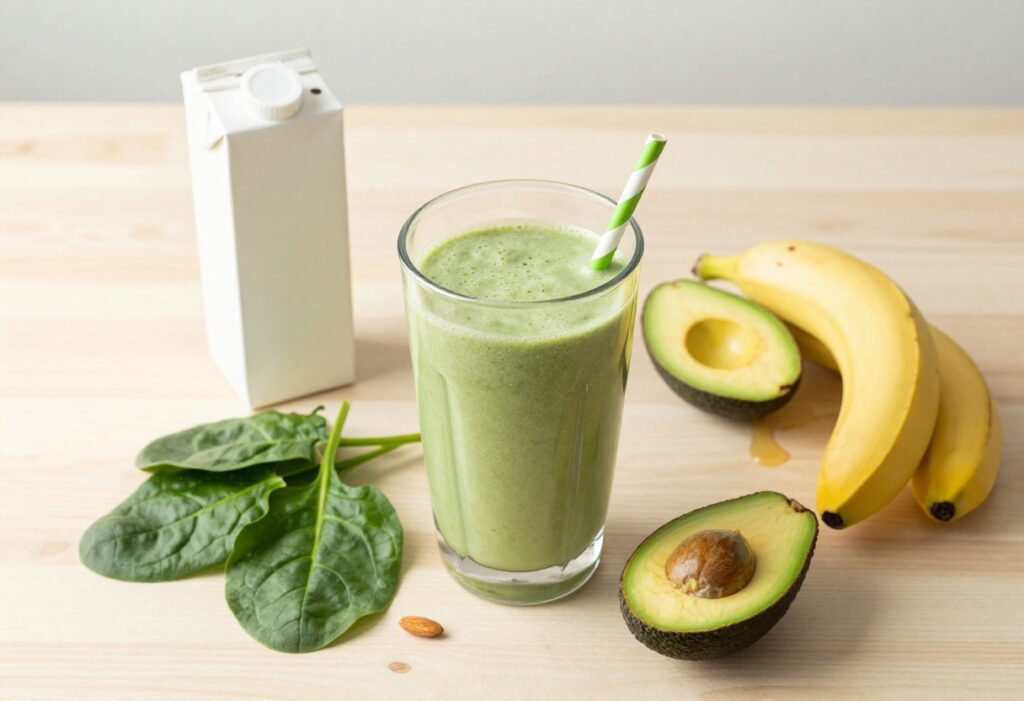
Chronic inflammation is at the root of many modern health issues, from joint pain to heart disease. The good news is that what you eat can make a real difference.
An anti-inflammatory diet isn't about restrictive eating or exotic ingredients—it's about choosing whole, nutrient-rich foods that help your body stay balanced. This meal plan is designed for real life, using ingredients you can find at any grocery store and recipes that fit into a busy schedule.
Whether you're new to anti-inflammatory eating or looking for fresh ideas, this guide will walk you through the basics, from stocking your kitchen to building a week of delicious meals. You'll learn how to create plates that fight inflammation without sacrificing flavor or convenience.
What Is Inflammation and How Does Diet Help?
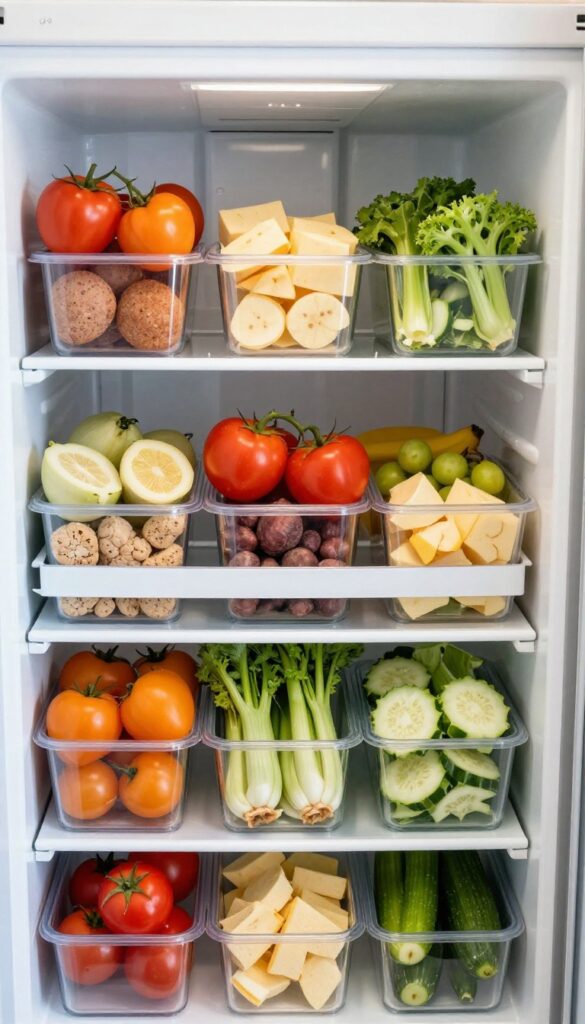
Inflammation is the body's natural response to injury or infection, but when it becomes chronic, it can contribute to various health issues. Understanding the difference between acute and chronic inflammation is key to using diet as a tool for better health.
Acute inflammation is short-term and beneficial—think of the redness and swelling around a cut or a sprained ankle. It helps your body heal. Chronic inflammation, on the other hand, is a persistent, low-grade immune response that can last for months or years.
It often goes unnoticed but is linked to conditions like heart disease, diabetes, arthritis, and autoimmune disorders.
Diet plays a powerful role in either fueling or calming inflammation. Certain foods—like processed snacks, sugary drinks, and refined oils—can trigger inflammatory pathways. Meanwhile, whole foods rich in antioxidants, healthy fats, and fiber help reduce inflammation.
Key anti-inflammatory compounds include omega-3 fatty acids (found in fish and flaxseeds), polyphenols (in berries and green tea), and curcumin (in turmeric).
How Diet Affects Inflammation
- Pro-inflammatory foods: refined sugars, trans fats, processed meats, and excessive alcohol can activate inflammatory markers.
- Anti-inflammatory foods: fruits, vegetables, whole grains, nuts, seeds, and fatty fish provide compounds that lower inflammation.
- The gut-immune connection: a healthy gut microbiome, supported by fiber-rich foods, helps regulate immune responses and reduce systemic inflammation.
By making simple, everyday food choices, you can shift your body toward a more balanced, less inflamed state. This meal plan focuses on practical, delicious ways to incorporate anti-inflammatory ingredients into your regular cooking without complicated steps or hard-to-find items.
Key Anti-Inflammatory Foods to Keep in Your Kitchen
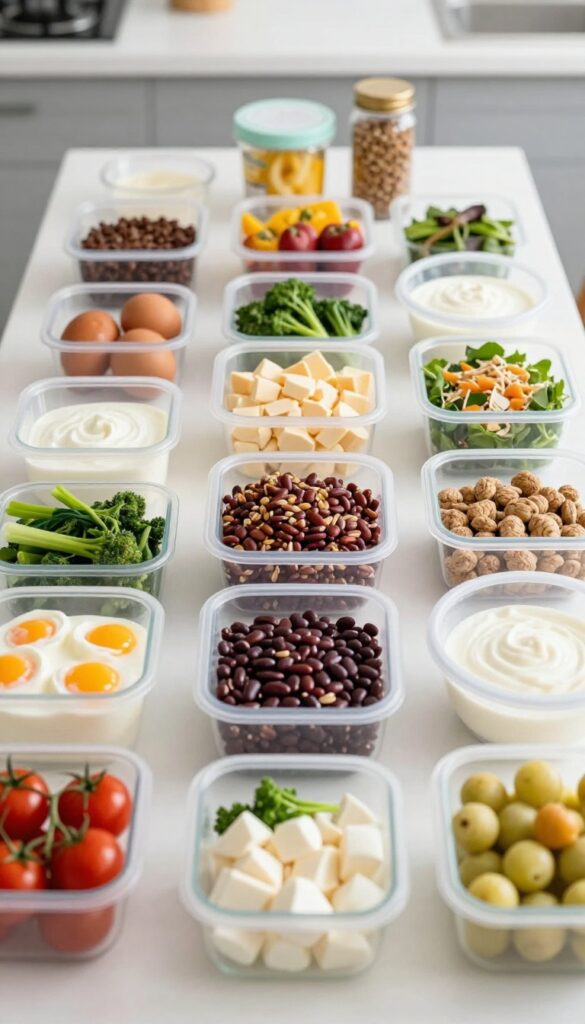
Stocking your kitchen with the right ingredients makes it easy to cook anti-inflammatory meals every day. Focus on whole, minimally processed foods that are rich in antioxidants, healthy fats, and fiber. Here are the staples to keep on hand.
Fruits and Vegetables
Colorful produce is packed with phytonutrients that fight inflammation. Aim for a variety of colors each day.
Healthy Fats
Omega-3 fatty acids and monounsaturated fats help reduce inflammation. Keep these on your counter or fridge.
Lean Proteins and Legumes
Protein supports repair and satiety. Choose sources that don’t add pro-inflammatory fats.
Whole Grains and Spices
Whole grains provide steady energy and fiber, while spices add flavor and anti-inflammatory benefits.
How to Build Your Anti-Inflammatory Plate
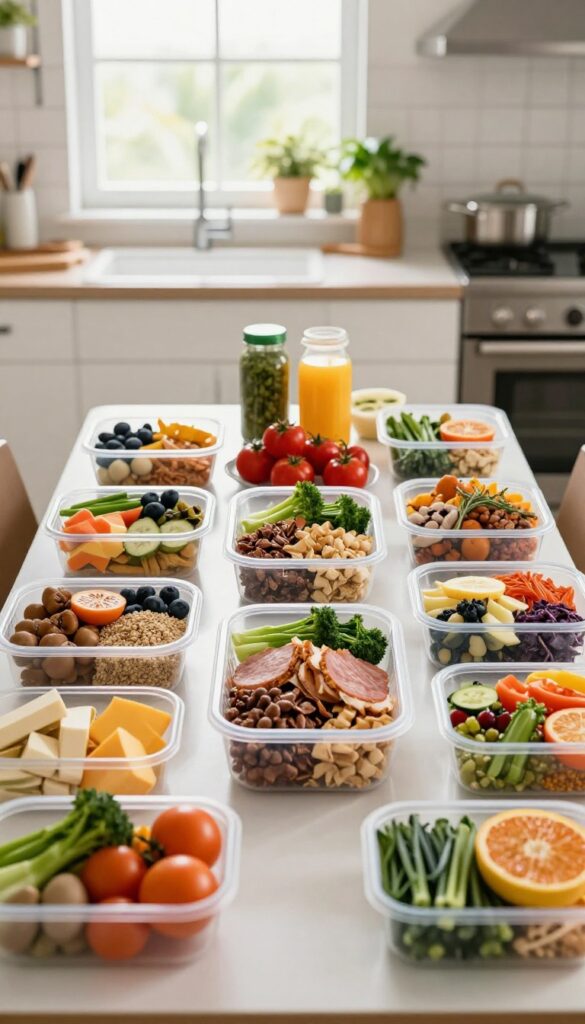
Building an anti-inflammatory plate doesn’t require strict rules or calorie counting. Instead, focus on proportions and variety. A simple visual guide is to fill half your plate with vegetables, one quarter with lean protein, and one quarter with whole grains or starchy vegetables.
Then add a source of healthy fat and a sprinkle of anti-inflammatory spices.
This balanced approach ensures you get a wide range of nutrients that help reduce inflammation. Here’s how to put it together:
Portion Guidelines
- Half the plate: non-starchy vegetables (e.g., leafy greens, broccoli, bell peppers, cauliflower, zucchini)
- Quarter of the plate: lean protein (e.g., grilled chicken, fish, tofu, legumes)
- Quarter of the plate: whole grains or starchy vegetables (e.g., quinoa, brown rice, sweet potato, lentils)
- Add healthy fat: a drizzle of olive oil, avocado slices, or a handful of nuts
- Season with anti-inflammatory spices: turmeric, ginger, garlic, cinnamon, or black pepper
Example Plate Combinations
- Grilled salmon over a bed of mixed greens with quinoa, cherry tomatoes, cucumber, and a lemon-tahini dressing
- Stir-fried tofu with broccoli, bell peppers, and snap peas served with brown rice and a ginger-soy sauce
- Turkey and black bean chili with a side of roasted sweet potatoes and a dollop of Greek yogurt
- Mediterranean bowl with roasted chickpeas, spinach, olives, red onion, and farro drizzled with olive oil and lemon
Remember, these are templates, not prescriptions. Swap ingredients based on what you have on hand. The key is to prioritize colorful vegetables, quality protein, fiber-rich carbs, and healthy fats at every meal.
Sample 7-Day Anti-Inflammatory Meal Plan
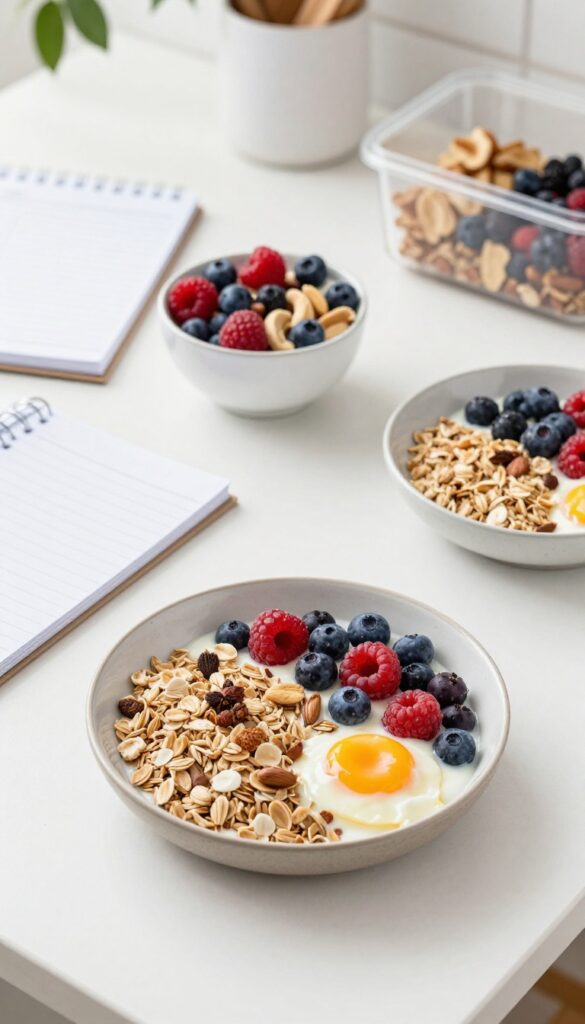
This sample meal plan shows you how to incorporate anti-inflammatory foods into everyday meals. Each day includes breakfast, lunch, dinner, and a snack, with simple recipes and repeat ingredients to keep things easy and budget-friendly.
Day Anti-Inflammatory Meal Plan
| Day | Breakfast | Lunch | Dinner | Snack |
| Monday | Overnight oats with berries, chia seeds, and almond milk | Quinoa salad with chickpeas, cucumber, tomatoes, and lemon-tahini dressing | Grilled salmon with roasted sweet potatoes and steamed broccoli | Handful of walnuts and an apple |
| Tuesday | Green smoothie: spinach, banana, unsweetened almond milk, and flaxseed | Leftover quinoa salad | Turkey and black bean chili with avocado and cilantro | Carrot sticks with hummus |
| Wednesday | Scrambled eggs with spinach and tomatoes, side of whole-grain toast | Lentil soup with a side of mixed greens | Baked cod with roasted asparagus and quinoa | Greek yogurt with blueberries |
| Thursday | Overnight oats (Monday's recipe) with added walnuts | Leftover lentil soup | Stir-fried tofu with broccoli, bell peppers, and ginger-soy sauce | Orange and a small handful of almonds |
| Friday | Smoothie bowl: mixed berries, spinach, banana, and unsweetened coconut milk, topped with granola | Tuna salad (with olive oil and lemon) on whole-grain crackers, side of cherry tomatoes | Grilled chicken breast with roasted Brussels sprouts and sweet potato wedges | Celery sticks with almond butter |
| Saturday | Whole-grain pancakes with fresh strawberries and a drizzle of maple syrup | Leftover chicken and vegetables | Shrimp and vegetable skewers with a side of brown rice | Mixed berries with dark chocolate chips |
| Sunday | Veggie omelet with mushrooms, onions, and bell peppers | Black bean and corn salad with avocado and lime | Hearty vegetable stew with lentils and kale, side of whole-grain bread | Apple slices with peanut butter |
Simple Anti-Inflammatory Recipes to Get You Started
These recipes are designed to be quick, easy, and packed with anti-inflammatory ingredients. Each one uses common pantry items and requires minimal cooking skills, so you can start reducing inflammation in your diet today.
Berry Spinach Smoothie
This vibrant smoothie combines antioxidant-rich berries with leafy greens and healthy fats. It’s perfect for breakfast or a post-workout snack.
- 1 cup spinach
- 1/2 cup frozen mixed berries (blueberries, strawberries, raspberries)
- 1/2 banana
- 1 tablespoon chia seeds or flaxseeds
- 1 cup unsweetened almond milk or water
- Optional: 1/2 teaspoon turmeric powder and a pinch of black pepper
Blend all ingredients until smooth. The chia seeds add omega-3s, while turmeric provides curcumin, a potent anti-inflammatory compound.
Turmeric Lentil Soup
A warming, hearty soup that’s full of fiber and anti-inflammatory spices. Make a big batch for easy lunches throughout the week.
- 1 tablespoon olive oil
- 1 onion, diced
- 2 cloves garlic, minced
- 1 tablespoon grated fresh ginger
- 1 teaspoon turmeric
- 1/2 teaspoon cumin
- 1 cup red lentils, rinsed
- 4 cups vegetable broth
- 1 can (14 oz) diced tomatoes
- Salt and pepper to taste
- Juice of 1 lemon
Sauté onion, garlic, and ginger in olive oil until soft. Add turmeric and cumin, cook 1 minute. Stir in lentils, broth, and tomatoes.
Simmer 20 minutes until lentils are tender. Season with salt, pepper, and lemon juice. Serve with a dollop of yogurt if desired.
Grilled Salmon with Roasted Vegetables
Salmon is rich in omega-3 fatty acids, which help fight inflammation. Paired with colorful roasted vegetables, this meal is both satisfying and nutritious.
- 4 salmon fillets (6 oz each)
- 2 tablespoons olive oil
- 1 teaspoon dried oregano
- 1/2 teaspoon garlic powder
- Salt and pepper
- 2 cups broccoli florets
- 1 red bell pepper, sliced
- 1 zucchini, sliced
- 1 lemon, sliced
Preheat oven to 400°F (200°C). Toss vegetables with 1 tablespoon olive oil, oregano, garlic powder, salt, and pepper. Spread on a baking sheet.
Place salmon fillets on the same sheet, drizzle with remaining olive oil, and top with lemon slices. Roast for 12–15 minutes until salmon is cooked through and vegetables are tender.
Tips for Eating Anti-Inflammatory on a Budget
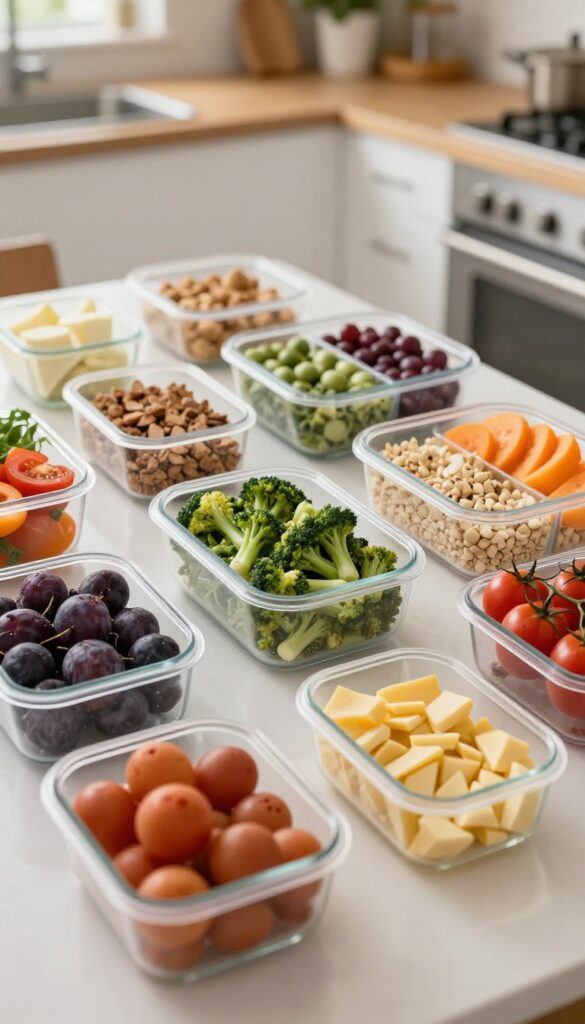
Eating an anti-inflammatory diet doesn't have to break the bank. With a few smart strategies, you can fill your kitchen with nutrient-dense foods while keeping your grocery bill in check.
Cost-Saving Strategies Without Sacrificing Nutrition
- Buy frozen fruits and vegetables: They are picked at peak ripeness and flash-frozen, locking in nutrients often at a lower price than fresh. Stock up on frozen berries, spinach, broccoli, and mixed vegetables for smoothies, stir-fries, and soups.
- Use canned beans and lentils: Canned legumes are affordable, convenient, and packed with fiber and plant-based protein. Rinse them to reduce sodium, then add to salads, stews, and grain bowls. Dried beans are even cheaper if you have time to cook them.
- Buy in bulk: Purchase staples like oats, quinoa, brown rice, nuts, seeds, and spices in bulk bins. This reduces packaging waste and cost per serving. Store them in airtight containers to keep them fresh.
- Choose seasonal produce: Fruits and vegetables that are in season are often cheaper and more flavorful. Visit local farmers' markets or look for sales at the grocery store. Consider joining a community-supported agriculture (CSA) box for a budget-friendly mix of seasonal items.
- Opt for affordable anti-inflammatory proteins: Eggs, canned fish (like sardines and salmon), tofu, and plain Greek yogurt are budget-friendly sources of protein and healthy fats. Use them as the base for meals instead of pricier meats.
- Make your own staples: Prepare homemade salad dressings, hummus, and bone broth instead of buying pre-made versions. This saves money and lets you control ingredients like olive oil and herbs.
- Reduce food waste: Plan meals around what you already have, use vegetable scraps for broth, and freeze leftovers for quick future meals. This stretches your food budget and reduces waste.
Pro Tip
Focus on a few versatile, inexpensive anti-inflammatory staples like lentils, frozen spinach, and olive oil. Building meals around these ingredients keeps costs low while supporting your health goals.
Common Mistakes to Avoid on an Anti-Inflammatory Diet
Even with the best intentions, it’s easy to fall into habits that can undermine your anti-inflammatory efforts. Here are some common pitfalls and how to steer clear of them.
Over-relying on supplements
- While supplements like turmeric or omega-3s can be helpful, they’re not a substitute for a balanced diet. Whole foods provide a complex mix of nutrients that work together synergistically. Focus on getting your anti-inflammatory compounds from fruits, vegetables, whole grains, and healthy fats first.
Ignoring food sensitivities
- Even anti-inflammatory foods can cause problems if you have an undiagnosed sensitivity. Common culprits include gluten, dairy, eggs, and nightshades. If you suspect a food is causing inflammation, try an elimination diet for a few weeks to see if symptoms improve.
Not drinking enough water
- Chronic dehydration can contribute to inflammation by impairing your body’s ability to flush out toxins. Aim for at least 8 cups of water per day, and more if you’re active or live in a hot climate. Herbal teas and water-rich fruits like watermelon also count.
Skipping healthy fats
- Healthy fats like those from avocados, olive oil, nuts, and fatty fish are crucial for reducing inflammation. Some people avoid fats when trying to eat healthier, but this can backfire. Include a source of healthy fat at each meal to support your body’s anti-inflammatory response.
FAQ
Can I eat dairy on an anti-inflammatory diet?
It depends on the person. Some dairy products, like yogurt and kefir, contain probiotics that may reduce inflammation. However, full-fat dairy and processed cheeses can be pro-inflammatory for some individuals.
Listen to your body and opt for fermented or low-fat options if tolerated.
Is coffee anti-inflammatory?
Moderate coffee consumption (1-2 cups per day) has been linked to anti-inflammatory effects due to its antioxidants. However, excessive caffeine or added sugars and creamers can negate benefits. Stick to black or with a splash of milk.
How quickly will I notice results?
Some people notice reduced bloating and improved energy within a week, while others may take several weeks to see changes in joint pain or skin conditions. Consistency is key.
Do I need to take supplements?
While supplements like omega-3s or turmeric can help, it's best to get nutrients from whole foods. Focus on a balanced diet first, and consult a healthcare provider before adding supplements.
Conclusion
Adopting an anti-inflammatory meal plan doesn't have to be complicated. By focusing on whole foods like fruits, vegetables, healthy fats, and lean proteins, you can create meals that support your body's natural balance. Start with small changes—swap your cooking oil for olive oil, add a serving of berries to your breakfast, or try a new spice like turmeric.
Over time, these habits become second nature. Remember, the goal is progress, not perfection. Enjoy the process of exploring new flavors and nourishing your body.

Dr. Pallab Kishore, MS in Orthodontics and owner of Orthodontic Braces Care, shares expert tips on braces, aligners, and oral health from 10+ years of experience.