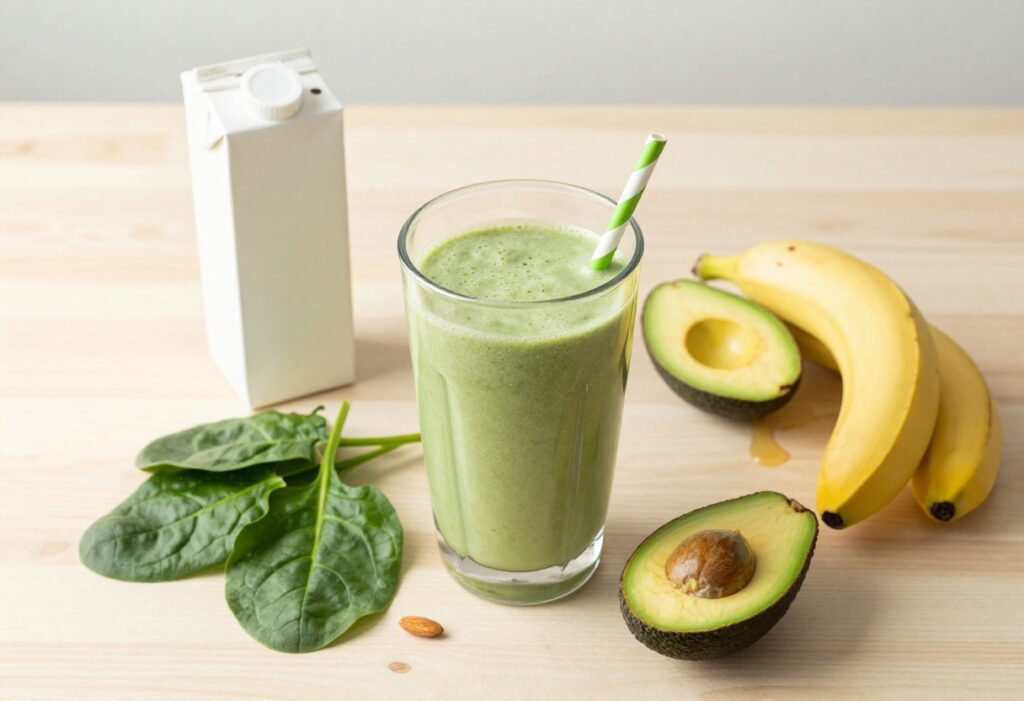
The first weeks after childbirth are a whirlwind of healing, sleepless nights, and learning to care for a newborn. Amidst all this, nourishing your own body often takes a backseat. Yet what you eat plays a crucial role in your recovery, energy levels, and even your mood.
A gentle postpartum meal plan focuses on nutrient-dense, easy-to-digest foods that support healing without demanding too much of your time or energy. This guide is designed to take the guesswork out of postpartum eating.
You'll find a flexible 3-day meal plan, simple recipes, and practical tips for stocking your kitchen and prepping meals in advance. The goal is not perfection but nourishment—giving your body the building blocks it needs to recover and thrive.
Why Gentle Nutrition Matters After Birth
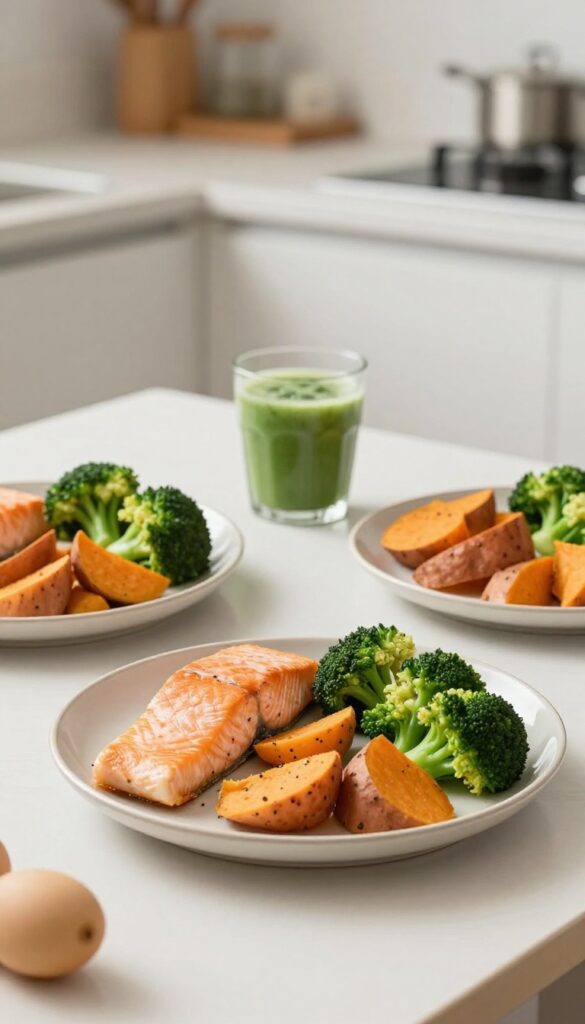
In the weeks following childbirth, your body is working hard to heal, restore energy, and produce milk. Gentle nutrition—focusing on whole, nutrient-dense foods without rigid rules—supports this process without adding stress. Rather than counting calories or following a strict diet, the goal is to nourish your body with the building blocks it needs for recovery.
Key Nutrients for Healing and Energy
Your body has specific nutritional needs after birth. Prioritizing these key nutrients can help you recover more comfortably and maintain steady energy throughout the day.
- Iron: Helps replenish blood lost during delivery and prevents fatigue. Good sources include lean red meat, spinach, lentils, and fortified cereals.
- Protein: Essential for repairing tissues, especially the uterine lining and any perineal tears or C-section incisions. Aim for eggs, poultry, fish, tofu, beans, and Greek yogurt.
- Healthy fats: Omega-3 fatty acids, in particular, support brain health and may help stabilize mood. Include salmon, walnuts, chia seeds, and flaxseeds.
- Hydration: Water, herbal teas, and broths are crucial for milk production and preventing constipation. Keep a water bottle nearby and sip throughout the day.
How Food Affects Milk Supply and Mood
What you eat directly influences both your breast milk composition and your emotional well-being. A balanced diet with adequate calories (typically 300–500 extra per day if breastfeeding) helps maintain a robust milk supply. Meanwhile, blood sugar swings from sugary snacks can worsen fatigue and irritability.
Small, frequent meals that combine protein, fiber, and healthy fats keep your energy stable and your mood more even. Avoiding inflammatory foods—like highly processed snacks, excess sugar, and trans fats—can also reduce postpartum inflammation and support overall recovery.
Remember: This is a time for nourishment, not restriction. Gentle nutrition means listening to your hunger cues and choosing foods that make you feel good, without guilt or pressure.
Stocking Your Postpartum Pantry
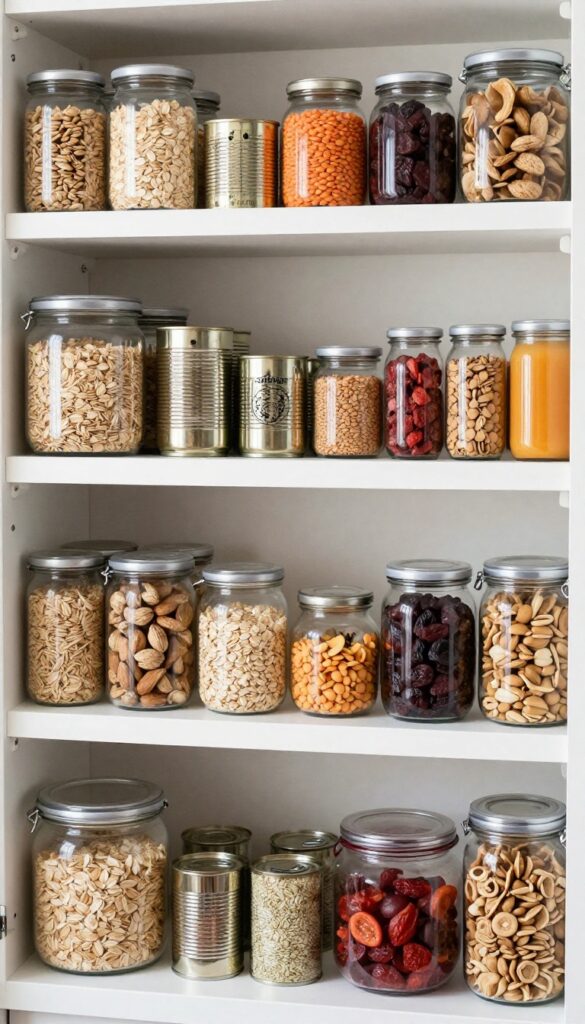
Having the right ingredients on hand can make all the difference when you're exhausted and hungry. Focus on nutrient-dense, easy-to-prepare foods that support healing and lactation.
Essentials for Quick Meals
- Rolled oats – for breakfast or lactation cookies
- Lentils and quinoa – protein-rich, cook quickly
- Eggs – versatile and packed with choline
- Greek yogurt – calcium and probiotics
- Canned salmon or sardines – omega-3s, no cooking needed
- Whole grain bread or tortillas – for easy sandwiches or wraps
- Pre-chopped veggies (onions, bell peppers, spinach) – save prep time
- Avocados – healthy fats, no prep required
Freezer-Friendly Staples
- Frozen vegetables (broccoli, peas, mixed stir-fry)
- Frozen fruit (berries, mango) – for smoothies
- Pre-cooked grains (brown rice, quinoa) – just reheat
- Homemade or store-bought broth (chicken, vegetable)
- Cooked shredded chicken or ground turkey
- Soups and stews in single servings
- Lactation-friendly muffins or energy balls
Healthy Snacks Within Arm’s Reach
- Nuts and seeds (almonds, walnuts, flaxseed, chia seeds)
- Dried fruit (apricots, dates, raisins)
- Nut butter packets or small jars
- Hard-boiled eggs (prepped ahead)
- Cheese sticks or cottage cheese cups
- Hummus and veggie sticks
A Note on Convenience
Don't hesitate to use pre-cut vegetables, canned beans (rinsed), or rotisserie chicken. The goal is to reduce effort, not to be a gourmet chef. Every shortcut you take is energy saved for you and your baby.
Sample 3-Day Gentle Recovery Meal Plan
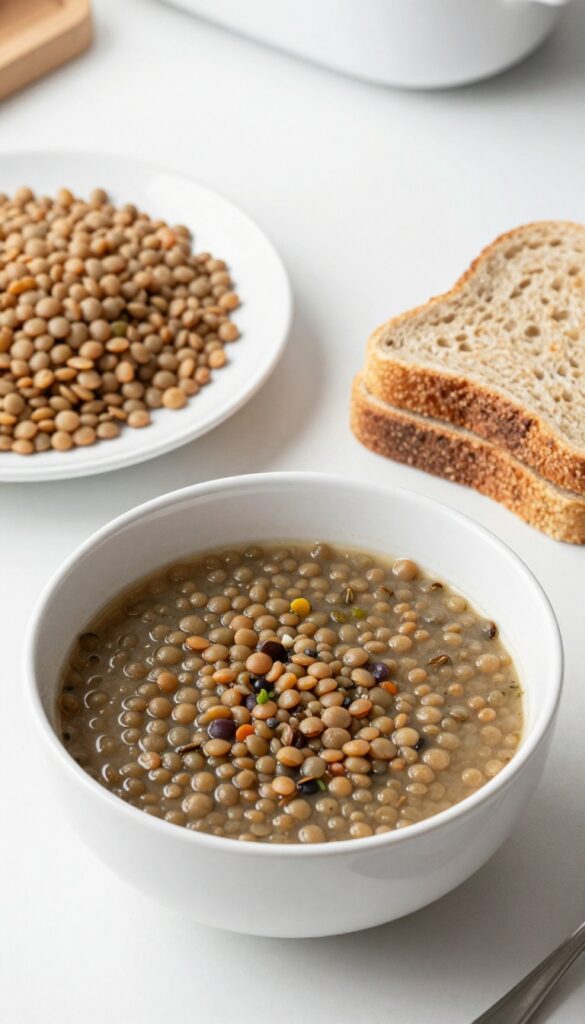
This 3-day meal plan is designed to be warming, nourishing, and easy to prepare. Each day includes three meals and two snacks, with an emphasis on cooked foods that are gentle on digestion and supportive of healing. Feel free to swap days or adjust portions to your appetite.
Day 1: Warming and Grounding
Breakfast
- Warm oatmeal made with rolled oats, cooked with water or milk, topped with a handful of blueberries, a tablespoon of chopped walnuts, and a drizzle of maple syrup.
Snack 1
- A small bowl of plain full-fat yogurt with a sliced banana.
Lunch
- Lentil soup (canned or homemade) served with a slice of whole grain toast and a pat of butter.
Snack 2
- A handful of almonds and an apple.
Dinner
- Sheet pan salmon with sweet potatoes: place salmon fillet and cubed sweet potatoes on a baking sheet, drizzle with olive oil, sprinkle with salt and pepper, and roast at 400°F for 20 minutes. Serve with steamed green beans.
Day 2: Energizing and Nourishing
Breakfast
- Scrambled eggs (2) with sautéed spinach and a slice of whole grain toast.
Snack 1
- A pear and a small handful of pumpkin seeds.
Lunch
- Quinoa bowl: cooked quinoa topped with shredded cooked chicken, roasted carrots, and a dollop of tahini dressing.
Snack 2
- Rice cakes with almond butter and a few dark chocolate chips.
Dinner
- Chicken and vegetable stew: simmer chicken thighs with chopped carrots, celery, and potatoes in broth until tender. Serve with a side of steamed rice.
Day 3: Comforting and Simple
Breakfast
- Smoothie bowl: blend a frozen banana, a handful of spinach, a cup of milk, and a scoop of protein powder (optional). Top with granola and sliced strawberries.
Snack 1
- A hard-boiled egg and a small orange.
Lunch
- Leftover chicken stew from Day 2, or a quick tuna salad (canned tuna mixed with mayo and chopped celery) on whole grain crackers.
Snack 2
- A small bowl of cottage cheese with peach slices.
Dinner
- Pasta with marinara sauce: whole wheat pasta tossed with jarred marinara, sautéed mushrooms, and a sprinkle of Parmesan cheese. Serve with a side of steamed broccoli.
Tips for Success
Prepare grains and proteins in advance to save time. Soups and stews can be made in large batches and frozen in single portions. Listen to your hunger cues—eat when you're hungry and stop when you're full.
Easy Recovery Recipes to Rotate
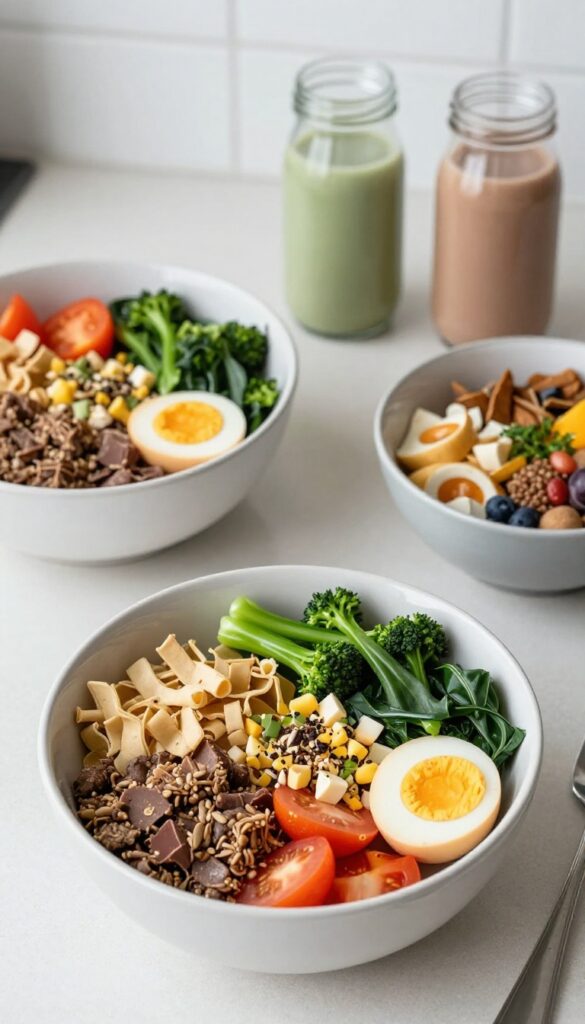
These three recipes are designed to minimize effort while maximizing nutrition. They rely on pantry staples, require minimal hands-on time, and yield leftovers that make the next day's meal even easier.
Overnight Oats with Flax and Berries
This no-cook breakfast is ready when you are. The combination of oats, flaxseed, and berries provides fiber, omega-3s, and antioxidants to support recovery and lactation.
Ingredients
- 1/2 cup rolled oats
- 1/2 cup milk (dairy or plant-based)
- 1/4 cup plain yogurt or kefir
- 1 tablespoon ground flaxseed
- 1/2 cup mixed berries (fresh or frozen)
- 1 teaspoon maple syrup or honey (optional)
Combine oats, milk, yogurt, and flaxseed in a jar or bowl. Stir, then top with berries. Refrigerate overnight.
In the morning, give it a stir and enjoy cold or warm it up for a few seconds in the microwave. Make several jars at once for grab-and-go breakfasts.
One-Pot Lentil and Vegetable Stew
This hearty stew is packed with plant-based protein, iron, and fiber. It comes together in one pot and tastes even better the next day.
Ingredients
- 1 tablespoon olive oil
- 1 onion, diced
- 2 carrots, diced
- 2 celery stalks, diced
- 3 cloves garlic, minced
- 1 cup dried green or brown lentils, rinsed
- 1 can (14 oz) diced tomatoes
- 4 cups vegetable or chicken broth
- 1 teaspoon dried thyme
- Salt and pepper to taste
- 2 cups chopped spinach or kale (optional)
In a large pot, heat olive oil over medium heat. Sauté onion, carrots, and celery until softened, about 5 minutes. Add garlic and cook for 1 minute.
Stir in lentils, tomatoes, broth, and thyme. Bring to a boil, then reduce heat and simmer for 25–30 minutes, until lentils are tender. Stir in spinach or kale and cook until wilted.
Season with salt and pepper. Serve as is or with a dollop of yogurt.
Sheet Pan Chicken with Root Vegetables
A complete meal on one pan – protein, vegetables, and healthy carbs – with minimal cleanup. The high protein content supports tissue repair and milk production.
Ingredients
- 2 bone-in, skin-on chicken thighs or 2 chicken breasts
- 2 cups chopped root vegetables (sweet potatoes, carrots, parsnips)
- 1 red onion, cut into wedges
- 2 tablespoons olive oil
- 1 teaspoon dried rosemary or thyme
- Salt and pepper to taste
Preheat oven to 400°F (200°C). Toss vegetables and onion with olive oil, herbs, salt, and pepper. Spread on a baking sheet.
Place chicken on top, skin side up. Roast for 35–40 minutes, until chicken reaches 165°F (74°C) and vegetables are tender. Let rest for 5 minutes before serving.
This meal pairs well with a simple green salad.
Make Ahead Tip
Double any of these recipes and store leftovers in the fridge for up to 4 days. The lentil stew and sheet pan chicken freeze beautifully for up to 3 months.
Tips for Making Meal Prep Work for You
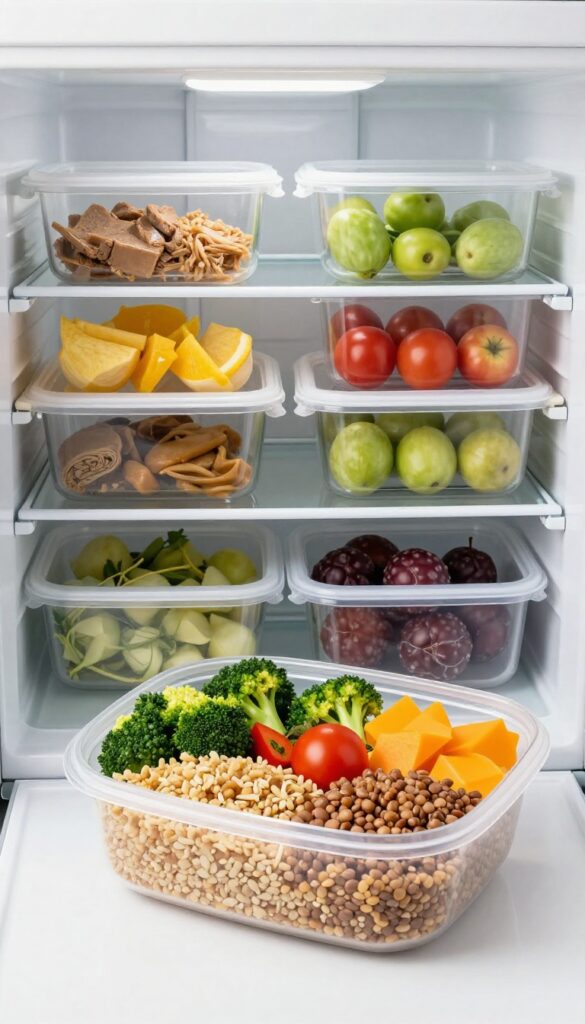
Meal prep can feel overwhelming when you're recovering from birth and caring for a newborn. The goal isn't to cook elaborate meals—it's to make sure you have nourishing food ready with minimal effort. Here are practical strategies to set yourself up for success without adding stress.
Batch Cooking on a Good Day
On days when you have a bit more energy—perhaps with help from your partner or a family member—cook larger quantities and freeze individual portions. This way, you can reheat a balanced meal in minutes.
Ideas for batch cooking
- Soups and stews: Make a big pot of lentil soup, chicken vegetable stew, or bone broth with vegetables. Freeze in single-serving containers.
- Casseroles: Baked oatmeal, lasagna, or shepherd’s pie freeze well. Cut into portions before freezing.
- Slow cooker or Instant Pot meals: Prep ingredients in the morning, let the appliance do the work, and portion out leftovers.
- Cook once, eat twice: When making dinner, intentionally double the recipe and freeze half for a future meal.
Enlist Help from Family and Friends
Many loved ones want to help but don't know how. A meal train is a simple way to coordinate deliveries without overwhelming anyone. Use a free online sign-up tool or ask a friend to organize it.
Be specific about any dietary needs or preferences—for example, “We love vegetable-heavy dishes and need them to be freezer-friendly.” Also, accept frozen meals from others without guilt. A store-bought frozen lasagna or a casserole from a neighbor counts as a win.
Freezing individual portions
Invest in a set of freezer-safe containers in single-serving sizes. Label each container with the dish name and date. Soups and sauces can be frozen in silicone muffin trays, then popped out and stored in a bag.
This makes it easy to grab exactly what you need without defrosting a large batch.
Creating a meal train sign-up
Set up a simple online calendar where friends and family can choose a date to bring a meal. Include a section for notes about food allergies or preferences. Aim for meals that reheat easily and don't require last-minute prep.
Remind contributors that disposable containers are helpful so you don't have to worry about returning dishes.
Avoid perfectionism
It's easy to feel like you need to cook everything from scratch or follow complicated recipes. In reality, simple meals—like a baked sweet potato with black beans and avocado—are just as nourishing. Don't let the perfect be the enemy of the good.
If all you manage is a bowl of oatmeal with nuts and berries, that's still a win.
Keep it simple
Overcomplicating meals adds unnecessary stress. Stick to a few go-to recipes that use overlapping ingredients. For example, roast a chicken and use leftovers in salads, wraps, or soups.
Rotate between three or four breakfast options so you don't have to think about it. The easier the system, the more likely you'll stick with it.
FAQ
Can I eat spicy foods while breastfeeding?
Yes, most babies tolerate spicy foods well. In fact, exposure to different flavors through breast milk can help your baby accept a variety of foods later. However, if you notice your baby seems fussy or gassy after you eat spicy foods, you may want to reduce them temporarily.
How much water should I drink postpartum?
Aim for at least 8-10 cups (64-80 ounces) of water per day, more if you're breastfeeding. Keep a water bottle nearby and sip throughout the day. Herbal teas, broths, and watery fruits like watermelon also count toward hydration.
What if I have dietary restrictions like vegan or gluten-free?
The meal plan can be easily adapted. For vegan, replace dairy with fortified plant milks and eggs with tofu or legumes. For gluten-free, use oats labeled gluten-free, quinoa, or rice instead of wheat-based grains.
Focus on whole foods and consult a dietitian if needed.
Is it safe to eat cold foods after birth?
In many cultures, warm foods are recommended postpartum to aid digestion and circulation. Cold foods are not harmful, but some women find warm meals more comforting and easier to digest. Listen to your body.
How can I increase my milk supply through diet?
Stay hydrated, eat enough calories, and include galactagogues like oats, flaxseed, brewer's yeast, and leafy greens. However, diet alone may not be enough if supply is low; ensure proper latch and frequent nursing or pumping. Consult a lactation consultant for personalized advice.
Conclusion
Nourishing yourself after birth is an act of love—for both you and your baby. By focusing on gentle, whole foods and simplifying your meals, you give your body the support it needs to heal and regain strength. Remember, you don't have to do it all alone.
Accept help with cooking, embrace leftovers, and let go of the pressure to have perfect meals. Take it one day at a time. Your body has done something incredible, and it deserves kindness and patience.

Dr. Pallab Kishore, MS in Orthodontics and owner of Orthodontic Braces Care, shares expert tips on braces, aligners, and oral health from 10+ years of experience.