Hitting 200 grams of protein in a single day sounds like a lot—and it is. But for athletes, bodybuilders, or anyone on a high-protein diet for weight loss or muscle gain, it's a common target. The good news?
With the right strategy, it's completely doable without living on chicken breasts alone. This guide breaks down exactly how to structure your meals to reach 200g protein. You'll find sample menus, timing tips, and plenty of variety to keep your taste buds happy.
Whether you're meal prepping or cooking fresh, these ideas will help you hit your protein goal consistently. Remember, individual protein needs vary based on body weight, activity level, and goals.
Why 200g of Protein? Understanding the Need
A 200g protein target is common among those focused on muscle gain, high-protein diets, or enhanced recovery. But is it right for you? Understanding the rationale behind this number helps you decide if it fits your goals and lifestyle.
For many active individuals, consuming 200 grams of protein daily supports muscle protein synthesis, improves satiety, and boosts metabolic rate through the thermic effect of food. This level is often recommended for bodybuilders, strength athletes, or anyone in a serious muscle-building phase. It can also aid weight loss by preserving lean mass while in a calorie deficit.
Who benefits most from 200g?
- Individuals with high lean body mass or those aiming to build significant muscle
- Athletes in intense training phases needing enhanced recovery
- People following very low-carb or ketogenic diets where protein becomes a primary energy source
- Those with higher protein requirements due to metabolic demands or injury recovery
However, 200g isn't necessary for everyone. Your needs depend on body weight, activity level, and overall goals. A general recommendation is 1.6–2.2 grams per kilogram of body weight.
For a 90kg individual, 200g fits within that range, but for someone lighter or less active, it may exceed requirements. Excess protein can be stored as fat or strain the kidneys in susceptible individuals.
When 200g might be too much
- If you weigh less than 75kg (165 lbs) and are not in intense training
- If you have pre-existing kidney issues (consult a doctor)
- If your diet lacks sufficient fiber and micronutrients due to protein crowding out other foods
How to Structure Your Day for 200g Protein
Reaching 200 grams of protein in a day doesn't happen by accident—it requires a deliberate strategy. The key is to spread your protein intake across multiple meals and snacks, aiming for 40–50 grams per eating occasion. This approach not only makes the goal more manageable but also supports muscle protein synthesis throughout the day.
To hit 200g without feeling overwhelmed, plan for 4–5 meals or snacks. Each should contain a substantial protein source, such as chicken breast, Greek yogurt, eggs, or a quality protein powder. By distributing protein evenly, you avoid relying on one massive meal and keep your energy levels steady.
Protein Distribution Strategy
- Eat 4–5 times per day, with each meal providing 40–50g of protein.
- Include a protein source at every eating occasion—no skipping breakfast or snacks.
- Time your protein intake around workouts: have a pre-workout meal with 20–30g protein and a post-workout meal with 40–50g to support recovery.
Sample Protein Targets Per Meal
| Meal | Protein Target |
| Breakfast | 40–50g |
| Lunch | 40–50g |
| Dinner | 40–50g |
| Snack 1 | 20–30g |
| Snack 2 (if needed) | 20–30g |
Adjust these targets based on your schedule and appetite. The goal is consistency, not perfection. If you have a lighter breakfast, compensate with a higher-protein snack later.
Remember to consider your total calorie intake—high-protein doesn't mean unlimited calories, especially if weight management is a goal.
Breakfast: 50g Protein to Start Strong
Kickstarting your day with a high-protein breakfast sets the tone for hitting your 200g target. Aim for 50g of protein from a combination of sources to keep you full, support muscle repair, and prevent mid-morning cravings.
High-Protein Breakfast Ideas
- Eggs & Greek Yogurt: 3 large eggs (18g protein) + 1 cup nonfat Greek yogurt (24g protein) = 42g. Add a scoop of collagen peptides (10g) for a 52g start.
- Protein Oatmeal: 1/2 cup rolled oats (5g protein) + 2 scoops vanilla protein powder (50g protein) + 1 cup milk (8g protein) = 63g. Mix and microwave for 2 minutes.
- Lean Meat Scramble: 4 oz ground turkey (22g protein) + 4 egg whites (14g protein) + 1/2 cup black beans (7g protein) = 43g. Serve with a side of cottage cheese (1/2 cup = 14g) for 57g total.
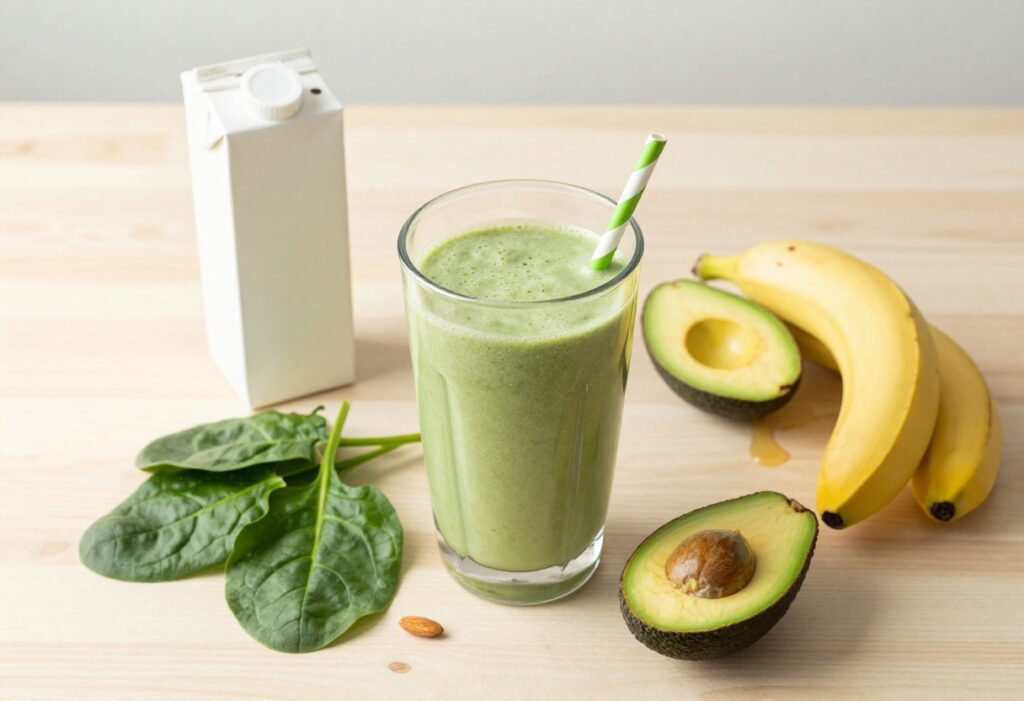
- Quick Smoothie: 2 scoops protein powder (50g protein) + 1 cup milk (8g protein) + 1 tbsp peanut butter (4g protein) = 62g. Blend with ice and a handful of spinach.
Sample Breakfast Menu
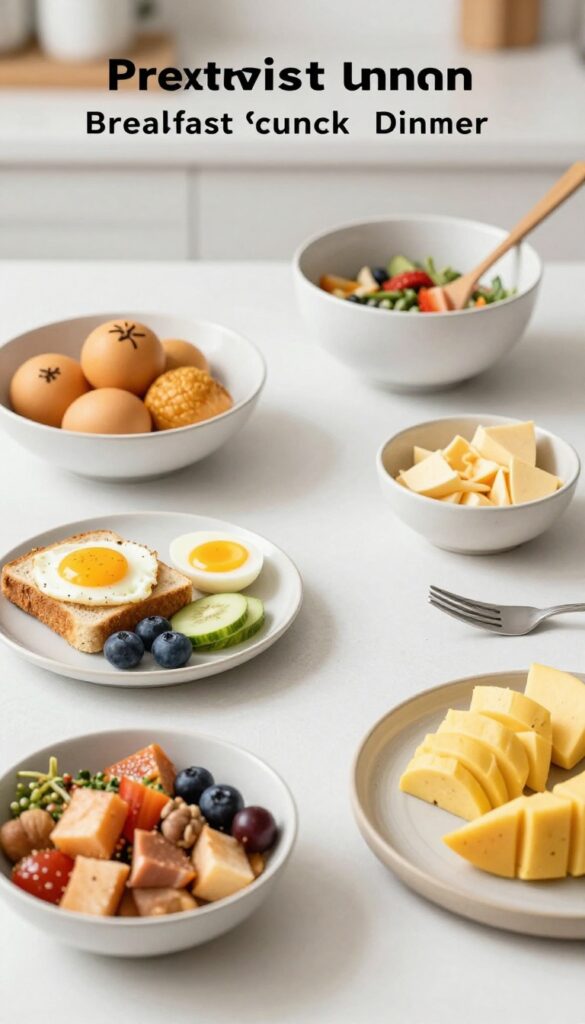
A balanced plate could include a 3-egg omelet with 4 oz turkey breast (44g protein), 1/2 cup Greek yogurt on the side (12g protein), and a sprinkle of cheese (7g protein) — totaling 63g protein. Prep tip: Hard-boil eggs on Sunday and portion Greek yogurt into containers for grab-and-go mornings.
Lunch: 50g Protein to Keep Momentum
Lunch is the meal that often makes or breaks your protein goals. A midday slump can lead to grabbing whatever is convenient, so planning ahead is key. Aim for 50 grams of protein from lean meats, fish, tofu, or legumes, and keep the meal balanced with vegetables and healthy fats.
High-Protein Lunch Ideas
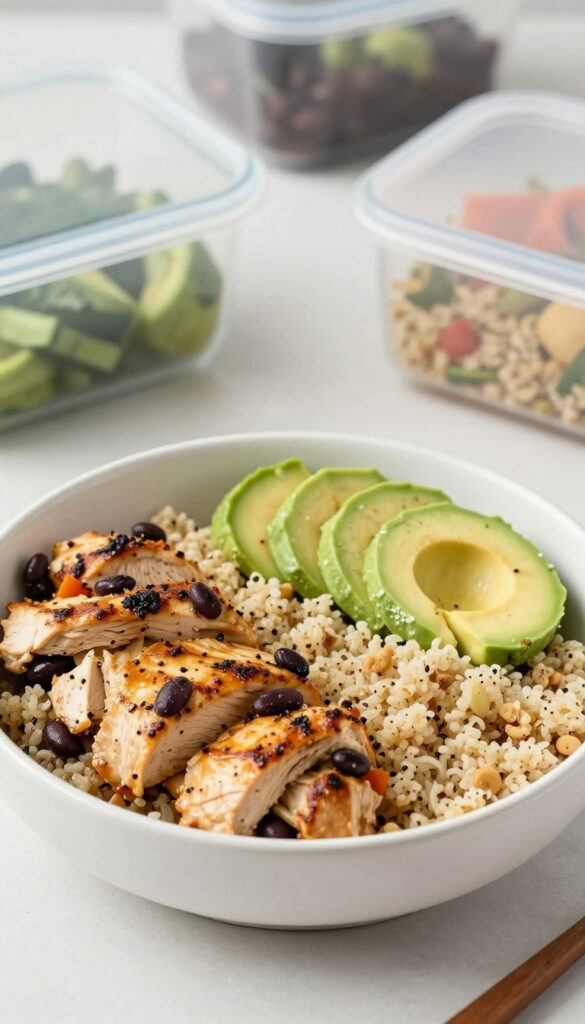
- Grilled Chicken Salad Bowl: 6 oz chicken breast (42g protein) over mixed greens with chickpeas (7g), avocado, and a light vinaigrette. Total ~50g protein.
- Turkey and Quinoa Wrap: 6 oz turkey breast (36g protein) in a whole-wheat wrap with 1/2 cup quinoa (4g), lettuce, tomato, and mustard. Add a side of Greek yogurt (12g) for dipping. Total ~52g protein.
- Tofu and Edamame Stir-Fry: 7 oz firm tofu (20g protein) stir-fried with 1 cup edamame (18g), bell peppers, and broccoli in a soy-ginger sauce. Serve over 1/2 cup brown rice (3g). Total ~41g protein; add a hard-boiled egg (6g) or a scoop of collagen (10g) to reach 50g.
Sample Lunch Menu
For a portable option, try a mason jar salad: layer 6 oz grilled chicken, 1/2 cup black beans (8g), cherry tomatoes, cucumber, and 2 tbsp hemp seeds (6g). Shake with a light dressing when ready to eat. This meal provides 50g of protein, travels well, and stays fresh for hours.
Dinner: 50g Protein to End the Day
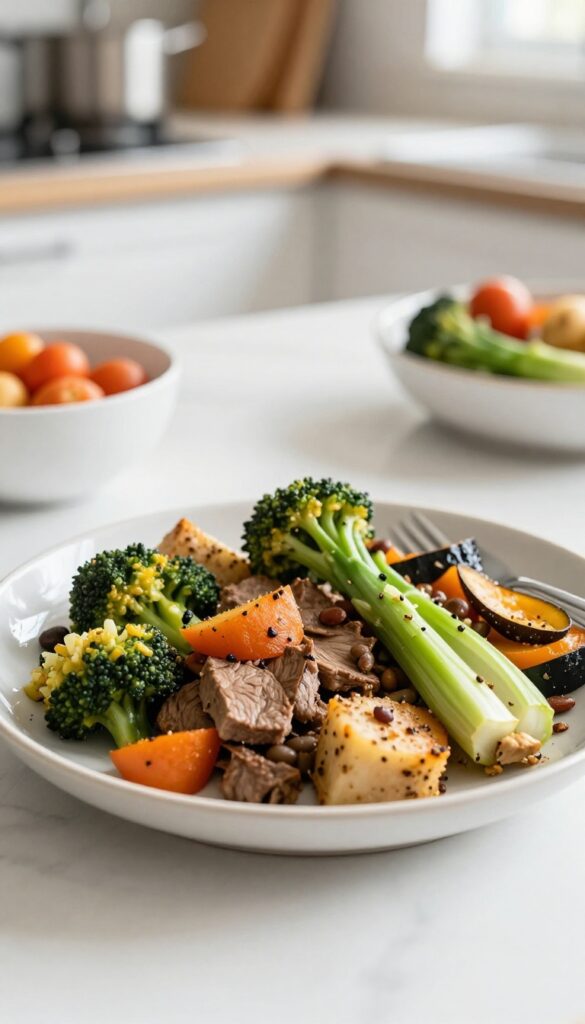
Dinner is your last major opportunity to pack in protein without overloading on calories. Aim for a solid 50g from a lean protein source, paired with vegetables and smart seasonings. Here are three high-protein dinner ideas and a sample menu to inspire your evening meals.
High-Protein Dinner Ideas
- Grilled steak (8 oz, ~50g protein) with roasted broccoli and a chimichurri sauce. Cook to medium-rare and slice against the grain for tenderness.
- Pan-seared salmon (7 oz, ~45g protein) plus a side of quinoa (1 cup cooked, ~8g protein) and asparagus. Add a dollop of Greek yogurt dill sauce for extra creaminess.
- Pork tenderloin (6 oz, ~40g protein) with sautéed spinach and a balsamic glaze. Serve with a side of lentils (1/2 cup cooked, ~9g protein) to round out the count.
Sample Dinner Menu
Here’s a complete dinner that hits 50g protein: 8 oz grilled sirloin steak (50g protein) seasoned with salt, pepper, and garlic powder. Pair it with 2 cups of roasted Brussels sprouts tossed in olive oil and balsamic vinegar. For extra flavor, top the steak with a simple mushroom and red wine reduction.
This meal is satisfying, low in carbs, and packed with protein to support muscle repair overnight.
Snacks and Shakes: Filling the 50g Gap
With three meals already providing 150g of protein, you need just 50g more from snacks and shakes. This is the easiest gap to fill—spread across 2-3 snacks, each delivers 15-25g of protein without weighing you down.
High-Protein Snack Ideas
Choose snacks that pack protein without excessive sugar or fat. Here are five top options:
- Greek yogurt (plain, nonfat) – 1 cup provides 20-25g protein. Add berries for flavor.
- Cottage cheese – 1 cup gives 25g protein. Pair with pineapple or cucumber.
- Edamame – 1 cup shelled has 18g protein. Lightly salted, it's a perfect savory snack.
- Beef or turkey jerky – 2 ounces deliver 20g protein. Look for low-sugar brands.
- Protein bars – Choose bars with 20g+ protein and under 5g sugar. Examples: Quest, Pure Protein.
Protein Shake Recipes
Shakes are a quick way to add 25-30g protein. Try these recipes:
- Classic Whey Shake: 1 scoop whey protein (25g), 1 cup unsweetened almond milk, 1 tablespoon peanut butter (4g). Total: ~29g protein.
- Plant-Based Green Shake: 1 scoop pea protein (20g), 1 cup soy milk (8g), handful spinach. Total: ~28g protein.
- Chocolate Banana Shake: 1 scoop chocolate whey (25g), 1 cup milk (8g), half banana. Total: ~33g protein.
Sample 200g Protein Day: Full Menu
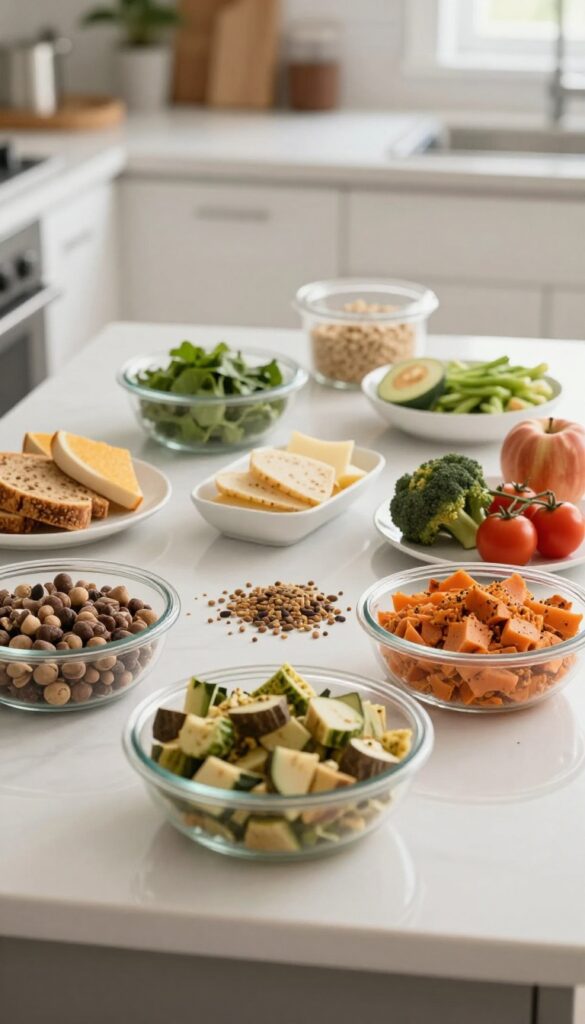
Here's a complete day of eating that delivers 200 grams of protein. Each meal includes protein-rich foods you can easily find and prepare. Adjust portions based on your appetite and dietary preferences.
Full Day Menu
| Meal | Foods | Protein (g) |
| Breakfast | 3 scrambled eggs (18g) + 1 cup Greek yogurt (20g) + 1 scoop whey protein (25g) + 1 oz almonds (6g) | 69 |
| Lunch | 6 oz grilled chicken breast (52g) + 1 cup quinoa (8g) + 1 cup broccoli (3g) + 2 tbsp hemp seeds (10g) | 73 |
| Dinner | 6 oz salmon (40g) + 1 cup lentils (18g) + 1 cup spinach (5g) + 1 tbsp olive oil (0g) | 63 |
| Snack | 1 cup cottage cheese (28g) + 1/2 cup berries (1g) | 29 |
| Total | 234 |
This menu provides about 234g of protein, exceeding the 200g target to account for rounding and individual variation. You can reduce portions if needed, or swap foods based on your preferences. For example, replace chicken with tofu or salmon with beef.
The key is to include a high-protein source at every meal and snack.
Customizing the Plan for Your Diet and Preferences
The 200g protein meal plan is flexible enough to adapt to various dietary preferences, restrictions, and goals. Whether you're vegetarian, vegan, aiming for weight loss, or focused on muscle gain, small adjustments can keep you on track without sacrificing variety or satisfaction.
Vegetarian and Vegan Options
Plant-based eaters can absolutely hit 200g protein daily with strategic food choices. Key sources include:
- Tofu, tempeh, and edamame: 15-20g protein per serving
- Lentils, chickpeas, and beans: 12-15g per cooked cup
- Seitan: 25g per 3.5 ounces
- Greek yogurt (if lacto-vegetarian): 15-20g per serving
- Plant-based protein powders: 20-30g per scoop
- Nuts, seeds, and nut butters: 5-8g per ounce
Swap animal proteins for these plant alternatives in the sample meals. For example, replace chicken with seitan or tofu, and use lentils in place of ground meat. Combine complementary proteins (e.g., rice and beans) to ensure a complete amino acid profile.
Adjusting for Weight Loss or Muscle Gain
Calorie intake matters when customizing for your goal.
- For weight loss: Reduce fats and carbs slightly while keeping protein at 200g. Use leaner protein sources (egg whites, white fish, plant-based isolates) and non-starchy vegetables to stay full on fewer calories.
- For muscle gain: Increase calories with healthy fats (avocado, nuts, olive oil) and complex carbs (oatmeal, sweet potatoes, brown rice). Add a post-workout shake or extra snack to support recovery.
- Monitor your progress and adjust portion sizes gradually. Avoid drastic cuts or surpluses that could compromise energy or nutrient intake.
Always consider food allergies or intolerances. For dairy-free, use plant-based yogurts and protein powders. For gluten-free, avoid seitan and choose certified gluten-free oats and grains.
With these tweaks, the 200g protein plan becomes a sustainable part of your lifestyle.
FAQ
Is 200g of protein too much?
For most people, 200g is on the higher side. It's typically recommended for those with high muscle mass or intense training. The general guideline is 1.6-2.2g per kg of body weight.
For a 100kg person, 200g is within range. Always consider your own needs.
Can I get 200g protein without supplements?
Absolutely. Whole foods like chicken, eggs, Greek yogurt, cottage cheese, fish, and legumes can easily provide 200g. Supplements like protein powder can help, but they're not necessary.
How many calories is a 200g protein diet?
Protein provides 4 calories per gram, so 200g protein equals 800 calories from protein alone. Total calories depend on fats and carbs. A typical high-protein diet might range from 2000-3000 calories.
What if I can't eat that much in one sitting?
Spread your protein across 4-6 smaller meals. Use protein shakes or snacks between meals. Your body can absorb protein efficiently throughout the day.
Is 200g protein safe for kidneys?
For healthy individuals, high protein intake is generally safe. However, those with pre-existing kidney conditions should consult a doctor. Stay hydrated to support kidney function.
Conclusion
Reaching 200g of protein daily is a challenge, but it's one you can master with a little planning. By distributing protein across meals, choosing high-quality sources, and keeping meals interesting, you'll hit your target without feeling overwhelmed. Start with the sample day, then tweak it to fit your preferences and lifestyle.
Whether you're building muscle, losing weight, or just exploring high-protein eating, this plan gives you a solid foundation. Consistency is key—you've got this.

Dr. Pallab Kishore, MS in Orthodontics and owner of Orthodontic Braces Care, shares expert tips on braces, aligners, and oral health from 10+ years of experience.