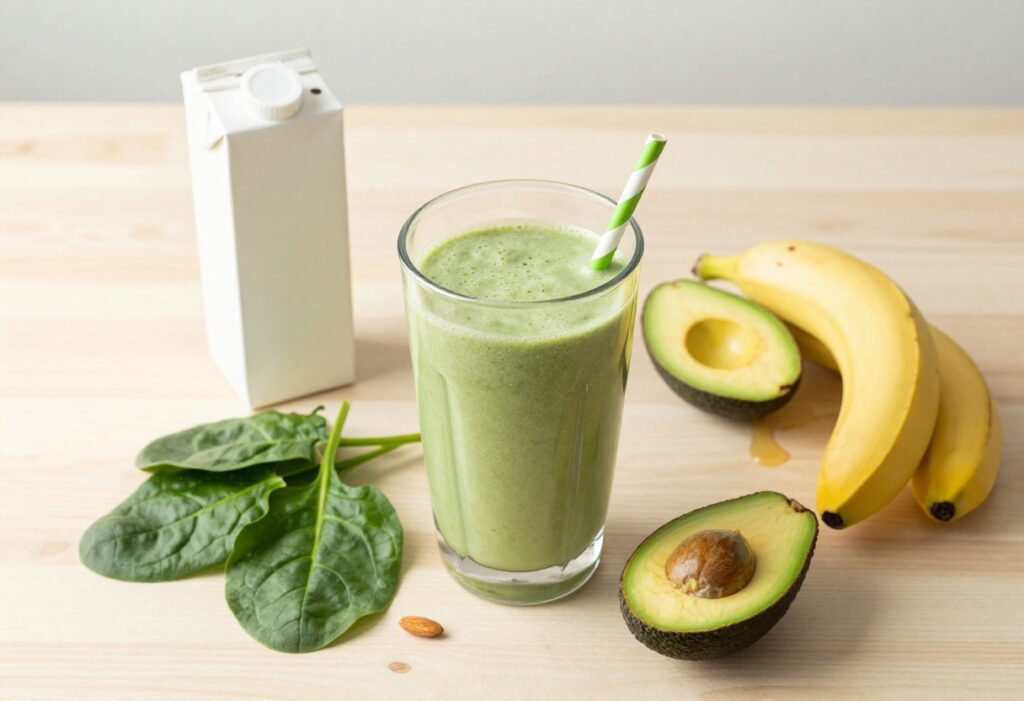
Fiber is a key player in keeping your digestive system running smoothly, helping you feel full longer, and supporting heart health. Yet many of us fall short of the recommended daily intake.
The good news is that adding more fiber to your meals doesn't have to be complicated or time-consuming. This article provides a simple 7-day high fiber meal plan using everyday foods you can find at any grocery store.
Each day includes breakfast, lunch, dinner, and a snack, all designed to boost your fiber intake without requiring fancy recipes or exotic ingredients.
Why Fiber Matters for Your Daily Diet
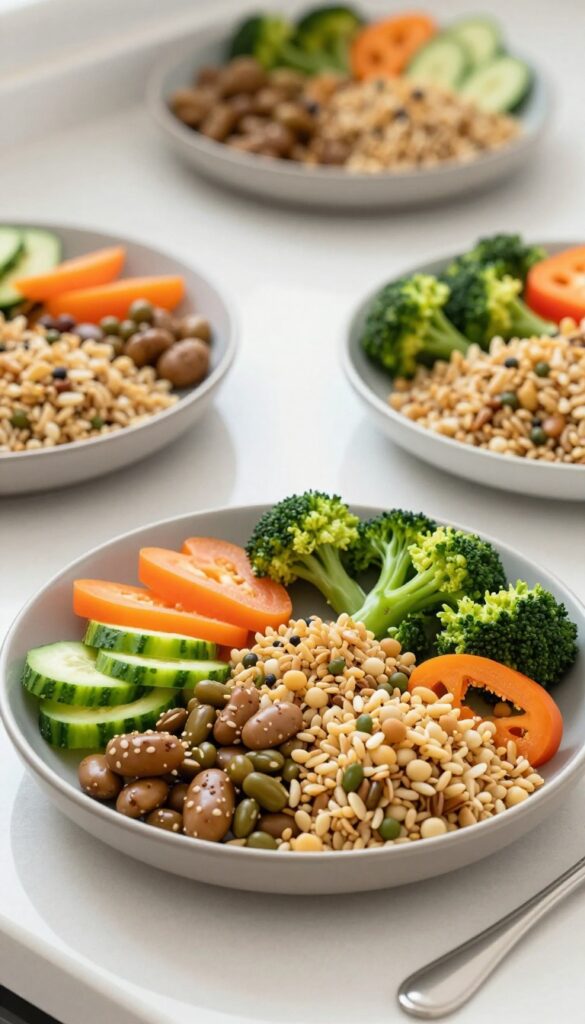
Fiber is a type of carbohydrate that your body can't digest, but it plays a crucial role in keeping you healthy. Unlike other carbs that are broken down into sugar, fiber passes through your system, aiding digestion and supporting overall wellness. Understanding the two types of fiber and how much you need can help you make better food choices every day.
Fiber is often categorized into two types: soluble and insoluble. Soluble fiber dissolves in water to form a gel-like substance, which can help lower blood cholesterol and glucose levels. It's found in oats, apples, citrus fruits, carrots, barley, and psyllium.
Insoluble fiber, on the other hand, does not dissolve in water. It adds bulk to stool and helps food move through your digestive system, preventing constipation. Good sources include whole-wheat flour, wheat bran, nuts, beans, and vegetables like cauliflower and potatoes.
The daily recommended intake for fiber is 25 grams for women and 38 grams for men, according to the Academy of Nutrition and Dietetics. Most people fall short of these targets, averaging only about 15 grams per day. Gradually increasing your fiber intake can help you reach these goals without discomfort.
Key Benefits of Fiber
- Aids digestion and prevents constipation by adding bulk to stool.
- Helps maintain healthy cholesterol levels and stabilize blood sugar.
- Promotes a feeling of fullness, which can help with weight management.
By including a variety of high-fiber foods in your meals, you can easily meet your daily needs while enjoying delicious, satisfying dishes.
How to Use This High Fiber Meal Plan
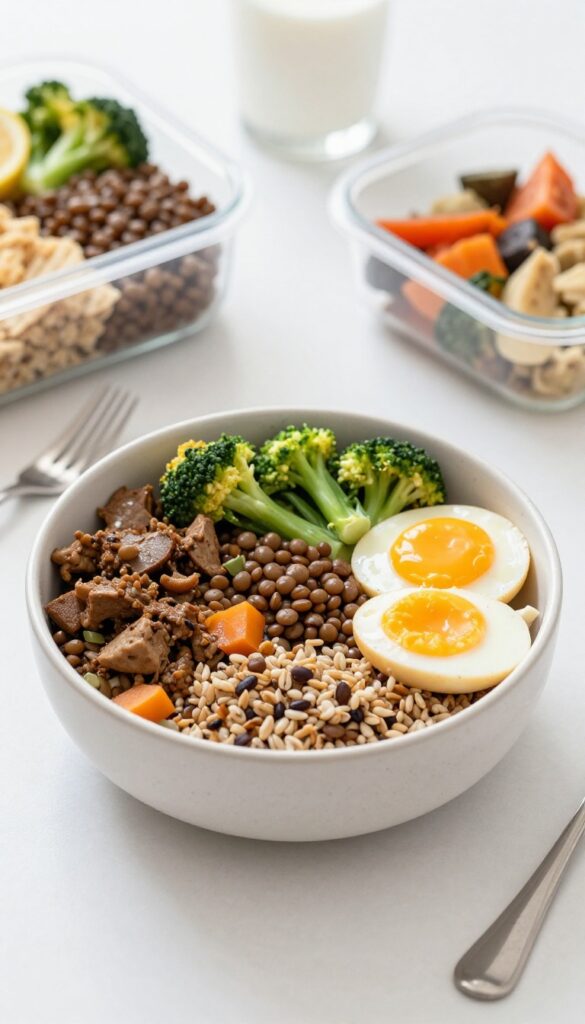
This meal plan is designed to fit into your real life, not the other way around. You don't need to follow it perfectly—just use it as a flexible guide to help you eat more fiber without stress. Here's how to get the most out of it.
Take It Slow
If you're not used to eating a lot of fiber, jumping straight into 30–40 grams per day can cause bloating and discomfort. Start with the lower-fiber days first, or simply reduce portion sizes of high-fiber foods like beans and whole grains. Gradually increase over a week or two to let your digestive system adjust.
Swap Days Freely
The plan is organized into days, but you can mix and match meals however you like. If Tuesday's lunch looks better than Monday's, go for it. You can even repeat your favorite day all week.
The goal is consistency, not perfection.
Portions Are Approximate
Serving sizes in the plan are suggestions. If you're hungrier, add more vegetables, fruit, or a second serving of beans. If you're less hungry, scale back.
Listen to your body and adjust based on your appetite and energy needs.
Key Tips for Success
- Drink plenty of water throughout the day—fiber works best when it absorbs water, and dehydration can lead to constipation.
- Keep a simple food diary for the first week. Jot down what you eat and how you feel. This helps you notice which high-fiber foods work well for you and which might cause discomfort.
- Add fiber gradually. Increase by about 5 grams every few days to give your gut time to adapt.
- Don't worry about calorie counting. This plan focuses on adding nutritious, fiber-rich foods, not restricting anything.
Remember: there are no rigid rules here. If you miss a day or eat a low-fiber meal, that's fine. Just pick up where you left off.
The plan is meant to support you, not stress you out.
Day High Fiber Meal Plan
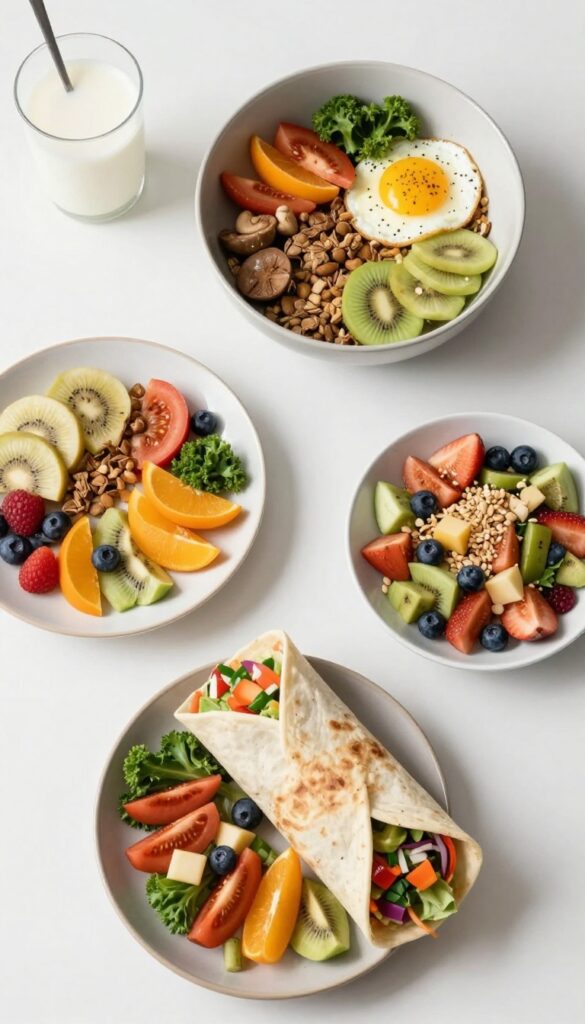
This 7-day meal plan is designed to make high fiber eating simple and delicious. Each day includes breakfast, lunch, dinner, and a snack, with a focus on whole foods and easy preparation. The fiber grams are approximate and can vary based on specific brands and portion sizes.
Day 1: Monday
Day 2: Tuesday
Day 3: Wednesday
Day 4: Thursday
Day 5: Friday
Day 6: Saturday
Day 7: Sunday
Tips for Sticking with a High Fiber Diet
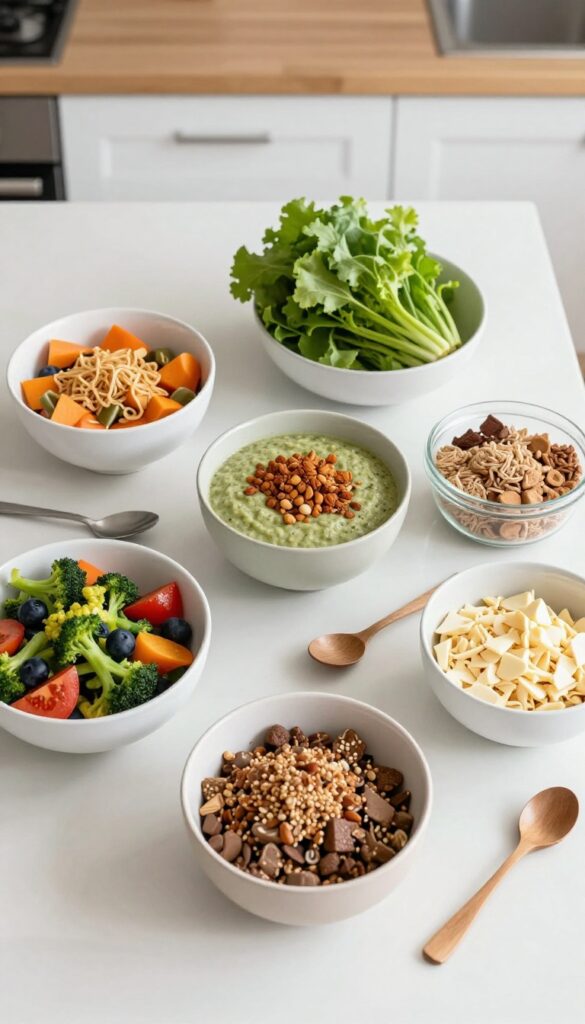
Starting a high fiber diet is exciting, but sticking with it requires a little know-how. Follow these practical tips to make the transition smooth and sustainable.
Increase Fiber Gradually
Jumping from a low-fiber diet to a high-fiber one overnight can cause bloating, gas, and discomfort. Instead, add one or two servings of high-fiber foods each day and give your digestive system a week or two to adjust.
Drink Plenty of Water
Fiber absorbs water, so without enough fluids, it can actually cause constipation. Aim for at least 8 cups of water daily, and even more if you're active or eating a lot of fiber-rich foods.
Handle Bloating Like a Pro
Bloating is common when you first increase fiber. To minimize it, spread your fiber intake across all meals rather than loading up at one meal. Also, try soaking beans and lentils before cooking, and chew your food thoroughly.
If bloating persists, temporarily reduce fiber and add it back more slowly.
Make Easy Swaps
You don't need to overhaul your diet overnight. Simple swaps can make a big difference: – Swap white bread for 100% whole wheat or sprouted grain bread. – Choose brown rice or quinoa instead of white rice. – Snack on an apple or a handful of almonds instead of chips. – Use whole wheat pasta or legume-based pasta instead of regular pasta.
Read Labels for Fiber Content
Not all products labeled "whole grain" are high in fiber. Check the nutrition facts: aim for at least 3 grams of fiber per serving for breads and cereals, and 5 grams or more for a high-fiber choice. Ingredients like "whole wheat flour" or "oats" should be listed first.
Plan Ahead for Success
Keep high-fiber snacks on hand, like cut veggies, fruit, nuts, or fiber-rich granola bars. Prep ingredients like cooked beans or chopped vegetables so they're ready to toss into meals. A little planning prevents last-minute low-fiber choices.
Common Mistakes When Increasing Fiber
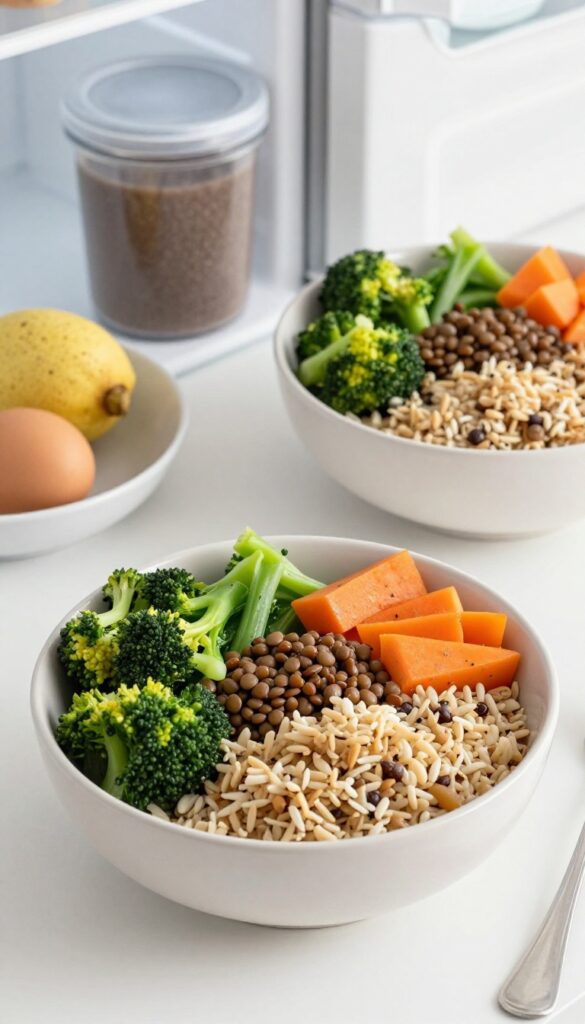
Adding more fiber to your diet is a smart move, but it’s easy to make missteps that cause discomfort or sabotage your efforts. Here are the most common mistakes and how to avoid them.
When you suddenly load up on fiber, your digestive system can rebel. Bloating, gas, and cramping are common signs you’ve added too much too fast. To avoid this, increase fiber gradually over a couple of weeks.
Start by adding one extra serving of high-fiber food per day, then slowly work up to your goal. Your gut needs time to adjust.
Key Mistakes and Fixes
- Adding too much too fast: Increase fiber by no more than 5 grams per week. Your gut bacteria need time to adapt.
- Not drinking enough water: Fiber absorbs water, so without enough fluids, you’ll feel constipated. Aim for at least 8 cups of water daily, more if you’re active.
- Relying on supplements instead of food: Whole foods provide vitamins, minerals, and antioxidants that supplements lack. Get fiber from fruits, vegetables, legumes, and whole grains first.
How to Avoid Discomfort
Even with gradual increases, you might experience some bloating. To minimize it, spread your fiber intake across all meals rather than loading up at one meal. Also, chew your food thoroughly—this starts the breakdown process and eases digestion.
If you’re still uncomfortable, try gentle movement like a short walk after eating.
The Importance of Whole Foods
Fiber supplements can be convenient, but they don’t offer the same benefits as whole foods. For example, an apple provides fiber plus vitamin C and antioxidants, while a fiber pill gives you only isolated fiber. Whole foods also tend to be more filling and support a healthy gut microbiome.
Use supplements only as a temporary bridge, not a long-term solution.
FAQ
How much fiber do I need per day?
The recommended daily intake is 25 grams for women and 38 grams for men. Most people get only about half that amount, so increasing gradually is key.
Can I get enough fiber without eating grains?
Absolutely. Fruits, vegetables, legumes, nuts, and seeds are all excellent sources of fiber. You can meet your needs without grains if you choose a variety of these foods.
Will a high fiber diet cause bloating?
It can if you increase fiber too quickly. To minimize discomfort, add fiber gradually over a few weeks and drink plenty of water. Your digestive system will adapt.
What are the best high fiber snacks?
Great options include an apple with almond butter, a handful of almonds, carrot sticks with hummus, or a pear. These are portable and easy to prepare.
Conclusion
Adopting a high fiber meal plan doesn't require a complete kitchen overhaul. By making small swaps and trying new combinations, you can easily reach your daily fiber goals while enjoying delicious, satisfying meals. Start with one or two days from the plan and see how you feel.
Remember to drink water and listen to your body. Over time, these changes will become natural habits that support your long-term health.

Dr. Pallab Kishore, MS in Orthodontics and owner of Orthodontic Braces Care, shares expert tips on braces, aligners, and oral health from 10+ years of experience.