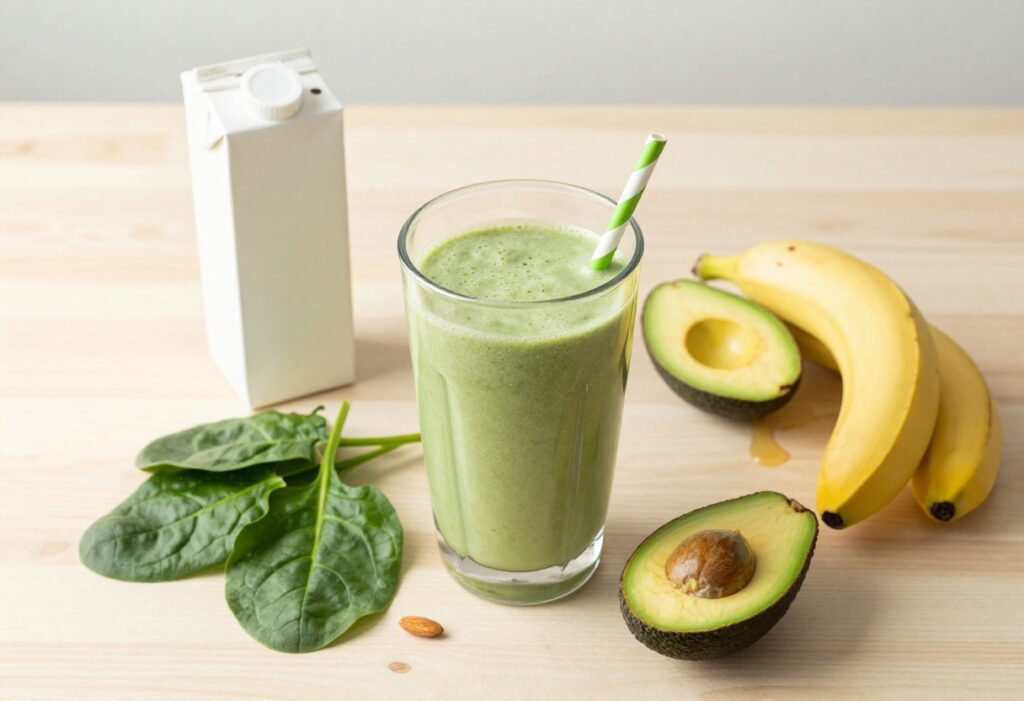
Hitting a daily protein target can feel like a chore, especially when life gets busy. But reaching 120 grams of protein doesn't have to mean complicated recipes or expensive supplements.
With a little planning, you can easily meet your protein goals while keeping meals simple and delicious. This meal plan is designed for anyone looking to support muscle maintenance, improve satiety, or simply eat more protein without spending hours in the kitchen.
We'll focus on whole foods, batch cooking, and smart ingredient choices that make meal prep a breeze. Whether you're new to meal prep or a seasoned pro, this guide will give you a clear roadmap to consistently hit 120g protein per day.
Why 120g Protein?
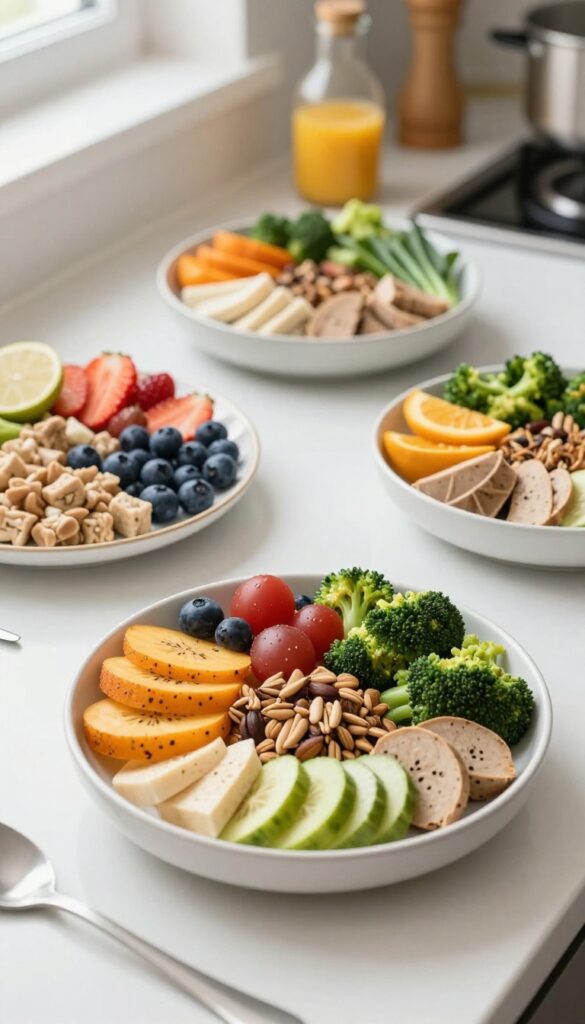
Protein is a key nutrient for muscle maintenance, satiety, and overall health. While individual needs vary, 120 grams per day is a practical target for many people looking to support an active lifestyle or manage their weight.
Protein needs depend on factors like body weight, activity level, and goals. General guidelines suggest 0.8 grams per kilogram of body weight for sedentary individuals, but for those who exercise regularly or want to preserve muscle, 1.2–2.0 g/kg is often recommended. For a 150-pound (68 kg) person, that range is 82–136 grams.
The 120g mark sits comfortably within this range for most moderately active adults.
Here’s why 120g is a smart target:
- Supports muscle maintenance and growth: Adequate protein provides the building blocks your muscles need to repair and grow after exercise.
- Promotes satiety and weight management: Protein-rich meals help you feel fuller longer, reducing cravings and making it easier to stick to your calorie goals.
- Realistic for most people: 120g is achievable without extreme measures. It can be spread across three meals and a snack or two, using common foods like chicken, eggs, yogurt, and beans.
Remember, this is a general target—not a strict rule. If you’re smaller, less active, or have different goals, you might aim for a bit less, while larger or more active individuals may need more. The key is consistency and finding a protein intake that fits your lifestyle.
The Simple Meal Prep Strategy
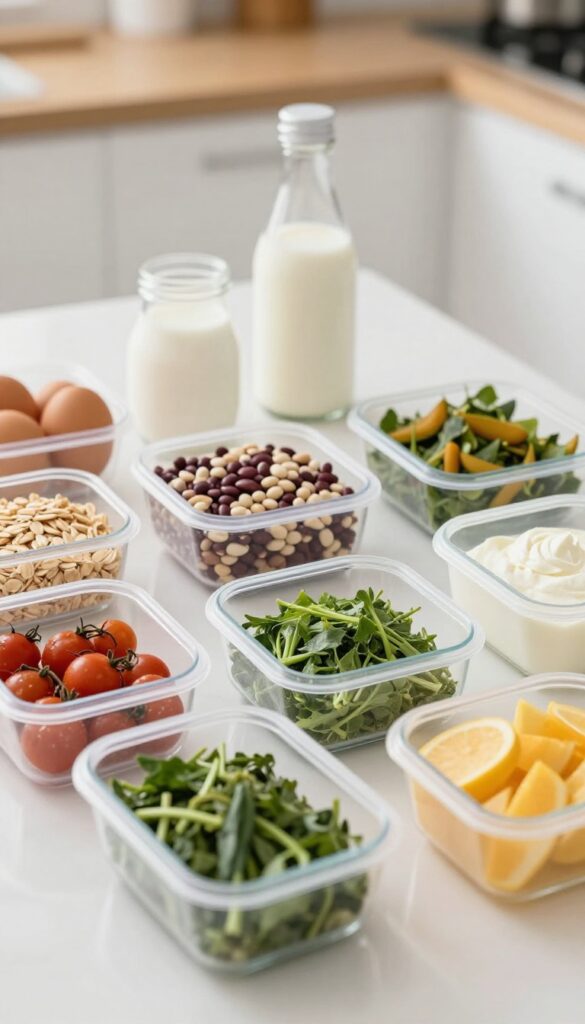
Meal prep doesn’t have to mean spending your entire Sunday in the kitchen. The key is to cook once and eat multiple times, choosing versatile protein sources that work across different meals. This section lays out the core principles and time-saving tips that make hitting 120g protein feel effortless.
Cook Once, Eat Multiple Times
The biggest time-saver is batch cooking a few protein staples at the start of the week. Grill a large batch of chicken breasts, cook a big pot of ground turkey, or hard-boil a dozen eggs. These can be used in salads, wraps, bowls, or quick stir-fries throughout the week.
The goal is to reduce daily cooking to just assembly or reheating.
Choose Versatile Protein Sources
Pick proteins that can be seasoned simply and repurposed. Chicken breast, lean ground beef, turkey, eggs, Greek yogurt, cottage cheese, tofu, and canned tuna are all excellent choices. They can be flavored differently each day with different sauces, spices, or mix-ins without extra cooking.
Batch Cooking Basics
Start with a plan: decide which meals you’ll prep and how many servings you need. Cook larger portions of protein, grains (like rice or quinoa), and roasted vegetables. Store them in separate containers so you can mix and match.
A simple system: protein in one container, carbs in another, veggies in a third. This makes it easy to build a balanced plate in minutes.
Time-Saving Tips
Sample 120g Protein Day
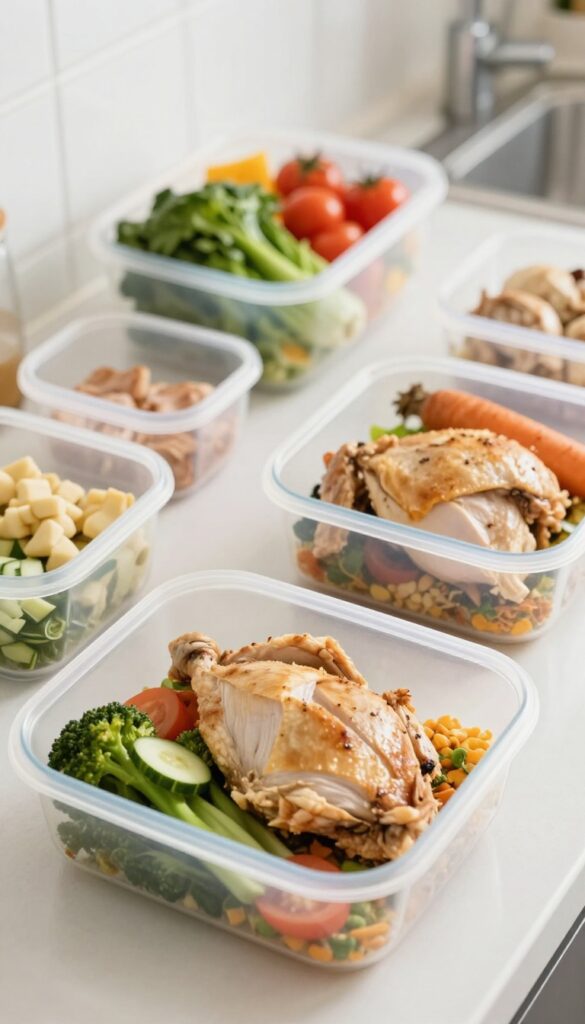
Here’s a full day of eating that adds up to 120 grams of protein, using simple, prep-friendly ingredients you can find at any grocery store.
Daily Meal Breakdown
| Meal | Food | Protein (g) |
| Breakfast | Greek yogurt (1 cup) + 2 tbsp hemp seeds + 1/2 cup berries | 30 |
| Morning Snack | 1 hard-boiled egg + 1 oz almonds | 10 |
| Lunch | Grilled chicken breast (6 oz) + 1 cup quinoa + roasted veggies | 40 |
| Afternoon Snack | 1 scoop protein powder in water or unsweetened almond milk | 25 |
| Dinner | Salmon fillet (5 oz) + 1 cup steamed broccoli + 1/2 sweet potato | 35 |
| Total | 140 |
Note: The total here is 140g, which gives you flexibility. If you want exactly 120g, simply reduce the protein powder to half a scoop (12g) or skip the afternoon snack and adjust lunch to 5 oz chicken (35g).
Meal Prep Tips for This Day
- Cook a batch of quinoa and roast a tray of veggies (broccoli, bell peppers, zucchini) on Sunday.
- Grill or bake extra chicken breasts and salmon fillets to use throughout the week.
- Portion Greek yogurt into containers and top with hemp seeds and berries in the morning.
- Hard-boil a dozen eggs for quick snacks.
Meal Prep Recipes for Each Meal
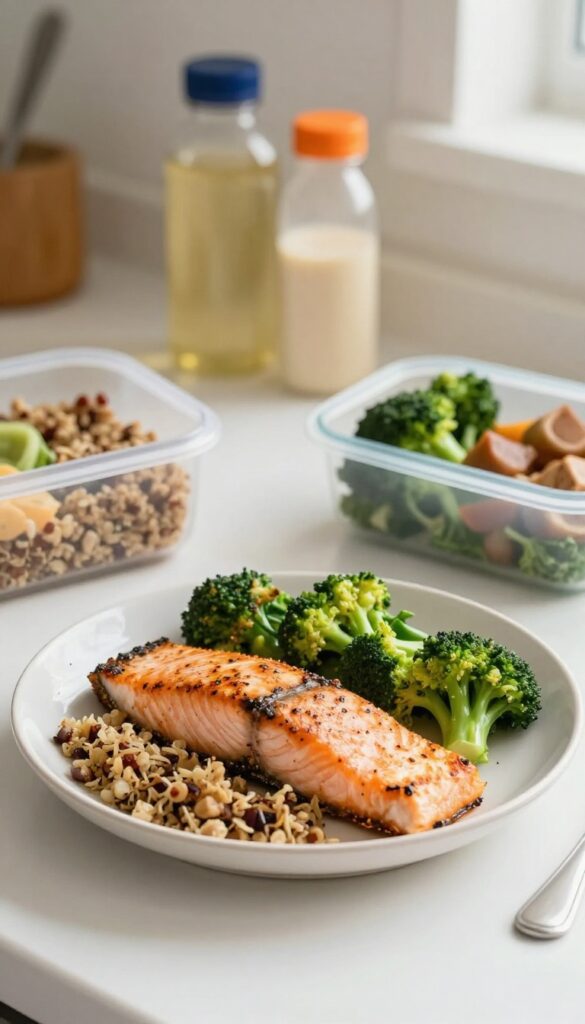
Here are four simple, protein-packed recipes you can prep ahead to hit your 120g target. Each includes prep instructions and protein content per serving.
Breakfast: Greek Yogurt Parfait
This parfait takes 5 minutes to assemble and provides about 30g protein. Layer 1 cup (220g) plain Greek yogurt with ½ cup mixed berries and 2 tablespoons chopped almonds or walnuts. For extra protein, stir in a scoop of unflavored protein powder.
Prep 4 jars at once for grab-and-go breakfasts.
Lunch: Chicken and Quinoa Bowl
Each bowl delivers around 40g protein. Cook 1 cup dry quinoa (makes ~3 cups cooked). Bake 4 boneless, skinless chicken breasts (about 6 oz each) at 375°F for 25 minutes, seasoned with salt, pepper, and garlic powder.
Divide quinoa and sliced chicken into containers, add a handful of spinach and cherry tomatoes. Drizzle with lemon vinaigrette before eating.
Dinner: Salmon with Roasted Veggies
A single serving offers roughly 35g protein. Place 4 salmon fillets (5 oz each) on a sheet pan lined with parchment. Surround with chopped broccoli and bell peppers tossed in olive oil, salt, and pepper.
Roast at 400°F for 15–18 minutes. Portion into containers with a lemon wedge. Reheat gently to avoid overcooking the salmon.
Snacks: Cottage Cheese and Edamame
Two snacks combine for about 15g protein. Prep ½ cup low-fat cottage cheese (12g protein) and ½ cup shelled edamame (8g protein) in small containers. Sprinkle cottage cheese with black pepper or everything bagel seasoning.
Edamame can be eaten cold or quickly microwaved. These snacks round out your daily total.
Adjusting the Plan for Your Needs
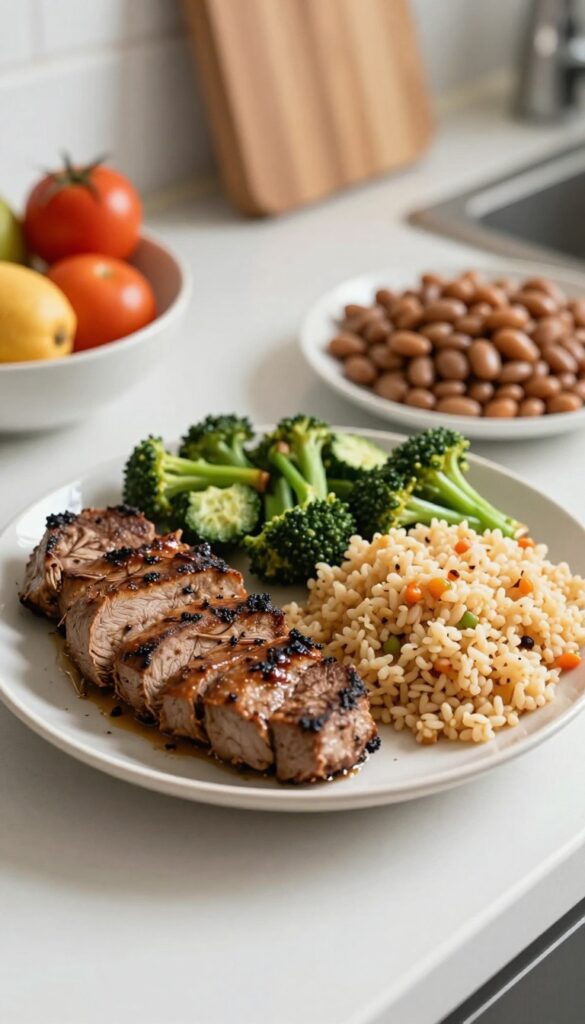
The sample meal plan is a solid starting point, but your calorie needs, taste preferences, and dietary restrictions may require some tweaks. Here are practical ways to customize it without sacrificing your 120g protein goal.
Vegetarian and Vegan Options
If you don't eat meat or dairy, you can still easily hit 120g protein by swapping animal sources for plant-based alternatives. Focus on high-protein legumes, tofu, tempeh, edamame, seitan, and plant-based protein powders. Here are some direct swaps:
- Replace chicken breast with extra-firm tofu or tempeh (same volume, ~20g protein per serving).
- Swap Greek yogurt for unsweetened soy yogurt (add a scoop of pea protein to match protein content).
- Use a plant-based protein powder (pea or soy) in smoothies instead of whey.
- Add lentils or chickpeas to salads and bowls for an extra 10-15g protein per cup.
Higher or Lower Calorie Adjustments
The sample plan is around 1800-2000 calories. To adjust up or down, modify fat and carbohydrate sources while keeping protein steady.
- For higher calories: Add avocado, nuts, seeds, or a drizzle of olive oil to meals. Include a higher-carb option like quinoa or sweet potato at dinner.
- For lower calories: Reduce portions of rice, oats, or fruit. Use cooking spray instead of oil. Choose leaner protein cuts like 93/7 ground turkey or extra-lean chicken breast.
- Keep protein portions the same to maintain 120g target.
Accommodating Dietary Restrictions
Whether you're gluten-free, dairy-free, or following a low-FODMAP diet, you can still follow this plan with simple substitutions.
- Gluten-free: Use certified gluten-free oats, rice, quinoa, and gluten-free bread or wraps. Check soy sauce labels or use tamari.
- Dairy-free: Swap milk for unsweetened almond or oat milk. Use dairy-free yogurt and cheese alternatives. Coconut or soy-based yogurt works well.
- Low-FODMAP: Choose lactose-free dairy or lactose-free milk. Avoid high-FODMAP fruits like apples and pears; use berries or oranges instead. Stick to low-FODMAP vegetables like spinach, carrots, and zucchini.
Customization Tip
When swapping proteins, check the protein content per serving to ensure you're still hitting your target. A quick rule: aim for 30-40g protein per meal and 10-20g per snack. Adjust portions or add a protein shake if needed.
FAQ
Is 120g of protein too much for me?
For most active individuals, 120g is a reasonable target. A common recommendation is 1.6-2.2g per kg of body weight. For a 68kg (150lb) person, that's 109-150g.
Adjust based on your weight and activity level.
Can I reach 120g protein without supplements?
Absolutely. Whole foods like chicken, Greek yogurt, eggs, cottage cheese, fish, and legumes can easily provide 120g. Supplements are optional.
What if I'm vegetarian?
Vegetarian options include Greek yogurt, cottage cheese, eggs, tofu, tempeh, edamame, lentils, and quinoa. You may need to combine sources to hit 120g, but it's doable.
How do I track protein intake?
Use a food scale and an app like MyFitnessPal or Cronometer. Pre-portioning meals during prep makes tracking easier.
Conclusion
Reaching 120g of protein each day is entirely possible with a bit of planning and simple meal prep. By focusing on high-protein whole foods and preparing them in batches, you can save time and stay consistent. Start with the sample day provided, then tweak it to fit your preferences and lifestyle.
Remember, consistency matters more than perfection. Happy prepping!

Dr. Pallab Kishore, MS in Orthodontics and owner of Orthodontic Braces Care, shares expert tips on braces, aligners, and oral health from 10+ years of experience.