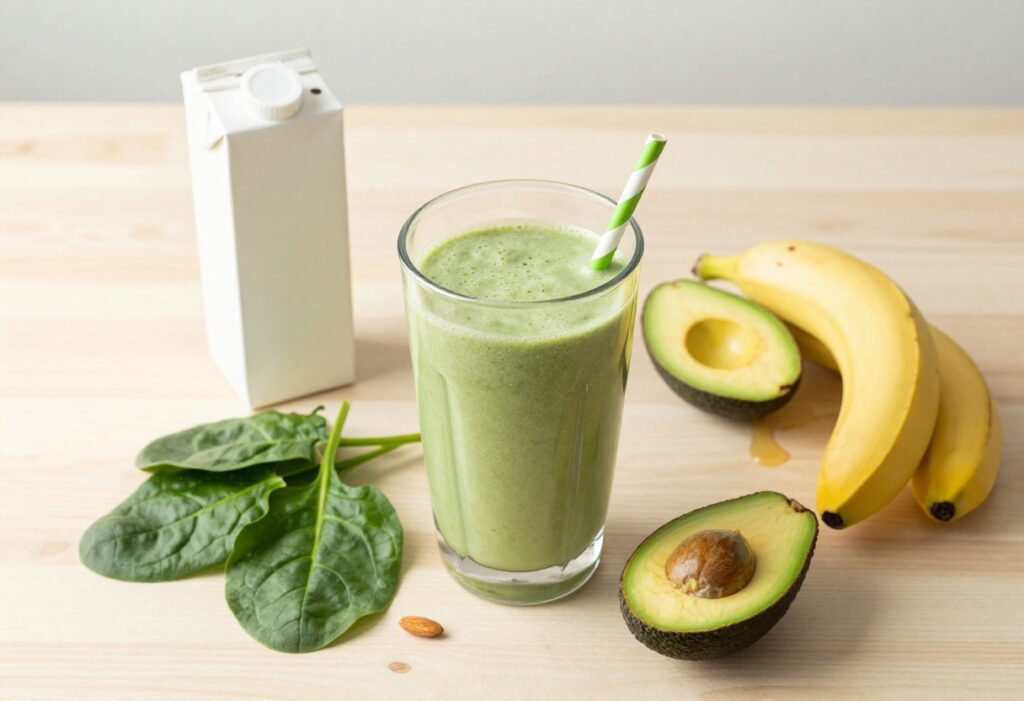
Hitting 130 grams of protein in a day might sound like a lot, but for many active people, it's a sweet spot for muscle maintenance, recovery, and satiety. Whether you're training hard, trying to lose weight, or just want more energy, a structured high-protein day can make a real difference.
This guide gives you a practical, flexible meal plan that hits that target without turning every meal into a chore. We'll break down why 130g works for many people, show you a full day of eating with options, and help you customize it for your diet and lifestyle.
No extreme restrictions, no complicated recipes—just real food that adds up.
Why 130g Protein? Understanding Your Needs
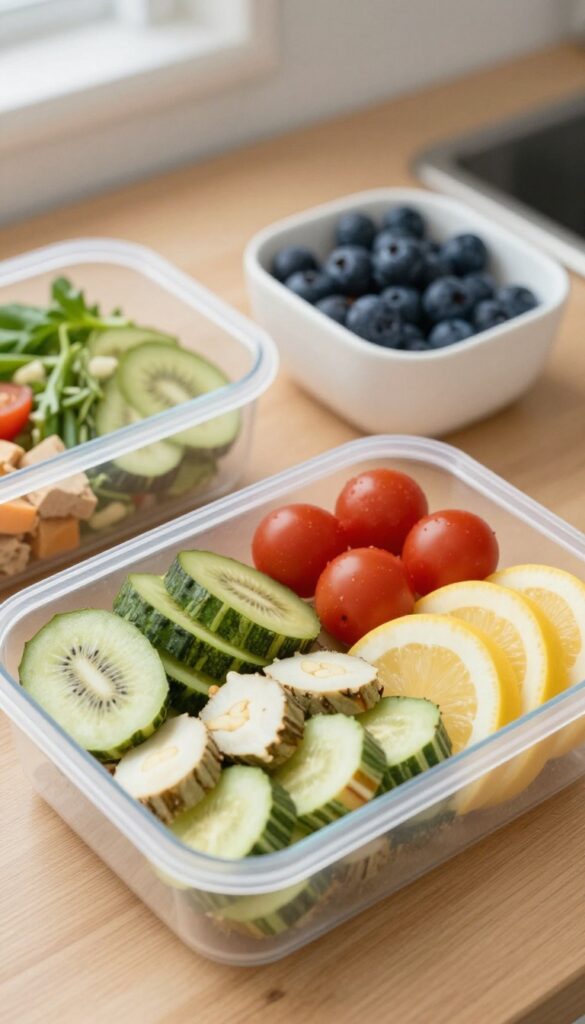
Protein is a key macronutrient for muscle repair, satiety, and metabolic health. For many active individuals, 130 grams per day hits a sweet spot—enough to support muscle maintenance or growth without being overly restrictive. But why 130g specifically?
Let's break down how this number fits into common protein recommendations and who benefits most.
The general guideline for protein intake ranges from 1.6 to 2.2 grams per kilogram of body weight for those who exercise regularly. For a person weighing 70 kg (154 lbs), that translates to 112–154 grams daily. The 130g target sits comfortably in the middle, making it a practical goal for many.
For someone weighing 80 kg (176 lbs), 130g is on the lower end of the range, while for a 60 kg (132 lbs) individual, it's on the higher side. This flexibility means 130g works well for a wide range of body weights and activity levels.
This plan is ideal for people who are moderately to highly active—think regular strength training, endurance sports, or physically demanding jobs. It's also suitable for those aiming to lose weight while preserving muscle, or for anyone who finds they feel more satisfied and energetic with a higher protein intake. However, it's not a one-size-fits-all prescription.
Your individual needs depend on factors like body composition goals, workout intensity, and overall calorie intake.
Key Points
- 130g is a common target for active individuals aiming for muscle maintenance or growth.
- General guideline: 1.6–2.2g per kg of body weight. For a 70 kg person, that's 112–154g; 130g is a middle ground.
- Not a one-size-fits-all; adjust based on activity level, goals, and body weight.
Quick Calculation Example
If you weigh 75 kg (165 lbs) and train 4–5 times per week, a protein target of 1.8 g/kg gives you 135g. Rounding to 130g simplifies meal planning without sacrificing results. If you weigh 65 kg, 2.0 g/kg equals 130g exactly.
Building Your 130g Protein Day: Core Principles
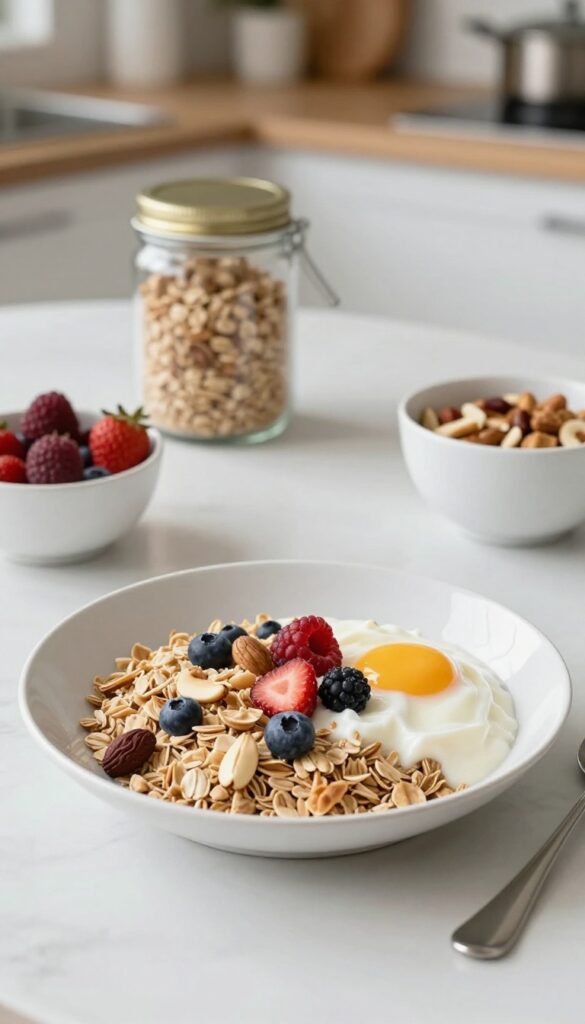
To consistently hit 130g of protein without feeling overwhelmed, focus on two key strategies: choosing the right protein sources and distributing that protein evenly across your meals. This approach makes the goal manageable and supports muscle repair, satiety, and energy levels throughout the day.
Protein Sources to Prioritize
Not all protein sources are created equal when it comes to convenience, cost, and completeness. Aim for a mix of animal and plant-based options to keep meals interesting and nutrient-dense. Here are some top choices with approximate protein content per serving:
- Chicken breast (cooked, 4 oz): 35g
- Lean ground beef (90/10, 4 oz): 28g
- Greek yogurt (plain, nonfat, 1 cup): 23g
- Cottage cheese (1% milkfat, 1 cup): 28g
- Eggs (2 large): 12g
- Tofu (firm, 4 oz): 11g
- Lentils (cooked, 1 cup): 18g
- Whey or plant protein powder (1 scoop): 25g
- Canned tuna (3 oz): 20g
Spreading Protein Across Meals
Your body utilizes protein more effectively when you distribute intake throughout the day rather than loading up in one meal. Aim for 25–40g per meal, plus a couple of high-protein snacks. A sample distribution could look like this:
- Breakfast: 30g (e.g., Greek yogurt + eggs + toast)
- Lunch: 35g (e.g., chicken salad with quinoa)
- Dinner: 40g (e.g., salmon with lentils and veggies)
- Snacks: 25g (e.g., cottage cheese + almonds or protein shake)
Remember to include healthy fats and carbohydrates for balanced energy. This isn't an all-protein diet—carbs fuel your workouts and fats support hormone health. Use the list above as a starting point and adjust based on your preferences and dietary needs.
Sample 130g Protein Meal Plan (One Day
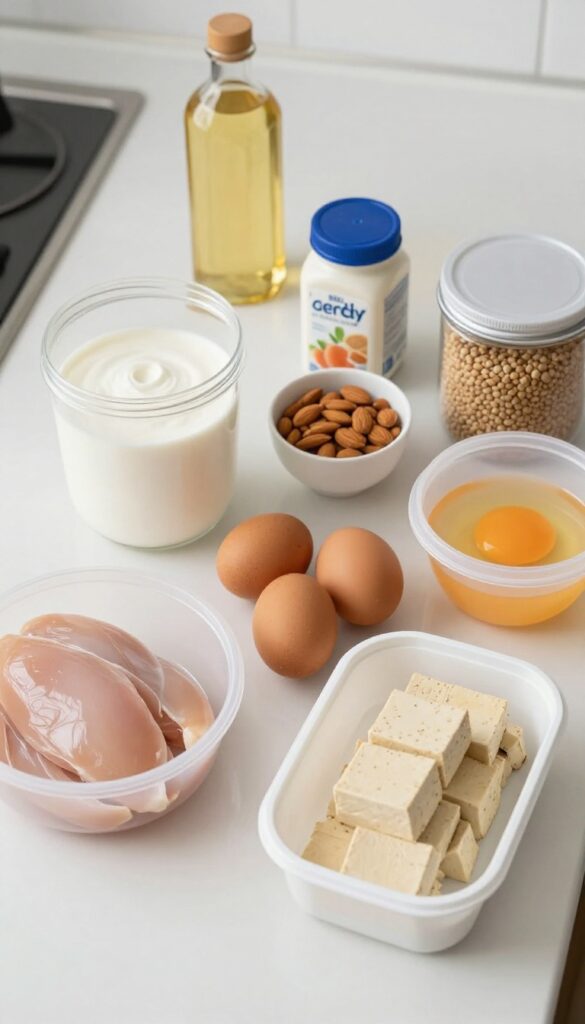
Here’s a practical one-day meal plan that totals 130g of protein. Each meal is simple to prepare, uses common ingredients, and includes vegetarian/vegan alternatives. Protein counts are approximate; adjust portions to meet your exact needs.
Full Day Meal Plan
| Meal | Example (Omnivore) | Protein (g) | Vegetarian/Vegan Alternative | Protein (g) |
| Breakfast | 3 scrambled eggs + 1 cup Greek yogurt + 1 slice whole-wheat toast | 30 | Tofu scramble (1/2 block firm tofu) + 1 cup soy yogurt + 1 slice whole-wheat toast | 30 |
| Lunch | Grilled chicken breast (6 oz) + quinoa (1 cup cooked) + mixed vegetables | 35 | Lentil soup (2 cups) + 1/2 cup cottage cheese + side salad | 35 |
| Dinner | Salmon fillet (6 oz) + sweet potato (1 medium) + broccoli | 40 | Tempeh (6 oz) stir-fry with brown rice (1 cup cooked) and vegetables | 40 |
| Snacks | Protein shake (1 scoop) + 1 oz almonds | 25 | Edamame (1 cup shelled) + 1/2 cup Greek yogurt (or coconut yogurt) | 25 |
Customizing the Plan: Vegetarian, Vegan, and Dairy-Free Options
This meal plan can easily be adapted to fit plant-based diets or lactose intolerance. The key is choosing high-protein plant foods and swapping dairy for alternatives that still deliver on protein.
Plant-Based Protein Swaps
Replace animal proteins with these high-protein plant options:
- Tofu (firm or extra-firm): 20g protein per 100g
- Tempeh: 19g protein per 100g
- Seitan: 25g protein per 100g
- Lentils: 18g protein per cooked cup
- Chickpeas: 15g protein per cooked cup
- Hemp seeds: 10g protein per 3 tablespoons
Aim for at least two of these at each meal. For example, a tofu scramble with chickpeas for breakfast, a lentil and quinoa bowl for lunch, and seitan stir-fry for dinner.
Adjusting for Lactose Intolerance
If dairy is an issue, choose lactose-free or plant-based alternatives that still provide protein:
- Lactose-free Greek yogurt (has similar protein to regular Greek yogurt)
- Unsweetened soy milk (7g protein per cup) or pea milk (8g protein per cup)
- Vegan protein powders (pea, brown rice, or soy) can be added to smoothies or oatmeal
For cheese, look for dairy-free options made from soy or nuts, but check labels as protein content varies. Nutritional yeast adds a cheesy flavor and 8g protein per 2 tablespoons.
Timing Your Protein: Does It Matter?
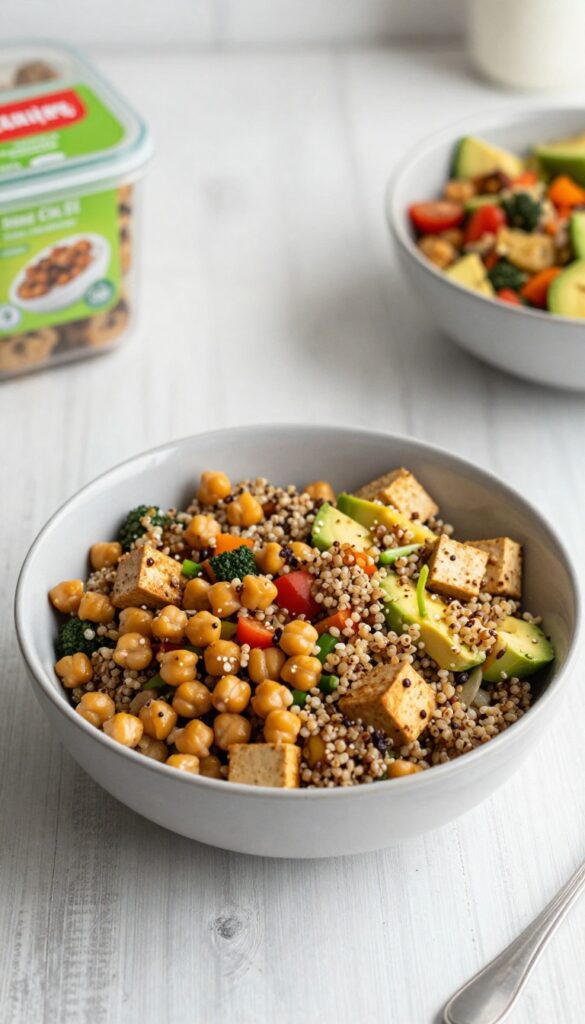
You've planned your meals and hit your 130g target—but does when you eat that protein actually affect your results? The short answer is yes, but not in the rigid way you might think. Here's what the science says about spreading your intake, the post-workout window, and even a bedtime boost.
Spreading protein evenly across meals supports muscle protein synthesis throughout the day. Aim for 30–40g per meal, which is enough to stimulate synthesis without overwhelming your system. This approach also keeps you fuller for longer and prevents energy crashes.
General Timing Tips
- Include protein at breakfast, lunch, dinner, and one snack to distribute intake.
- If you train, have a protein-rich meal or shake within 2–3 hours after exercise—the 'anabolic window' is more flexible than once thought.
- A casein-rich snack before bed (like Greek yogurt or cottage cheese) may support overnight recovery.
No Need for Strict Timing
Don't stress about eating protein exactly every 3 hours. Your body is quite good at repurposing amino acids from earlier meals. The most important factor is hitting your total daily protein target.
If you prefer three larger meals and no snacks, that can work just as well.
Common Mistakes When Aiming for 130g Protein
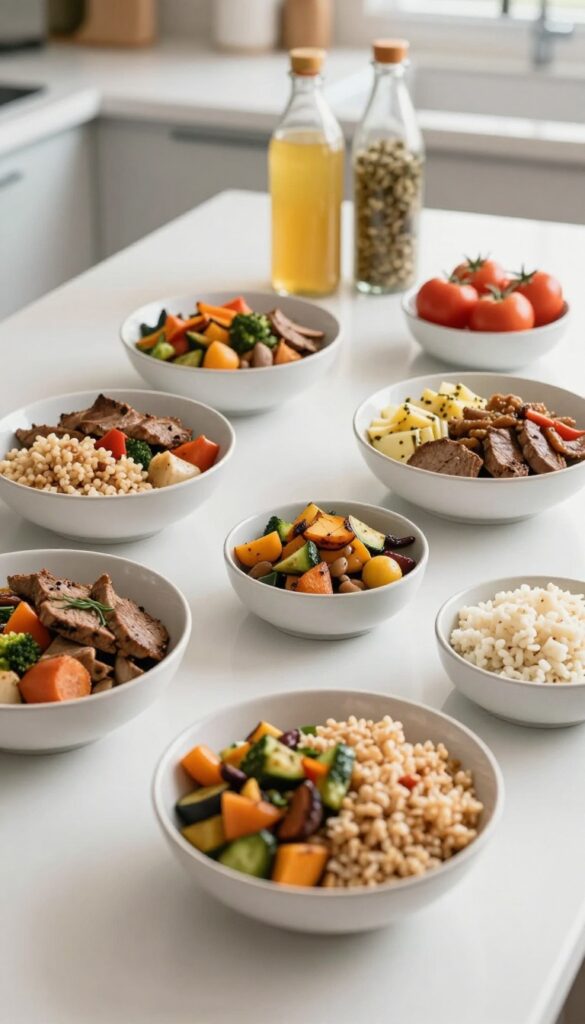
Even with the best intentions, it's easy to fall into traps that can derail your high-protein goals. Here are the most common mistakes and how to avoid them.
- Relying too much on protein shakes: Shakes are convenient, but they lack the fiber, vitamins, and minerals found in whole foods. Use them as a supplement, not a primary source.
- Ignoring micronutrients: Focusing solely on protein can lead to deficiencies in fiber, healthy fats, and key vitamins. Include plenty of vegetables, fruits, and whole grains.
- Not drinking enough water: High-protein diets increase the workload on your kidneys. Aim for at least 2–3 liters of water daily to stay hydrated and support digestion.
- Overeating calories from fat: Many high-protein foods like nuts, cheese, and fatty meats are also high in calories. Track your intake to avoid unintentional weight gain.
- Skipping variety: Eating the same protein sources every day can lead to boredom and nutrient gaps. Rotate between chicken, fish, eggs, legumes, and dairy.
Putting It All Together: Your High-Protein Day
By now, you have a clear picture of how to structure a day that delivers 130 grams of protein without overcomplicating your meals. The sample plan, timing tips, and customization ideas all point to one simple truth: consistency matters more than perfection.
The key is to build each meal around a protein source, then fill in with vegetables, healthy fats, and carbs that support your energy and recovery. You don't need to hit exactly 130g every single day—aim for the ballpark and adjust based on your hunger, activity level, and how you feel. Some days you might land at 120g, others at 140g.
That's perfectly fine.
Listen to your body. If you're consistently feeling overly full or struggling to finish meals, consider spreading protein more evenly or swapping a high-protein snack for a lighter option. On the flip side, if you're hungry between meals, add an extra protein-rich snack or increase portion sizes slightly.
Remember, this plan is a template, not a rigid prescription. Use it as a starting point to discover what works for your lifestyle, preferences, and goals. Whether you're building muscle, managing weight, or simply eating more protein, the most effective routine is one you can stick with long term.
FAQ
Is 130g of protein too much for a day?
For most active individuals, 130g is a reasonable target. It aligns with the common recommendation of 1.6-2.2g per kg of body weight for someone weighing around 60-80 kg. Always consider your own weight, activity level, and health status.
Can I reach 130g protein without protein powder?
Absolutely. Whole foods like chicken breast, Greek yogurt, eggs, tofu, lentils, and fish can easily get you there. Protein powder is a convenient supplement, not a necessity.
Will a high-protein diet damage my kidneys?
In healthy individuals, there's no evidence that high protein intake harms kidneys. However, if you have pre-existing kidney disease, consult your doctor before increasing protein.
How do I adjust this plan for weight loss?
Keep protein high to preserve muscle and promote fullness, but reduce overall calories by choosing leaner protein sources and controlling portions of fats and carbs. The 130g target can still work within a calorie deficit.
What if I'm vegetarian or vegan?
You can still hit 130g with plant-based proteins like tofu, tempeh, seitan, lentils, chickpeas, and hemp seeds. Combine with protein-rich grains like quinoa and use plant protein powders if needed.
Conclusion
Reaching 130g of protein in a day is entirely doable with a little planning and the right food choices. The sample meal plan and tips in this guide give you a flexible framework to build your own high-protein days around your preferences and schedule.
Remember to drink plenty of water, include fiber-rich veggies, and listen to your body's hunger cues. Whether you're an athlete, a weekend warrior, or just someone looking to improve their nutrition, a high-protein day can support your goals without being boring or restrictive.

Dr. Pallab Kishore, MS in Orthodontics and owner of Orthodontic Braces Care, shares expert tips on braces, aligners, and oral health from 10+ years of experience.