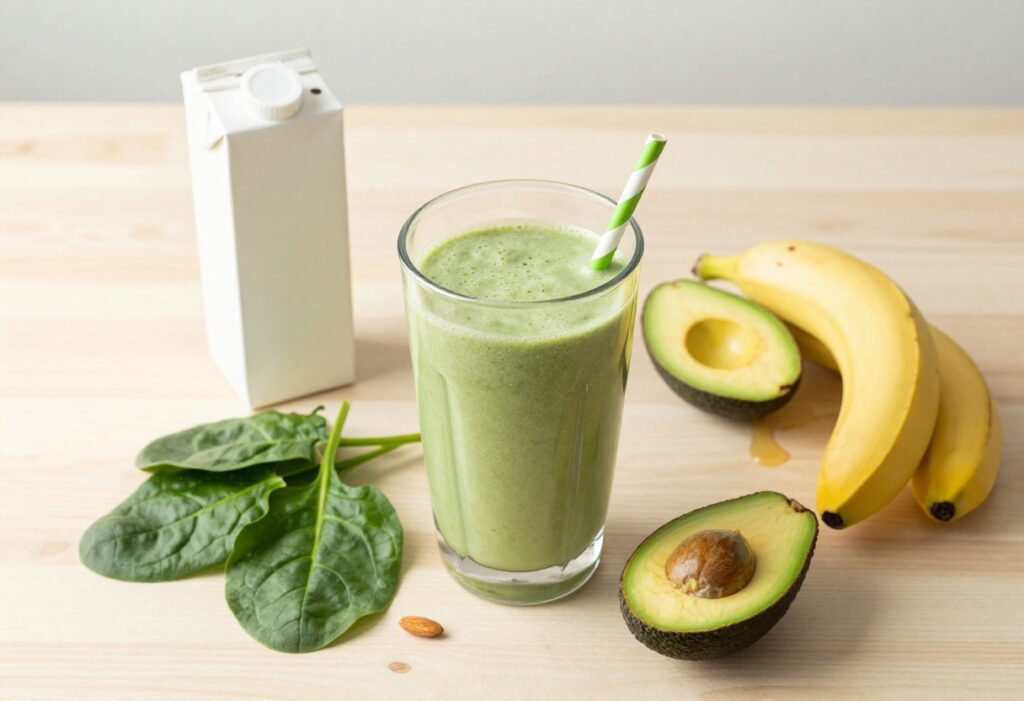
Getting enough protein each day can feel like a chore, especially when life gets busy. But hitting around 100 grams doesn't require complicated recipes or expensive supplements.
With a little planning and the right foods, you can easily meet that goal using meals you already enjoy. This guide breaks down exactly how to structure your day to get 100g of protein from simple, everyday ingredients.
You'll find a sample meal plan, tips for customization, and practical advice to make high-protein eating a seamless part of your routine. Whether you're looking to build muscle, stay full longer, or simply eat more balanced meals, this plan is designed to be flexible and realistic.
Why 100g of Protein Per Day?
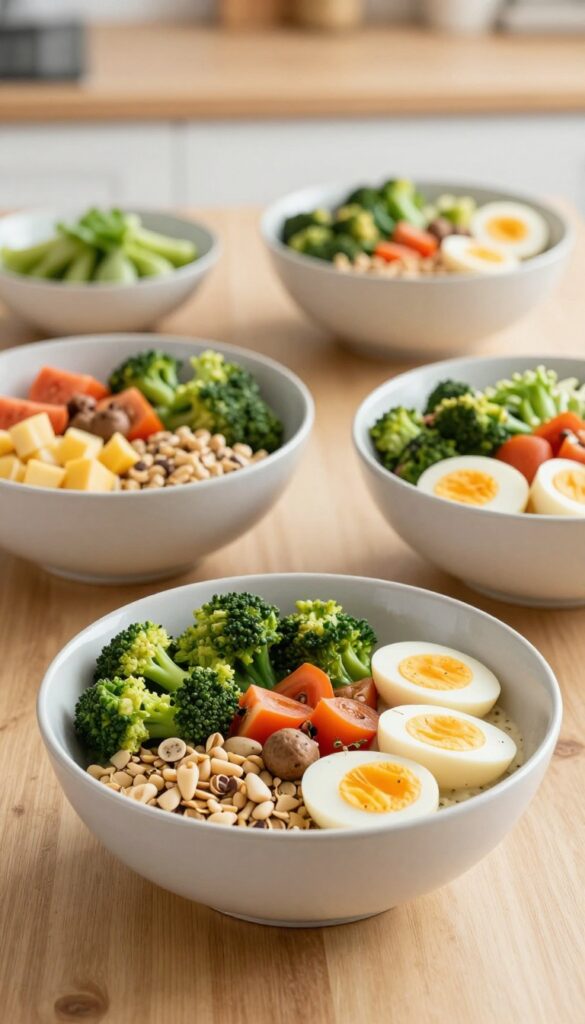
Setting a daily protein target of 100 grams is a practical goal for many people looking to support muscle repair, stay full between meals, and keep their metabolism humming. It's high enough to make a difference but not so high that you need shakes or specialty foods to hit it.
Protein is made up of amino acids, which your body uses to build and repair tissues, produce enzymes, and support immune function. When you eat protein, it also triggers the release of hormones that signal fullness and helps maintain lean muscle mass, especially if you're active or trying to manage your weight. A 100-gram target is often recommended for moderately active adults because it provides a solid foundation without being excessive.
Who benefits most from aiming for 100 grams per day? This target works well for people who exercise regularly, want to preserve muscle while losing fat, or simply find themselves hungry between meals. It's also a good benchmark for older adults who need extra protein to counteract age-related muscle loss.
However, it's not a one-size-fits-all number. Your ideal intake depends on your body weight, activity level, and overall health goals. For example, a very active person might need more, while someone sedentary might do fine with less.
The beauty of 100 grams is that it's achievable with whole foods. You don't need protein powders or bars—just a few smart choices at each meal. Chicken breast, Greek yogurt, eggs, cottage cheese, lentils, and tofu are all excellent sources that can easily add up.
By spreading your protein across three meals and a snack or two, you can reach 100 grams without much fuss.
Key benefits of a 100g protein target
- Supports muscle repair and growth after exercise
- Increases satiety, helping you feel full longer and potentially reducing overall calorie intake
- Boosts metabolism slightly due to the thermic effect of protein (your body burns calories digesting it)
- Helps maintain lean muscle mass during weight loss
- Can be met with common, affordable foods
While 100 grams is a good general target, always consider your individual needs. If you have kidney issues or other medical conditions, consult a healthcare professional before significantly increasing your protein intake.
High-Protein Foods to Keep on Hand
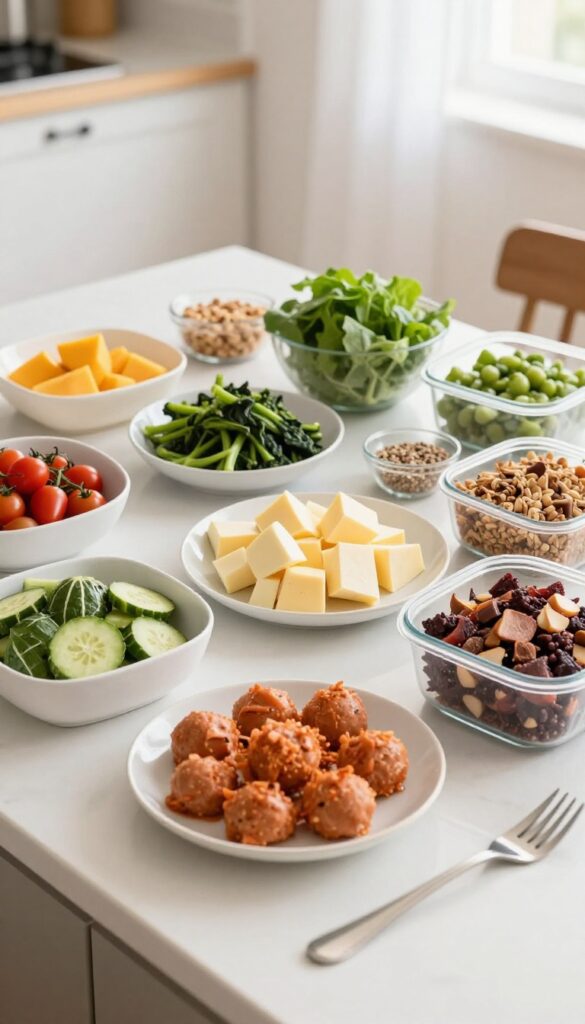
To hit 100g of protein daily without stress, keep a variety of convenient, everyday protein sources in your kitchen. Below is a table of common options with their protein content per standard serving, plus tips for choosing and using them.
Common High-Protein Foods and Their Protein Content
| Food | Serving Size | Protein (g) |
| Eggs | 2 large | 12 |
| Chicken breast (cooked) | 4 oz (113g) | 35 |
| Greek yogurt (plain, nonfat) | 1 cup (245g) | 23 |
| Cottage cheese (low-fat) | 1 cup (226g) | 28 |
| Tofu (firm) | 4 oz (113g) | 11 |
| Lentils (cooked) | 1 cup (198g) | 18 |
| Protein powder (whey or plant) | 1 scoop (30g) | 25 |
| Canned tuna (in water) | 1 can (85g drained) | 20 |
| Shrimp (cooked) | 4 oz (113g) | 24 |
| Lean beef (cooked) | 4 oz (113g) | 30 |
| Edamame (shelled, cooked) | 1 cup (155g) | 18 |
| Milk (cow's) | 1 cup (244g) | 8 |
Choosing Your Staples
Focus on foods you enjoy and can prepare quickly. For example, eggs and Greek yogurt require zero cooking, while chicken and lentils can be batch-cooked. Having at least two animal and two plant options ensures variety and meets different dietary preferences.
Convenience Tips
- Pre-cook chicken breasts or thighs on meal prep day to add to salads, wraps, or bowls.
- Keep canned tuna, lentils, and edamame in the pantry for last-minute meals.
- Portion Greek yogurt and cottage cheese into single servings for grab-and-go snacks.
- Mix protein powder into oatmeal, smoothies, or pancake batter for an easy boost.
Sample 100g Protein Meal Plan
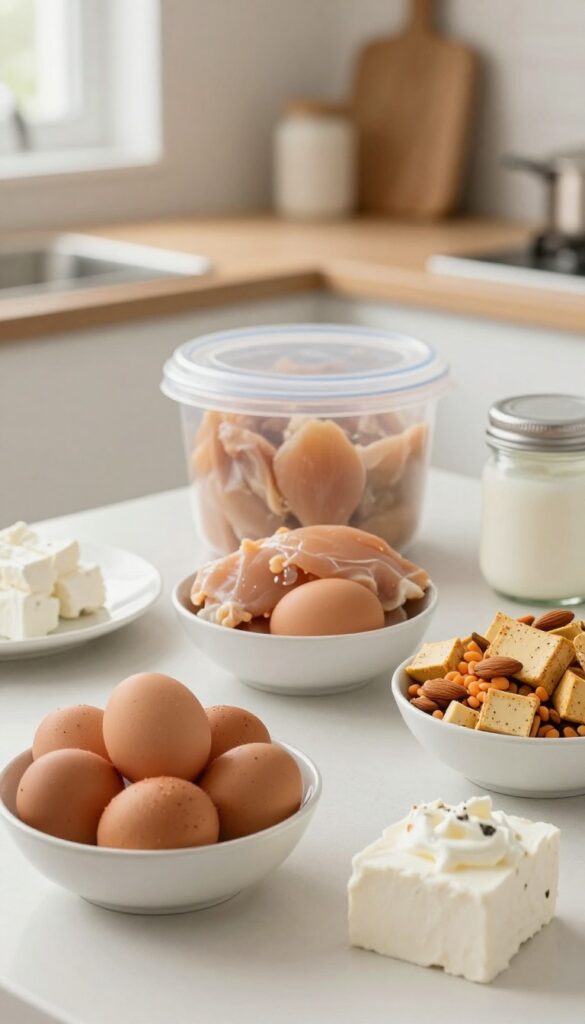
Here's a full day of simple, delicious meals that add up to 100g of protein. Each meal is built around common ingredients and straightforward recipes, so you can hit your target without spending hours in the kitchen.
Full Day Meal Plan at a Glance
| Meal | Protein (g) | Example Foods & Portions |
| Breakfast | ~25g | 3 eggs (18g) + 1/2 cup cottage cheese (12g) = 30g; adjust if needed |
| Lunch | ~30g | 5 oz canned tuna (30g) mixed with 1 tbsp mayo, served on whole-wheat crackers or salad |
| Dinner | ~35g | 6 oz chicken breast (42g) + 1 cup cooked quinoa (8g) = 50g; reduce portion if needed |
| Snacks | ~10g | 1 cup Greek yogurt (20g) or 1 oz almonds (6g) + 1 hard-boiled egg (6g); pick one |
Breakfast (~25g protein
Start your day with a protein-packed breakfast that keeps you full until lunch. A simple option: 3 large eggs (18g protein) scrambled with 1/2 cup low-fat cottage cheese (12g protein) for a total of 30g protein. If you want to hit exactly 25g, use 2 eggs (12g) + 1/2 cup cottage cheese (12g) = 24g, or add a small side of turkey sausage.
Serve with a handful of spinach or a slice of whole-wheat toast.
Lunch (~30g protein
For a no-cook lunch, mix one 5-ounce can of tuna packed in water (30g protein) with 1 tablespoon of mayonnaise. Serve it on a bed of mixed greens with cherry tomatoes and cucumber, or scoop it onto whole-wheat crackers. This meal comes together in under 5 minutes and provides exactly 30g of protein.
Dinner (~35g protein
Dinner features a 6-ounce grilled chicken breast (42g protein) seasoned with salt, pepper, and garlic powder. Pair it with 1 cup of cooked quinoa (8g protein) and a side of roasted broccoli. This meal totals about 50g protein, so you can adjust by using a 4-ounce chicken breast (28g) plus quinoa (8g) for 36g, or simply eat a slightly smaller portion of chicken.
Snacks (~10g protein
Choose one snack to round out your day. Options include: 1 cup of plain Greek yogurt (20g protein – half this for 10g), 1 ounce of almonds (6g) plus 1 hard-boiled egg (6g) for 12g, or a protein shake with one scoop of powder (20–25g – use half a scoop for ~10g). Pick the snack that fits your remaining protein target.
How to Adjust the Plan for Your Needs
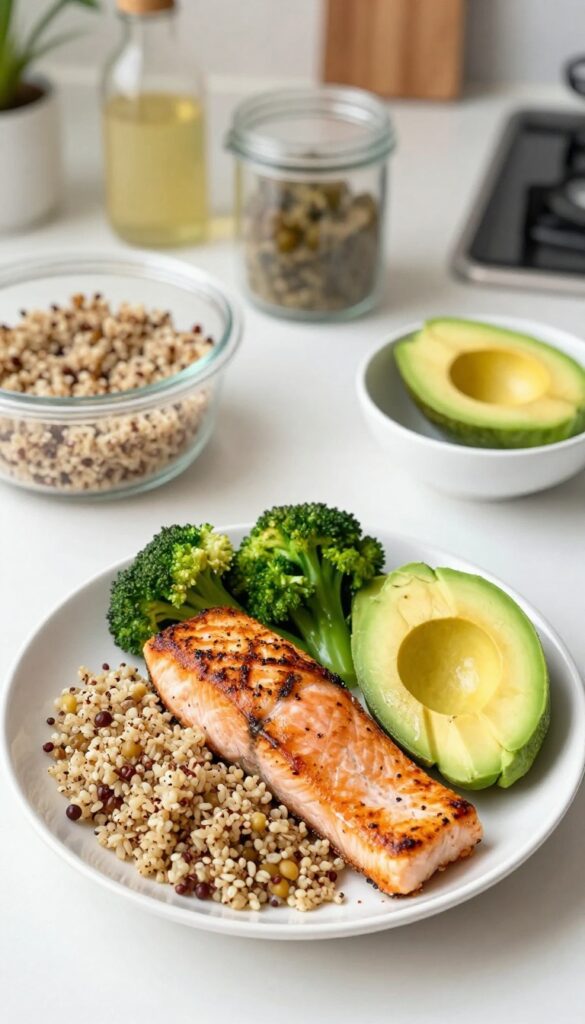
The 100g meal plan is a flexible template. Here’s how to tailor it to your body, preferences, and dietary restrictions without overcomplicating things.
Scale Portions Based on Your Body
Protein needs vary with weight, activity level, and goals. Use this simple guideline:
Protein Intake by Goal
| Goal | Grams per kg bodyweight |
| General health / maintenance | 1.2–1.6 g/kg |
| Muscle gain / active lifestyle | 1.6–2.2 g/kg |
| Weight loss / high activity | 1.8–2.4 g/kg |
For example, if you weigh 70 kg and want muscle gain, aim for 112–154g protein daily. Adjust the plan by adding or removing a serving of protein at meals or snacks.
Swap Proteins Based on Preference
The plan uses common animal proteins, but you can easily substitute:
- Chicken breast → turkey breast, lean pork, or extra-firm tofu (for vegetarians)
- Greek yogurt → cottage cheese, skyr, or a dairy-free yogurt with added protein powder
- Eggs → egg whites, or a tofu scramble (for vegans)
- Whey protein → pea protein, soy protein, or collagen peptides
Vegetarian & Vegan Adjustments
Plant-based eaters can still hit 100g easily. Focus on:
- Tofu, tempeh, edamame (15–20g per serving)
- Lentils, chickpeas, beans (12–18g per cup cooked)
- Seitan (25g per 100g)
- Hemp seeds, chia seeds, nutritional yeast (add to meals)
- Plant-based protein powders (20–30g per scoop)
A sample vegan day: breakfast smoothie with pea protein (30g), lunch lentil salad (25g), dinner tofu stir-fry (30g), snacks edamame + nuts (20g).
Dairy-Free Alternatives
If you avoid dairy, swap:
- Greek yogurt → coconut or almond yogurt with protein powder (check labels for protein content)
- Cottage cheese → silken tofu blended smooth
- Milk → unsweetened soy milk (8g protein per cup) or pea milk (8–10g)
Add More Variety Without Losing Protein
Keep meals interesting by rotating protein sources weekly. Use different spices, marinades, and cooking methods. The key is to maintain the same protein portions while changing flavors.
Flexible Approach
Don’t stress about hitting exactly 100g every day. Aim for a range of 90–110g and trust your appetite. The plan is a guide, not a rigid rule.
Tips for Hitting 100g Without Trying Too Hard
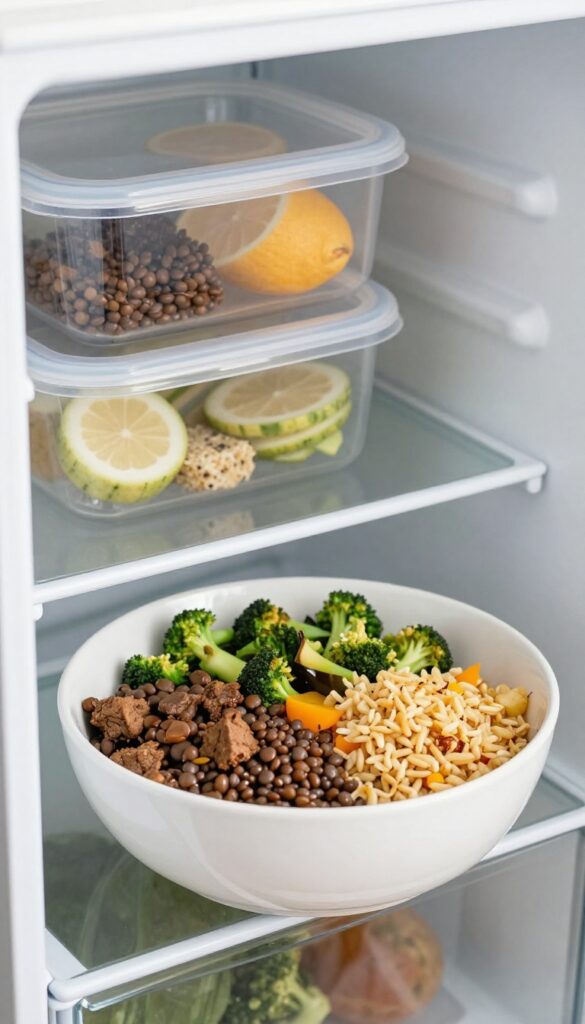
You don't need to obsess over every gram. These simple strategies make it easy to reach 100g of protein daily with minimal extra effort.
Use Protein Powder Wisely
A scoop of protein powder in a smoothie, oatmeal, or even coffee can add 20–30g of protein in seconds. Keep a tub at home and one at work for quick boosts.
Batch Cook Proteins
Spend an hour on Sunday cooking a large batch of chicken breast, hard-boiled eggs, or ground beef. Store in the fridge for easy grab-and-go additions to meals.
Add Protein to Snacks
Upgrade your snacks: Greek yogurt with nuts, cottage cheese with fruit, or a handful of edamame. Even a string cheese stick adds 8g of protein.
Choose High-Protein Grains
Swap regular rice or pasta for quinoa, farro, or lentil pasta. These options pack more protein per serving and boost your total without extra effort.
By weaving these habits into your routine, you'll hit 100g naturally without feeling like you're on a strict diet.
Common Mistakes When Trying to Eat More Protein
Even with the best intentions, it's easy to fall into a few traps that make hitting your protein goals harder than it needs to be. Here are the most common mistakes and how to fix them.
Relying too much on one source
Chicken breast at every meal might seem like a safe bet, but it can lead to taste fatigue and nutrient gaps. Variety not only keeps meals interesting but also provides a wider range of amino acids and micronutrients. Rotate in eggs, Greek yogurt, tofu, fish, and lean beef to keep things fresh.
Not eating enough at breakfast
A carb-heavy breakfast (cereal, toast, or just fruit) sets you up for a protein deficit later. Aim for at least 20–30g of protein at breakfast. Try eggs with Greek yogurt, a protein smoothie, or cottage cheese with fruit to start strong.
Ignoring plant proteins
Even if you're not vegetarian, plant proteins like lentils, chickpeas, quinoa, and edamame are affordable, high-fiber options that count toward your total. Combining them with animal proteins can also help you hit your goal without relying solely on meat.
Overcomplicating meals
You don't need fancy recipes or expensive ingredients. A simple meal of grilled chicken, rice, and broccoli works. Keep it straightforward: pick a protein source, a carb, and a vegetable.
Prep in bulk to save time.
FAQ
Is 100g of protein per day too much?
For most active adults, 100g is a reasonable target. The Recommended Dietary Allowance is 0.8g per kg of body weight, but many experts suggest 1.2–2.0g per kg for those who exercise regularly. For a 70kg person, that's 84–140g, so 100g fits well within that range.
Can I get 100g of protein as a vegetarian?
Absolutely. Plant-based sources like lentils, chickpeas, tofu, tempeh, edamame, Greek yogurt (if lacto-vegetarian), cottage cheese, eggs, and protein powders can easily add up. For example, a tofu scramble, lentil soup, Greek yogurt parfait, and a protein shake can get you there.
Do I need protein powder to hit 100g?
No, but it can make it easier. Many whole foods can provide 100g without supplements. However, a scoop of protein powder in a smoothie or oatmeal is a convenient way to add 20–30g without much effort.
How do I know if I'm eating enough protein?
Track your intake for a few days using an app or food diary. Signs you might need more include constant hunger, slow recovery after workouts, or difficulty building muscle. Adjust based on your goals and how you feel.
What if I don't like eggs or chicken?
No problem. There are plenty of other protein sources: fish, lean beef, pork, tofu, tempeh, seitan, legumes, dairy, and plant-based protein powders. Mix and match to find what works for you.
Conclusion
Eating 100g of protein daily doesn't have to be a struggle. By focusing on simple, whole foods and spreading your intake across meals and snacks, you can easily meet your goal without overhauling your entire diet. Start with the sample plan, then tweak it to fit your tastes and schedule.
Remember, consistency matters more than perfection. Even small changes—like adding a Greek yogurt snack or doubling the lentils in your soup—can make a big difference.

Dr. Pallab Kishore, MS in Orthodontics and owner of Orthodontic Braces Care, shares expert tips on braces, aligners, and oral health from 10+ years of experience.