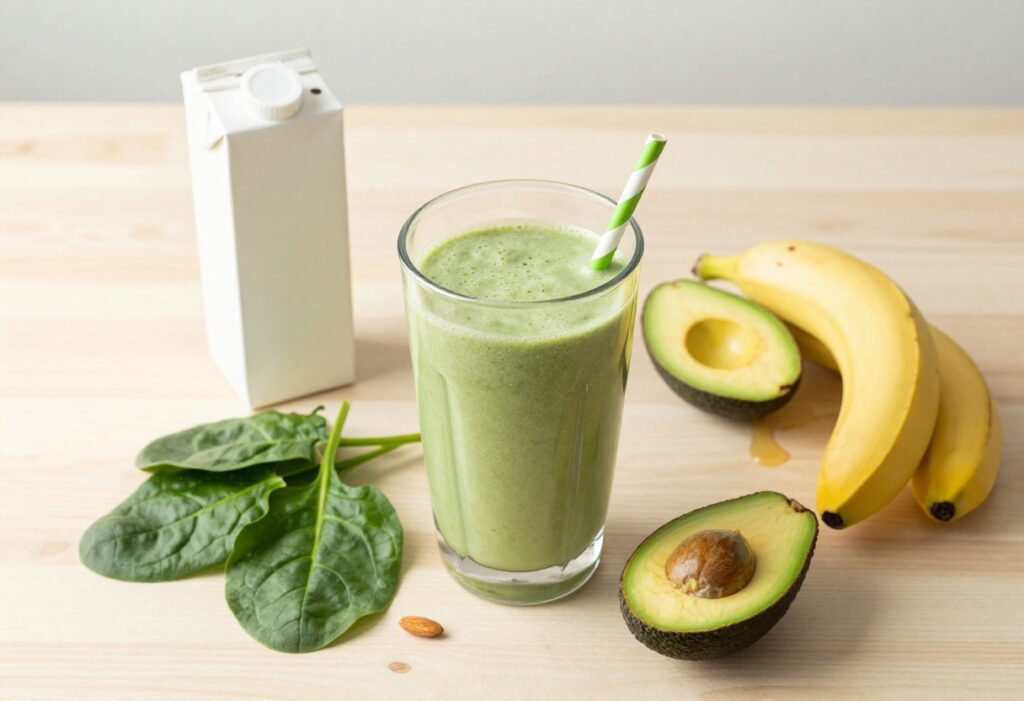
When you're active, your body needs more fuel. A 2500-calorie meal plan is designed for days when you're moving more—whether that's a long workout, a physically demanding job, or an active weekend. This isn't about weight loss; it's about giving your body the energy it needs to perform and recover.
This guide provides a flexible, whole-food-based meal plan that's easy to follow. You'll find sample meals, customization options, and tips on nutrient timing to help you stay energized throughout the day. The goal is to support your activity without feeling restricted or overwhelmed.
Remember, everyone's needs are different. Use this plan as a starting point and adjust portions and food choices based on your hunger, activity level, and preferences.
Why 2500 Calories on Active Days?
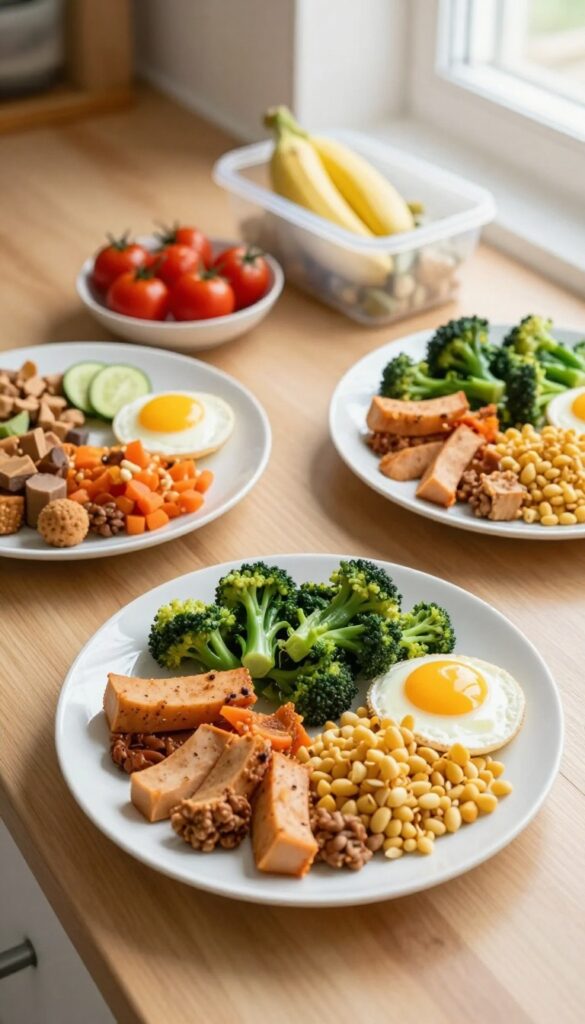
On days when you're highly active—whether that means a long workout, a physically demanding job, or an active sport—your body burns significantly more energy than on rest days. Consuming around 2500 calories helps meet those elevated energy demands, supports muscle repair, and keeps your performance steady throughout the day.
Calorie needs vary based on factors like age, gender, weight, and activity level, but for many moderately to highly active individuals, 2500 calories is a solid target. This amount provides enough fuel to sustain exercise, replenish glycogen stores, and prevent the energy crashes that can derail an active day.
Key reasons 2500 calories matter on active days
- Active days burn more energy – Intense or prolonged activity can increase calorie expenditure by 500–1000 calories or more compared to a sedentary day.
- Supports muscle repair and performance – Adequate calories, especially from protein and carbs, help repair muscle tissue and maintain strength and endurance.
- Prevents energy crashes – Eating enough prevents blood sugar dips, fatigue, and poor concentration, keeping you going strong.
It's also important to distinguish active days from sedentary days. On rest days, your calorie needs are lower—typically around 2000–2200 for many people—so aiming for 2500 on active days is a strategic increase, not a one-size-fits-all prescription.
Sample 2500 Calorie Meal Plan Overview
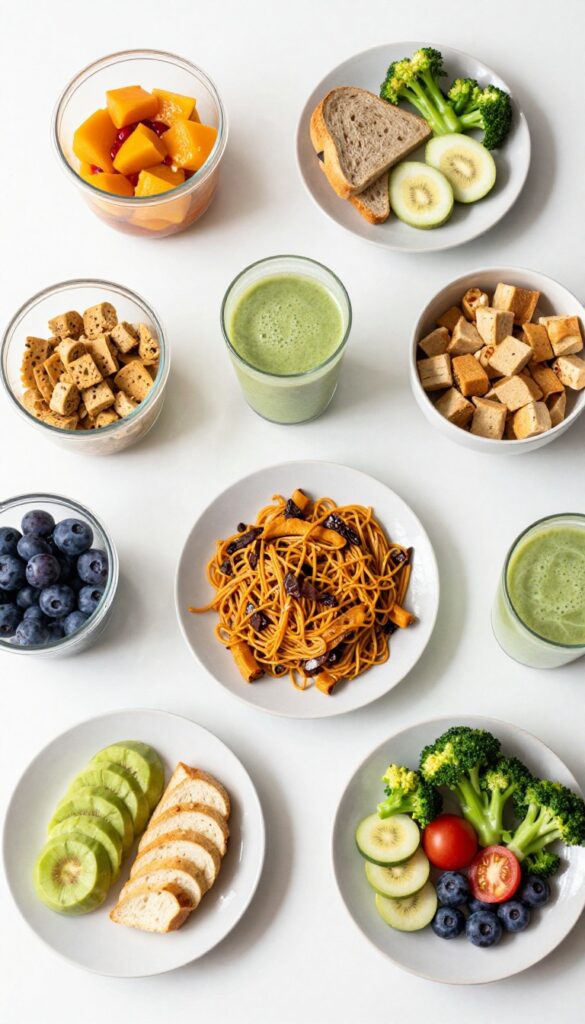
Here’s a full-day sample menu designed to hit around 2500 calories with a balanced mix of protein, carbs, and fats. Meals are timed to support energy before and after activity, with portions that keep you satisfied without feeling overly full.
Daily Meal Plan at a Glance
| Meal | Time | Foods | Calories | Protein (g) | Carbs (g) | Fat (g) |
| Breakfast | 7:00 AM | 3 eggs, 2 slices whole‑grain toast, 1 avocado, 1 cup berries | 650 | 35 | 50 | 30 |
| Morning Snack | 10:00 AM | 1 apple + 2 tbsp peanut butter | 250 | 8 | 25 | 14 |
| Lunch | 1:00 PM | Grilled chicken breast (6 oz), 1 cup quinoa, 2 cups mixed veggies, 2 tbsp olive oil | 700 | 45 | 60 | 25 |
| Afternoon Snack | 4:00 PM | 1 cup Greek yogurt + 1/2 cup granola | 350 | 20 | 40 | 10 |
| Dinner | 7:00 PM | Salmon fillet (6 oz), 1 large sweet potato, 1 cup steamed broccoli, 1 tbsp butter | 650 | 40 | 50 | 25 |
| Evening Snack | 9:00 PM | 1 cup cottage cheese + 1/2 cup pineapple | 200 | 25 | 20 | 2 |
Portion Flexibility
Adjust portion sizes up or down by 10–15% based on your hunger and activity level. The key is to keep protein consistent and fill remaining calories with carbs and fats as needed.
Breakfast: Fuel for the Day Ahead
Breakfast sets the tone for an active day. Aim for a balanced meal with complex carbohydrates for sustained energy, protein for muscle repair, and healthy fats to keep you satisfied. Here are two options that together provide around 700–750 calories, fitting your 2500-calorie target.
Option 1: Hearty Oatmeal Bowl
This oatmeal bowl delivers slow-release energy from oats, protein from milk and nuts, and healthy fats from almond butter. It’s quick to prepare and easy to customize.
Ingredients: 1 cup rolled oats, 1½ cups milk (dairy or unsweetened plant-based), 1 scoop vanilla protein powder (optional), 1 medium banana sliced, 2 tablespoons almond butter, 1 tablespoon chia seeds, and a dash of cinnamon.
Calories: ~690 | Protein: 35g | Carbs: 85g | Fat: 24g
Option 2: Egg and Avocado Scramble
A savory scramble packed with protein and healthy fats. Pair with whole-grain toast for added fiber and complex carbs.
Ingredients: 3 large eggs, 1 tablespoon butter or olive oil, ½ avocado diced, 2 slices whole-grain toast, 1 cup fresh spinach, and salt/pepper to taste.
Calories: ~720 | Protein: 30g | Carbs: 45g | Fat: 42g
Key Points
- Both options are high in complex carbs and protein to fuel your morning.
- Include healthy fats from nuts, seeds, or avocado for satiety.
- Avoid sugary cereals or processed meats, which can cause energy crashes.
Lunch: Sustained Energy for the Afternoon
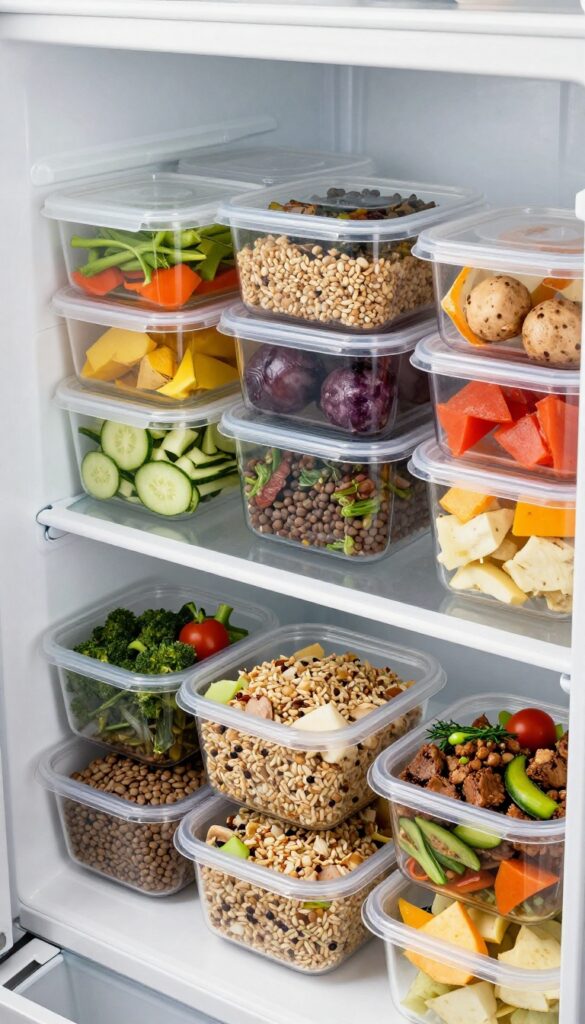
Lunch should provide a balance of lean protein, whole grains, and vegetables to keep your energy steady through the afternoon. Here are two options that fit the 2500-calorie plan.
Option 1: Grilled Chicken Quinoa Bowl
This bowl combines lean protein with complex carbs and colorful veggies for a nutrient-dense meal.
Ingredients and portions
- 6 oz grilled chicken breast (about 250 calories, 45g protein)
- 1 cup cooked quinoa (about 220 calories, 8g protein, 40g carbs)
- 1 cup mixed greens and cherry tomatoes (about 30 calories)
- 1/4 avocado (about 80 calories, 7g carbs, 7g fat)
- 2 tbsp balsamic vinaigrette (about 70 calories, 7g fat)
Calories and macros
Total: ~650 calories, 53g protein, 55g carbs, 20g fat. This meal provides sustained energy from quinoa and healthy fats, plus muscle-supporting protein.
Option 2: Turkey and Hummus Wrap
A quick, portable option that still delivers solid nutrition.
Ingredients and portions
- 1 large whole-wheat tortilla (about 150 calories, 5g protein, 28g carbs)
- 4 oz sliced turkey breast (about 150 calories, 28g protein)
- 1/4 cup hummus (about 100 calories, 5g protein, 10g carbs, 5g fat)
- 1/2 cup mixed greens, cucumber, and bell peppers (about 15 calories)
- 1 tbsp mustard (optional, about 5 calories)
Calories and macros
Total: ~420 calories, 38g protein, 40g carbs, 10g fat. Pair with a piece of fruit or a small yogurt to increase calories if needed.
Dinner: Recovery and Repair
Dinner is your chance to replenish glycogen stores and provide the protein needed for muscle repair after a day of activity. These two options are designed to be satisfying, nutrient-dense, and easy to digest.
Option 1: Salmon with Sweet Potato and Broccoli
A 6-ounce salmon fillet provides high-quality protein and omega-3 fatty acids, which help reduce exercise-induced inflammation. Pair it with one medium sweet potato (about 200g) for complex carbohydrates and fiber, and 2 cups of steamed broccoli for vitamins C and K. This meal totals approximately 650 calories with 40g protein, 65g carbs, and 22g fat.
Option 2: Lean Beef Stir-Fry with Brown Rice
Use 5 ounces of lean beef sirloin, sliced thin, and stir-fry with mixed vegetables like bell peppers, snap peas, and carrots. Serve over 1 cup of cooked brown rice. This meal provides around 680 calories, 45g protein, 70g carbs, and 18g fat.
The iron and zinc in beef support oxygen transport and immune function, while the rice replenishes muscle glycogen.
Key Points
- Both options are rich in protein and omega-3s or iron, aiding recovery.
- Complex carbs from sweet potato or brown rice replenish glycogen stores.
- Avoid high-sodium sauces or excessive fats to keep the meal recovery-friendly.
Snacks: Keeping Energy Steady
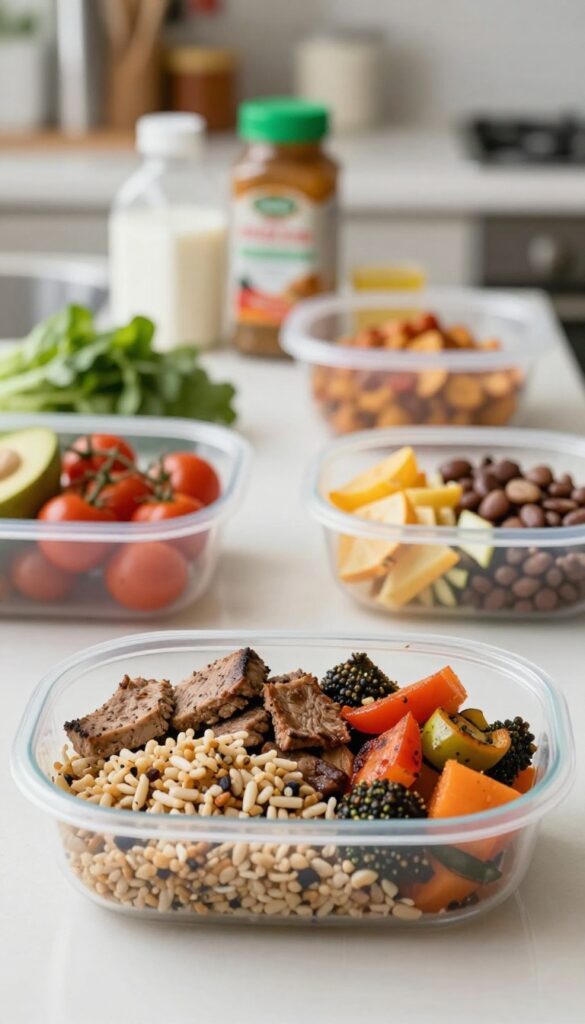
Smart snacking keeps your energy levels stable between meals and supports performance before and after workouts. Focus on nutrient-dense options that combine protein, healthy fats, and carbs.
Pre-Workout Snack (2–3 hours before
- 1 medium banana + 1 tablespoon almond butter (190 cal, 5g protein)
- 1 slice whole-grain toast + 1/2 avocado (180 cal, 4g protein)
- 1/2 cup Greek yogurt + 1/2 cup berries (150 cal, 12g protein)
Post-Workout Snack (within 30–60 minutes
- 1 scoop protein powder + 1 cup milk + 1/2 banana (280 cal, 30g protein)
- 1 cup chocolate milk + 1 apple (250 cal, 10g protein)
- 2 hard-boiled eggs + 1 slice whole-grain toast (220 cal, 16g protein)
Between-Meal Snacks (mid-morning & afternoon
- 1/4 cup trail mix (nuts, seeds, dried fruit) (180 cal, 5g protein)
- 1 string cheese + 1/2 cup grapes (160 cal, 8g protein)
- 1/2 cup cottage cheese + 1/2 cup pineapple (140 cal, 14g protein)
Customizing the Plan to Your Needs
No single meal plan works for everyone. Your preferences, dietary restrictions, and activity levels are unique. Here's how to adapt the 2500-calorie plan to fit your lifestyle without sacrificing nutrition or energy.
Adjusting Portion Sizes
If you're consistently hungry or overly full, tweak serving sizes by 10–20%. For example, add an extra half cup of rice at lunch or reduce the nut portion at snacks. Use your hunger cues and energy levels as guides.
Swapping Foods Based on Preferences
- Protein: Swap chicken for tofu, tempeh, or canned fish.
- Grains: Use quinoa, brown rice, or whole-wheat pasta instead of white rice.
- Vegetables: Substitute broccoli with spinach, bell peppers, or zucchini.
- Fats: Replace almonds with walnuts, avocado, or olive oil.
Vegetarian & Vegan Adaptations
For plant-based diets, focus on protein-rich swaps: replace meat with lentils, chickpeas, edamame, or seitan. Use fortified plant milks and include a variety of legumes to meet amino acid needs. For example, swap the chicken breast in lunch for 1 cup of cooked lentils.
Allergen-Friendly Swaps
Common allergens can be easily replaced:
Remember, the goal is to maintain calorie and macronutrient balance while making the plan enjoyable and sustainable for you. Avoid extreme restrictions that might lead to nutrient deficiencies or burnout.
Nutrient Timing for Active Days
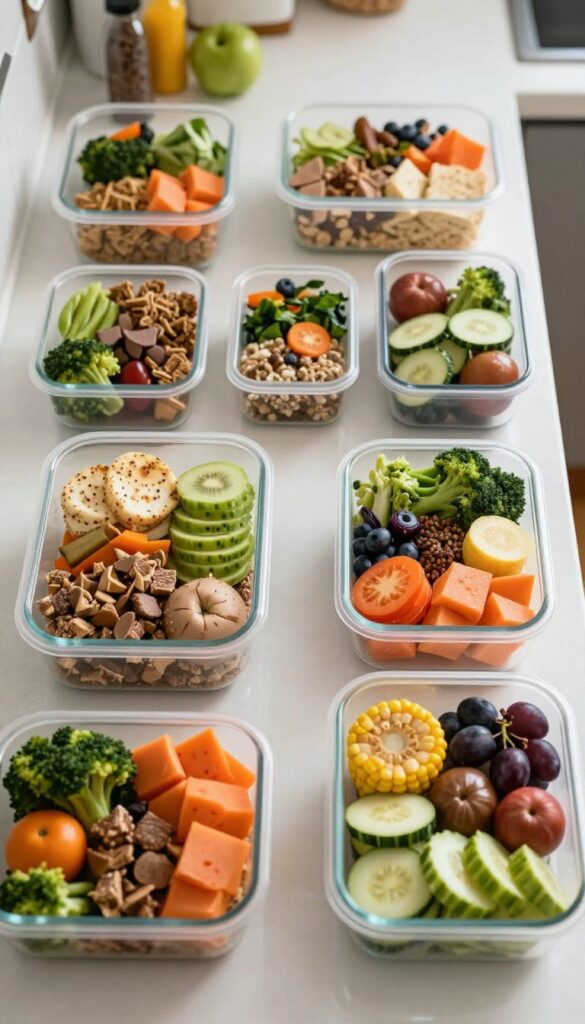
When you're active, when you eat can be just as important as what you eat. Proper nutrient timing helps maximize energy, support performance, and speed recovery without overcomplicating your routine.
Pre-Workout Fueling
Aim to eat a balanced meal or snack 1-3 hours before exercise. Focus on easily digestible carbs for quick energy, plus a moderate amount of protein to prevent muscle breakdown. Good options include a banana with peanut butter, a small bowl of oatmeal with berries, or a slice of whole-grain toast with turkey.
Post-Workout Recovery
Within 30-60 minutes after exercise, consume a combination of carbs and protein to replenish glycogen stores and repair muscle tissue. A 3:1 or 4:1 carb-to-protein ratio works well. Examples: a protein shake with fruit, Greek yogurt with granola, or a chicken and rice bowl.
Evening Meals
Your dinner should include a good source of protein, complex carbs, and vegetables to support overnight recovery. Don't fear carbs at night—they help replenish energy stores and promote sleep. Try salmon with sweet potato and broccoli, or a lean beef stir-fry with quinoa.
Carb and Protein Timing Tips
- Spread protein evenly across meals (20-40g per meal) to maximize muscle protein synthesis.
- Include carbs before and after workouts for energy and recovery.
- For morning workouts, a light carb-based snack (like a banana) can help; a full meal may be better 2-3 hours prior.
Hydration Matters Too
Don't forget to drink water throughout the day. Aim for at least 8-12 cups (64-96 oz) total, and more if you sweat heavily. Sip water during exercise and rehydrate after with water or an electrolyte drink if needed.
Hydration: The Overlooked Nutrient
When planning a 2500-calorie day, it’s easy to focus on food and forget about water. But hydration is just as critical for energy, performance, and recovery. Even mild dehydration can leave you feeling sluggish, crampy, or mentally foggy—undermining all the effort you put into your meals.
How Much Water Do Active People Need?
The old “8 glasses a day” rule is a starting point, but active individuals often need more. A general guideline is to drink half your body weight (in pounds) in ounces of water per day, plus an additional 12–16 ounces for every 30 minutes of exercise. For a 180-pound person, that’s about 90 ounces baseline, plus extra on workout days.
Signs of Dehydration to Watch For
- Dark yellow urine or infrequent urination
- Dry mouth, lips, or skin
- Headache or dizziness
- Fatigue or reduced exercise performance
- Muscle cramps or irritability
Electrolytes: More Than Just Water
Sweating doesn’t just lose water—it also depletes electrolytes like sodium, potassium, and magnesium. These minerals are essential for nerve signaling, muscle contractions, and fluid balance. On heavy sweat days, consider adding a pinch of salt to your meals or drinking an electrolyte beverage (without excess sugar).
Practical Tip
Keep a reusable water bottle at your desk or in your gym bag. Aim to sip throughout the day rather than chugging large amounts at once. If you’re active for more than an hour, a sports drink or electrolyte tablet can help maintain balance.
FAQ
Can I use this plan every day?
Yes, if you are consistently active at a moderate to high level. However, on rest days you may need fewer calories. Adjust portion sizes or reduce snacks to match your lower energy expenditure.
What if I'm vegetarian?
Simply swap animal proteins for plant-based options like tofu, tempeh, legumes, or seitan. Ensure you're getting enough protein and iron. For example, replace chicken with chickpeas or lentils in the quinoa bowl.
How do I adjust for less active days?
Reduce calorie intake by about 200-400 calories by cutting back on snacks or reducing portion sizes of carbs. Focus on protein and vegetables to stay satisfied without overeating.
Should I count calories exactly?
It's not necessary to be precise every day. Use the plan as a rough guide. Pay attention to your hunger and energy levels.
If you feel sluggish, you may need more food; if you feel overly full, scale back.
Can I eat out while following this plan?
Yes, but choose wisely. Opt for grilled proteins, vegetables, and whole grains. Ask for dressings and sauces on the side.
Avoid fried foods and heavy creamy sauces. Many restaurants offer healthy options.
Conclusion
A 2500-calorie meal plan is a practical tool for active days, helping you maintain energy, support recovery, and enjoy your food. The sample meals and tips provided are flexible—feel free to mix and match based on what you have on hand or your personal taste. The most important thing is to find a rhythm that works for you.
Stay hydrated, listen to your body, and adjust as needed. With a little planning, you can fuel your active lifestyle without stress.

Dr. Pallab Kishore, MS in Orthodontics and owner of Orthodontic Braces Care, shares expert tips on braces, aligners, and oral health from 10+ years of experience.