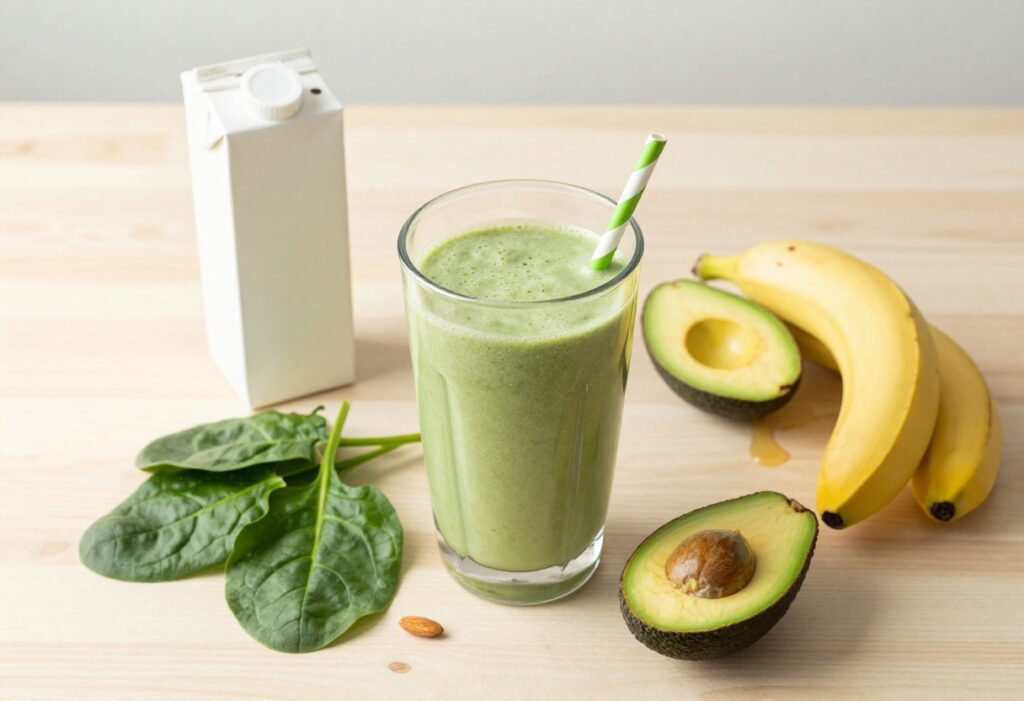
Hormonal acne can be frustrating, especially when it shows up well past your teenage years. While topical treatments and medications often take center stage, what you put on your plate plays a powerful supporting role.
The goal isn't to follow a restrictive diet, but to add more skin-friendly foods that help balance hormones and calm inflammation. This guide focuses on foods you can eat more of, not a list of things to cut out.
By emphasizing nutrient-dense choices, you can support your skin from the inside out without feeling deprived. Think of it as building a foundation for clearer skin, one meal at a time.
Why Diet Matters for Hormonal Acne
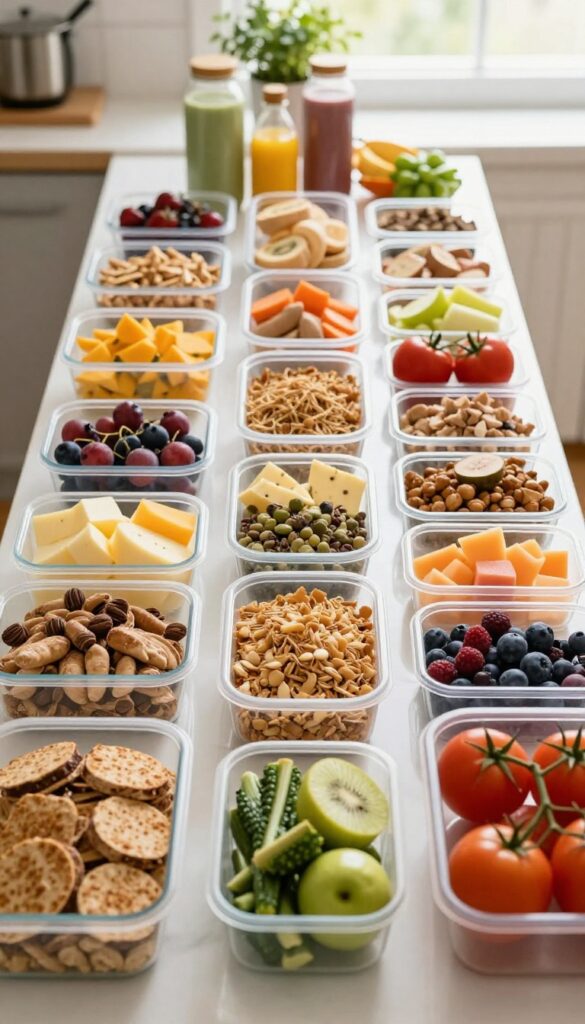
Hormonal acne isn’t just about clogged pores or bacteria on the skin. It’s closely tied to what happens inside the body, especially how insulin and inflammation interact with your hormones. While topical treatments can help, the foods you eat play a powerful role in either fueling or calming the underlying factors that trigger breakouts.
When you eat a meal high in refined carbohydrates or sugar, your body releases more insulin to manage the spike in blood glucose. High insulin levels can increase the production of androgens—hormones like testosterone that stimulate oil glands and lead to acne. This is why diets with a high glycemic load are often linked to more frequent and severe breakouts.
On the flip side, choosing foods that keep blood sugar steady can help keep those hormones in check.
Inflammation is another key player. Chronic low-grade inflammation can worsen acne by making the skin more reactive to bacteria and clogged pores. Certain foods, such as those rich in omega-3 fatty acids, antioxidants, and fiber, help reduce inflammation.
Others, like processed snacks and sugary drinks, can promote it.
The good news is that you don’t need to restrict everything you love. Instead, shifting focus to adding more nutrient-dense foods—like vegetables, fruits, healthy fats, and lean proteins—can naturally crowd out less helpful choices. This approach is more sustainable and less stressful than strict elimination diets.
Small, consistent changes in what you eat more often can make a real difference in how your skin looks and feels.
Low-Glycemic Fruits and Vegetables
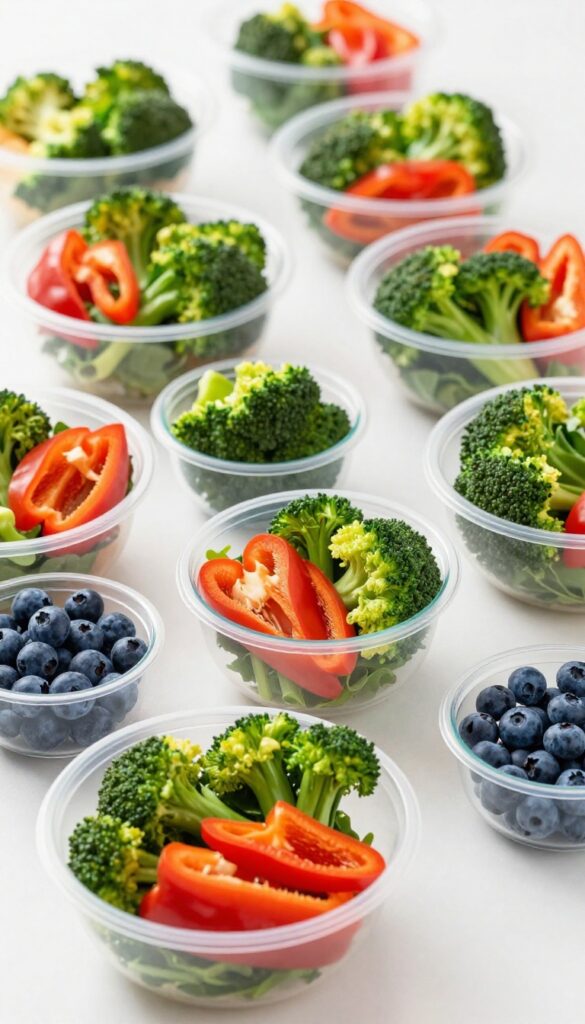
Filling your plate with low-glycemic fruits and vegetables is one of the most effective dietary shifts for hormonal acne. These foods help keep blood sugar steady, reducing insulin spikes that can trigger hormone fluctuations and inflammation. Plus, they're packed with antioxidants and fiber that support skin health.
Why They Help
High-glycemic foods cause rapid rises in blood sugar, prompting the body to release more insulin. Elevated insulin can increase androgen activity, leading to more sebum production and clogged pores. Low-glycemic options release glucose slowly, preventing those spikes.
Their fiber content also aids digestion and helps remove excess hormones from the body. The antioxidants in colorful produce fight oxidative stress, a key driver of acne inflammation.
Best Choices
Focus on non-starchy vegetables and lower-sugar fruits. Aim to fill half your plate with these at meals.
- Leafy greens: spinach, kale, Swiss chard, arugula
- Cruciferous vegetables: broccoli, cauliflower, Brussels sprouts, cabbage
- Berries: blueberries, strawberries, raspberries, blackberries
- Other low-glycemic options: bell peppers, zucchini, cucumber, asparagus, tomatoes, avocados
- Fruits with lower sugar: apples, pears, citrus fruits (oranges, grapefruit), cherries
Omega-3 Rich Foods
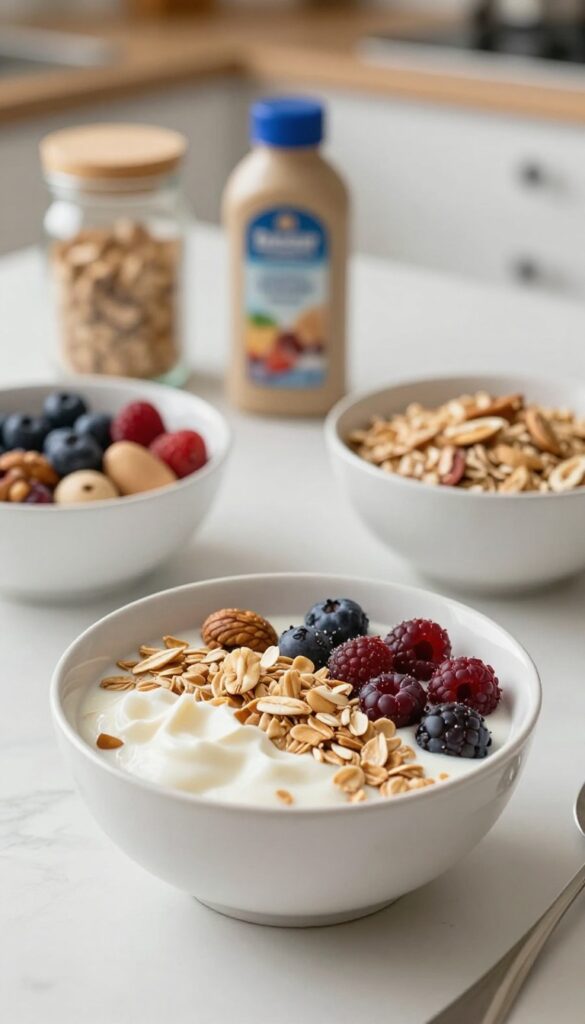
Omega-3 fatty acids are powerful anti-inflammatory nutrients that can help calm the systemic inflammation often underlying hormonal acne. They also support hormone balance by improving cell membrane function and insulin sensitivity.
Why They Help
Omega-3s, particularly EPA and DHA found in fish oil, reduce the production of inflammatory molecules that can trigger acne lesions. They also help regulate androgen activity and sebum production. A diet rich in omega-3s may lower levels of insulin-like growth factor 1 (IGF-1), a hormone linked to acne breakouts.
Best Sources
Incorporate these omega-3-rich foods into your weekly rotation:
- Fatty fish: Salmon, mackerel, sardines, and anchovies (aim for 2 servings per week)
- Flaxseeds: Ground flaxseeds or flaxseed oil (add to smoothies, oatmeal, or yogurt)
- Chia seeds: Sprinkle on salads, mix into puddings, or blend into drinks
- Walnuts: A handful as a snack or chopped over dishes
- Hemp seeds: Mild nutty flavor, great on toast or in bowls
- Algal oil: A plant-based DHA supplement for vegans (consult a healthcare provider)
To maximize absorption, pair these foods with a source of healthy fat, like avocado or olive oil. Avoid overheating delicate oils; instead, add flax or chia seeds to cool or just-warm dishes.
Zinc-Rich Foods
Zinc is a mineral that plays a key role in skin health, particularly for those dealing with hormonal acne. It helps reduce inflammation, supports wound healing, and may even help regulate sebum production. Including zinc-rich foods in your diet can be a smart, natural way to support clearer skin.
Why Zinc Matters
Zinc is essential for skin repair and immune function. Studies suggest that people with acne tend to have lower zinc levels, and that getting enough zinc can help calm inflammatory breakouts. It also helps balance the hormones that can trigger excess oil production, making it a valuable nutrient for managing hormonal acne.
Top Food Sources
- Pumpkin seeds: A handful (about 30g) provides nearly 2mg of zinc. Sprinkle on salads or oatmeal.
- Chickpeas: Cooked chickpeas offer about 1.5mg per cup. Use in salads, stews, or hummus.
- Cashews: A 30g serving gives around 1.6mg of zinc. Great as a snack or in stir-fries.
- Oysters: The richest source, with 6 oysters providing over 30mg of zinc. Enjoy occasionally as a treat.
- Other sources: Beef, lamb, hemp seeds, lentils, and quinoa also contribute.
Pairing for Absorption
To maximize zinc absorption, pair these foods with a source of protein or vitamin C. For example, add lemon juice to chickpea salads or eat cashews with an orange. Avoid consuming high-dose zinc supplements without medical advice, as too much zinc can cause nausea and interfere with copper absorption.
Probiotic and Fermented Foods
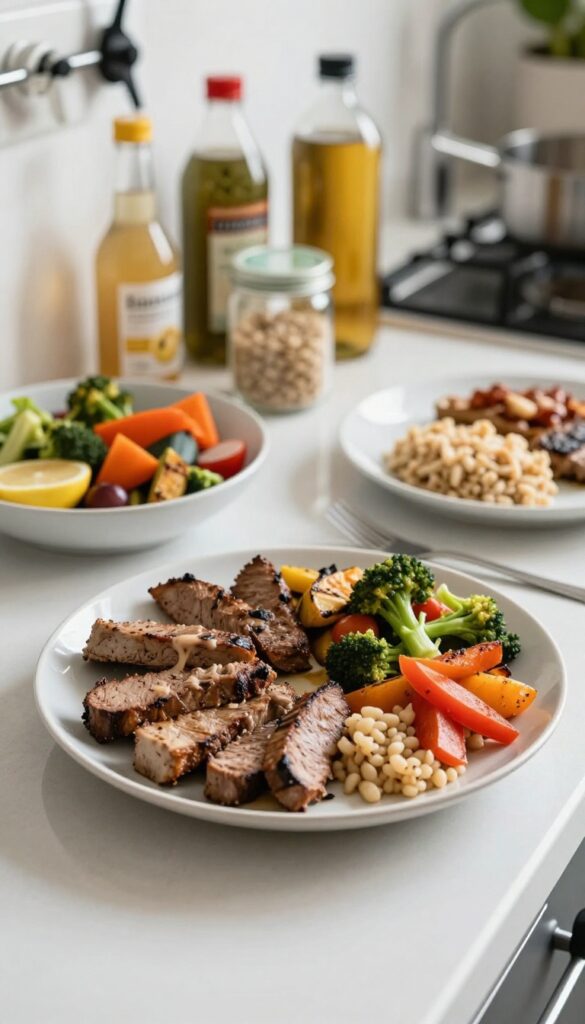
Your gut and skin are closely connected through the gut-skin axis. A healthy gut microbiome can help reduce systemic inflammation and support hormone balance, which may improve hormonal acne. Including probiotic and fermented foods in your diet is a practical way to nurture your gut bacteria.
Gut-Skin Connection
The gut microbiome influences immune function and inflammation. When your gut bacteria are out of balance, it can trigger a chain reaction that worsens acne. Probiotics help restore a healthy microbial balance, potentially reducing inflammatory markers and supporting the metabolism of hormones like estrogen.
While more research is needed, many people find that improving gut health leads to clearer skin.
Foods to Try
Incorporate these fermented and probiotic-rich foods into your routine. Choose unsweetened varieties to avoid added sugars that can spike insulin and aggravate acne.
- Yogurt: Plain, unsweetened yogurt (dairy or plant-based) with live active cultures. Greek yogurt is a great option for extra protein.
- Kefir: A fermented milk drink that’s rich in probiotics. Look for plain, low-sugar versions.
- Sauerkraut: Fermented cabbage packed with beneficial bacteria. Opt for unpasteurized sauerkraut (found in the refrigerated section) to get live probiotics.
- Kimchi: A spicy Korean side dish made from fermented vegetables, typically cabbage and radishes. It adds flavor and gut-friendly bacteria.
- Kombucha: A fizzy fermented tea. Choose brands with low sugar content.
- Miso: A fermented soybean paste used in soups and dressings. It’s rich in probiotics and adds umami flavor.
What to Watch For
Not all fermented foods are created equal. Some products are pasteurized after fermentation, which kills the beneficial bacteria. Always check labels for “live and active cultures” or “unpasteurized.” Also, introduce these foods gradually—some people experience bloating or digestive upset when increasing probiotics too quickly.
Listen to your body and adjust accordingly.
Healthy Fats and Antioxidants
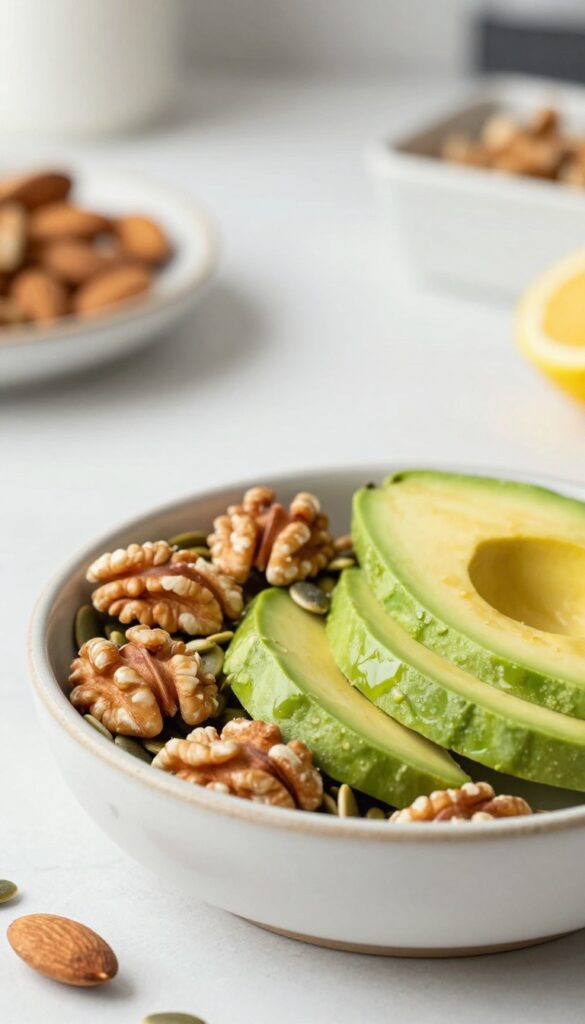
Healthy fats and antioxidants work together to support clear skin by reducing inflammation and protecting against oxidative damage. Including these nutrients in your daily diet can help stabilize hormone production and improve skin resilience.
Why They Support Skin Health
Healthy fats, particularly monounsaturated and polyunsaturated fats, are essential for hormone synthesis and balance. They also help maintain the skin's lipid barrier, keeping it hydrated and less prone to irritation. Antioxidants like vitamins C and E, beta-carotene, and flavonoids neutralize free radicals that can trigger inflammation and breakouts.
Together, these nutrients create a powerful anti-inflammatory environment that can reduce the severity and frequency of hormonal acne.
Examples to Include
Incorporate a variety of healthy fats and antioxidant-rich foods into your meals:
Putting It All Together: A Sample Day of Eating
Here’s what a day of eating might look like when you focus on the foods that support hormonal balance and skin health. This is just one example—feel free to mix and match based on your preferences and schedule.
Breakfast
- Scrambled eggs with spinach and a side of mixed berries
- A small handful of walnuts or a tablespoon of flaxseeds for extra omega-3s
Morning Snack
- A sliced apple with a tablespoon of almond butter
Lunch
- Mixed greens salad with grilled salmon, cherry tomatoes, cucumber, and a lemon-tahini dressing
- A side of quinoa or lentils for fiber and zinc
Afternoon Snack
- A small bowl of plain Greek yogurt (or coconut yogurt) topped with pumpkin seeds and a few dark chocolate shavings
Dinner
- Stir-fried tofu or chicken with broccoli, bell peppers, and bok choy, cooked in coconut aminos and ginger
- Served over a small portion of brown rice or cauliflower rice
Evening Option
- A cup of chamomile or green tea, and if you’re still hungry, a small handful of edamame or a few carrot sticks with hummus
FAQ
Can diet alone clear hormonal acne?
Diet can significantly support skin health, but it's rarely a standalone cure. Hormonal acne is influenced by genetics, hormones, and lifestyle factors. Eating more of the right foods can reduce inflammation and stabilize blood sugar, which may improve acne over time.
For best results, combine dietary changes with a consistent skincare routine and stress management.
How long does it take to see results from dietary changes?
It varies, but many people notice improvements within 4 to 12 weeks. Skin cell turnover and hormonal adjustments take time. Consistency is key, so stick with the changes and be patient.
Keep a food and skin diary to track your progress.
Should I avoid dairy or gluten for hormonal acne?
Some people find that dairy or gluten triggers their acne, but it's not universal. Instead of cutting them out entirely, try an elimination diet under guidance to see if they affect you. Focus on adding the beneficial foods first, and only remove potential triggers if you suspect a sensitivity.
Are supplements necessary?
Whole foods are the best source of nutrients. However, some people may benefit from supplements like zinc, omega-3s, or probiotics if they have deficiencies. Always consult a healthcare professional before starting supplements, as excess can be harmful.
Conclusion
Eating more of the right foods can be a gentle yet effective way to support your skin when dealing with hormonal acne. Focus on low-glycemic vegetables, omega-3 rich fish, zinc-packed seeds, probiotic foods, and healthy fats. These choices help reduce inflammation, balance hormones, and nourish your skin from within.
Remember, clear skin is a journey, not a quick fix. Combine these dietary habits with a good skincare routine, adequate sleep, and stress management for the best results. Be kind to yourself along the way, and celebrate the small improvements.

Dr. Pallab Kishore, MS in Orthodontics and owner of Orthodontic Braces Care, shares expert tips on braces, aligners, and oral health from 10+ years of experience.