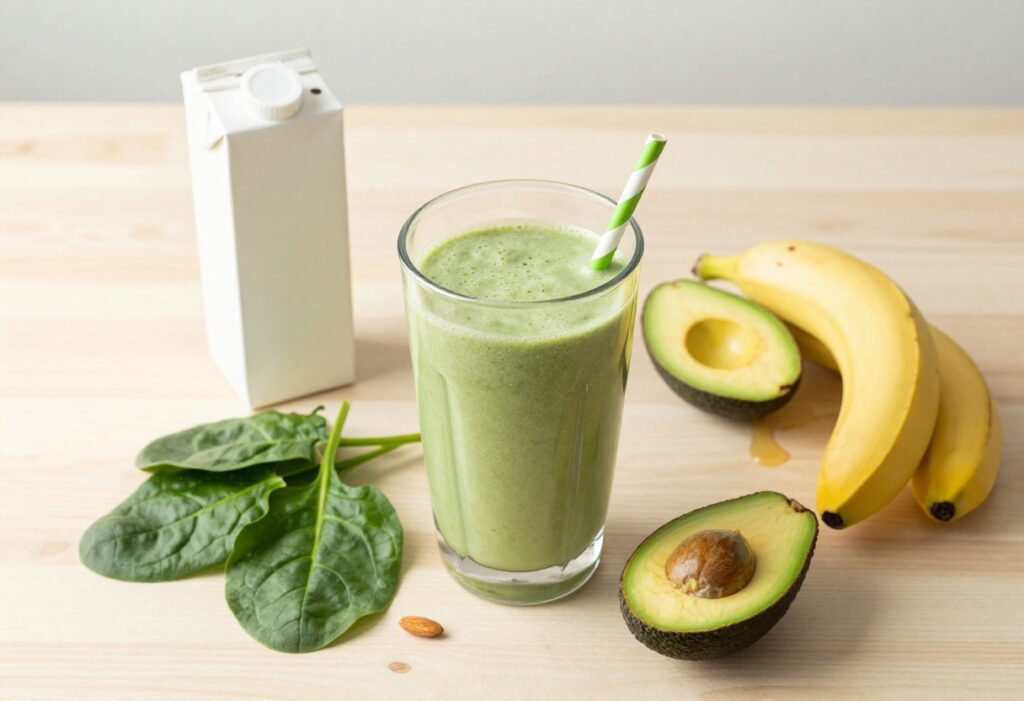
Meal planning can feel like a chore, especially when you're following a strict diet. Whether it's for medical reasons, ethical choices, or personal health goals, the pressure to get it right every time can be overwhelming.
But it doesn't have to be that way. With the right approach, meal planning becomes a tool that frees up mental energy, saves time, and helps you stay on track without the stress.
This guide is designed to help you build a meal planning system that works around your specific dietary restrictions. Instead of focusing on what you can't eat, we'll shift the focus to what you can eat—and how to make those foods work for you in a simple, repeatable way.
Why Meal Planning Feels Overwhelming (and How to Fix It

If you’re on a strict diet—whether it’s keto, paleo, low-FODMAP, or diabetic—meal planning can feel like a chore. You worry about making mistakes, running out of ideas, or spending hours in the kitchen. But it doesn’t have to be that way.
Let’s look at why it feels so heavy and how to flip the script.
The Emotional Burden of Dietary Restrictions
When you have to follow a strict diet, food choices can feel like a minefield. The fear of accidentally eating something off-limits, the pressure to get it right every time, and the constant mental energy spent on planning can leave you exhausted. You might feel isolated when friends grab pizza or frustrated when you can't find a quick, compliant meal.
This emotional weight is real—and acknowledging it is the first step toward relief.
Common Pain Points
- Limited options: You feel stuck eating the same few foods over and over.
- Fear of mistakes: One wrong ingredient can derail your progress or cause discomfort.
- Time pressure: Between work, family, and life, finding time to plan and prep seems impossible.
Reframing Planning as Empowerment
Instead of seeing meal planning as a restriction, think of it as a tool that gives you freedom. When you plan, you’re in control. You decide what goes on your plate, you ensure your meals meet your needs, and you reduce the daily decision fatigue that leads to burnout.
Shift your focus from what you can’t eat to all the delicious, nourishing foods you can enjoy. This small mindset change can transform planning from a burden into a creative, empowering act.
Step 1: Know Your Diet Inside and Out
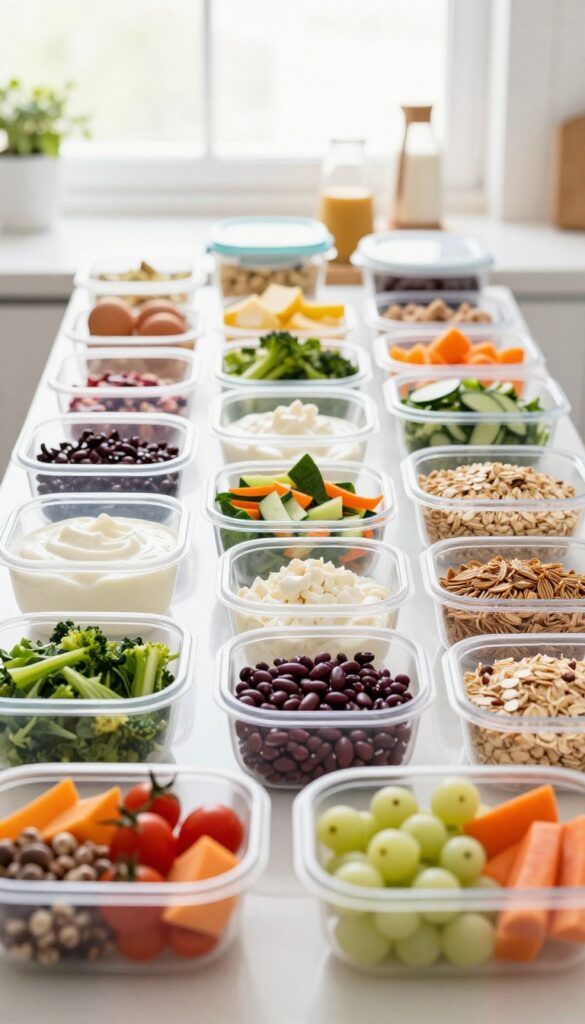
Before you plan a single meal, you need crystal-clear clarity on what your diet actually allows. Without that, you'll waste time second-guessing every ingredient. Let's make it simple.
Create Your Personal 'Allowed' List
Start by writing down every food you can eat freely. This includes whole foods like vegetables, proteins, and healthy fats that fit your diet's rules. Be specific: if you're on a low-FODMAP diet, list safe fruits and veggies; if keto, list low-carb options.
Keep this list somewhere handy—on your phone or a note card—so you can reference it when building meals.
Examples of allowed foods for common diets
- Keto: leafy greens, avocados, eggs, meat, fish, nuts, oils
- Paleo: vegetables, fruits, lean meat, fish, nuts, seeds (no grains or dairy)
- Low-FODMAP: spinach, carrots, bananas, chicken, rice, oats (in small amounts)
- Diabetic: non-starchy vegetables, lean protein, whole grains in controlled portions
Identify Your 'Sometimes' and 'Never' Foods
Next, clarify the gray areas. Some diets have flexible items—like a small portion of cheese on paleo or a limited amount of beans on low-FODMAP. Write those down as 'sometimes' foods with portion limits.
Also list absolute 'never' foods: for keto, that's sugar and starches; for paleo, it's dairy and grains. Being this specific eliminates guesswork when you're at the grocery store or reading a recipe.
Finally, understand your nutritional requirements. If your diet requires tracking macros (like keto), know your daily targets for fat, protein, and carbs. If it's about fiber (like low-FODMAP maintenance), know your goal.
This isn't about strict counting—it's about having a framework so your meals keep you satisfied and healthy.
Step 2: Build a Core Recipe Repertoire
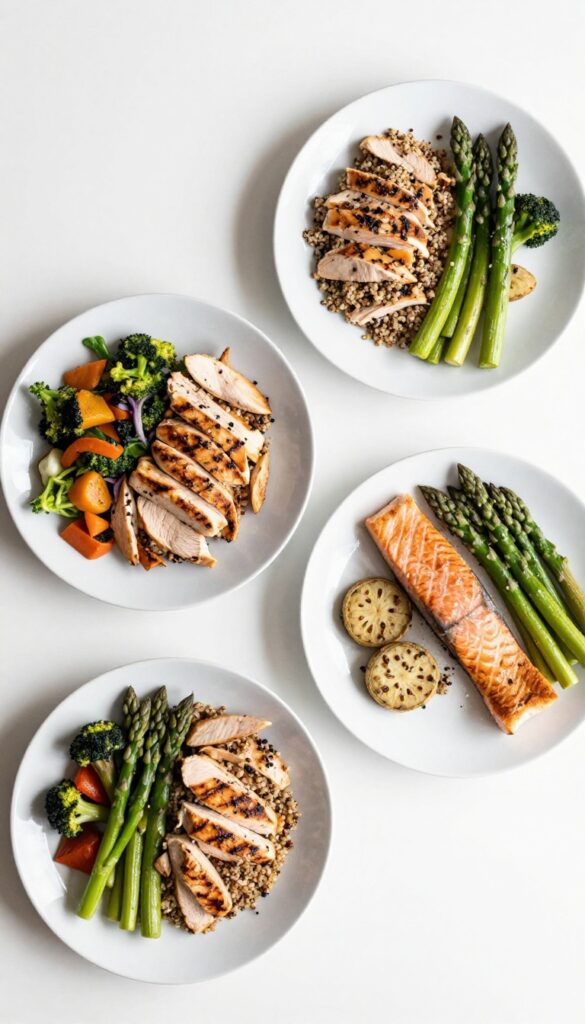
With your diet rules clear, it’s time to stock your mental menu with go-to meals that are easy, reliable, and compliant. A core repertoire of 5–7 recipes reduces decision fatigue and makes weekly planning almost automatic.
Start with 5–7 Go-To Meals
Choose recipes that you genuinely enjoy and that fit your diet without fuss. These should be meals you can prepare in 30 minutes or less, using ingredients you can find easily. Aim for variety in protein sources (chicken, fish, tofu, eggs) and vegetables to keep nutrients diverse.
For example, a low-FODMAP repertoire might include grilled chicken with roasted zucchini, a quinoa salad with bell peppers, and a salmon fillet with steamed carrots. Write down your top picks and keep the list handy.
Tips for selecting versatile recipes
- Pick recipes that share common ingredients (e.g., spinach, olive oil, lemon) to reduce waste.
- Include one or two ‘emergency’ meals that use pantry staples (canned tomatoes, rice, frozen veggies).
- Rotate proteins and seasonings to avoid flavor fatigue—try lemon-herb one week, cumin-lime the next.
Rotate and Remix Ingredients
Once you have your core recipes, start mixing and matching components. Cook a batch of grilled chicken breasts on Sunday, then use them in salads, wraps, or stir-fries throughout the week. Roast a tray of mixed vegetables (broccoli, bell peppers, sweet potatoes) and add them to different meals.
This “component cooking” saves time and keeps each meal feeling fresh without extra effort. Over time, you’ll naturally discover new combinations that work for your diet.
Step 3: Create a Weekly Template That Works
A weekly template is your meal planning shortcut. Instead of starting from scratch each week, you design a flexible framework that you can reuse and tweak. This reduces decision fatigue while keeping your diet on track.
Design Your Meal Pattern
Decide on your meal frequency and assign loose themes to each day. This gives structure without rigidity.
Use a Simple Grid or App
You don’t need a fancy system. A simple grid on paper, a whiteboard, or a free app like Trello or Google Sheets works perfectly. List days down the side and meal slots across the top.
Fill in your theme, then add specific recipes from your core repertoire. Keep it visible in your kitchen so you stay on track.
The key is flexibility within structure. If you planned salmon but the store was out, swap in another protein without guilt. The template is a guide, not a prison.
Over time, you’ll find a rhythm that makes meal planning feel automatic.
Step 4: Shop Smart and Prep Efficiently
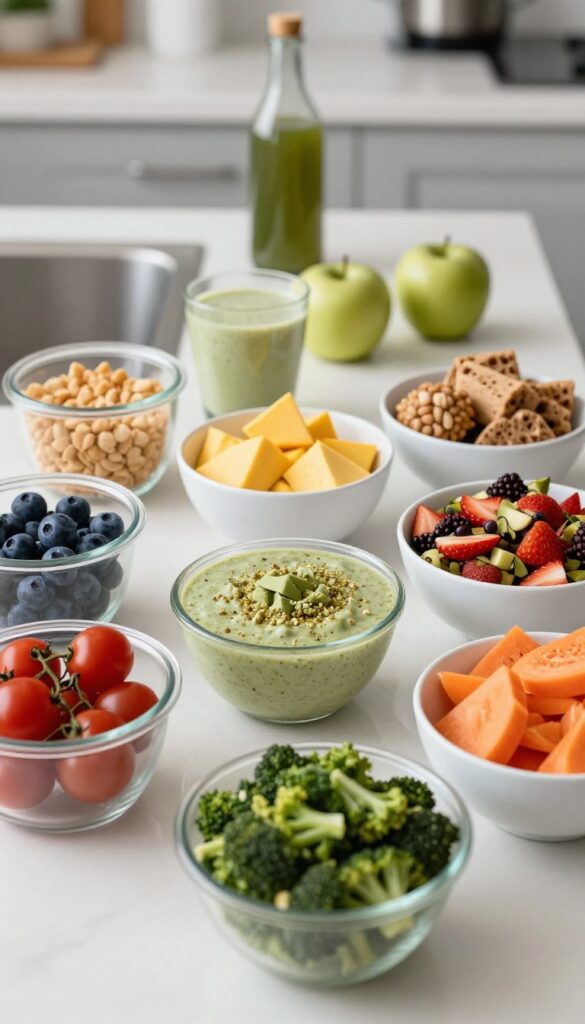
With your weekly template and recipe list in hand, it's time to translate that plan into groceries and prepped ingredients. Smart shopping and batch prepping are the two habits that turn a good meal plan into a stress-free reality.
Write a Master Shopping List
A master shopping list is your secret weapon against impulse buys and forgotten items. Organize it by store sections to streamline your trip and cut down on backtracking.
- Group items by department: produce, meat/seafood, dairy, pantry, frozen, and spices/condiments.
- List exact quantities based on your meal plan to avoid overbuying.
- Keep a running list on your phone or a magnetic notepad on the fridge so you can add staples as you run out.
- Check your pantry and fridge before you shop to avoid duplicates.
Batch Prep Basics
Set aside one block of time after shopping to prep ingredients for the week. This cuts daily cooking time in half and makes it easy to throw meals together.
- Wash and chop vegetables: store in airtight containers with a paper towel to absorb moisture.
- Cook grains (rice, quinoa) and proteins (grilled chicken, hard-boiled eggs) in bulk.
- Portion out snacks and pre-measured ingredients for recipes.
- Marinate meats or tofu so they're ready to cook.
- Label everything with the date and contents to avoid mystery containers.
Smart Storage Tips
Use clear containers so you can see what's inside. Keep prepped veggies in the front of the fridge and perishable proteins in the coldest part. Freeze anything you won't use within 3–4 days.
Step 5: Handle Cravings and Social Situations
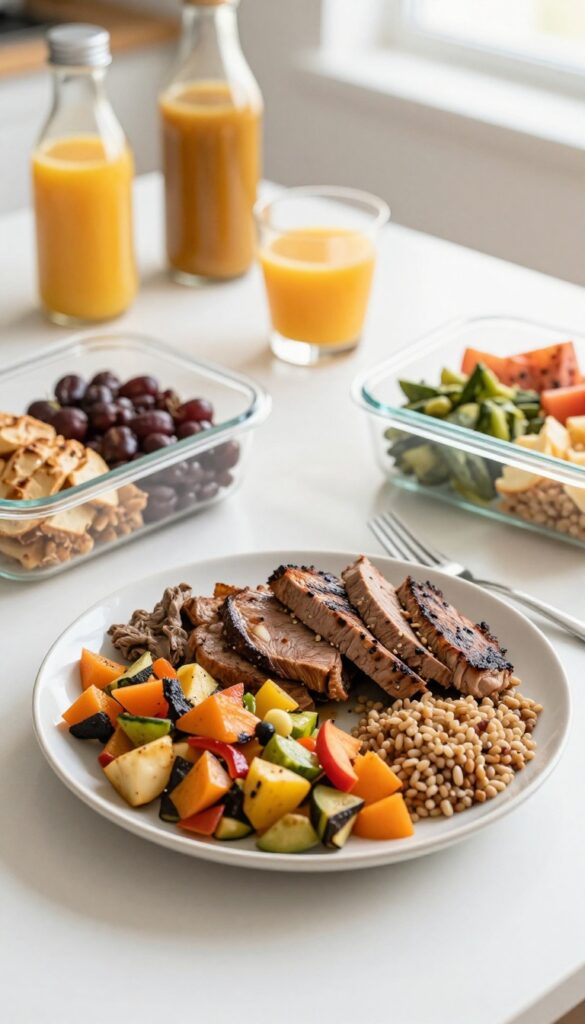
Even with a solid meal plan, cravings and social events can throw you off track. The key is to prepare for them in advance so they don't derail your progress. Here's how to stay on course without feeling deprived or awkward.
Plan for Cravings
Cravings are normal, especially when you're adapting to a new way of eating. Instead of fighting them, have a strategy ready.
- Identify your trigger times (e.g., mid-afternoon, after dinner) and have a compliant snack on hand, like a handful of nuts, a piece of fruit, or a diet‑friendly protein bar.
- Keep quick, satisfying options prepped: cut veggies with hummus, hard‑boiled eggs, or a small serving of dark chocolate.
- If a craving hits, drink a glass of water first—thirst can masquerade as hunger. Then wait 10 minutes before deciding.
- Allow yourself a small, planned treat that fits your diet (e.g., keto fat bombs, a low‑FODMAP cookie). Deprivation often backfires.
Navigate Eating Out and Gatherings
Social situations don't have to be stressful. A little preparation goes a long way.
- Check the restaurant menu online before you go. Look for dishes you can easily modify (e.g., grilled protein + steamed veggies, salad with dressing on the side).
- When attending a potluck or party, offer to bring a dish that fits your diet. That way you know there's at least one option you can enjoy.
- Politely communicate your needs. A simple, 'I'm following a specific eating plan for health reasons, so I need to avoid [ingredient]. Could you help me choose something that works?' is usually well received.
- Don't be afraid to ask for substitutions: swap fries for a side salad, ask for sauce on the side, or request no croutons.
- Eat a small compliant snack before you go so you're not starving and tempted by off‑plan options.
Remember
One off‑plan meal won't ruin your progress. Enjoy the company, get back on track at your next meal, and don't let guilt spiral into more off‑plan choices.
Step 6: Review and Adjust Weekly
The final step in your meal planning routine is to take a few minutes at the end of each week to reflect on what worked and what didn't. This isn't about perfection—it's about continuous improvement. By making small tweaks each week, you'll build a system that truly fits your life and your strict diet.
Start by asking yourself a few simple questions: Did you enjoy the meals? Did you feel satisfied? Did you have enough energy?
Were there any recipes that fell flat or took too long to prepare? Jot down your thoughts in a notebook or a notes app—just a few sentences will do.
Adjustments to Consider
- Swap out a recipe that didn't work for one that you're excited to try.
- Adjust portion sizes if you were consistently hungry or overly full.
- Move a time-consuming prep task to a different day or batch it with other chores.
- If you struggled with cravings, plan a satisfying treat that fits your diet.
- If you ate out unexpectedly, add a simple backup meal to your next week's plan.
Celebrate your small wins. Did you stick to your plan for five days? Try a new vegetable?
Resist a tempting non-compliant food? Acknowledge those victories—they build momentum and confidence. Over time, these weekly reviews will help you refine your approach, reduce stress, and make meal planning a sustainable habit.
FAQ
How do I avoid getting bored with the same meals?
Rotate your core recipes every week, and experiment with different spices, herbs, and cooking methods to change the flavor profile. You can also swap proteins or vegetables within your allowed list to keep things interesting without reinventing the wheel.
Is meal planning with a strict diet more expensive?
It can be, but planning helps reduce food waste and impulse buys. Focus on seasonal produce, buy in bulk for staples, and use versatile ingredients across multiple meals to keep costs down. Batch cooking and freezing portions also saves money in the long run.
How much time should I set aside for meal prep?
Start with 1–2 hours per week. As you get comfortable, you may find that 30–60 minutes is enough to prep ingredients and plan your week. The key is consistency, not perfection.
Can I still eat out or travel with a strict diet?
Absolutely. Research restaurant menus in advance, call ahead to ask about modifications, and always carry compliant snacks. When traveling, pack shelf-stable staples like nuts or protein bars.
Many places are accommodating if you communicate clearly.
What if I slip up or eat something off-plan?
Slip-ups are normal and not a failure. Acknowledge it, learn what triggered it, and get back on track with your next meal. The goal is progress, not perfection.
Use it as data to adjust your plan for next time.
Conclusion
Meal planning with a strict diet doesn't have to be a source of stress. By building a system that works for you—starting with a clear understanding of your diet, a core set of recipes, and a flexible weekly template—you can take the guesswork out of eating well.
The key is to start small, be kind to yourself, and adjust as you go. Remember, the goal is not to create a perfect plan, but a sustainable one that supports your health and fits your life.

Dr. Pallab Kishore, MS in Orthodontics and owner of Orthodontic Braces Care, shares expert tips on braces, aligners, and oral health from 10+ years of experience.