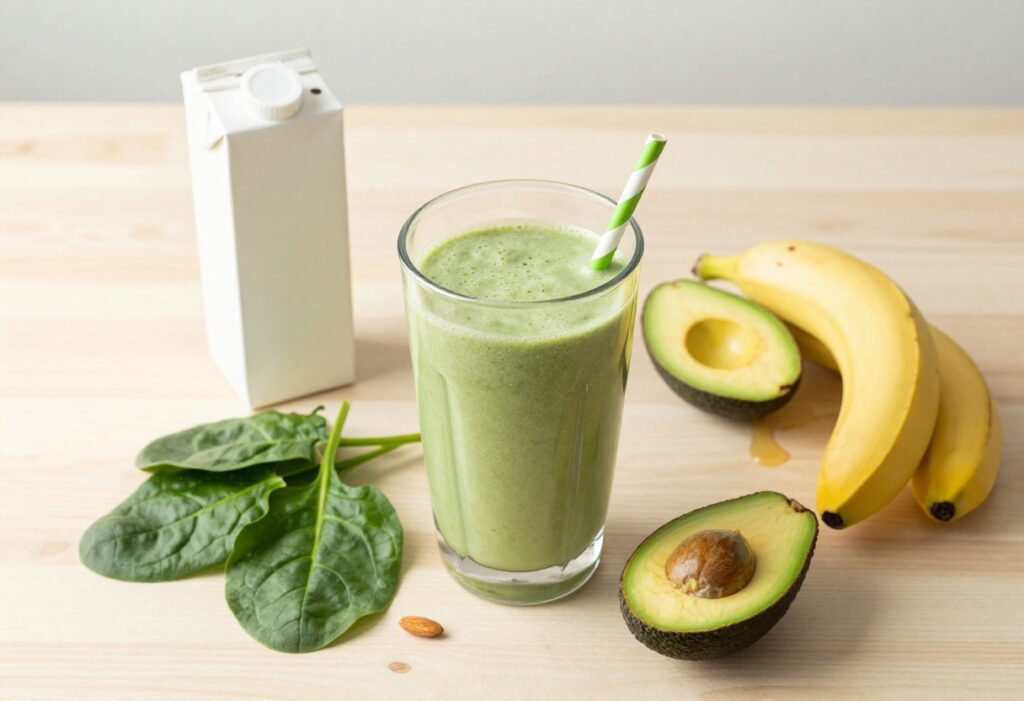
Balancing your own health goals with the needs of a hungry family can feel like an impossible puzzle. You want to eat lighter and feel better in your body, but the kids want their familiar favorites, and the last thing you need is more stress at dinner time.
The good news is that you don't have to cook separate meals or follow a restrictive diet to see progress. A slim body diet plan doesn't mean deprivation or bland food.
It means making smart, sustainable choices that work for everyone at the table. By focusing on whole ingredients, balanced portions, and a few clever swaps, you can create meals that support your goals while still satisfying your family's tastes.
Why Family Meals and Slim Body Goals Can Work Together
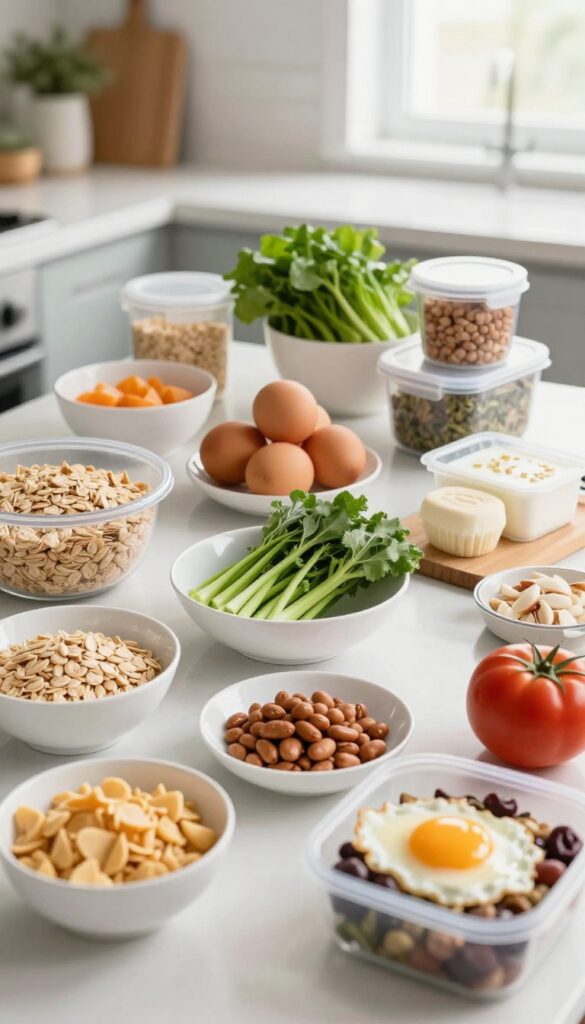
Many parents assume that pursuing a slimmer body means cooking separate meals for themselves and their families. But the truth is, family meals and personal health goals don't have to be at odds. In fact, when done right, they can support each other beautifully.
Shared meals are more than just fuel—they're a time for connection, conversation, and building healthy habits together. By making small, balanced adjustments to the way you cook for everyone, you can create meals that help you feel your best while still nourishing growing children. The key is to focus on balance, not restriction.
Kids need adequate calories, healthy fats, and a variety of nutrients for proper growth and development. A slim body diet plan for adults shouldn't mean cutting out these essentials for children. Instead, it's about building meals around whole foods—lean proteins, vegetables, fruits, and whole grains—and letting portion sizes vary based on individual needs.
For example, you might serve a hearty salad with grilled chicken for yourself while offering your child the same chicken with a side of whole-grain pasta and extra veggies.
This approach removes the pressure of preparing two separate dinners and helps everyone eat more mindfully. It also teaches children that healthy eating isn't about deprivation—it's about enjoying a variety of foods in sensible amounts. By modeling balanced choices at the table, you're setting your family up for a lifetime of positive eating habits, all while working toward your own wellness goals.
The Core Principle: Build a Better Plate for Everyone
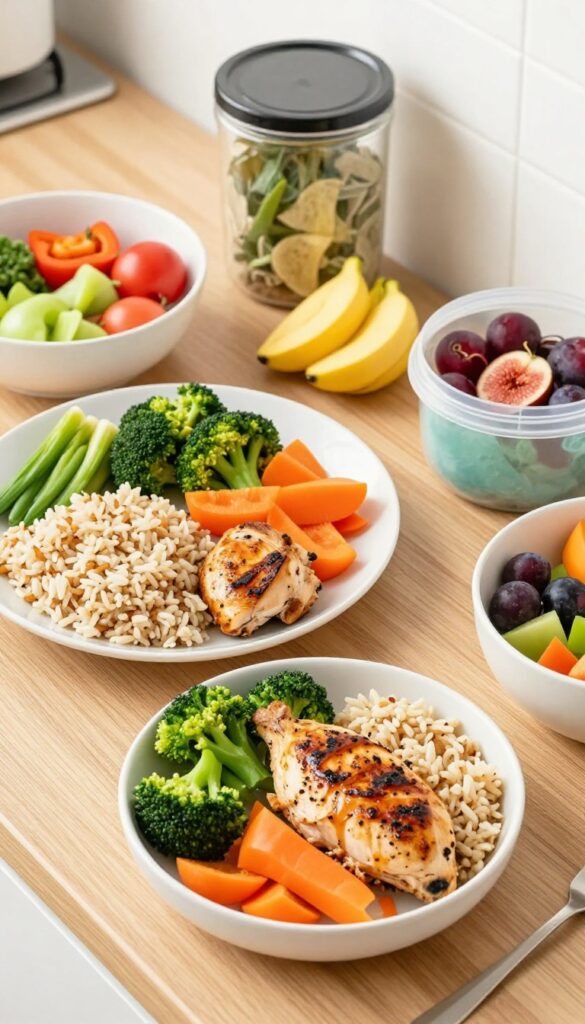
The foundation of a family-friendly slim body diet plan is not about restriction—it's about proportion. You don't need to cook separate meals for yourself and your kids. Instead, learn to build a balanced plate that works for everyone, with simple adjustments for different ages and activity levels.
The Plate Method Simplified
Visualize your plate divided into sections. This method takes the guesswork out of portion control and ensures a nutrient-dense meal without counting a single calorie.
- Fill half your plate with vegetables and fruit. Go for a variety of colors—leafy greens, bell peppers, berries, or carrots.
- Reserve one quarter for lean protein: chicken breast, fish, tofu, beans, or eggs.
- Use the remaining quarter for whole grains like quinoa, brown rice, or whole-wheat pasta.
- Add a small amount of healthy fat—think avocado slices, a drizzle of olive oil, or a sprinkle of nuts.
Adjusting Portions for Different Ages and Goals
The plate method is flexible. For younger children, reduce the protein and grain portions slightly and increase the vegetables if they'll eat them. Active teens may need a larger grain portion.
For adults aiming for weight loss, keep the vegetable half generous and the fat serving modest. The key is to let the plate be a guide, not a strict rule.
Smart Swaps That Please Everyone
You don’t need to cook separate meals to support a slim body diet plan for yourself. Simple ingredient swaps can cut calories and boost nutrition while keeping the flavors your family loves.
Swap Ingredients, Not Meals
The easiest way to lighten up family dinners is to replace high-calorie ingredients with lighter alternatives that taste just as good. Here are seven swaps that work without anyone noticing:
- Greek yogurt for sour cream or mayonnaise – use plain, full-fat Greek yogurt for creaminess with extra protein.
- Whole wheat pasta or legume-based pasta for white pasta – it adds fiber and keeps everyone full longer.
- Cauliflower rice or grated cauliflower for white rice – mix half cauliflower rice with half regular rice for an easy transition.
- Baking or air-frying instead of deep-frying – crispy results with a fraction of the oil.
- Lean ground turkey or chicken for ground beef – especially in tacos, spaghetti sauce, or meatballs.
- Avocado or hummus for butter or margarine on sandwiches and wraps – healthy fats and creamy texture.
- Zucchini noodles or spaghetti squash for half the pasta in dishes like spaghetti and meatballs.
Flavor Boosts Without Extra Calories
Kids and adults alike love bold flavors. Instead of relying on butter, cheese, or creamy sauces, try these zero‑calorie flavor boosters:
- Fresh herbs like basil, cilantro, and parsley add brightness to any dish.
- Spices such as cumin, smoked paprika, garlic powder, and chili powder create depth without salt or fat.
- Citrus juice or zest (lemon, lime, orange) brightens flavors and reduces the need for salt.
- A splash of vinegar (balsamic, apple cider, red wine) or a squeeze of lemon at the end of cooking wakes up flavors.
- Roasting vegetables brings out natural sweetness – try roasting broccoli, carrots, or bell peppers instead of steaming.
Weekly Meal Planning: A Family-Friendly Template
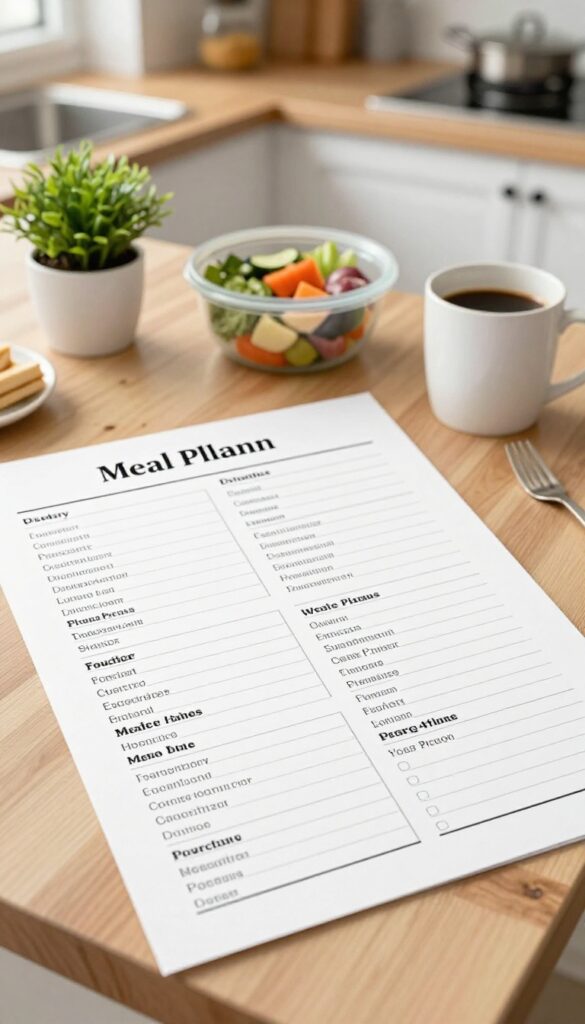
A little planning goes a long way in keeping your slim body diet on track while feeding the whole family. This 5-day sample menu balances nutrition, variety, and simplicity—no separate meals required.
Sample Week at a Glance
| Day | Breakfast | Lunch | Snack | Dinner |
| Monday | Greek yogurt with berries and a sprinkle of granola | Turkey and avocado wrap with mixed greens | Apple slices with peanut butter | Sheet pan lemon herb chicken with roasted broccoli and sweet potatoes |
| Tuesday | Scrambled eggs with spinach and whole wheat toast | Leftover chicken salad on a bed of greens | Baby carrots with hummus | Beef and vegetable stir-fry with brown rice |
| Wednesday | Overnight oats with chia seeds and banana | Black bean and corn salad with tortilla chips | Cottage cheese with pineapple | Spaghetti with turkey meatballs and a side salad |
| Thursday | Smoothie with spinach, mango, and Greek yogurt | Tuna salad stuffed in a bell pepper | Handful of almonds | Baked salmon with quinoa and roasted asparagus |
| Friday | Whole grain pancakes with fresh fruit | Build-your-own wrap bar with lean proteins and veggies | Yogurt with a drizzle of honey | Homemade veggie and chicken pizza on whole wheat crust |
Prep Tips to Save Time
- Wash and chop veggies for the week right after grocery shopping.
- Cook a double batch of quinoa or brown rice to use in multiple meals.
- Marinate chicken or fish on Sunday for quick weeknight dinners.
- Portion snacks into grab-and-go containers for busy days.
- Get the family involved: assign simple tasks like setting the table or washing produce.
Family Dinner Favorites Made Lighter
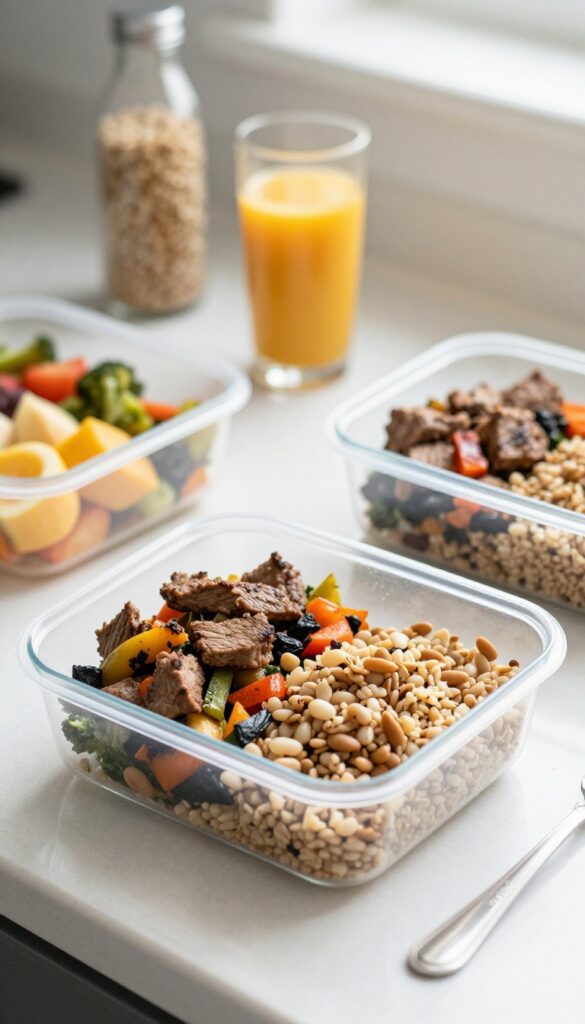
You don't have to give up your family's favorite dinners to eat lighter. With a few smart tweaks, you can keep the flavors everyone loves while cutting calories and boosting nutrition. Here are three classic meals made healthier—without anyone feeling deprived.
Taco Night with a Twist
Healthy Mac and Cheese
Sheet Pan Chicken and Veggies
Snack Time: Healthy Options for Hungry Families
Snacks can be a great way to keep energy up and hunger at bay between meals. The key is choosing options that are satisfying and nutrient-rich without derailing your slim body goals. Here are six family-friendly snack ideas, plus portion guidance for adults and kids.
Healthy Snack Ideas
- Fruit and veggie platters with hummus or yogurt dip – slice apples, carrots, bell peppers, and cucumbers for a colorful, crunchy snack.
- Yogurt parfaits – layer plain Greek yogurt with fresh berries and a sprinkle of granola or chopped nuts.
- Homemade trail mix – combine unsalted nuts, seeds, dried fruit (no added sugar), and a few dark chocolate chips.
- Air-popped popcorn – a whole-grain snack that's low in calories; season with herbs or a light dusting of Parmesan.
- Rice cakes with avocado or nut butter – top with sliced banana or cherry tomatoes for extra flavor.
- Hard-boiled eggs with a pinch of salt and pepper – a protein-packed snack that keeps everyone full longer.
Portion Guidance for Adults vs. Kids
Adults: aim for snacks around 150–200 calories. For example, 1/4 cup trail mix, one hard-boiled egg with an apple, or 2 cups air-popped popcorn. Kids: adjust portions to their age and appetite.
A good rule is about half the adult portion for younger children (ages 4–8) and three-quarters for older kids (9–13). Let their hunger cues guide you—offer the snack and let them decide how much to eat.
Eating Out and Special Occasions
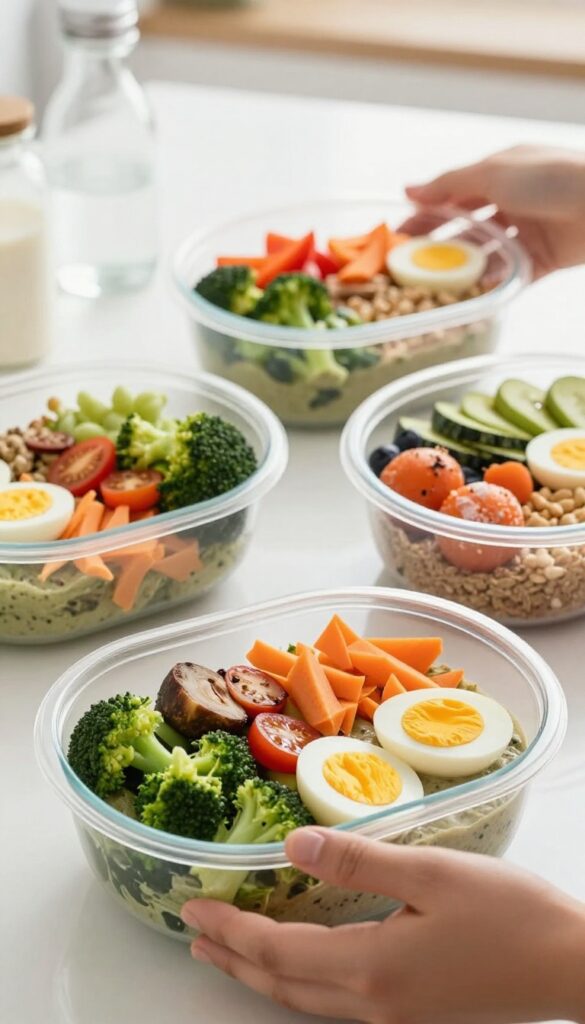
Eating out or celebrating special occasions doesn't have to derail your family's healthy eating habits. With a few practical strategies, you can enjoy restaurant meals and parties while staying on track with your slim body goals.
Restaurant Strategies
- Scan the menu for grilled, baked, or steamed options instead of fried or breaded dishes.
- Ask for sauces, dressings, and gravies on the side so you can control how much you use.
- Start with a broth-based soup or a side salad to fill up on veggies before the main course.
- Share an entrée or box up half your meal right away to avoid oversized portions.
- Drink water or unsweetened iced tea instead of sugary sodas or juices.
Party and Holiday Tips
- Fill your plate with vegetables and lean proteins first, then add smaller portions of indulgent foods.
- Don't deprive yourself—choose one or two treats you really love and skip the rest.
- Bring a healthy dish to share, so you know there's at least one option that fits your plan.
- Eat a small, balanced snack before heading out to avoid arriving overly hungry.
- Focus on socializing and enjoying the company rather than hovering around the food table.
Involving Kids in Healthy Eating
Getting your kids on board with healthy eating doesn't have to be a battle. When children feel involved and empowered, they're more likely to try new foods and develop lasting healthy habits. Here are practical ways to make healthy eating a family affair.
Cooking Together
- Let kids choose vegetables at the store or farmers market. Giving them ownership over one or two produce picks increases their willingness to taste them.
- Assign age-appropriate tasks: toddlers can wash produce, preschoolers can tear lettuce, older kids can measure ingredients or stir sauces.
- Create fun names for dishes, like "Superhero Salad" or "Dinosaur Broccoli Trees." A playful name can turn a skeptical eater into an adventurous one.
Making Healthy Fun
- Grow herbs together on a windowsill. Kids love snipping their own basil or mint to add to meals.
- Use cookie cutters to shape fruits, vegetables, or whole-grain sandwiches into stars, hearts, or animals.
- Create a colorful plate challenge: see who can make the most colorful meal using different veggies.
Handling Picky Eaters
When dealing with picky eaters, avoid force-feeding or using food as a reward or punishment. Instead, offer a variety of options without pressure. Keep serving new foods alongside familiar favorites, and let your child decide what and how much to eat.
It often takes multiple exposures before a child accepts a new food, so patience and consistency are key.
FAQ
Can I follow a slim body diet plan while still cooking for my family?
Absolutely. The key is to build meals around a balanced plate: half vegetables, a quarter lean protein, and a quarter whole grains. This works for everyone.
You can adjust portion sizes for different family members—kids may need larger portions of grains and healthy fats for growth. Focus on cooking whole foods and let the plate method guide portions.
How do I handle a picky eater who refuses vegetables?
Start by involving them in meal prep—letting them choose a vegetable at the store or wash and chop it. Offer vegetables in different forms, like roasted with a little cheese, blended into sauces, or as fun shapes. Don't force or pressure; simply keep offering without fuss.
Often, repeated exposure helps.
What are the best snacks for weight loss that kids will also eat?
Great options include apple slices with peanut butter, Greek yogurt with berries, veggie sticks with hummus, air-popped popcorn, and homemade trail mix with nuts and a few dark chocolate chips. These are nutrient-dense and satisfying for both adults and kids.
How can I avoid cooking two separate meals every night?
Cook one base meal and customize with add-ons. For example, make taco bowls with seasoned meat, beans, rice, and toppings. Adults can load up on veggies and salsa, while kids add cheese and sour cream.
Or make a stir-fry with protein and veggies, serve over rice, and let everyone choose their sauce.
Is it safe for children to eat lower-calorie meals?
Children need adequate calories for growth and development, so they should not be on a calorie-restricted diet. However, they can eat the same healthy meals as you, with appropriate portion sizes and perhaps extra healthy fats or carbs. Focus on nutrient density rather than calorie counting for kids.
Conclusion
Creating a family-friendly menu that supports your slim body diet plan is not about drastic changes or separate meals. It's about making small, consistent shifts—like adding more vegetables, choosing whole grains, and involving your family in the process. These changes add up over time, helping you feel better in your body without sacrificing the joy of shared meals.
Remember, the goal is progress, not perfection. Start with one or two swaps this week, and build from there.

Dr. Pallab Kishore, MS in Orthodontics and owner of Orthodontic Braces Care, shares expert tips on braces, aligners, and oral health from 10+ years of experience.