
Rough elbows, dry feet, and that stubborn patch on your knee—these problem areas don't have to be part of your story. A few targeted habits can turn your skin from meh to marvelously smooth without turning your bathroom into a lab. No need for a 12-step routine; these 15 ideas focus on practical tweaks that deliver real softness.
From pre-shower oil massages to overnight sock treatments, each tip tackles a specific issue. You'll find gentle exfoliation, clever moisturizing tricks, and soothing baths that work with your skin, not against it.
Ready to touch and be touched? Let's get into it.
1. Pre-Shower Body Oil Massage
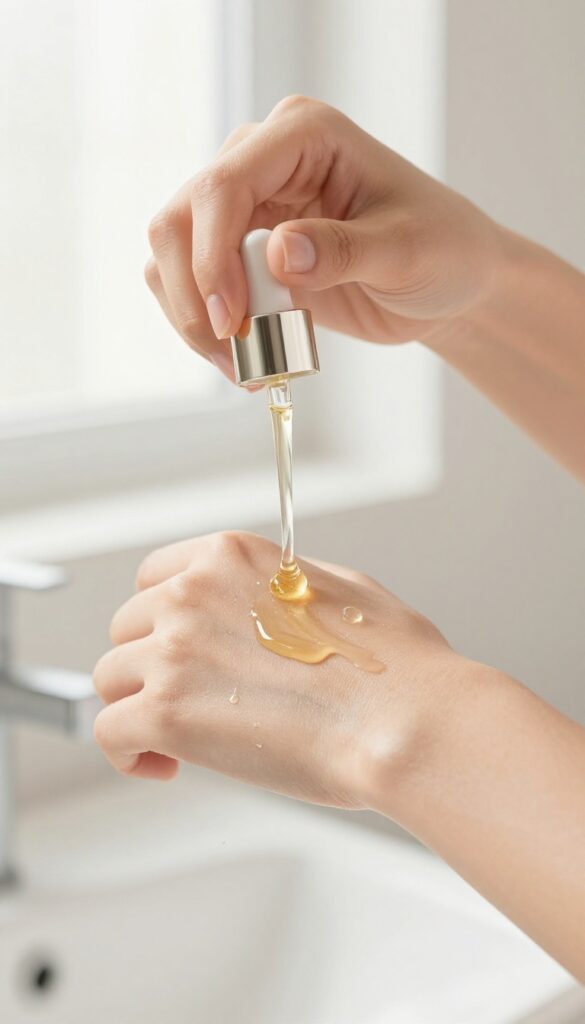
Start your shower routine before the water even runs. A pre-shower body oil massage preps your skin for maximum moisture absorption. By working a lightweight oil into dry skin, you break down surface grime and create a protective layer that locks in hydration as you rinse.
The result? Softer, smoother skin without the stripping effects of soap alone.
This simple step takes just a few minutes but makes a noticeable difference. Choose an oil that absorbs quickly, like jojoba or grapeseed, so you don't feel greasy when you step into the shower. Massage it in circular motions, focusing on dry areas like elbows, knees, and heels.
Then shower as usual—the oil will rinse off partially, leaving behind a subtle moisture barrier.
Why Oil Before Water?
Oil dissolves oil-based dirt and sunscreen more effectively than water-based cleansers. When you add water, the oil emulsifies and rinses away impurities without stripping your skin's natural lipids. This method also pre-softens dead skin cells, making exfoliation more effective later.
Best Oils For The Job
Lightweight oils work best: jojoba mimics skin's sebum, grapeseed is non-comedogenic, and almond oil is rich in vitamin E. Avoid heavy oils like coconut if you're prone to breakouts. Apply about a tablespoon for your whole body.
How To Make It A Habit
Keep your chosen oil in the shower caddy so you see it every day. Start with once or twice a week, then increase as your skin adjusts. Pair it with a gentle body wash for best results.
2. Lukewarm Rinse Only
Hot water might feel great on a chilly morning, but your skin pays the price. Those long, steamy showers strip away the natural oils that keep your skin barrier healthy and hydrated. The result?
Dry, tight, and sometimes itchy skin that no lotion can fully fix. Switching to lukewarm water is a simple swap that makes a huge difference in how your skin feels after every wash.
Keep your shower or bath water warm, not hot. Aim for a temperature that feels comfortable but doesn't leave your skin red or tingling. Limit your time under the water to about 10 minutes—any longer and you're just leaching moisture.
Pat dry with a towel instead of rubbing, then apply moisturizer while your skin is still slightly damp to lock in hydration. Your skin will thank you with a softer, smoother feel.
Why Hot Water Hurts
Hot water dissolves the lipid barrier on your skin's surface, which acts like a protective seal. Once that barrier is compromised, moisture escapes and irritants get in. Over time, this leads to chronic dryness and even conditions like eczema flare-ups.
Lukewarm water cleans just as effectively without the damage.
How To Make The Switch
Start by turning down the thermostat on your water heater a few degrees. If that's not an option, simply mix in more cold water until the stream feels neutral. Use a timer or your phone to keep showers under 10 minutes.
You can also install a low-flow showerhead to reduce water pressure and make the experience feel less harsh.
The Best Post-rinse Routine
After your lukewarm rinse, gently blot your skin with a soft towel—no rubbing. Within three minutes, apply a fragrance-free moisturizer or body oil to seal in the remaining moisture. For extra softness, use a leave-on cream with ceramides or hyaluronic acid.
This routine helps rebuild your skin barrier over time.
3. Gentle Enzyme Exfoliation
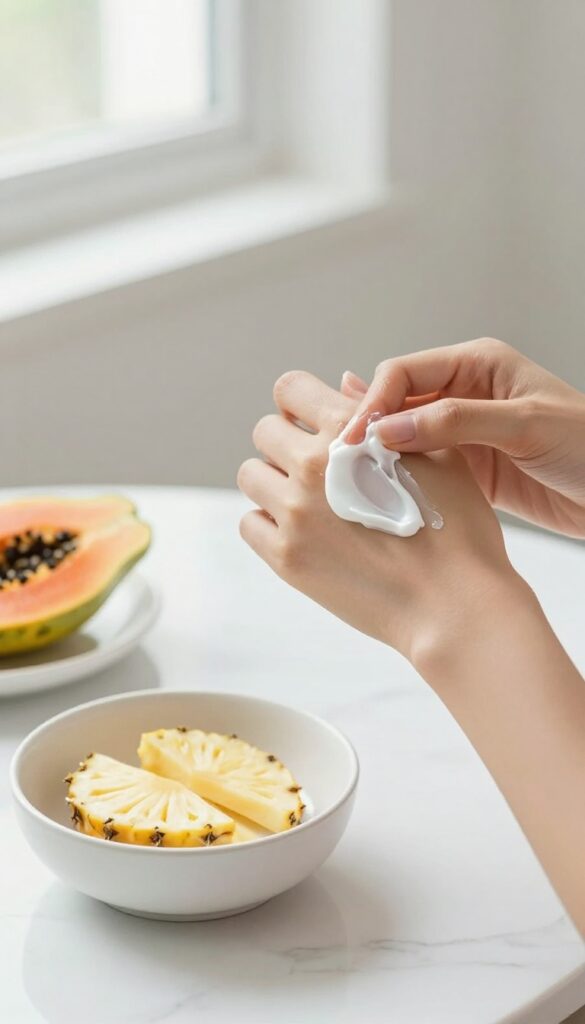
Scrubbing hard can actually make rough skin worse by causing micro-tears. Enzyme exfoliation offers a smarter way: fruit enzymes like papain (from papaya) and bromelain (from pineapple) digest dead skin cells without any abrasive friction. The result is smoothness without redness or irritation.
Enzyme masks are especially good for areas like elbows, knees, and feet where skin tends to be thicker. They work by breaking down the keratin protein that holds dead cells together, so they slough off naturally. Unlike physical scrubs, enzymes don't require rubbing—just apply, wait, and rinse.
How Enzymes Work On Skin
Enzymes are like tiny scissors that cut the bonds between dead skin cells. Papain and bromelain are the most common, but you'll also find pumpkin and pomegranate enzymes. They're gentle enough for sensitive skin and can be used weekly.
Best Way To Use An Enzyme Mask
Start with clean, dry skin. Apply a thin layer to rough spots and leave on for 5–10 minutes (check the label). You might feel a mild tingling—that's normal.
Rinse with lukewarm water and pat dry. Follow with a moisturizer to lock in the fresh layer.
Diy Vs. Store-bought
You can mash fresh papaya or pineapple and apply directly, but store-bought masks are formulated for stability and pH balance. If you go DIY, test a small area first because fresh fruit can be potent. Either way, don't exceed 10 minutes.
4. Layering Hydrating Toner
You might think toner is just for removing leftover makeup, but a good hydrating toner can be a game-changer for smoothness. The trick is to apply it right after your shower, while your skin is still slightly damp. This simple step adds a moisture boost that preps your skin for the next products.
After showering, pat on a glycerin-based toner before lotion. This adds a thin layer of hydration that helps your moisturizer absorb better and last longer.
Why Glycerin Works
Glycerin is a humectant, which means it pulls water into the outer layer of your skin. Unlike alcohol-based toners that can strip moisture, glycerin-based ones lock in hydration without irritation.
How To Apply For Best Results
Don't use a cotton pad—it wastes product. Instead, pour a few drops into your palms and press gently onto your face and neck. Focus on areas that feel tight or dry.
Pairing With Your Moisturizer
While your skin is still slightly tacky from the toner, apply your regular lotion or cream. The toner creates a hydrated base, so your moisturizer spreads more easily and stays effective longer.
5. Overnight Sock Treatment for Feet
Your feet work hard all day, and they often show it with rough heels and cracked skin. An overnight sock treatment is one of the easiest ways to wake up with noticeably softer feet. The key is using a rich cream and letting it work while you sleep.
Why Urea Cream Works
Urea is a humectant that draws moisture into the skin and gently exfoliates dead cells. A 10% to 20% urea cream is ideal for thick calluses. It softens the hard layers without irritation, making it perfect for overnight use.
The Sock Trick
After applying a generous layer of cream, pull on a pair of clean cotton socks. The socks trap heat and moisture, boosting absorption. By morning, your feet will feel smoother and look healthier.
Extra Tips For Best Results
Soak your feet in warm water for 10 minutes before applying the cream to open pores. Use a pumice stone gently to remove loose dead skin. Repeat nightly for a week, then maintain once or twice a week.
6. Silicone Scrubber for Elbows and Knees
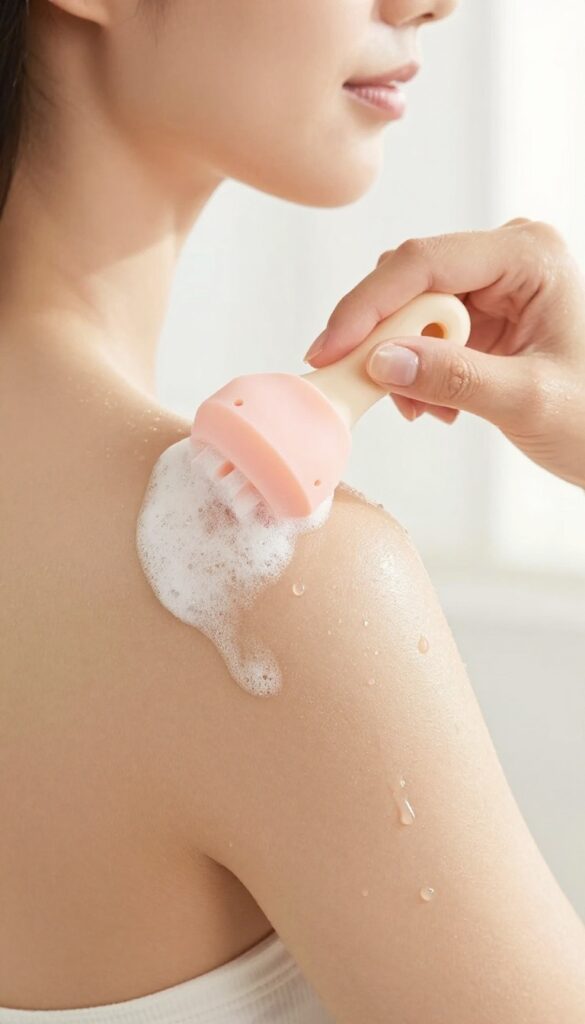
Elbows and knees have thicker skin that tends to get rough and ashy. A soft silicone scrubber is the perfect tool to gently buff away dead cells without causing irritation. It's like a mini spa treatment in your daily shower.
Why Silicone Works Best
Unlike loofahs or rough scrubs, silicone bristles are flexible and non-porous. They provide just enough friction to exfoliate without scratching. Plus, they dry quickly, so bacteria don't build up.
How To Use It Right
Apply your regular body wash to the scrubber and work up a lather. Focus on elbows and knees using small circular motions for about 30 seconds per area. Rinse and pat dry—don't rub.
Follow Up With Moisture
After exfoliating, these areas are primed to absorb lotion. Use a thick cream or balm right after drying to lock in softness. Do this 2-3 times a week for best results.
7. Post-Wash Aloe Vera Gel
Aloe vera is one of those multi-taskers that belongs in every bathroom. Applied right after you pat dry, it locks in moisture without that heavy, greasy feeling. Your skin drinks it up, and any post-shower redness or irritation calms down almost instantly.
Pure aloe vera gel is a lightweight hydrator that works especially well for sensitive or easily irritated skin. It contains vitamins, enzymes, and antioxidants that soothe and repair. Using it on damp skin helps seal in water, giving you a plump, smooth base for your regular moisturizer.
Why Damp Skin Matters
Applying aloe vera to damp skin allows it to absorb better. The water helps the gel spread evenly and penetrate deeper, so you get more hydration with less product. It's a simple trick that makes a big difference in how soft your skin feels.
How To Choose The Right Aloe
Look for 100% pure aloe vera gel with no added alcohol, fragrances, or dyes. The fewer ingredients, the better. If you have an aloe plant at home, even better—just cut a leaf, scoop out the gel, and apply it directly.
Layer It Right
After applying aloe vera, wait a minute or two for it to partially dry, then follow with your regular body lotion or cream. This two-step method locks in the aloe's benefits while adding an extra layer of moisture. Your skin will stay soft and smooth for hours.
8. Humidifier in Bedroom

Your skin loses moisture while you sleep, especially when the air is dry. A humidifier adds moisture back into the air, keeping your skin hydrated and comfortable overnight. Aim for 50-60% humidity to prevent flakiness and itchiness.
Dry air can suck the moisture right out of your skin, leaving it feeling tight and rough. Running a humidifier in your bedroom while you sleep helps maintain optimal humidity levels, which supports your skin's natural barrier. This simple addition can make a noticeable difference in how soft your skin feels in the morning.
Choose The Right Humidifier
Look for a cool-mist humidifier with a built-in hygrometer to monitor humidity levels. Ultrasonic models are quiet and energy-efficient, perfect for overnight use. Clean it weekly to prevent mold and bacteria buildup.
Placement And Maintenance Tips
Position the humidifier on a nightstand or dresser, at least a few feet away from your bed. Use distilled or filtered water to minimize white dust. Empty and dry the tank daily to keep it fresh.
Combine With Nighttime Routine
For best results, apply a rich moisturizer right before bed. The humidifier will help lock in that hydration, so you wake up with plumper, softer skin. Pair it with a silk pillowcase to reduce friction.
9. Weekly Lactic Acid Body Lotion
Once a week, swap your usual body lotion for one with 5-10% lactic acid. It's like giving your skin a gentle exfoliation and a big drink of water at the same time. Lactic acid loosens dead skin cells while hydrating, so rough patches on arms and legs soften without irritation.
Lactic acid is a gentle alpha hydroxy acid that works on the surface of your skin. It's perfect for body care because it doesn't sting or cause redness like stronger acids might. The key is to use it just once a week and always follow with a rich moisturizer if your lotion isn't hydrating enough.
Why Lactic Acid Works
Lactic acid dissolves the bonds between dead skin cells, letting them slough off naturally. At 5-10%, it's strong enough to smooth rough spots but mild enough for most skin types. Plus, it's a humectant, meaning it pulls moisture into your skin.
How To Apply It
After a warm shower, pat your skin dry but leave it slightly damp. Apply the lactic acid lotion in smooth, upward strokes, focusing on elbows, knees, and heels. Avoid broken skin or any fresh razor burn.
Let it absorb for a few minutes before dressing.
What To Expect
You might notice a slight tingle, which is normal. Over a few weeks, rough patches become smoother and your skin feels softer overall. Don't use it more than once a week—overdoing it can lead to dryness or sensitivity.
10. Hand Cream After Every Wash
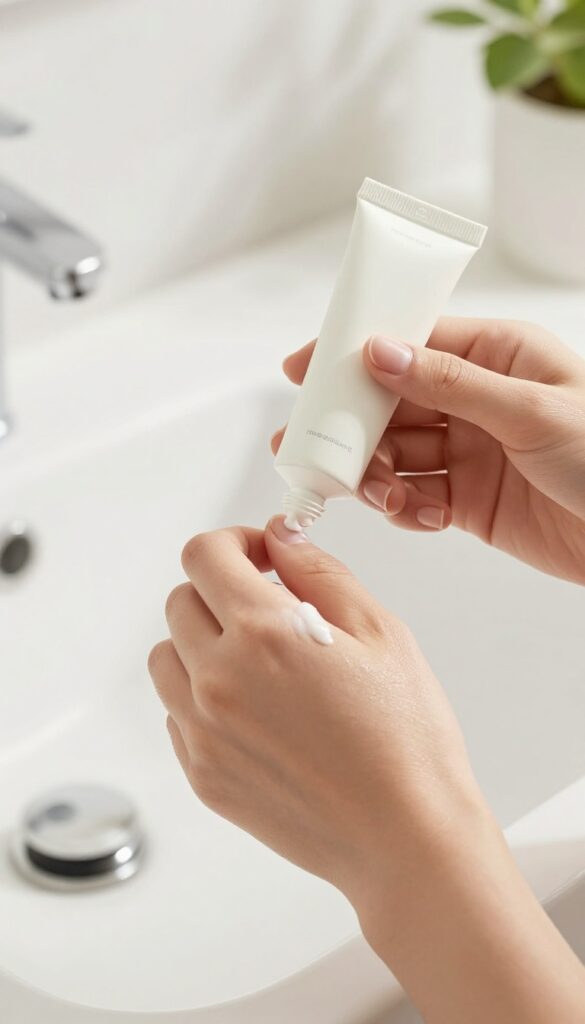
Your hands take a beating from constant washing, especially in cold weather or with harsh soaps. That tight, dry feeling after drying is a sign they're crying out for moisture. The fix is simple: keep a travel-sized hand cream at every sink and use it immediately after washing.
This habit seals in the water your skin just absorbed, locking in hydration before it evaporates. It also creates a protective barrier that helps prevent cracks and irritation. Over time, your hands will feel softer and look healthier, even with frequent washing.
Consistency is key here. The moment you dry your hands, apply a pea-sized amount of cream and massage it into your cuticles and knuckles. This takes seconds but makes a huge difference.
Choose a cream that absorbs quickly so you don't leave greasy fingerprints everywhere.
Where To Keep Your Creams
Place a tube by your kitchen sink, bathroom sink, and in your bag or car. That way, you never have an excuse to skip it. Travel sizes are perfect for this—they're cheap, easy to refill, and won't clutter your space.
Best Ingredients For Frequent Use
Look for creams with shea butter, glycerin, or ceramides. These ingredients hydrate without feeling heavy. Avoid anything with fragrance if your hands are sensitive, as it can sting cracked skin.
Don't Forget Your Cuticles
Massaging cream into your cuticles keeps them from drying out and peeling. This small step prevents hangnails and keeps your nails looking neat. A little extra attention goes a long way.
11. Dry Brushing Before Showers
Dry brushing is one of those rituals that feels as good as it looks. By using a natural bristle brush on dry skin before you step into the shower, you're jumpstarting your circulation and sloughing off dead cells. The result?
Your post-shower moisturizer sinks in deeper and your skin feels incredibly smooth.
Dry brushing is a simple yet powerful technique that can transform your skin's texture. It's especially effective for rough areas like elbows, knees, and heels. The key is to use gentle, circular motions and always brush toward your heart to support lymphatic drainage.
Start with your feet and work your way up, avoiding sensitive spots. Do this two to three times a week for best results.
Choose The Right Brush
Not all brushes are created equal. Look for one with natural bristles—like sisal or cactus—that are firm but not scratchy. A long-handled brush helps you reach your back, while a smaller one is great for arms and legs.
Avoid synthetic bristles, which can be too harsh.
Master The Technique
Always brush on dry skin before your shower. Use long, sweeping strokes on your limbs and small circles on your torso. Be gentle—you're not trying to scrub off a layer of skin.
The goal is to stimulate, not irritate. After brushing, hop in the shower to wash away the loosened cells.
Follow Up With Moisture
The real magic happens after your shower. Your skin is primed to absorb moisture, so apply a rich body lotion or oil while you're still slightly damp. This locks in hydration and leaves you with a silky, smooth feel that lasts all day.
12. Oatmeal Bath for Sensitive Skin
When your skin feels angry and inflamed, an oatmeal bath is like a warm hug. Colloidal oatmeal—finely ground oats—has been used for centuries to calm irritation, and it works wonders for sensitive or eczema-prone skin. The best part?
It leaves a protective film that keeps moisture in without any greasy residue.
To get the most out of your oatmeal bath, start by filling the tub with lukewarm water—hot water can strip natural oils and worsen irritation. Sprinkle one cup of colloidal oatmeal under the running faucet and swirl the water to disperse it evenly. Soak for 15 minutes, gently patting your skin dry afterward to preserve the oat coating.
Why Colloidal Oatmeal Works
Oats contain beta-glucan, a compound that forms a moisture-trapping barrier on the skin. They also have anti-inflammatory properties that soothe redness and itching. Unlike heavy oils or creams, oatmeal doesn't clog pores or leave a slick film, making it ideal for sensitive skin types.
How To Get The Best Results
Use plain, unscented colloidal oatmeal—skip the flavored instant packets. For extra relief, add a tablespoon of baking soda to neutralize any itch. After your soak, don't rinse off; just blot your skin dry with a soft towel.
Follow up with a fragrance-free moisturizer to lock in the benefits.
13. Shea Butter on Damp Skin
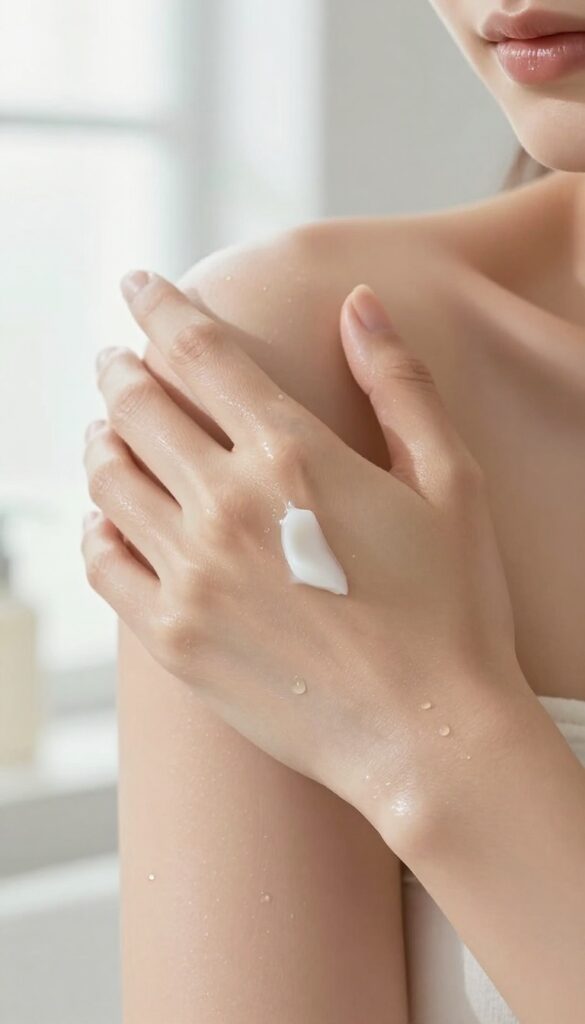
Applying shea butter to dry skin can feel like spreading cold butter on toast—it just doesn't glide. The trick is to catch your skin while it's still damp from the shower. That lingering moisture helps the rich butter melt in evenly, locking hydration deep into the skin.
Unrefined shea butter is packed with vitamins A and E, plus fatty acids that repair and protect. When you apply it to damp skin, the water acts as a carrier, allowing the butter to penetrate more deeply. This is especially effective on rough spots like knees, elbows, and heels, where dryness tends to linger.
Why Damp Skin Works
Damp skin has open pores and a slightly hydrated surface, which helps shea butter absorb rather than sit on top. The water molecules also help the butter spread in a thin, even layer, so you use less product and get more coverage.
Best Time To Apply
Right after patting dry with a towel—leave your skin just slightly moist. Work a small amount of shea butter between your palms to soften it, then massage into target areas. For extra softness, do this before bed and let it soak in overnight.
14. Cotton Gloves for Nighttime Hand Care
Your hands work hard all day, and they show it—dry cuticles, rough knuckles, and that tight feeling after every wash. A simple overnight treatment can reverse all that while you sleep. Coat your hands with a rich balm, slip on cotton gloves, and let the occlusion work its magic.
The concept is straightforward: apply a thick, emollient hand cream or balm right before bed, then cover your hands with soft cotton gloves. The gloves trap moisture and heat, allowing the product to penetrate deeper into the skin. By morning, your hands feel noticeably softer, and cuticles look less ragged.
This is especially helpful if you use hand sanitizers frequently or live in a dry climate.
Why Cotton Works Best
Cotton is breathable, so your hands won't feel sweaty or suffocated overnight. Unlike plastic gloves, cotton absorbs any excess product while still holding moisture against the skin. They're also comfortable enough to sleep in—no waking up to clammy hands.
What To Apply
Look for a balm or cream with ingredients like shea butter, lanolin, or ceramides. Avoid anything too watery—you want a rich, occlusive layer. A pea-sized amount per hand is usually enough.
Rub it in well, focusing on cuticles and knuckles, then put on the gloves.
How Often To Do It
For best results, make this a nightly habit during cold months or when your hands feel extra dry. Even twice a week can make a visible difference. Keep a pair of gloves by your bedside so you don't forget.
15. Sunscreen on Exposed Body Parts
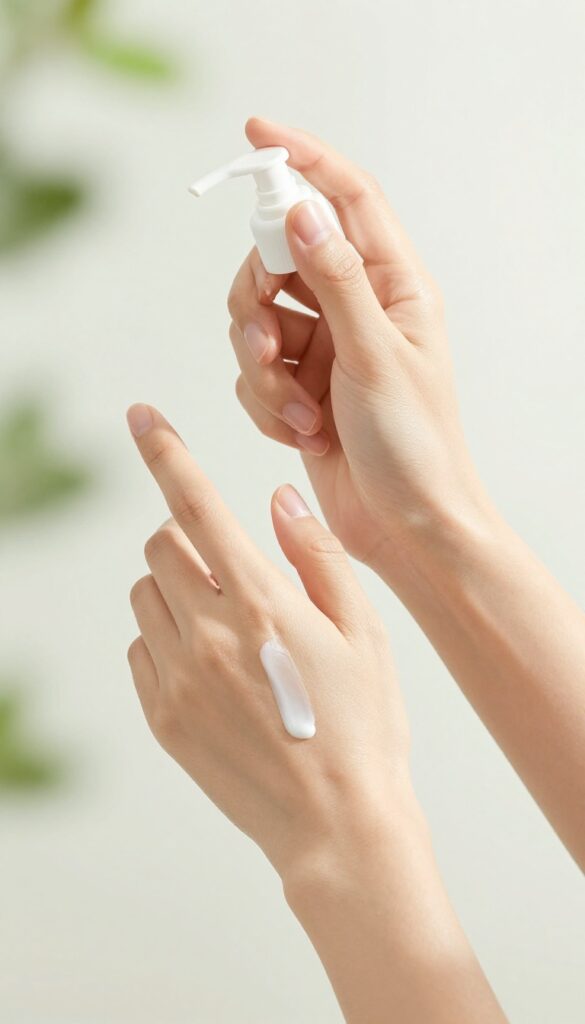
UV damage doesn't just cause wrinkles—it makes skin rough, leathery, and uneven. The sun breaks down collagen and elastin, leaving your hands, arms, and neck feeling coarse over time. The smoothest routine is prevention, and it starts with daily SPF.
Most people only think about sunscreen for their face, but your hands, arms, and neck see just as much sun exposure. These areas are often neglected, leading to premature aging and texture changes. A lightweight, broad-spectrum SPF 30+ lotion can be your daily shield.
Apply it every morning after moisturizer, and reapply after hand washing or sweating. Your skin will stay supple and smooth for years to come.
Why Uv Rays Roughen Skin
UV radiation damages the skin's support structure, causing collagen to break down and elastin to lose its bounce. This leads to a leathery, uneven texture that no moisturizer can fix. Prevention is key because once the damage is done, it's hard to reverse.
Best Spf For Body Smoothness
Look for a broad-spectrum SPF 30 or higher that's lightweight and non-greasy. Mineral sunscreens with zinc oxide or titanium dioxide are great for sensitive skin. For hands, consider a SPF-infused hand cream that you can reapply easily throughout the day.
Making Sunscreen A Daily Habit
Keep a bottle of SPF lotion next to your morning moisturizer so you never forget. Apply it to your hands, arms, and neck before heading out. For easy reapplication, use a spray sunscreen on your arms and a stick sunscreen on your hands.
Consistency is what makes the difference.
FAQ
How often should I exfoliate my body for soft skin?
Most skin types benefit from exfoliating 1-2 times per week. If you have sensitive skin, stick to once a week with a gentle enzyme or lactic acid product.
Can I use face moisturizer on my body?
Yes, but it's not cost-effective. Body lotions are formulated with thicker emollients that work better on larger areas. Save face creams for your face.
Why does my skin feel rough even after moisturizing?
You may have a buildup of dead skin cells. Exfoliate first, then apply moisturizer to damp skin for better absorption. Also check if your moisturizer is rich enough.
What's the best time to apply body oil?
Right after a shower while skin is still damp. This locks in moisture and helps the oil spread evenly. You can also use it before showering as a pre-cleanse.
How can I soften my feet quickly?
Soak feet in warm water with Epsom salts for 10 minutes, then use a pumice stone. Follow with a thick urea cream and wear socks overnight. Repeat 2-3 times a week.
Conclusion
Soft skin isn't about a perfect routine—it's about finding a few habits that actually fit your life. Pick two or three ideas from this list that feel doable, whether it's swapping your body wash or adding a weekly sugar scrub.
Stick with them for a couple of weeks, and you'll notice the difference. Smooth, touchable skin is closer than you think.