
You step out of the shower, skin still damp, and reach for a towel. But what you do in those next few minutes can make or break your skin's moisture balance.
Small daily habits—like the way you dry off or the order you apply products—add up to big differences in how your skin looks and feels. Most body care routines are either too complicated or too rushed.
The sweet spot is a set of simple, repeatable actions that keep your skin soft, hydrated, and resilient without taking over your morning. These 25 tips cover everything from showering smarter to locking in moisture all day long.
1. Shower with lukewarm water, not hot

That hot shower might feel amazing after a long day, but your skin pays the price. Hot water strips away natural oils, leaving your moisture barrier compromised and your skin feeling tight and dry. Lukewarm water cleans just as effectively without the damage.
Switching to lukewarm water is one of the easiest ways to protect your skin's natural moisture. It keeps your skin barrier intact, which means less dryness and irritation. Your face and body will thank you.
Why Hot Water Hurts
Hot water dissolves the lipids that hold your skin cells together. This leads to transepidermal water loss—basically, moisture escaping from your skin. Over time, this can worsen conditions like eczema and make your skin look dull.
The Ideal Temperature
Aim for water that's between 98°F and 104°F (37°C to 40°C). It should feel warm but not steaming. If your skin turns red in the shower, the water is too hot.
Quick Tips For A Lukewarm Routine
Start with lukewarm water and keep showers under 10 minutes. Pat dry with a soft towel instead of rubbing. Apply moisturizer within three minutes of stepping out to lock in hydration.
2. Limit showers to 10 minutes
Long, hot showers strip your skin of natural oils, leaving it dry and irritated. The longer you soak, the more moisture you lose. Setting a timer can help you stay under that 10-minute mark and protect your skin barrier.
Hot water breaks down the lipid barrier that keeps moisture in. When you linger, you're essentially washing away your skin's protection. Keep the temperature warm, not scalding, and aim to wrap up in under ten minutes.
Why Time Matters
Your skin's outer layer is like a brick wall—oils are the mortar. Hot water melts that mortar, creating gaps where moisture escapes. After 10 minutes, the damage accelerates.
Shorter showers mean less stripping and more hydration left behind.
How To Shorten Your Shower
Try a shower playlist of two songs. Wet down, soap up, rinse, and get out. Shave or deep-condition before you step in, or save those for a separate, shorter session.
A waterproof timer stuck to the tile can also keep you honest.
The Right Temperature Matters Too
Warm water cleans effectively without the harshness of hot. If your skin turns pink or red, the water is too hot. Aim for a temperature that feels comfortable but not steamy—your skin will thank you.
3. Use a gentle, sulfate-free body wash
Your body wash might be the sneaky culprit behind dry, irritated skin. Many mainstream cleansers contain sulfates like sodium lauryl sulfate (SLS) that foam aggressively but strip away your skin's natural protective barrier. Over time, this leads to moisture loss, tightness, and even flakiness.
Switching to a sulfate-free body wash is one of the easiest swaps you can make. These formulas clean effectively using milder surfactants that respect your skin's pH and lipid layer. Your skin will feel clean, not squeaky or stripped.
Look for body washes labeled "sulfate-free" and scan the ingredients list for sodium cocoyl isethionate, coco-glucoside, or decyl glucoside—these are gentle cleansers. Creamy, milky textures tend to be more hydrating than clear gels. If you have dry or sensitive skin, avoid fragrances and opt for products with added ceramides, oat extract, or glycerin.
Pro tip: Don't lather your entire body with a loofah or scrub every day. Use your hands or a soft cloth on most days, and save physical exfoliation for once or twice a week. This prevents over-scrubbing and keeps your barrier intact.
What To Look For On The Label
Scan the ingredients for sodium lauryl sulfate (SLS) or sodium laureth sulfate (SLES) and avoid them. Instead, look for mild surfactants like cocamidopropyl betaine, sodium cocoyl isethionate, or decyl glucoside. Also check for moisturizing additives like shea butter, aloe vera, or jojoba oil.
How To Use It For Best Results
Wet your skin with lukewarm water—hot water strips oils. Pump a small amount of wash onto your hands or a soft cloth. Gently massage in circular motions, focusing on underarms, feet, and other areas that need cleaning.
Rinse thoroughly and pat dry with a soft towel. Avoid rubbing.
4. Exfoliate twice a week
Dead skin cells pile up fast, especially on your arms, legs, and back. That buildup makes your skin look dull and rough, and it can clog pores or cause ingrown hairs. Exfoliating regularly sweeps away that layer so your skin feels smooth and looks brighter.
Physical Vs. Chemical Exfoliants
Physical scrubs use tiny granules to manually buff away dead skin. Look for fine, round particles (like jojoba beads or sugar) to avoid micro-tears. Chemical exfoliants use acids like glycolic or lactic acid to dissolve the glue holding dead cells together.
They're gentler overall and great for sensitive skin.
How To Exfoliate Without Overdoing It
Twice a week is the sweet spot for most people. If you have sensitive skin, start with once a week. Apply the product to damp skin in gentle, circular motions—no scrubbing hard.
Rinse with lukewarm water and follow with a moisturizer to keep your skin barrier happy.
Target Trouble Spots
Focus on areas where dead skin tends to accumulate: elbows, knees, heels, and the backs of your arms. For your face, use a separate, gentler exfoliant. Avoid exfoliating any area with active breakouts, sunburn, or open cuts.
5. Pat dry, don't rub
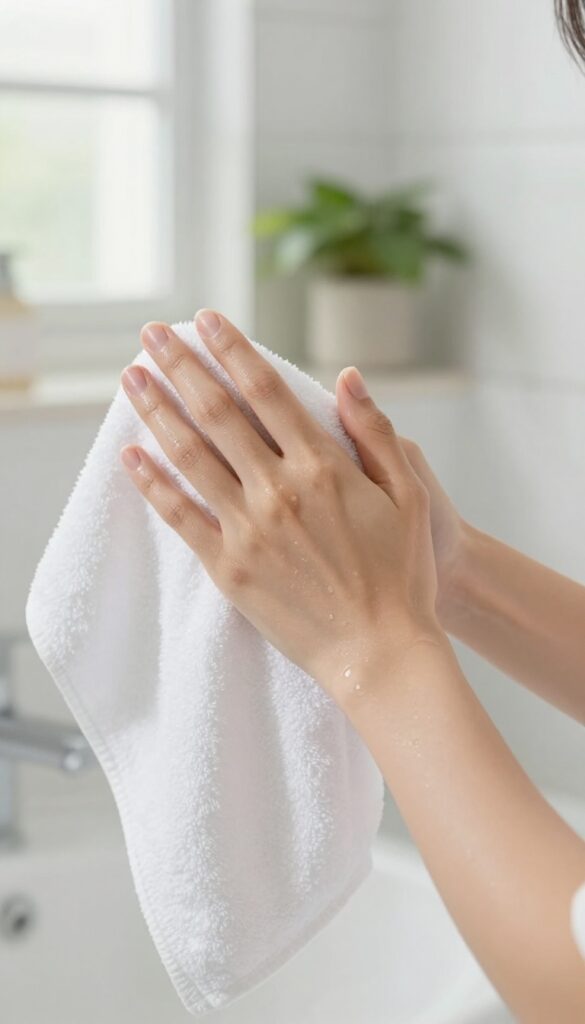
After your shower, the way you dry off matters more than you think. Rough towel rubbing can irritate and micro-scratch your skin, leading to redness and flakiness. Instead, treat your skin gently.
Patting dry leaves a thin layer of moisture on your skin, which helps lotions and creams absorb better. This small switch can make a big difference in how soft and hydrated your skin feels all day.
Why Rubbing Is Bad
Rubbing with a towel creates friction that strips away natural oils and disrupts the skin barrier. Over time, this can cause irritation, especially on sensitive areas like your arms and legs.
The Patting Technique
Use a soft, clean towel and gently press it against your skin. Start with your face and neck, then move down. Don't rush—just a few extra seconds can save your skin from unnecessary stress.
Moisture Is Your Friend
Leaving a bit of water on your skin creates a perfect base for moisturizer. The water helps your lotion spread evenly and lock in hydration, making your products work harder for you.
6. Apply lotion within 3 minutes of showering
You've probably heard that timing matters when it comes to moisturizing. But there's a real science behind that three-minute window. Right after you towel off, your skin is still slightly damp and more permeable, which means it can soak up lotion much better than dry skin can.
Missing that window means the water on your skin evaporates, taking natural moisture with it and leaving you drier than before.
Lotion works best when it has water to lock in. Applying it to damp skin helps seal hydration into the outer layer, keeping it soft and plump. If you wait too long, the moisture from your shower is already gone, and your lotion ends up sitting on top of dry skin instead of sinking in.
The three-minute rule is simple: finish drying off, then apply your moisturizer immediately. You'll use less product and get better results.
Why Damp Skin Is The Sweet Spot
When your skin is damp, the water molecules help carry the lotion's ingredients deeper into the epidermis. This boosts absorption and locks in hydration for hours. Dry skin, on the other hand, repels lotion because it's already tight and less receptive.
Think of damp skin like a sponge—it's ready to soak up everything you give it.
How To Make It A Habit
Keep your lotion right next to your towel or on the bathroom counter. After patting dry—don't rub—apply a generous amount to your arms, legs, torso, and any other dry areas. Use gentle, upward strokes to help circulation.
Within a week, it'll feel automatic, and your skin will thank you.
7. Choose a body lotion with ceramides or glycerin
Not all body lotions are created equal. Some just sit on top of your skin, while others actually get to work repairing and hydrating from within. The key is to look for ingredients that support your skin's natural barrier and draw moisture in.
Ceramides and glycerin are two of the most effective, research-backed ingredients for daily body care. Ceramides help rebuild your skin's protective layer, keeping irritants out and moisture in. Glycerin is a humectant that pulls water into the outer layer of your skin, leaving it plump and soft.
When shopping for a body lotion, flip the bottle over and scan the ingredients list. If ceramides or glycerin appear near the top, you're on the right track. These aren't fancy extras—they're workhorses that make a real difference in how your skin feels day to day.
Don't worry about finding a lotion that has both. A formula with either one will do the job. The important thing is to make it a daily habit, especially right after a shower when your skin is still slightly damp.
That's when these ingredients can lock in the most moisture.
Why Ceramides Matter
Your skin's barrier is made up of lipids, and ceramides are a major component. When that barrier gets damaged—from harsh soaps, weather, or just aging—moisture escapes and irritants get in. Applying a lotion with ceramides helps fill those gaps, restoring the barrier and calming dryness or sensitivity.
Glycerin's Moisture Magnet
Glycerin is a humectant, meaning it attracts water from the environment and from deeper layers of your skin. It's one of the most gentle and effective moisturizing ingredients out there. Unlike some heavier oils, glycerin feels light and non-greasy, making it perfect for everyday use.
How To Pick The Right Formula
Look for a lotion that lists ceramide or glycerin within the first five ingredients. Avoid formulas with lots of fragrances or alcohols, which can counteract the benefits. If you have very dry skin, a cream with both ceramides and shea butter might work better.
For normal to oily skin, a lightweight glycerin-based lotion is ideal.
8. Don't forget your neck and chest
Your face gets all the love, but your neck and chest are the first to wave the white flag when it comes to aging. These areas have thinner skin and fewer oil glands, so they dry out and show wrinkles faster. The good news?
A small shift in your routine can keep them looking just as smooth as your face.
When you apply moisturizer and sunscreen, don't stop at your jawline. Take it all the way down to your collarbone and across your chest. This simple extension adds seconds but pays off for years.
Why These Areas Age Faster
The skin on your neck and chest is more delicate and gets constant movement from looking down, turning your head, and sleeping positions. It also gets less natural oil, so it dries out quicker. Sun damage here often shows up as crepey texture or dark spots long before your face changes.
How To Treat Them Right
Use the same gentle cleanser and moisturizer you use on your face. Apply in upward strokes to counteract gravity. Don't forget sunscreen—these areas are often exposed even in winter.
A lightweight SPF 30 or higher works perfectly.
Extra Care For Smoother Skin
Once a week, exfoliate gently with a lactic acid or enzyme product to remove dead skin. Sleeping on your back can also reduce sleep lines. And if you use retinol on your face, bring it down to your neck—but start slow to avoid irritation.
9. Use a separate moisturizer for your hands
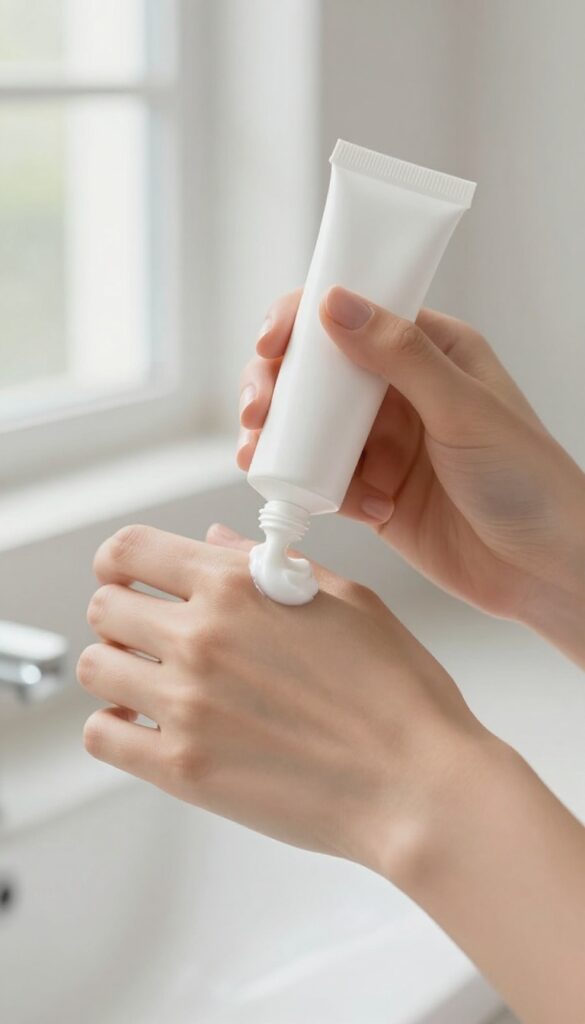
Your hands go through a lot—constant washing, sanitizing, and exposure to the elements. That's why the same lotion you use on your arms or legs isn't enough. Hands need a richer, more intensive cream that can handle frequent washing and still keep skin soft.
The skin on your hands is thinner and has fewer oil glands, so it dries out faster. A dedicated hand cream is thicker and more emollient, creating a protective barrier that lasts through hand washes. Keep one at your desk to reapply after every wash, and another on your nightstand for a deep treatment before bed.
Why Hands Need Special Care
Hands are exposed to more soap, water, and friction than any other part of your body. That strips natural oils and weakens the skin barrier. A body lotion is too light—it won't provide lasting protection.
A hand cream with ingredients like shea butter, glycerin, or ceramides locks in moisture and repairs damage.
Where To Keep Your Hand Cream
Place a tube next to your sink at home, one at your office desk, and another by your bed. That way, you'll never have an excuse to skip it. For extra hydration, apply a thick layer before sleep and cover with cotton gloves—waking up to baby-soft hands is worth the small effort.
10. Apply sunscreen to exposed body parts daily
Most people remember sunscreen for their face but forget about the rest of their body. Your arms, legs, neck, and even the back of your hands are constantly exposed to UV rays, which can lead to premature aging, sunspots, and skin cancer. Making sunscreen a daily habit for all exposed skin is one of the simplest ways to keep your skin healthy and youthful.
Choose a broad-spectrum sunscreen with at least SPF 30. Apply it generously to all areas that aren't covered by clothing. Don't forget often-missed spots like the tops of your ears, the back of your neck, and your feet if you're wearing sandals.
Reapply every two hours if you're outdoors or after swimming or sweating.
Why Body Sunscreen Matters
Your body's skin is just as vulnerable to UV damage as your face. Daily exposure adds up over time, causing wrinkles, uneven tone, and loss of elasticity. A simple layer of sunscreen each morning can prevent most of that damage.
Picking The Right Formula
Look for lightweight, non-greasy sunscreens that absorb quickly. Sprays and lotions both work, but make sure you apply enough. A shot glass full is about right for your whole body.
If you're active or tend to sweat, choose a water-resistant option.
Making It A Habit
Keep your sunscreen next to your moisturizer or deodorant so you see it every morning. Apply it right after your moisturizer has dried. If you're short on time, try a moisturizer with built-in SPF for your body.
Consistency is key.
11. Wear UPF clothing for extended sun exposure
Sunscreen is essential, but it loses effectiveness over time—especially when you're sweating or swimming. That's where UPF clothing steps in as a no-fuss backup. Fabrics with built-in ultraviolet protection factor (UPF) block a significant portion of UV rays, giving you reliable coverage without constant reapplication.
For beach days, hikes, or outdoor workouts, it's a game changer.
What Upf Ratings Mean
UPF works like SPF but for fabric. A UPF 50 fabric blocks 98% of UV rays, while UPF 30 blocks about 96. 7%.
Look for ratings of 30 or higher for good protection. Darker, tightly woven fabrics generally offer more protection, but many brands now use special treatments to boost UPF even in lighter colors.
When To Choose Upf Over Sunscreen
UPF clothing is ideal for extended sun exposure when you don't want to worry about reapplying every two hours. It's also great for kids who squirm away from sunscreen, or for sensitive skin that reacts to chemical filters. But don't skip sunscreen entirely—use it on exposed areas like your face, hands, and feet.
How To Care For Upf Garments
To keep the protection intact, wash UPF clothing in cold water with mild detergent. Avoid bleach and fabric softeners, which can degrade the UV-blocking properties. Air drying is best, as high heat from dryers can also reduce effectiveness over time.
12. Stay hydrated from the inside out
You've heard it a thousand times: drink more water. But here's why it actually matters for your skin. Hydration isn't just about quenching thirst—it's about keeping your skin cells plump and functioning well.
When you're dehydrated, your skin can look dull, feel tight, and show fine lines more easily.
Water supports skin elasticity and plumpness. Aim for 8 glasses a day, more if you're active.
Why Water Matters For Your Skin
Your skin is made up of cells that need water to stay plump and resilient. When you're dehydrated, your skin can't retain moisture as well, leading to a dry, lackluster appearance. Proper hydration helps maintain the skin's barrier, keeping irritants out and moisture in.
How Much Water Do You Really Need?
The classic 8×8 rule—eight 8-ounce glasses a day—is a good starting point. But if you exercise, live in a hot climate, or drink caffeine, you may need more. Listen to your body: if your urine is pale yellow, you're likely well-hydrated.
Darker urine means it's time to drink up.
Easy Ways To Drink More Water
Keep a reusable water bottle on your desk or in your bag. Set reminders on your phone, or try infusing water with fruits like lemon, cucumber, or berries for flavor. Herbal teas and water-rich foods like watermelon, cucumber, and oranges also count toward your daily intake.
13. Eat omega-3 rich foods
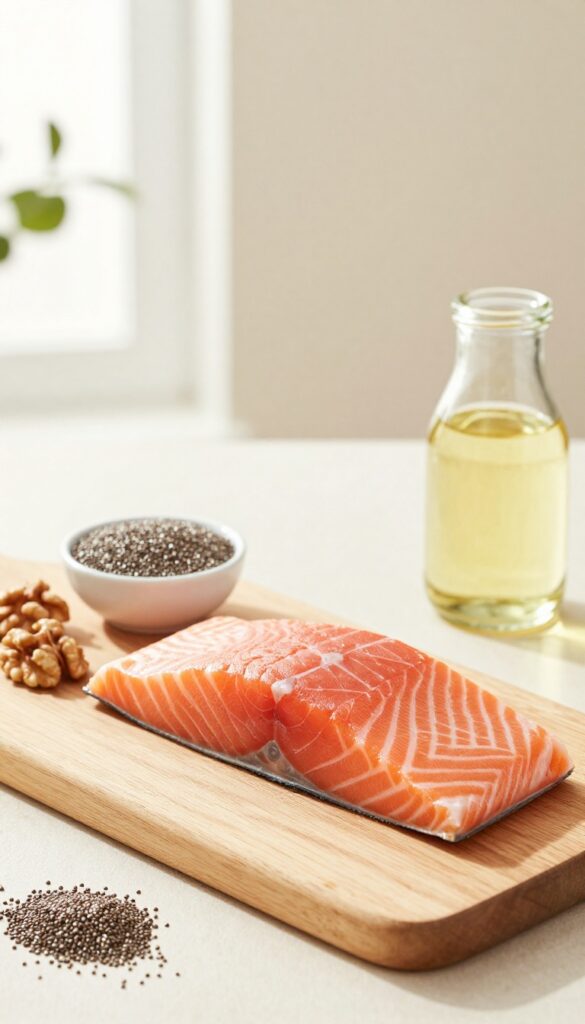
What you put on your plate shows up on your skin. Omega-3 fatty acids are like internal moisturizers—they help calm inflammation and reinforce your skin's natural barrier. Think of them as the building blocks for a smooth, supple complexion.
Omega-3s work from the inside out to reduce redness, dryness, and even acne. They also support cell membranes, keeping skin plump and resilient. Aim for two servings of fatty fish per week or sprinkle flaxseeds on your oatmeal.
Best Food Sources
Salmon, mackerel, and sardines are top choices. For plant-based options, go for walnuts, chia seeds, and flaxseeds. Even a handful of walnuts daily can make a difference.
Simple Ways To Add Them
Add ground flaxseeds to smoothies or yogurt. Toss walnuts into salads. Swap your usual cooking oil for flaxseed or walnut oil in dressings.
Small swaps, big impact.
Supplements If Needed
If you don't eat fish, a high-quality algae-based omega-3 supplement can help. Look for one with both EPA and DHA for best results. Always check with your doctor first.
14. Get enough sleep for skin repair
Sleep is when your skin goes into repair mode. During deep sleep, blood flow increases, collagen production ramps up, and damaged cells get replaced. Skimping on sleep doesn't just leave you groggy—it shows on your face with dullness, dark circles, and more noticeable fine lines.
Aim for 7 to 9 hours of quality sleep each night. Your skin's natural repair cycle peaks during the first few hours of deep sleep, so consistency matters. Going to bed and waking up at the same time helps regulate your internal clock, making that repair process more efficient.
Create A Wind‑down Routine
An hour before bed, dim the lights and put away screens. Blue light can suppress melatonin, making it harder to fall asleep. Instead, try a warm shower, light stretching, or a few pages of a book.
Your skin will benefit from the extra relaxation too.
Sleep On A Clean Pillowcase
Pillowcases collect oil, dirt, and product residue. Swap them at least once a week—or use a silk or satin case to reduce friction. This simple switch can mean fewer breakouts and less creasing on your face overnight.
Don't Forget Your Overnight Products
Nighttime is the perfect moment for richer moisturizers or repair serums. Ingredients like retinol, peptides, and ceramides work best while you sleep, because your skin is more receptive and less exposed to environmental stressors.
15. Change your bedsheets weekly
Your sheets collect dead skin cells, sweat, and oils every single night. Sleeping on that buildup is like rubbing dirty pillowcases all over your face and body for hours. Weekly sheet changes keep your skin's environment clean and reduce the chance of clogged pores and irritation.
Think about it: you wash your face and body daily, then lay your clean skin on a surface that hasn't been cleaned in weeks. That's counterproductive. Bacteria thrive in warm, moist bedding, and they can transfer back onto your skin, triggering breakouts or making existing acne worse.
Fresh sheets are an easy, low-effort way to support your skin without adding extra steps to your routine.
Why Bacteria Love Your Bed
Your body sheds millions of skin cells each night, and sweat creates a damp environment perfect for bacteria and dust mites. These microscopic troublemakers can cause inflammation, clogged pores, and even allergic reactions. Changing sheets weekly breaks this cycle.
The Pillowcase Factor
Your face presses against a pillowcase for hours, so that fabric gets extra dirty. Oils, hair products, and drool all end up there. Swap pillowcases even more often if you can—every three to four days is ideal for acne-prone skin.
Choose The Right Fabric
Cotton or bamboo sheets are breathable and gentle on skin. Avoid synthetic fabrics that trap heat and moisture. High thread count isn't always better—look for percale or sateen weaves that feel smooth without causing friction.
16. Use a humidifier in dry climates
Dry air is a silent thief when it comes to skin moisture. Whether it's winter heating or an arid climate, low humidity pulls water right out of your skin, leaving it tight, flaky, and irritated. A humidifier puts that moisture back into the air—and into your skin.
It's a simple, non-invasive way to support your skin barrier, especially while you sleep.
Why Dry Air Is Tough On Skin
When humidity drops, the water in your skin evaporates faster than normal. This weakens the skin barrier, making it more prone to dryness, redness, and even breakouts. Indoor heating and air conditioning make it worse.
How A Humidifier Helps
By raising the moisture level in the room, a humidifier slows down water loss from your skin. It also helps your moisturizer work better—since there's more ambient moisture, your skin stays hydrated longer. Aim for 40–60% humidity.
Tips For Best Results
Place the humidifier in your bedroom and run it while you sleep. Clean it weekly to prevent mold and bacteria. Use distilled or filtered water to avoid white dust.
For an extra boost, add a few drops of essential oil like lavender.
17. Avoid long, hot baths
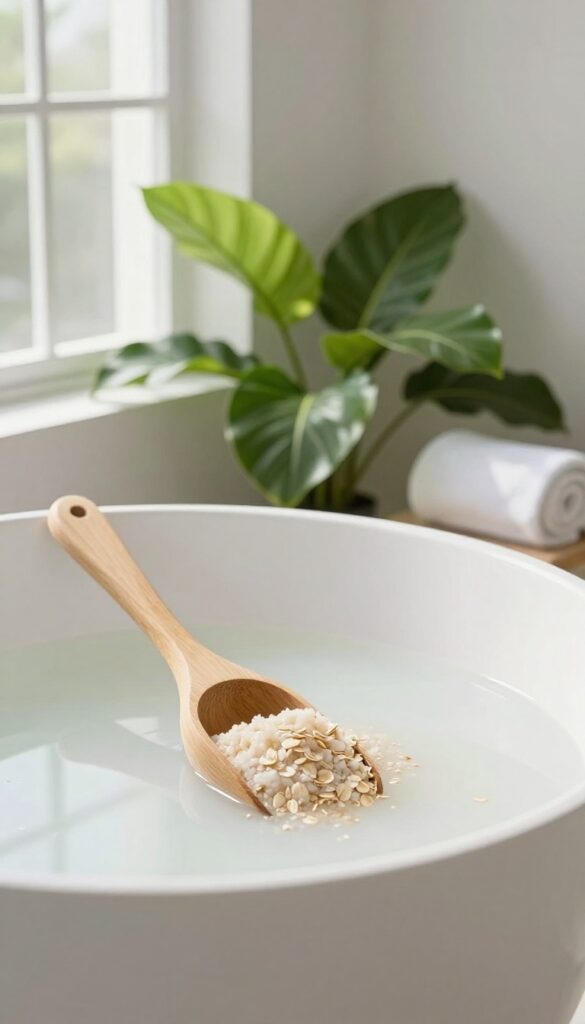
There's nothing quite like sinking into a steaming bath after a long day. But that heat comes with a cost: it strips your skin of its natural oils, leaving it dry and irritated. The hotter the water and the longer you soak, the more moisture you lose.
If baths are your thing, you don't have to give them up entirely—just make a few tweaks to protect your skin.
Hot water dissolves the skin's protective lipid barrier, which locks in moisture. Over time, this leads to dehydration, itchiness, and even flaking. But you can still enjoy a relaxing soak without wrecking your skin.
The key is to keep baths short and add ingredients that soothe and hydrate.
Keep It Short And Warm
Aim for baths no longer than 10 to 15 minutes. Hot water feels great, but it's harsh on skin. Lukewarm water is a better bet—it cleans without stripping.
If you need to unwind, add a few drops of lavender essential oil instead of cranking up the heat.
Add Colloidal Oatmeal For Soothing Relief
Colloidal oatmeal is finely ground oats that disperse in water, creating a milky bath that calms inflammation and locks in moisture. It's especially helpful for dry or sensitive skin. Just sprinkle a cup under running water and soak.
No rinsing needed—pat dry gently afterward.
18. Moisturize your feet before bed
Your feet work hard all day, but they rarely get the attention they deserve. Dryness and cracking are common, especially on heels, because the skin there is thick and has few oil glands. A simple overnight routine can transform them from rough to smooth without much effort.
Why Feet Get So Dry
Unlike the rest of your body, your feet don't have sebaceous glands to produce natural oils. Add constant friction from shoes and walking, and the skin loses moisture fast. That's why cracks and calluses form, especially in dry climates or during winter.
The Right Cream Matters
Look for a thick foot cream or balm with ingredients like shea butter, urea, or lanolin. These are heavy-duty moisturizers that penetrate the thick skin on your feet. Lotions won't cut it—you need something richer that stays put overnight.
How To Do It Right
Before bed, wash and dry your feet thoroughly. Apply a generous layer of cream, focusing on heels and any rough patches. Then pull on a pair of clean cotton socks.
The socks lock in moisture and help the cream absorb while you sleep. In the morning, your feet will feel noticeably softer.
19. Use a loofah or silicone scrubber gently
Scrubbing your skin might feel satisfying, but too much pressure can do more harm than good. Harsh exfoliation strips away natural oils and damages the skin barrier, leaving you dry and irritated. A soft loofah or silicone scrubber is all you need to gently slough off dead skin without aggression.
The key is to let the tool do the work—not your muscles. And because these tools sit in a damp bathroom, bacteria can multiply fast. Replace them every month to keep your skin happy and healthy.
Why Gentle Scrubbing Wins
Your skin's outer layer is delicate. Scrubbing hard can cause micro-tears, redness, and even long-term sensitivity. A gentle circular motion with a soft tool effectively removes dead cells while preserving moisture.
Think of it as a light polish, not a deep scrub.
Loofah Vs. Silicone Scrubber
Natural loofahs are great for exfoliation but need frequent replacement—they trap moisture and bacteria easily. Silicone scrubbers are non-porous, dry quickly, and are less likely to harbor germs. Both work well, but silicone is easier to keep clean and lasts longer.
When And How To Replace Them
Loofahs should be swapped every three to four weeks. Silicone scrubbers can go a bit longer, but check for any mold or discoloration. A good rule: if it smells musty or looks grimy, toss it.
Your skin deserves a fresh start every month.
20. Apply body oil on damp skin for extra glow
The trick to that lit-from-within glow isn't in a highlighter—it's in how you moisturize after a shower. Applying body oil while your skin is still damp locks in hydration and gives you a dewy, healthy finish that lasts all day. Lightweight oils absorb quickly without feeling greasy, making them perfect for daily use.
Oils seal in moisture and add radiance. Use a lightweight oil after showering for a dewy finish.
Why Damp Skin Works Best
When your skin is damp, it's still porous and ready to absorb product. Applying oil at this stage traps water molecules on the surface, boosting hydration levels. Wait too long and the moisture evaporates, leaving less for the oil to seal in.
Choosing The Right Oil
Not all body oils are created equal. Look for non-comedogenic options like jojoba, squalane, or grapeseed oil if you're prone to body breakouts. For extra nourishment, try oils infused with vitamin E or rosehip seed oil—they add antioxidant benefits along with the glow.
How To Apply For Best Results
After patting dry lightly, leave your skin slightly wet. Dispense a few pumps of oil into your palms, rub them together, and smooth over your arms, legs, and torso in long strokes. Let it absorb for a minute before dressing to avoid staining clothes.
21. Treat rough elbows and knees with a targeted balm
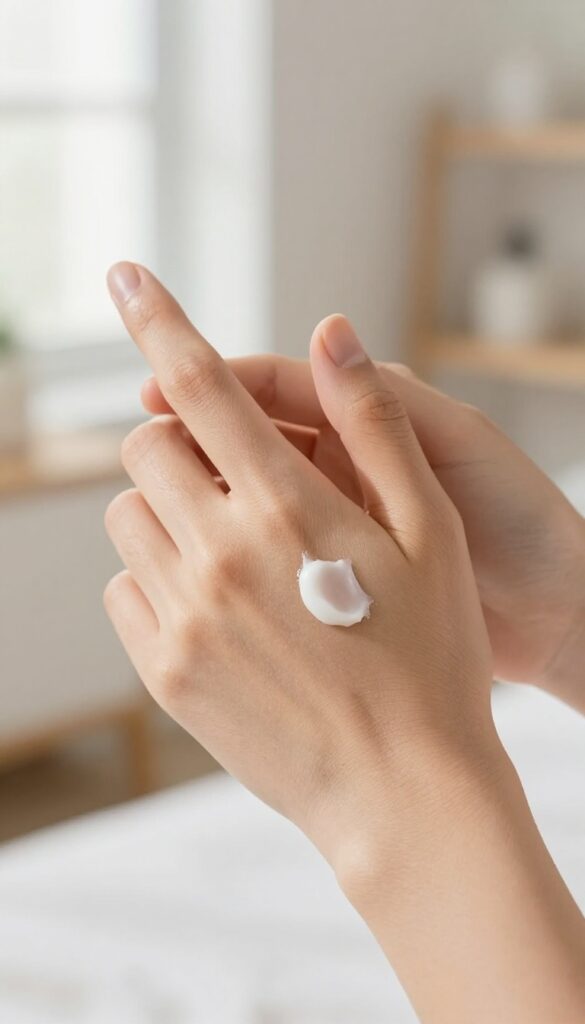
Elbows and knees have thicker skin and fewer oil glands, so they tend to get dry and rough faster than the rest of your body. A lightweight lotion often isn't enough to soften them up. That's where a rich balm or plain petroleum jelly comes in—it creates a protective seal that locks in moisture and helps break down tough, dead skin over time.
Apply a thick balm right after showering, when skin is still slightly damp. Focus on a small amount and massage it in circular motions to boost circulation. For extra stubborn patches, apply a generous layer before bed and cover with old socks or soft gloves—this overnight treatment works wonders.
Why Balms Work Better Than Lotions
Lotions are mostly water and evaporate quickly, but balms are oil-based and stay put. They contain ingredients like shea butter, lanolin, or petrolatum that soften the outer layer of skin and prevent moisture loss. For elbows and knees, that staying power makes all the difference.
How To Apply For Best Results
Exfoliate gently once a week with a scrub or a damp washcloth to remove dead cells. Then, while skin is still damp, scoop a pea-sized amount of balm and rub it in until absorbed. Don't overdo it—a little goes a long way.
Repeat daily, and you'll notice smoother skin within a week.
Easy Overnight Treatment
For a deeper treatment, apply a thicker layer of balm before bed and cover the area with cotton gloves or socks. This keeps the balm from rubbing off and lets it penetrate overnight. Wake up to noticeably softer elbows and knees.
22. Shave with a sharp blade and shaving cream
Shaving is one of those daily habits that can either leave your skin smooth or angry and irritated. The tool you use and the prep you do matter a lot more than you might think. Dull blades tug at hair instead of cutting cleanly, which leads to razor burn, bumps, and those annoying ingrown hairs.
A sharp blade paired with a good shaving cream is your best defense against irritation. Moisturizing cream creates a protective barrier, allowing the razor to glide effortlessly. Never shave dry—it's a fast track to redness and micro-cuts.
Why Sharp Blades Matter
A dull blade requires multiple passes, which strips away skin cells and causes friction. This irritates hair follicles and increases the chance of ingrown hairs. Replace your razor or blade after 5-7 shaves for best results.
Choosing The Right Shaving Cream
Look for creams with hydrating ingredients like aloe vera, glycerin, or shea butter. Avoid products with alcohol or strong fragrances, as they dry out skin. A rich, creamy lather softens hair and protects the skin surface.
Shaving Technique Tips
Always shave in the direction of hair growth to minimize irritation. Rinse the blade after every stroke, and don't press too hard. Follow up with a gentle moisturizer to calm the skin and lock in hydration.
23. Rinse off after swimming in chlorine or salt water
A dip in the pool or ocean feels amazing, but the aftermath isn't so kind to your skin. Chlorine strips natural oils, while salt water leaves a drying residue that can make your skin feel tight and itchy. A quick rinse in fresh water right after you get out washes away those chemicals and salts before they have time to sink in.
It's a simple step that takes less than a minute but spares your skin a lot of irritation.
Don't let that pool or ocean fun turn into dry, irritated skin. A fast rinse is all it takes to keep your skin happy.
Why It Matters
Chlorine is a strong disinfectant that breaks down your skin's protective barrier. Salt water pulls moisture out of your skin through osmosis. Both leave behind residues that continue to dry and irritate long after you've dried off.
How To Do It Right
As soon as you get out, find a shower or rinse station. Use lukewarm water—not hot—and gently wash with a mild cleanser if available. Pat dry with a clean towel, then apply a moisturizer while your skin is still slightly damp to lock in hydration.
Don't Forget Your Hair And Swimsuit
Rinse your hair too, especially if it's color-treated. And always rinse your swimsuit in cold water to remove chlorine or salt, which can degrade the fabric over time.
24. Use a gentle, fragrance-free laundry detergent
Your skin spends all day wrapped in fabric—clothes, sheets, towels. If your laundry detergent is packed with harsh chemicals and synthetic fragrances, those residues sit against your skin hour after hour, causing irritation, dryness, and even breakouts. Switching to a gentle, fragrance-free option is a simple swap that can make a huge difference for your body's largest organ.
Standard detergents often contain surfactants, enzymes, and perfumes that strip natural oils and leave behind irritants. Hypoallergenic detergents are formulated to rinse cleanly and avoid common allergens. Look for labels that say "free and clear" or "dermatologist tested.
" Liquid detergents tend to rinse more thoroughly than powders, which can leave residue. A small change in your laundry routine can lead to calmer, happier skin.
Why Fragrance Matters
Fragrance is one of the top skin irritants, even if you don't notice it immediately. Synthetic scents can trigger contact dermatitis, redness, or itching over time. Fragrance-free doesn't mean scentless—it means no added masking fragrances or perfumes.
Your skin will thank you for skipping the "fresh laundry" smell.
What To Look For On The Label
Seek out detergents labeled "hypoallergenic, " "free and clear, " or "for sensitive skin. " Avoid those with optical brighteners, dyes, and phosphates. Seventh Generation, Tide Free & Gentle, and All Free Clear are popular choices.
If you have very reactive skin, consider a liquid detergent with few ingredients or even a soap nut-based option.
Extra Rinse Cycle Trick
To ensure no detergent residue lingers, add an extra rinse cycle to your laundry. This is especially helpful for towels and bedsheets that touch your skin the most. Your skin will feel softer and less irritated after just a few washes.
25. Listen to your skin and adjust seasonally
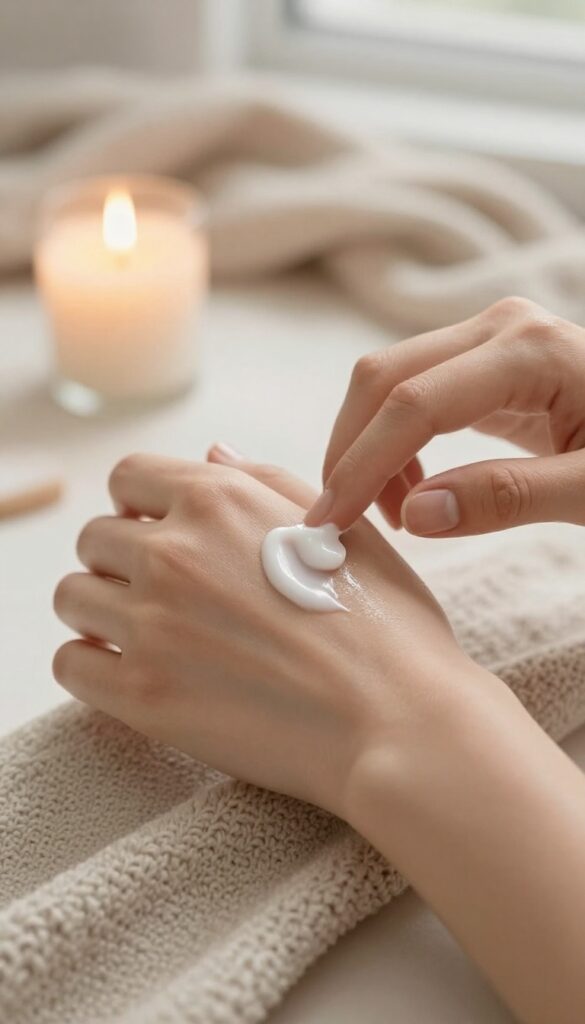
Your skin isn't static—it changes with the weather. What works in the humid summer months can leave you feeling dry and tight come winter. Paying attention to these shifts and tweaking your routine accordingly keeps your skin comfortable year-round without overcomplicating things.
Summer Switch: Light And Breathable
When it's hot and humid, heavy creams can feel greasy and clog pores. Swap to a lightweight lotion or gel-based moisturizer that absorbs quickly. Look for ingredients like hyaluronic acid or aloe vera to hydrate without the weight.
Your skin will thank you for letting it breathe.
Winter Upgrade: Rich And Protective
Cold air and indoor heating strip moisture fast. That's when you want a thicker cream or balm with ingredients like shea butter, ceramides, or squalane. Apply it right after a shower while skin is still damp to seal in hydration.
Don't forget your hands and lips—they take the biggest hit.
Transition Seasons: Listen And Adapt
Spring and fall can be tricky because the weather fluctuates. Keep both your light and rich products on hand and rotate based on how your skin feels that day. A midday check—does your skin feel tight or dewy? —can guide your choice for the next application.
FAQ
How often should I exfoliate my body?
Twice a week is ideal for most skin types. If you have sensitive skin, once a week may be enough.
Can I use the same moisturizer for face and body?
It's better to use separate products. Body lotions are often thicker and may clog facial pores.
What's the best time to apply body lotion?
Right after a shower, within three minutes of patting dry, while skin is still slightly damp.
Do I need to wear sunscreen on my body every day?
Yes, if you're exposed to daylight. Use SPF 30+ on all uncovered areas, even in cloudy weather.
How can I prevent dry skin in winter?
Use a humidifier, take shorter lukewarm showers, and switch to a richer moisturizer with ceramides.
Conclusion
Great skin doesn't require a ten-step routine or expensive products. It's built on small, consistent choices—like drinking enough water, changing your pillowcase, or using sunscreen daily. Pick two or three tips that feel easy to start with, and let them become habits.
Once those stick, add a few more. Over time, these simple actions will keep your skin looking fresh and healthy without the overwhelm.