
You know that amazing feeling when you step out of the shower and feel completely fresh? It doesn't have to fade by lunchtime. Small, intentional habits can keep you feeling clean and confident from morning until night.
Most hygiene routines focus on the basics—shower, deodorant, done. But there's more to staying fresh than just soap and water. Your skin, scalp, and even your clothes play a role in how clean you feel throughout the day.
These 17 tips go beyond the obvious. They're practical, easy to weave into your daily life, and designed to help you feel your best no matter what your day throws at you.
1. Shower in the Right Order

Ever wonder why your back breaks out even though you wash it every day? The problem might be the order you shower in. It's a simple fix that makes a big difference for your skin.
Start with your hair. Shampoo first to remove dirt and oil from your scalp, then apply conditioner. While the conditioner sits, wash your body from the neck down.
Rinse your hair last so no residue ends up on your skin. This keeps conditioner from clogging pores on your back and shoulders, a common cause of body acne.
Why It Works
Conditioner is designed to stay on your hair, not your skin. When you rinse it off after washing your body, the creamy residue coats your back and shoulders. Washing body after conditioner leaves your skin clean and pore-free.
How To Make It A Habit
Think of it as top-down cleaning. Put your conditioner in, then soap up your body. Rinse everything together.
Once you do it a few times, it'll feel natural.
2. Use an Exfoliating Mitt Weekly
A gentle scrub once a week removes dead skin cells, prevents ingrown hairs, and leaves your skin smoother and fresher. It's a simple upgrade that makes a big difference in how clean you feel.
Why Exfoliating Mitts Beat Scrubs
Physical exfoliation with a mitt is gentler and more even than gritty scrubs. The mitt's texture lifts dead cells without micro-tears, so your skin stays smooth and irritation-free.
How To Exfoliate Without Overdoing It
Use the mitt on damp skin in the shower with circular motions. Focus on rough areas like elbows and knees. Limit to once a week—over-exfoliating can strip your skin's natural barrier.
Post-exfoliation Care For Best Results
Rinse thoroughly and pat dry. Follow with a lightweight moisturizer to lock in hydration. Your skin will feel softer and look more radiant, plus you'll notice fewer ingrown hairs.
3. Don't Overwash Your Hands
We've been told to wash our hands constantly, and it's great advice for staying healthy. But there's a downside: too much washing can strip away your skin's natural protective oils. That leaves hands dry, cracked, and more prone to irritation.
The trick is to clean without overdoing it.
Use a moisturizing hand soap that won't strip your skin. Look for ingredients like glycerin, shea butter, or aloe. After every wash, apply a good hand cream while your skin is still slightly damp.
That locks in moisture and keeps your hands soft all day.
Pick The Right Soap
Not all soaps are created equal. Harsh antibacterial soaps and those with alcohol can be extra drying. Choose a gentle, moisturizing formula instead.
Your hands will thank you.
Master The Post-wash Routine
Keep a travel-sized hand cream in your bag, at your desk, and by every sink. Apply it immediately after drying your hands. This simple habit prevents dryness and keeps your hands feeling fresh.
4. Dry Between Your Toes
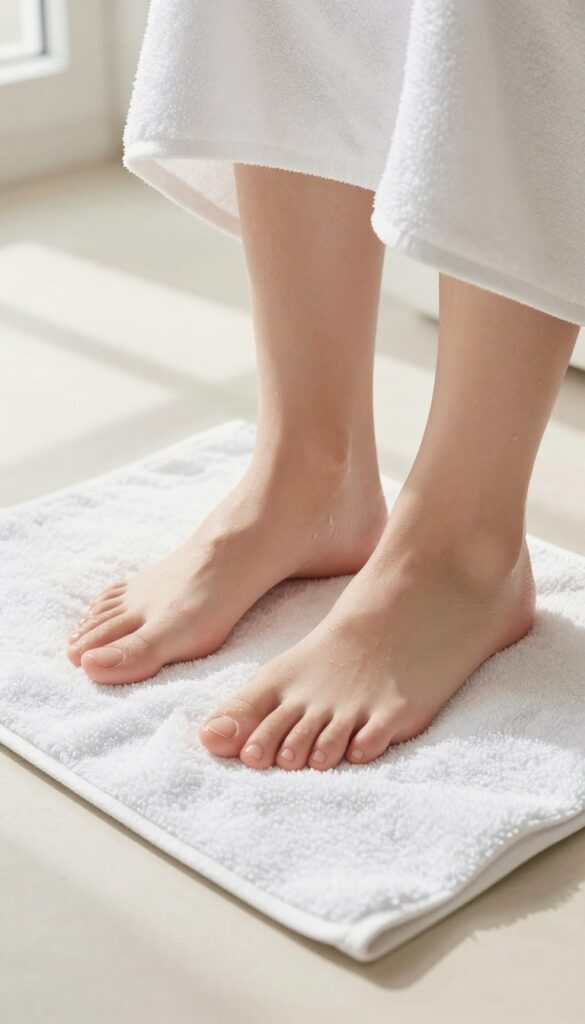
That damp feeling between your toes after a shower isn't just uncomfortable—it's an open invitation for fungal infections. Athlete's foot thrives in moisture, and the warm, dark spaces between your toes are its favorite breeding ground. A few extra seconds with a towel can save you from itching, peeling, and embarrassment down the road.
Why It Matters
When you skip drying between your toes, moisture gets trapped in the folds of your skin. Over time, this creates the perfect environment for fungi and bacteria to multiply. The result?
Unpleasant odors, flaky skin, and infections that can spread to your nails or other parts of your body. Drying thoroughly breaks that cycle.
How To Do It Right
After your shower, take a clean towel and gently pat between each toe, one by one. Don't rub—that can irritate the skin. If you're prone to foot issues, consider using a separate towel just for your feet.
You can also use a hairdryer on a cool setting to make sure every nook is bone-dry.
Extra Tips For Fresh Feet
Change your socks at least once a day, and choose moisture-wicking materials like cotton or bamboo. If your feet sweat heavily, apply an antifungal powder or spray before putting on socks. And never wear the same shoes two days in a row—give them time to air out.
5. Apply Deodorant at Night
Most people swipe on deodorant in the morning, right after their shower. But if you're using an antiperspirant, you're actually missing out on its full potential. Nighttime application gives the active ingredients time to work while you sleep, blocking sweat glands before they even think about producing sweat.
By morning, you're already protected, and a quick refresh is all you need.
When you apply antiperspirant at night, your body is cooler and less active, so the product can absorb properly. This means less sweat and odor during the day. Plus, you won't have to worry about reapplying mid-afternoon.
Why Nighttime Works Best
Your sweat glands are less active while you sleep, which allows the aluminum-based compounds in antiperspirants to form temporary plugs in the ducts. This reduces sweating for up to 24 hours. Morning application often gets wiped off by sweat or movement before it can fully work.
How To Apply Correctly
Before bed, make sure your underarms are clean and completely dry. Apply a thin, even layer of antiperspirant—don't overdo it. Let it dry for a minute before getting into pajamas.
In the morning, you can rinse off any residue or just go straight into your day.
A Quick Morning Touch-up
If you're worried about odor after a workout or a long day, a quick swipe of deodorant (not antiperspirant) in the morning can boost freshness without interfering with the overnight protection. Stick with a non-antiperspirant deodorant for this step.
6. Change Your Pillowcase Often

Think about it—your face presses against that pillowcase for hours every night. Oils, sweat, dead skin cells, and bacteria from your hair and face all build up on the fabric. If you're waking up with clogged pores or dull skin, your pillowcase might be the culprit.
Swapping your pillowcase twice a week is one of the easiest ways to keep your skin clear and feel fresher in the morning. It's a small habit that makes a big difference, especially if you're prone to breakouts or have sensitive skin.
Why It Matters
Your pillowcase collects everything your skin and hair shed overnight. Over time, that buildup can transfer back onto your skin, leading to clogged pores, irritation, and even acne. Think of it like a reusable cloth that never gets washed—it's not doing your hygiene any favors.
How To Make It A Habit
Keep a stack of clean pillowcases handy so you can swap them out quickly. Set a reminder on your phone for Sunday and Wednesday nights, or just make it part of your laundry routine. If you use a silk or satin pillowcase, hand wash it gently to keep it in good shape.
Bonus Tip For Extra Freshness
Spray your pillowcase with a light linen spray or a few drops of lavender essential oil mixed with water before bed. It adds a calming scent and helps you feel even cleaner when you lay your head down.
7. Wear Breathable Fabrics
Your clothes can either help or hurt your freshness. Non-breathable synthetics trap heat and moisture, creating a breeding ground for odor-causing bacteria. Choosing the right fabrics is a simple way to stay dry and comfortable all day.
Cotton, bamboo, and linen allow airflow and wick moisture away from your skin. This keeps you cooler and reduces sweat buildup. On long days, avoid polyester and nylon blends that cling and suffocate your skin.
Prioritize natural fibers for underwear, socks, and tops, especially if you're active.
Why Fabric Matters
Synthetic fabrics don't breathe. They trap heat and sweat against your skin, leading to that sticky, damp feeling. Over time, bacteria multiply and cause odor.
Natural fibers like cotton and bamboo let air circulate, so moisture evaporates quickly.
Best Choices For Every Day
For underwear and socks, 100% cotton or bamboo is ideal. For tops, linen and cotton blends are great for warm weather. Merino wool is another option—it's breathable and naturally odor-resistant.
Save synthetics for workouts where moisture-wicking tech is designed for performance.
What To Avoid
Steer clear of tight polyester or nylon clothing for all-day wear. They don't absorb moisture, so sweat stays on your skin. This can cause chafing and a sour smell by midday.
If you must wear synthetics, choose loose fits and change out of them as soon as possible.
8. Use a Foot Powder or Spray
Your feet work hard all day, and they deserve a little extra care. A quick spritz of foot powder or antibacterial spray in your shoes can make a big difference in keeping them dry and odor-free. It's a small step that pays off in comfort and confidence.
Feet sweat more than you might think, and that moisture can lead to odors and even fungal issues. A good foot powder or spray absorbs moisture and kills bacteria, so your shoes stay fresh longer. Apply it in the morning before putting on socks, and reapply if you're on your feet all day.
Why It Works
Foot powders contain ingredients like cornstarch or talc that wick away moisture, while sprays often include antibacterial agents like tea tree oil or alcohol. Together, they create an environment where odor-causing bacteria can't thrive.
How To Use It Right
Sprinkle powder directly onto your feet or into your shoes before wearing. For sprays, give each shoe a quick spritz inside and let it dry for a minute. Don't overdo it—a light dusting or two sprays is enough.
Best Products To Try
Look for powders with baking soda or zinc oxide for extra odor control. Sprays with essential oils like lavender or peppermint add a pleasant scent. Avoid products with harsh chemicals that can irritate skin.
9. Rinse After the Gym—Even If You Don't Sweat

You might think a quick workout without breaking a sweat means you can skip the post-gym rinse. Not quite. Bacteria and dead skin cells still accumulate on your skin, and gym equipment can transfer germs even if you're dry.
A fast rinse and fresh clothes make a big difference.
Even light activity creates a warm environment on your skin where bacteria love to multiply. A quick shower—even without soap—washes away surface microbes and resets your skin. Changing into clean clothes is just as important; damp fabric against your skin can lead to body odor and breakouts.
The Germ Factor
Gym surfaces like mats, weights, and benches harbor bacteria and fungi. Even if you don't feel sweaty, you pick up these microbes. A rinse removes them before they settle in and cause odor or skin irritation.
Skin Health Matters
Sweat or not, your pores can clog from the combination of dead skin, oils, and gym grime. A quick post-workout rinse keeps your skin clear and reduces the chance of back or chest acne.
Fresh Clothes, Fresh You
Wearing the same clothes after a workout—even if they feel dry—traps bacteria against your skin. Changing into clean, breathable fabric helps you stay fresh and prevents that lingering gym smell.
10. Clean Your Tongue Daily
Brushing and flossing are great, but they only clean part of your mouth. Your tongue is a breeding ground for bacteria that cause bad breath and affect your overall oral health. Adding a simple tongue-cleaning step to your morning routine can make a big difference in how fresh your mouth feels all day.
A tongue scraper is more effective than a toothbrush at removing the thin layer of bacteria, food debris, and dead cells that accumulate on your tongue. Use it every morning before brushing to reduce bad breath and improve your sense of taste. It takes just a few seconds and leaves your mouth feeling noticeably cleaner.
Why Tongue Scraping Works
Your tongue's rough surface traps bacteria that brushing alone can't reach. A scraper gently removes this buildup, cutting the bacterial load in your mouth. Studies show it can reduce volatile sulfur compounds, the main cause of halitosis, more effectively than brushing your tongue.
How To Do It Right
Do it first thing in the morning, before you brush or drink anything. Starting from the back of your tongue, gently scrape forward two to three times. Rinse the scraper after each pass.
You don't need to press hard—light pressure is enough to avoid irritation.
Pick The Right Tool
You can choose between plastic or metal scrapers. Metal ones (stainless steel or copper) are more durable and easier to clean. Plastic scrapers are cheaper but wear out faster.
Either works well, so pick what feels comfortable. Replace plastic scrapers every few months.
11. Moisturize While Skin Is Damp
Timing matters more than you think when it comes to locking in moisture. The best moment to apply lotion is right after you pat dry, while your skin is still slightly damp. That window—about three minutes—lets the product trap water against your skin, keeping it hydrated longer without needing heavy creams.
Moisturizing on damp skin boosts absorption and seals in hydration. It also means you can use a lighter formula and still get great results. Your skin stays soft, smooth, and less prone to dryness throughout the day.
Why Damp Skin Works Best
When your skin is still moist, it's more permeable. The lotion's ingredients can sink in deeper and bind water to the skin's surface. Dry skin repels moisture, so applying lotion after it's fully dried often just sits on top.
How To Make It A Habit
Keep your lotion in the shower or right next to your towel. After drying off, set a timer or just count to 180. A quick all-over application takes less than a minute and makes a noticeable difference in how your skin feels.
Picking The Right Lotion
You don't need a thick cream. A lightweight lotion or body oil works perfectly when applied to damp skin. Look for ingredients like glycerin, hyaluronic acid, or ceramides that help lock in moisture without feeling greasy.
12. Keep a Travel Hygiene Kit
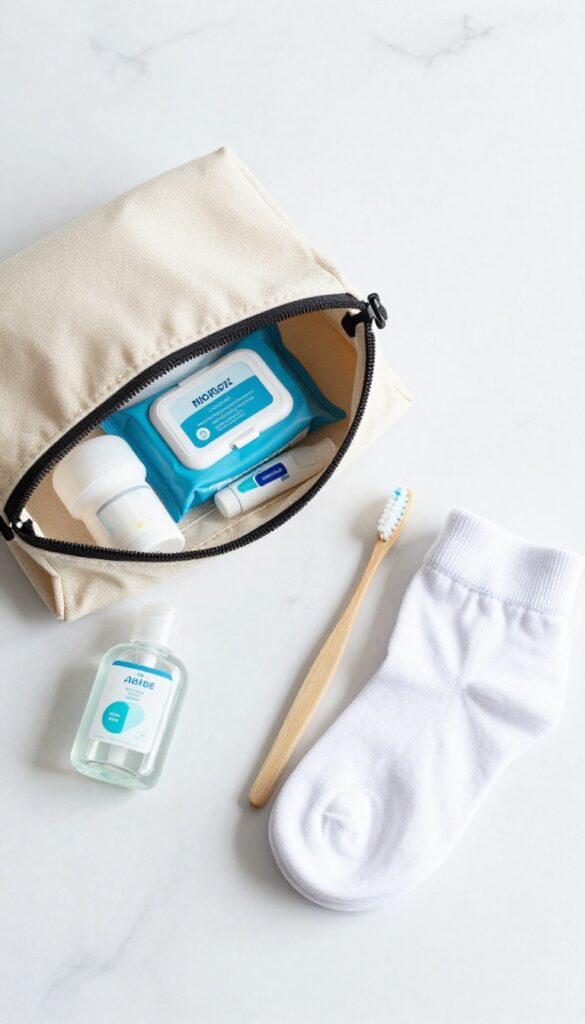
Life gets busy, and you never know when you'll need a quick refresh. A small travel hygiene kit can be a lifesaver during long commutes, after the gym, or on days that just won't end. Keep it in your bag or car so you're always prepared.
Packing a few essentials doesn't take much space but makes a huge difference. Think mini deodorant, a pack of wet wipes, a small hand sanitizer, and a spare pair of socks. These items can help you feel fresh and confident no matter where you are.
What To Pack
Start with the basics: a travel-sized deodorant, unscented wet wipes, a small hand sanitizer, and a fresh pair of socks. Add a mini toothbrush and toothpaste if you have room. Choose items that are easy to replace and won't leak.
Where To Keep It
Stash your kit in your work bag, gym bag, or car glove compartment. Make sure it's easily accessible. If you commute by train or bus, a small pouch in your backpack works perfectly.
When To Use It
Use your kit after a workout, before a meeting, or during a long travel day. Wet wipes can freshen up your face and hands, deodorant keeps odor at bay, and clean socks can make your feet feel brand new.
13. Wash Your Hairbrush Weekly
Your hairbrush works hard every day, but when was the last time you cleaned it? Brushes collect oil, dust, dead skin cells, and product buildup with each stroke. Using a dirty brush just transfers all that grime right back onto your clean hair, making it look dull and feel greasy faster.
A quick weekly clean keeps your brush fresh and your hair cleaner. Fill a bowl with warm water and a few drops of mild shampoo. Swish the brush around, use an old toothbrush to scrub between bristles, rinse thoroughly, and let it air dry bristle-side down.
That's it—your brush will be ready to help you feel fresh every day.
Why It Matters
Dirty brushes can harbor bacteria and old product residue. That buildup can weigh down your hair, cause scalp irritation, and even contribute to breakouts along your hairline. A clean brush means cleaner hair and a happier scalp.
How Often To Clean
Once a week is the sweet spot for most people. If you use a lot of styling products or have oily hair, bump it up to twice a week. For natural-bristle brushes, be gentle—they're more delicate and can warp if soaked too long.
Quick Maintenance Between Washes
After each use, remove any hair wrapped around the bristles. This simple step prevents buildup and makes your weekly deep clean much easier. A lint roller can also grab dust and lint from the bristles in seconds.
14. Use a Separate Towel for Your Face
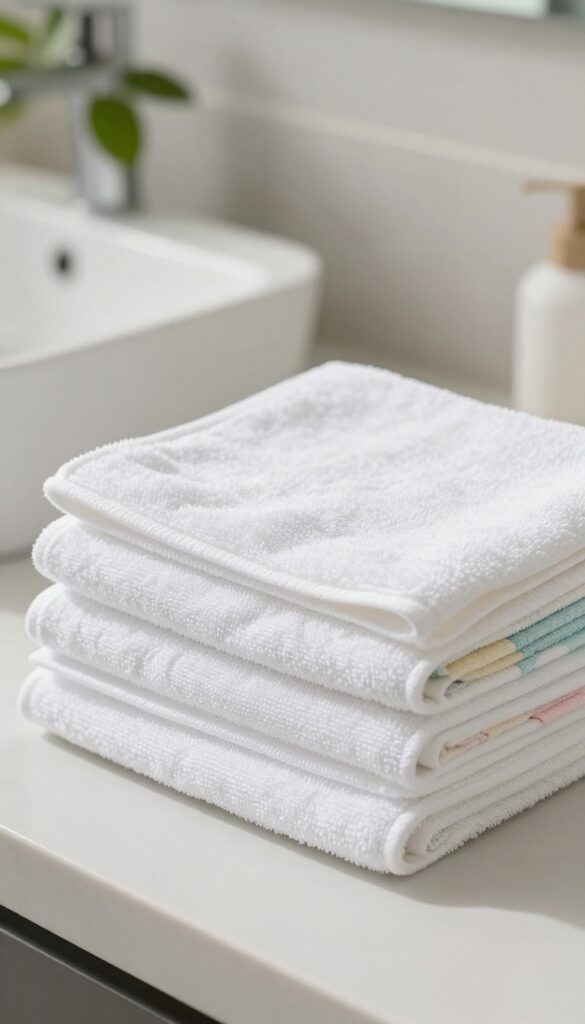
Your body towel might be the culprit behind those stubborn breakouts. Even after a thorough wash, towels can harbor bacteria, dead skin cells, and oils that transfer right back onto your face. A dedicated face towel is a simple swap that can make a noticeable difference in your skin's clarity.
Make the switch to a separate, smaller towel just for your face. Use it only once before tossing it in the laundry. This prevents cross-contamination from your body and keeps your face towel fresher for longer.
Why It Matters
Body towels often stay damp longer, creating a breeding ground for bacteria like acne-causing Propionibacterium acnes. When you dry your face with the same towel you used on your body, you're spreading that bacteria directly onto your skin. A separate towel eliminates this risk.
How To Choose And Care For Your Face Towel
Pick a soft, absorbent towel made of cotton or microfiber. Microfiber is gentle and less likely to irritate sensitive skin. Wash your face towels after every 2–3 uses in hot water with a mild detergent.
Avoid fabric softeners, as they can leave residue that clogs pores.
Quick Tips For Daily Use
Keep a clean face towel within reach in the bathroom. Pat your face dry instead of rubbing to avoid irritation. If you're prone to breakouts, consider using a fresh towel every day.
A small stack of inexpensive face cloths makes this habit easy to maintain.
15. Don't Skip Sunscreen on Your Body
You probably remember to protect your face from the sun, but what about the rest of you? Your shoulders, arms, and legs see just as much UV exposure, and they deserve the same care. Sun damage adds up over time, leading to premature aging and even skin cancer.
Making sunscreen a daily habit for your whole body is one of the best things you can do for your skin's health and appearance.
Make It A Morning Routine
Apply a broad-spectrum SPF 30 or higher to all exposed skin before you get dressed. This includes your neck, chest, arms, and legs. Think of it as the final step in your skincare routine.
It only takes a minute and can save you from sunburns and long-term damage.
Don't Forget The Easy-to-miss Spots
Your ears, the back of your neck, the tops of your feet, and even your hands are often neglected. These areas get a lot of sun and are prone to showing signs of aging first. Use a spray or lotion to cover them quickly.
A lip balm with SPF is also a good idea.
Reapply Throughout The Day
Sunscreen wears off after a few hours, especially if you're sweating or swimming. Set a reminder on your phone to reapply every two hours. Keep a travel-sized bottle in your bag or car so you're always prepared.
It's a small effort that makes a big difference.
16. Air Out Your Shoes
Your feet are packed with sweat glands, and shoes trap moisture like a sealed container. That warm, dark environment is a breeding ground for bacteria and odor. Letting your shoes breathe between wears is one of the simplest ways to keep your feet feeling fresh.
Rotate Your Pairs
Wearing the same shoes two days in a row doesn't give them time to dry out. Aim to have at least two pairs of everyday shoes and switch them daily. This simple habit can cut down foot odor dramatically.
Use Shoe Deodorizers
Shoe deodorizers (like cedar shoe trees or activated charcoal bags) absorb moisture and neutralize odors. Just pop them in after wearing, and your shoes will smell fresher and last longer.
Dry Them Properly
If your shoes get wet, stuff them with newspaper to absorb moisture quickly. Never put them directly on a heater, as that can damage materials. Let them air dry naturally in a well-ventilated area.
17. Stay Hydrated for Natural Freshness

Water does more than quench your thirst—it helps your body regulate temperature and flush out toxins that can contribute to body odor. When you're dehydrated, your sweat becomes more concentrated, which can make smells stronger. Drinking enough water dilutes sweat and keeps your skin's natural balance in check.
Aim for about 8 glasses of water a day, but adjust based on your activity level and climate. If you struggle to drink plain water, add slices of lemon, cucumber, or mint for a refreshing twist. Herbal teas and water-rich foods like watermelon and cucumber also count toward your intake.
How Hydration Reduces Odor
Your sweat glands release water and electrolytes to cool you down. When you're well-hydrated, sweat is mostly water and evaporates quickly, leaving little residue for bacteria to break down. Dehydration makes sweat thicker and saltier, giving bacteria more fuel to produce odor.
Tips To Drink More Water
Keep a reusable water bottle on your desk or in your bag as a visual reminder. Set hourly alarms on your phone or use a hydration app. If plain water bores you, infuse it with berries, citrus, or herbs.
You can also eat your water—snack on celery, oranges, or bell peppers.
FAQ
How often should I shower for good hygiene?
Most people can shower once daily. If you have dry skin or live in a cold climate, every other day may be enough. Adjust based on your activity level.
Can I use the same deodorant for day and night?
Yes, but applying antiperspirant at night is more effective. For odor control, a natural deodorant can be reapplied as needed during the day.
What's the best way to prevent body odor without harsh chemicals?
Wear breathable fabrics, shower after sweating, and use a natural deodorant with baking soda or charcoal. Also, stay hydrated and eat a balanced diet.
How often should I change my towel?
Bath towels should be washed after three uses. Hand towels every two days. Face towels daily to prevent bacteria buildup.
Is it bad to shower twice a day?
Not if you use lukewarm water and mild soap. Overwashing can strip natural oils, so moisturize afterward. It's fine for active or sweaty days.
Conclusion
Staying clean all day isn't about complicated routines—it's about small, smart habits that add up. From how you shower to how you care for your clothes and accessories, every step helps you feel fresher longer. Pick a few tips that fit your lifestyle and start there.
You don't have to do all 17 at once. Even one or two changes can make a noticeable difference in how clean and confident you feel every day.