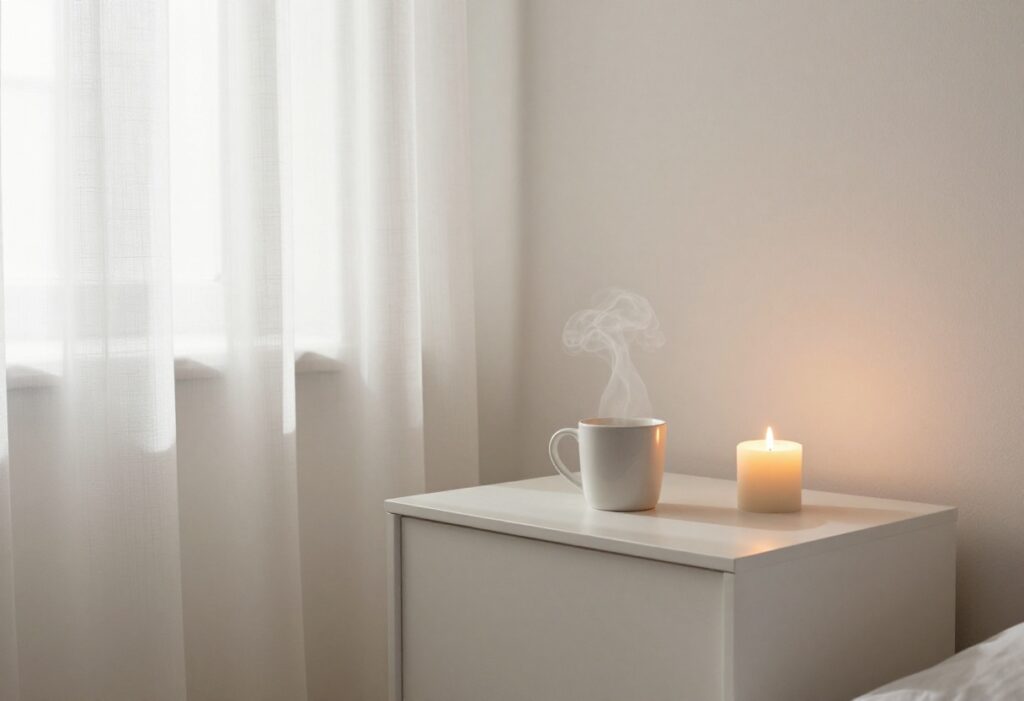
Quiet days are rare gifts—a chance to slow down without guilt. Instead of filling them with chores or screen time, you can turn them into gentle rituals that restore your energy.
These 17 soft living tips help you sink into stillness, one small, soothing action at a time. From no-alarm mornings to daydreaming by a window, each idea invites you to be present and kind to yourself.
Pick what feels right today, and let the calm unfold naturally.
1. Start with a No-Alarm Morning

Waking up to a blaring alarm can jolt your nervous system into stress mode before your feet even hit the floor. On a quiet day, you deserve a gentler start—one that lets your body ease into wakefulness on its own terms.
Let your body wake naturally instead of jolting awake to a loud alarm. This sets a calm tone for the entire day.
Why It Works
When you skip the alarm, you allow your sleep cycle to complete naturally. Waking during a light sleep phase leaves you feeling refreshed rather than groggy.
How To Do It
If your schedule allows, simply set an intention to wake when you're ready. If you need a backup, use a sunrise alarm clock or a gentle vibration alarm on your wrist.
Make It A Ritual
Stay in bed for a few extra minutes. Stretch, take a deep breath, or just listen to the morning sounds. This small pause sets a peaceful rhythm for the rest of the day.
2. Make Your Bed Slowly
There's a quiet power in starting the day with a simple, intentional act. Making your bed is often rushed or skipped, but when you treat it as a mindful ritual, it becomes a grounding moment. Smoothing the sheets and fluffing the pillows can be your first gentle act of self-care, setting a calm tone for the hours ahead.
Instead of tugging the duvet into place mindlessly, slow down. Notice the texture of the fabric, the weight of the blanket, the way the light falls on the pillows. This small pause invites you to be present and signals to your brain that today is for softness, not speed.
Start With Gratitude
Before you touch the sheets, take a breath and appreciate the rest you just had. Acknowledge that your bed held you through the night. This simple shift from chore to gratitude makes the act feel nourishing.
Focus On Sensation
Pay attention to the sensory details—the cool cotton, the soft give of the pillow, the straightening of a wrinkle. Let your hands move slowly and deliberately. This turns bed-making into a mini meditation.
End With A Smile
Once the bed is made, step back and look at your work. A neatly made bed is a small victory. Smile at it, and let that feeling of accomplishment carry you gently into the rest of your quiet day.
3. Sip Something Warm in Silence
There's a reason why warm drinks feel like a hug in a mug. On a quiet day, skip the multitasking and just sit with your tea, coffee, or warm lemon water. Let the heat travel through your hands and down your throat, grounding you in the moment.
No phone, no book, no podcast. Just you and the warmth. This simple act can slow a racing mind and create a pocket of peace in your day.
It's not about the drink—it's about the pause.
Choose Your Cup Intentionally
Pick a mug that feels good in your hands—maybe one with a smooth glaze or a favorite color. The ritual of choosing your vessel adds a layer of mindfulness. Pour your drink and hold it with both palms, feeling the warmth seep in.
Focus On The Sensations
Notice the steam curling upward, the scent rising, the first sip traveling down. Let your attention rest on each sensory detail. If your mind wanders, gently bring it back to the taste and temperature.
This is a form of meditation without the pressure.
Set A Timer For Stillness
Commit to five or ten minutes of uninterrupted sipping. Place your phone in another room or turn off notifications. The timer frees you from wondering when to stop—you just sit and sip until it rings.
Those minutes can feel surprisingly expansive.
4. Do a Gentle Stretch Sequence

Your body holds tension from the week, even on quiet days. A few minutes of soft stretching releases that tightness and wakes you up gently—no need for a full workout or breaking a sweat. Think of it as a conversation with your muscles, not a command.
This isn't about flexibility goals or pushing limits. It's about moving slowly, breathing deeply, and letting your body find its natural range. A gentle stretch sequence can be as short as five minutes, done right in your pajamas.
Start with your neck and shoulders, where most of us store stress. Slowly roll your head side to side, then shrug and release your shoulders a few times. Move to your spine with a seated cat-cow or a gentle twist.
Finish with a forward fold, letting your head hang heavy. Hold each stretch for three deep breaths, and never force a position.
Morning Wake-up Flow
Try this sequence right after you get out of bed: stand and reach your arms overhead, then slowly bend side to side. Follow with a standing forward fold, then roll up one vertebra at a time. End with a gentle backbend, hands on your lower back.
This takes under three minutes and sets a calm tone for the day.
Evening Wind-down Stretches
Before bed, focus on hips and legs. Lie on your back and pull one knee to your chest, then the other. Try a reclined butterfly by bringing the soles of your feet together and letting your knees fall open.
A gentle hamstring stretch with a strap or towel can release the day's sitting. Breathe slowly and let go.
5. Write a Short Gratitude Note
Gratitude doesn't need a full journaling session. On a quiet day, a short note can shift your focus to what's already good. It's a gentle way to end the day or start it with a soft heart.
Keep it tiny—one or two things you're grateful for. Maybe the warmth of your tea, a kind text from a friend, or just the silence itself. No pressure to make it profound.
Gratitude notes are a simple, low-effort way to cultivate appreciation without overwhelming yourself. The goal is to notice small joys, not to write an essay.
Keep It Simple
Grab a sticky note or a small piece of paper. Write one sentence like "I'm grateful for my cozy blanket" or "Thankful for the rain outside. " That's it.
No need for bullet points or perfect handwriting.
Make It A Ritual
Pair your note with a quiet moment—maybe after your morning tea or right before bed. Place it somewhere you'll see it, like on your mirror or nightstand. Over time, these little notes become a collection of soft reminders.
Don't Overthink It
If nothing comes to mind, it's okay to write the same thing each day. The act itself is what matters. You're training your brain to look for the good, even on days when everything feels flat.
6. Read a Few Pages of a Comforting Book
A quiet day is the perfect excuse to revisit an old favorite or pick up something light. Reading doesn't have to mean finishing a chapter—just a few pages can transport you to another world and give your mind a gentle break.
Choose a book that feels like a warm blanket: a childhood classic, a cozy mystery, or a collection of short essays. Even ten minutes of reading can lower stress and spark a sense of calm. Keep it on your nightstand or a cozy chair so it's always within reach.
Pick Something Nostalgic
Re-reading a book you loved years ago can bring comfort and familiarity. Think of it as visiting an old friend—no pressure to remember every detail, just enjoy the feeling of being wrapped in a story you already love.
Create A Cozy Reading Spot
Find a corner with good light, a soft blanket, and maybe a cup of tea. Make it inviting so that even a short reading session feels like a mini escape. A dedicated spot helps signal to your brain that it's time to unwind.
Set A Timer, Not A Goal
Instead of aiming to finish a certain number of pages, set a timer for 10 or 15 minutes. This takes away any pressure and lets you simply enjoy the act of reading. When the timer goes off, you can stop or keep going if you're in the flow.
7. Take a Slow, Unhurried Shower

A shower can be more than just a way to get clean—it can be a full sensory reset. On quiet days, treat it like a ritual rather than a task. Let the warm water wash away not just dirt, but stress and hurry.
Set the mood by lighting a candle or dimming the lights. Choose a body wash or soap with a scent you love—lavender, eucalyptus, or vanilla. Stay in the water longer than usual, letting it run over your shoulders and back.
Breathe deeply and notice how the steam fills the room. This isn't about efficiency; it's about feeling present in your own skin.
Pick Your Scent Intentionally
Scents have a direct line to your emotions. Pick a fragrance that makes you feel calm or uplifted. Maybe it's a citrusy morning blend or a floral evening one.
Let the smell wrap around you like a gentle hug.
Focus On Sensation, Not Speed
Notice the temperature of the water, the pressure on your skin, the sound of the droplets. Run your hands through your hair slowly. Use a soft washcloth or loofah in circular motions.
This turns a routine chore into a mindful moment.
End With A Cool Rinse (optional)
If you're up for it, finish with a quick cool rinse. It can wake up your skin and leave you feeling refreshed. But if cold water isn't your thing, skip it—the goal is comfort, not challenge.
8. Wear Your Softest Clothes
What you wear on a quiet day can set the tone for how you feel. Instead of staying in yesterday's jeans or something that pinches, choose pieces that feel like a gentle embrace. Fabric matters more than you think—soft textures can actually lower stress and signal your brain that it's time to rest.
Swapping structured outfits for cozy layers is a simple way to honor the slowness of the day. Think oversized sweaters, worn-in cotton tees, or fleece joggers that have been washed a hundred times. The goal isn't fashion—it's comfort that lets you breathe and move freely.
Why Fabric Affects Your Mood
Studies show that tactile sensations influence our emotional state. Rough, tight, or scratchy materials keep your nervous system on alert, while soft, breathable fabrics like organic cotton, bamboo, or cashmere promote relaxation. On a quiet day, every touch matters—choose clothes that feel like a second skin.
Build A Quiet-day Capsule
Keep a small collection of go-to soft pieces ready: a chunky knit cardigan, a pair of loose linen pants, a favorite worn-in hoodie, and socks that feel like clouds. Having these items accessible makes it easy to slip into comfort mode without thinking. Bonus points if they're in calming colors like oatmeal, sage, or dusty rose.
Don't Forget The Details
Softness isn't just about shirts and pants. Consider the feel of your socks, the fabric of your blanket, and even the texture of your slippers. A silk pillowcase or a plush robe can elevate the experience.
Little touches add up to a full-body sense of ease.
9. Prepare a Simple, Nourishing Meal
Cooking can feel like a chore on busy days, but on a quiet day, it becomes a gentle act of self-care. The goal isn't a gourmet feast—it's something warm, easy, and satisfying that makes you feel cared for. Think of meals that require minimal effort but deliver maximum comfort.
A bowl of creamy tomato soup with crusty bread, avocado toast with a sprinkle of sea salt, or a colorful fruit bowl with yogurt. These aren't just foods; they're small rituals that nourish your body and soul. Let the process be slow and mindful.
Chop vegetables without rushing, stir the pot while taking deep breaths, and plate your food nicely—even if you're eating alone. The intention matters more than the recipe.
Keep It Simple And Satisfying
Stick to recipes with five ingredients or fewer. A classic grilled cheese with tomato soup, a hearty lentil soup, or a smoothie bowl topped with granola and berries. The key is to choose foods that feel like a hug in a bowl, not something that stresses you out.
Engage Your Senses While Cooking
Pay attention to the colors, smells, and textures as you prepare your meal. Listen to the sizzle of onions in a pan, feel the smooth skin of a ripe avocado, and inhale the aroma of fresh herbs. This turns cooking into a meditative practice, grounding you in the present moment.
Make It A Mindful Eating Moment
Set a small table for yourself, even if it's just a corner of the couch. Put your phone away and eat without distractions. Take small bites, chew slowly, and savor each flavor.
This transforms a simple meal into a nourishing experience that fills you up from the inside out.
10. Listen to a Calming Playlist
Sound has a quiet way of shaping your mood. On a soft living day, the right playlist can be a gentle anchor, keeping you grounded without demanding anything from you. Think of it as a sonic blanket—something that fills the space and soothes your mind, even if you aren't actively listening.
Curate a playlist that feels like a warm hug. Ambient music, nature sounds, or lo-fi beats work beautifully because they have a steady, predictable flow. Let it play softly in the background while you read, stretch, or simply sit.
The goal isn't to analyze the music but to let it wash over you, creating a cocoon of calm.
Choose Your Vibe
Pick a genre that matches your desired mood. For deep relaxation, try binaural beats or rainfall recordings. For gentle focus, lo-fi or instrumental acoustic works well.
If you want something uplifting but still mellow, go for soft piano or ambient electronic.
Set It And Forget It
Avoid the urge to skip tracks or adjust volume constantly. Let the playlist run on its own—maybe even on repeat. The repetition becomes part of the comfort, like a familiar lullaby.
Use streaming service playlists or make your own so there's no decision fatigue.
Pair It With An Activity
Calming music pairs beautifully with other quiet activities. Try it during a slow morning coffee, while journaling, or as you stretch on the floor. The music becomes a subtle thread tying your gentle moments together, making the whole day feel more intentional.
11. Do One Small Creative Thing

Creativity doesn't have to be a big production. On quiet days, the smallest creative acts can feel deeply satisfying. Doodle in the margins, color in a coloring book, knit a few rows, or arrange a handful of flowers in a jar.
The goal is the process, not the product. Let your hands move without worrying about the outcome.
Why Process Matters More Than Product
When you focus on the act of creating rather than the result, you remove pressure. Your brain enters a flow state that calms the nervous system. There's no judgment, no comparison—just the simple joy of making something with your hands.
Easy Ideas To Try
Grab a pen and doodle abstract shapes. Pull out a coloring book and fill in a page with no plan. Knit a few rows of a scarf without counting stitches.
Pick a few stems from your garden or a market and arrange them loosely in a vase. Each of these takes less than 15 minutes and leaves you feeling centered.
Let Go Of Expectations
Remind yourself that this is not about creating a masterpiece. It's about the soothing rhythm of the activity. If you end up with a crooked doodle or a lopsided flower arrangement, that's perfectly fine.
The real reward is the quiet focus you gave yourself.
12. Sit by a Window and Daydream
When was the last time you just sat and stared out a window? Not scrolling, not thinking about your to-do list—just letting your mind drift. Daydreaming is a quiet superpower that gives your brain space to reset and wander freely.
Find a cozy spot by your favorite window. Watch the clouds, the trees, or people passing by. Let your thoughts meander without trying to control them.
This unstructured mental break can spark creativity and ease anxiety. No goal, no agenda—just you and the view.
Why Daydreaming Counts As Self-care
Daydreaming activates the default mode network in your brain, which is linked to creativity, memory, and self-reflection. It’s not laziness—it’s a gentle way to process emotions and recharge. Giving yourself permission to do nothing is an act of kindness.
How To Make It A Ritual
Set a timer for 10 minutes. Put your phone in another room. Sit by a window with a cup of tea or just your own breath.
Notice the light, the sounds, the movement outside. If your mind wanders to worries, gently guide it back to the present moment.
Best Spots For Window Daydreaming
A bay window with a cushion, a kitchen nook with a garden view, or even a bedroom window overlooking the street. Any spot where you can see nature or life happening works. Add a soft blanket or a cozy chair to make it inviting.
13. Tidy One Small Area
Cleaning on a quiet day shouldn’t feel like a chore. Instead of tackling the whole house, pick one tiny spot and make it nice. A cleared corner or an organized drawer can do wonders for your mood.
Small spaces respond quickly to a little attention. That messy nightstand or cluttered kitchen counter might only take five minutes. When you finish, you get an instant visual reward—a pocket of calm in your home.
It’s a gentle reminder that you can create order without exhausting yourself.
Choose A Spot That Bothers You Most
Pick the area that catches your eye every day and makes you sigh. Maybe it’s the coffee table with old magazines or a bathroom drawer full of half-used products. Focusing on one small zone keeps the task manageable and satisfying.
Set A Timer For 10 Minutes
Quiet days are for ease, not pressure. Set a timer and work until it rings. You’ll be surprised how much you can do in a short burst.
When the timer goes off, stop—even if you’re not finished. The goal is progress, not perfection.
Enjoy The Afterglow
Once the area is tidy, pause and take it in. Light a candle or put a small plant on the cleared surface. Let yourself feel the satisfaction of a small win.
That little patch of order can ripple into a calmer state of mind.
14. Have a Screen-Free Hour

Your phone buzzes, pings, and glows—constant input that keeps your mind spinning. On a quiet day, you can give yourself permission to disconnect completely. One hour without screens lets your brain settle into a calmer rhythm.
Put your phone away and disconnect. Notice how your mind settles without constant input.
Why It Works
Screens flood your brain with dopamine hits and keep you in a reactive state. Without them, your nervous system can shift from 'fight or flight' to 'rest and digest. ' Even sixty minutes of digital silence can lower cortisol and improve focus.
What To Do Instead
Pick a low-stimulation activity: stretch on the floor, flip through a magazine, or just sit with a cup of tea. Let your mind wander without a goal. You might be surprised how much clarity arrives when you stop chasing it.
Make It A Ritual
Set a timer and place your phone in another room. Light a candle or open a window to mark the start. After the hour, notice how you feel—calmer, clearer, more present.
That’s your cue to do it again tomorrow.
15. Use a Weighted Blanket or Cozy Throw
There's a reason weighted blankets have become a go-to for relaxation. The gentle pressure mimics a hug, helping your nervous system shift into rest mode. On a quiet day, wrapping yourself in that warmth can be a simple yet powerful anchor.
Gravity blankets or chunky knit throws both work—choose what feels best. Drape it over your shoulders while reading, or cocoon yourself on the couch. The weight signals safety, making it easier to let go of tension.
Why Weight Works
Deep pressure stimulation triggers your parasympathetic nervous system, lowering cortisol and heart rate. It's like a gentle reset button for your body.
Pick Your Texture
Weighted blankets come in cotton, minky, or bamboo. For a lighter option, a chunky knit throw adds coziness without the heft. Match it to your comfort preference.
When To Use It
Use it during quiet activities like journaling, napping, or watching a movie. Avoid using it while moving around—save it for stillness.
16. Write Down Three Things That Went Well
Quiet days are perfect for gentle reflection. Instead of focusing on what didn't get done, shift your attention to small wins. This simple practice trains your brain to notice the good, even on the most uneventful days.
Grab a notebook or a piece of paper. Take a few minutes to jot down three things that went well today. They can be tiny—a warm cup of tea, a nice stretch, or a kind thought.
The goal is to end your day on a positive note, reinforcing a mindset of gratitude.
Why It Works
Our brains have a natural negativity bias—we remember the bad more easily than the good. By deliberately noting small positives, you rewire your brain to scan for joy. Over time, this builds resilience and a softer inner voice.
Make It A Ritual
Pair this practice with a cozy habit. Light a candle, sip herbal tea, or sit by a window. The sensory anchor makes the reflection feel like a treat, not a task.
Keep your list somewhere visible to revisit on harder days.
17. End with a Calming Nighttime Ritual

A quiet day deserves a quiet ending. Instead of scrolling through your phone or rushing to bed, create a small ritual that signals to your body it's time to rest. This isn't about a long routine—just a few gentle steps that help you unwind and prepare for sleep.
Dim the lights, light a candle, and do a short body scan or breathing exercise before bed. This simple practice can ease tension and improve sleep quality.
Set The Scene
Lower the lights about 30 minutes before bed. Light a calming candle—lavender or chamomile scents work well. This visual and olfactory cue tells your brain that the day is winding down.
Body Scan In Bed
Once you're under the covers, close your eyes and slowly bring attention to each part of your body, starting from your toes and moving up. Notice any tightness and consciously relax those areas. This takes just a few minutes but can release physical stress.
Breathe Deeply
Finish with 4-7-8 breathing: inhale for 4 seconds, hold for 7, exhale for 8. Repeat four times. This activates your parasympathetic nervous system, helping you drift off naturally.
FAQ
What is soft living self-care?
Soft living self-care is a gentle approach to rest and recovery that prioritizes comfort, slowness, and small nurturing activities over productivity or achievement.
How do I start a quiet day routine?
Begin by letting your body wake naturally, then choose one or two calming activities from this list. The key is to move slowly and without pressure.
Can I do these tips if I have a busy schedule?
Absolutely. Many tips take just a few minutes. You can adapt them for short breaks or dedicate a full quiet day when possible.
What if I feel guilty for resting?
Remind yourself that rest is productive for your well-being. Start with small acts of care and notice how they recharge you.
Are these tips suitable for introverts and extroverts?
Yes. Quiet days can benefit anyone. Introverts may crave solitude, while extroverts can use these tips to balance their social energy.
Conclusion
Quiet days aren't wasted days. They're an essential part of staying balanced in a loud world. By weaving these soft living practices into your routine, you give yourself permission to rest without guilt.
Remember, self-care doesn't have to be elaborate. Sometimes the simplest rituals—a warm drink, a good book, a few deep breaths—are exactly what you need. Let these tips be a gentle invitation to slow down and savor the stillness.

Dr. Pallab Kishore, MS in Orthodontics and owner of Orthodontic Braces Care, shares expert tips on braces, aligners, and oral health from 10+ years of experience.