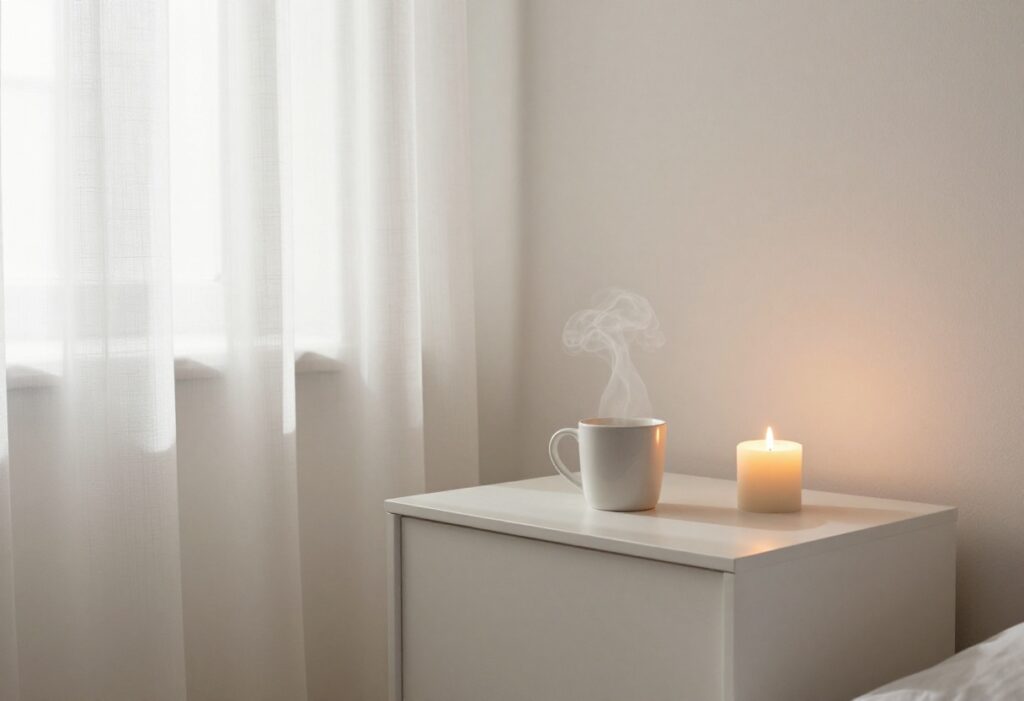
You don't need a spa day or a week-long retreat to practice self-care. Small, intentional actions woven into your daily routine can make a real difference. The key is finding what works for you and making it a habit.
Self-care isn't selfish—it's essential. When you take time to recharge, you show up better for yourself and everyone around you. These 20 ideas are designed to be simple, effective, and easy to fit into even the busiest schedule.
From five-minute resets to weekend rituals, each suggestion is meant to help you feel more grounded, energized, and happy. Pick one or two to start, and see how they transform your day.
1. Start Your Morning with a Glass of Water

Before you reach for that coffee or tea, try drinking a full glass of water first thing in the morning. Your body goes hours without hydration while you sleep, so this simple act rehydrates you, kickstarts your metabolism, and helps you feel more alert. It's a tiny habit with big benefits.
Drinking water upon waking can improve digestion, boost energy levels, and even enhance skin health. Keep a glass or reusable bottle on your nightstand so you remember to drink it before doing anything else. Aim for 8–12 ounces—no need to chug, just sip steadily.
Why It Works
After sleep, your body is mildly dehydrated. Water helps flush out toxins, gets your digestive system moving, and can prevent headaches. It also gives your brain a gentle wake-up call without the jitters of caffeine.
Make It A Habit
Pair it with an existing routine, like brushing your teeth or making your bed. Use a marked water bottle to track your intake, or add a slice of lemon for flavor. Consistency is key—try it for a week and see how you feel.
2. Write Down Three Things You're Grateful For
Gratitude is like a muscle—the more you use it, the stronger it gets. Taking a few minutes each day to jot down three things you're thankful for can rewire your brain to notice the good stuff. It doesn't have to be profound; a warm cup of coffee or a kind text from a friend counts just as much as big life events.
This simple practice shifts your focus from what's missing to what's abundant. Over time, you'll find yourself spotting silver linings more naturally and feeling more content with your everyday life.
Start Small And Specific
Instead of writing "I'm grateful for my family, " get specific: "I'm grateful that my sister called to check on me today. " Specifics make the gratitude feel real and personal, which boosts its positive impact.
Pick A Consistent Time
Anchor your gratitude practice to an existing habit, like right after brushing your teeth or during your morning coffee. Consistency helps turn it into a automatic part of your day, so you don't have to remember to do it.
Mix It Up
Challenge yourself to find new things each day. This prevents the list from feeling stale and trains your brain to scan for fresh positives, even on tough days. Variety keeps the practice engaging and effective.
3. Take a Five-Minute Breathing Break
Sometimes the best thing you can do for yourself is absolutely nothing—well, almost nothing. A five-minute breathing break is a mini reset button for your nervous system. It doesn't require any equipment, special skills, or even a quiet room.
Just you, your breath, and a timer. When life feels overwhelming, our breath often becomes shallow and fast. By intentionally slowing it down, you signal your body that it's safe to relax.
This simple practice can lower your heart rate, reduce stress hormones, and bring your mind back to the present moment. And the best part? You can do it anywhere.
Set a timer and breathe deeply—in for four counts, out for four. This quick reset lowers stress and brings you back to the present moment.
How To Do It
Find a comfortable seat or stand if you prefer. Close your eyes or soften your gaze. Inhale slowly through your nose for a count of four.
Hold for a moment, then exhale gently through your mouth for another four counts. Repeat for five minutes. If your mind wanders, just bring it back to your breath.
Why It Works
Deep breathing activates the parasympathetic nervous system, which is responsible for rest and digestion. It counteracts the fight-or-flight response, lowering cortisol levels and promoting calm. Even a few minutes can shift your mood and energy.
When To Use It
Try it first thing in the morning to start your day centered, during a work break to reset focus, or before bed to unwind. It's also great in moments of stress—like before a meeting or after a tough conversation.
4. Move Your Body for Ten Minutes
Exercise doesn't have to mean an hour at the gym. A quick ten-minute movement session can shift your mood and energy levels fast. It's about breaking the inertia, not breaking a sweat.
When you move, your brain releases feel-good chemicals that reduce stress and boost happiness. The best part? You can do it anywhere, anytime, with no equipment needed.
Why Ten Minutes Works
Research shows that even short bursts of activity improve focus and lower anxiety. Ten minutes is long enough to feel a difference but short enough to fit into a busy morning or afternoon slump.
Easy Ways To Get Moving
Take a brisk walk around the block, put on your favorite song and dance, or do a simple stretch routine. You can also try bodyweight exercises like jumping jacks, lunges, or a quick yoga flow.
Make It A Daily Habit
Pick a consistent time—right after waking up, during a work break, or before dinner. Set a timer and just start. The hardest part is the first minute; after that, your body will thank you.
5. Declutter One Small Space

You don't have to tackle the whole house to feel the benefits of decluttering. In fact, starting with one tiny area—like a junk drawer or a single shelf—can give you a quick win and a mental reset. The act of sorting and simplifying creates a sense of order that often carries over into the rest of your day.
Pick a spot that's been bugging you but feels manageable. Set a timer for 10 minutes and clear it out. Keep only what you need or love, and find a home for everything else.
You'll be surprised how much lighter you feel.
Why Small Wins Work
Completing a small task releases dopamine, the feel-good neurotransmitter. That boost makes you more likely to keep going. Plus, a tidy space reduces visual stress and helps you focus better.
Where To Start
Great candidates: your bedside table, a kitchen counter, a makeup bag, or the top of your dresser. Avoid areas that feel overwhelming, like a full closet. The goal is a quick, satisfying result.
Keep It Going
Make it a habit: pick one small space each week. You'll gradually build a cleaner environment without the burnout of a big purge. And each time you do it, you reinforce a sense of control over your surroundings.
6. Enjoy a Cup of Tea or Coffee Mindfully
Turning a daily caffeine fix into a mindful moment can shift your entire mood. Instead of rushing through your morning brew, give yourself permission to slow down and truly experience it. This tiny ritual costs nothing but pays dividends in calm.
Mindful drinking isn't about fancy equipment or special blends—it's about bringing your full attention to the present. The warmth of the mug, the aroma rising, the first sip hitting your tongue. These small sensations anchor you in the now and break the autopilot cycle.
Set The Scene
Choose a spot where you won't be interrupted—even if it's just for five minutes. Put your phone face down, sit comfortably, and take a few deep breaths before you start. This simple transition signals to your brain that it's time to unwind.
Engage Your Senses
Notice the steam curling upward. Inhale the scent deeply before each sip. Feel the mug's warmth in your hands.
When you drink, let the liquid rest on your tongue for a moment. Notice the temperature, the flavor notes, the texture. This sensory focus pulls you out of your head and into the moment.
Let Go Of Distractions
Resist the urge to scroll, work, or plan. If your mind wanders, gently guide it back to the taste or warmth. This isn't about perfection—it's about practice.
Even one mindful cup can reset your nervous system and leave you feeling more centered.
7. Set a Daily Intention
Mornings can feel like a race before your feet even hit the floor. But taking just 30 seconds to set a simple intention can change the direction of your whole day. It's not about grand goals—it's about choosing one small focus that keeps you grounded when life gets noisy.
Think of a daily intention as a gentle compass. It's not a to-do item or a resolution; it's a quiet guide for how you want to show up. Maybe today you intend to 'listen more' or 'move slowly. ' That single thought can steer your decisions and reactions without adding pressure.
How To Choose Your Intention
Keep it short and personal. Ask yourself: What do I need most today? Patience?
Energy? Kindness? Pick one word or a short phrase that feels right.
Write it on a sticky note or set it as a phone reminder.
Make It Stick
Anchor your intention to a daily habit, like your morning coffee or brushing your teeth. Repeat it silently to yourself. Throughout the day, pause and check in: 'Am I still acting from this intention? ' No judgment if you drift—just gently return.
8. Disconnect from Screens for 30 Minutes
Constant notifications and endless scrolling keep your brain on high alert. A 30-minute screen break gives your mind a chance to reset and refocus. It's not about quitting technology forever—just giving yourself a short, intentional pause.
Put your phone away and do something offline: read a book, go for a walk, or just sit and think. Your brain needs a break from constant stimulation.
Why It Works
Screens demand your attention with a mix of dopamine hits and micro-stressors. Stepping away lowers cortisol, improves focus, and helps you feel more present. Even half an hour can reduce eye strain and mental fatigue.
Easy Offline Activities
Try reading a few chapters of a novel, taking a short walk without headphones, or doing a simple puzzle. You could also journal, stretch, or just sit with a cup of tea and watch the world go by.
Making It A Habit
Pick a consistent time—like during lunch or right after work—and set a timer. Keep a book or notebook handy so you're ready to switch modes. Over time, this break becomes a natural part of your routine.
9. Listen to a Podcast or Audiobook You Love

Turning a mundane task into a moment of joy is one of the easiest self-care wins. Pop in your earbuds and let a podcast or audiobook transform chores, commutes, or workout time into something you actually look forward to. The key is choosing content that genuinely excites or relaxes you.
Pick Your Perfect Genre
Whether it's a gripping true crime series, a feel-good fiction novel, or an inspiring self-development show, match the mood to the moment. For chores, opt for something upbeat or funny. Before bed, choose a calming narrator or a slow-paced story that helps you wind down.
Make It A Ritual
Reserve your favorite podcast or audiobook for specific activities—like folding laundry or your daily walk. This creates a positive association and gives you something to anticipate. Over time, the activity itself becomes a form of self-care because it's linked to that listening pleasure.
Try Shorter Episodes First
If you're new to podcasts, start with episodes under 30 minutes. They're less intimidating and easier to fit into a busy day. Many shows also offer “bite-sized” versions perfect for a quick mental break.
10. Cook a Simple, Nourishing Meal
There's something grounding about chopping vegetables, stirring a pot, and smelling herbs simmer. Cooking from scratch doesn't have to be complicated—it can be a gentle ritual that feeds both body and soul. The goal isn't a gourmet dish; it's the act of slowing down and creating something real with your hands.
When you cook a simple meal, you're not just fueling your body—you're giving yourself a break from screens, schedules, and stress. The process itself can be meditative, especially when you focus on fresh ingredients and simple techniques. Let the colors, textures, and aromas guide you, and remember that imperfect food made with care tastes better than anything rushed.
Choose One-pan Wonders
Start with recipes that require minimal cleanup and effort. Think sheet pan roasted vegetables with chickpeas, a hearty grain bowl, or a simple stir-fry. These meals come together quickly and let you focus on the cooking experience without overwhelming yourself.
Engage Your Senses
Notice the sound of onions sizzling, the feel of kneading dough, the bright color of fresh basil. Cooking mindfully turns a chore into a sensory experience. Try not to multitask—just be present with each step.
Make It A Ritual
Set a calming playlist, light a candle, or pour a glass of water with lemon. Treat the time in the kitchen as a break, not a task. Even 20 minutes of focused cooking can reset your mood and leave you with a nourishing meal to enjoy.
11. Call or Text a Friend Just to Say Hi
Social connection is one of the most reliable mood boosters we have. A quick check-in with someone you care about strengthens bonds and lifts your spirits, often more than you'd expect. It doesn't have to be a long conversation—just a simple "thinking of you" can make both your days better.
Reaching out doesn't need a reason. A short message or a quick call can break the cycle of isolation and remind you that you're not alone. It's a small effort with big emotional returns.
Keep It Low Pressure
You don't need a deep conversation. A funny meme, a voice note, or a quick "how's your day? " text works perfectly.
The goal is connection, not performance.
Schedule A Weekly Check-in
If you tend to forget, set a recurring reminder to reach out to a different friend each week. It turns a good intention into a healthy habit.
Mix Up Your Medium
Sometimes a voice call feels more personal, other times a text is easier. Choose what feels natural in the moment—there's no wrong way to say hi.
12. Do a Five-Minute Stretch at Your Desk

Sitting for hours on end tightens your shoulders, neck, and hips. A quick stretch session right at your desk can undo that tension and boost your energy. No yoga mat or special outfit required—just a few minutes and a willingness to move.
Set a timer for five minutes and work through simple stretches: roll your shoulders backward and forward, gently tilt your head side to side, and reach both arms overhead. Then twist your torso slowly to each side, and finish by stretching your wrists and fingers. This routine releases built-up stiffness and gets blood flowing again.
Why It Works
Prolonged sitting causes muscles to shorten and tighten, especially in the upper body. Stretching counteracts that by lengthening muscles, improving circulation, and reducing the risk of repetitive strain. It also signals your nervous system to shift from 'stressed' to 'relaxed' mode.
How To Make It A Habit
Pair your stretch break with an existing routine, like after you finish a task or before you check your email. You can also use a reminder app or a sticky note on your monitor. Keep it easy—no need to change clothes or leave your desk.
A Quick Routine To Try
Start with neck rolls (5 each side), then shoulder shrugs (10 reps). Reach overhead and hold for 15 seconds. Do a seated spinal twist (hold 15 seconds per side).
Finish with wrist flexor stretches (15 seconds each arm). That's all it takes.
13. Spend Time in Nature
Even five minutes outside—feeling the sun, hearing birds, or touching a tree—can reduce stress and improve your mood. Nature is a free, accessible reset button for your mind and body. You don't need a forest or a beach; a backyard, balcony, or local park works just as well.
The science backs it up: time in green spaces lowers cortisol, boosts serotonin, and sharpens focus. But you don't need to geek out on studies—just step outside and notice how you feel. Whether it's a morning coffee on the porch or a short walk after lunch, those moments add up.
Start Small
If you're stuck indoors all day, begin with one minute. Open a window, feel the breeze, listen to the leaves rustling. Gradually increase to five or ten minutes.
The goal is consistency, not duration.
Engage Your Senses
Instead of scrolling on your phone, look around. Notice the colors, textures, and sounds. Touch a leaf, smell the air, feel the ground beneath your feet.
This sensory shift pulls you into the present moment.
Make It A Ritual
Pair nature time with a daily habit—like your morning tea or after-dinner walk. When it becomes automatic, you won't have to decide; you'll just do it. That's when the real benefits kick in.
14. Practice a Hobby for Fun, Not Productivity
Remember when you used to lose track of time just because you were having fun? Somewhere along the way, hobbies turned into side hustles or skills to master. It's time to reclaim that pure, aimless joy.
Pick up something you loved as a kid or try something new—without any pressure to be good at it.
The point isn't to produce something impressive. It's to immerse yourself in the process. When you let go of outcomes, your brain gets a real break from performance mode.
That's where the magic happens.
Let Go Of Perfection
Your drawing doesn't need to be gallery-worthy. Your knitting can be wonky. The garden doesn't have to win a prize.
Give yourself permission to be a beginner or even a lifelong amateur. The only rule is that it feels good.
Rediscover Flow States
When you're fully absorbed in a hobby, time disappears. That's a flow state—and it's incredibly restorative. Whether it's playing a simple tune on the ukulele or potting a plant, these moments reset your mind and lower stress.
Make It A Ritual, Not A Task
Schedule hobby time like you would any important appointment. Even 15 minutes a day can make a difference. Keep your supplies out and ready so you can jump in without friction.
The easier it is to start, the more likely you'll actually do it.
15. Take a Warm Bath or Shower with Intention
A warm bath or shower can be more than a quick rinse—it can be a daily reset. The key is shifting from autopilot to intention. Instead of rushing through, treat this time as a sensory ritual that signals your brain to relax.
By engaging your senses—scent, touch, sight—you turn a mundane task into a mini escape. It doesn't require extra time, just a slight change in focus. Let the water work its magic while you consciously let go of the day's tension.
Set The Scene
Dim the lights or use a candle for soft glow. Choose a soothing scent like lavender, eucalyptus, or chamomile—either as a bath bomb, essential oil, or shower steamer. Keep the temperature warm but not scalding, and consider playing calm music or silence.
Breathe And Release
As the water runs, take three deep breaths. Imagine stress leaving your body with each exhale. Let your shoulders drop, unclench your jaw, and soften your hands.
Feel the warmth on your skin and notice the steam filling the space.
Finish With Intention
Before stepping out, set a simple intention for the rest of your evening—like "I will be present" or "I choose calm. " Pat dry gently, apply lotion mindfully, and give yourself a moment before rushing to the next task.
16. Write Down One Accomplishment from Today

Your brain is wired to focus on what went wrong—it's a survival thing. But dwelling on mistakes can drain your confidence. Flipping the script by noting one win each day trains your mind to see progress, not just problems.
At the end of the day, grab a notebook or open a notes app. Write down one thing you did well, no matter how tiny. It could be finishing a task, speaking up in a meeting, or just getting out of bed when you felt low.
Over time, this list becomes proof that you're moving forward, even on hard days.
Why It Works
When you actively recall a success, your brain releases dopamine—the feel-good chemical. This builds a positive feedback loop that makes you more likely to notice your wins naturally. It's like training a muscle, but for self-appreciation.
How To Make It Stick
Pair this habit with something you already do, like brushing your teeth or drinking your morning coffee. Keep a small notebook by your bed or use a habit tracker app. Consistency matters more than length—a single sentence is enough.
What Counts As An Accomplishment?
Anything that made you feel capable, kind, or productive. Did you cook a meal? Send a thoughtful text?
Take a walk? It all counts. The goal isn't to impress anyone else—it's to remind yourself that you show up every day.
17. Say No to One Thing That Drains You
Not every invitation, request, or obligation deserves a yes. In fact, some of them quietly steal your time and energy without giving anything back. Learning to say no is a powerful form of self-care that protects your mental space.
You don't have to be harsh or rude. A simple "I can't commit to that right now" or "That doesn't work for me" is enough. The goal is to free up room for what truly matters.
Saying no can feel uncomfortable at first, especially if you're used to pleasing others. But every time you say yes to something that drains you, you're saying no to yourself. Start small: identify one recurring drain in your week—a meeting that could be an email, a favor you resent, or a social event you dread—and politely decline.
Notice how much lighter you feel.
How To Spot A Drain
Pay attention to how you feel before, during, and after an activity. Do you feel dread, exhaustion, or resentment? That's a drain.
Common examples include unnecessary meetings, last-minute requests, or commitments you made out of guilt. Keep a mental or written list of these energy vampires.
Polite Ways To Say No
You don't need a long excuse. Try: "Thanks for thinking of me, but I can't this time. " Or "I have too much on my plate right now.
" For recurring drains, set a boundary: "I'm not available for meetings after 4 PM. " Practice in the mirror if it helps.
The Ripple Effect
When you say no to drains, you create space for things that energize you—like rest, hobbies, or quality time with loved ones. Over time, people will respect your boundaries, and you'll feel more in control of your life. It's not selfish; it's sustainable.
18. Create a Cozy Corner in Your Home
Your environment shapes your mood more than you realize. A dedicated spot for relaxation can become a daily anchor for calm. You don't need a whole room—just a small nook that feels like yours.
Think soft textures, warm lighting, and a few personal touches. This corner sends a clear signal to your brain: it's time to unwind. Even ten minutes there can reset your whole evening.
Setting up a cozy corner doesn't require a big budget or a lot of space. A comfortable chair or floor cushions, a soft throw blanket, and a warm lamp can transform any unused corner. Add a small side table for your tea or book.
Keep it simple and clutter-free—the goal is relaxation, not decoration. Once your corner is ready, use it intentionally. Leave your phone in another room.
Sip something warm, read a few pages, or just sit and breathe. Over time, this space will become a cue for your nervous system to shift into rest mode.
Choose The Right Spot
Look for a quiet corner with minimal foot traffic. A spot near a window is ideal for natural light, but any area that feels separate from daily chaos works. Even a small nook under the stairs or a window seat can become your sanctuary.
Layer In Comfort
Soft textures are key. Add a plush rug, a cozy throw, and pillows that invite you to sink in. Warm lighting—like a salt lamp or a dimmable table lamp—creates a soothing glow.
Keep the color palette calming: neutrals, pastels, or earth tones.
Make It Yours
Personalize with a few meaningful items: a favorite book, a plant, or a photo that makes you smile. Avoid clutter—stick to three or four objects. This space should feel like a retreat, not a storage shelf.
19. Do a Digital Detox for One Hour Before Bed
Scrolling through your phone right before sleep might feel relaxing, but it actually tricks your brain into staying alert. The blue light from screens suppresses melatonin, making it harder to fall asleep and stay asleep. That one hour before bed is prime time for your mind to wind down—if you let it.
A digital detox doesn't mean going cold turkey all day. Just one hour without screens can lower stress hormones and improve sleep quality. You'll likely wake up feeling more refreshed and less anxious.
The best part? You don't need any special equipment or apps—just a little intention.
Replace that final hour of screen time with something that soothes your mind. Reading a physical book, journaling about your day, or listening to calming music are all excellent options. These activities signal to your body that it's time to rest, helping you drift off naturally.
If you're worried about missing something important, set a timer. One hour before your target bedtime, put your phone on silent and place it out of reach. You'll be surprised how quickly your brain adapts to this new routine.
Why It Works
Screens emit blue light that interferes with your body's production of melatonin, the hormone that regulates sleep. By cutting off screens an hour before bed, you give your brain a chance to produce melatonin naturally. You also avoid the mental stimulation from notifications, news, or social media, which can keep your mind racing.
What To Do Instead
Try reading a book (paper or e-ink, not a phone), writing in a gratitude journal, or listening to a calming playlist. Gentle stretching or a warm cup of herbal tea also work well. The goal is to do something that feels restful and screen-free.
Tips To Stick With It
Create a bedtime routine that includes your digital detox. Set a reminder on your phone to start winding down. Keep a book or journal on your nightstand so it's easy to grab.
If you use your phone as an alarm, switch to a traditional alarm clock to remove temptation.
20. End Your Day with a Positive Reflection

Before your head hits the pillow, take a moment to replay the day's highlights. It doesn't have to be a big win—a good conversation, a tasty meal, or a moment of laughter counts. This simple practice trains your brain to notice the good, making it easier to fall asleep with a calm mind.
Why It Works
Your brain has a negativity bias—it clings to what went wrong. By intentionally focusing on a positive moment, you shift your mental state toward gratitude and contentment. Over time, this rewires your brain to naturally seek out the good.
How To Make It A Habit
Keep a small notebook by your bed or use a notes app. Each night, jot down one thing you're grateful for from today and one thing you're excited about tomorrow. It takes less than a minute but sets a peaceful tone for rest.
FAQ
What is self-care and why is it important?
Self-care refers to intentional actions you take to care for your physical, mental, and emotional health. It's important because it helps reduce stress, prevent burnout, and improve overall well-being.
How can I make time for self-care in a busy schedule?
Start small—even five minutes counts. Incorporate self-care into existing routines, like drinking water after waking up or stretching during a break. Prioritize what feels most restorative.
What are some simple self-care ideas for beginners?
Begin with easy practices like drinking a glass of water in the morning, writing down one thing you're grateful for, or taking a short walk. The key is consistency, not complexity.
Can self-care help with anxiety or depression?
Self-care can be a helpful tool for managing mild symptoms, but it's not a substitute for professional help. If you're struggling with anxiety or depression, consider talking to a therapist or doctor.
How do I know which self-care activities are right for me?
Pay attention to how different activities make you feel. Try a few ideas from this list and notice which ones leave you feeling refreshed, calm, or happy. Your preferences may change over time, so stay open to experimenting.
Conclusion
Self-care doesn't have to be complicated or time-consuming. By weaving small, intentional habits into your day, you can create a happier and more balanced life. Start with just one or two ideas that resonate with you.
Remember, consistency matters more than perfection. Give yourself grace as you build these practices, and notice how even tiny shifts can make a big difference over time. You deserve to feel good every day.

Dr. Pallab Kishore, MS in Orthodontics and owner of Orthodontic Braces Care, shares expert tips on braces, aligners, and oral health from 10+ years of experience.