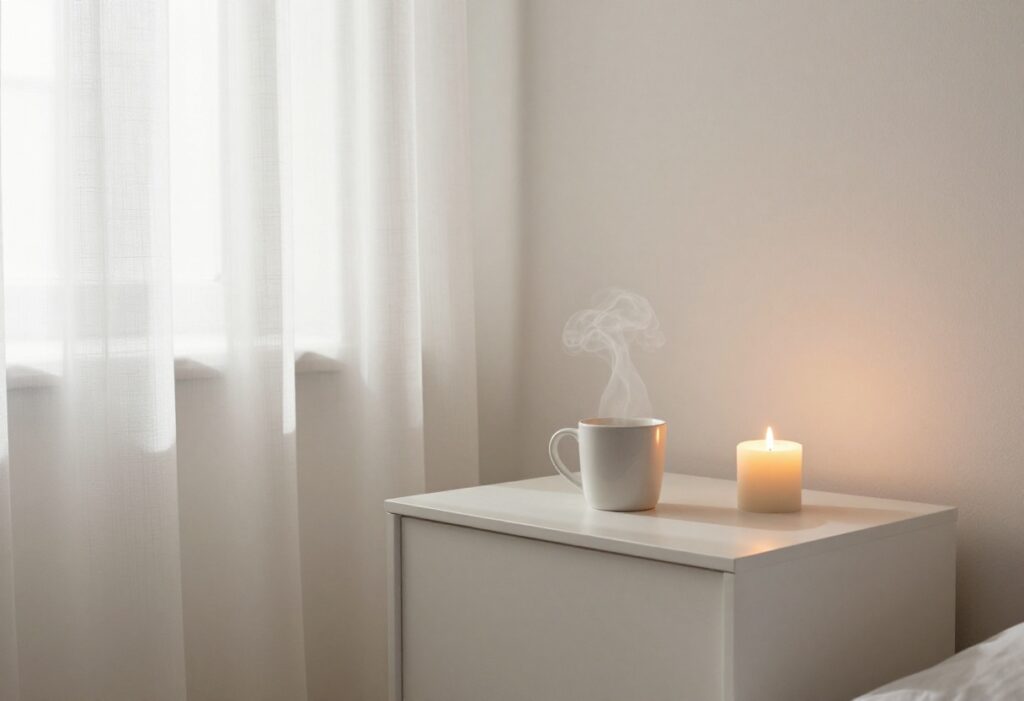
Life gets loud. Between work, family, and the constant ping of notifications, finding a moment of peace can feel impossible. But a reset doesn't require a week-long retreat or a hefty budget.
These 15 self-care ideas are designed to fit into your real life. They're simple, low-cost, and don't demand hours you don't have. Think of them as small anchors that bring you back to calm.
No complicated routines or expensive products here. Just gentle, practical ways to slow down and breathe again. Pick one, try it, and see how it feels.
1. Wake Up 10 Minutes Earlier

Mornings often feel like a race from the moment the alarm goes off. But carving out just ten extra minutes can transform your entire day. Instead of hitting snooze or rushing through your routine, use that time as a gentle transition into the world.
It's a small shift that makes a big difference.
Waking up earlier isn't about losing sleep—it's about claiming a pocket of calm before the chaos begins. Those ten minutes are yours to do with as you please: stretch, sip a warm drink, or simply sit in silence. No phone, no tasks, no pressure.
This quiet buffer sets a peaceful tone for the hours ahead.
Why It Works
Starting your day without immediate demands lowers stress and gives your mind space to ease into wakefulness. It's a form of proactive self-care that prevents that frazzled feeling from taking over.
How To Make It Stick
Set your alarm just ten minutes earlier than usual. Keep your phone on airplane mode and have a cozy spot ready—maybe a chair by the window or a corner of the couch. Use the time for something that feels soothing, not productive.
What To Do With The Time
Try gentle stretches, deep breathing, or just watching the sunrise. Sip tea or water slowly. Journal a single sentence about how you feel.
The key is to do nothing that feels like an obligation.
2. Make Your Bed Every Morning
It sounds almost too simple to matter, but making your bed each morning is one of the most effective ways to start your day with a small win. That tidy surface instantly makes your bedroom feel more organized and peaceful. It's a two-minute task that sets a calm, intentional tone for everything that follows.
When you make your bed, you've already completed one task before the day really begins. That sense of accomplishment, however small, builds momentum. Plus, coming back to a made bed at night signals that your space is ready for rest, helping you unwind faster.
The Psychology Of A Made Bed
A made bed reduces visual clutter, which can lower stress and anxiety. Your brain registers order, and that calm feeling carries into other areas of your day. It's a simple anchor that reminds you that you're in control.
How To Make It A Habit
Keep your bedding simple so it's quick to arrange. A duvet or comforter with a few pillows is all you need. Set a reminder on your phone for the first week, and soon it will feel automatic.
The Ripple Effect
Once your bed is made, you might find yourself tidying up other small areas without thinking. That one small action can spark a chain of productive, calming habits throughout your morning.
3. Drink a Full Glass of Water First Thing
Before you reach for your phone or coffee, try this: drink a full glass of water. It's a tiny ritual that signals to your body that you're being taken care of. Keep a glass or reusable bottle on your nightstand so you see it right when you wake up.
Hydration is a simple act of care. Keep a glass by your bed and drink it before coffee or phone scrolling.
Why It Works
After hours of sleep, your body is naturally dehydrated. Water first thing helps kickstart your metabolism, flush out toxins, and improve mental clarity. It's a gentle wake-up call for your entire system.
Make It A Habit
Set a glass or reusable bottle on your nightstand before bed. If plain water bores you, add a slice of lemon or a splash of cucumber. The key is to do it before anything else—no phone, no coffee, just water.
Tweak It To Fit You
Not a fan of cold water? Try room temperature or warm water with a squeeze of lemon. Some people add a pinch of salt for electrolytes.
The goal isn't perfection—it's starting your day with a small, intentional act of care.
4. Step Outside for Five Minutes

You don't need a long hike or a beach vacation to reset your mind. Sometimes just stepping outside for a few minutes can do wonders. Fresh air and natural light have a direct effect on your nervous system, helping you shift from stress mode to calm mode almost instantly.
No destination needed—just stand, breathe, and notice the sky. This simple act can break a cycle of overthinking and ground you in the present moment. It's a tiny pause that makes a big difference.
Why It Works
Natural light regulates your circadian rhythm and boosts serotonin. Fresh air increases oxygen flow to your brain, improving focus and mood. Even five minutes can lower cortisol levels and reduce tension.
How To Make It A Habit
Set a timer on your phone for a mid-morning or afternoon break. Step onto your porch, balcony, or just outside your door. Leave your phone inside and focus on your senses—feel the breeze, listen to birds, notice the temperature.
What To Do While You're Out
You don't need a plan. Just breathe deeply, look at the sky, and let your mind wander. If you like, try a simple grounding exercise: name three things you see, two you hear, and one you feel.
5. Write Down One Thing You're Grateful For
Gratitude is like a reset button for your brain. When you're stuck in a loop of stress or worry, naming one good thing can shift your entire perspective. It doesn't have to be huge—a warm cup of coffee, a text from a friend, or even just a sunny afternoon counts.
The goal here is consistency, not length. A single sentence each day is enough to train your mind to notice the positives. Over time, this small habit builds a mental archive of good moments you can revisit when things feel heavy.
Keep It Simple
You don't need a fancy journal. A sticky note, a notes app, or even a text to yourself works. The key is to make it so easy you can't skip it.
Pick a time—maybe with your morning coffee or right before bed—and stick to it.
Go Beyond The Obvious
Try to notice small, specific things. Instead of "my family, " write "the way my kid laughed at breakfast. " Specificity makes the gratitude feel more real and personal.
It also helps you stay present in everyday moments.
Look Back When You Need A Boost
On tough days, flip through your past entries. You'll see a record of good things that actually happened, which can counterbalance the brain's natural negativity bias. It's a quick, evidence-based mood lifter.
6. Stretch for Two Minutes
Your body holds tension you don't notice. A quick neck roll, shoulder shrug, or forward fold releases stress instantly. Two minutes is all it takes to reset your nervous system and melt away the day's tightness.
Why Two Minutes Works
Research shows that brief stretching reduces cortisol levels and increases blood flow. You don't need a full yoga session—just a few targeted moves can shift your body from fight-or-flight to rest-and-digest.
Simple Moves To Try
Neck rolls: Drop your chin to your chest and slowly roll your head side to side. Shoulder shrugs: Lift your shoulders toward your ears, hold for a breath, then release. Forward fold: Hinge at your hips and let your arms hang toward the floor.
When To Do It
Morning stiffness, afternoon slump, or before bed—anytime you feel tension creeping in. Set a timer for two minutes and give yourself permission to stop everything else.
7. Declutter One Small Surface

Visual clutter is a sneaky source of stress. You might not notice it, but that pile of mail on the counter or the jumble of chargers on your nightstand adds to your mental load. Clearing just one small surface can create an instant sense of calm and control.
You don't need to tackle the whole house. Pick a single flat surface: your nightstand, desk corner, kitchen counter, or bathroom vanity. Set a timer for 10 minutes and clear everything off.
Wipe it down, then only put back items that belong there or bring you joy. That's it.
Why One Surface Works
Small wins build momentum. When you see that clean space, your brain registers a success. It's a visual reminder that you can create order, even in a busy life.
Plus, it takes less than 15 minutes and doesn't require a whole afternoon.
How To Keep It Clean
Make a habit of resetting that surface each evening. Before bed, clear off your nightstand. After dinner, wipe the kitchen counter.
It becomes a tiny ritual that signals the end of the day and keeps the peace going.
What To Do With The Stuff
Have a designated basket or tray for items that need attention—mail, chargers, random objects. Sort them once a week. For things that don't belong, put them away immediately.
The goal isn't perfection; it's reducing visual noise.
8. Listen to a Song You Love
Music has a direct line to your emotions. One song can lift your mood, calm your nerves, or bring back a happy memory. It’s one of the fastest ways to shift your mental state without any effort.
Pick a track that makes you feel good—something that makes you want to sing along or just close your eyes and sway. Let yourself be fully present in the music for a few minutes. That’s it.
No need to analyze or multitask. Just listen.
Music is a powerful tool for emotional regulation. A familiar, uplifting song can trigger the release of dopamine, the feel-good neurotransmitter. It’s like a mood boost in three to four minutes.
Use this as a quick reset during a stressful day. Put on headphones, turn up the volume, and let the melody wash over you. It’s a simple act of self-care that costs nothing and works almost instantly.
Choose The Right Song
Not all music works the same for everyone. Pick a song that genuinely makes you feel happy, nostalgic, or empowered. It could be an old favorite or a new discovery.
The key is that it resonates with you personally.
Create A Go-to Playlist
Save a few of your mood-boosting songs in a dedicated playlist. Name it something like “Reset” or “Good Vibes. ” That way, you have an instant tool ready whenever you need a quick emotional lift.
Listen Intentionally
Instead of having music as background noise, give it your full attention for a few minutes. Close your eyes, focus on the instruments, the vocals, and how the music makes you feel. This mindful listening can deepen the calming effect.
9. Do a Digital Detox for 30 Minutes

Your phone is a portal to endless information, but it's also a constant source of distraction. That buzz, ping, and glow keep your brain in a state of low-level alertness, making it hard to truly relax. A short digital detox can break that cycle and give your mind the reset it craves.
Just 30 minutes without screens can lower stress, improve focus, and help you reconnect with the physical world. It's a simple, free way to carve out peace in a busy day.
Put your phone in another room. Read a book, doodle, or just stare out the window without any screens. The goal is to let your mind wander without digital input.
Why It Works
Constant notifications keep your brain in fight-or-flight mode. Even a short break lowers cortisol and gives your attention span a chance to recover.
How To Start
Set a timer for 30 minutes. Place your phone in a drawer or another room. Choose a simple activity like reading, sketching, or just sitting quietly.
Make It A Habit
Try this at the same time each day, perhaps during your morning coffee or after work. Consistency helps train your brain to expect and enjoy the break.
10. Light a Candle or Use Essential Oils
Scent is a powerful anchor for calm. The right aroma can shift your mood in seconds, signaling to your brain that it's time to relax. Lavender, eucalyptus, and vanilla are popular for a reason—they work.
Choose a scent that feels like a deep breath. Light a candle while you read or unwind, or add a few drops of essential oil to a diffuser. Keep it simple: one scent, a quiet moment, and a few deep inhales.
Pick Your Calm
Lavender is the go-to for sleep and stress relief. Eucalyptus clears the mind and opens the airways. Vanilla is warm and comforting.
Try each to see what resonates with you.
Make It A Ritual
Don't just light a candle and walk away. Sit with it. Watch the flame, breathe in the scent, and let your thoughts settle.
Even five minutes can reset your nervous system.
Safe And Simple
Always place candles on a stable surface and never leave them unattended. For a worry-free option, use a diffuser or a reed diffuser. They provide steady fragrance without the flame.
11. Take a Warm Bath or Shower
Warm water isn't just for getting clean—it's a simple way to reset your nervous system. The heat relaxes tight muscles and signals your brain to shift into rest mode. It's one of the easiest self-care tools you already have.
A warm bath or shower can become a mini ritual. The key is to make it intentional, not rushed. Let the water work its magic on your shoulders and back.
Add a few extras if you like, but the water alone does plenty.
Set The Mood
Dim the lights or light a candle. Keep the room quiet or play soft music. This tells your brain that this time is different from your usual quick rinse.
Add Soothing Extras
Epsom salts help ease sore muscles, and a few drops of lavender or eucalyptus oil can make the experience feel spa-like. Even a simple bath bomb works.
Stay Present
Instead of planning your to-do list, focus on the sensation of the warm water. Notice the steam, the scent, and the feeling of letting go. Five minutes of this can reset your whole evening.
12. Write Down Three Things You Accomplished Today

It's easy to focus on what didn't get done. But ending your day by listing three accomplishments—no matter how small—shifts your mindset toward progress. This simple practice builds self-appreciation and reminds you that you're moving forward, even on slow days.
Grab a notebook or open a notes app. Before bed, write down three things you accomplished today. They don't have to be big.
Maybe you finally folded that laundry, sent an important email, or just took a few deep breaths when you felt stressed. The act of writing them down makes your wins feel real. Over time, this habit trains your brain to notice and celebrate your efforts, which boosts motivation and self-worth.
Why It Works
Your brain has a negativity bias—it remembers failures more than successes. By deliberately listing accomplishments, you counter that bias and reinforce a positive self-image. This small ritual also provides a sense of closure for the day, helping you transition into rest mode.
How To Start
Keep it simple. Use a dedicated journal, a sticky note, or even a voice memo. The key is consistency, not length.
If you're stuck, think of tasks you completed, problems you solved, or moments you showed kindness to yourself or others.
Make It A Ritual
Pair this practice with another nightly habit, like brushing your teeth or drinking tea. Keep your list somewhere visible to revisit on low days. You'll build a personal record of resilience and growth.
13. Say No to One Thing
Saying yes to everything is a fast track to burnout. Every time you agree to something you don't really want to do, you're telling yourself that your time and energy don't matter. That's not self-care—that's self-neglect.
This week, practice saying no to one request that feels draining. It could be a work task, a social invitation, or a favor for someone who always asks. The goal isn't to be rude—it's to protect your peace.
Saying no is a muscle. The more you use it, the stronger it gets. And every time you do, you're sending a clear message: your well-being comes first.
Saying yes to everything is a fast track to burnout. Every time you agree to something you don't really want to do, you're telling yourself that your time and energy don't matter. That's not self-care—that's self-neglect.
This week, practice saying no to one request that feels draining. It could be a work task, a social invitation, or a favor for someone who always asks. The goal isn't to be rude—it's to protect your peace.
Saying no is a muscle. The more you use it, the stronger it gets. And every time you do, you're sending a clear message: your well-being comes first.
Why It's Hard
We're wired to please others. Saying no can feel uncomfortable, even selfish. But remember: every yes to something that drains you is a no to something that fills you up—like rest, hobbies, or quiet time.
How To Say It Gracefully
You don't need a long excuse. A simple "I can't commit to that right now" or "That doesn't work for me" is enough. Keep it kind but firm.
You're not responsible for managing someone else's reaction.
Start Small
Pick one low-stakes situation this week. Decline an optional meeting, skip a group chat obligation, or turn down a last-minute hangout. Notice how it feels.
You might be surprised by the relief.
14. Cuddle a Pet or Hug Someone
Physical touch is a fast track to feeling better. When you cuddle a pet or hug a friend, your body releases oxytocin, the bonding hormone. This simple act lowers cortisol and blood pressure, helping you shift from stressed to calm in minutes.
The Science Of A Good Hug
Hugging for at least 20 seconds triggers a noticeable drop in stress hormones. It's why a long hug feels more comforting than a quick pat on the back. Even a few minutes of snuggling with a pet can produce the same calming effect.
Make It A Daily Ritual
Set a reminder to give someone a warm hug or spend quality time with your pet each day. It doesn't have to be long—just a mindful moment of connection. If you live alone, consider volunteering at an animal shelter or asking a friend for a hug.
When Touch Isn't Possible
If you can't physically be with a loved one or pet, try a weighted blanket or a warm compress on your chest. These simulate the comforting pressure of a hug and can still trigger a relaxation response.
15. Go to Bed 15 Minutes Earlier

Sleep is the foundation of well-being. A small shift in bedtime can improve mood, focus, and resilience. You don't need a drastic overhaul—just a gentle nudge toward rest.
Pushing bedtime back by a quarter-hour might not sound like much, but it adds up to nearly two hours of extra sleep over a week. That's enough to reduce irritability, sharpen concentration, and help you handle stress better. The key is consistency: make it a non-negotiable part of your evening routine.
Why 15 Minutes Matters
Even a small sleep debt accumulates. Going to bed just 15 minutes earlier helps you chip away at that debt without feeling like you're losing precious evening time. Over a month, that's over seven hours of extra rest—enough to noticeably boost your energy.
How To Make It Stick
Set a bedtime alarm on your phone. When it goes off, start winding down: dim the lights, put away screens, and do something calming like reading or gentle stretching. Pair the new bedtime with a relaxing ritual so your brain learns to associate that time with sleep.
The Ripple Effect
Better sleep improves your mood, decision-making, and patience. You'll find it easier to say no to junk food, handle tough conversations, and stay focused. That 15-minute investment pays dividends across your entire day.
FAQ
How do I start a self-care routine when I'm busy?
Start with one tiny habit, like drinking water first thing or stretching for two minutes. Consistency matters more than duration.
Do I need to spend money on self-care?
Not at all. Most effective self-care is free—like walking outside, deep breathing, or listening to music.
How often should I practice self-care?
Daily is ideal, but even a few times a week makes a difference. Aim for small, regular acts rather than occasional big ones.
What if I feel guilty taking time for myself?
Remember that self-care isn't selfish—it's necessary. You can't pour from an empty cup. Start with five minutes and notice how it helps you show up better.
Can self-care really help with stress?
Yes. Simple activities like deep breathing, gratitude journaling, or a warm bath lower cortisol and activate the relaxation response.
Conclusion
A peaceful life reset doesn't require a complete overhaul—just a few small, intentional habits woven into your day. Pick one or two ideas from this list that feel genuinely doable, whether it's a five-minute stretch or turning off your phone an hour before bed.
Start with what fits your current energy and schedule. These tiny acts of care will build momentum over time, creating a calm foundation that supports you even on chaotic days.

Dr. Pallab Kishore, MS in Orthodontics and owner of Orthodontic Braces Care, shares expert tips on braces, aligners, and oral health from 10+ years of experience.