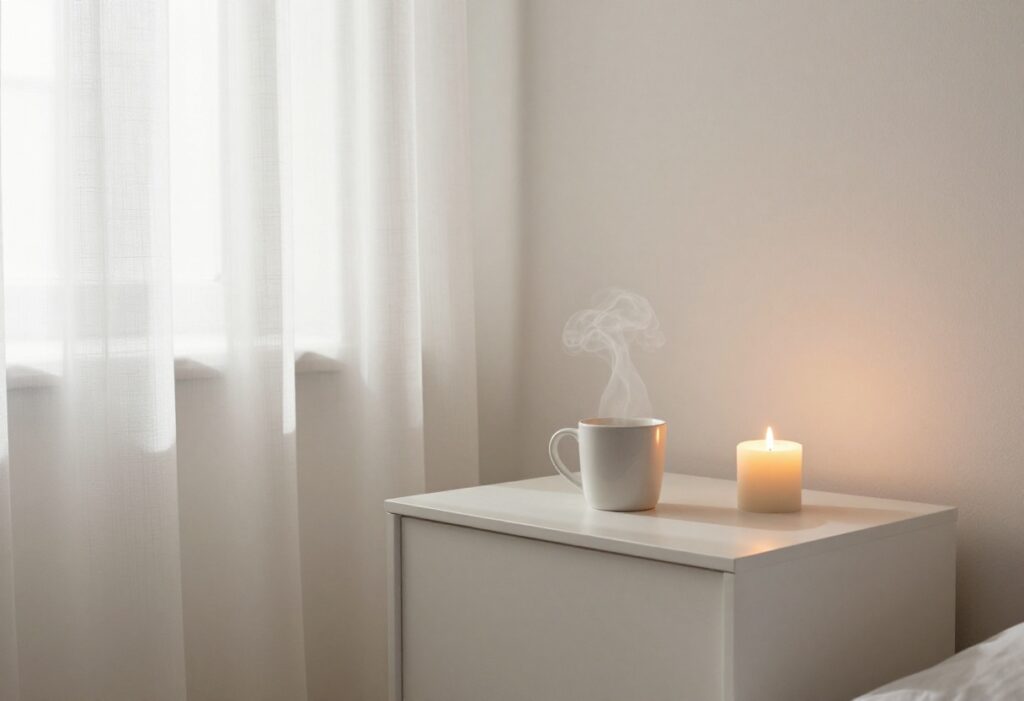
A calm mind doesn't happen by accident. It's built through small, intentional habits that you weave into your day. The payoff?
Less mental chatter, more clarity, and a sense of ease that sticks with you. You don't need a spa day or a week-long retreat to reset your inner peace. These 25 self-care ideas are designed for real life—short on time, big on impact.
Each one is a simple tool you can reach for whenever your mind needs a break. Pick one, try it, and notice how your mental landscape shifts.
1. Start Your Morning with Silence

The first moments after waking are a blank canvas. Before you reach for your phone or dive into the day's demands, give yourself a gift of stillness. Just five minutes of sitting in silence can set a calm tone for everything that follows.
This simple practice trains your brain to start the day from a place of peace rather than reaction. No notifications, no news, no mental to-do list—just you and the quiet. Over time, this morning ritual becomes a anchor for your calm.
Why It Works
Silence allows your nervous system to transition gently from sleep to wakefulness. Without external input, your mind can settle naturally, reducing the cortisol spike that often comes from jumping straight into stimulation.
How To Make It Stick
Keep your phone in another room overnight. When you wake, stay in bed or move to a cozy chair. Close your eyes, breathe slowly, and simply observe the quiet.
If thoughts come, let them pass without engaging.
When You're Short On Time
Even 90 seconds of silence before checking your phone can make a difference. Set a gentle intention like, 'I will be calm today, ' and then proceed with your morning. Consistency matters more than duration.
2. Write One Thing You're Grateful For
Gratitude is like a reset button for your brain. It pulls your attention away from what's missing and drops it right into what's already good. And the best part?
You don't need to write a whole journal entry—just one thing each morning is enough to shift your mindset. This tiny habit trains your brain to scan for positives instead of problems. Over time, it becomes a natural reflex, making your days feel lighter and more grounded.
Start your day by naming one specific thing you're grateful for. It could be as simple as a warm cup of coffee, a text from a friend, or the fact that you got a good night's sleep. Write it down in a notebook, on a sticky note, or even in your phone's notes app.
The act of writing makes it stick. Keep it simple and don't overthink it. The goal isn't to find something profound every day—it's to train your brain to notice the good that's already there.
Why One Thing Works
When you limit yourself to one thing, you remove the pressure to come up with a long list. That makes the habit easy to stick with. Plus, focusing on a single positive moment helps you savor it more deeply, which amplifies the calming effect.
Make It A Morning Anchor
Tie your gratitude practice to something you already do every morning, like brushing your teeth or making your bed. That way, it becomes a natural part of your routine. Keep a small notebook by your toothbrush or set a phone reminder to pop up right after you wake up.
Mix It Up To Keep It Fresh
To prevent the habit from feeling stale, vary what you're grateful for. One day it could be a person, the next a moment of peace, and the next something you learned. This variety keeps your brain actively searching for new positives, which strengthens the gratitude muscle.
3. Take a Tech-Free Walk
When was the last time you walked without a destination or a podcast queued up? Your phone is a constant source of pings, scrolls, and mental clutter. A tech-free walk strips that away, leaving just you and the world in real time.
No camera, no maps, no notifications—just your feet and your senses. It’s a mini digital detox that costs nothing and resets everything.
The beauty of this practice is its simplicity. You step outside, leave the phone behind (or in your pocket on airplane mode), and let your attention drift outward. The goal isn’t to get steps or clear your inbox—it’s to reconnect with your environment.
The breeze on your skin, the distant sound of a lawnmower, the smell of fresh-cut grass. All of it becomes a gentle anchor for your mind. Over time, this habit trains your brain to find calm in the ordinary.
Why It Works
Without a screen, your brain shifts from active problem-solving to a more relaxed, diffuse mode. You stop processing information and start absorbing it. This lowers cortisol and gives your prefrontal cortex a break.
The result? A quieter mind that feels more spacious.
How To Start
Pick a short route you know well—no navigation needed. Leave your phone at home or in a bag. If you feel the urge to check it, just notice the impulse and let it pass.
Focus on one sense at a time: first listen, then look, then feel. Even 10 minutes can reset your mental state.
Make It A Ritual
Try to do this at the same time each day—maybe after lunch or before dinner. Consistency builds a mental cue that it’s time to unwind. Over weeks, your brain will start anticipating this break, making it easier to slip into a calm state.
4. Breathe Deeply for 60 Seconds
Your breath is always with you, a built-in tool for instant calm. When your mind feels cluttered or your shoulders are tense, a minute of focused breathing can reset your entire state. No app, no equipment, no special place needed.
The 4-4-6 Pattern
Inhale through your nose for a slow count of four. Hold that breath for four counts. Then exhale through your mouth for six counts, making the exhale longer than the inhale.
This specific ratio activates your parasympathetic nervous system, the part that tells your body it's safe to relax.
Why It Works So Fast
Longer exhales stimulate the vagus nerve, which lowers your heart rate and blood pressure. Within just a few breaths, you'll feel your jaw unclench and your thoughts slow down. It's like hitting a mental reset button.
When To Use This Technique
Try it before a stressful meeting, after a frustrating conversation, or right before bed. You can even do it while waiting in line or sitting at a red light. The beauty is that nobody around you will even notice.
5. Sip Tea or Coffee Mindfully
Your morning coffee or afternoon tea is already a ritual—why not make it a moment of calm? Instead of gulping it down while scrolling, try slowing down. Mindful drinking turns a simple beverage into a mini meditation that grounds you in the present.
When you sip mindfully, you engage all your senses. You notice the warmth of the cup in your hands, the aroma rising with the steam, and the complex flavors as the liquid touches your tongue. This focused attention pulls your mind away from worries and into the here and now.
It's a small pause that can reset your mood and lower stress levels.
Set The Scene
Before you take your first sip, create a distraction-free zone. Put your phone face down, turn off the TV, and sit comfortably. Take a few deep breaths and simply look at your drink—notice its color and the steam curling upward.
Engage Your Senses
Bring the cup to your nose and inhale the scent. Then take a small sip and let it rest on your tongue for a moment. Pay attention to the temperature, texture, and taste.
Swallow slowly and notice any aftertaste. Repeat for each sip.
Make It A Daily Habit
Pick one cup of tea or coffee each day to enjoy mindfully. It could be your first cup in the morning or an afternoon break. Over time, this practice becomes a reliable anchor for calm, helping you start or reset your day with intention.
6. Declutter One Small Space

A cluttered space often mirrors a cluttered mind. You don't need to tackle the whole house—just one small area can make a difference. Clearing a drawer or a corner of your desk sends a signal to your brain that order is possible.
It's a quick win that brings both physical and mental relief.
Choose a tiny area—a junk drawer, a nightstand, or even just your wallet. Set a timer for 10 minutes and sort items into keep, toss, or relocate. The goal isn't perfection; it's progress.
Once you finish, take a moment to appreciate the cleared space and how it feels. That small sense of accomplishment can ripple into other parts of your day.
Why Small Wins Matter
Decluttering one small space is a low-pressure task that still delivers a dopamine hit. It proves you can create order without overwhelm. Plus, every cleared surface reduces visual noise, which helps your brain relax.
Where To Start
Pick a spot you see or use daily—like your desk drawer, bathroom counter, or a kitchen shelf. Avoid high-stakes areas like a packed closet. The easier the task, the more likely you'll finish it and feel good about it.
Keep It Going
Turn this into a micro-habit. Each week, choose one new small space to clear. Over time, you'll build a calmer environment without ever feeling like you did a major cleanup.
Consistency beats intensity here.
7. Listen to a Calming Playlist
Music has a direct line to your nervous system. The right sounds can slow your heart rate, lower stress hormones, and shift your brain into a more relaxed state. You don't need to be a music expert—just a few carefully chosen tracks can create a mini escape from a busy day.
Building a calming playlist is like creating a mental safe space you can visit anytime. Start with instrumentals—piano, acoustic guitar, or ambient electronic—and mix in nature sounds like rain, ocean waves, or forest birds. Keep it between 30 and 60 minutes so it fits easily into a work break or winding down before bed.
Curate For Different Moods
Make a few short playlists for different situations. One for deep focus (no lyrics, steady tempo), one for unwinding after stress (slower, warmer tones), and one for morning calm (gentle, uplifting). Having options means you can match the music to how you feel.
Use It As A Transition Tool
Play your calming list between tasks or after a tough conversation. Even three minutes can reset your mood and help you shift gears without carrying tension into the next activity. It's a simple way to protect your peace throughout the day.
8. Stretch for Five Minutes
Your body holds tension you don't even notice until you stop. A quick stretch session can release that built-up stress and signal your brain that it's time to relax. Five minutes is all it takes to reset your posture and your mood.
You don't need a yoga mat or special clothes. Just stand up, take a deep breath, and start with your neck. Slowly roll your shoulders back and forth, then reach your arms overhead.
Let your spine lengthen as you exhale. Simple movements like these interrupt the cycle of physical tension that fuels mental strain. After just a few minutes, you'll feel lighter and more present.
Target The Hotspots
Neck, shoulders, and lower back are where stress likes to camp out. Try a seated twist: sit tall, place your right hand on your left knee, and gently turn your torso to the left. Hold for a few breaths, then switch sides.
A forward fold—letting your head hang heavy—releases your spine and calms your nervous system instantly.
Make It A Ritual
Link your stretch break to a daily cue, like after brushing your teeth or before your morning coffee. Consistency turns it into a habit your mind starts to expect. Even one minute of conscious stretching can break a stress loop and bring you back to center.
9. Practice the 'Do Nothing' Minute
In a world that glorifies busyness, doing nothing can feel almost rebellious. But giving yourself permission to pause—without scrolling, thinking, or planning—is one of the most restorative things you can do. The 'Do Nothing' Minute is exactly what it sounds like: sixty seconds of pure, unstructured stillness.
No agenda, no multitasking, no guilt. Just you and the present moment.
This practice might seem too simple to be effective, but that's precisely its power. When you stop doing, your nervous system gets a signal that it's safe to relax. It's a micro-break that can reset your mental state, lower stress, and improve focus.
The key is to let go of any pressure to 'meditate' or 'be mindful'—just sit and be.
Why 60 Seconds Works
A minute is short enough to fit into any schedule, but long enough to create a noticeable shift. It's a manageable commitment that reduces resistance. You're not asking yourself to sit for 20 minutes—just one.
That small win builds momentum for more calm habits.
How To Make It A Habit
Anchor your 'Do Nothing' Minute to an existing routine. Try it right after you pour your morning coffee, before you check your phone, or after you park the car. Set a gentle timer on your watch or phone, then close your eyes or gaze softly at a blank wall.
Let thoughts come and go without engaging them.
What To Expect
At first, your mind might race or you might feel fidgety. That's normal. Over time, the minute will start to feel like a mini-vacation.
You'll notice a sense of calm settling in, and you might even look forward to these pockets of stillness. No special equipment or skills needed—just you and a willingness to pause.
10. Use a Weighted Blanket
Weighted blankets have become a go-to tool for calming an overactive mind. The gentle, even pressure they provide mimics a therapeutic technique called deep pressure stimulation, which can lower cortisol levels and increase serotonin. It's like a constant, reassuring hug that tells your nervous system it's safe to relax.
The science is simple: the weight triggers your body to release feel-good chemicals while reducing stress hormones. Many people find it easier to fall asleep and stay asleep under a weighted blanket. But it's not just for bedtime—draping one over your lap during a movie or while reading can create an instant sense of groundedness.
Choosing The Right Weight
A good rule of thumb is to pick a blanket that's about 10% of your body weight. Too light and you won't feel the effect; too heavy and it might feel suffocating. Start with a lighter option if you're unsure, and always check the fabric for breathability.
Best Times To Use It
Use it during naps, bedtime, or any moment you need to decompress. Some people even use it while working from home to stay focused and calm. Avoid using it for long periods while awake if you tend to overheat—take breaks to let your body adjust.
Caring For Your Blanket
Most weighted blankets come with a removable cover that's machine washable. The inner blanket often needs spot cleaning or professional laundering. Always follow the care label to keep it fresh and functional for years.
11. Write Down Your Worries

Your mind is not a storage unit. Yet we treat it like one, stuffing every worry, to-do, and random fear into the same mental space. No wonder it feels crowded.
Writing them down is like opening the door and letting some of that clutter out. It’s a simple act, but it shifts the weight from your brain to the page.
When you write down a worry, you externalize it. Instead of circling endlessly in your head, the thought sits still on paper. This makes it easier to examine, challenge, or simply set aside.
You’re not trying to solve everything—just giving your mind permission to let go for a moment.
Why It Works
Your brain treats a written worry as 'handled. ' It stops the loop of rumination because the thought is now recorded. Studies show that expressive writing lowers activity in the amygdala, the brain’s fear center. You don’t need to write a novel—a few sentences can break the cycle.
How To Start
Grab a notebook or even a scrap of paper. Set a timer for five minutes. Write whatever comes to mind—worries, frustrations, random thoughts.
Don’t edit or judge. The goal is flow, not perfection. You can do this first thing in the morning or right before bed.
What To Do With The Paper
You have options. Keep the page in a journal to track patterns. Tear it up and throw it away as a symbolic release.
Or simply close the notebook and move on. The act of writing is what matters, not what happens next.
12. Diffuse Calming Essential Oils
Scents have a direct line to the emotional centers of your brain. That's why a few drops of the right essential oil can shift your mood in seconds. Lavender, chamomile, and frankincense are classics for a reason—they help quiet the noise and signal your nervous system to unwind.
Keep a small diffuser on your desk or nightstand. Add 3–5 drops of your chosen oil and let the mist fill the room. Close your eyes and take five slow, deep breaths.
That simple ritual can become a mental bookmark for relaxation.
Best Oils For Calm
Lavender is the go-to for sleep and stress relief. Chamomile adds a gentle, apple-like sweetness that eases anxiety. Frankincense has a grounding, earthy aroma that helps with deep breathing and meditation.
Try blending two or three for a custom effect.
How To Use Without A Diffuser
No diffuser? No problem. Put a drop on a cotton ball and tuck it inside your pillowcase.
Or add a few drops to a bowl of hot water and inhale the steam with a towel over your head. Even a spritz of diluted oil on your wrists works.
13. Take a Warm Bath or Shower
There's a reason why hot water feels so good after a long day. It's not just about getting clean—it's a full-on sensory reset. The warmth relaxes your muscles, slows your breathing, and gives your brain a break from constant thinking.
You don't need fancy bath bombs or oils. Just the water itself can be enough. The key is to tune into the experience instead of rushing through it.
Let the warm water wash away tension. Focus on the sensation of water on your skin. Notice how the heat feels on your shoulders, your back, your feet.
Breathe slowly and let your mind follow the rhythm of the water.
Make It A Ritual
Set the mood with dim lighting or a candle. Keep your phone out of reach. Give yourself permission to stay in the water for 15–20 minutes without rushing.
This isn't a chore—it's a pause.
Use Temperature To Your Advantage
Warm water calms the nervous system, while a quick cool rinse at the end can boost alertness and circulation. Experiment with both to see what feels best for your mind.
Add Simple Sensory Cues
A few drops of lavender or eucalyptus essential oil on the shower floor can turn an ordinary rinse into an aromatherapy session. Or just enjoy the clean scent of your soap. Let your senses anchor you in the moment.
14. Read a Few Pages of a Fiction Book
Escaping into a story gives your mind a break from your own thoughts. Choose something light—a novel that pulls you in without demanding deep analysis. Even ten minutes can reset your mental state.
Fiction offers a gentle escape from the noise of daily life. When you read, you shift focus from your own worries to the characters' journeys. This mental break can reduce stress and improve mood.
Keep a book on your nightstand or in your bag for easy access during quiet moments.
Pick The Right Genre
Not all fiction is calming. Stick with genres that feel light and engaging—romance, humor, or a gentle mystery. Avoid heavy themes or intense thrillers that might spike your anxiety.
Set A Small Goal
Don't pressure yourself to finish a chapter. Aim for just five to ten pages. This low commitment makes it easy to enjoy without feeling obligated.
Create A Cozy Reading Spot
Pair your reading with a comfortable chair, soft lighting, and maybe a cup of tea. The ritual of settling in can enhance the calming effect.
15. Do a Body Scan Meditation

Your body holds tension you don't even notice until you stop to check. A body scan meditation is a simple way to reconnect with physical sensations and release stress you've been carrying. It takes just a few minutes and requires nothing but a quiet spot to lie down.
Lie down on your back with your arms at your sides. Close your eyes and take a few deep breaths to settle in. Start by bringing your attention to your toes—notice any tingling, warmth, or tightness.
Slowly move your focus up through your feet, ankles, calves, knees, and thighs. Pause at each area for a breath or two, just observing without trying to change anything. When you notice tension, imagine your breath flowing into that spot and softening it.
Continue scanning through your hips, belly, chest, fingers, arms, shoulders, neck, and finally your head. The whole process can take anywhere from 5 to 20 minutes. The goal isn't to empty your mind but to become aware of what's happening in your body right now.
Why It Works
A body scan trains your brain to notice stress signals early. By regularly checking in, you learn to release physical tension before it builds into mental overwhelm. It also anchors you in the present moment, pulling you away from anxious thoughts about the past or future.
Tips For Beginners
If your mind wanders, that's okay—just gently guide it back to the body part you were on. You can use a guided recording at first, or set a timer for 5 minutes. Try doing it right before bed to help unwind, or after a stressful meeting to reset.
16. Say 'No' to One Thing
Your calendar doesn't have to be a to-do list for everyone else. Every time you say yes to something you don't really want to do, you're saying no to your own peace. Practice protecting your energy by declining one optional commitment today.
It's not selfish—it's necessary.
Start Small
Pick a low-stakes request, like a coffee catch-up you're not excited about or a volunteer shift you can skip. Politely decline without over-explaining. A simple 'I can't make it work this time' is enough.
Notice The Relief
After you say no, pay attention to how your body feels. That lightness in your chest? That's your mind thanking you.
Use this feeling as a reminder that boundaries are acts of self-care.
Make It A Habit
Once you taste the freedom of saying no, try it regularly. Start with one no per week. Over time, you'll get better at spotting which commitments drain you and which ones actually matter.
17. Watch the Clouds or Stars
Sometimes the best way to calm your mind is to look up. The sky is always there, changing slowly, asking nothing from you. Watching clouds drift or stars twinkle can gently pull your attention away from racing thoughts and into the present moment.
Find a comfortable spot outdoors—a blanket on the grass, a porch chair, or even a bench at a nearby park. Lie back or lean your head up so the sky fills your view. Let your gaze soften and just observe without trying to name shapes or predict weather.
If your mind wanders, gently bring it back to the movement of clouds or the stillness of stars.
Cloud Gazing
Clouds are nature's slow-moving art. Watch them change shape, merge, and drift. Notice the different shades of white and gray.
You can do this for five minutes or twenty—whatever feels right. It's a simple way to reset your brain and feel more spacious.
Stargazing
At night, the sky offers a different kind of peace. Find a dark spot away from city lights. Look for constellations, planets, or just the random scatter of stars.
Let the vastness remind you that your worries are small in the grand scheme. A star map app can add a layer of wonder, but it's not necessary.
Sky Meditation
Combine this practice with mindful breathing. As you watch the sky, inhale slowly and imagine drawing in calmness. Exhale and let go of tension.
Each breath syncs with the sky's endless rhythm. It's a moving meditation that requires no special skills—just your attention.
18. Repeat a Calming Mantra
Words have power, especially the ones you say to yourself. A calming mantra is a short, positive phrase you repeat silently or aloud to anchor your mind when stress starts to creep in. It interrupts the spiral of anxious thoughts and gives your brain something simple and soothing to focus on.
Think of it as a mental reset button—always available, always free.
The beauty of a mantra is its simplicity. You don't need any tools, apps, or quiet space—just a phrase that resonates with you. When you feel tension rising, whisper your mantra a few times, breathing slowly with each repetition.
Over time, this practice trains your brain to associate the phrase with calm, making it even more effective.
Choose Your Phrase
Pick something short and personal. Classic options include 'I am calm', 'This too shall pass', or 'I am safe'. You can also create your own based on what you need most in the moment—like 'I am enough' or 'Breathe, release'.
The key is to choose words that feel true and comforting to you.
When To Use It
Use your mantra during stressful moments—before a meeting, in traffic, or when you're feeling overwhelmed. You can also incorporate it into your morning routine or bedtime ritual. The more you practice, the quicker your mind will turn to it when you need calm.
Make It A Habit
Set a gentle reminder on your phone or pair it with an existing habit, like taking a sip of water or washing your hands. Consistency builds the neural pathway, so the mantra becomes second nature. Even a few repetitions can shift your state of mind.
19. Color in an Adult Coloring Book
Coloring isn't just for kids. Filling in intricate patterns with color pulls your focus away from worries and into the present moment. The repetitive motion of shading and blending is naturally calming, and there's zero pressure to be artistic.
Why It Works
Coloring activates both hemispheres of your brain, engaging creativity while also promoting focus. It's a form of active meditation that lowers cortisol and quiets racing thoughts.
Getting Started
Grab a coloring book with detailed designs—mandalas, nature scenes, or abstract patterns work well. Use colored pencils or fine-tip markers for precision. Set a timer for 10 minutes and just color without judging the outcome.
Make It A Ritual
Pair coloring with a cup of tea or soft background music. Keep your supplies in a visible spot so it's easy to pick up for a quick mental reset. Even a few minutes can shift your mood.
20. Prepare a Soothing Tea Ritual

Boiling water, a favorite mug, and a few minutes of quiet attention—that's all you need to turn a simple cup of tea into a calming ritual. The act of slowing down to prepare and sip tea can become a gentle anchor for your mind, signaling it's time to shift gears. This isn't about chugging tea while scrolling; it's about making the process itself a form of meditation.
The magic lies in the details. Choose an herbal tea that supports relaxation, like chamomile, lavender, or peppermint. As the water heats, take a few deep breaths.
Watch the steam rise, inhale the aroma, and feel the warmth of the cup in your hands. Sip slowly, letting each taste linger. This mindful pause can reset your nervous system and bring a wave of calm.
Set The Scene
Create a cozy corner for your tea ritual. Dim the lights, light a candle, or put on soft music. Make it a sensory experience—the warmth, the scent, the quiet.
This dedicated space helps your brain associate tea time with relaxation.
Engage All Senses
Notice the color of the tea, the feel of the mug, the sound of pouring water. Breathe in the fragrance before each sip. By tuning into your senses, you pull your mind away from worries and into the present moment.
Make It A Daily Practice
Consistency builds the habit. Try having your tea at the same time each day—morning, afternoon, or evening. Over time, this ritual becomes a reliable signal for your brain to unwind, making calmness more accessible.
21. Unplug for One Hour Before Bed
The blue light from your phone or laptop tricks your brain into thinking it's still daytime. That makes it harder to wind down and fall asleep naturally. Breaking the screen habit before bed can do wonders for your mental calm.
An hour without screens gives your mind a chance to slow down. Instead of scrolling through news or social media, you can read a physical book, listen to a podcast, or just sit with your thoughts. This simple shift signals to your brain that it's time to rest, leading to deeper and more restorative sleep.
You'll wake up feeling clearer and less anxious.
Why It Works
Screens emit blue light that suppresses melatonin, the hormone that regulates sleep. By stepping away, you allow your body's natural sleep cycle to kick in. Plus, you avoid the mental stimulation of notifications and endless content.
What To Do Instead
Pick a quiet, screen-free activity. Try reading a paperback, journaling, gentle stretching, or listening to calming music. The goal is to engage your mind without overstimulating it.
Make It A Ritual
Consistency helps. Set a recurring alarm for one hour before bed to remind you to put devices away. Pair it with a relaxing habit like making herbal tea or dimming the lights.
Over time, your brain will automatically start winding down.
22. Light a Candle and Watch the Flame
There’s a reason humans have been drawn to fire for millennia. The flickering light is naturally hypnotic, pulling your attention away from racing thoughts and into the present moment. It’s a simple act, but one that can quiet your mind in seconds.
Lighting a candle isn’t just about setting a mood—it’s a mini meditation. Choose a scent you love, or go unscented if you prefer. Then sit somewhere comfortable, strike a match, and let your gaze soften as you watch the flame dance.
No need to force anything; just let your mind follow the light.
Set The Scene
Dim the lights or close the curtains to make the flame the focal point. Place the candle at eye level on a stable surface, and make sure you’re in a quiet space where you won’t be interrupted. This small setup signals to your brain that it’s time to unwind.
Breathe With The Flame
As you watch, sync your breath with the movement of the flame. Inhale as it grows brighter, exhale as it flickers. This gentle rhythm anchors your mind and deepens the calming effect.
After a few minutes, you’ll notice your shoulders drop and your thoughts slow.
Let Go Of Expectations
You don’t need to clear your mind completely. If thoughts pop up, just notice them and return your attention to the flame. The goal isn’t perfection—it’s a few minutes of peaceful observation.
Even 60 seconds can reset your mental state.
23. Do a Gentle Yoga Flow
Yoga doesn't have to be intense or sweaty to be effective. A gentle flow—where you move slowly and deliberately—can quiet your mind just as much as it stretches your body. The key is linking each movement with your breath, creating a moving meditation that anchors you in the present moment.
When you pair slow movement with deep breathing, you activate your parasympathetic nervous system, which helps lower stress hormones. This isn't about nailing a perfect pose; it's about feeling your body move and your breath guide the rhythm. Even five minutes can reset a frazzled mind.
Start With Cat-cow
Get on all fours, with wrists under shoulders and knees under hips. Inhale as you drop your belly and lift your gaze (Cow). Exhale as you round your spine and tuck your chin (Cat).
Repeat for five slow breaths, letting each movement flow into the next.
Add A Forward Fold
From standing, hinge at your hips and fold forward, letting your head hang heavy. Bend your knees if needed. Stay here for five deep breaths, feeling the release in your hamstrings and back.
This simple pose calms the nervous system almost instantly.
End With Child's Pose
Kneel on the floor, sit back on your heels, and stretch your arms forward on the mat. Rest your forehead on the ground. Breathe deeply into your back, holding for at least ten breaths.
This is your moment to completely let go.
24. Listen to a Guided Sleep Story
Sometimes your brain just won't stop spinning at night. That's when a guided sleep story can be a game-changer. These aren't your typical bedtime tales—they're crafted to ease you into relaxation with a calm voice, gentle pacing, and soothing imagery.
Instead of wrestling with your own thoughts, you hand the reins to a narrator who leads you through a peaceful scene, like a quiet forest or a cozy cabin in the snow. The combination of slow storytelling, soft sound effects, and intentional breathing cues helps shift your focus away from daily worries. Many apps and podcasts offer free sleep stories, so you can sample different voices and styles until you find one that clicks.
It's a simple, screen-friendly ritual that signals to your body: it's time to rest.
Why It Works
Guided sleep stories use a technique called 'cognitive shuffling'—they introduce random, calming images that distract your brain from anxious loops. The narrator's even tone also triggers a relaxation response, lowering your heart rate and preparing you for sleep.
How To Start
Pick a story that matches your mood—nature scenes, gentle adventures, or even historical vignettes. Use headphones for a more immersive experience, and set a timer so the audio stops after you drift off. Many apps let you choose story length, from 15 minutes to over an hour.
Pro Tips
Keep your phone face-down or in another room to avoid screen temptation. If a narrator's voice doesn't relax you, try a different one—there are hundreds available. Pair the story with a warm drink or a cozy blanket to enhance the wind-down effect.
25. End Your Day with a Gratitude Recap

Your brain has a natural negativity bias—it hangs on to the frustrating moments and lets the good ones slip away. A gratitude recap before bed gently rewires that tendency. It's a simple practice: think of three positive moments from your day, big or small.
This nightly ritual takes less than two minutes but shifts your mental focus toward appreciation. Over time, it trains your brain to notice the positive throughout the day, not just at bedtime.
Why Three Moments?
Three is a manageable number—not too few to feel meaningful, not too many to feel like a chore. It forces you to scan your day for genuine highlights, which builds a habit of gratitude without pressure.
How To Make It Stick
Keep a small notebook on your nightstand or use a notes app. Be specific: instead of "my coffee, " try "the first sip of my morning coffee when it was still hot. " Specificity makes the memory more vivid and the gratitude more real.
What If It's Been A Rough Day?
Even on hard days, you can find one small positive—a kind text, a warm shower, a good song. The practice isn't about ignoring the bad; it's about balancing your perspective so the good doesn't get overshadowed.
FAQ
How long should I spend on each self-care idea?
Most ideas take 5–15 minutes. The goal is consistency, not duration. Even a minute of deep breathing counts.
Can I combine multiple ideas?
Absolutely. For example, sip tea while journaling, or stretch while listening to calming music. Find what flows for you.
What if I miss a day?
No worries. Self-care isn't about perfection. Just pick up where you left off.
The key is to return, not to be perfect.
Are these ideas suitable for beginners?
Yes. Every idea is simple and requires no special skills or equipment. Start with the easiest one that appeals to you.
How do I know which idea is right for me?
Scan the list and notice which one feels most inviting. Trust your intuition. You can also try a different one each day.
Conclusion
A calm mind is built one small habit at a time. You don't need to overhaul your entire day—just weave in a few of these ideas where they fit. The result is a quieter inner world that stays with you, no matter what's happening outside.
Start with one idea today.
Notice how it feels. Then, when you're ready, add another. Over time, these small practices become your go-to toolkit for peace.
Your mind will thank you.

Dr. Pallab Kishore, MS in Orthodontics and owner of Orthodontic Braces Care, shares expert tips on braces, aligners, and oral health from 10+ years of experience.