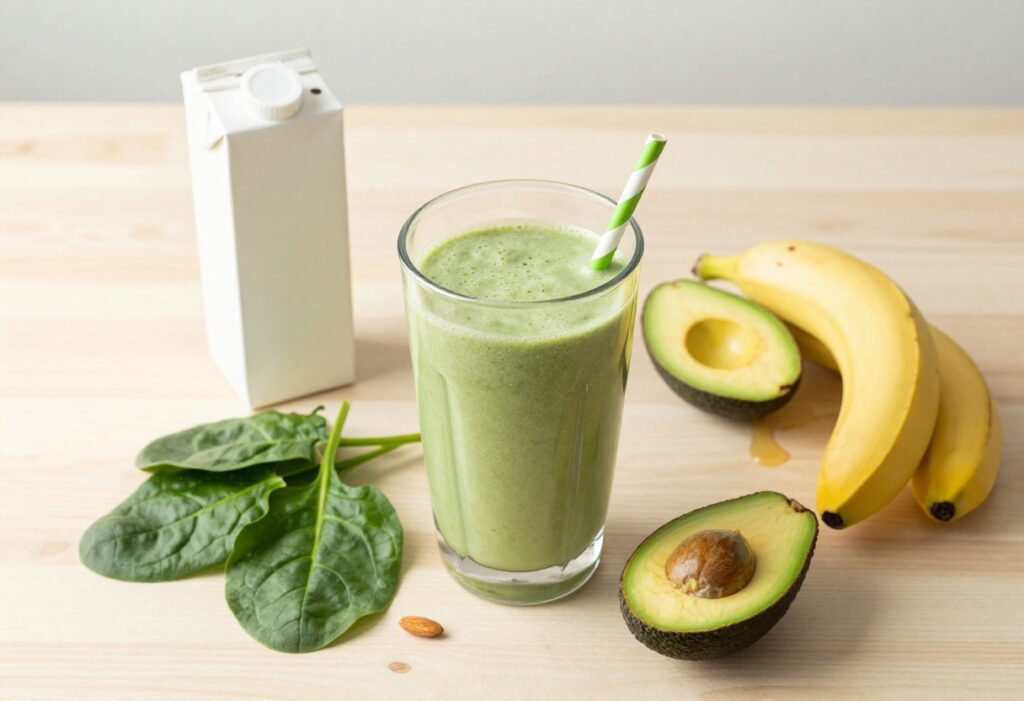
The Mediterranean diet is consistently ranked as one of the healthiest eating patterns in the world. It emphasizes whole foods, healthy fats, lean proteins, and plenty of fruits and vegetables. But if you're used to a standard Western diet, the idea of overhauling your entire kitchen can feel overwhelming.
The good news is that you don't have to change everything overnight. Small, simple swaps can gradually shift your eating habits toward the Mediterranean style without drastic measures. Think of it as trading out a few ingredients here and there.
Instead of butter, you use olive oil. Instead of white rice, you try quinoa. Instead of soda, you drink water with lemon.
Swap Butter and Margarine for Extra Virgin Olive Oil
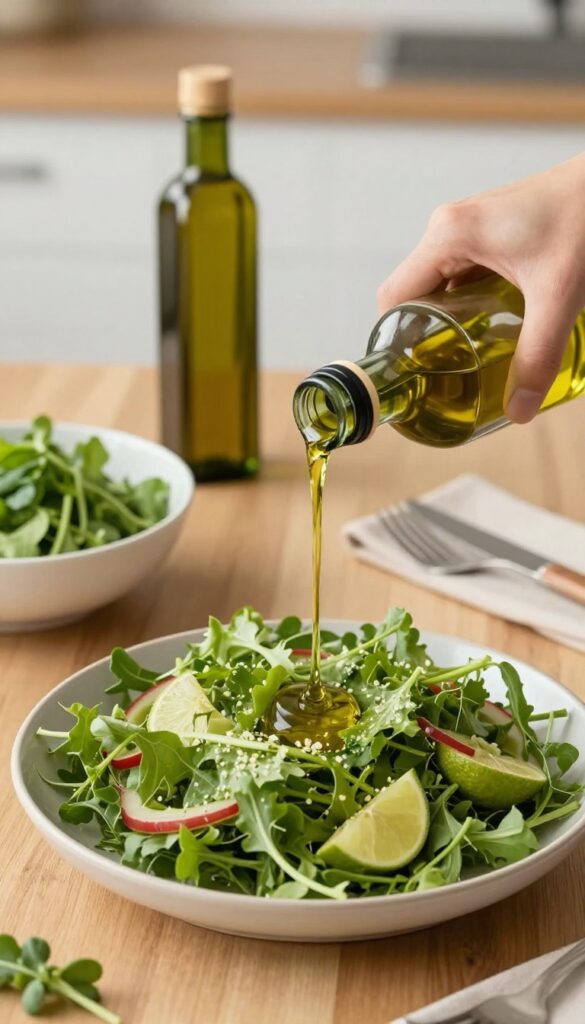
One of the simplest and most impactful changes you can make for a Mediterranean diet is replacing butter and margarine with extra virgin olive oil (EVOO). This swap not only reduces saturated and trans fats but also adds a wealth of heart-healthy monounsaturated fats and antioxidants.
Why Olive Oil Wins
Extra virgin olive oil is a cornerstone of the Mediterranean diet, celebrated for its anti-inflammatory and cardiovascular benefits. Unlike butter (high in saturated fat) or margarine (often containing trans fats), EVOO is rich in monounsaturated fats and polyphenols that support heart health and reduce oxidative stress. Studies have shown that regular consumption of olive oil is linked to lower rates of heart disease, stroke, and certain cancers.
When choosing olive oil, always opt for extra virgin—the least processed form, which retains the highest levels of beneficial compounds. Look for a dark bottle to protect it from light and store it in a cool, dark place to preserve its quality.
How to Use It
Switching to olive oil is easier than you think. Here are practical ways to incorporate it into your daily cooking:
- Use EVOO for sautéing vegetables, eggs, or lean proteins at medium heat.
- Drizzle it over salads, roasted vegetables, or grilled fish for extra flavor.
- Use it as a dip for whole-grain bread instead of butter.
- Replace butter in baking: use 3/4 cup of olive oil for every 1 cup of butter called for. This works well in muffins, quick breads, and even some cakes.
- Make your own salad dressings by whisking olive oil with vinegar, lemon juice, and herbs.
A Note on Baking
When substituting olive oil for butter in baking, choose a mild or light-tasting EVOO to avoid overpowering the flavor. The texture may be slightly denser, but the result is moist and delicious.
Swap Refined Grains for Whole Grains
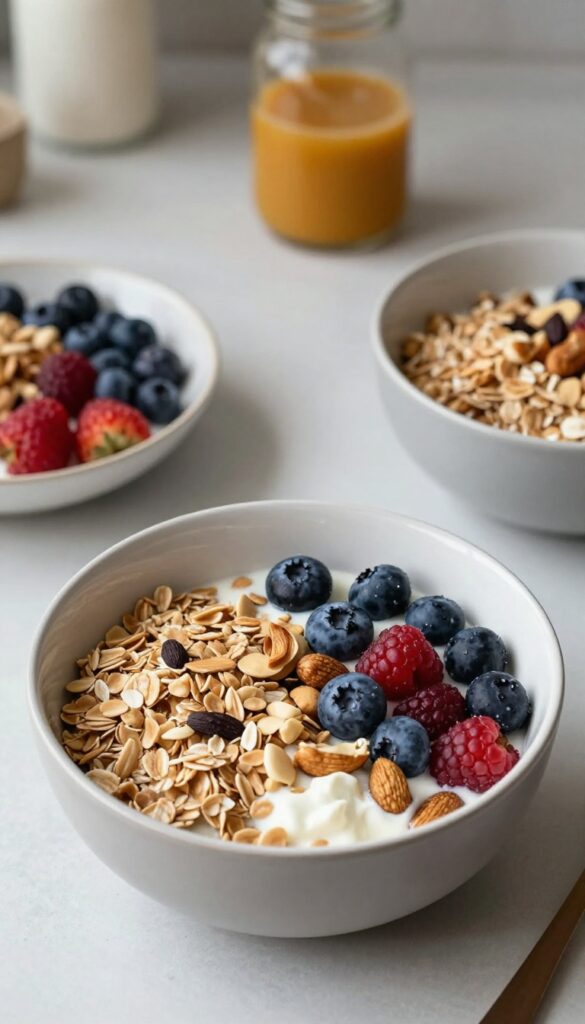
Refined grains like white rice, white pasta, and white bread have been stripped of fiber and nutrients. The Mediterranean diet emphasizes whole grains, which provide lasting energy, steady blood sugar, and more vitamins and minerals. Making simple swaps can boost the nutritional value of your meals without sacrificing taste.
Instead of white rice, try quinoa, farro, or bulgur. These grains cook quickly and have a satisfying, nutty flavor. Quinoa is a complete protein, farro is rich in fiber, and bulgur is a staple in Mediterranean tabbouleh.
For pasta dishes, choose whole wheat or legume-based pasta—it holds up well with sauces and adds extra protein. At breakfast, swap sugary cereals for a bowl of oats topped with fresh fruit and nuts. Even small changes, like using whole wheat bread for sandwiches or brown rice in stir-fries, make a big difference over time.
Better Choices
- Replace white rice with quinoa, farro, or bulgur.
- Choose whole wheat pasta or legume-based pasta.
- Swap white bread for whole grain or sprouted grain bread.
- Use oats or barley for breakfast instead of sugary cereals.
- Try buckwheat or millet as alternative whole grains.
Swap Red Meat for Fish and Plant Proteins
Reducing red meat and replacing it with fish, legumes, and nuts is a cornerstone of the Mediterranean diet. These swaps are easy to make and can significantly boost your intake of healthy fats, fiber, and plant-based nutrients.
Fish and Seafood
Aim to eat fish at least twice a week. Fatty fish like salmon, sardines, and mackerel are rich in omega-3s, which support heart and brain health. Grilled, baked, or canned in water, fish makes a quick and satisfying main dish.
- Swap a beef burger for a grilled salmon fillet or tuna steak.
- Use canned sardines or mackerel on whole-grain toast for a fast lunch.
- Try shrimp or mussels in pasta or salads for a lean protein boost.
Legumes and Nuts
Legumes like lentils, chickpeas, and beans are excellent meat substitutes. They provide protein, fiber, and a meaty texture without the saturated fat. Nuts and seeds make great snacks or salad toppers.
- Replace ground beef with lentils or crumbled tempeh in tacos, chili, or Bolognese sauce.
- Add chickpeas to salads or roast them for a crunchy snack.
- Snack on a handful of almonds or walnuts instead of jerky or processed meats.
Swap High-Fat Dairy for Greek Yogurt and Cheese in Moderation
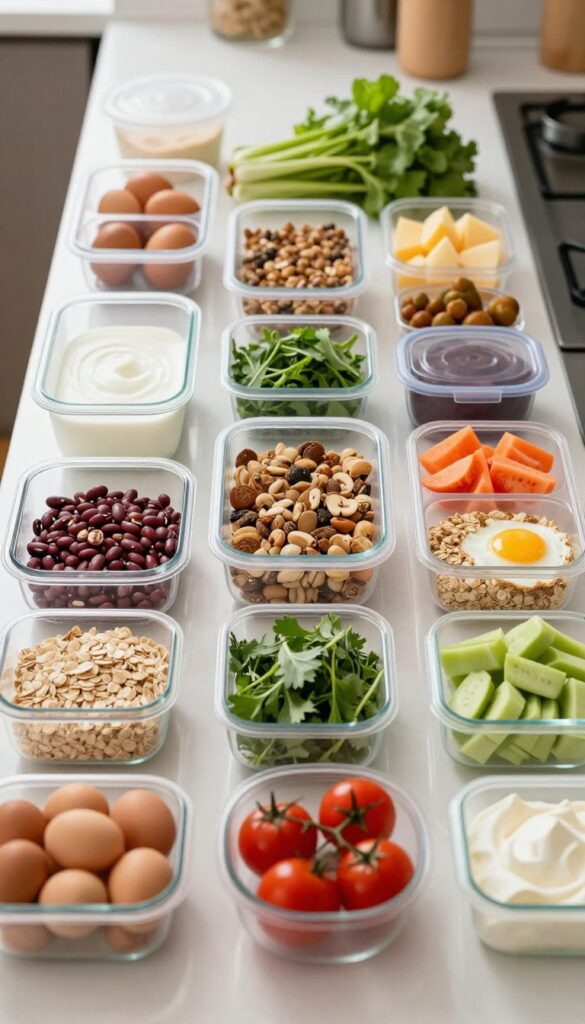
Dairy isn't off-limits on the Mediterranean diet, but the type and amount matter. The goal is to replace high-fat, processed dairy with more natural options that provide protein and calcium without excess saturated fat.
Yogurt as a Base
Greek yogurt is thicker, creamier, and higher in protein than regular yogurt. It makes an excellent substitute for sour cream, mayonnaise, or heavy cream in dips, dressings, and sauces. Use it as a base for tzatziki, a topping for baked potatoes, or a creamy addition to smoothies.
- Replace sour cream with plain Greek yogurt in recipes.
- Use Greek yogurt instead of mayo in tuna or chicken salad.
- Stir a spoonful into soups or stews for creaminess without the fat.
Cheese Choices
The Mediterranean diet includes cheese, but it's typically used as a flavor accent rather than a main ingredient. Choose aged, flavorful cheeses like feta, Parmesan, or mozzarella, and use them sparingly. Avoid processed cheese slices and spreads, which are high in sodium and additives.
- Crumble feta over salads or roasted vegetables.
- Grate Parmesan over pasta or soups for a salty kick.
- Add small cubes of mozzarella to grain bowls or skewers.
Portion Control for Cheese
Stick to about 1–2 ounces of cheese per serving. A little goes a long way in adding flavor, so you don't need a lot. Treat cheese as a condiment, not the centerpiece of your meal.
Swap Sugary Snacks for Fresh Fruit and Nuts
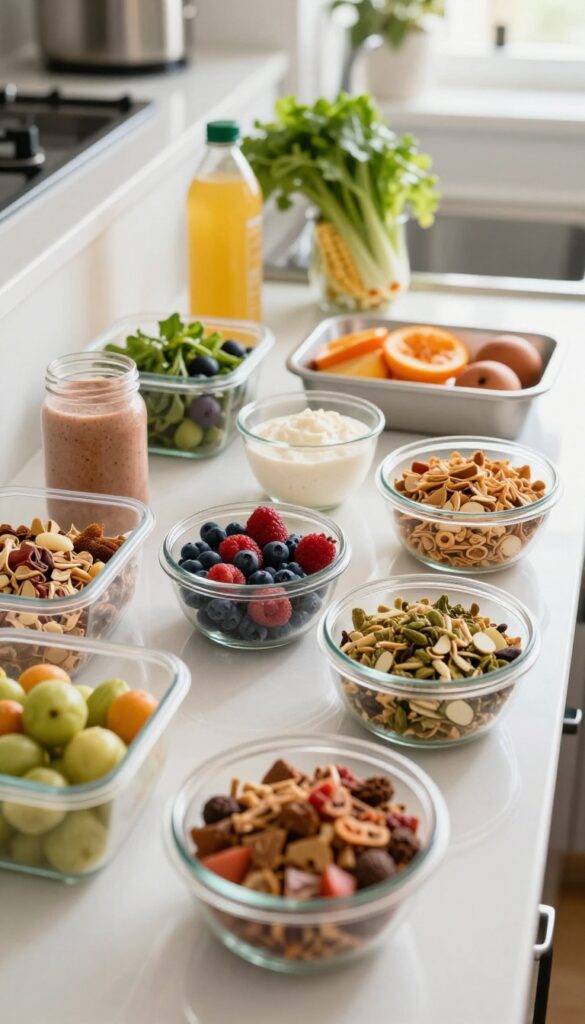
When a craving for something sweet strikes, reaching for a candy bar or a bag of chips might feel automatic. But on the Mediterranean diet, snacks are an opportunity to nourish your body with natural energy. The key is to replace processed, sugar-laden snacks with whole foods that satisfy your sweet tooth and provide fiber, vitamins, and healthy fats.
Fruit First
Whole fruit is a perfect Mediterranean snack. It's portable, requires no preparation, and delivers natural sweetness along with fiber that slows digestion and keeps you full. Unlike fruit juice, which strips away fiber and spikes blood sugar, eating the whole fruit helps maintain steady energy levels.
- Swap a chocolate bar for a crisp apple or a bunch of grapes.
- Keep a bowl of seasonal fruit on your counter for easy grabbing.
- Pair fruit with a handful of almonds for a balanced snack.
Nut and Seed Mixes
Nuts and seeds are staples of the Mediterranean diet, offering healthy fats, protein, and crunch. Instead of reaching for processed snack bars or sugary granola, make your own trail mix. Combine raw almonds, walnuts, pumpkin seeds, and a small amount of dried fruit (like apricots or raisins) for a satisfying mix that travels well.
- Replace candy bars with an apple or a handful of grapes.
- Make your own trail mix with nuts, seeds, and dried fruit.
- Avoid fruit juices; eat whole fruit instead.
By choosing whole fruit and homemade nut mixes, you cut out added sugars and unhealthy fats while still enjoying a delicious, satisfying snack. This simple swap aligns perfectly with Mediterranean eating patterns—and it's one of the easiest changes you can make.
Swap Sugary Drinks for Water, Herbal Tea, or Infused Water
Sugary drinks are one of the biggest sources of added sugar in a typical diet, and they offer no nutritional value. Swapping them out for hydrating alternatives is a simple yet powerful change that supports weight management, stable blood sugar, and overall health.
The Mediterranean diet emphasizes water as the primary beverage, along with moderate amounts of herbal tea and coffee. By replacing soda, sweetened juices, and energy drinks with these options, you eliminate empty calories and reduce your intake of added sugars. This swap alone can make a significant difference in your daily sugar consumption.
Hydration Habits
- Drink water with meals instead of soda. Start with a glass of water before you eat to help with hydration and portion control.
- Add natural flavor to water with lemon slices, cucumber rounds, fresh mint, or berries. Let it infuse for at least 30 minutes for a refreshing taste.
- Enjoy unsweetened herbal teas like chamomile, peppermint, or hibiscus. They can be served hot or iced and provide antioxidants without sugar.
If you're used to sweet drinks, gradually reduce the sweetness by diluting juice with sparkling water or adding a splash of citrus to plain water. Over time, your taste buds will adjust, and you'll find sugary drinks overly sweet.
Swap Salt for Herbs and Spices
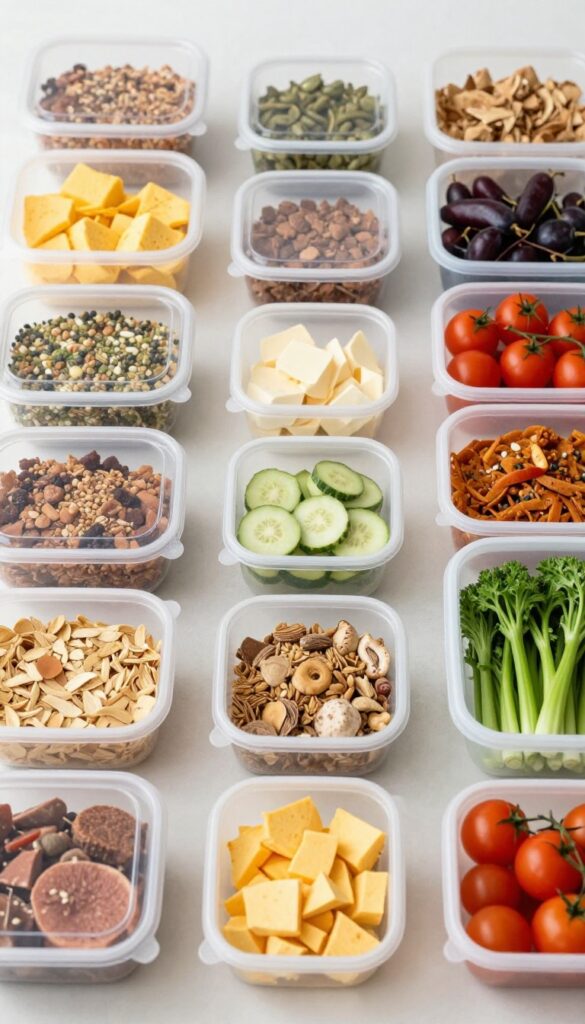
Reducing salt is a common challenge when starting a Mediterranean diet, but the cuisine's rich palette of herbs and spices makes it easy to add flavor without the sodium. Instead of reaching for the salt shaker, try these Mediterranean staples to bring dishes to life.
The Mediterranean region is famous for its aromatic herbs and spices. Oregano, basil, rosemary, and thyme are foundational—use them fresh or dried in tomato sauces, roasted vegetables, and grilled meats. Garlic, whether fresh or powdered, adds depth to almost any savory dish.
For a tangy, citrusy note, sumac is wonderful on salads, fish, or popcorn. Za'atar, a blend of thyme, sesame, sumac, and salt, can be sprinkled on bread with olive oil or over eggs.
How to Use Them in Everyday Cooking
- Mix dried oregano and basil into pasta sauces or drizzle olive oil over sliced tomatoes with a sprinkle of oregano.
- Rub chicken or fish with rosemary, garlic, and lemon zest before roasting.
- Add a pinch of sumac to salad dressings or over hummus for a bright finish.
- Use za'atar as a seasoning for roasted potatoes or as a crust for lamb chops.
- Try thyme with roasted vegetables like zucchini, bell peppers, and eggplant.
Tip for Reducing Sodium Gradually
If you're used to a salty diet, cut back slowly. Start by using half the salt a recipe calls for and increase herbs and spices. Over a few weeks, your taste buds will adjust, and you'll begin to notice the natural flavors in food more.
Swap Processed Desserts for Naturally Sweet Treats
The Mediterranean diet doesn't ban sweets—it just encourages smarter choices. Instead of reaching for packaged cookies, cakes, or ice cream, you can satisfy your sweet tooth with naturally sweet options that align with the diet's principles.
Fruit-Based Desserts
Fresh or baked fruit is one of the simplest ways to end a meal on a sweet note. Try these ideas:
Baking with Better Ingredients
When you do bake, swap out refined sugar and white flour for more nutrient-dense alternatives:
Portion Control and Mindful Eating
Even natural sweets should be enjoyed in moderation. Savor a small piece of dark chocolate or a single serving of fruit-based dessert rather than eating from a large package. This aligns with the Mediterranean emphasis on mindful eating and quality over quantity.
Avoid sugar-free processed desserts. They often contain artificial sweeteners and additives that don't fit the Mediterranean diet's whole-food philosophy. Stick to naturally sweetened options instead.
FAQ
Can I still eat pasta on the Mediterranean diet?
Yes, but choose whole wheat or legume-based pasta instead of refined white pasta. Pair it with plenty of vegetables, olive oil, and a moderate amount of cheese or seafood.
Is the Mediterranean diet expensive?
It can be budget-friendly. Focus on seasonal produce, bulk legumes and grains, and canned fish like sardines. Olive oil and nuts are pricier but used in small amounts.
How quickly will I see results?
Results vary. Many people notice improved energy and digestion within a few weeks. Long-term health benefits like heart health and weight management come with consistent practice.
Conclusion
Adopting a Mediterranean diet doesn't require a complete kitchen makeover. By making one or two swaps at a time, you can gradually transition to a way of eating that's both healthy and enjoyable. Start with the swaps that feel easiest to you—maybe replacing butter with olive oil or choosing fruit for dessert.
Each small change brings you closer to the heart-healthy, flavorful Mediterranean lifestyle. Remember, the Mediterranean diet is not about strict rules but about abundance: more plants, healthy fats, and whole grains.

Dr. Pallab Kishore, MS in Orthodontics and owner of Orthodontic Braces Care, shares expert tips on braces, aligners, and oral health from 10+ years of experience.